vegetables
Shielding From Food Waste
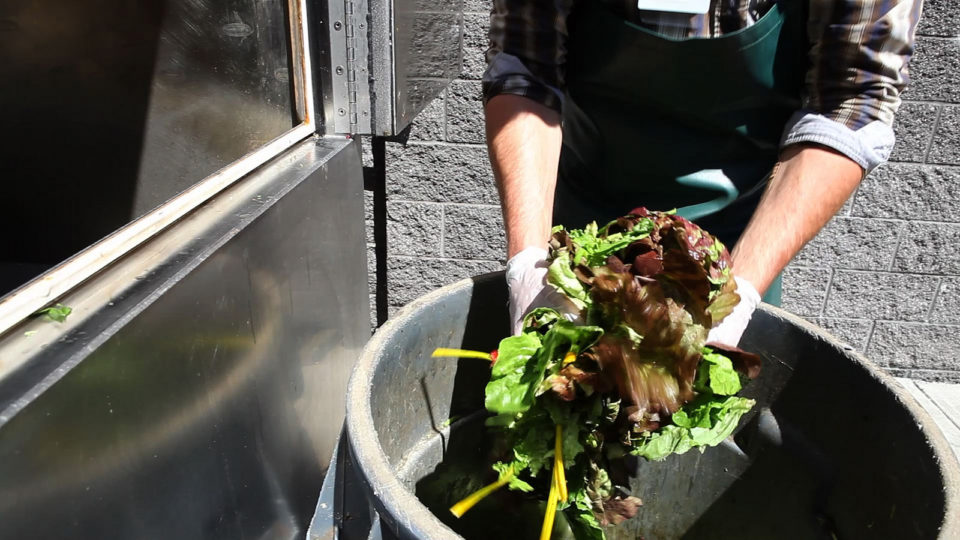
Food waste is one of the most disheartening problems we face. Fully one-third of all food produced globally for human consumption is wasted. Fruits, vegetables and tubers are even worse off: fully half of these things are wasted. It is a loss at an economic, social and environmental level.
The Dirty Dozen Of 2018
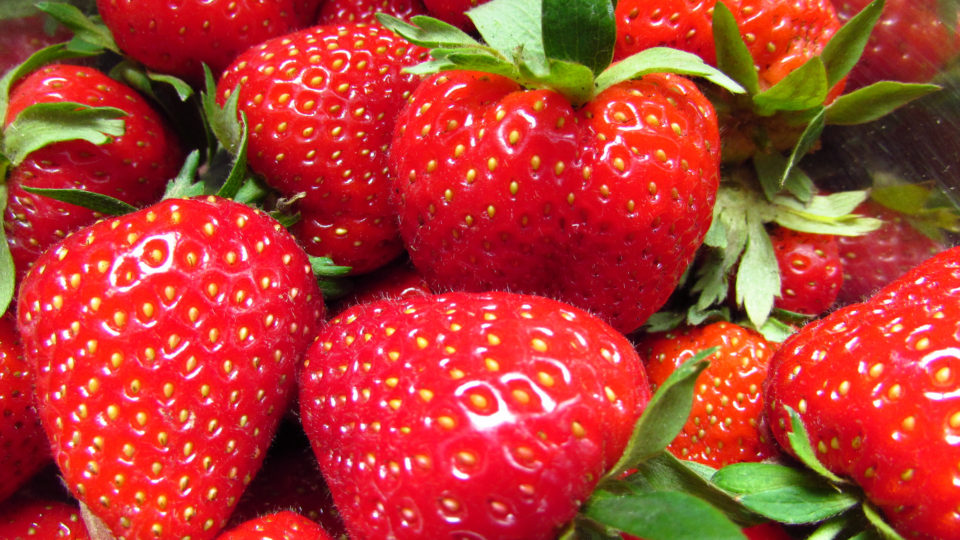
Every year, the Environmental Working Group ranks pesticide contamination in 47 popular fruits and vegetables for its Shopper’s Guide to Pesticides in Produce. The environmental nonprofit has created this ranking annually since 2004.
Farming In Solar Farms
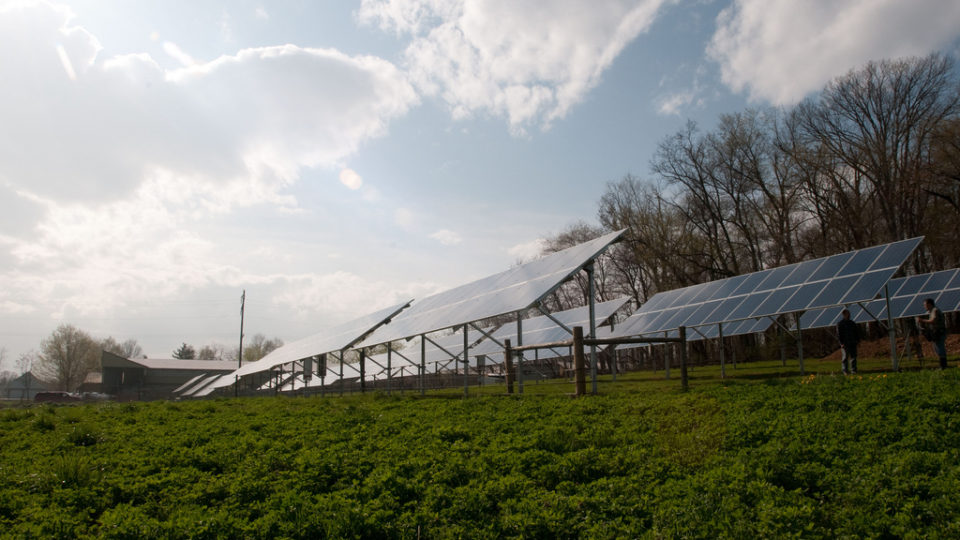
Utility-scale solar installations have been expanding rapidly. The amount of land used for solar projects is becoming quite substantial. The National Renewable Energy Laboratory (NREL) predicts that 3 million acres will be devoted to solar farms by 2030, and 6 million by 2050. These numbers pale in comparison with the land used for corn, soybeans, and wheat, but are more than used for such familiar crops as oats, barley and rice.
Wasting Less Food
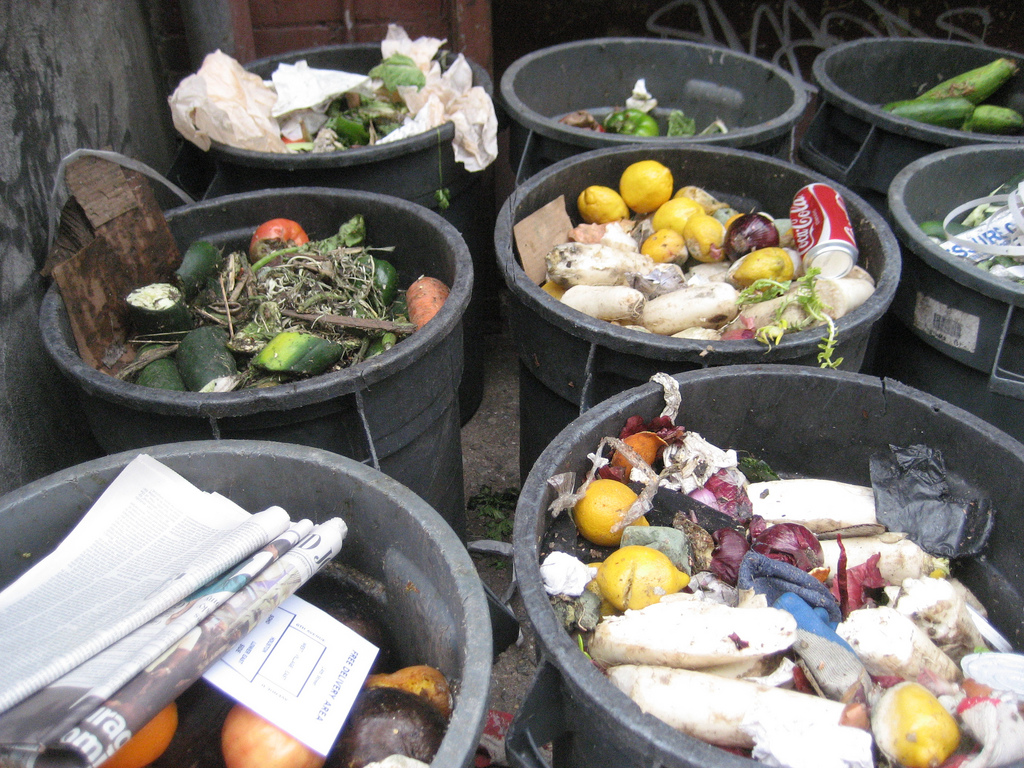
We have talked about the problem of food waste before. About 40% of the food produced in the United States goes to waste, which is a truly shameful statistic. According to a Business for Social Responsibility study on the subject, about 44% of the food that goes into landfills comes from homes. About a third comes from the food service industry.
Saving Bees With Software
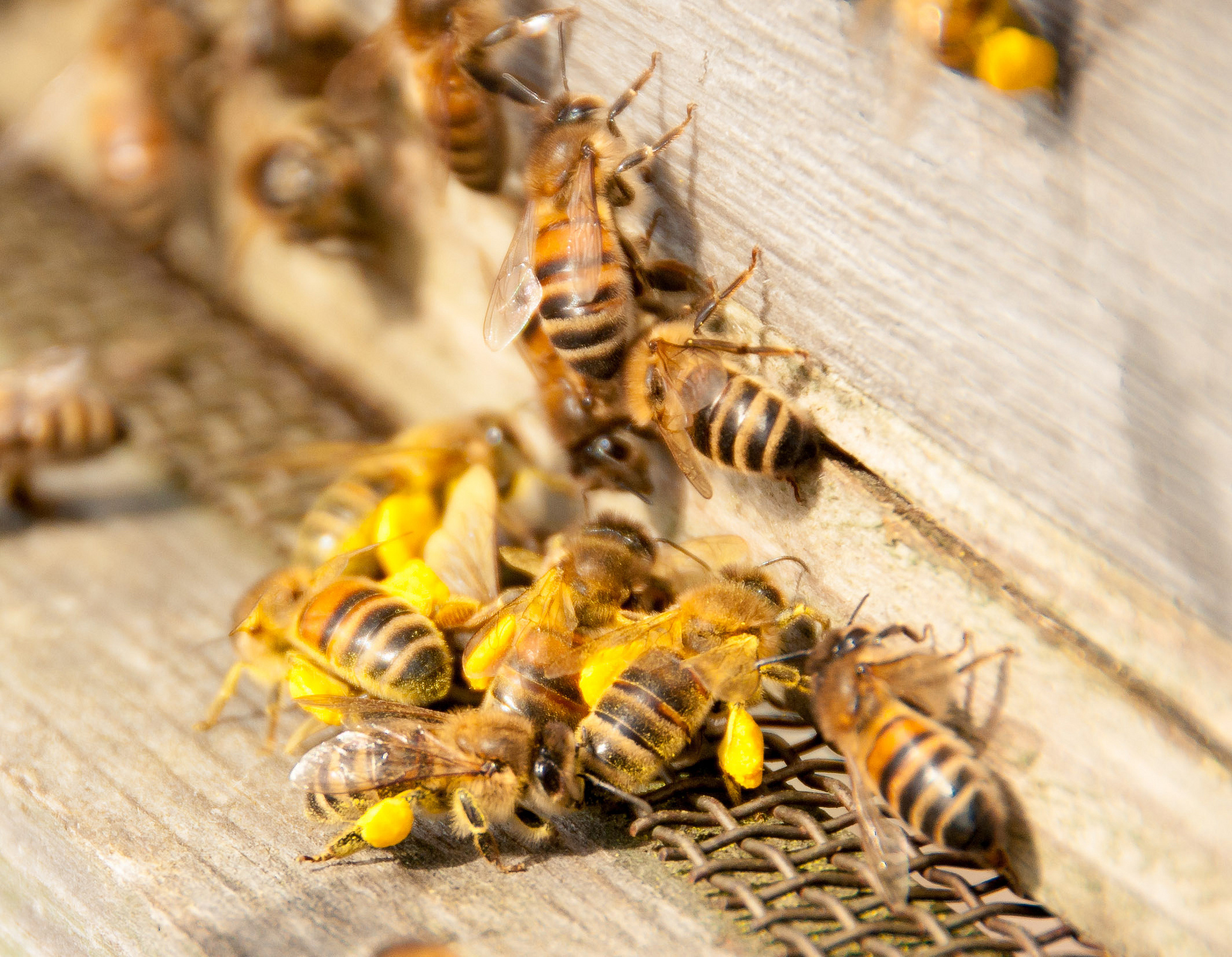
The worldwide decline in the population of bees and other pollinators has impelled farmers to do what they can to encourage and nurture bees on their land. Protecting bees is important because pollinators are essential for growing many foods including coffee, cacao, almonds and many other fruits and vegetables.
Produce Stickers
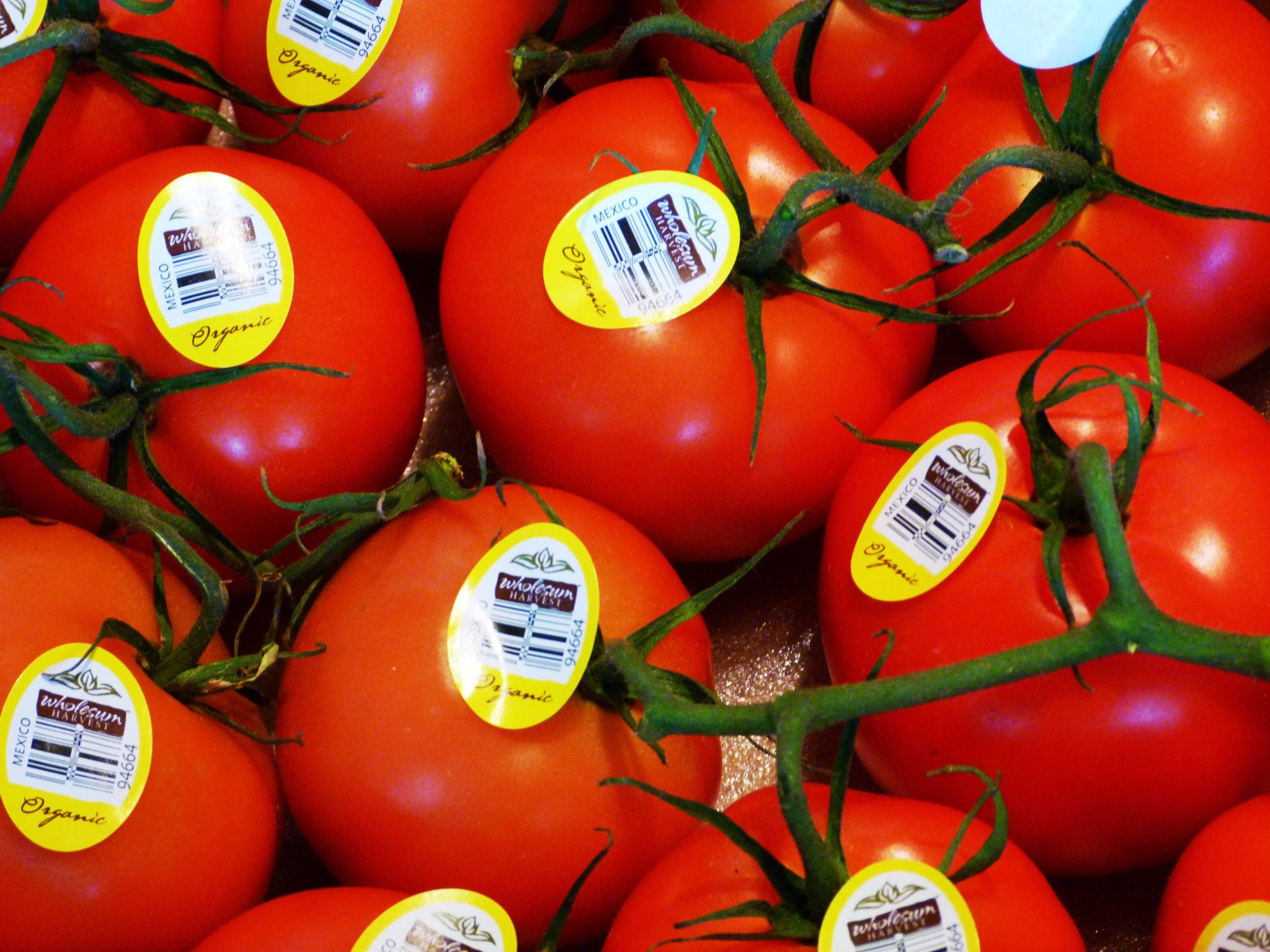
The fruit and vegetables in most grocery stores these days come with little stickers on them with a numerical code identifying the produce for the cashier at the checkout counter. They are quite helpful for the cashier but a real irritation for the customer. Half the time it is difficult to get the labels off the piece of produce and sometimes we don’t notice them at all and end up with a little paper sticker in our salad.
Saving Saharan Oases
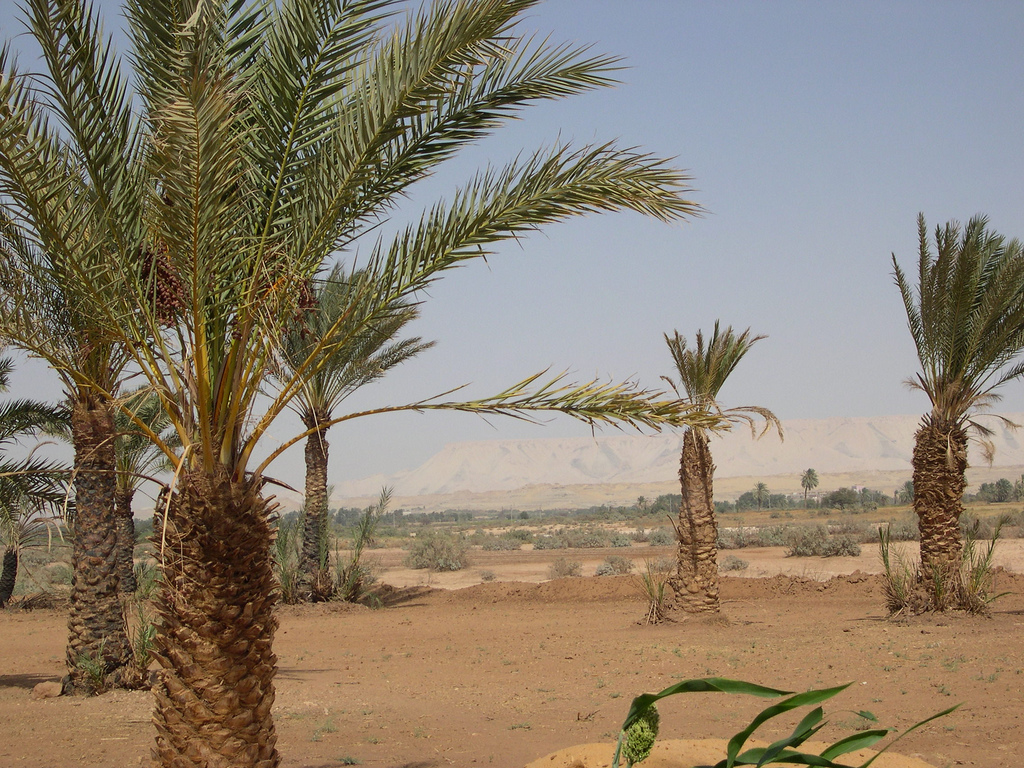
An oasis is an isolated area of vegetation in a desert, typically surrounding a spring or similar water source such as a pond or a small lake. Oases can provide habitat for animals as well as people. Oases have long been essential for trade and transportation routes in desert areas; caravans typically travel via oases so that supplies of water and food can be replenished.