
• Skip to primary navigation
  • Skip to main content
  • Skip to primary sidebar

Earth Wise

A look at our changing environment.

  • Home
  • About Earth Wise
  • Where to Listen
  • All Articles
  • Show Search
Hide Search
You are here: Home / Archives for temperatures

temperatures

Canadian wildfires and global emissions

October 14, 2024 By EarthWise Leave a Comment

The wildfires that burned vast amounts of Canada’s boreal forests in 2023 produced enormous amounts of smoke that found its way into American cities, working its way down the eastern seaboard and even producing unsafe air in Florida.

Researchers at Cal Tech and the Jet Propulsion Laboratory analyzed the carbon emissions associated with these fires last year and found that they were greater than those of all but three countries:  China, the US, and India.

Boreal forests have historically been a natural defense against climate change by storing carbon in trees rather than adding carbon dioxide to the atmosphere.  The fires in Canada, fueled by hot and dry weather, were extraordinary when compared with historical records.  But such fires are likely to be increasingly common as the climate continues to warm.

However, the hot and dry weather that fueled the 2023 fires was exceptional in many ways, involving early snow melt and so-called flash droughts.  This year’s fires in Canada are still bigger than average, but so far have not been as destructive as last year’s. 

Canada has been warming at about twice the global rate.  The extreme temperatures last summer were a major factor in the fueling of the fires, which burned an area almost the size of Florida.

Forests absorb about a quarter of global carbon emissions, but the increasing frequency and intensity of fires are calling into question their ability to continue to do so.  Parts of the Canadian forests are not regrowing after fires as they have in the past, partly because blazes burn trees so frequently and intensely.

**********

Web Links

Canada’s Wildfires Were a Top Global Emitter Last Year, Study Says

Photo, posted June 8, 2023, courtesy of the Metropolitan Transportation Authority via Flickr.

Earth Wise is a production of WAMC Northeast Public Radio
Weather extremes for most people

October 7, 2024 By EarthWise Leave a Comment

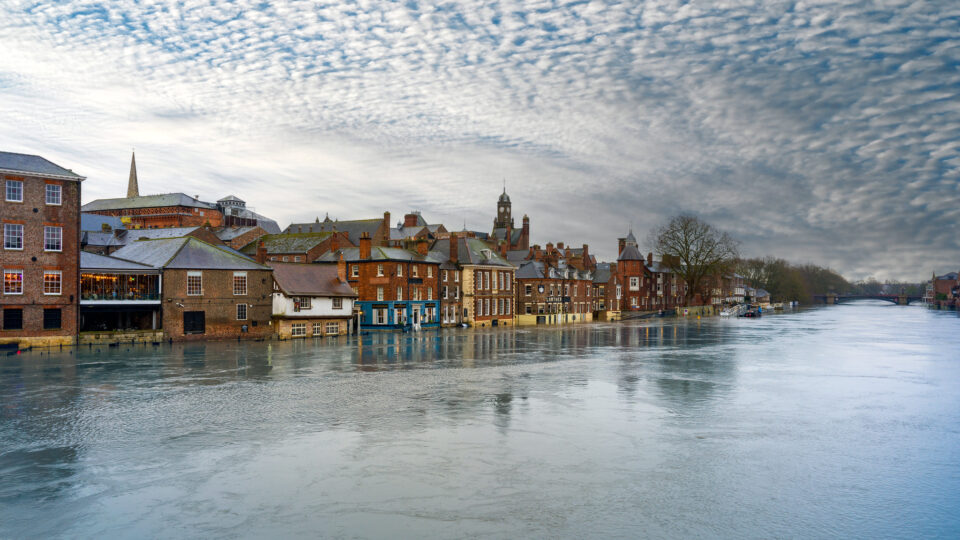
Weather extremes are becoming common for many people

Scientists from the CICERO Center for International Climate Research in Norway along with researchers at the University of Reading in the UK have analyzed how global warming can combine with normal variations in the weather to produce decades-long periods of very rapid changes involving both extreme temperatures and extreme amounts of rainfall.

Many parts of the world have already been experiencing record temperatures and extreme rainfall events.  Previously, most analyses of the changing climate have focused on the global mean and not on the impact of extreme weather on specific countries.

The study made use of large climate model simulations to show that if global emissions continue on the path they have been on, large parts of the tropics and subtropics – which are home to 70% of the world’s population – are expected to experience strong rates of change in temperature and precipitation extremes over the next 20 years.  But even if there is strong emissions mitigation – meaning that emissions are reduced enough to reach the goals of the Paris Climate Agreement – the expectation is that 20% of the world’s population will face extreme weather risks. 

These extreme events currently account for a disproportionate share of the realized impacts of climate change.  Heatwaves cause heat stress and excess mortality of both people and livestock.  Extreme precipitation leads to flooding, damage to settlements, infrastructure, crops, and ecosystems, as well as to reduced water quality. 

Society will be increasingly vulnerable to these extreme events, especially when multiple hazards occur at the same time.

**********

Web Links

Extreme weather to strengthen rapidly over next two decades

Photo, posted May 20, 2024, courtesy of Dale Cruse via Flickr.

Earth Wise is a production of WAMC Northeast Public Radio

Rainfall and sea turtles

October 4, 2024 By EarthWise Leave a Comment

Rainfall has a major impact on sea turtles

There are seven species of sea turtles that inhabit the world’s oceans. Six of the seven sea turtle species – all of them except the flatback – are present in U.S. waters, and are listed as threatened or endangered under the Endangered Species Act. 

Sea turtles, which have been around for more than 100 million years, spend the majority of their lives in the ocean, but they do periodically come ashore to nest.  Female sea turtles lay their eggs in the sand and then return to the ocean.  Survival odds for sea turtle hatchlings are quite bleak.  In fact, only one out of every 1,000 makes it to adulthood. 

Research shows that both air and sand temperatures are critical for sea turtle hatchling development.  Cooler temperatures produce larger, heavier hatchlings with more males.  Hatchling size matters because larger hatchlings, which can move faster, are more likely to survive because they spend less time on risky beaches.  But rising temperatures might shorten incubation periods, and erratic rainfall can disrupt growth, potentially affecting survival.

A new international study by researchers from Florida Atlantic University and the University of Tübingen in Germany found that fluctuating rainfall patterns have a greater impact than changes in air temperature on sea turtle hatchling development. 

The results, which were recently published in the journal BMC Ecology and Evolution, reveal that the impact of rainfall varies between species.  As climate change shifts rainfall patterns, the impact on sea turtle nesting sites suggests that global conservation strategies for some species – like loggerhead and green sea turtles – likely need to be updated.

**********

Web Links

Rain or Shine? How Rainfall Impacts Size of Sea Turtle Hatchlings

Sea Turtle

Photo, posted August 27, 2015, courtesy of USFWS/Orsulak via Flickr.

Earth Wise is a production of WAMC Northeast Public Radio
Svalbard is melting

September 10, 2024 By EarthWise Leave a Comment

Svalbard is melting

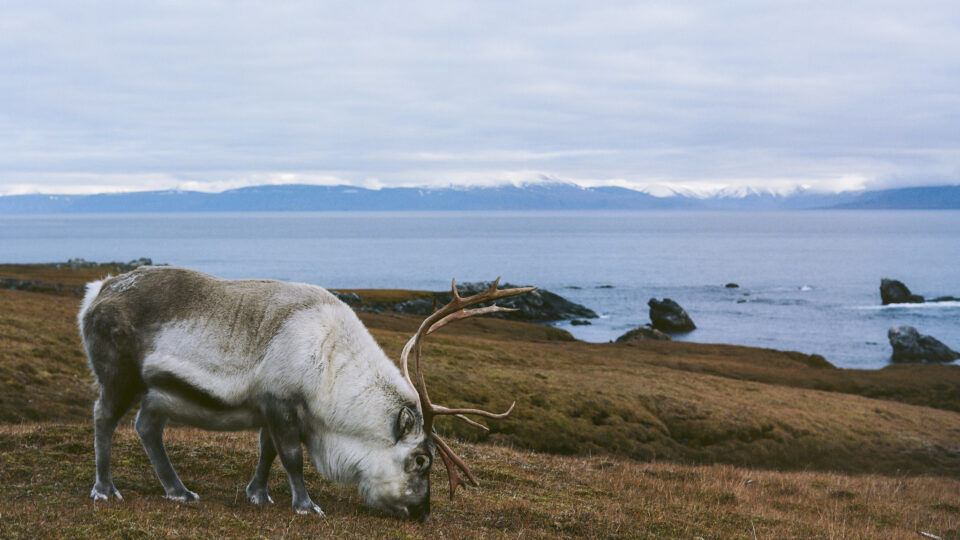
Svalbard is a Norwegian archipelago between mainland Norway and the North Pole. It is one of the world’s northernmost inhabited areas and is a popular attraction for tourists.  Svalbard is famous for rugged, remote terrain of glaciers and frozen tundra sheltering polar bears, Svalbard reindeer, and Arctic foxes. The Northern Lights are visible during winter, and its summer features the “midnight sun”—sunlight 24 hours a day.  It is the home of the Svalbard Global Seed Vault, which provides safe, free, and long-term storage of seed duplicates from all gene banks and nations around the world. 

Over half of Svalbard’s land area is covered with ice and accounts for about 6% of the planet’s glaciated area outside of Greenland and Antarctica.  But Svalbard is also one of the fastest-warming places on Earth.

It has suffered extreme episodes of melting this summer, brought on by exceptionally high air temperatures.  In late July and early August, temperatures hovered around 7 degrees Fahrenheit above average for this part of the Arctic Circle, causing snow and ice to rapidly melt.

According to scientists, Svalbard’s ice caps broke their all-time record for daily surface melt on July 23rd, shedding nearly half a foot of water equivalent that day, a rate five times larger than normal. 

On August 11th, the high temperature in Longyearbyen, Svalbard’s capital city, reached 68 degrees, the highest August temperature on record and 4 degrees above the previous monthly record.  Svalbard experienced its warmest summer on record in 2023.

**********

Web Links

Svalbard Melts

Photo, posted September 21, 2016, courtesy of Christopher Michel via Flickr.

Earth Wise is a production of WAMC Northeast Public Radio

Strawberries and climate change

August 12, 2024 By EarthWise Leave a Comment

The changing climate threatens the future of strawberries

The demand for strawberries continues to climb around the world.  According to data from World Population Review, China remains the global leader in strawberry production, a spot it’s held since 1994.  Last year, China produced 3.3 million tons of strawberries, followed by the United States at 1.05 million tons, Egypt at 597,000 tons, and Mexico at 557,000 tons.

While strawberries are grown coast to coast in the U.S., California and Florida are the top two strawberry-producing states due to their favorable climate conditions.  In fact, California produces more than 90% of the domestic strawberry crop.  But Florida plays a key role in domestic strawberry production as well by growing the majority of the winter crop. 

A new study by researchers from the University of Waterloo in Canada has examined the effect of climate change on California’s strawberry crop.  According to the research team, strawberries could be fewer and more expensive because of the higher temperatures caused by climate change.  The report, which was recently published in the journal Sustainability, found that a 3° Fahrenheit rise in temperature could reduce strawberry yields by up to 40%.

According to the researchers, the impact of climate change on strawberry production could be mitigated by implementing certain sustainable farming practices.  These include optimizing irrigation to ensure adequate water supply during heat waves and using shading plants and shade structures to mitigate heat stress.

Understanding how rising temperatures affect crop yields should encourage farmers and governments to develop sustainable agriculture responses to global warming.

**********

Web Links

Influence of Regional Temperature Anomalies on Strawberry Yield: A Study Using Multivariate Copula Analysis

Strawberry Production by Country 2024

Researchers predict fewer, pricier strawberries as temperatures warm

Photo, posted June 3, 2007, courtesy of David Slack via Flickr.

Earth Wise is a production of WAMC Northeast Public Radio

How warm is It?

August 8, 2024 By EarthWise Leave a Comment

The record-breaking heat continues

As of June, the world had seen 13 consecutive months of record-breaking heat.  The average global temperature over the last 12 of those months measured 1.5 degrees Celsius warmer than the preindustrial era. This means that the world has at least temporarily exceeded the temperature target set forth in the Paris Climate Agreement.

Does this mean that climate change has gotten to the point where keeping temperatures below that goal is no longer possible? Not necessarily. Temperatures could drop below the 1.5-degree level in the near future.

The world has certainly been warming as a result of climate change, but the spike in temperature for the past year has also been driven by an El Niño condition in the Pacific, which leads to warmer temperatures.  How much of the warming is a result of each factor is not known.

But scientists say that El Niño has ended in June and a La Niña condition is likely to take shape between August and October. This would lead to cooler temperatures in many places.

Despite the extensive and lingering heatwaves in the US in July, on a global scale, temperatures have actually started falling in July.  July may end up being the first month since June 2023 to not set a new monthly global temperature record.  Nevertheless, the long streak of record-high temperatures is no statistical anomaly.  It is indicative of a large and continuing shift in the climate.   Whether conditions in the Pacific produce an El Niño or a La Niña, the steady long-term warming will continue as long as human-generated carbon emissions continue.

**********

Web Links

How Bad Is Warming? La Niña May Reveal

Photo, posted September 19, 2022, courtesy of Paul Sableman via Flickr.

Earth Wise is a production of WAMC Northeast Public Radio

Threats to the Amazon Rainforest

August 1, 2024 By EarthWise Leave a Comment

Brazil has made great progress in reducing deforestation in its Amazon Rainforest.  In 2023, the rate of deforestation in Brazil dropped by 50% over the previous year. This was the result of the efforts by conservation-minded President Luiz da Silva, who replaced Jair Bolsonaro, a big proponent of deforestation.  Da Silva’s government has cracked down on land clearing by farmers and ranchers.

In the first quarter of this year, deforestation decreased by 40% over the previous year’s quarter.   Deforestation levels are the lowest they’ve been in six years, although the amount of forest cleared in the period was still nearly 200 square miles.

Unfortunately, the Amazon Rainforest is facing another growing threat:  climate change.  Because of pervasive drought and increasing temperatures, the number of wildfires in the region have hit a 20-year high.

According to satellite data from the national space agency, from January through June, Brazil recorded 13,489 wildfires in the Amazon.  That is 61% more fires than during the same period last year.  And the wildfire season has yet to reach its peak, which usually is in August or September.

Many of these fires begin in pastures or recently cleared rainforest, but then spread into the surrounding rainforest areas.  Many are huge fires.  Hundreds of square miles of rainforest have been consumed by fire, comparable in size to the areas deforested by farmers and ranchers.

Going forward, worsening wildfires could reverse the gains being made by the government’s deforestation policies.  This could not only threaten forest protection, but also weaken public support for the government’s commitment to protecting the region.

**********

Web Links

Brazil Is Seeing a Record Number of Wildfires This Year

Photo, posted January 26, 2018, courtesy of Chris Parker via Flickr.

Earth Wise is a production of WAMC Northeast Public Radio
Greenhouses and the environment

July 25, 2024 By EarthWise Leave a Comment

The use of greenhouses around the world has been growing dramatically.  A new satellite mapping exercise estimated the total land area covered with permanent greenhouses at 3.2 million acres, which is an area the size of Connecticut.  More than half of this is in China, where the growth of greenhouses has been driven by the rapid urbanization of the country and by a more prosperous population increasingly consuming produce like tomatoes, cucumbers, peppers, and eggplants.

The intensive agricultural methods employed within greenhouses can be harmful to local environments because of overtaxing water supplies and by polluting rivers and soils with nutrients, pesticides, and plastic waste.  But the effects of vast areas of plastic coverings on local temperatures can be even more dramatic, and often beneficial.

There are so many plastic and glass roofs in many areas that they are reflecting sufficient amounts of solar radiation to cool local temperatures.  Greenhouse roofs increase the albedo – the reflectivity – of the land surface typically by a tenth.

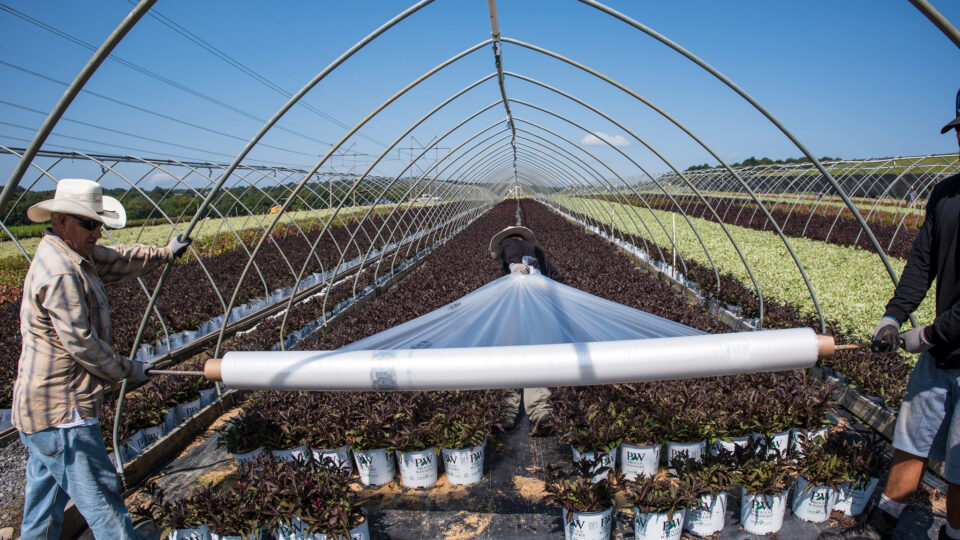
All these greenhouses are just the tip of the albedo iceberg.  Many farms now temporarily cover crops with reflective plastic sheets.  If these coverings are included in the satellite survey, the total reflective area would be about ten times greater – roughly the size of New York State.

A study in Almeria, on the Mediterranean coast of Spain, which grows about 3 million tons of fruit and vegetables annually, determined the cooling effects of greenhouses.  Weather stations amid the greenhouses showed an average cooling of 1.3 degrees Fahrenheit compared with the surrounding area.

Greenhouses are an accidental and benign form of climate engineering. The cooling provided by greenhouses is similar to the effect of white roofs in urban areas. 

**********

Web Links

Could the Global Boom in Greenhouses Help Cool the Planet?

Photo, posted September 6, 2017, courtesy of Lance Cheung / USDA via Flickr.

Earth Wise is a production of WAMC Northeast Public Radio
Species and climate change

July 4, 2024 By EarthWise Leave a Comment

Some species may possess pre-adaptations that could help them better tolerate climate change

Temperature extremes on Earth currently range from a low of -129°F to a high of 134°F.  But these climatic limits have changed throughout history.  In fact, during the last interglacial period 130,000 years ago, temperatures were warmer, resembling what we are projected to experience at the end of this century.

Species that evolved during such periods may possess pre-adaptations that could help them tolerate upcoming changes to the climate.  This factor is often overlooked by traditional statistical models predicting species’ responses to climate change.

But a new model, developed by researchers from Ifremer in France and Lausanne University in Switzerland, has taken this oversight into account, and reassessed the proportion of terrestrial and marine species threatened with extinction by climate change. 

In the study, which was recently published in the journal Nature Ecology and Evolution, the research team applied its model to nearly 25,000 terrestrial and marine species from around the world.  The researchers discovered that 49% of these species live in climate niches near the current climatic limits, and 86% could potentially extend beyond these limits. 

The most surprising result concerns tropical regions. While forecasts from traditional models estimate that the diversity of terrestrial species in tropical areas could decrease by 54% between now and 2041-2060, the new model predicts a more moderate decline of 39%.

The findings confirm the importance of taking urgent measures to mitigate climate change and its impact on biodiversity.

**********

Web Links

Some species may better tolerate climate change than expected

Photo, posted October 23, 2015, courtesy of Anita Ritenour via Flickr.

Earth Wise is a production of WAMC Northeast Public Radio

Industrial heat and solar power

July 2, 2024 By EarthWise Leave a Comment

Generating industrial heat and power from renewable energy

Many industrial processes require extremely high temperatures, typically more than 1,800 degrees Fahrenheit.  This heat is generally produced by burning fossil fuels – either coal or natural gas – which emits large amounts of greenhouse gases. This level of heat cannot be economically produced using renewable electricity.  As a consequence, decarbonizing these industrial processes is very difficult.

Researchers at ETH Zurich in Switzerland have recently demonstrated a new method of obtaining high-temperature heat based on solar radiation.  They have engineered a device called a thermal trap.  It consists of a quartz rod coupled to a ceramic absorber that can efficiently absorb sunlight and convert it to heat.

In laboratory-scale experiments, they exposed a foot-long quartz rod to artificial light 135 times more intensive than sunlight and were able to produce temperatures as high as 1,900 degrees.  The artificial light source was needed to mimic the effects of concentrated solar energy plants that typically make use of large numbers of mirrors to direct intense solar energy onto a small area.

There are already concentrated solar power plants that operate at temperatures as high as 1,100 degrees and use the heat to operate turbines to generate electricity.  These plants lose efficiency at higher temperatures because of radiative heat losses.  The Zurich thermal trap minimizes these losses and permits higher temperature operation.

The hope is that at a large scale, the new approach may make it possible to use solar energy to decarbonize energy-intensive industrial processes.

**********

Web Links

Using solar energy to generate heat at high temperatures

Photo courtesy of ETH Zurich / Emiliano Casati.

Earth Wise is a production of WAMC Northeast Public Radio
Record carbon dioxide levels

June 25, 2024 By EarthWise Leave a Comment

Record carbon dioxide levels

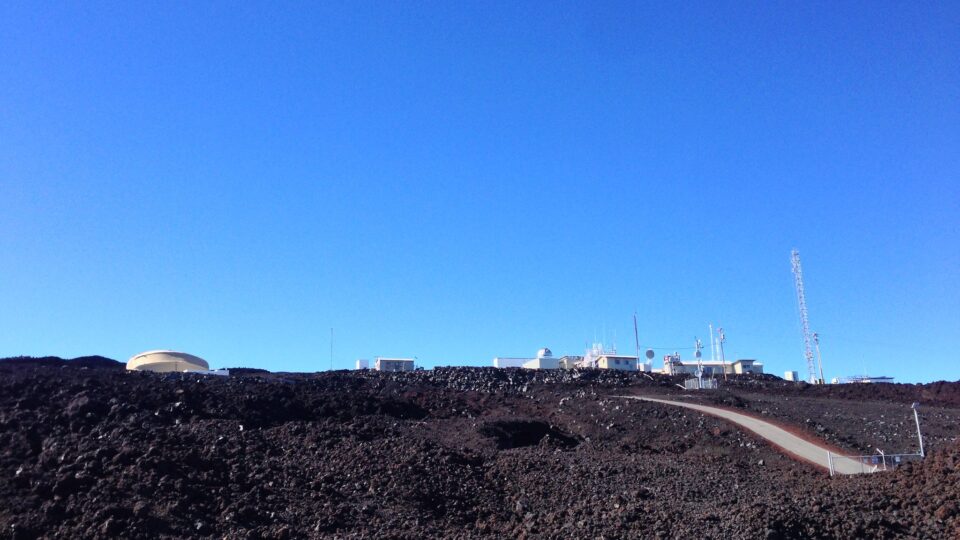
Despite the increasing concern about the warming climate, the period between March of last year and March of this year has set a new record for the largest 12-month gain in atmospheric CO2 concentration ever observed.  The new level, measured at Hawaii’s Mauna Loa Observatory was nearly 5 parts per million higher than last year’s level reaching more than 426 parts per million.

CO2 levels averaged 280 ppm for the past 800,000 years until the Industrial Revolution began and people started burning fossil fuels.  Levels started being measured at Mauna Loa in 1958, when they were 315 ppm.  Between 1958 and 2005, the CO2 level rose to 380 ppm.  Over the past 19 years, the amount of CO2 has continued to rise rapidly and with it, global temperatures.

The record increase in carbon dioxide over this past year is probably associated with the end of an El Niño event.  The previous record increase in 2015-2016 was also associated with El Niño.

But the overall trend is clear and discouraging.  Over the past 66 years, the amount of carbon dioxide in the atmosphere has increased by 35%.  This increase is a result of the burning of coal, oil, and natural gas, as well as the effects of deforestation and livestock agriculture.

Carbon dioxide absorbs heat radiating from the Earth’s surface and re-releases it in all directions, including back toward Earth’s surface.  Without this greenhouse effect, the Earth would actually be frozen.  But people are supercharging the natural greenhouse effect and causing the global temperature to rise.  Global energy demand continues to grow and if we continue to meet that demand mostly with fossil fuels, temperatures will continue to rise.

**********

Web Links

Scripps Institution of Oceanography: CO2 levels have largest 12-month gain

Photo, posted March 3, 2014, courtesy of Jon Roig via Flickr.

Earth Wise is a production of WAMC Northeast Public Radio
Beware of the blob

June 20, 2024 By EarthWise Leave a Comment

For the past 10 years, there have been several occurrences of a vast expanse of ocean stretching from Alaska to California in which water temperatures are as much as 7 degrees Fahrenheit warmer than normal.  Known jocularly as “the Blob,” the phenomenon can last for several years and decimates fish stocks, starves seabirds, creates blooms of toxic algae, prevents salmon from returning to rivers, and displaces sea lions and whales.

Until recently, there was no accepted explanation for this abrupt ocean heating.  Climate change, even combined with natural cycles like El Niños, is not enough to account for it.

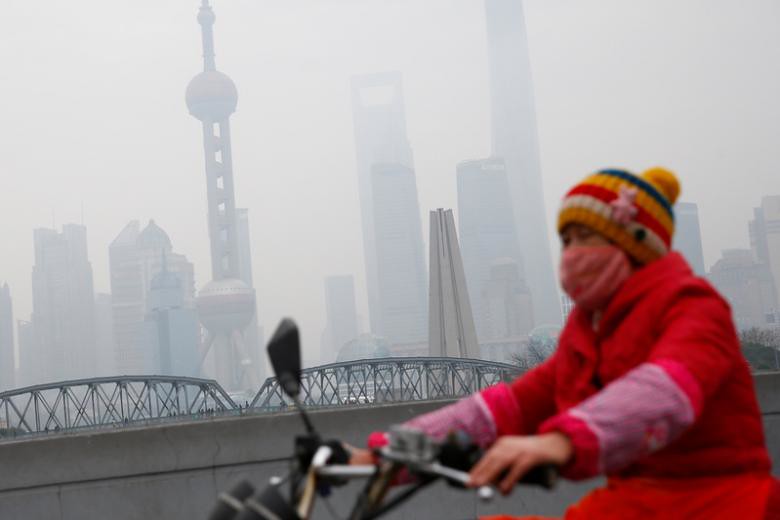
In depth analysis by an international team of researchers has found that the extraordinary heating is the result of a dramatic cleanup of Chinese air pollution.  The decline of smog particles, which to some extent shield the planet from the sun’s rays, has accelerated warming and set off a chain of atmospheric events across the Pacific, essentially cooking the ocean.

This is an example of what can be called the pollution paradox in which global warming is actually increased when air pollution is reduced.  Reduced air pollution on the US West Coast has even been identified as a factor contributing to increased wildfires.  However, air pollution causes more than 4 million premature deaths from cancers and respiratory and cardiovascular diseases each year. 

Nobody thinks that we should stop cleaning up the air to slow down global warming.  The only viable solution is to reduce greenhouse gas emissions as rapidly as possible.

**********

Web Links

Pollution Paradox: How Cleaning Up Smog Drives Ocean Warming

Photo, posted December 18, 2017, courtesy of SGUP via Flickr.

Earth Wise is a production of WAMC Northeast Public Radio

A month of extra-hot days

June 19, 2024 By EarthWise Leave a Comment

Climate change increasing number of hot days each year

The past 12 months have been the hottest ever measured across the globe.  This may not be everyone’s experience in every location, but the average person on Earth experienced 26 more days of abnormally high temperatures than they would have in the absence of climate change.

Researchers considered a given day’s temperature to be abnormally high in a particular location if it exceeded 90% of the daily temperatures recorded there between 1991 and 2020.  Nearly 80% of the world’s population experienced at least 31 days of abnormal warmth since May of 2023.  Theoretically, the number of unusually warm days would have been far fewer in the absence of global warming.

In some countries, the extra-warm days added up to two or three weeks.  In others, such as Colombia, Indonesia, and Rwanda, there were up to 4 months of them. The average American experienced 39 days of extra-warm temperatures since last May.

Scientists also added up how many extreme heat waves the planet experienced since last May.  These are defined as episodes of unseasonable warmth across a large area, lasting three or more days, and causing significant loss of life or disruption to infrastructure or industry.  In total, the researchers identified 76 such episodes, affecting 90 countries, on every continent except Antarctica.

The world’s climate is now shifting toward the La Niña phase of the cyclical pattern called the El Niño-Southern Oscillation. This usually leads to cooler temperatures on average, but the recent heat could have lingering effects on weather and storms for months to come, including what is expected to be an extraordinarily active Atlantic hurricane season.

**********

Web Links

Climate Change Added a Month’s Worth of Extra-Hot Days in Past Year

Photo, posted December 21, 2011, courtesy of Maggie Lin Photography via Flickr.

Earth Wise is a production of WAMC Northeast Public Radio

Fireflies are in decline

June 10, 2024 By EarthWise 2 Comments

Fireflies are in decline in North America

If you are seeing fewer fireflies each year, you’re not alone.  Like many insects, firefly populations are in decline.  A new study by researchers from the University of Kentucky, Bucknell University, Penn State University, and the USDA has shed some light on the precarious situation facing firefly populations across North America. 

The research team used a mix of field surveys from citizen scientists and advanced machine learning techniques to analyze more than 24,000 surveys from the Firefly Watch citizen science initiative.  The study, which was recently published in the journal Science of the Total Environment, identified the factors likely responsible for the declines in firefly populations. 

The research team found that fireflies are sensitive to various environmental factors, from short-term weather conditions to longer climatic trends.  Fireflies thrive in temperate and tropical climates.  As global temperatures rise, these conditions become less predictable and less hospitable.

Light pollution is another threat to fireflies.  Artificial light at night – from things like street lights and billboards – is particularly disruptive to fireflies as it interferes with their bioluminescent communication essential for mating.

Urban growth, including buildings, roads, and sidewalks, poses another significant threat to fireflies by overtaking their natural habitats and decreasing available breeding areas. 

Additionally, certain agricultural practices seem to contribute to the decline of fireflies. 

According to the research team, reducing light pollution, preserving natural habitats, and implementing wildlife-friendly agricultural practices are conservation measures that could help mitigate the decline of fireflies. 

**********

Web Links

Fading lights: Comprehensive study unveils multiple threats to North America’s firefly populations

Photo, posted July 12, 2021, courtesy of Bruce Hallman/USFWS via Flickr.

Earth Wise is a production of WAMC Northeast Public Radio

Global coral bleaching

May 22, 2024 By EarthWise Leave a Comment

The world’s coral reefs are in the midst of a global bleaching event being driven by extraordinarily high ocean temperatures.  This is the fourth such global event on record and is predicted to be the largest one ever.  Coral bleaching occurs when corals are stressed by heat and eject the symbiotic algae within them that they need to survive.  Bleached corals can recover if water temperatures cool soon enough.  Otherwise, they die.

Each of the three previous coral bleaching events has been worse than the last.  The first, in 1998, affected 20% of the world’s reefs.  The second, in 2010, affected 35%.  The third, from 2014 to 2017, affected 56% of reefs.

The current bleaching event was confirmed by satellite observations early in April and was already seen to be affecting more than half of the world’s coral areas across the Pacific, Indian, and Atlantic Oceans.  The ongoing event is expected to be the worst bleaching ever experienced by Australia’s Great Barrier Reef.  A small saving grace is that the current bleaching event is not expected to be of extremely long duration because the El Niño in the Pacific has abated.

Coral bleaching events are becoming more severe and frequent due to increased marine heat waves driven by climate change.  Last year was particularly difficult for corals as global sea temperatures reached record high levels for several months.

Widespread coral bleaching impacts economies, livelihoods, food security, and more.  Coral reefs provide ecosystem services essential to marine life and human populations as well.  Global action will be needed for coral interventions and restorations.

**********

Web Links

Satellites watch as 4th global coral bleaching event unfolds

Photo, posted March 23, 2012, courtesy of Oregon State University via Flickr.

Earth Wise is a production of WAMC Northeast Public Radio
Climate change and fish migration

May 17, 2024 By EarthWise Leave a Comment

Climate change is changing the distribution of fish species

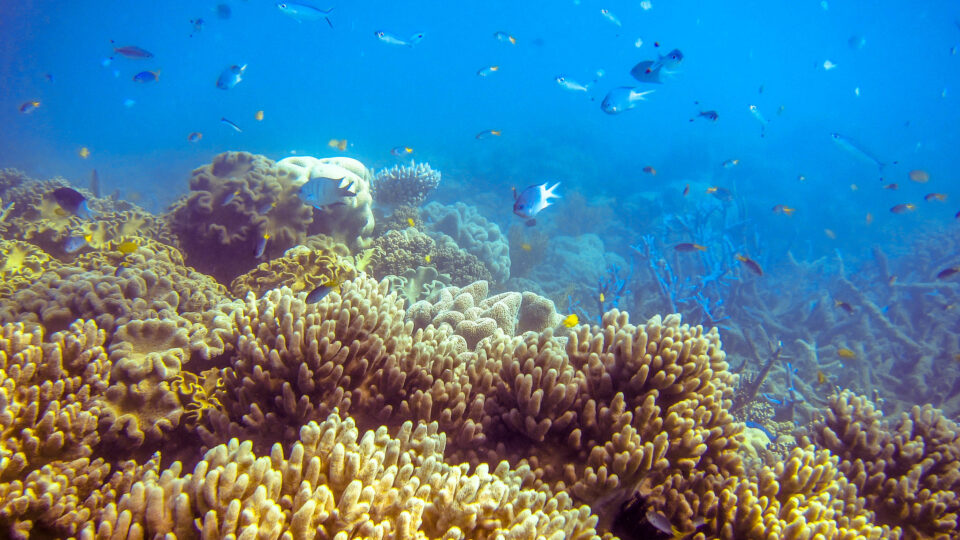
The warming climate is changing the distribution of fish species.  Researchers at the University of Adelaide in Australia have observed that tropical fish species are moving into temperate Australian waters.

The Eastern Australian Current is strengthening as the climate warms and larvae of tropical fish are getting caught in the current and moving into more temperate regions.  These larvae would not normally survive in the cooler Australian ocean water, but the warming current keeps the baby fish warm and increases their chances for survival.  The fish migration observed in the study is an ongoing process that has strengthened in the last few decades due to ocean warming.

The novel populations of tropical fish in these temperate ecosystems are not having much impact at the present time, but they may do so in the future.  The water is still cooler than the fishes’ natural environment and therefore they do not grow to their maximum size.  As a result, they don’t represent stiff competition for the native species – at least not yet.

As the ocean temperatures continue to rise, these tropical species will eventually grow to their full size and their diets will overlap more and more with those of temperate fish species.  Tropical herbivores tend to overgraze temperate kelp while the impact of tropical fish that eat invertebrates is less well understood.  Tropical fish with varied diets are the most successful invaders.  The ultimate effects on temperate ecosystems remain to be seen but survival may become difficult for the native fish in rapidly warming temperate ocean environments.

**********

Web Links

Tropical fish are invading Australian ocean water

Photo, posted March 28, 2017, courtesy of Ryan McMinds via Flickr.

Earth Wise is a production of WAMC Northeast Public Radio

Self-heating concrete

April 24, 2024 By EarthWise Leave a Comment

Researchers at Drexel University are developing self-heating concrete

States in the colder parts of the country spend an estimated $2.3 billion a year on snow and ice removal as well as untold millions on repairing roadways damaged by winter weather.  Researchers at Drexel University have been researching a way to extend the service life of concrete surfaces like roadways and to help them maintain a surface temperature above freezing during the winter.

Preventing freezing and thawing as temperatures go up and down and reducing the amount of plowing and salting is a desirable goal.  The Drexel team has developed a cold-weather-resilient concrete mix that is capable of melting snow on its own using only the thermal energy in the environment and not requiring salt, shoveling, or heating systems.

The system uses low-temperature liquid paraffin that turns from its room-temperature liquid state into a solid when temperatures go down.  Incorporating the liquid paraffin into concrete triggers heating when temperatures drop due to the energy released by the phase change.

Tests on slabs of the concrete on the Drexel campus over the past two years recorded 32 freeze-thaw events.  The special slabs maintained a surface temperature between 42 and 55 degrees for up to 10 hours when air temperatures dipped below freezing.

The heating is enough to melt a couple of inches of snow at a rate of a quarter inch an hour.  It’s not enough to melt a heavy snow event before plows are needed, but it can help deice road surfaces and increase transportation safety.  And simply preventing the surface from freezing, thawing, and refreezing can go a long way towards preventing deterioration.  It is promising research toward reducing an ongoing problem in colder climates.

**********

Web Links

Drexel’s Self-Heating Concrete Is One Step Closer to Clearing Sidewalks Without Shoveling or Salting

Photo, posted March 16, 2024, courtesy of Ajay Suresh via Flickr.

Earth Wise is a production of WAMC Northeast Public Radio
Skiing and climate change

April 12, 2024 By EarthWise Leave a Comment

Climate change threatens the future of skiing

According to the National Oceanic and Atmospheric Administration, anthropogenic climate change resulting in higher average temperatures has caused a global decline in snowfall.  Less snow threatens to reinforce global warming, and to disrupt food, water, and livelihoods for billions of people.  

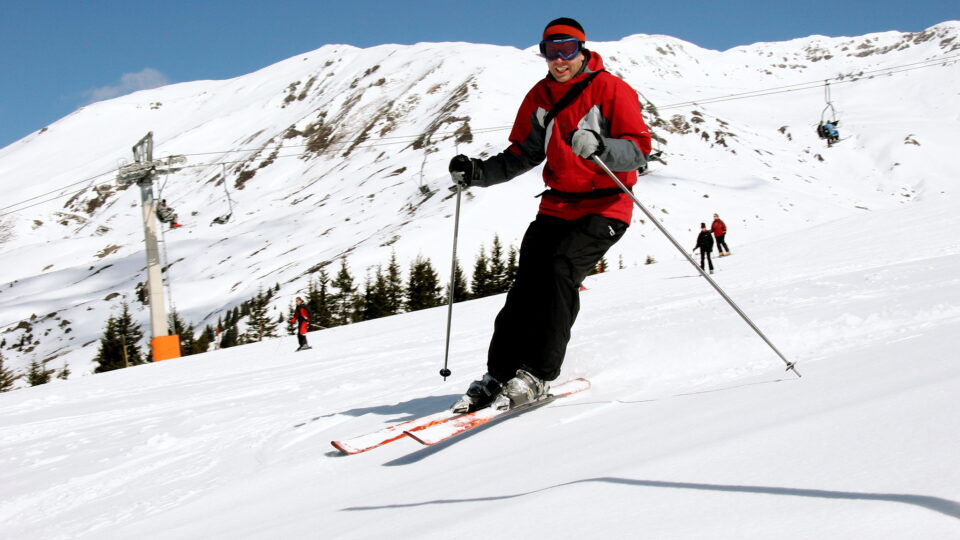
According to a new study recently published in the journal PLOS ONE, annual snow cover days in all major skiing regions are projected to decrease dramatically as a result of climate change.  In the study, the research team from the University of Bayreuth in Germany examined the impact of climate change on annual natural snow cover in seven major skiing regions.  Using the public climate database CHELSA, the researchers predicted annual snow cover days for each ski area for 2011-2040, 2041-2070, and 2071-2100 under low, high, and very high carbon emissions scenarios.

Under the high emissions scenario, 13% of ski areas are predicted to lose all natural snow cover by 2071-2100 relative to their historic baselines.  By 2071-2100, average annual snow cover days were predicted to decline by 78% in the Australian Alps, 51% in the Southern Alps, 50% in the Japanese Alps, 43% in the Andes, 42% in the European Alps, 37% in the Appalachians, and 23% in the the Rocky Mountains – all declines relative to their historic baselines.

The future losses of natural snow cover in ski areas around the world will be significant if global emissions continue unchecked.

**********

Web Links

The future is likely less skiable, thanks to climate change

New maps show where snowfall is disappearing

Photo, posted April 14, 2006, courtesy of Kallu via Flickr.

Earth Wise is a production of WAMC Northeast Public Radio
Shrinking African glaciers

March 27, 2024 By EarthWise Leave a Comment

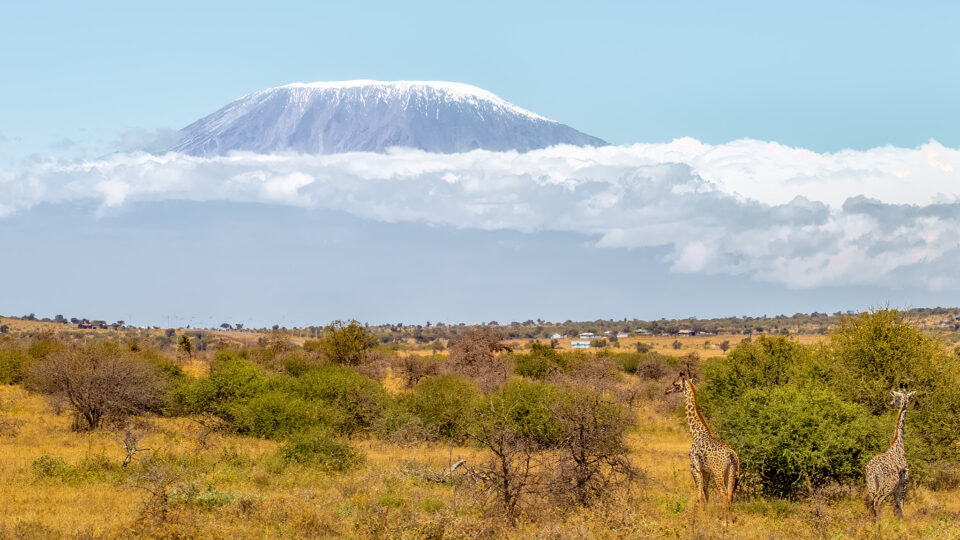
We don’t usually associate Africa with glaciers, but the continent has had glaciers on its highest peaks for the past 10,000 to 15,000 years.  Africa’s glaciers are found in three regions:  the Rwenzori Mountains along the border between Uganda and the Democratic Republic of the Congo, Mount Kilimanjaro, and Mount Kenya.  At the turn of the 20th century, there were 43 glaciers scattered across 6 peaks within the Rwenzori Mountains.  In the intervening years, things have greatly changed.

 Since the early 20th century, Africa’s glaciers have shrunk by 90%.  Because all these glaciers are close to the equator, they are especially vulnerable to warming.  According to a new study published in the journal Environmental Research: Climate, in the last two decades, Africa’s glaciers have lost roughly half their area.

This rapid decrease is alarming to climate scientists because they represent a clear indicator of the impact of climate change.  A major factor in the decline of the glaciers is the reduction in cloud cover over the mountains.  Sunshine is melting glaciers and turning ice directly into water vapor even when temperatures are below freezing.  Reductions in snowfall at the same time means that the melting glaciers are not being replenished.

Scientists believe that the tropical glaciers of Africa may all but disappear over the next 25 years.

Roughly three-quarters of the Earth’s freshwater is stored in the world’s more than 200,000 glaciers.  According to scientists, if the world reaches but maintains 1.5 degrees of warming, half of the world’s glaciers could be gone by the end of this century.  If the world continues to warm as it has been without slowing down, more than 80% of the glaciers will disappear.

**********

Web Links

Africa’s Tropical Glaciers Have Shrunk by 90 Percent, Research Shows

Photo, posted February 26, 2022, courtesy of Ray in Manila via Flickr.

Earth Wise is a production of WAMC Northeast Public Radio

How to make cities cooler

March 26, 2024 By EarthWise Leave a Comment

Green spaces and waterways help keep cities cool

In cities, the air, surface, and soil temperatures are almost always warmer than in rural areas. This is known as the urban heat island effect.  Urban heat islands occur when cities replace natural land cover with dense concentrations of pavement, buildings, and other surfaces that absorb and retain heat.

Urban planners around the world have been researching ways to reduce the effects of heat in cities.  For example, trees, green roofs, and vegetation can help reduce urban heat island effects by shading building surfaces, deflecting radiation from the sun, and releasing moisture into the atmosphere.

A new study led by researchers from the University of Surrey in the U.K. has analyzed how well various green spaces and waterways are able to cool down cities.  The study, which was recently published in the journal The Innovation, found that wetlands, parks, and even botanical gardens are among the best ways to keep cities cool.   

In fact, the researchers found that botanical gardens can cool city air by a whopping 9°F during heatwaves on average.  Wetlands can cool city air by 8.5°F on average, followed by rain gardens at 8.1°F, green walls at 7.4°F, street trees at 6.8°F, city farms at 6.3°F, city parks at 5.8°F, and reservoirs and playgrounds at 5.2°F. 

The researchers also found that cities can unlock even greater benefits by connecting green spaces into green corridors.  Greening projects can also help remove carbon emissions and prevent flooding.

The research team hopes its findings will help urban planners design more resilient cities. 

**********

Web Links

Wetlands, parks and even botanical gardens among the best ways to cool cities during heatwaves

Photo, posted April 25, 2022, courtesy of Catherine Poh Huay Tan via Flickr.

Earth Wise is a production of WAMC Northeast Public Radio
  • « Go to Previous Page
  • Page 1
  • Page 2
  • Page 3
  • Page 4
  • Page 5
  • Interim pages omitted …
  • Page 13
  • Go to Next Page »

Primary Sidebar

Recent Episodes

  • An uninsurable future
  • Clean energy and jobs
  • Insect declines in remote regions
  • Fossil fuel producing nations ignoring climate goals
  • Trouble for clownfishes

WAMC Northeast Public Radio

WAMC/Northeast Public Radio is a regional public radio network serving parts of seven northeastern states (more...)

Copyright © 2026 ·