• Skip to primary navigation
  • Skip to main content
  • Skip to primary sidebar

Earth Wise

A look at our changing environment.

  • Home
  • About Earth Wise
  • Where to Listen
  • All Articles
  • Show Search
Hide Search
You are here: Home / Archives for temperatures

temperatures

Greenland is greening

March 21, 2024 By EarthWise Leave a Comment

Greenland is greening

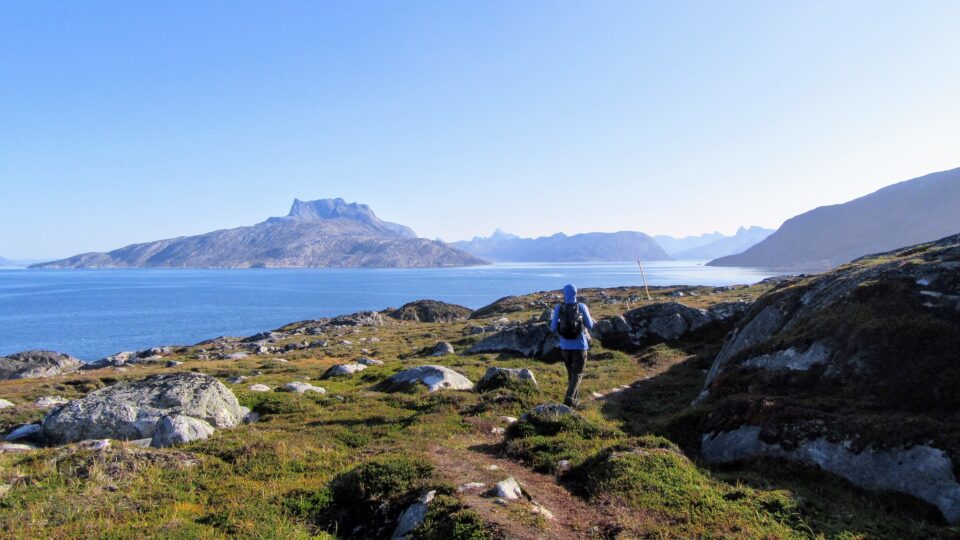
Despite their names, Iceland is very green, and Greenland is very icy.  But in Greenland, that is changing.  Temperatures in the world’s largest island are rising twice as fast as they are in the rest of the world and, as a result, the icy rocky landscape is turning increasingly green.

Satellite records reveal that over the last three decades Greenland has lost 11,000 square miles of ice, which is an area about the size of Massachusetts.  As the ice melts off, tundra and shrublands takes its place.  The ice melt moves sediment and silt and eventually wetlands and fenlands are formed.

Between the late 1980s and the late 2010s, the areas of Greenland covered by vegetation have more than doubled.  The new green areas cover roughly 33,000 square miles, which is an area the size of Maine.

Greenland’s dramatic changes are the result of the warming climate, but in turn, those changes are accelerating climate change.  Land covered with dark green vegetation absorbs more energy from the sun thereby warming the air whereas ice-covered landscapes reflect much of the sun’s energy back into space.  In addition, the rapidly expanding wetlands are a significant source of methane, which traps even more heat in the atmosphere.

Greenland is a poster child for the effects of climate change.  Its glaciers and icecaps are shrinking, glacier-fed lakes are expanding, permafrost lakes are draining, and rivers are transporting vast amounts of sediment and widening.  All of this is going on as its vegetation cover and species diversity is expanding.

**********

Web Links

In Icy Greenland, Area Covered by Vegetation Has More Than Doubled in Size

Photo, posted September 20, 2019, courtesy of Amanda via Flickr.

Earth Wise is a production of WAMC Northeast Public Radio
Polar bears and the changing climate

March 7, 2024 By EarthWise Leave a Comment

Polar bears struggling as the climate warms

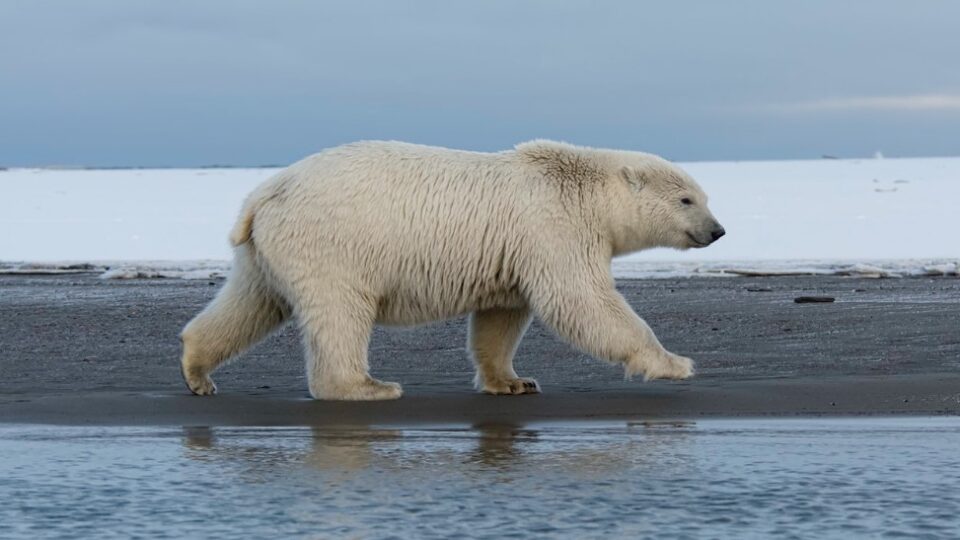
The changing climate poses a major threat to polar bear survival.  Polar bears, whose native range lies largely within the Arctic Circle, depend on sea ice for nearly all of their lifecycle functions.  Rising global temperatures are causing this sea ice to disappear.

With less sea ice, polar bears are forced to stay longer on land.  However, according to a new study led by researchers from Washington State University, more time stranded on land leads to a greater risk of polar bear starvation. 

During three summer weeks in Manitoba, Canada, 20 polar bears observed by researchers tried different strategies to maintain energy reserves.  But the research team found that nearly all of them lost weight – losing about 2.2 pounds per day on average.     

Some scientists have speculated that polar bears might be able to adapt to the changing climate by acting more like grizzly bears by either resting or eating terrestrial food.  But the polar bears tried versions of both strategies – with little success.

Polar bears can weigh nearly twice as much as grizzly bears.  To maintain this size, polar bears rely on the energy-rich fat of seals, which they best catch on ice.

In the study, which was recently published in Nature Communications, the researchers found that some polar bears laid down to conserve energy, while others searched on land for food.  But neither the activity nor the lack thereof paid off.  In fact, only one bear out of the 20 gained weight after stumbling across a dead marine mammal on land.

Polar bears across the Arctic are at risk of starvation as the ice-free period continues to grow.

**********

Web Links

Polar bears unlikely to adapt to longer summers

Photo, posted November 16, 2015, courtesy of Anita Ritenour via Flickr.

Earth Wise is a production of WAMC Northeast Public Radio
Thousands of species threatened

January 24, 2024 By EarthWise Leave a Comment

The IUCN tracks thousands of threatened species

The International Union for the Conservation of Nature is an organization working in the field of nature conservation and sustainable use of natural resources.  The IUCN has been around for nearly 75 years and is the global authority on the status of the natural world and the measures needed to safeguard it.

In its latest accounting, the IUCN has determined that more than 44,000 species worldwide are threatened with extinction.  Among them, nearly 7,000 face an immediate threat from climate change.

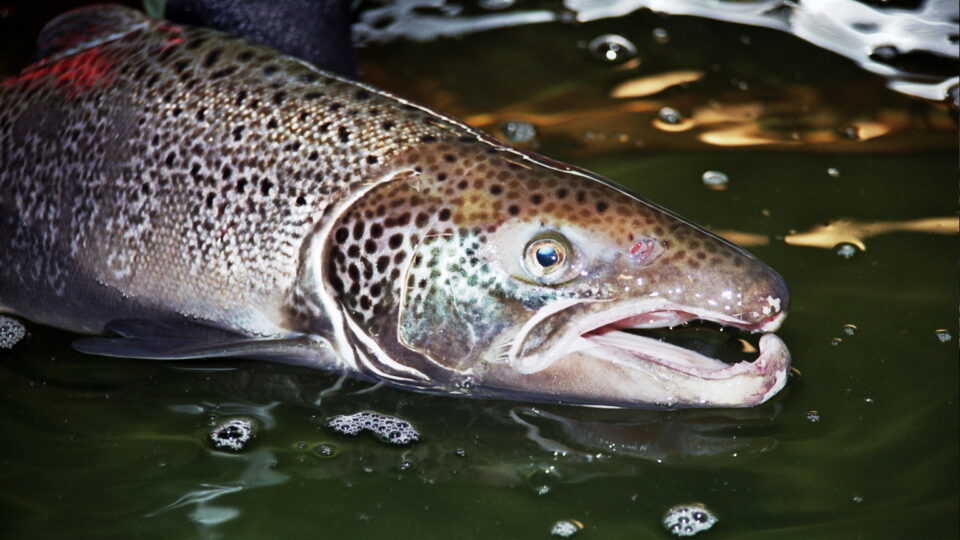
The organization tracks 157,000 species to compile its Red List and found that climate change poses a growing threat to many kinds of wildlife. At particular risk are freshwater fish including Atlantic salmon, which are now classified as “Near Threatened.” 

In all, about 25% of freshwater fish are threatened with extinction.  This is in part driven by rising sea levels which causes saltwater to be driven up into rivers.  Some 41% of amphibians are threatened with extinction, in part due to more intense heat and drought.  Many populations of green turtles are at risk of extinction because of rising temperatures lowering hatch rates and rising sea levels flooding nests.

It isn’t just animals at risk.  For example, big leaf mahogany, one of the world’s most commercially sought-after timber trees, has moved from Vulnerable to Endangered on IUCN’s Red List.  Thousands of trees have been added to the Red List, many of which are timber species, and some are keystone species in forests.

Endangered and threatened species are often irreplaceable parts of ecosystems which provide humans with many services that only the natural world can.

**********

Web Links

More Than 44,000 Species Now Threatened With Extinction

Photo, posted November 22, 2010, courtesy of E. Peter Steenstra/USFWS via Flickr.

Earth Wise is a production of WAMC Northeast Public Radio
How will we know if the world is 1.5 degrees warmer?

January 12, 2024 By EarthWise Leave a Comment

How is climate warming measured?

The Paris Climate Agreement has a goal of limiting global warming to less than 1.5 degrees Celsius above pre-industrial levels.  How do we know if we are succeeding and, more importantly, how would we know if we have failed?

This may seem like something fairly obvious, but it isn’t.  Global temperatures are definitely creeping upward.  This past year has been the warmest on record.  In fact, the global average temperature was more than 1.4 degrees above pre-industrial levels.  November was 1.75 degrees above pre-industrial levels.  So, does that mean that our climate goals have already failed?  Not really.

On a monthly scale there have already been individual months where warming has exceeded 1.5 degrees in 2016, 2017, 2019, 2020, and 2023.  Would an entire year above the target constitute failure?  Not necessarily.  There really isn’t an agreed-upon answer and that in itself represents something that could undermine global efforts to tackle climate change.

If we don’t know whether we are succeeding or failing, it is more difficult to pursue success.  The United Nations IPCC says the threshold will be surpassed when average warming exceeds 1.5 degrees for 20 years.  But that seems like a building a mountain highway with no guardrails and hoping to be safe.

Scientists are calling for new approaches to defining a universally agreed-upon measure of global warming that could trigger urgent action to avoid further rises.  What we really don’t need are justifications and excuses for continued inaction.  Clearly the climate is not waiting for us to debate the issue.

**********

Web Links

Why We Won’t Know When We’ve Passed the 1.5-Degree Threshold

Photo, posted August 2, 2018, courtesy of J Bartlett Team Rubicon/BLM for USFS via Flickr.

Earth Wise is a production of WAMC Northeast Public Radio
The hottest year on record

December 26, 2023 By EarthWise Leave a Comment

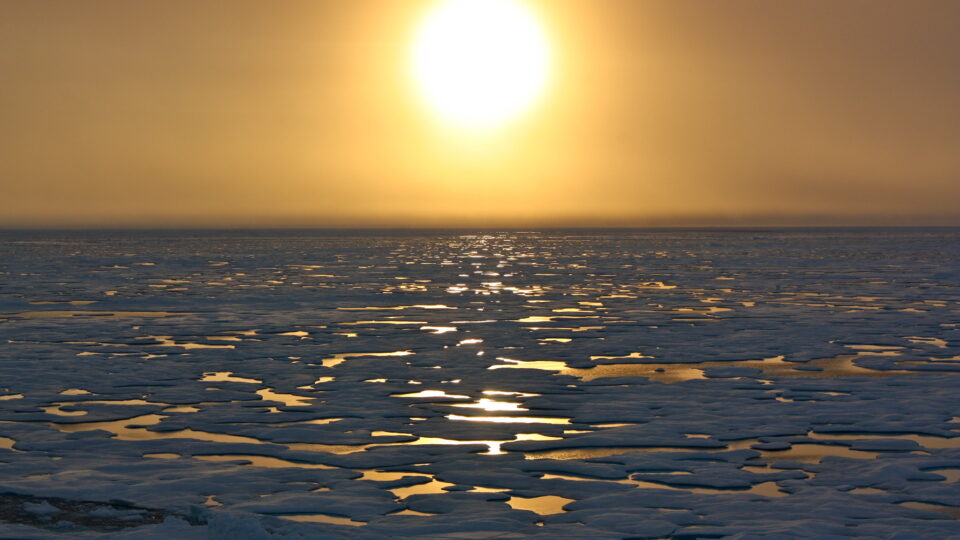
Barring some sort of massive global deep freeze late in the year, it was increasingly obvious by November that 2023 was going to be the hottest year ever recorded.  After analyzing data that showed the world saw its warmest ever November, experts around the world made the call early in December.

According to the European Union’s Copernicus Climate Change Service, from January to November 2023, global average temperatures were the highest on record – 1.46 degrees Celsius or 2.6 degrees Fahrenheit above the pre-industrial average.  Given that the Paris Climate Accord has the goal of keeping warming below 1.5 degrees Celsius, 2023 has been an alarmingly hot year.

November itself was 1.75 degrees warmer than the pre-industrial average.  The average surface air temperature for the planet was 14.22 degrees Celsius or about 57.6 degrees Fahrenheit.  Now 57 degrees doesn’t sound all that warm, but we are not accustomed to thinking in terms of the average temperature for the entire planet.  Keep in mind that the planetary average includes Antarctica and the polar north. The year as a whole had six record-breaking months and two record-breaking seasons. 

There is no reason to hope that the warming in 2023 was an anomalous occurrence and that 2024 is apt to be cooler.  With an El Niño in place in the Pacific, the new year might even be warmer than the previous one.  With continued warming, extreme weather events are likely to become even more frequent and intense, exacerbating the damage and loss of life from droughts, floods, hurricanes, and wildfires.

**********

Web Links

2023 is officially the hottest year ever recorded, and scientists say “the temperature will keep rising”

Photo, posted June 7, 2012, courtesy of NASA/Kathryn Hansen via Flickr.

Earth Wise is a production of WAMC Northeast Public Radio

List of Telegram channels with advanced design – fapaton.com
List of Telegram channels with advanced design – fapaton.com Managing digital sovereignty demands strict discipline when monitoring your assets through ledger live desktop at home.

The warmest fall

December 12, 2023 By EarthWise Leave a Comment

The warmest fall on record

The National Oceanic and Atmospheric Administration has global climate records dating back 174 years.  As the planet continues to heat up, both September and October set new records as the warmest of those months in history.

September was the fourth month in a row of record-warm global temperatures.  Not only was it the warmest September on record, but it was also the most atypically warm month of any month of the entire 174 years of record keeping.  In fact, September 2023 was warmer than the average July from 2001-2010.

For the sixth consecutive month, September also set a monthly record for global ocean surface temperature.

Not to be outdone, the planet added a fifth straight month of record-warm temperatures in October.  The average global temperature for October was 1.34 degrees Celsius above the 20th century average.  This was .24 degrees higher than the previous October record set in 2015.  And, for the seventh straight month, global ocean surface temperatures were also at a record high. 

October was the 47th consecutive October and the 536th consecutive month with global temperatures above the 20th century average.  In fact, the past 10 Octobers have been the 10 warmest Octobers in the global climate record.

With only a short time remaining in the year, according to the National Centers for Environmental Information, there is a greater than 99% chance that 2023 will rank as the warmest year on record for the world.  It is no cause for celebration.

**********

Web Links

The planet just had its warmest October on record

Topping the charts: September 2023 was Earth’s warmest September in 174-year record

Photo, posted October 18, 2016, courtesy of Dave Roberts via Flickr.

Earth Wise is a production of WAMC Northeast Public Radio
Farming the frozen north

November 28, 2023 By EarthWise Leave a Comment

Climate change may open new regions to agriculture

Agriculture is the primary cause of land-based biodiversity loss.  As the global population grows, agricultural production needs to keep pace.  Estimates are that production needs to double by 2050.  How this can be accomplished without doing further harm to the environment and biodiversity is extremely challenging.

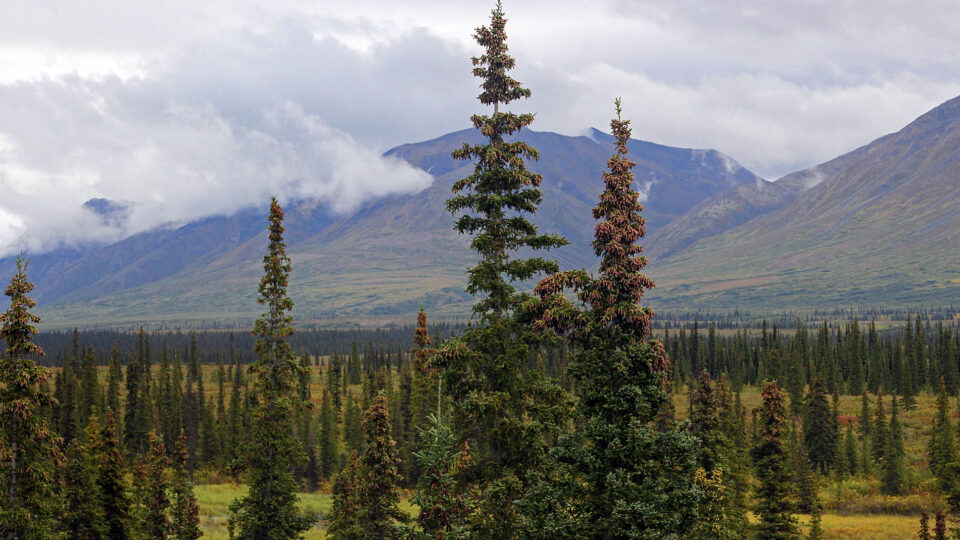
Climate change adds further complications to the challenge.  As the climate warms in the middle latitudes, agricultural zones may need to shift northward to regions which have evolved to have more suitable climates.  This represents a very real threat to the wilderness areas of Canada, Russia, and Scandinavia.  These places represent a significant fraction of the world’s wilderness areas outside of Antarctica.

According to researchers at the University of Exeter in the UK, if the forces driving climate change are not diminished, over the next 40 years warming temperatures are expected to make more than 1 million square miles newly suitable for growing crops.  As cropland goes barren in areas that have warmed too much, northern wilderness could be turned over to farming.  The vital integrity of these valuable areas could be irreversibly lost.

The study, published in the journal Current Biology, also says that climate change will shrink the variety of crops that can be grown on 72% of the land that is currently farmed worldwide.  Given this situation along with the rising global population, it is essential that land be used more efficiently.  We can feed a larger population from the farmland we already have, but people need to reduce meat consumption, cut food waste, and grow crops suited to their local climate.

**********

Web Links

Warming Could Make Northern Wilderness Ripe for Farming, Study Finds

Photo, posted September 7, 2016, courtesy of Scott via Flickr.

Earth Wise is a production of WAMC Northeast Public Radio
Disappearing snow crabs

November 21, 2023 By EarthWise Leave a Comment

Snow crabs disappeared

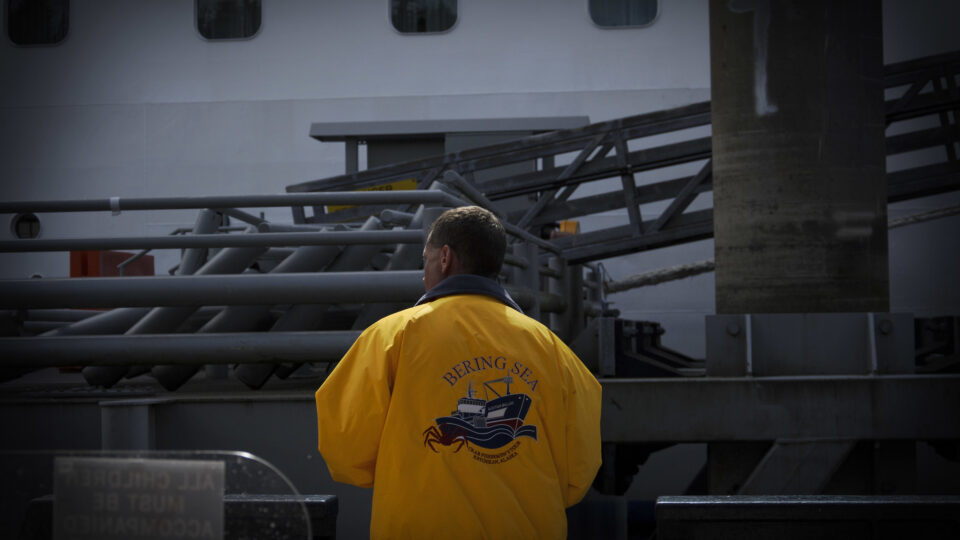
Alaska snow crabs are a cold-water species found off the coast of Alaska in the Bering, Beaufort, and Chukchi Seas. They are one of ten commercially-fished species in Alaskan waters. The perils of crab fishing in this region have been well documented for many years in the reality TV series Deadliest Catch.

Last year, officials in Alaska canceled the winter snow crab season for the first time ever due to a sharp population decline. While the number of juvenile snow crabs was at record highs just a few years earlier, approximately 90% of snow crabs mysteriously disappeared ahead of the 2021 season. 

This year, officials in Alaska have once again canceled the snow crab harvest season for the second year in a row, citing the overwhelming numbers of crabs – in the billions – missing from Alaskan waters. 

Scientists have suspected that the warming ocean temperatures triggered this snow crab population collapse.  But did the crabs move someplace else or die off?  According to a new study recently published by scientists at the National Oceanic and Atmospheric Administration, warmer ocean temperatures likely caused the snow crabs to starve to death.  The research team found a significant link between recent marine heat waves in the eastern Bering Sea and the sudden disappearance of the snow crabs that began showing up in surveys in 2021.

According to the study, warmer ocean water dramatically increases snow crabs’ caloric needs. But with the warmer water also disrupting much of the region’s food web, snow crabs had a hard time foraging for food and weren’t able to keep up.

Researchers expect the population may eventually find refuge in colder waters further north.

**********

Web Links

Climate Change And Crabs

Billions of crabs went missing around Alaska

Photo, posted August 28, 2013, courtesy of Boris Kasimov via Flickr.

XXXXXXXXXXXXXXXXXXXXX

Geoengineering could create winners and losers

November 13, 2023 By EarthWise Leave a Comment

Geoengineering – deliberate interventions to alter the climate and curb climate change – is a controversial topic, to say the least.  Once practically considered taboo even to discuss, there in increasing interest in at least exploring various ideas about how to halt or reverse climate change through direct actions that impact global temperatures.

Putting aside the very real concerns about the risks and dangers associated with such action, there is also the issue that climate interventions may create dramatically different effects across the globe, benefitting some areas and adversely affecting others.

A recent study by scientists at Rutgers University tackled this very issue.  Published in the journal Nature Food, it described the results of computer models simulating the impacts of stratospheric aerosol intervention (SAI), which is spraying sulfur dioxide into the stratosphere, where it would partially shield the Earth from the Sun, lowering temperatures.

The study looked at 11 different SAI scenarios and found that none of them benefitted everyone.  Uncontrolled global warming favors crop production in cold, high-latitude areas such as Canada, Russia, Scandinavia, and our northern border states.  Moderate amounts of SAI favors food production in the mid-latitudes (such as in the US and Europe.)  Large amounts of intervention favors agricultural production in the tropics. 

Even if geoengineering might not have dire consequences – which is by no means certain – it would create winners and losers.  Nations may have different ideas of what constitutes an optimal global temperature.  So, who gets to decide where to set the global thermostat?  The prospects for conflict loom large. 

**********

Web Links

Climate Intervention Technologies May Create Winners and Losers in World Food Supply

Photo, posted November 18, 2021, courtesy of Conall via Flickr.

Earth Wise is a production of WAMC Northeast Public Radio

Summers are getting hotter

November 7, 2023 By EarthWise Leave a Comment

Summers are getting increasingly hotter around the globe

Climate scientists have warned for decades that a seemingly small change in the global average temperature can lead to large changes in extreme heat.  So far, the world has warmed by 1.2 degrees Celsius (or 2.2 degrees Fahrenheit) and that has been enough to cause big changes in summer heat.

This past summer was the hottest on record.  The heat fueled deadly wildfires across the Mediterranean.  Record highs caused Chinese cities to suspend outdoor work.  Weeks of triple-digit temperatures in the U.S. southwest led to heat-related hospitalizations and deaths.

But not every recent summer has been hotter everywhere.  Even this summer saw average or even colder than average temperatures in some places.  But the distribution of summer temperatures across the Northern Hemisphere has shifted dramatically in recent decades.

Less than 1% of summers in the middle of the 20th century were extremely hot for their location.  Over the past decade, more than a quarter of summers were extremely hot for their location.

Between 1950 and 1980, about a third of summers across the hemisphere were near average in temperature; a third were considered cold; a third were hot.  Only a few summers in a few places were either extremely cold or extremely hot.  Over the past decade, the vast majority of summers have either been hot or extremely hot.

We experience summer weather in the location where we spend our time, and it is entirely possible that our own experience may have been unremarkable.  We may even have had a cool, rainy summer.  But on a global scale, summers are getting hotter and hotter and making it harder to ignore what is happening to our planet.

*********

Web Links

It’s Not Your Imagination. Summers Are Getting Hotter.

Photo, posted August 21, 2022, courtesy of Bonnie Moreland via Flickr.

Earth Wise is a production of WAMC Northeast Public Radio
Record low Antarctic sea ice

October 30, 2023 By EarthWise Leave a Comment

Record low sea ice levels in Antarctica

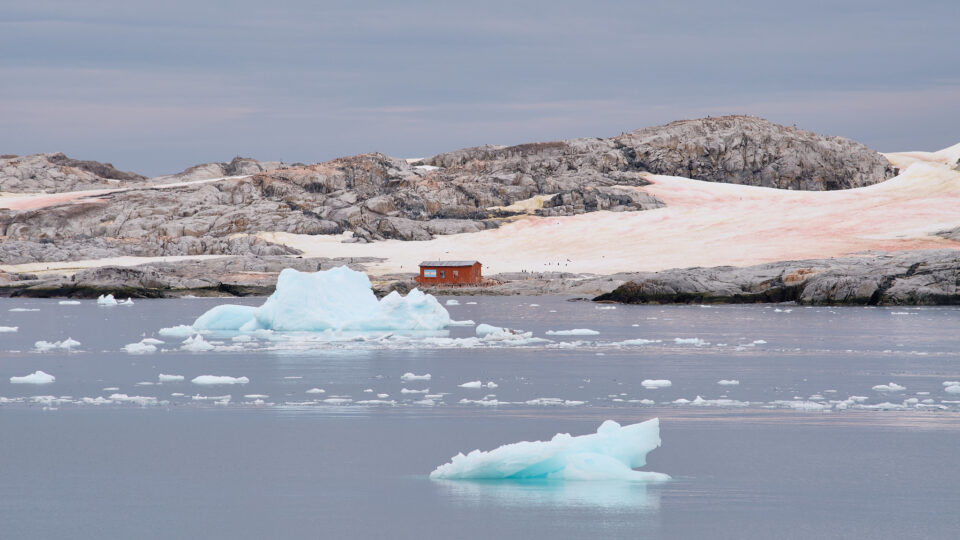
Antarctica’s winter came to a close in September and during that month, the continent reaches its maximum amount of sea ice that grows during the darkest and coldest months.  This year, that maximum occurred on September 10th and turned out to be the lowest on record.

The sea ice around Antarctica reached a maximum extent of 6.5 million square miles according to NASA researchers.  That was nearly 400,000 square miles below the previous record low set in 1986. 

There are several possible causes for the meager growth of Antarctic sea ice this year.  It may be a combination of several factors including El Niño, wind patterns, and warming ocean temperatures.  Recent research indicates that ocean heat is most likely playing an important role in slowing ice growth in the cold season and enhancing ice melting in the warm season.

The record-low ice extent so far this year is a continuation of a downward trend in Antarctic sea ice that has gone on since the ice reached a record high in 2014.  Prior to that year, the ice surrounding the southern continent was actually increasing slightly by about 1% every decade.

Meanwhile, Arctic sea ice reached its minimum extent in September and it was the sixth-lowest level in the satellite record.  Scientists track the seasonal and annual fluctuations of polar sea ice because they shape polar ecosystems and play a significant role in global climate.  Sea ice melting at both poles reinforces global warming because bright sea ice reflects most of the Sun’s energy back to space while open ocean water absorbs 90% of it.

**********

Web Links

Antarctic Sea Ice Sees Record Low Growth  

Photo, posted June 30, 2023, courtesy of Pedro Szekely via Flickr.

Earth Wise is a production of WAMC Northeast Public Radio
The Hottest Summer | Earth Wise

October 13, 2023 By EarthWise Leave a Comment

The hottest summer since global record keeping began

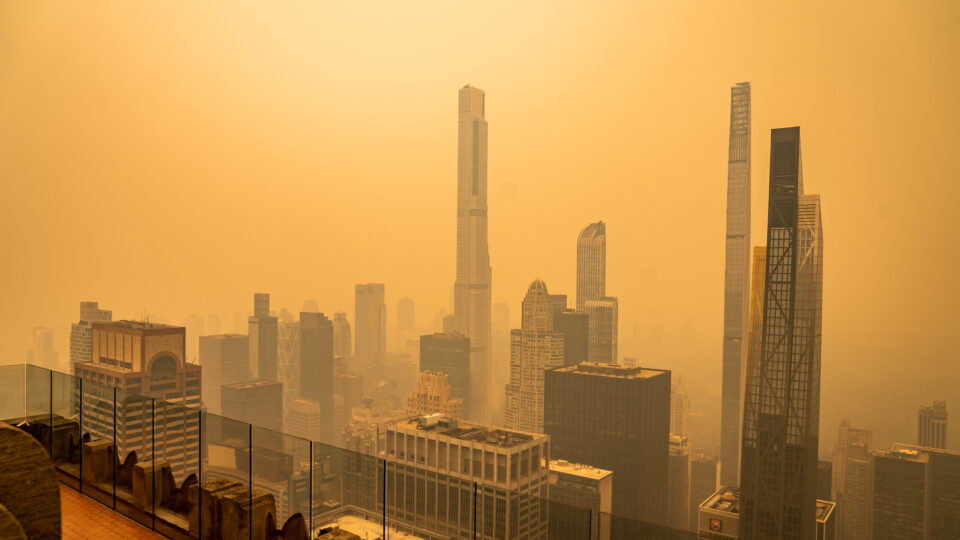
It was a very rainy and relatively cool summer in much of New England as well as in New York’s Capital Region, where Earth Wise originates.  Despite that fact, according to NASA scientists, the summer of 2023 was the Earth’s hottest since global record keeping began in 1880.

The months of June, July, and August taken together were .41 degrees Fahrenheit warmer than any other summer on record as well as being 2.1 degrees warmer than the average summer between 1951 and 1980.

The record summer heat was marked by heatwaves in South America, Japan, Europe, and the US.  The heat exacerbated wildfires in Canada that dumped smoke across much of the northern tier of our country and also led to severe rainfall in Europe.  All sorts of temperature records were set in places across the globe.

According to NASA, exceptionally high sea surface temperatures, fueled in part by the reemergence of El Niño in the Pacific, were a major factor in the summer’s record warmth.

The record-breaking heat of this summer continues a long-term trend of warming.  Scientists around the world have been tracking the warming that is driven primarily by human-caused greenhouse gas emissions.  The combination of this background warming and the marine heatwaves set the stage for new temperature records.  The El Niño was enough to tip the scales. 

In the current environment, heat waves will last longer, be hotter, and be more punishing.  The atmosphere can hold more water producing hot and humid conditions that are harder for the human body to endure.

Scientists are expecting the biggest impacts of El Niño in the early parts of next year.  We can expect to see extreme weather of many kinds over the next year.

**********

Web Links

NASA Announces Summer 2023 Hottest on Record

Photo, posted June 8, 2023, courtesy of Anthony Quintano via Flickr.

Earth Wise is a production of WAMC Northeast Public Radio
Glacier Loss Day | Earth Wise

October 9, 2023 By EarthWise Leave a Comment

Glaciers are sensitive indicators of climate change

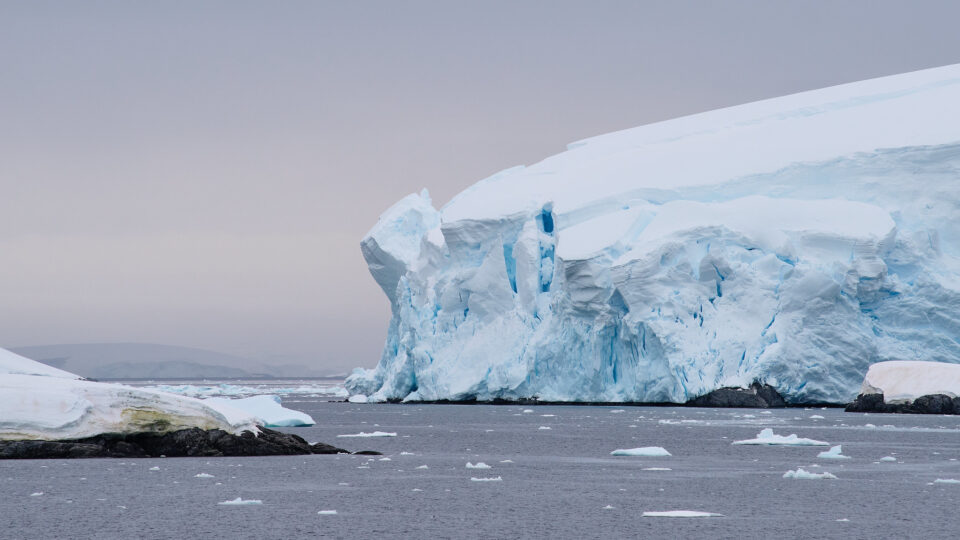
Glaciers are sensitive indicators of climate change that respond to changes in both temperature and precipitation.  But they are not only affected by climate change, they also affect climate change.  As glaciers melt, they contribute to sea level rise, alter regional hydrology, and influence the global energy balance.

A group of glacier experts from the University of Innsbruck in Austria introduced a concept called “Glacier Loss Day” or GLD as a way to measure the annual mass balance of glaciers.  Mass balance is the difference between the amount of snow and ice that accumulates on a glacier and the amount that melts or sublimates.  If the mass balance is positive, the glacier is growing.  If the mass balance is negative, the glacier is shrinking.

GLD is the day during the year when the glacier has lost all the mass it gained during previous winter.  This is a similar concept to Earth Overshoot Day, which marks the date when humankind’s demand for ecological resources exceeds the amount the planet can regenerate during the year.

The Hintereisferner, a glacier in the Tyrolean Alps, has been monitored for more than 100 years and there are continuous records of its mass balance since 1952.  In 2022, the GLD on the Hintereisferner was measured on the 23rd of June.  In the two previous years, it was reached in the middle of August.  Even in years with large negative balances, such as 2003 and 2018, GLD did not occur until the end of July.

Every summer in the future may not be like 2022, but the trend is clear.  Climate change is taking its toll on glaciers.  Experts project that the Hintereisferner will lose half of its volume in the next 10 to 20 years.

**********

Web Links

Glacier Loss Day indi­cates record break­ing glacier melt

Photo, posted July 20, 2023, courtesy of Pedro Szekely via Flickr.

Earth Wise is a production of WAMC Northeast Public Radio
Cryopreserving Corals | Earth Wise

October 3, 2023 By EarthWise Leave a Comment

Cryopreserving corals

Recent climate models estimate that if the effects of climate change are not mitigated soon enough, 95% of the world’s corals could die by the mid 2030s.  Given the current rate of greenhouse gas emissions, this is an increasingly likely outcome.  Coral reefs are estimated to have a $10 trillion economic value apart from their essential role in marine ecosystems.

Researchers at the University of Hawaii at Manoa have demonstrated a successful technique for cryopreserving entire coral fragments; in other words, preserving coral using cold temperatures and successfully reviving them.

Existing coral cryopreservation techniques rely on freezing sperm and larvae, which can only be collected during spawning events, which occur only a few days each year for coral species.  This makes it logistically very challenging for researchers and conservationists.

The Hawaiian researchers focused on a process called isochoric vitrification, which is a method of freezing with liquid nitrogen that prevents the formation of ice crystals.  They tested the technique with thumbnail-sized fragments of coral, freezing them in small aluminum chambers which restrict the growth of ice crystals that would otherwise damage delicate polyp tissues.  Once the chambers were warmed, the fragments were transferred to seawater and allowed to recover.  They found that the revived corals behaved the same as those that were never cooled.

The process holds great promise to conserve the biodiversity and genetic diversity of coral.  If the process can be scaled up, it may be possible to preserve as many species of coral as possible by 2030, when it may no longer be viable for them to survive in the warming and acidifying oceans.

**********

Web Links

Cryopreservation breakthrough could save coral reefs

Photo, posted June 2, 2023, courtesy of USFWS – Pacific Region via Flickr.

Earth Wise is a production of WAMC Northeast Public Radio

Wealth And Greenhouse Gas Emissions | Earth Wise

September 28, 2023 By EarthWise Leave a Comment

A new study led by researchers from the University of Massachusetts Amherst has found that the wealthiest 10% of Americans are responsible for a staggering 40% of the country’s greenhouse gas emissions. The study, which was recently published in the journal PLOS Climate, is the first to link income, especially income derived from financial investments, to the emissions used in generating that income.

The research team suggests that policymakers adopt taxation strategies focused on shareholders and the carbon intensity of investment incomes in order to meet the global goal of limiting temperature rise to 1.5 degrees Celsius.

Historically, environmental policies have focused on regulating consumption, but the researchers argue that this approach misses something important:  carbon pollution generates income, but when that income is reinvested into stocks, rather than spent on necessities, it isn’t subject to a consumption-based carbon tax.  Rather than focus on how emissions enable consumption, they argue that the focus should be on how emissions create income. 

After analyzing 30 years of data, the researchers found that not only are the top 10% of earners in the United States responsible for 40% of the nation’s total greenhouse gas emissions, but that the top 1% alone account for 15-17% of the emissions. Emissions tended to peak in the 45-54 age group before declining.

The researchers highlight the need for an income and shareholder-based taxation strategy to incentivize climate action among high-income earners and industries, which could expedite decarbonization efforts and create tax revenue to support other climate initiatives.

**********

Web Links

America’s Wealthiest 10% Responsible for 40% of U.S. Greenhouse Gas Emissions

Photo, posted June 29, 2015, courtesy of Pictures of Money (via Flickr).

Earth Wise is a production of WAMC Northeast Public Radio

Why Was the Summer So Hot? | Earth Wise

September 4, 2023 By EarthWise Leave a Comment

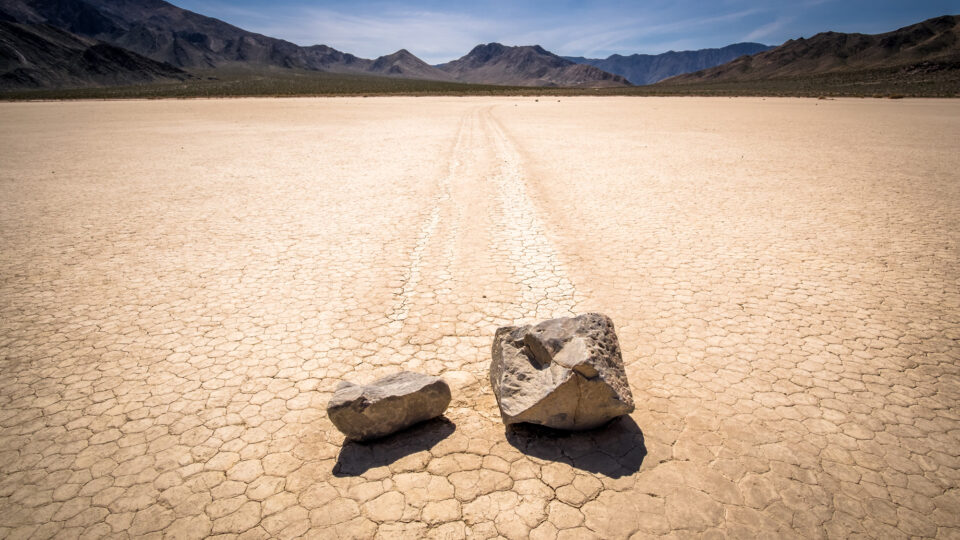
Many places around the world have experienced extraordinary heat waves this summer.  The 31 days of high temperatures 110 degrees or more in Phoenix is a prime example but many other places suffered from extreme and relentless heat.  Why did this happen?

The overarching reason is climate change, which has warmed the Earth by 2.2 degrees Fahrenheit since the preindustrial era.  This change on a global level is enough to make heatwaves far more likely.  For example, the concurrent heatwaves in Europe and North America were 1000 times more likely to have occurred because of climate change.

But there hasn’t been a sudden increase in global temperature that would make this summer so much hotter.  Instead, what really has happened is three other factors all came into play at the same time.

The first is the 2022 eruption of Hunga Tonga-Hunga Ha-apai, which is an underwater volcano in the South Pacific.  That eruption did not produce much in the way of planet-cooling aerosols in the atmosphere.  Instead, it vaporized huge amounts of seawater, sending water vapor into the atmosphere, which helps trap heat.

The second is a change in the amount of energy radiating from the sun.  That actually rises and falls a small amount every 11 years.  Currently, it is in the upswing and will reach its next peak in 2025.

Finally, there is the arrival of the El Niño in the Pacific, whose balmy ocean waters radiate heat into the air.

The combination of all these factors when added to the already warming climate is a recipe for temperatures to soar to uncharted highs.  We can expect more heat waves, forest fires, flash floods, and other sorts of extreme weather.

**********

Web Links

It’s Not Just Climate Change: Three Other Factors Driving This Summer’s Extreme Heat

Photo, posted February 27, 2017, courtesy of Giuseppe Milo via Flickr.

Earth Wise is a production of WAMC Northeast Public Radio
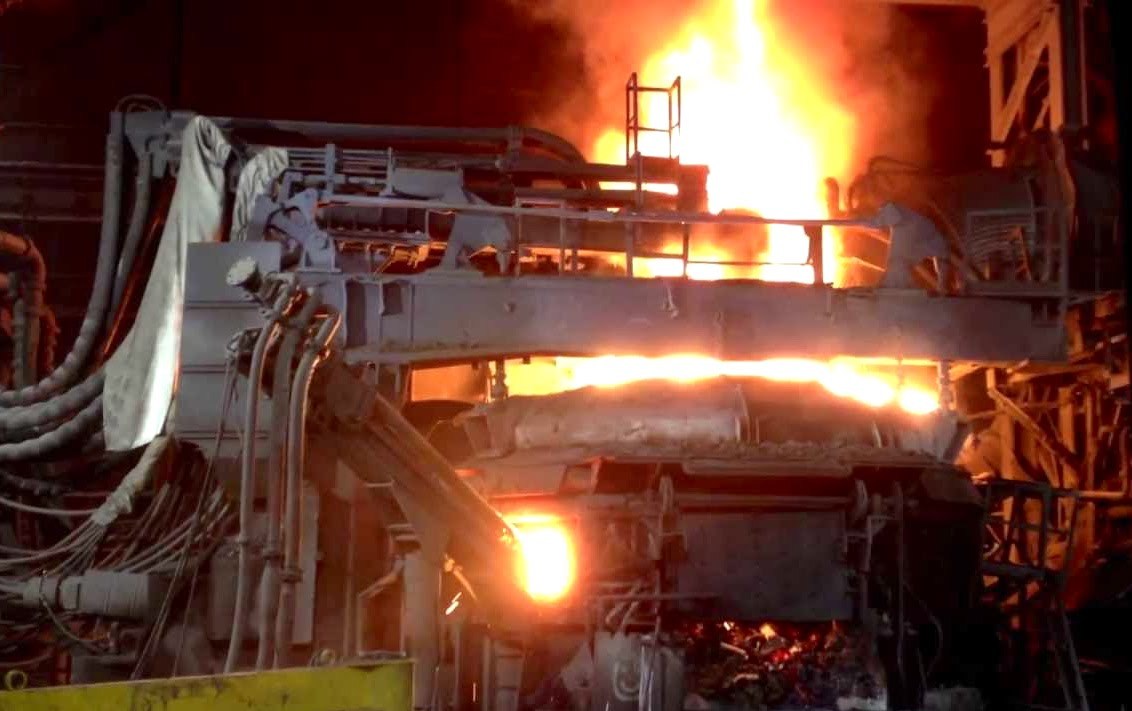
Electric Steel Furnaces | Earth Wise

August 29, 2023 By EarthWise 1 Comment

Steel was first made thousands of years ago.  The discovery that heating up iron ore in a hot enough charcoal fire could purify the iron into a strong and valuable material was the start of the Iron Age.  In many ways, things have changed very little since then.

Global iron and steel production accounts for 7% of society’s carbon emissions. Making steel generally involves burning coal in a blast furnace to produce the very high temperatures required to turn iron into steel.  The coal is used both as a feedstock and as a fuel.  Steel is made from iron and a substance called coke, which is basically coal that has been carbonized at high temperatures.  Coal itself is burned to provide the high temperatures needed.

A new analysis from the Global Energy Monitor think tank shows that the global steel industry is slowly embracing electric-arc furnaces to produce the necessary heat, which is a cleaner alternative.  The analysis found that 43% of forthcoming steelmaking capacity will rely on electric-arc furnaces, up from 33% last year.

According to the study, the shift to cleaner steel is not happening fast enough.  To meet the emissions reductions goals of the Paris Climate Agreement, electric-arc furnaces must account for 53% of global steelmaking capacity by 2050.  Based on the current plans, those furnaces would only account for 32% of total capacity by that year.

In order to meet these goals, the steel industry will need to retire or cancel about 381 million tons of coal-based manufacturing capacity and add 670 million tons of electric-arc furnace capacity. 

**********

Web Links

Steel Industry Pivoting to Electric Furnaces, Analysis Shows

Photo, posted March 3, 2012, courtesy of Jeronimo Nisa via Flickr.

Earth Wise is a production of WAMC Northeast Public Radio
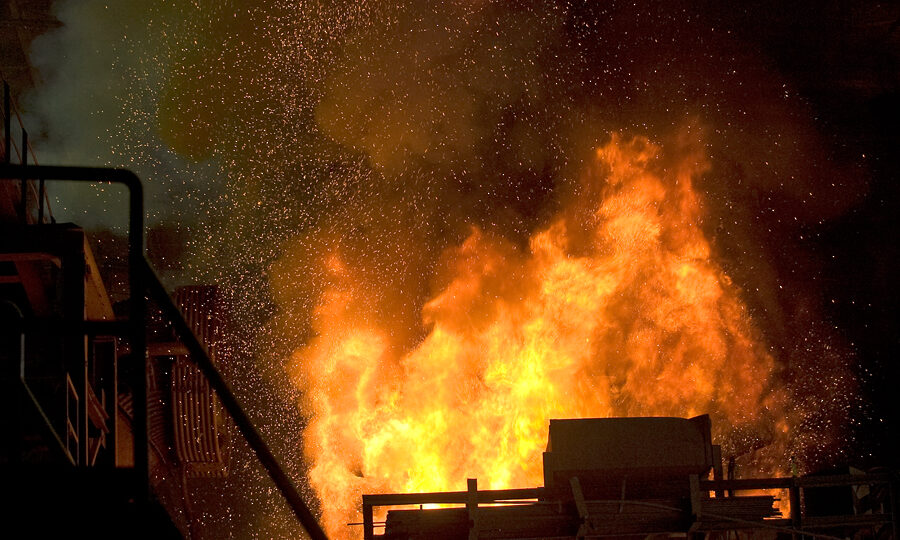
Methane Emissions And The Paris Agreement | Earth Wise

August 21, 2023 By EarthWise Leave a Comment

The Paris Agreement is a legally binding international treaty on climate change adopted at the UN Climate Change Conference in 2015.  Its goal is to strengthen the global response to climate change by committing to limit the rise in global average temperature to well below 2°C above pre-industrial levels, and pursue efforts to limit that increase to just 1.5°C. 

Achieving the goals of the Paris Agreement requires reaching net-zero carbon dioxide emissions by or around 2050, as well as deep reductions in methane and other emissions. 

According to a new study by researchers from Simon Fraser University in Canada, reductions in methane emissions are needed urgently  if we are to meet the goals of the Paris Agreement.  The study, which was recently published in the journal Nature’s Communications Earth & Environment, suggests that global warming levels could be kept below 2°C if methane mitigation efforts are initiated globally before 2030.  However, delaying methane mitigation to the year 2040 or beyond would increase the risk of exceeding 2°C, even if net-zero carbon dioxide emissions were achieved.

Methane is a potent greenhouse gas, second only to carbon dioxide in contributing to global temperature increases over the last two centuries.  However, methane is known to warm the planet 86 times more effectively than carbon dioxide over a 20-year period.

During the past 40 years, more than 60% of global methane emissions have been produced as a result of human activities, such as fossil fuel exploitation, livestock production, and waste from landfills.

**********

Web Links

Delaying methane mitigation increases risk of breaching Paris Agreement climate goal, study finds

Photo, posted July 22, 2011, courtesy of Steven W. via Flickr.

Earth Wise is a production of WAMC Northeast Public Radio

Cleaner And Greener Steel | Earth Wise

August 14, 2023 By EarthWise Leave a Comment

Researchers are developing a cleaner and greener steel

Producing construction materials like concrete and steel is a major contributor to greenhouse gas emissions.  Between 7 and 8% of emissions are due to steelmaking alone, which has been done pretty much the same way for more than a century.

Iron ore is smelted with high-carbon fuel and is turned into so-called pig iron in a blast furnace, which creates the key raw material for the steel industry.  The process uses huge amounts of energy (still often generated by burning fossil fuels) and releases carbon dioxide as a byproduct. 

The Department of Energy is sponsoring 40 projects at universities, national laboratories and companies in 21 states aimed at reducing industrial carbon pollution.  Ten of those projects are focused on decarbonizing iron and steel. These initiatives are part of the overall effort to move the nation towards a net-zero emissions economy by 2050.

A team headed by Case Western Reserve University that includes Lawrence Livermore National Laboratory, the University of Arizona, and steel company Cleveland-Cliffs Inc. has developed a promising new zero-carbon, electrochemical process for producing steel.

The process is a novel molten salt electrolysis method that is low-cost, capable of achieving high rates, and uses environmentally benign chemicals.  The process does not use carbon at all.  Using molten salts, electrochemistry can be performed at moderately high temperatures rather than the temperatures of nearly 3000 degrees Fahrenheit used for conventional steelmaking.  The goal is to enable steel production that is both economically viable at an industrial scale and that is environmentally sustainable.

**********

Web Links

Case Western Reserve leading research to develop zero-carbon, electrochemical process to produce iron metal as part of U.S. Department of Energy effort

Photo, posted January 11, 2017, courtesy of Kevin Casey Fleming via Flickr.

Earth Wise is a production of WAMC Northeast Public Radio
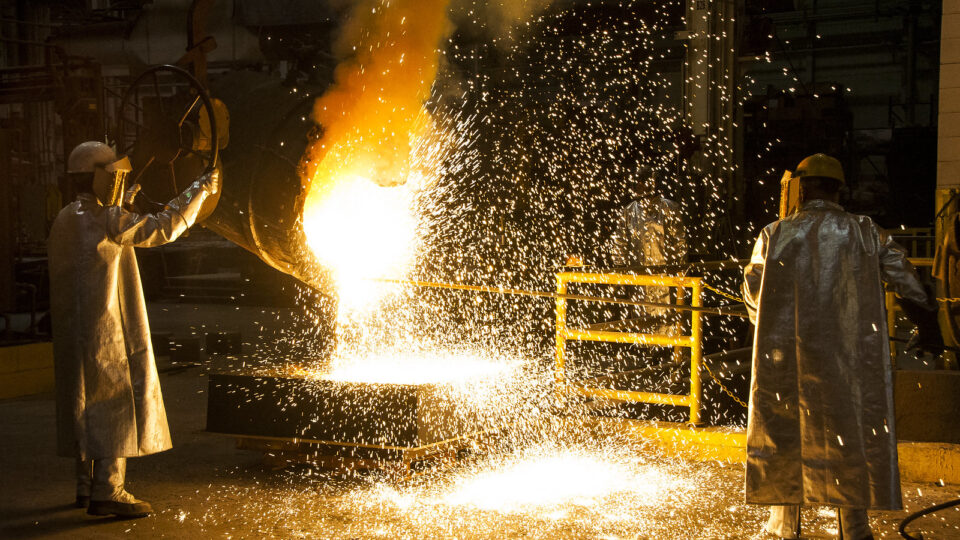
Shrinking Glaciers And Methane | Earth Wise

August 1, 2023 By EarthWise Leave a Comment

Shrinking glaciers pose an underestimated climate risk

The Arctic region is warming much faster than the rest of the planet.  In fact, according to a study published last year in the journal Nature, the Arctic has been warming nearly four times faster than the rest of the globe during the last 43 years.  This rapid warming is leading to substantial reductions in sea ice, thawing of permafrost, shifts in wildlife populations, and changes in ocean circulation patterns, among other changes. 

According to new research recently published in the journal Nature Geoscience, shrinking glaciers in the warming Arctic are exposing bubbling groundwater springs, which could provide an underestimated source of methane, a potent greenhouse gas.  Methane is more than 25 times as potent as carbon dioxide at trapping heat in the atmosphere.

The study, which was led by researchers from the University of Cambridge and the University Centre in Svalbard, Norway, found large sources of methane gas leaking from groundwater springs unveiled by melting glaciers. 

As glaciers retreat in the Norwegian archipelago of Svalbard and leave behind newly exposed land, groundwater beneath the Earth seeps upward and forms springs. In 122 out of the 123 springs studied, the research team found that the water was highly concentrated with dissolved methane.  When the spring water reaches the surface, the excess methane can escape to the atmosphere. 

Researchers are concerned that additional methane emissions released by the Arctic thaw could dramatically increase human-induced global warming.  If this phenomenon in the Svalbard archipelago is found to be more widespread across the Arctic — where temperatures are quickly rising and glaciers melting — the methane emissions could have global implications. 

**********

Web Links

The Arctic has warmed nearly four times faster than the globe since 1979

Shrinking Arctic glaciers are unearthing a new source of methane

Photo, posted October 22, 2022, courtesy of David Stanley via Flickr.

Earth Wise is a production of WAMC Northeast Public Radio
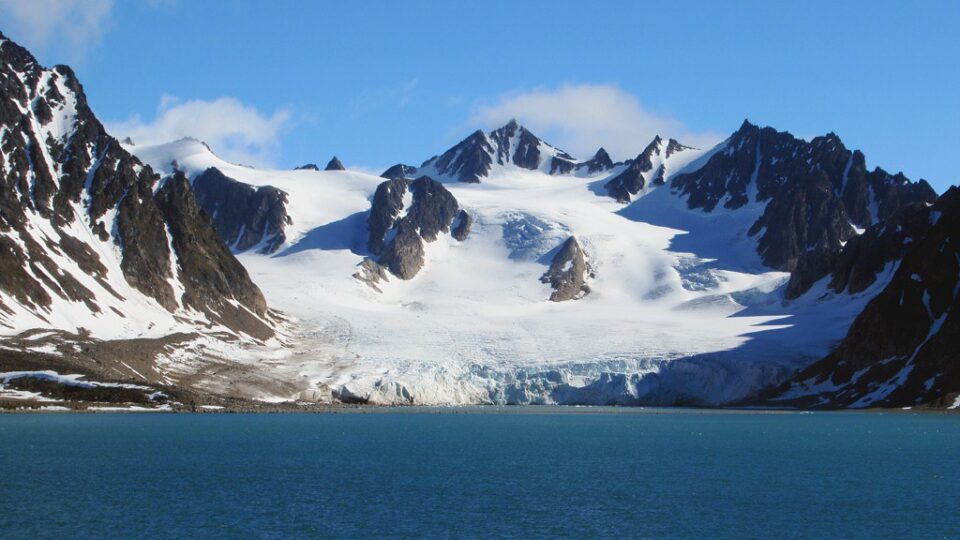
  • « Go to Previous Page
  • Page 1
  • Page 2
  • Page 3
  • Page 4
  • Page 5
  • Page 6
  • Interim pages omitted …
  • Page 13
  • Go to Next Page »

Primary Sidebar

Recent Episodes

  • An uninsurable future
  • Clean energy and jobs
  • Insect declines in remote regions
  • Fossil fuel producing nations ignoring climate goals
  • Trouble for clownfishes

WAMC Northeast Public Radio
WAMC/Northeast Public Radio is a regional public radio network serving parts of seven northeastern states (more...)

Copyright © 2026 ·