• Skip to primary navigation
  • Skip to main content
  • Skip to primary sidebar

Earth Wise

A look at our changing environment.

  • Home
  • About Earth Wise
  • Where to Listen
  • All Articles
  • Show Search
Hide Search
You are here: Home / Archives for species

species

Native Species Or Invasive Species? | Earth Wise

February 27, 2020 By EarthWise Leave a Comment

climate change is transforming the distribution of biodiversity

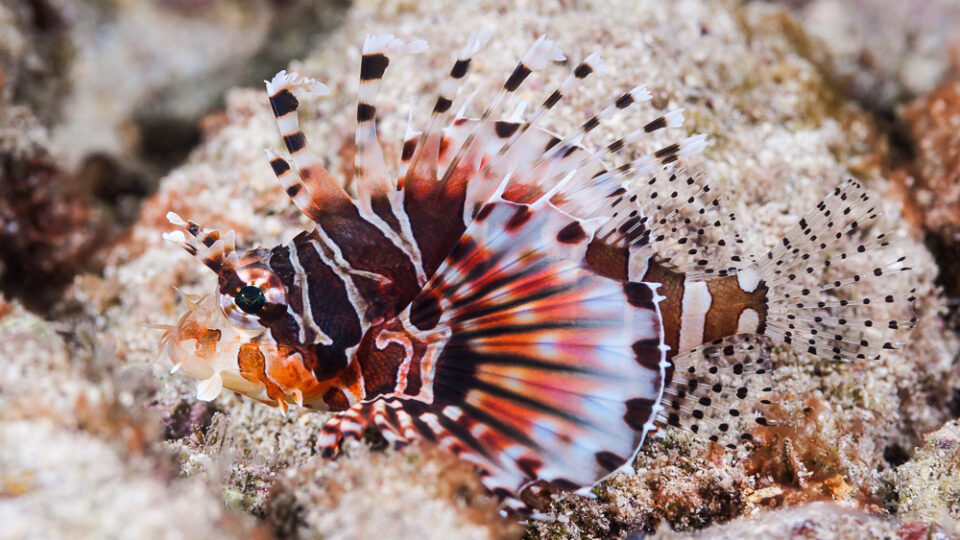
For decades, conservation biology has characterized the movement of species into new habitats as potential invasions of alien species that pose serious dangers to local ecosystems and resident species.  Wild species are classified as either native or alien.  But this way of looking at the natural world is becoming increasingly controversial.

As the world warms, a mass exodus of tens of thousands of species is transforming the distribution of biodiversity.  Scientists have documented countless species shifting their ranges towards the poles, higher up into the mountains, and deeper into the oceans in response to the changing climate.

Deciduous shrubs have spread into the Arctic tundra.  Tropical fish have arrived in the kelp forests of the eastern Mediterranean. 

A growing number of scientists now say that continuing to base conservation policy on the native-alien dichotomy may actually endanger biodiversity.  The climate-driven range shifts may be the only way for many species to survive.  Furthermore, only a small fraction of new arrivals may actually endanger resident species and ecosystems.

There are real distinctions between climate-displaced species and disruptive alien species introduced through global trade and travel.  Among other things, climate-displaced species tend to shift their ranges alongside other species they have co-evolved with.

There is talk of establishing a Climate Change Redistribution Treaty that would create a transnational system to manage species shifting across geopolitical and biogeographical borders.  The assumptions traditionally made as to which species to protect, which to leave to their own devices,  and which to eradicate are no longer valid and the time has come to base conservation policies on the new reality.

**********

Web Links

Native Species or Invasive? The Distinction Blurs as the World Warms

Photo, posted March 21, 2011, courtesy of Flickr.

Earth Wise is a production of WAMC Northeast Public Radio.

Road Salt Pollution

January 8, 2020 By EarthWise 1 Comment

Road salt pollution mirror lake

Mirror Lake is a popular recreational lake located in the Village of Lake Placid.  It is the most developed lake within the Adirondack Park, which is a publicly protected area that is actually larger than Yellowstone, Yosemite, Glacier, and Grand Canyon National Parks combined.

New research has revealed that road salt runoff into Mirror Lake is preventing natural water turnover which poses a risk to the balance of its ecology.  The study, which was published in Lake and Reservoir Management, found that road salt runoff is preventing spring mixing of the water column.    This creates more anoxic water conditions, meaning there is less oxygen in the water, and limits the ability of the habitat to support the native lake trout. 

Mirror Lake is the first lake in the Adirondack Park to show an interruption in lake turnover due to road salt.  Many lakes in northern climes experience so-called “dimictic turnover”, which is a natural process where wind and less stratified water conditions of spring and fall allow mixing of the water column that redistribute oxygen and nutrients throughout the lake.  High levels of surface-water chloride introduced into the lake from road salt runoff inhibit the mixing of the water column.

The lack of mixing and oxygenation is bad news for fish species such as lake trout, which require cold, oxygenated water to survive.  It may also put the lake at a greater risk of algal blooms.

Mirror Lake is small, surrounded by concentrated development, and receives the direct discharge of stormwater.  So, it is particularly vulnerable to road salt contamination.  Other lakes elsewhere in New York may experience similar conditions.  The researchers are confident that natural turnover conditions could be restored to the lake if road salt application in the watershed is reduced.

**********

Web Links

Road salt pollutes lake in one of the largest US protected areas, new study shows

Photo, posted January 5, 2018, courtesy of MTA of the State of NY via Flickr.

Earth Wise is a production of WAMC Northeast Public Radio.
Community Action And Coral Reefs

January 1, 2020 By EarthWise Leave a Comment

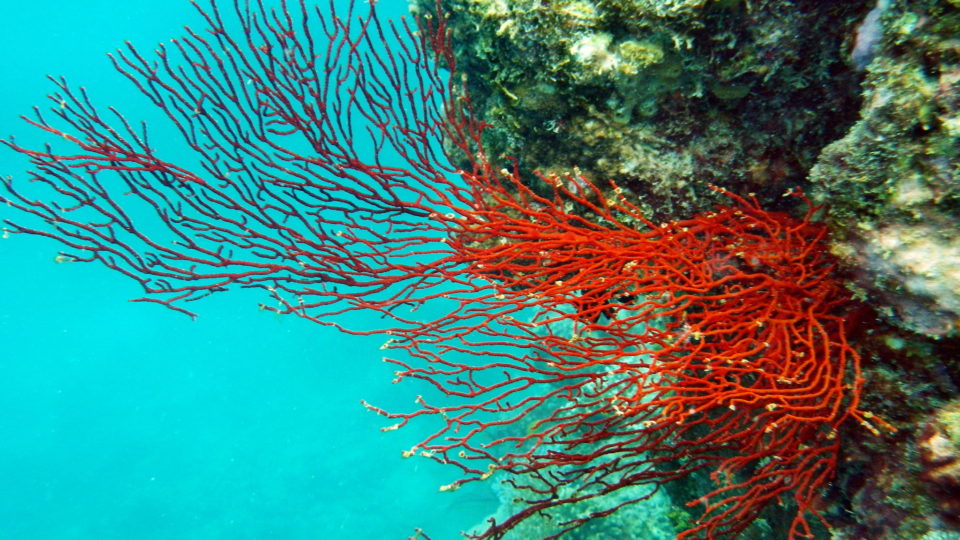
Coral reef habitats are some of the densest and most varied ecosystems on earth.  While coral reefs cover just 0.2% of the ocean floor, scientists estimate that nearly one million different species of fish, invertebrates, and algae can be found in or around coral reefs. 

However, climate change is wreaking havoc on the health of coral reefs.  Warming and acidifying oceans are resulting in enormous coral losses.  Overfishing, development, and pollution are also threatening coral reef health.

According to new research, positive community action can help boost fish populations in coral reefs and safeguard future fish numbers.  The paper, which was recently published in the journal Proceedings of the National Academy of Sciences, details the social and ecological outcomes of work being done in Papua New Guinea since 2001. 

These communities have established a traditional system of rotational fishing closures in order to manage their fisheries resources.   They ban fishing on part of their reefs for a few years, and then open these closures when village elders believe fish behavior has changed and fish populations have recovered.  They then close a different part of their reefs, and repeat the process. 

The researchers found that these rotational practices resulted in more than twice as many fish on the closed reefs as compared to open ones, and the closures made fish less scared of people and easier to catch.  But the researchers did caution that this short term boost in fish numbers may not be enough to stop the overall impact of fishing.

Globally, more than 500 million people depend on coral reefs for food, income, and coastal protection.  Balancing community needs with environmental needs can be tricky business.  

**********

Web Links

Positive community action can help coral reef health

Photo, posted October 11, 2011, courtesy of Paul Toogood via Flickr.

Earth Wise is a production of WAMC Northeast Public Radio.
Why Save Endangered Species?

December 9, 2019 By EarthWise Leave a Comment

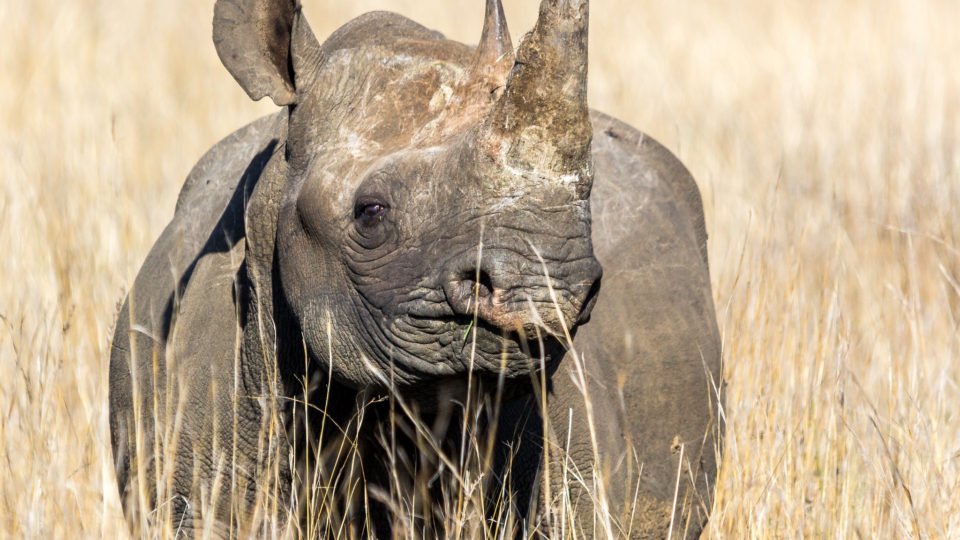
One often hears the argument that humans need to save the world’s endangered species in order to save ourselves.  Carl Safina, a marine ecologist and award-winning environmental writer, has written a thought-provoking essay that offers the viewpoint that we don’t actually need the wild species of the world but that they need us.

The truth is that human beings have thrived by destroying nature.  We have exploited other species when they were useful to us and simply pushed them aside when they weren’t.  We drove America’s most abundant bird – the passenger pigeon – to extinction.  The most abundant large mammal – the bison – was driven to functional extinction.

In today’s world, people live at high densities in places devoid of wild species and natural beauty.  And while we express concern for elephants, gorillas, sperm whales, tigers, and various other species, how would the lives of most of us be affected at all should they vanish entirely?  The unfortunate truth is that it would make little difference to our lives.

The only species that are really essential to modern living are actually microbes of decay, a few insect pollinators, and the ocean’s photosynthesizing plankton.  Life would go on little changed without most other co-inhabitants of our planet.

Safina argues that our obligation to protect endangered species does not come from our dependence upon them but rather on a moral obligation.  Humans consider ourselves to be the most moral species and, as such, we have moral obligations.  In this case, it is to protect the beauty and wonder of our world, which is not trivial but in fact is the most profound thing on earth.

Safina has much more to say about this and I strongly recommend reading his essay.  You can find the link here.

**********

Web Links

The Real Case for Saving Species: We Don’t Need Them, But They Need Us

Photo, posted December 9, 2014, courtesy of Gerry Zambonini via Flickr.

Earth Wise is a production of WAMC Northeast Public Radio.
Monster Tumbleweeds

October 18, 2019 By EarthWise Leave a Comment

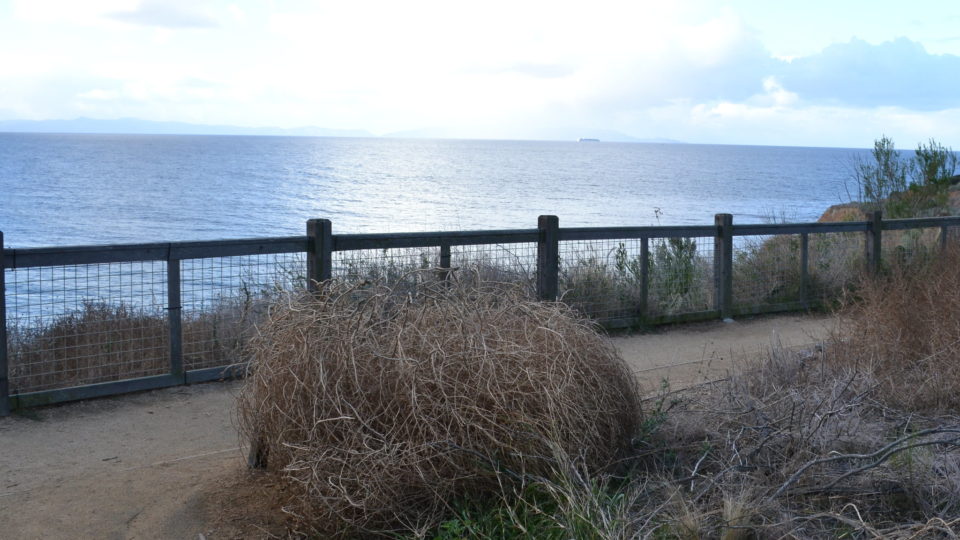
Tumbleweeds have long been seen as symbols of America’s old west.  Tumbleweeds are a structural part of the above-ground anatomy of a number of species of plants known as diaspores.  Diaspores are essentially seed dispersal units.  In a few seed plants, they comprise most or all of the plant.  Once they are mature and dry, they detach from the roots and roll around due to the force of the wind.

There is a new species of gigantic tumbleweed – the Salsola ryanii – that is expanding its territory in the American west.  It is the result of a relatively unusual genetic process known as polyploidy, which produces offspring with multiple sets of chromosomes.  Researchers believe that that the new hybrid species of tumbleweed is healthier than earlier versions.  As a result, one geneticist described Salsola ryanii as a nasty species replacing other nasty species of tumbleweed in the US.

These tumbleweeds can grow up to 6 feet tall.  Tumbleweeds in general are invasive plants that cause traffic accidents, damage agricultural operations, and cause millions of dollars in property damage.  Last year, the town of Victorville in the California desert was buried in them, piling up to the second story of some houses.

Salsola ryanii has a relatively small range, but it is expanding rapidly.  The new study determined that it is more vigorous than its predecessors, which are invasive in 48 states.  The plant is an annual but tends to grow on the later side of winter.  It is one of the only things that is still green in late summer.  With summer rains increasing as the climate changes, these monster tumbleweeds are poised to wreak havoc.   The experts are warning that there should be efforts to suppress them before they take over.

**********

Web Links

Monster tumbleweed: Invasive new species is here to stay

Photo, posted February 27, 2018, courtesy of Tracie Hall via Flickr.

Earth Wise is a production of WAMC Northeast Public Radio.
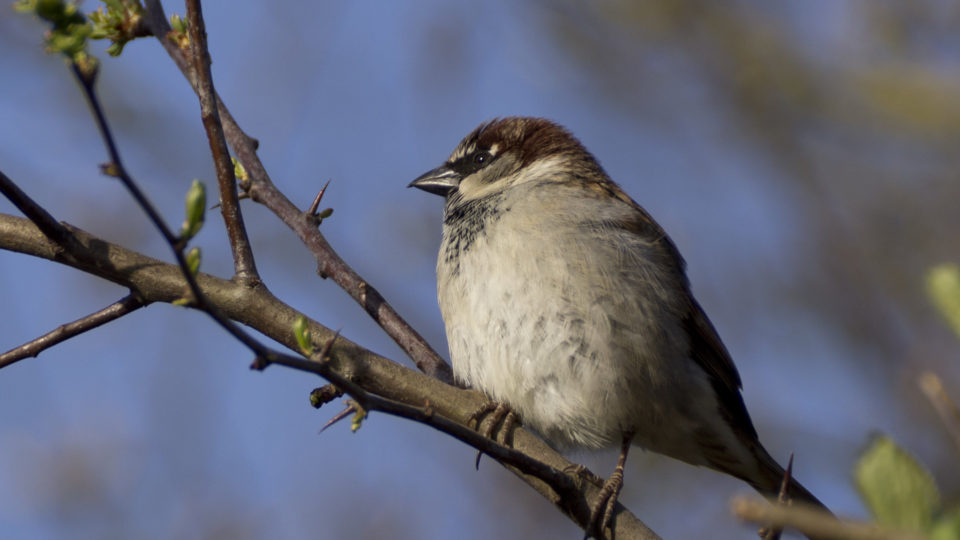
Birds Are Disappearing

October 16, 2019 By EarthWise 1 Comment

A new analysis, published in the journal Science, reports that the number of birds in the United States and Canada has fallen by 29% since 1970.  There are 2.9 billion fewer birds in the two countries now than there were 50 years ago.

The analysis is the most comprehensive attempt to date to look at the status of avian populations.  The results were a shock to researchers and conservation organizations.

It is well-known that some bird species have become vulnerable to extinction, but the new study, which surveyed more than 500 species, uncovered steep losses even among such traditionally abundant birds as robins and sparrows.

There appear to be multiple causes for the steep declines.  The largest ones are likely habitat loss and the wider use of pesticides.  Rachel Carson’s 1962 book Silent Spring warned of the dangers of pesticides and took its title from a world that has lost its birds.

The survey includes 76% of all bird species in the US and Canada, but actually represents almost the entire population of birds.  Grassland species have suffered the biggest declines by far, as a result of modern agriculture and development.  Pesticides, such as neonicotinoids, make it harder for birds to put on weight needed for migration, delaying their travel.

There are a few bright spots:  bald eagles are thriving, and falcon and waterfowl populations are on the upswing.  These are species that have been the subject of conservation measures in recent decades.

Stopping the bird decline will require a great deal of effort to defend habitats, restrict chemicals, and redesign buildings.  Without that effort, birds will continue to disappear.

**********

Web Links

Birds Are Vanishing From North America

Photo, posted April 1, 2012, courtesy of Barry Skeates via Flickr.

Earth Wise is a production of WAMC Northeast Public Radio.
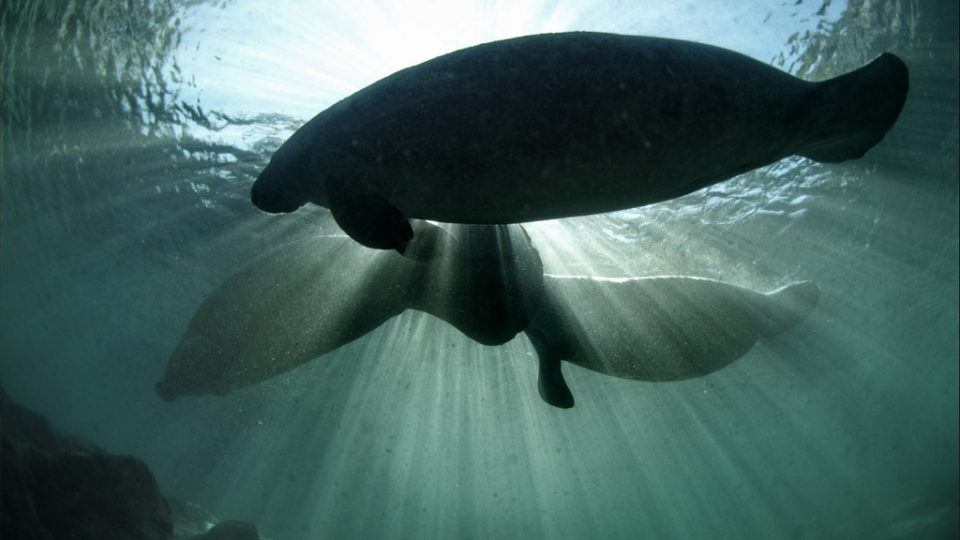
The Decline Of Earth’s Largest Freshwater Creatures

September 23, 2019 By EarthWise Leave a Comment

While nearly 70% of the globe is covered by water, only 2.5% of it is freshwater.  The rest is saline and ocean-based.  And only 1% of our freshwater is easily accessible, with much of it locked away in snowfields and glaciers.  

Despite freshwater only making up a small fraction of all water on the planet, it’s home to one third of all vertebrate species.  Some have survived hundreds of millions of years, but many of the world’s largest freshwater creatures – including fish, reptiles, amphibians, and mammals – may soon find themselves on the brink of extinction.

According to a study recently published in the journal Global Change Biology, scientists from the Leibniz-Institute of Freshwater Ecology and Inland Fisheries and international colleagues have quantified the global decline of freshwater megafauna for the first time.  In four decades since 1970, the global populations of these freshwater giants have declined 88% – twice as much as the loss of vertebrate populations on land or in the oceans. 

Freshwater megafauna include all freshwater animals that weigh 30 kilograms (about 66 pounds) or more, such as certain dolphins, beavers, crocodiles, turtles and sturgeons.

Overexploitation is one of the main threats to freshwater megafauna.  (These animals are often targeted for their meat, eggs, and skin).  The other main threat is the loss of free-flowing rivers. Many of the world’s large rivers are already highly fragmented, which impacts access to spawning and feeding grounds.  The research team says another 3700 large dams are planned or under construction, including 800 in habitats rich with freshwater megafauna, including the Amazon, Congo, and Ganges river basins.

Current conservation measures are clearly failing our freshwater creatures. 

********** 

Web Links

88 percent decline of big freshwater animals

Earth’s largest freshwater creatures at risk of extinction

Photo, posted March 25, 2012, courtesy of the U.S. Fish and Wildlife Service via Flickr.

Earth Wise is a production of WAMC Northeast Public Radio.
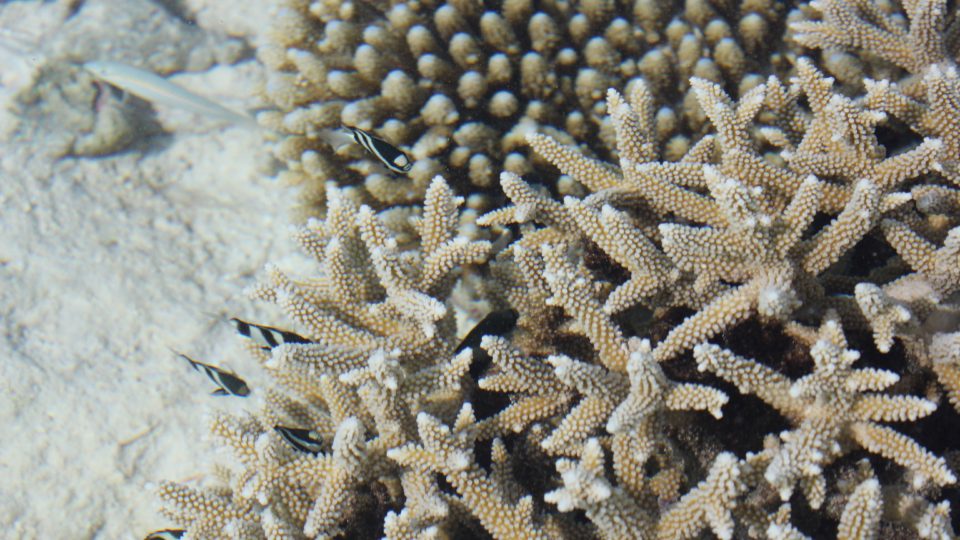
Refugee Corals

August 30, 2019 By EarthWise Leave a Comment

As climate change warms the ocean, subtropical environments are becoming more favorable for corals than the equatorial waters where they traditionally thrived.  As a result, drifting coral larvae are settling and growing in new regions.

According to new research in the journal Marine Ecology Progress Series, the number of young corals on tropical reefs has declined by 85% over the past 40 years.  At the same time, the numbers on subtropical reefs has doubled.

Only certain types of coral can reach these new subtropical locations.  That depends on how far the microscopic larvae can swim and drift on currents before they exhaust their limited fat stores.  Thus, the reef ecosystems that develop have new blends of species that have previously never coexisted.  It is not clear how long it will take for the new systems to reach equilibrium.

Coral reefs are complicated systems that depend on the interplay between species to enable their healthy functioning.  Apart from the corals themselves, there are the coraline algae that symbiotically coexist with them.  How all of this will play out in these evolving ecosystems is unknown.

In the meantime, the research has found that these refugee corals are settling at latitudes up to 35 degrees both north and south of the equator.  It is no longer so clear what constitute native species in the reefs.  It remains to be seen whether new reefs in subtropical oceans can support the incredible biodiversity seen in tropical reefs.  But ultimately, these changing ecosystems could potentially bring new resources and opportunities, such as fishing and tourism, to places where they never existed before.

**********

Web Links

Coral Reefs Shifting Away from Equatorial Waters

Photo, posted March 22, 2011, courtesy of Simone Lovati via Flickr.

Earth Wise is a production of WAMC Northeast Public Radio.
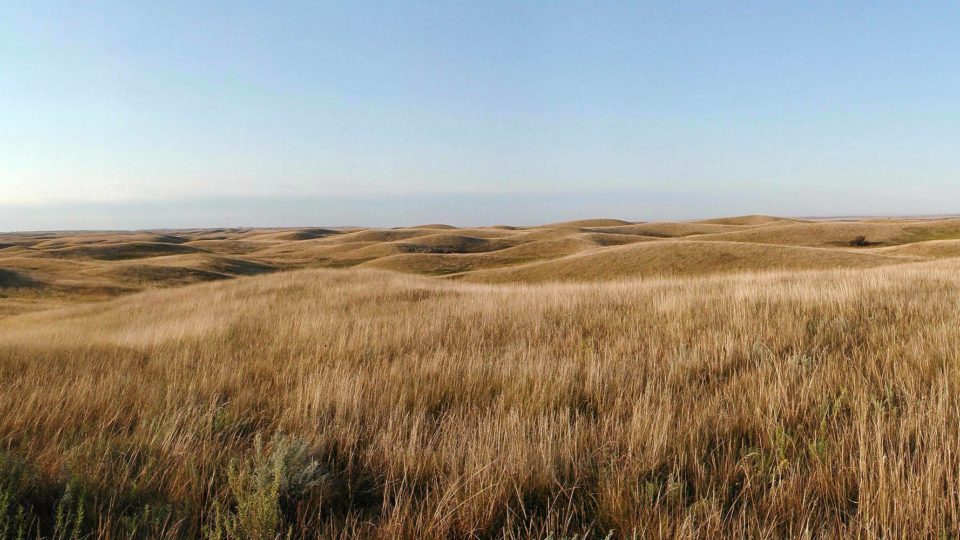
Shifting Ecosystems

August 29, 2019 By EarthWise Leave a Comment

The Great Plains ecosystem has been shifting northward over the past fifty years, driven by climate change, wildfire suppression, energy development, land use changes, and urbanization.  The ecosystem is an area historically rich with grasslands and shrub steppe and is prime habitat for grassland birds.

According to a recent study published in the journal Nature Climate Change, the northernmost ecosystem boundary of the Great Plains has moved more than 365 miles north since 1970, amounting to about 8 miles a year.  The region’s southernmost ecosystem boundary has shifted 160 miles north, or about 4 miles a year.

The study used bird distribution data as an indicator of shifting ecosystem boundaries.  The researchers analyzed 46 years of data for 400 bird species across a 250-mile-wide strip stretching from Texas to North Dakota.  They tracked how the birds’ distributions changed as a measure of how these ecosystems were shifting.

While climate change has been a major driver of these ecosystem shifts since the 1970s, several other factors such as wildfire trends, land use changes, and invasion of tree species into grassland habitat have also played a role.  Like most things in ecological systems, the changes are likely to have multiple causes.  One cannot really separate causes like tree invasions, warming climate, and wildfires, as they are all interrelated.

Using bird distribution patterns for tracking ecosystem shifts could be a useful tool for scientists and land managers in the coming decades to give them an early warning of how habitats are changing in response to rising global temperatures and therefore allow them to take action to protect vulnerable species.

**********

Web Links

Great Plains’ Ecosystems Have Shifted 365 Miles Northward Since 1970

Photo, posted March 24, 2017, courtesy of Rick Bohn / USFWS via Flickr.

Earth Wise is a production of WAMC Northeast Public Radio.
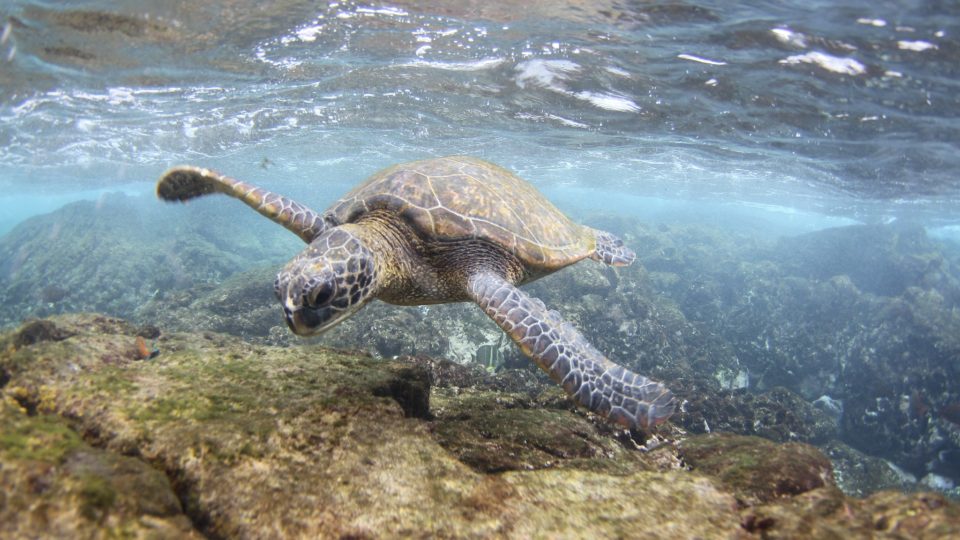
Keeping Lights On For Turtles

August 8, 2019 By EarthWise Leave a Comment

Gillnets are one of the most common types of fishing gear and are used extensively in most places where people fish for food.  They operate by suspending a wall of netting in the water column.

Unfortunately, they are not selective in the species they catch.  Sea turtles are one of the most common bycatch species that become entangled in these nets.  When turtles are caught in gillnets, they can drown and die.  Marine mammals, seabirds, and sharks are also frequently caught in gillnets.

Recently, researchers have been experimenting with illuminating the nets with LED lights to see if increasing net visibility reduces sea turtle bycatch.

Studies in Mexico show green sea turtle bycatch is reduced between 40-60% with no changes in target catch.  Studies in Peru show green sea turtle bycatch is reduced between 65-80% with no changes in target catch.  Studies in Indonesia show green olive ridley, and hawksbill sea turtle bycatch is reduced by 60% with increases in target catch and catch value.

Recent research shows that net illumination also reduces bycatch of other protected species such as seabirds, sharks and rays, as well as dolphins and porpoises.

The use of illuminated gillnets could prove beneficial to both sea turtles and fisherman by reducing the bycatch that can damage fishing gear. 

Studies are now underway off the coast of North Carolina, where state gillnet fisheries are carefully managed to reduce turtle bycatch.  Initial studies show that net illumination does not change target catch rates and may even decrease the bycatch of unwanted fish species.  When it comes to protecting sea turtles, it looks like a good idea to keep the lights on.

**********

Web Links

Illuminated Nets Could Provide A Brighter Future For Sea Turtles

Photo, posted June 2, 2016, courtesy of NOAA via Flickr.

Earth Wise is a production of WAMC Northeast Public Radio.

Banning The Shark Fin Trade

July 4, 2019 By EarthWise Leave a Comment

Shark fins are considered a delicacy in many parts of the world, especially in China.  Shark fin soup, for example, is often served at engagement parties and weddings.  But the use of shark fins has come under increasing scrutiny in recent years, especially since an estimated one-third of fins are harvested from species deemed at risk.  

Many of the fins used in shark fin soup come from a practice known as “finning,” which is an inhumane and wasteful practice where the fins are hacked from live sharks and then the sharks are thrown back into the water and left to die.  According to U.N. estimates, 73 million sharks are killed every year for their fins.

The possession, sale, and distribution of shark fins is banned in 12 U.S. states, as well as in all European Union member states.

In 1994, Canada banned the practice of finning in its own waters, but allowed the import of fins to continue.  Canada has been one of the largest markets for shark fins outside Asia, importing nearly 300,000 pounds of shark fins last year.  But in late June, Canada passed a bill that bans both the import and export of shark fins harvested by shark finning.  They are the first G7 and the first G20 country to do so. 

But shark fins taken from sharks sustainably harvested for their meat will continue to be allowed in Canada.  While demand for shark fins is decreasing globally, demand for shark meat is rising.

Since sharks still face a myriad of environmental pressures, including illegal fishing and high bycatch rates, there are concerns that this Canadian ban oversimplifies the threats facing global shark populations. 

**********

Web Links

Canada becomes the first G20 country to ban shark fin trade

Photo, posted January 4, 2013, courtesy of Andrew Currie via Flickr.

Earth Wise is a production of WAMC Northeast Public Radio.
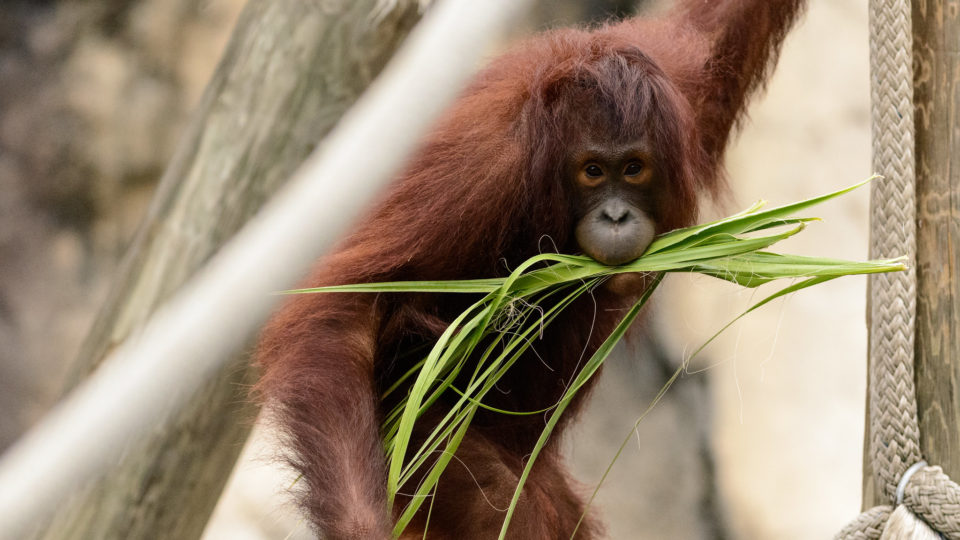
One Million Extinctions

June 14, 2019 By EarthWise Leave a Comment

A group of 145 expert authors from 50 countries has produced a report based upon a review of 15,000 scientific and government sources that is the first comprehensive look at the state of the planet’s biodiversity in 15 years.  The conclusions are alarming.

Thanks to human pressures, one million species may be pushed to extinction in the next few years, something with serious consequences for human beings as well as the rest of life on earth.

Based upon scientific studies as well as indigenous and local knowledge, the evidence is overwhelming that human activities are the primary cause of nature’s decline.  The report ranked the major drivers of species decline as land conversion, including deforestation; overfishing; bush meat hunting and poaching; climate change; pollution; and invasive alien species.

The tremendous variety of living species on our plant which number at least 8.7 million and perhaps many more – biodiversity – constitutes a life-supporting safety net that provides our food, clean water, air, energy, and more.

In parts of the ocean, little life remains but green slime.  Some remote tropical forests are nearly silent because insects have vanished.  Many grasslands are becoming deserts.  Human activity has severely altered more than 75% of Earth’s land areas and has impacted 66% of the oceans.  The world’s oceans increasingly are characterized by plastics, dead zones, overfishing, and acidification.

The main message of the 1,500-page report is that transformative change is urgently needed.  In order to safeguard a healthy planet, society needs to shift from a sole focus on chasing economic growth.  This won’t be easy, but we must come to the understanding that nature is the foundation for development before it is too late.

**********

Web Links

One million species at risk of extinction, UN report warns

Photo, posted January 1, 2014, courtesy of Eric Kilby via Flickr.

Earth Wise is a production of WAMC Northeast Public Radio.

Getting Rid Of Plastic Here And Abroad

May 23, 2019 By EarthWise Leave a Comment

Efforts in the fight against plastic pollution are really stepping up these days. 

New York State lawmakers have agreed to impose a statewide ban on most types of single-use plastic bags from retail sales.  The ban would be the second statewide ban after California, which banned the bags in 2016.  Hawaii effectively also has such a ban since all of the state’s counties have their own bans.

The New York ban would begin next March and would forbid stores from providing customers with single-use plastic bags.  There are a number of exceptions, including food takeout bags in restaurants, bags used to wrap deli or meat counter products, and newspaper bags.  New York counties could opt into a plan to charge a 5-cent fee on paper bags, with proceeds going to the state’s Environmental Protection Fund.  Some environmentalists point out, however, that paper bags have their own issues.  While they do decompose in landfills, they have a substantial carbon footprint since they are made from wood and being heavier, they are more costly to ship.  Business groups are concerned about the forthcoming ban based on increased costs.

Meanwhile, European Union member states have reached a provisional agreement to introduce restrictions on single-use plastic products.  In 2021. European citizens will say goodbye to plastic cutlery, plastic plates and plastic straws among other products.

According to the European Commission, plastics make up 85% of beach litter in the Mediterranean.  Large plastic pieces injure, suffocate, and often kill marine animals but microplastics have reached record levels of concentration – over a million fragments per square kilometer – in the Mediterranean.

Both here and abroad, the war on plastics is heating up.

**********

Web Links

Plastic Bags to Be Banned in New York; Second Statewide Ban, After California

The End Of Plastic Cutlery, Plates And Straws: EU Market Says Goodbye To Single-Use Plastic Products

Photo, posted March 20, 2007, courtesy of Flickr.

Earth Wise is a production of WAMC Northeast Public Radio.
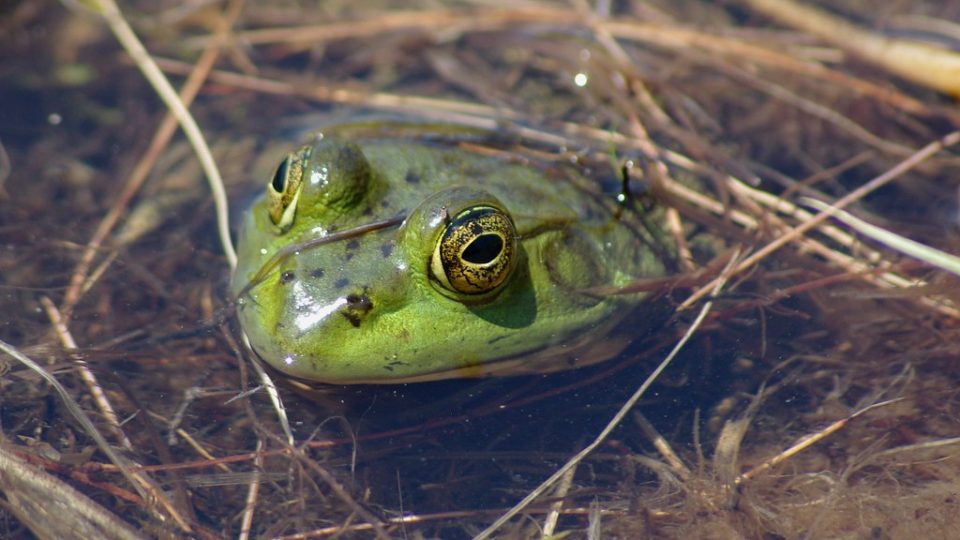
Frogs Are In Big Trouble

May 22, 2019 By EarthWise Leave a Comment

Scientists first noticed in the 1970s that some frog populations were declining rapidly.  By the 1980s, some species appeared to be extinct.  The loss of frog species was mysterious because many were actually living in pristine habitats that did not face pollution or deforestation.

By the late 1990s, researchers had identified that frogs in widely different places around the world were infected with a deadly fungus called Batrachochytrium dendrobatidis – or Bd for short.  The fungus originated on the Korean peninsula, but the pathogen spread throughout the world, probably via the international trade in pet amphibians.  By 2007, researchers speculated that Bd might be responsible for all known declines of frogs that had no other apparent cause – about 200 species.

Recently, a group of 41 scientists published the first worldwide analysis of the fungal outbreak and the devastation turns out to be far worse than anyone had previously realized.  Populations of more than 500 species of amphibians have declined significantly because of the outbreak, including at least 90 species presumed to have gone extinct.  These figures are more than twice as large as earlier estimates.

According to biologists, Bd is now considered to be the deadliest pathogen known to science.  But the decimation of frogs peaked in the 1980s.  Today, although 39% of the species that suffered population declines in the past are still declining, 12% are showing signs of recovery, possibly because natural selection is favoring resistant animals.

There is cautious optimism for the surviving amphibian species, but scientists worry that another strain of Bd or some different species of fungus altogether may prove even deadlier.  The best we can do is not participate in moving pathogens around the world.

**********

Web Links

The Plague Killing Frogs Everywhere Is Far Worse Than Scientists Thought

Photo, posted June 19, 2010, courtesy of Chris Luczkow via Flickr.

Earth Wise is a production of WAMC Northeast Public Radio.
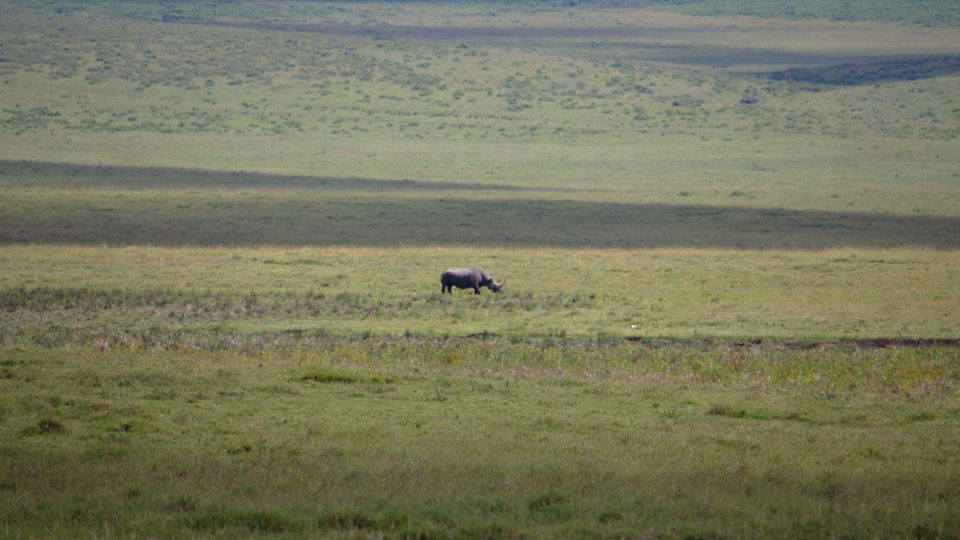
Earth Day

April 22, 2019 By EarthWise Leave a Comment

Today is Earth Day.  On April 22, 1970, millions of Americas took to the streets in peaceful demonstrations in favor of environmental reform.  Since that first time, Earth Day has now become a global event each year.  Estimates are that as many as a billion people in 192 countries take part in Earth Day events.

This year, the theme for Earth Day is “Protect our Species.”  The focus is on the fact that the world is facing the greatest rate of extinction since the demise of the dinosaurs more than 60 million years ago.

But unlike the extinctions from that time that were linked to so-called acts of god like asteroid collisions, the rapid extinction of species in our world today is mostly the result of human activity.

The global destruction and rapid reduction of plant and wildlife populations are directly linked to climate change, deforestation, habitat loss, trafficking and poaching, unsustainable agriculture, pollution, and pesticides.

In order to stem the tide of destruction, the Earth Day Network is asking people to help raise awareness about the accelerating rate of extinction of millions of species and the causes and consequences of this phenomenon.  We need to push for the creation of policies that protect broad groups of species as well as individual species and their habitats.  There needs to be a global movement that embraces nature and its values. And we need to eat less meat and curtail the use of pesticides and herbicides.

We share the planet with many species, and we need them to be here in order to sustain our own species.  Something to remember on Earth Day 2019.

**********

Web Links

Earth Day Network

Photo, posted January 24, 2012, courtesy of Jonas Bengtsson via Flickr.

Earth Wise is a production of WAMC Northeast Public Radio.
Climate Change And Global Fisheries

April 12, 2019 By EarthWise Leave a Comment

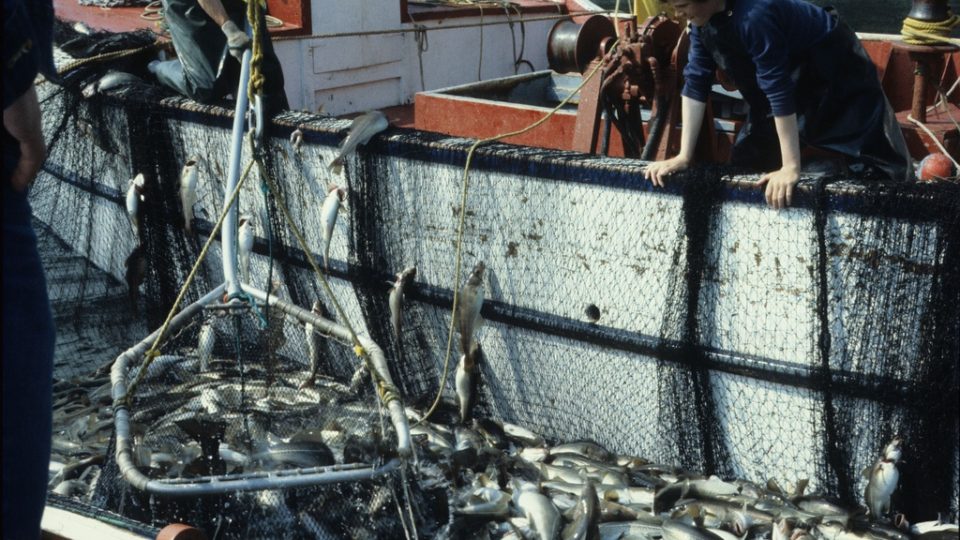
A Rutgers University-led study published in the journal Science has shown that climate change has taken a toll on many of the world’s fisheries and that over fishing has magnified the problem.

Seafood has become an increasingly important source of nourishment as the global population grows, especially in coastal, developing countries where it provides as much as half of the animal protein eaten.  More than 50 million people worldwide work in the fisheries industry or subsist on fisheries.

Scientists at Rutgers and the National Oceanic and Atmospheric Administration studied the impact of ocean warming on 235 populations of 124 species in 38 ecological regions around the world.  Species included fish, crustaceans such as shrimp, and mollusks such as scallops.  They combined data on fisheries with ocean temperature maps to estimate temperature-driven changes in the sustainable catch over 8 decades.  The data covered about one-third of the global catch.

According to the study, ocean warming has led to an estimated 4.1% drop in sustainable catches, on average around the world, for many species of fish and shellfish from 1930 to 2010.  In five regions that include the East China Sea and the North Sea, the estimated decline was 15 to 35%.

The researchers recommend that fisheries managers eliminate over fishing, rebuild fisheries, and account for climate change in fisheries management decisions.  Over fishing provides a one-two punch to fisheries facing warming waters.   It not only makes fisheries more vulnerable to ocean warming but continued warming will also hinder efforts to rebuild over fished populations.

**********

Web Links

Climate Change Shrinks Many Fisheries Globally, Rutgers-Led Study Finds

Photo, posted April 23, 2011, courtesy of Derek Keats via Flickr.

Earth Wise is a production of WAMC Northeast Public Radio.
Humans And Vertebrate Mortality

April 9, 2019 By EarthWise Leave a Comment

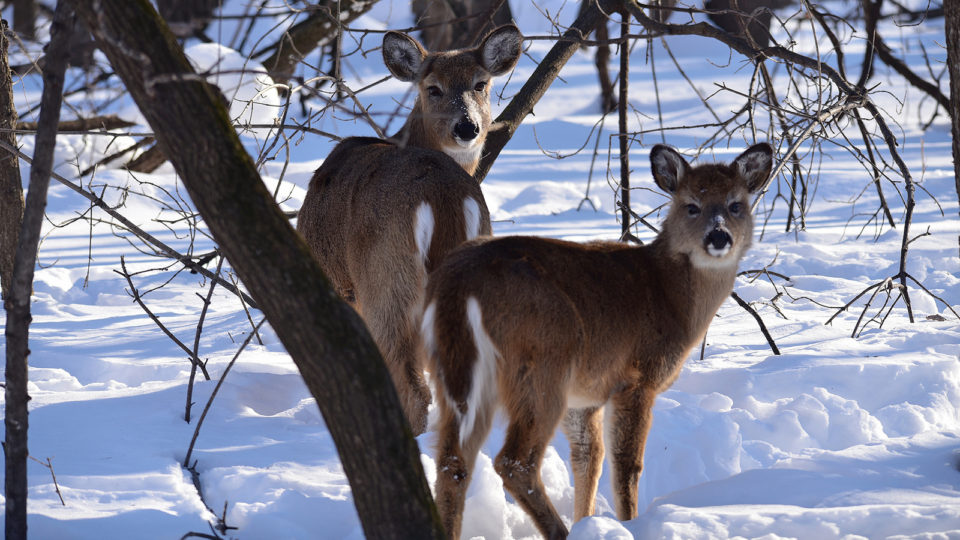
According to a new study, more than one-quarter of the planet’s land vertebrates die because of humans.  This is a “disproportionately huge effect” on the other land vertebrates that share planet’s surface with us. 

Researchers from the SUNY College of Environmental Science and Forestry and the U.S. Department of Agriculture reviewed 1,114 published studies in which nearly 43,000 animals had perished.  Their study, which was recently published in the journal Global Ecology and Biogeography, found that 28% of the animals’ deaths were directly attributable to humans.  The other 72% died from natural sources.  

Mammals, birds, reptiles, and amphibians that died between 1970 and 2018 in the Americas, Asia, Africa, Europe, and Oceania were the foundation of the study.  All of these vertebrates had been either collared or tagged as part of other research projects. 

The researchers point out that humans are only one among more than 35,000 species of terrestrial vertebrates globally.  The fact that humans are responsible for more than one-quarter of their deaths illustrates the profound magnitude of the problem.  And that statistic is just the direct causes.  According to the researchers, when urban growth and other land use changes that erode habitat are considered, the human impact is likely even greater. 

The study found that the impact of humans across all the different species was not equal. In fact, larger animals were more likely to be killed by humans than smaller animals. Adult animals were more likely to be killed by humans than juveniles. 

The researchers conclude that humans are such a major contributor to terrestrial vertebrate mortality that they could potentially impact both evolutionary processes and ecosystem functioning. 

**********

Web Links

On the land, one-quarter of vertebrates die because of humans

Photo, posted March 6, 2019, courtesy of USFWS Midwest Region via Flickr.

Earth Wise is a production of WAMC Northeast Public Radio.

The Rosewood Trade

April 3, 2019 By EarthWise Leave a Comment

Illegal trafficking in endangered flora and fauna is a topic of great interest and concern.  We hear a lot about elephant ivory, rhino horn, and even pangolin scales.  It turns out that the most trafficked form of flora or fauna in the world is actually rosewood.  According to the United Nations Office on Drugs and Crime, rosewood is traded more than ivory, rhino horn, and pangolin scales put together as measured either by volume or economic value.  According to Earthsight, a London-based nonprofit that investigates environmental crime, rosewood might account for 40% of overall illegal species trade.

Almost all rosewood is headed to China, where the beautiful wood is used in traditional hongmu furniture.   A single bed made from particularly desirable Madagascar rosewood can cost a million dollars.

The illegal rosewood trade has decimated many species of the trees around the world.  A tiny village in Madagascar has seen its population grow by 5,000 in recent years because of migrants coming to work as rosewood loggers.  The rosewood trade has been banned in Madagascar for decades, but a well-established system of bribes has effectively eliminated that problem.  Corruption at all levels allows Madagascar rosewood to find its way onto ships and off to China.

In 2017, the Convention on International Trade in Endangered Species of Wild Fauna and Flora listed all of the world’s rosewood species under its Appendix II, prohibiting all trade except in the rare cases where a local CITES authority issues sustainability permits.

As is the case for other trafficked endangered species, until the demand for the products disappears, people will find a way to make them available.  And meanwhile, these beautiful trees are rapidly disappearing.

**********

Web Links

The Rosewood Trade: An Illicit Trail from Forest to Furniture

Photo, posted November 17, 2007, courtesy of Larry Jacobsen via Flickr.

Earth Wise is a production of WAMC Northeast Public Radio.
Balloons And Seabirds

March 19, 2019 By EarthWise Leave a Comment

It’s no secret that there is a ton of plastic in the ocean – millions of tons, in fact.  Scientists estimate that there is more 165 million tons of plastics swirling about in our oceans today, with an additional 8.8 million tons flowing in every year.  As the oceans swell with plastic debris, many marine species wind up ingesting the stuff – often with dire consequences.

All this plastic trash winds up affecting more than just aquatic species, too.  According to researchers from the University of Tasmania, a seabird that ingested a single piece of plastic has a 20% chance of mortality.  This statistic jumps to 50% if the seabird consumes nine pieces of plastic. 

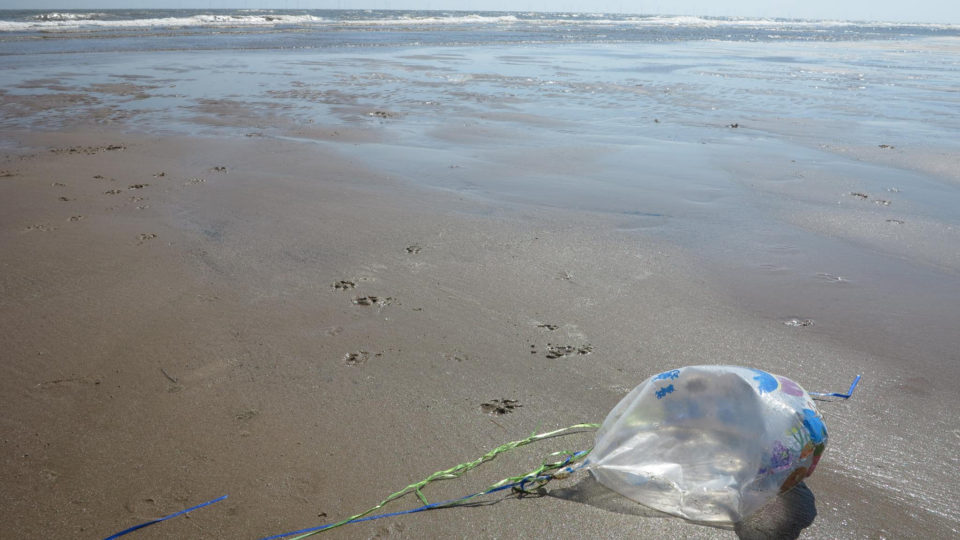
The study, which was recently published in the journal Scientific Reports, also found that while hard plastics account for the majority of plastic debris ingested, it’s far less likely to prove fatal than soft plastics, such as balloons. 

In fact, the researchers found that balloons or balloon fragments were the number one marine debris risk of mortality for seabirds, killing almost one in five of the seabirds that ingested them. 

The leading cause of death among the seabirds studied was blockage of the gastrointestinal tract.  While soft plastics only accounted for 5% of the ingested plastics, they were responsible for more than 40% of seabird mortality.  But the researchers make clear that hard plastics were still responsible for more than half of the study’s seabird deaths.  

If we want to reduce the number of marine species dying from plastic ingestion, we need to reduce the volume of plastic going into the ocean and do what we can to remove what’s already there. 

**********

Web Links

Balloons the number 1 marine debris risk of mortality for seabirds

Photo, posted July 24, 2014, courtesy of Flickr.

Earth Wise is a production of WAMC Northeast Public Radio.
Climate Change And Infertility

March 8, 2019 By EarthWise Leave a Comment

Many of us are all too familiar with the effects of climate change.  Our changing climate, as a result of our actions, is leading to rising global temperatures, biodiversity loss, ocean acidification, wildfires, more weather extremes like floods and droughts. But a lesser known effect of climate change could lead to frightening consequences: infertility.

According to researchers at the University of Liverpool, rising temperatures could make some species sterile and lead them to succumb to the effects of climate change far earlier than currently thought. Their work was recently published in the journal Trends in Ecology and Evolution, and it was produced in collaboration with scientists from the University of Leeds, University of Melbourne, and Stockholm University.

Biologists and conservationists are trying to predict where species will be lost due to climate change so that suitable reserves can be established in other locations.  But the problem is that most data on when temperature will make an area unlivable for a species is based on its ‘critical thermal limit’ or CTL.  This is the temperature at which a species would collapse, stop moving, or die. 

The authors of the article fear that the impact of climate change on species survival is being underestimated.  Because rather than zeroing in on lethal temperatures, the scientists argue the focus should be on the temperatures at which organisms can no longer breed.  Extensive plant and animal data suggest organisms lose fertility at a lower temperature than their CTL.

The scientists have proposed a new fertility-based metric to gauge how organisms function as temperatures climb: Thermal Fertility Limit or TFL.  Understanding when a species will cease to reproduce will certainly help conservation measures. 

**********

Web Links

Climate change and infertility — a ticking time bomb?

Photo, posted August 11, 2013, courtesy of Mike Lewinski via Flickr.

Earth Wise is a production of WAMC Northeast Public Radio.

  • « Go to Previous Page
  • Page 1
  • Interim pages omitted …
  • Page 6
  • Page 7
  • Page 8
  • Page 9
  • Page 10
  • Page 11
  • Go to Next Page »

Primary Sidebar

Recent Episodes

  • An uninsurable future
  • Clean energy and jobs
  • Insect declines in remote regions
  • Fossil fuel producing nations ignoring climate goals
  • Trouble for clownfishes

WAMC Northeast Public Radio

WAMC/Northeast Public Radio is a regional public radio network serving parts of seven northeastern states (more...)

Copyright © 2026 ·