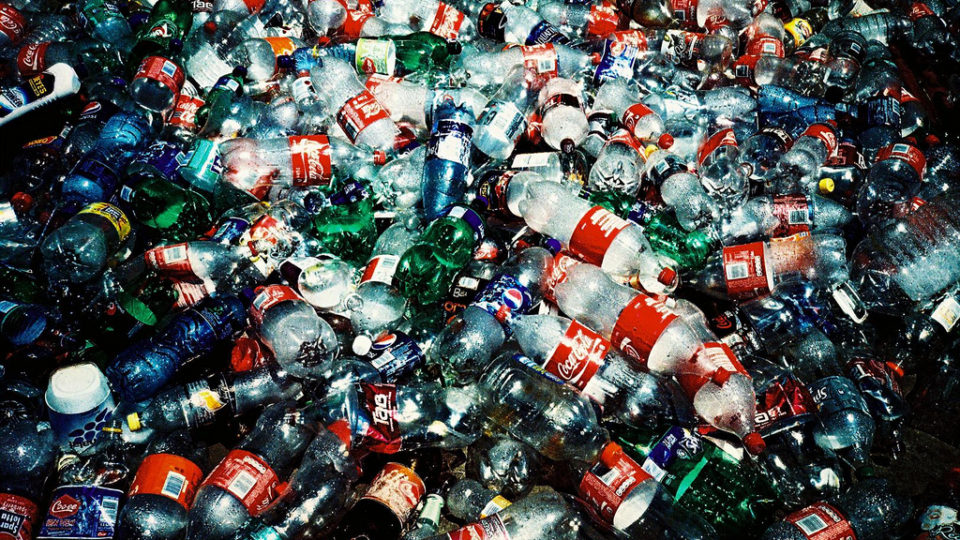
A couple of years ago, scientists in Japan discovered bacteria at a recycling plant that were breaking down a type of plastic called polyethylene terephthalate, or PET. With the world facing a growing plastic pollution problem, British and American researchers began to study the enzyme that the bacteria were using to try to understand how it works.
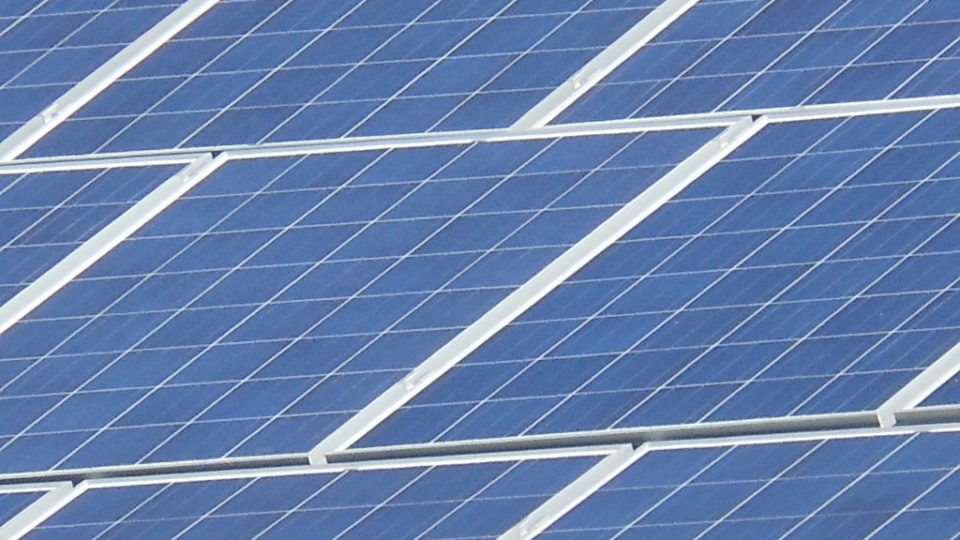
The Australian state of South Australia suffered crippling electricity outages in September 2016, which coincided with gale-force winds and flooding rains. The outages were triggered by storm damage to major transmission lines followed by wind farms disconnecting from the power grid.
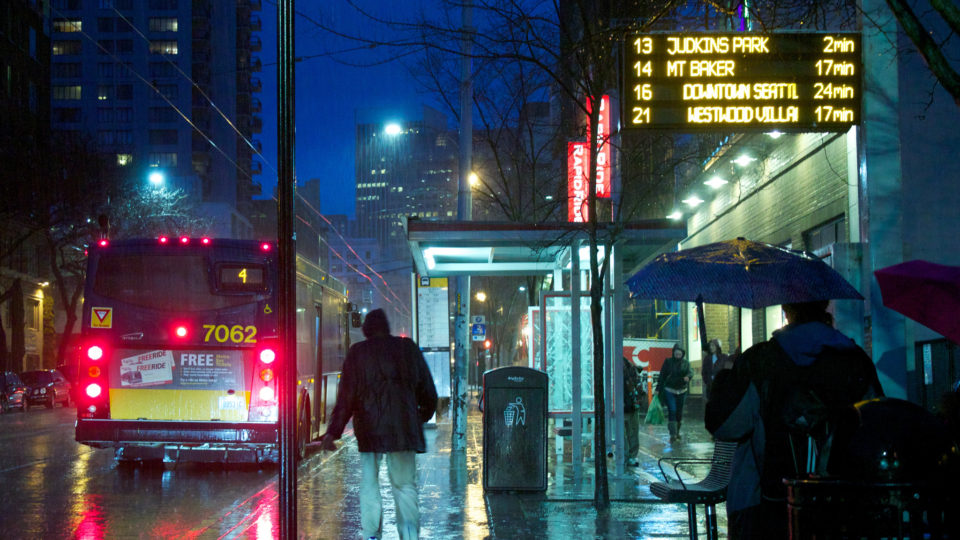
Taking the bus in crowded cities is a good way to reduce overall traffic, save money on gas, and do a good turn for the environment. Unfortunately, bus riders often are exposed to large amounts of pollution in the process.
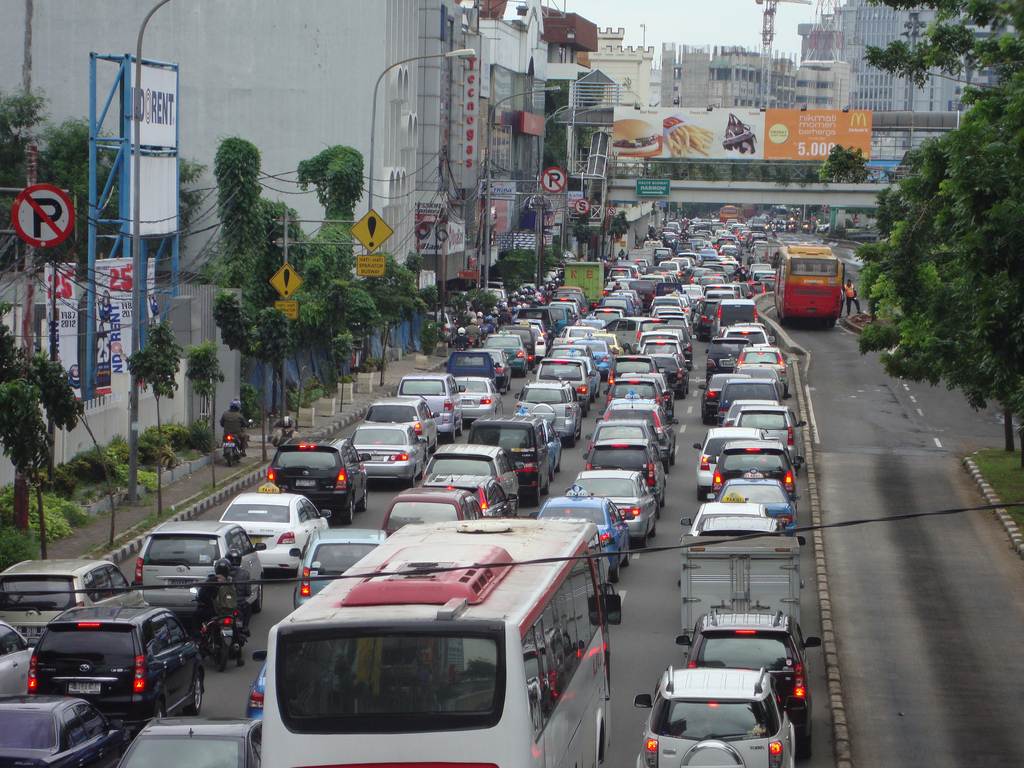
Terrible traffic in cities around the world is a real blight on urban life. Increasingly, there are many cities where you simply don’t want to have to go anywhere by car during morning and evening rush hours.
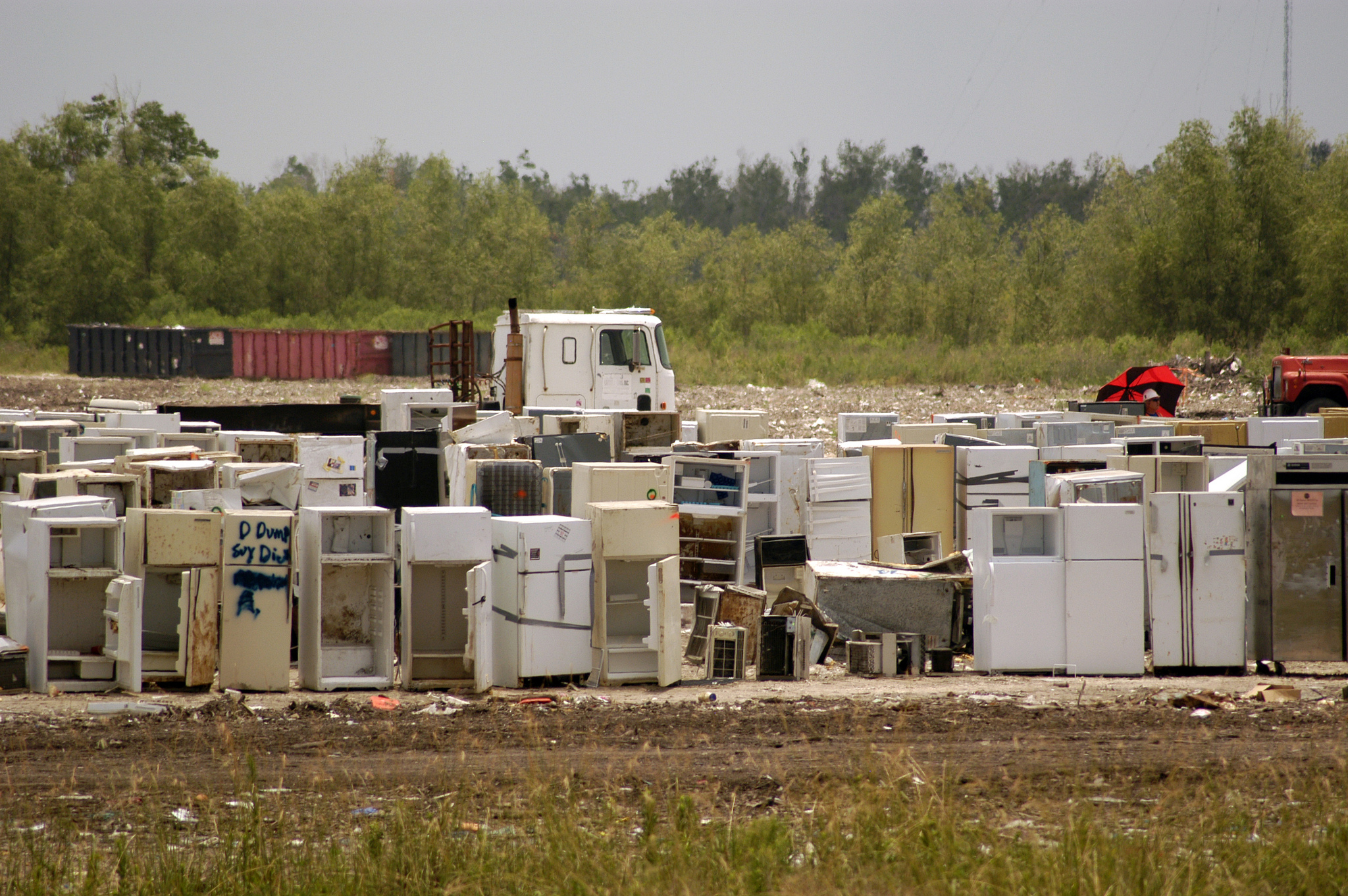
In 1988, President Reagan signed the Montreal Protocol, which banned CFC refrigerants like Freon in air conditioners and refrigerators. The chlorofluorocarbons were the cause of a giant hole in the ozone layer, which has been shrinking ever since the ban. Unfortunately, the chemicals that replaced CFCs – hydrofluorocarbons or HFCs – have their own major problem: they are a seriously bad greenhouse gas, far worse than carbon dioxide. Last fall, an international agreement was reached by over 170 countries to reduce and eventually replace HFCs, which included 100 developing countries like China and India where air conditioning use is growing fastest.