• Skip to primary navigation
  • Skip to main content
  • Skip to primary sidebar

Earth Wise

A look at our changing environment.

  • Home
  • About Earth Wise
  • Where to Listen
  • All Articles
  • Show Search
Hide Search
You are here: Home / Archives for san francisco

san francisco

Our cities are sinking

June 24, 2025 By EarthWise Leave a Comment

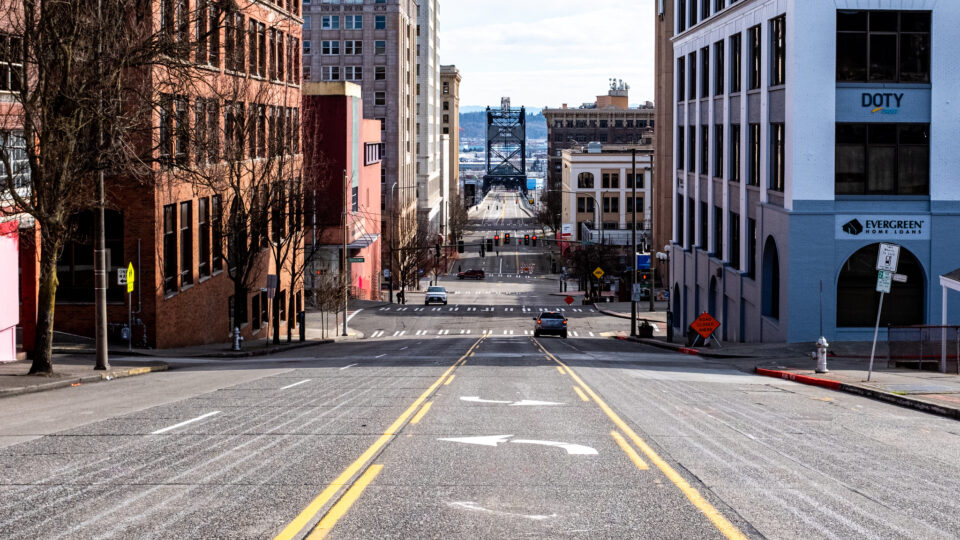
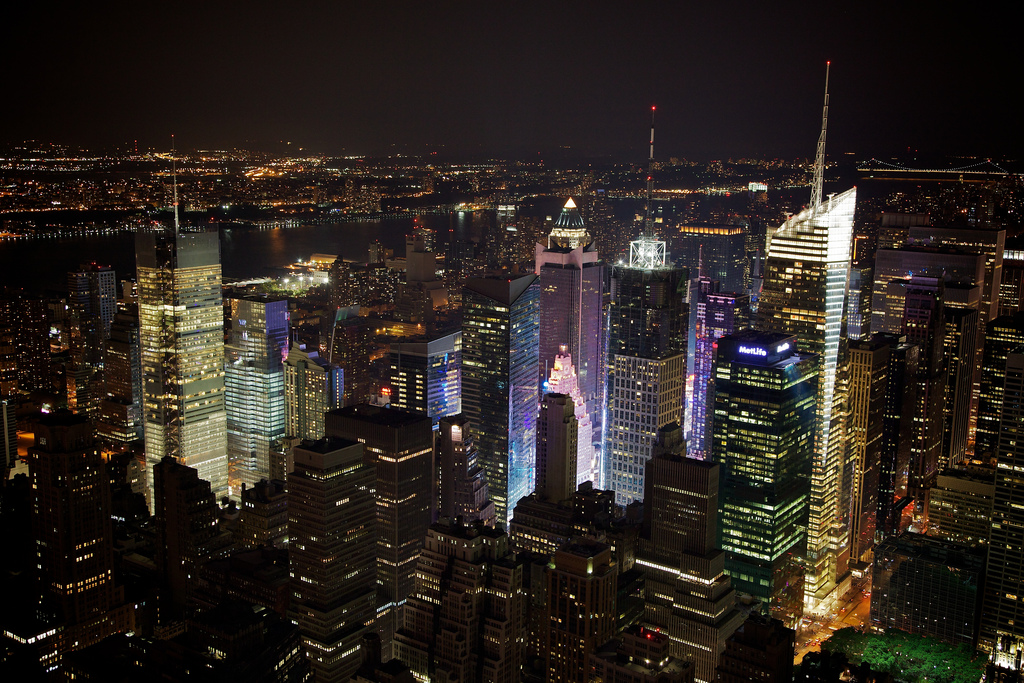
A new study by the Columbia University Climate School has found that all of the 28 most populous cities in the United States are sinking to some extent.  This phenomenon of subsidence is not just taking place in cities on the coast, where relative sea level is an issue, but also in cities in the interior.

The primary cause of subsidence is large-scale groundwater extraction for human use.  When water is withdrawn from aquifers made up of fine-grained sediments, the pore spaces formerly occupied by water can eventually collapse, leading to compaction below and sinkage at the surface.

The fastest sinking city in the US is Houston, with more than 40% of its area subsiding more than 5 millimeters a year and 12% sinking at twice that rate.  Some local spots are going down as much as 5 centimeters a year.   These seem like very small numbers but the fact that the subsidence is often not uniform across an urban area means that there are stresses to building foundations and other infrastructure.  Parts of Las Vegas, Washington D.C., and San Francisco have particularly fast sinking zones.

There are other causes of subsidence.  In Texas, pumping of oil and gas adds to the phenomenon.  A 2023 study found that New York City’s more than one million buildings are pressing down on the Earth so hard that they may be contributing to the city’s ongoing subsidence.  About 1% of the total area of the country’s 28 largest cities faces some danger from uneven subsidence.

Overall, some 34 million Americans live in cities affected by subsidence.  Global cities facing especially rapid subsidence include Jakarta, Venice, and here in the U.S., New Orleans.

**********

Web Links

All of the Biggest U.S. Cities Are Sinking

Photo, posted December 27, 2012, courtesy of Katie Haugland Bowen via Flickr.

Earth Wise is a production of WAMC Northeast Public Radio

Electric trains are healthier

May 7, 2025 By EarthWise Leave a Comment

Electric trains are better for human health

The majority of commuter trains in the U.S. are powered by diesel fuel.  This is despite the fact that electric trains are quieter, more reliable, and produce fewer greenhouse gases than diesel locomotives.  A new study has found that electric trains are healthier for passengers as well.

Caltrain carries millions of passengers a year along a 47-mile route between San Francisco and San Jose.  It is the busiest commuter rail system in the western U.S.  Over a six-week period beginning in August 2024, Caltrain retired all 29 of its diesel locomotives and replaced them with electric trains.

As the process began, an environmental engineering and environmental health professor at UC Berkeley noticed the rapid change in the air aboard the trains and decided to study its potential health impacts.  With the support of Caltrain, he installed black carbon detectors aboard the trains and tracked the improvements in air quality as old diesel locomotives were being replaced by new electric trains.

Statistical analysis of the reduction in black carbon exposure achieved by the change predicted a reduction in excess cancer deaths by 51 per million people for passengers and 330 per million people for train conductors.  EPA policy states that any exposure that increases the average individual’s cancer risk by more than one per million is considered unacceptable.

In the context of the whole U.S. where millions of people commute by rail every day, the study predicts that hundreds of cases of cancer could be prevented each year.  California has long-term plans to electrify most of its rail systems.  The study indicates that the process shouldn’t be carried over the next 25 years but rather be sped up.

**********

Web Links

Electric trains are quieter, more reliable than diesel. New study finds they’re healthier, too.

Photo, posted September 4, 2024, courtesy of J. Kehoe via Flickr.

Earth Wise is a production of WAMC Northeast Public Radio

Rats and climate change

March 10, 2025 By EarthWise Leave a Comment

Rat populations are exploding as temperatures warm

Human activity has made rats one of the most prolific mammals on the planet. Our waste, buildings, and ships provide food, shelter, and transport.  In the United States alone, rats cost the country approximately $27 billion each year in damage to infrastructure, crops, and contaminated food supplies. Additionally, rats carry and spread over 50 zoonotic pathogens and parasites, impacting public health around the world.

Now, climate change is adding to the problem. According to a new study recently published in the journal Science Advances, urban rat populations are exploding as global temperatures rise.  The researchers found that Washington DC, San Francisco, Toronto, New York City, and Amsterdam had the greatest population increases.  In fact, over the past decade, rats increased by a whopping 390% in Washington DC, 300% in San Francisco, 186% in Toronto, and 162% in New York City.  The study, which examined data from 16 cities globally, found that 11 of them showed significant increases in rat numbers.

Only Tokyo, Louisville, and New Orleans bucked the trend with declining rat numbers.

According to the researchers, the best pest management strategies involve making the urban environment less rat-friendly as opposed to removing rodents that are already there.  An example would be putting trash in containers instead of bags on the street. 

There aren’t many perks to the changing climate – unless, of course, you’re a rat. 

**********

Web Links

Increasing rat numbers in cities are linked to climate warming, urbanization, and human population

‘Perfect rat storm’: urban rodent numbers soar as the climate heats, study finds

Photo, posted September 25, 2018, courtesy of Tim Felce via Flickr.

Earth Wise is a production of WAMC Northeast Public Radio
Who’s driving electric?

April 3, 2024 By EarthWise Leave a Comment

Who's adopting electric vehicles?

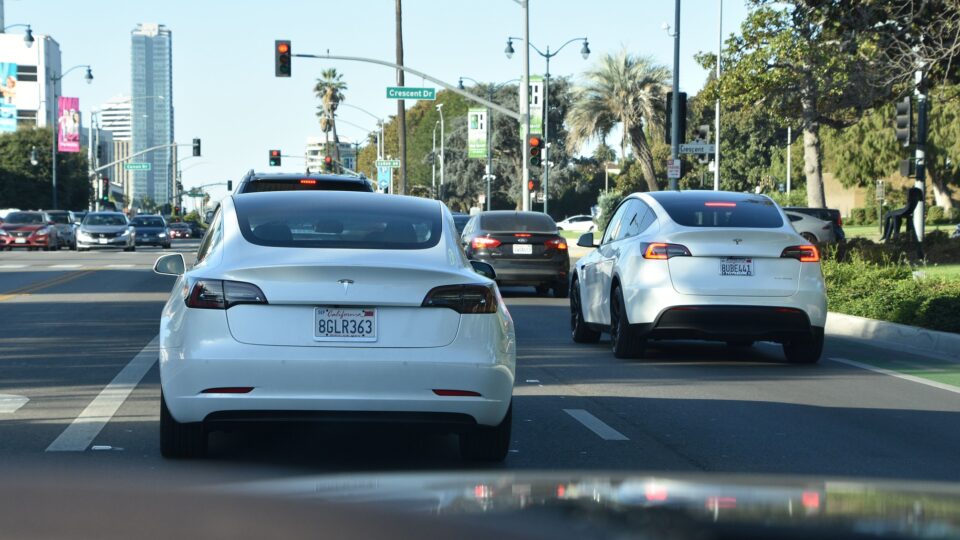
Electric cars are growing in popularity around the world and are expected to represent 20% of new car sales this year.  In some places, they have a much bigger share:  38% in China and a whopping 82% in Norway.  Here in the U.S., things are more complicated.

Last year, EVs represented 8.5% of U.S. new car sales while hybrids accounted for an additional 10%.  But enthusiasm for plug-in vehicles was by no means universal or consistent across the country or across various segments of the population.

Overall, the West Coast, and especially California, dominated the electric vehicle market.  Electric vehicles accounted for more than 30% of new car sales in the San Francisco Bay Area.  In Los Angeles, the number was close to 25%.

A number of metro areas elsewhere also had strong EV sales, including Denver, Las Vegas, Washington DC, Austin, and Phoenix.  New York City had almost 10% EV registrations. 

Americans buying electric cars so far tend to be richer, younger, and more likely to live in urban areas than the average person and are often motivated by environmental concerns.  Meanwhile, about half of American adults say they are not likely to consider purchasing an EV as their next car and that figure rises to 70% for Republicans.

Lack of interest in EVs is often based on concerns about the availability of sufficient charging options or high EV prices, although those are dropping.  There is also concern about EV efficiency in colder climates, although the Norwegians clearly don’t find it to be a problem.

**********

Web Links

Electric Vehicles

Photo, posted October 18, 2021, courtesy of Chris Yarzab via Flickr.

Earth Wise is a production of WAMC Northeast Public Radio
New York is raising its shoreline

January 18, 2024 By EarthWise Leave a Comment

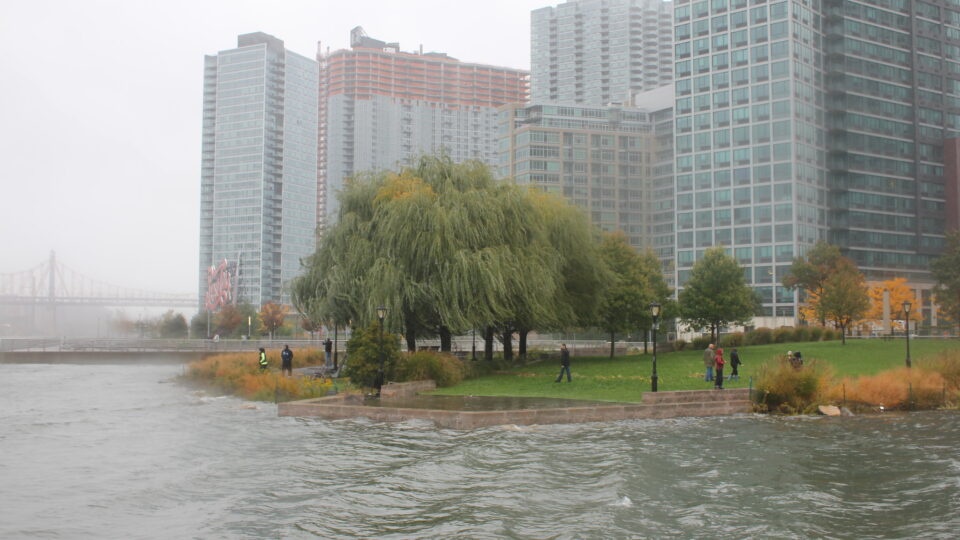
Superstorm Sandy in 2012 flooded 17% of New York City and caused $19 billion in damage.  In its aftermath, plans emerged to create floodwalls, raised elevations, high-capacity drainage, and other infrastructure to protect the city from future Sandy-like events.

Like all large infrastructure projects in densely populated places, the remaking of New York’s shoreline has only moved along in fits and starts.  But there has been significant progress.

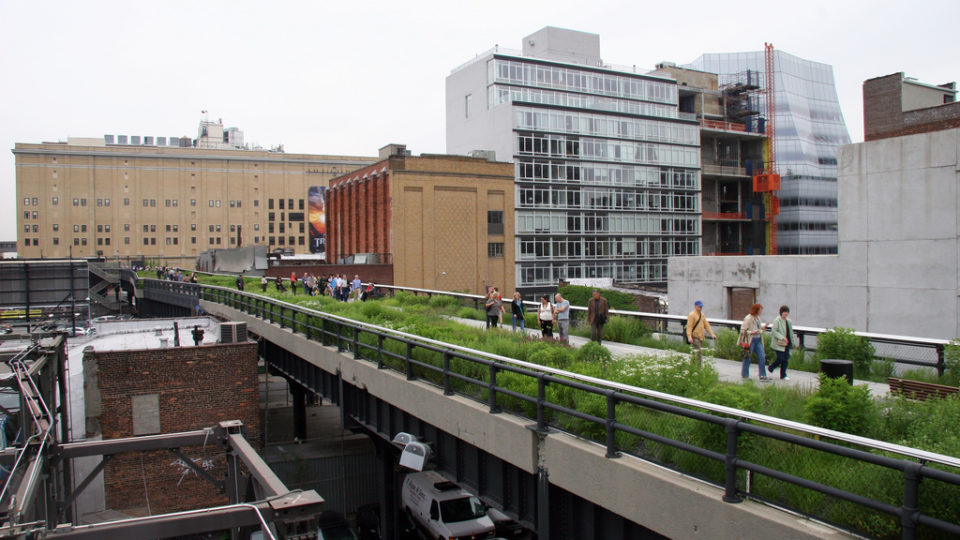
The East Side Coastal Resiliency (ESCR) project is the largest urban resiliency project currently underway in the United States.  The first piece of it – the Asser Levy renovation – was completed in 2022.  Over the next three years, the $1.8 billion ESCR will reshape two-and-a-half miles of Lower Manhattan’s shoreline.  The ESCR is just one part of a much larger $2.7 billion initiative called the BIG U, which is a series of contiguous flood resilience projects that will create 5.5 miles of new park space specifically designed to protect over 60,000 residents and billions of dollars in real estate against sea level rise and storm surges. 

In a time of rising seas and increasingly powerful storms, flood-prone coastal U.S. cities – including Boston, Norfolk, Charleston, Miami, and San Francisco – are moving toward embracing the long-held Dutch concept of “living with water”, which emphasizes infrastructure that can both repel and absorb water while also providing recreational and open space.

**********

Web Links

After a Decade of Planning, New York City Is Raising Its Shoreline

Photo, posted November 1, 2012, courtesy of Rachel via Flickr.

Earth Wise is a production of WAMC Northeast Public Radio

Snakes Near A Plane | Earth Wise

September 15, 2021 By EarthWise Leave a Comment

San Francisco International Airport is the seventh-busiest airport in the United States.  In a typical year, approximately 55 million people pass through SFO on their way to destinations throughout North America and beyond.

At some point during their journey to or from the terminals at SFO, each one of those people will pass by a seemingly unremarkable 180-acre parcel of land.  Surrounded by highways and train tracks, the soggy and overgrown vacant lot isn’t just home to rows of power lines.  It’s also home to the world’s largest population of the beautiful and highly endangered San Francisco garter snake.   

According to a recent study conducted by the U.S. Geological Survey, there are approximately 1,300 San Francisco garter snakes at SFO’s West of Bayshore property – the greatest concentration of these snakes ever recorded.

Conservationists have long known that the San Francisco garter snake was in trouble.  In fact, it landed on the U.S. Fish and Wildlife Service’s very first endangered species list, which was published in 1967.  Over the years, agricultural, commercial, and urban development have destroyed much of its wetland habitat, as well as much of its primary food source, the California red-legged frog.  The snakes have also been a popular target for poachers and collectors.

Since 2008, SFO has been working with the USFWS on a recovery strategy for the species.  Together, they’ve made enhancements to the West of Bayshore habitat, including building rainfed ponds and deepening existing wetlands.  They have also added fences to protect habitat and prevent illegal collection.

But low population counts at other locations means the recovery for the San Francisco garter snake is far from over. 

************

Web Links

Combining genetic and demographic monitoring better informs conservation of an endangered urban snake

A San Francisco Airport Site Is Crawling With Snakes—And That’s a Good Thing

Photo, posted April 16, 2011, courtesy of Brian Gratwicke via Flickr.

Earth Wise is a production of WAMC Northeast Public Radio.

A Giant Breakaway Iceberg | Earth Wise

April 7, 2021 By EarthWise Leave a Comment

A giant iceberg has broken free

Scientists have been closely monitoring multiple cracks and chasms that have formed in the 500-foot-thick Brunt Ice Shelf in Antarctica over the past few years.  In late 2019, a new crack was spotted in a portion of the shelf north of an area known as the McDonald Ice Rumples.  The rift was monitored by satellite imaging and was seen by February as moving about 15 feet a day.

In the early hours of February 26th, the crack widened rapidly before finally breaking free from the rest of the floating ice shelf.  News reports around the world have described the massive 500-square-mile iceberg by comparing it to the size of well-known cities:  1.5 times the size of greater Paris, 10 times the size of San Francisco, twice the size of Chicago, nearly the size of Greater London, and so on.

Antarctica is known for churning out some enormous bergs.  The new iceberg, which has been named A-74, is huge, but doesn’t compare to the iceberg A-68 that calved from the Larson C Ice Shelf in 2017.  That one was almost five times larger.

The calving of A-74 does not pose a threat to the presently unmanned British Antarctic Survey’s Halley VI Research Station, which was repositioned in 2017 to a more secure location after the ice shelf was deemed to be unsafe.  The section where the station now sits is still holding on, but when it eventually breaks, it will likely create a berg nearly 700 square miles in size.

It remains to be seen what will become of the new iceberg.  Most likely, it will eventually get caught up in the Weddell Gyre, a clockwise-rotating ocean flow in the Southern Ocean that covers an area more than half the size of the US.

**********

Web Links

Breakup at Brunt

Photo, posted October 27, 2016, courtesy of NASA/Nathan Kurtz via Flickr.

Earth Wise is a production of WAMC Northeast Public Radio.

Cell-Based Meat And Seafood | Earth Wise

February 8, 2021 By EarthWise Leave a Comment

Reimagining meats and seafood

We have heard about laboratory meat for a number of years, generally in terms of something that may happen at some point in the indeterminate future. But at least for a couple of California companies, that future is now.

These high-tech companies are producing products – real meat and seafood – that are originally cultured from animal cells but are made without the actual animal.

San Francisco-based Eat Just makes chicken nuggets that have recently gained regulatory approval in Singapore and are now available to order at a downtown restaurant.  San Diego’s BlueNalu creates cell-based seafood fillets including yellowtail, mahi-mahi, red snapper, and tuna.

The companies use stem cells obtained from actual animals and cultivate them in steel tanks with the same nutrients that living animals consume.  The original cell donor is not sacrificed.  The harvested cells multiply and are eventually shaped to form meat or fish that cooks, looks, and tastes just like its natural counterpart.

The “mouth feel” of conventional meat or fish can be mimicked by recreating the same proportions of muscle, fat, and connective tissue in the cell-based product.  Eat Just says their product cooks, looks, and tastes like chicken because it is chicken.  BlueNalu says their product has all the same characteristics as fish because it is fish.

These products have major environmental, safety, and ethical advantages.  The big question is whether people will eat them.  Is there an “ick factor” to overcome?  Ultimately, the key thing is how they taste.  If they pass muster on that score and cell-based meats and seafood are scaled up and accepted, we can have the nutritional and sensory advantages of meat proteins without the environmental, ethical and safety disadvantages.

**********

Web Links

Can We Enjoy Meat and Seafood and Save the Planet?

Photo, posted February 1, 2012, courtesy of Andrea Parrish-Geyer via Flickr.

Earth Wise is a production of WAMC Northeast Public Radio.

Shutting Down Pollution | Earth Wise

April 8, 2020 By EarthWise Leave a Comment

coronavirus temporarily reduces air pollution

With much of the country shut down as the coronavirus forces people to stay at home, there has naturally been a drastic reduction of traffic on roads and highways.   And with that decrease, there has been a dramatic reduction in pollution as well.

A satellite that detects emissions in the atmosphere linked to cars and trucks has observed huge declines in pollution in major metropolitan areas such as Los Angeles, Seattle, New York, Chicago, and Atlanta.

Los Angeles is infamous for its rush-hour traffic but that has pretty much ceased to exist. Similar changes can be seen in the San Francisco Bay Area, where nearly 7 million residents have been ordered to shelter in place.  New York City is less dependent on car travel than in other metro areas, but the shutdown of office buildings, schools, and restaurants has nonetheless resulted in a substantial reduction of traffic on the streets of the city.

While this sudden decline in air pollution over U.S. cities has some near-term health benefits, those benefits are likely to be fairly minor in the big picture.  When the coronavirus outbreak subsides and people are allowed to leave their homes and go back to their normal lives, air pollution will most certainly rebound to previous levels.  In any event, studies have shown that long-term exposure to air pollution has a larger impact on public health than any transient events.

Having much cleaner air for a while is certainly a good thing, but this shutdown is not a sustainable way to reduce air pollution and the long-term effects of the coronavirus crisis will certainly not be positive.

**********

Web Links

Traffic and Pollution Plummet as U.S. Cities Shut Down for Coronavirus

Photo, posted March 15, 2020, courtesy of Tom Collins via Flickr.

Earth Wise is a production of WAMC Northeast Public Radio.

Cloning Ancient Redwoods

January 30, 2019 By EarthWise Leave a Comment

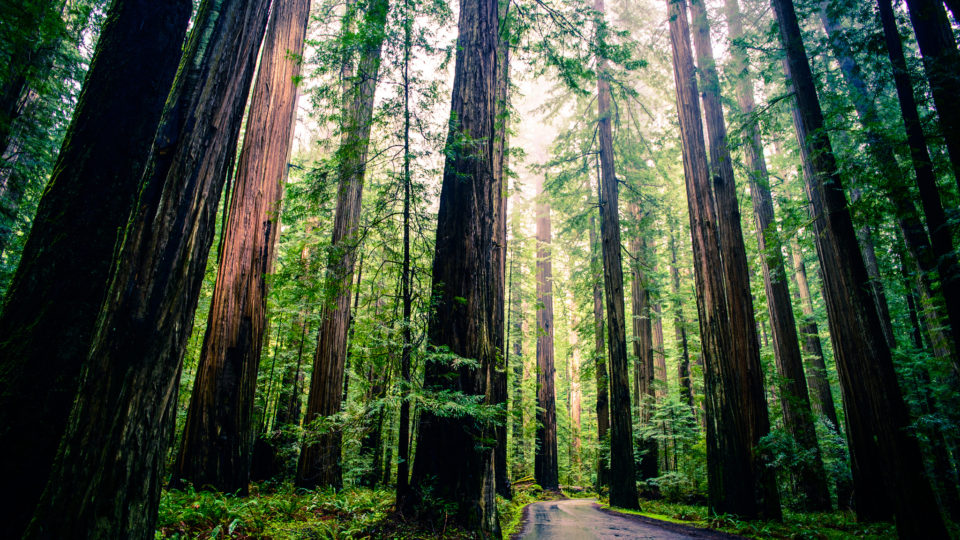
During the 19th and 20th centuries, many of the world’s largest and oldest tress were cut down for their lumber.   Some of these coast redwoods were 3,000 years old and measured 35 feet in diameter.

Today, giant stumps of these ancient redwoods dot the landscape from Oregon to northern California and are a remnant of the old-growth forest that once stretched across much of the Pacific Northwest.

An organization called the Archangel Ancient Tree Archive is dedicated to reestablishing ancient redwood forests to help combat climate change.  Coastal redwoods are not only huge but can grow an average of 10 feet a year.  One of these enormous trees can sequester 250 tons of carbon dioxide over its lifetime, more than 200 times the amount for an average tree.

While many experts thought that the giant stumps were lifeless, arborists at Archangel collected DNA from the stumps of five giant coast redwoods, all larger than the largest tree living today.  They then used this genetic material to grow dozens of saplings, which are clones of the ancient trees, in a process that takes about two-and-a-half years.

To date, the Archangel Ancient Tree Archive has planted nearly 100 of these saplings in the Eden Project garden in Cornwall, England, a couple of hundred in Oregon, and most recently, has planted 75 in the Presidio National Park in San Francisco.

According to arborists at the nonprofit organization, these saplings have extraordinary potential to purify our air, water, and soil for generations to come.  Their hopes are that the new San Francisco ‘super grove’ will be allowed to grow unmolested by manmade or natural disasters and thus propagate forever.

**********

Web Links

Arborists Have Cloned Ancient Redwoods From Their Massive Stumps

Photo, posted April 8, 2013, courtesy of Michael Balint via Flickr.

Earth Wise is a production of WAMC Northeast Public Radio.

Airports and Rising Seas

October 18, 2018 By EarthWise Leave a Comment

https://earthwiseradio.org/wp-content/uploads/2018/10/EW-10-18-18-Airports-and-Rising-Seas.mp3

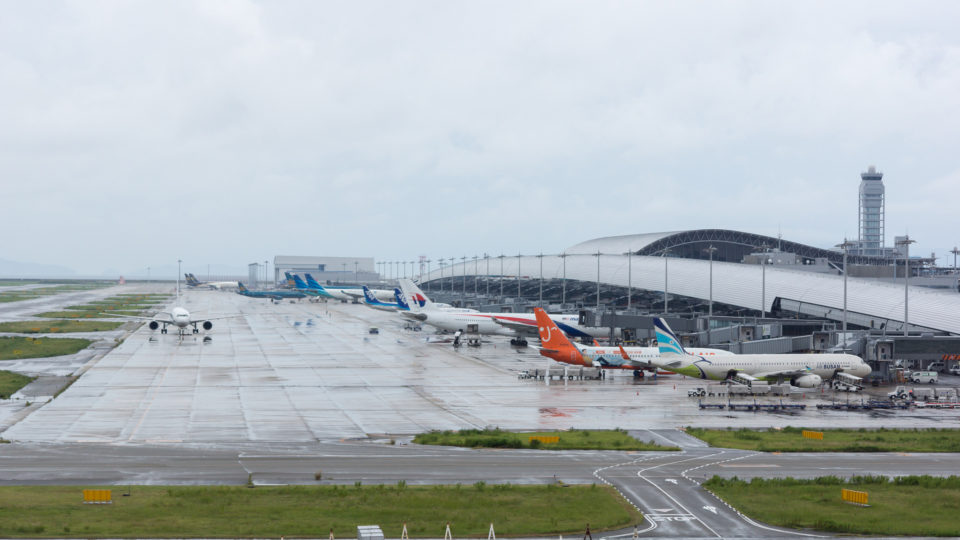
There are many low-lying coastal airports around the world.  These airports are increasingly vulnerable to the rising sea levels and the more extreme weather brought about by climate change.  

[Read more…] about Airports and Rising Seas

Trends Influencing Our Cities

February 23, 2018 By EarthWise Leave a Comment

https://earthwiseradio.org/wp-content/uploads/2018/02/EW-02-23-18-Trends-Influencing-Our-Cities.mp3

The Environmental Protection Agency removed its information hub about climate change last year.  In response, 17 cities reposted the information on their own city government sites.  This is indicative of the fact that cities are increasingly taking on a leadership role in environmental, social and economic change.

[Read more…] about Trends Influencing Our Cities

Floating Cities

January 1, 2018 By EarthWise Leave a Comment

https://earthwiseradio.org/wp-content/uploads/2017/12/EW-01-01-18-Floating-Cities.mp3

A familiar theme in science fiction is the idea of floating cities – independent, self-sustaining nation-states at sea where start-up societies work to redesign society and government and don’t have to fight over who owns the land.  The concept even has a name:  seasteading.

[Read more…] about Floating Cities

American Cities Fighting Climate Change

April 24, 2017 By EarthWise

https://earthwiseradio.org/wp-content/uploads/2017/04/EW-04-24-17-American-Cities-and-Climate-Change.mp3

The federal government now appears to be headed down the path of not honoring America’s commitments to tackle global warming, but many of the country’s cities and states as well as its corporations have no intention of breaking our promises to the world.

[Read more…] about American Cities Fighting Climate Change

A Hydrogen-Powered Ferry

November 8, 2016 By WAMC WEB

https://earthwiseradio.org/wp-content/uploads/2016/11/EW-11-08-16-Hydrogen-Powered-Ferry.mp3

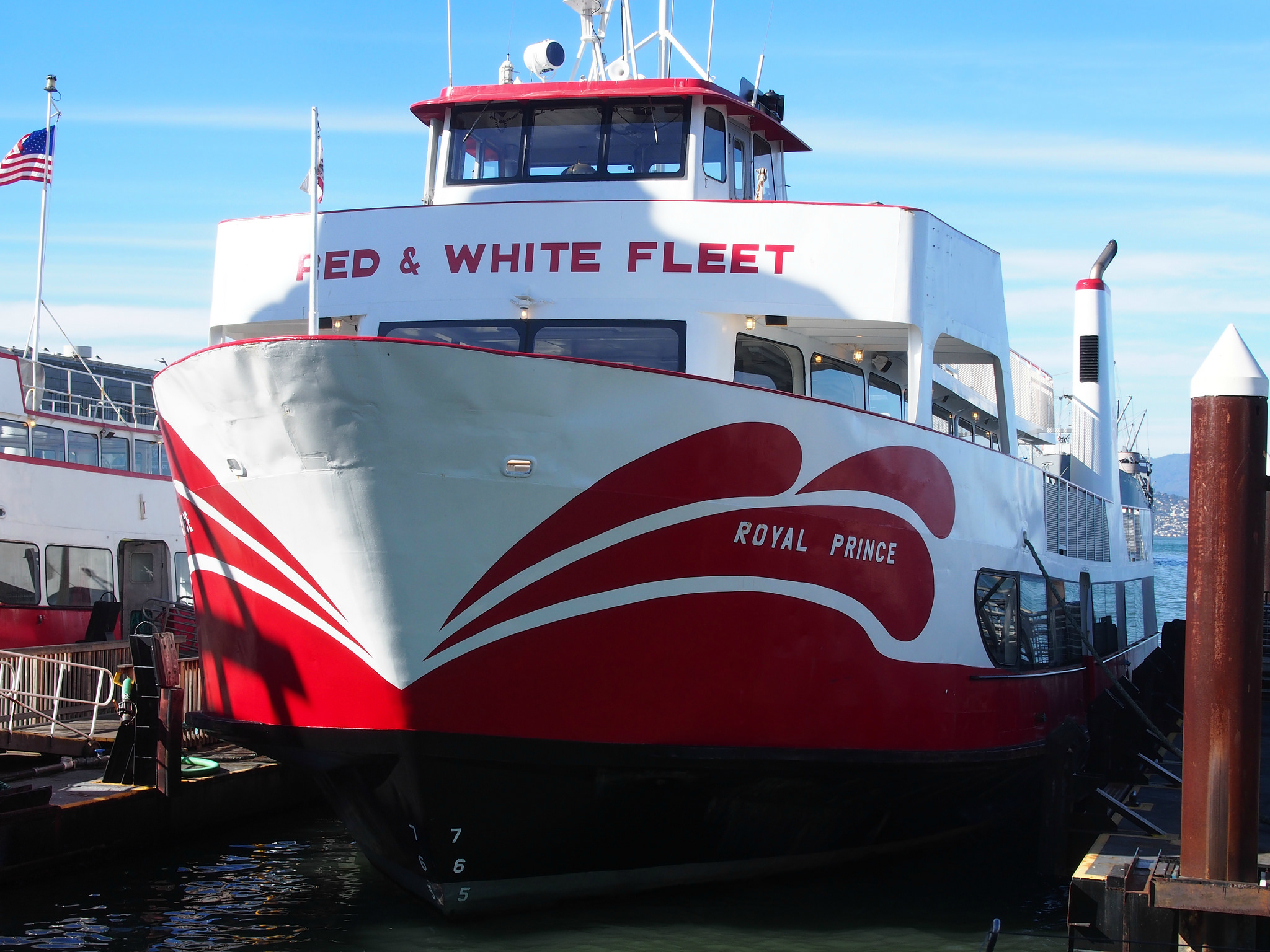
The Red and White Fleet has been ferrying tourists around San Francisco Bay since 1892 and is a company committed to environmental sustainability.  When looking for ways to reduce the emissions from its fleet of passenger ferries, the company wondered if there was a way to eliminate emissions entirely.  That question was put to researchers at Sandia National Laboratories in a very specific form:  Is it feasible to build and operate a high-speed passenger ferry solely powered by hydrogen fuel cells?  According to a recently-released report, the answer is yes.

[Read more…] about A Hydrogen-Powered Ferry

Too Much Waste

October 4, 2016 By WAMC WEB

https://earthwiseradio.org/wp-content/uploads/2016/10/EW-10-04-16-Too-Much-Waste.mp3

As the world’s population grows and becomes more urban and affluent, the amount of solid waste we produce grows and grows.  Over the past century, the total amount has risen tenfold.  By 2025, the world-wide total is expected to double again. The average person in the United States throws away their body weight in garbage every month. 

[Read more…] about Too Much Waste

Polystyrene Foam

August 11, 2016 By WAMC WEB

https://earthwiseradio.org/wp-content/uploads/2016/07/EW-08-11-16-Polystyrene-Foam-in-SF.mp3

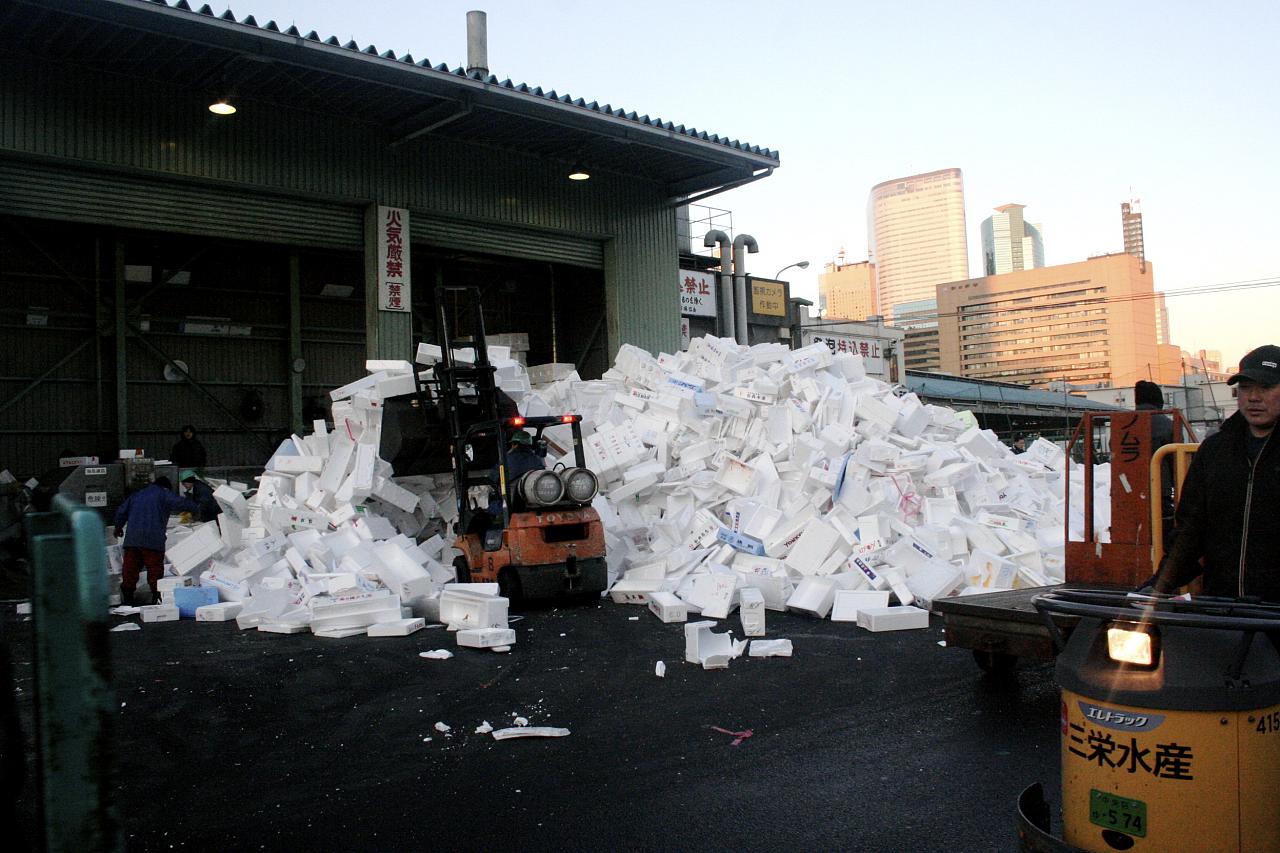
The San Francisco Board of Supervisors has voted to ban expanded polystyrene, the foam plastic used in food packaging, packing peanuts, coffee cups, and more.  It is one of the most extensive bans of this type in the U.S.

[Read more…] about Polystyrene Foam

Mandatory Solar In San Francisco

May 19, 2016 By WAMC WEB

https://earthwiseradio.org/wp-content/uploads/2016/05/EW-05-19-16-Mandatory-Solar.mp3

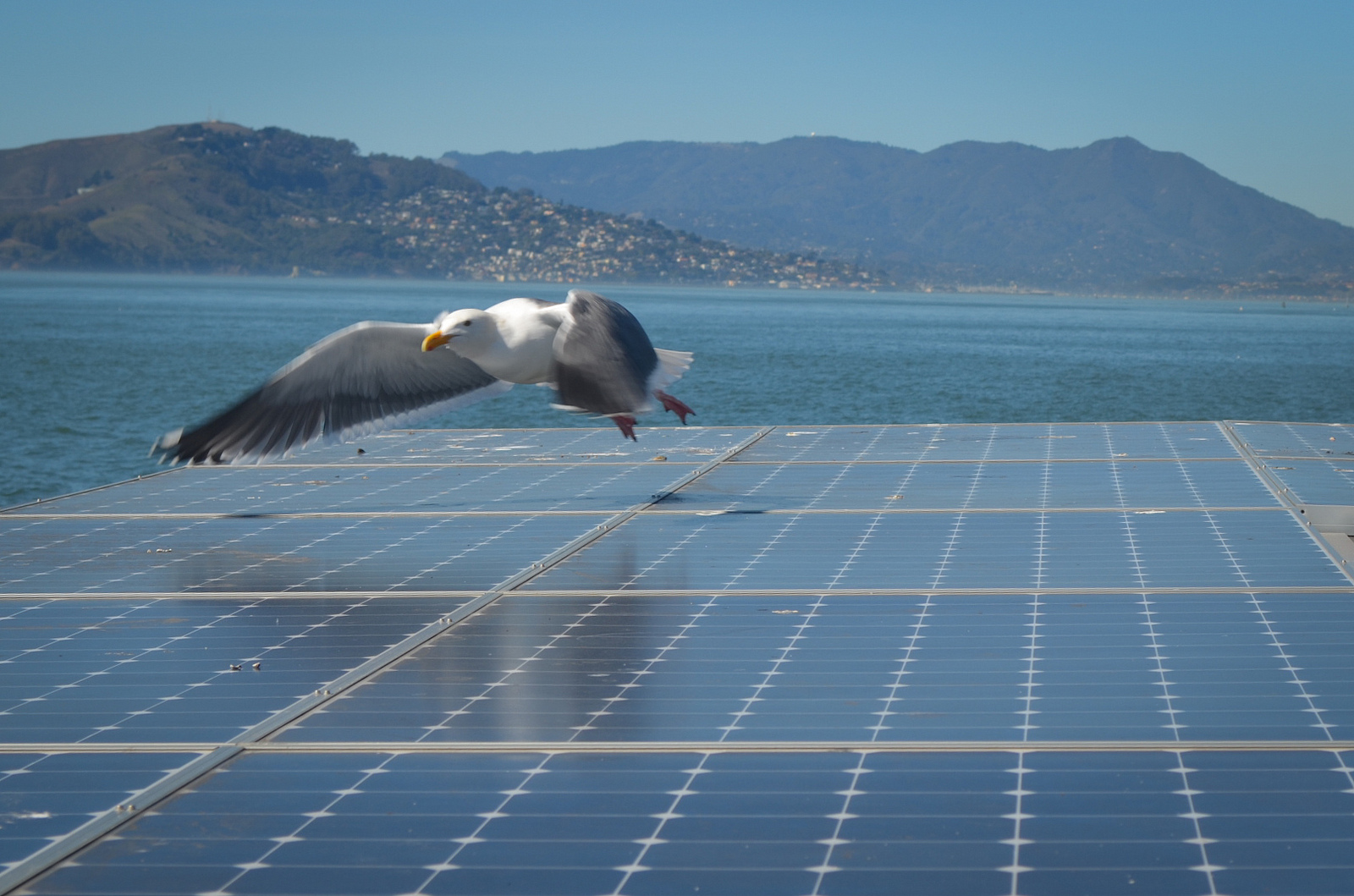
California leads the nation in the use of solar energy with well over half the country’s solar electric capacity. The state is the home of several of the largest thermal solar generating plants in the world and between those and multiple utility-scale photovoltaic plants, California utilities get more than 5% of their power from the sun.

[Read more…] about Mandatory Solar In San Francisco

Primary Sidebar

Recent Episodes

  • An uninsurable future
  • Clean energy and jobs
  • Insect declines in remote regions
  • Fossil fuel producing nations ignoring climate goals
  • Trouble for clownfishes

WAMC Northeast Public Radio

WAMC/Northeast Public Radio is a regional public radio network serving parts of seven northeastern states (more...)

Copyright © 2026 ·