• Skip to primary navigation
  • Skip to main content
  • Skip to primary sidebar

Earth Wise

A look at our changing environment.

  • Home
  • About Earth Wise
  • Where to Listen
  • All Articles
  • Show Search
Hide Search
You are here: Home / Archives for reservoirs

reservoirs

Cloud Seeding And The Western Drought | Earth Wise

April 6, 2022 By EarthWise Leave a Comment

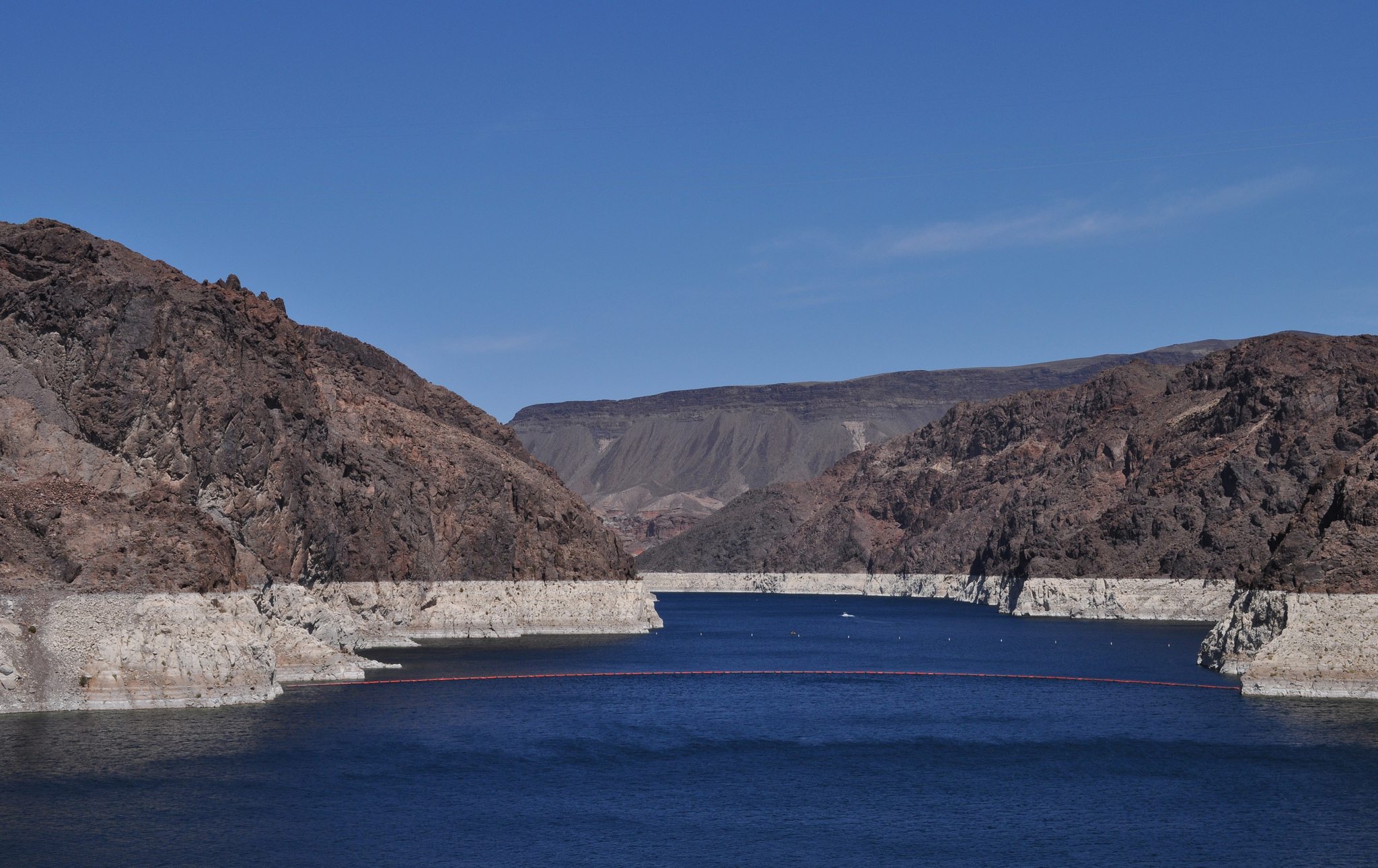
The massive megadrought affecting the American West is now considered to be the driest two-decade period in the past 1,200 years.  The lengthy drought has led to increased wildfires, reduced agricultural productivity, and reduced electricity generation by hydropower plants.  The historically low water levels in the largest two reservoirs in the U.S. – Lake Mead and Lake Powell – has triggered reductions in water allocations to Arizona, Nevada, and Mexico.

Several western states have expanded cloud seeding programs in an attempt to increase precipitation.  During the past two years, Idaho, Utah, Colorado, Wyoming, and California have all stepped up their cloud seeding efforts.  Outside of the US, the United Arab Emirates and China both have implemented massive cloud seeding programs.

A study by researchers at the University of Colorado and the National Center for Atmospheric Research looked at the ability of cloud seeding to increase snowfall.  The study unambiguously demonstrated that cloud seeding can increase snowfall.  Just how effective it is in terms of how much additional snow seeding produces is less clear.

Given the dire need for water and the fact that cloud seeding is not especially expensive, governments and other users are not hesitating to make use of it.

Unfortunately, the study shed no light on the efficacy of warm weather seeding to produce rain.  There is in fact little evidence that seeding clouds to produce rain accomplishes very much.  Once again, the prevailing view is that it is worth trying.  There do not appear to be environmental downsides to seeding.

The hope is that cloud seeding may at least restore clouds to the state they had been in before industrial pollution and other human activities affected them.

**********

Web Links

Can Cloud Seeding Help Quench the Thirst of the U.S. West?

Photo, posted November 21, 2013, courtesy of Sharon Tate Soberon via Flickr.

Earth Wise is a production of WAMC Northeast Public Radio.
Safely Storing Carbon | Earth Wise

February 28, 2022 By EarthWise Leave a Comment

How to safely store carbon

As carbon dioxide levels continue to increase in the atmosphere and emissions reductions aren’t happening as fast as needed, there is growing interest in carbon capture and storage technologies.

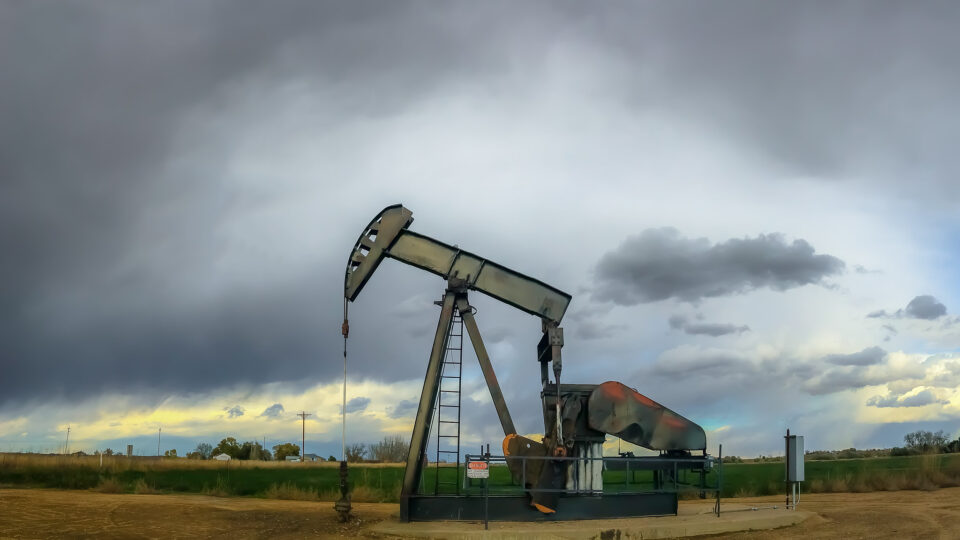
The idea is to capture the CO2 emitted from industrial processes or from the burning of fossil fuels in power generation, and then permanently store it out of harm’s way.  There are several different types of sites where the CO2 might be stored.  Deep saline aquifers are particularly desirable for the purpose, but depleted hydrocarbon reservoirs are commonplace and relatively simple to use.  These are oil and gas wells that have been drained of their resources.

In many cases, CO2 has already been injected into these depleted wells as a means of enhanced oil recovery.  Therefore, such wells provide a unique opportunity to study what happens to carbon dioxide when it’s stored in these places.

Researchers from Oxford University recently published a paper in the journal Nature that compared the state of depleted wells with injected carbon dioxide to that of wells without the injected gas.  They found that nearly 3/4 of the CO2 was dissolved in the groundwater.  Unexpectedly, they also found that 13-19% of the carbon dioxide was converted into methane by methanogenic bacteria.  Methane is less soluble, less compressible, and less reactive than carbon dioxide.

Producing methane in these wells is therefore undesirable.  Deeper sites that have temperatures too high for the bacteria to thrive are much more suitable.  This research is important for identifying future carbon capture and storage sites and for designing long-term monitoring programs that are essential for low-risk, long-term carbon storage.

**********

Web Links

Safer carbon capture and storage

Photo, posted November 6, 2015, courtesy of CL Baker via Flickr.

Earth Wise is a production of WAMC Northeast Public Radio.
SuperHot Rock Geothermal Energy | Earth Wise

December 3, 2021 By EarthWise Leave a Comment

Growing interest in enhanced geothermal systems

The United States in a world leader in geothermal energy.  There are geothermal power plants in 7 states which produce about half a percent of the country’s electricity.  Conventional geothermal energy plants take advantage of natural underground sources of heat such as geysers, superheated underground reservoirs, and such.  Steam from these sources activates generators that produce electricity.  However, there are not many places where these systems can be built.

More recently, there has been growing interest in so-called enhanced geothermal systems (or EGS systems) which generate geothermal electricity without the need for natural convective hydrothermal sources.  There are many places where underground heat is available but no existing water taps into it.  The idea is to tap into the earth’s deep geothermal resources by fracturing rock and pumping water into it to be heated. 

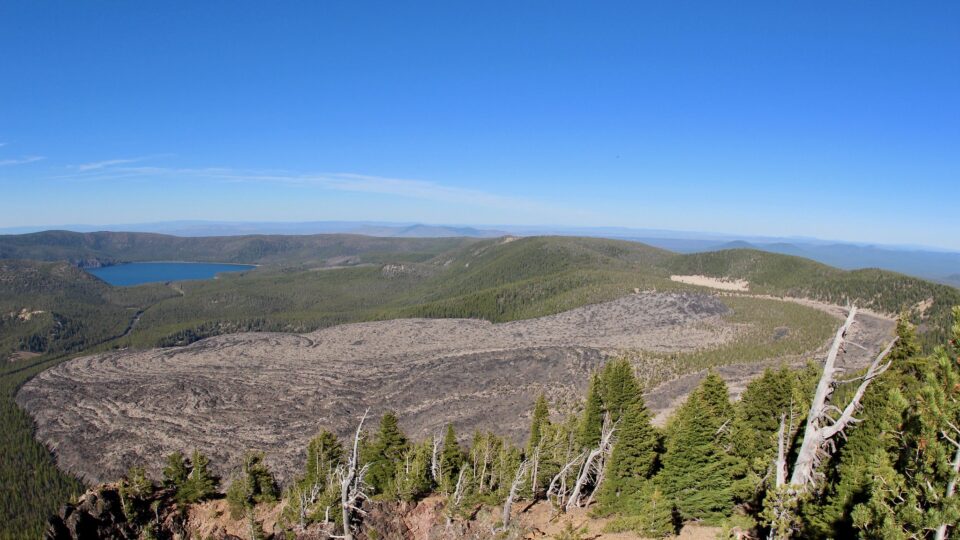
AltaRock Energy, a Seattle-based company that develops EGS technology, has recently announced the results of a comprehensive technical and economic feasibility study demonstrating the potential benefits of an EGS system that could use high-temperature impermeable rock deep below the Newberry Volcano near Bend, Oregon.  The so-called SuperHot rock there is in excess of 750 degrees Fahrenheit.

Based on measurements at the site and modeling, the study determined that an EGS system at the site could cut the levelized cost of electricity in half when compared with a conventional EGS resources at 400-500 degrees. 

The company expects that the study will pave the way for the development of the first SuperHot Rock geothermal resource in the United States.

**********

Web Links

AltaRock clears hurdle in quest for ‘next generation’ geothermal resource

Photo, posted June 26, 2018, courtesy of David Fulmer via Flickr.

Earth Wise is a production of WAMC Northeast Public Radio.
Drought And U.S. Hydropower | Earth Wise

November 29, 2021 By EarthWise Leave a Comment

Ongoing drought in the western U.S. is affecting hydropower

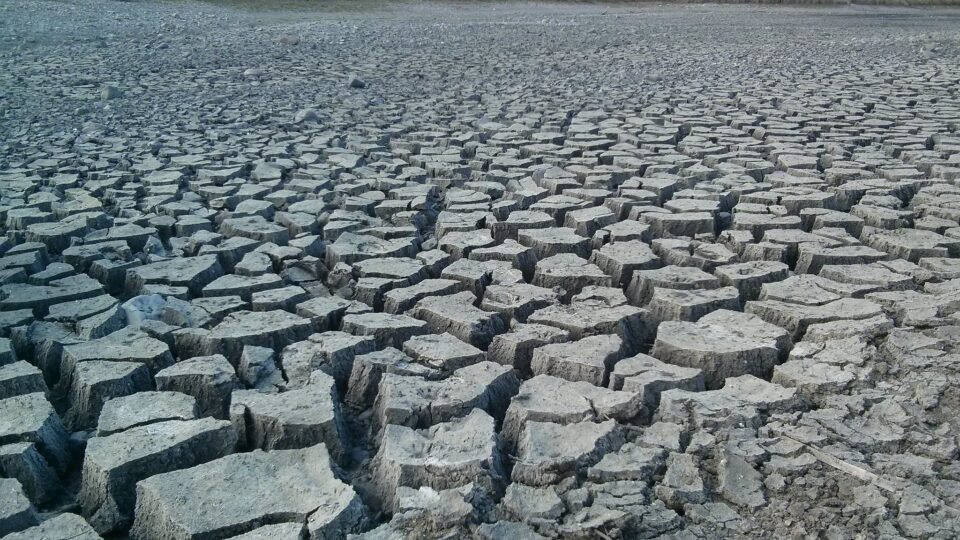
The ongoing severe drought in the western U.S. has led to low water levels in the rivers and reservoirs that feed hydroelectric power systems.  The Energy Information Administration is projecting a 13.9% decrease in hydroelectric generation this year compared to 2020.

Water levels in Lake Powell have fallen so low that it may not be possible to operate the power plant at Glen Canyon Dam starting as soon as 2022.  California officials took the Edward Hyatt hydroelectric plant offline in August because of low water levels on Lake Oroville.   Washington, the state with the most hydroelectric power generation, has seen an 11% drop in electricity generated to date this year as compared to last year.  That state is actually doing better than others in the West, such as California, where hydro generation is down 38%.

Hydropower accounts for over 7% of the electricity generated in the United States.  Five states – Washington, Idaho, Vermont, Oregon, and South Dakota – generate at least half of their electricity from hydroelectric dams.

The current decrease in hydropower is alarming, but it is not unprecedented.  The more significant question is whether the drop in generation this year is a sign that this power source is declining and becoming less reliable.   According to some scientists, the West is in a “megadrought” that could last for decades.

The greater concern is whether the bad years are likely to become more common because of climate change.  Climate projections agree that temperatures will continue to rise, but what will happen to precipitation levels in specific places is much less certain.  That is what will determine what the future holds for hydroelectric power.

**********

Web Links

Inside Clean Energy: Drought is Causing U.S. Hydropower to Have a Rough Year. Is This a Sign of a Long-Term Shift?

Photo, posted May 7, 2014, courtesy of Tyler Bell via Flickr.

Earth Wise is a production of WAMC Northeast Public Radio.
Greenhouse Gas Emissions From Water Reservoirs | Earth Wise

July 27, 2021 By EarthWise Leave a Comment

Water reservoirs produce a surprising amount of greenhouse gas emissions

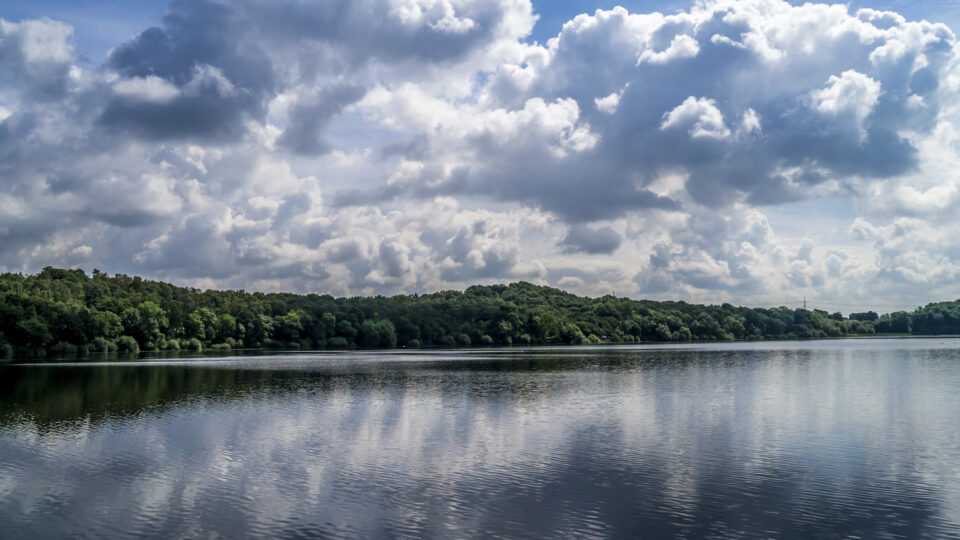
A new study by researchers from Washington State University and the University of Quebec at Montreal looked at greenhouse gas emissions from water reservoirs.  It is perhaps surprising to think that water reservoirs are a source of greenhouse gas emissions at all, but that much was already known.  The new study found that those emissions are actually around 29% higher than previously thought.

Overall, the researchers found that the world’s water reservoirs annually produce methane, carbon dioxide, and other greenhouse gases at an amount equivalent to 1.07 billion tons of carbon dioxide.   That is a small fraction of the 36 billion tons produced by fossil fuels and other industrial sources, but it is by no means a negligible amount.   In fact, it is more greenhouse gases than emitted by the entire country of Germany, which is the world’s sixth largest emitter.

Decomposing plant matter near the bottom of reservoirs fuels the production of methane, which is far more potent than carbon dioxide in warming the atmosphere.  This methane degassing accounts for about 40% of emissions from reservoirs.

The study is particularly important because it may be possible to reduce methane emissions from reservoirs by selectively only withdrawing water from near the reservoirs’ surface, which tends to be relatively methane-poor compared to greater depths.  In a related study, reducing withdrawal depth by 10 feet in a Malaysian reservoir reduced methane degassing emissions by 92%.

Human-generated greenhouse gas emissions come from a surprisingly wide range of sources and it is worthwhile studying as many of them as possible in the hope of finding additional ways to reduce the total.

**********

Web Links

Greenhouse gas emissions from water reservoirs higher than previously expected

Photo, posted July 22, 2016, courtesy of Iain Merchant via Flickr.

Earth Wise is a production of WAMC Northeast Public Radio.
Fresh Water From Power Plants

July 24, 2018 By EarthWise Leave a Comment

https://earthwiseradio.org/wp-content/uploads/2018/07/EW-07-24-18-Fresh-Water-from-Power-Plants.mp3

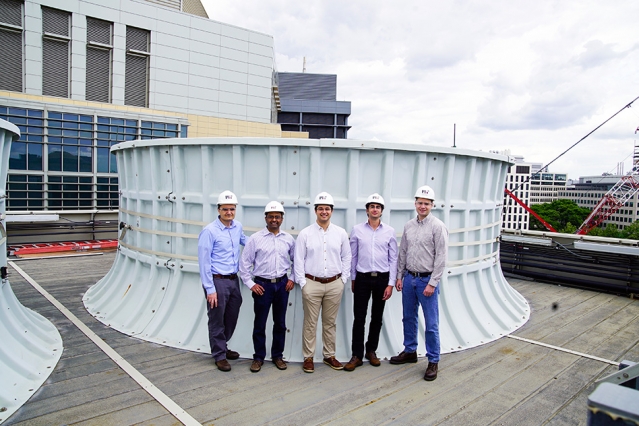
A new system developed by MIT engineers could provide a low-cost source of drinking water and simultaneously reduce power plant operating costs.

[Read more…] about Fresh Water From Power Plants

Wastewater Instead Of Dams

July 2, 2018 By EarthWise Leave a Comment

https://earthwiseradio.org/wp-content/uploads/2018/07/EW-07-02-18-Wastewater-Instead-of-Dams.mp3

The era of dam building is coming to an end in much of the developed world.  Dams are very expensive, environmentally harmful, and as the climate warms and droughts become more common, are not that reliable.

[Read more…] about Wastewater Instead Of Dams

Hydrogen From The Ocean

August 30, 2016 By WAMC WEB

https://earthwiseradio.org/wp-content/uploads/2016/08/EW-08-30-16-Hydrogen-from-the-Ocean.mp3

Hydrogen is the most abundant element in the universe.  Estimates are that it comprises 75% of all matter.  There is plenty of it here on earth too, but almost none of it is in its elemental form.  It is mostly bound up in compounds like water.

[Read more…] about Hydrogen From The Ocean

Floating Solar

August 22, 2016 By WAMC WEB

https://earthwiseradio.org/wp-content/uploads/2016/08/EW-08-22-16-Floating-Solar.mp3

Installing solar arrays on the surface of bodies of water is an idea that is catching on around the world.  Such installations are especially attractive in places like Japan, where land resources are scarce.  In the UK, there are a couple of these so-called “floatovoltaic” projects underway – one outside of London and one near Manchester.

[Read more…] about Floating Solar

Pumped Hydro Storage

January 13, 2016 By WAMC WEB

https://earthwiseradio.org/wp-content/uploads/2016/01/EW-01-13-16-Pumped-Hydro-Storage.mp3

There is much talk these days about energy storage.  As more and more wind and solar power enters the electrical grid, there is an increasing need to be able to store excess energy and have it available when the wind isn’t blowing or the sun isn’t shining.  Much of the talk centers around battery technology, and having storage batteries distributed throughout the grid is the most versatile and widely applicable way to provide storage.

[Read more…] about Pumped Hydro Storage

  • « Go to Previous Page
  • Page 1
  • Page 2

Primary Sidebar

Recent Episodes

  • An uninsurable future
  • Clean energy and jobs
  • Insect declines in remote regions
  • Fossil fuel producing nations ignoring climate goals
  • Trouble for clownfishes

WAMC Northeast Public Radio

WAMC/Northeast Public Radio is a regional public radio network serving parts of seven northeastern states (more...)

Copyright © 2026 ·