• Skip to primary navigation
  • Skip to main content
  • Skip to primary sidebar

Earth Wise

A look at our changing environment.

  • Home
  • About Earth Wise
  • Where to Listen
  • All Articles
  • Show Search
Hide Search
You are here: Home / Archives for research

research

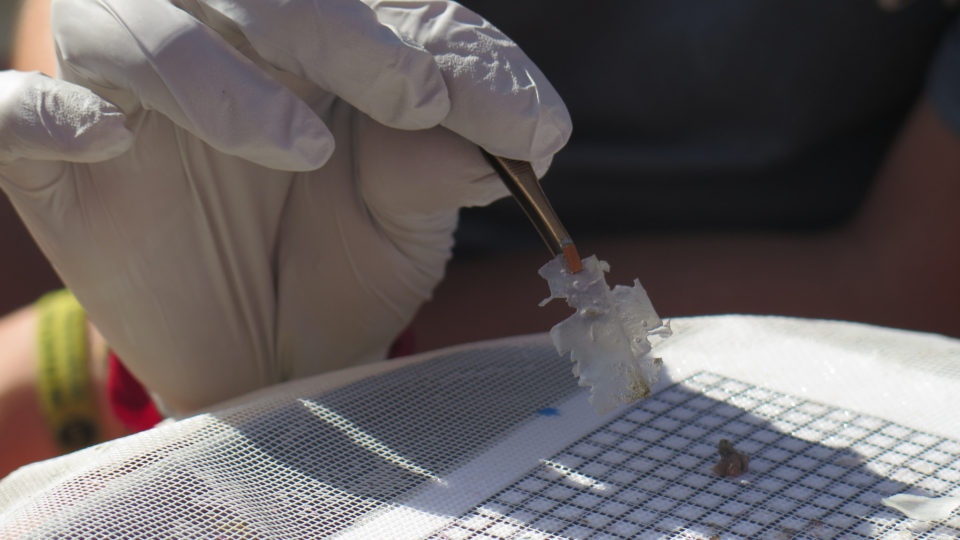
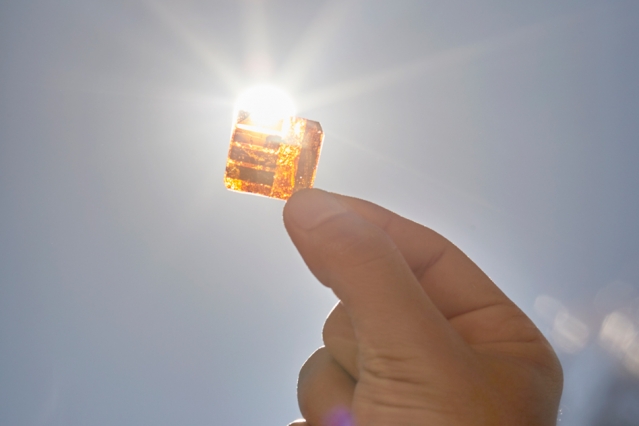
Another Way To Make Solar Cells

March 21, 2019 By EarthWise Leave a Comment

Millions of rooftops now contain solar panels and the majority of the solar cells that make up those panels today are made from silicon.  Silicon solar cells require expensive, multi-step processing conducted at very high temperatures in special clean room facilities.  Despite these complications, the price of solar panels has continued to drop dramatically over the years.

But even as the price of solar cells gets lower and lower, there are still widespread efforts to find even better ways to make them.   One of those ways is with perovskite solar cells.  Perovskites are materials with a characteristic crystal structure and are quite common in nature.  Perovskites can be formed with a wide range of elements and can exhibit a variety of properties.

They were first used to make solar cells about 10 years ago and those first cells were unimpressive in most respects.  However, there has been steady progress since that time.  The potential advantages of perovskite solar cells are that they can be made from low-cost materials and can be manufactured using liquid chemistry, a far cheaper process than what is used to make silicon cells.

Researchers at MIT and several other institutions have recently published the results of research on how to tailor the composition of perovskite solar cells to optimize their properties.   What used to be a trial-and-error process can now become much more engineered and should lead to perovskite solar cells with performance that could exceed that of silicon cells.

Silicon solar panels are a huge, worldwide industry and displacing them in favor of an alternative technology is a tall order.  But if perovskite cells can be optimized for large-scale manufacturability, efficiency and durability, they could definitely give silicon a run for its money.

**********

Web Links

Unleashing perovskites’ potential for solar cells

Photo courtesy of Ken Richardson/MIT.

Earth Wise is a production of WAMC Northeast Public Radio.
Balloons And Seabirds

March 19, 2019 By EarthWise Leave a Comment

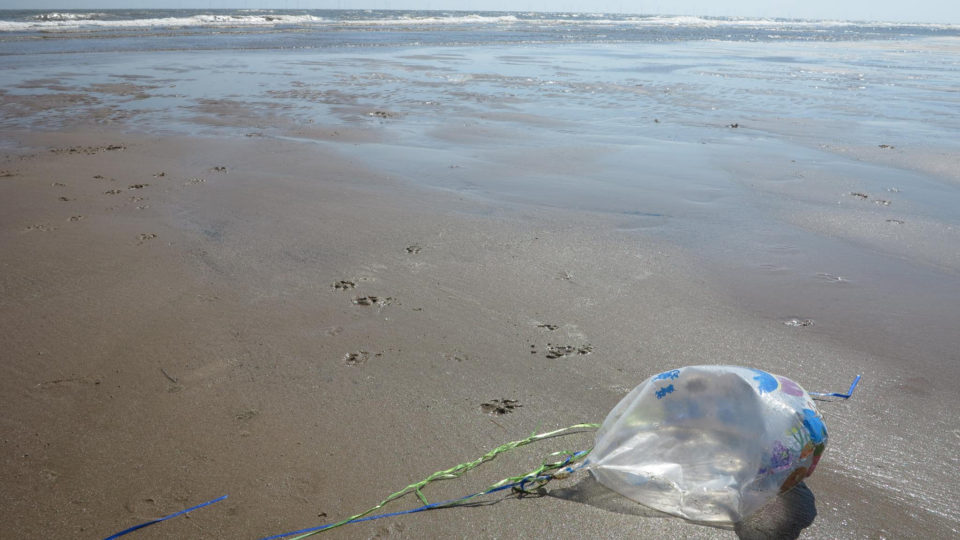
It’s no secret that there is a ton of plastic in the ocean – millions of tons, in fact.  Scientists estimate that there is more 165 million tons of plastics swirling about in our oceans today, with an additional 8.8 million tons flowing in every year.  As the oceans swell with plastic debris, many marine species wind up ingesting the stuff – often with dire consequences.

All this plastic trash winds up affecting more than just aquatic species, too.  According to researchers from the University of Tasmania, a seabird that ingested a single piece of plastic has a 20% chance of mortality.  This statistic jumps to 50% if the seabird consumes nine pieces of plastic. 

The study, which was recently published in the journal Scientific Reports, also found that while hard plastics account for the majority of plastic debris ingested, it’s far less likely to prove fatal than soft plastics, such as balloons. 

In fact, the researchers found that balloons or balloon fragments were the number one marine debris risk of mortality for seabirds, killing almost one in five of the seabirds that ingested them. 

The leading cause of death among the seabirds studied was blockage of the gastrointestinal tract.  While soft plastics only accounted for 5% of the ingested plastics, they were responsible for more than 40% of seabird mortality.  But the researchers make clear that hard plastics were still responsible for more than half of the study’s seabird deaths.  

If we want to reduce the number of marine species dying from plastic ingestion, we need to reduce the volume of plastic going into the ocean and do what we can to remove what’s already there. 

**********

Web Links

Balloons the number 1 marine debris risk of mortality for seabirds

Photo, posted July 24, 2014, courtesy of Flickr.

Earth Wise is a production of WAMC Northeast Public Radio.

Hydrogen From Water And Sun

March 7, 2019 By EarthWise 1 Comment

There are research efforts around the world seeking ways to produce hydrogen starting from water and using clean energy.  Finding an economical and scalable way to do this is a key to the so-called hydrogen economy.

A recent study at Argonne National Laboratory makes use of a chemical reaction pathway central to plant biology to create a process that converts water into hydrogen using energy from the sun.

The process combines two membrane-bound protein complexes to perform the conversion of water molecules into hydrogen and oxygen.

The first protein complex, which the researchers call Photosystem I, is a membrane protein that uses energy from light to feed electrons to an inorganic catalyst that makes hydrogen.  But this represents only half of the overall process.

A second protein complex that they call Photosystem II uses energy from light to split water and take electrons from it.  The electrons are then fed to Photosystem I.

The two protein complexes are embedded in thylakoid membranes, which are like those found inside the oxygen-creating chloroplasts in plants.  This membrane is an essential part of pairing the two photosystems.  It supports both of the photosystems and provides a pathway for transferring electrons between the proteins.

The researchers also make use of a synthetic catalyst made from nickel or cobalt that replaces expensive platinum catalysts used in conventional water-splitting schemes.  Combining the light-triggered transport of electrons with the synthetic catalyst results in what the researchers call the “Z-scheme”, an adaptation of photosynthesis to produce hydrogen.

The next step is to incorporate the scheme into a living system which the researchers hope will lead to a practical system for hydrogen production.

**********

Web Links

Discovery adapts natural membrane to make hydrogen fuel from water

Photo, posted December 25, 2017, courtesy of Flickr.

Earth Wise is a production of WAMC Northeast Public Radio.
The Threat From Nurdles

March 4, 2019 By EarthWise Leave a Comment

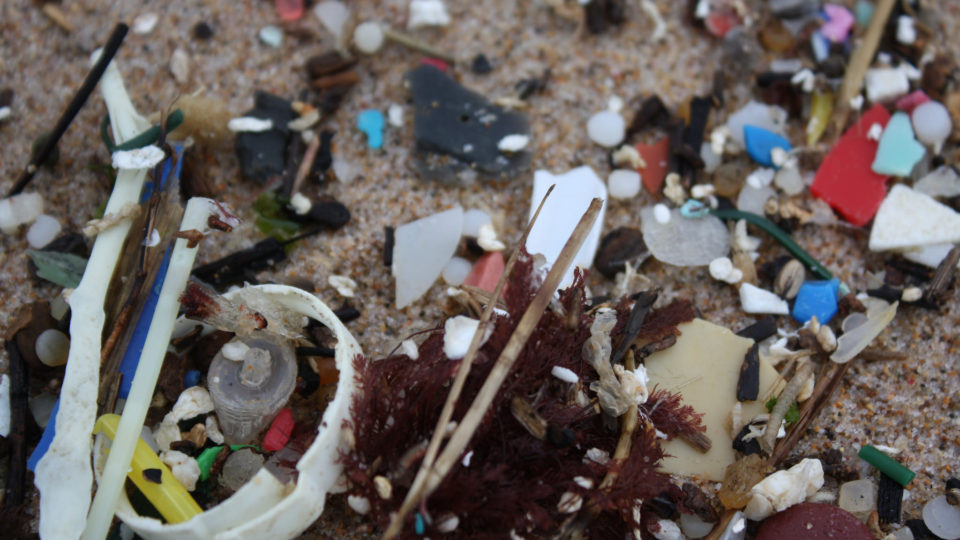
Just when we thought we knew all about the environmental threats caused by plastics, environmentalists have identified yet another problem.  It is called a nurdle.

Nurdles are tiny pellets of plastic resin no bigger than a pencil eraser that manufacturers transform into packaging, plastic straws, water bottles and all the other things that are wreaking havoc on the environment.

It turns out that nurdles themselves are a problem because billions of them are lost from production and supply chains during handling, shipping and production every year, spilling or washing into waterways.  There is limited information on the extent of this kind of plastic pollution and global researchers are still struggling to make an accurate assessment.  A study last year estimated that 3 million to 36 million pellets escape every year from just one small industrial area in Sweden.

Eunomia, a British environmental consultancy, contends that nurdles are the second-largest source of microplastic pollution and estimated that the U.K. could be unwittingly losing billions of pellets into the environment every year.

New research is revealing the ubiquity of plastic pellets, from the bellies of fish caught in the South Pacific, to the digestive tracks of short-tailed albatross in the north and on the beaches of the Mediterranean.

A shareholder advocacy group called As You Sow has filed resolutions with Chevron, DowDupont, Exxon Mobil, and Phillips 66 asking them to disclose how many nurdles escape their production process each year and how they plan to address the issue.  Several of the companies have responded with statements saying they are working to develop solutions that keep plastic out of our environment.

**********

Web Links

There’s a Tiny Plastic Enemy Threatening the Planet’s Oceans

Photo, posted January 15, 2014, courtesy of Hillary Daniels via Flickr.

Earth Wise is a production of WAMC Northeast Public Radio.
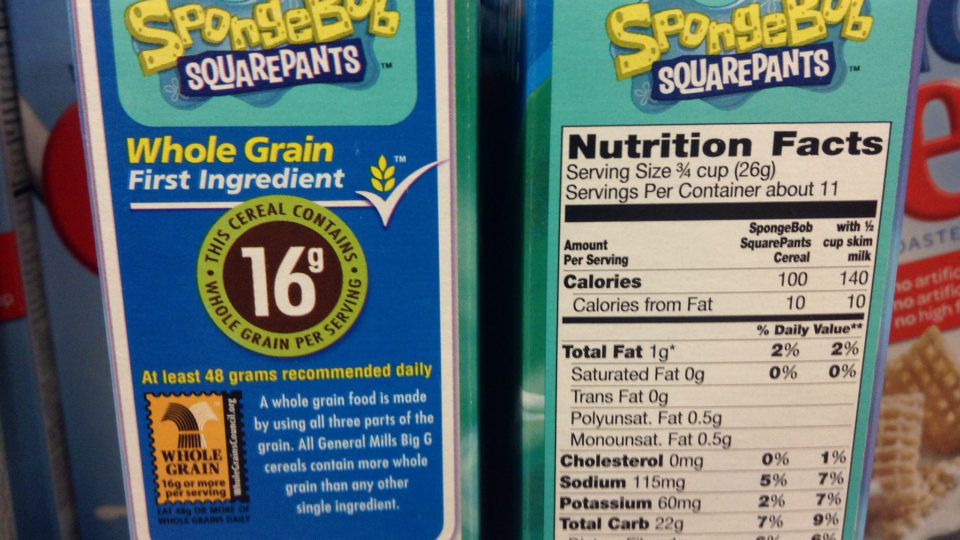
New Nutrition Labels

February 26, 2019 By EarthWise 1 Comment

Food and beverage packaging in this country has included a Nutrition Facts panel for nearly 25 years.  Over 700,000 products have the labels which provide consumers with information like serving sizes, calories per serving, ingredients, and nutritional content.

Surveys indicate that 77 percent of all U.S. adults claim to use the labels at least some of the time.  Whether the labels are actually useful is somewhat debatable.  A couple of years ago, the FDA released a proposal to update the labels to make them more useful and to reflect more recent nutritional research.  The new labels are finally going to be implemented and food manufacturers with annual sales exceeding $10 million have until January of 2020 to update their packaging with the new labels.

One of the biggest changes is that the “serving size” section of the label will be changed to more accurately reflect the actual portions consumed by the typical American.  For example, a 20-ounce soft drink will now be labeled as a single serving because most people will drink the whole bottle in one sitting.

The new labels will no long list the amounts of Vitamin A and C, because recent research shows most Americans are not deficient in these nutrients.  Instead, the amount of Vitamin D and potassium will be listed, two nutrients lacking in many diets.  New labels will also show amounts of “added sugars”, defined as caloric sweeteners with no nutritional value. The new labels will also display the calories per serving in much large type making that piece of information far more noticeable.

There is surely more to be done to make food labeling more transparent and useful for consumers, but the new changes at least seem to be in the right direction.

**********

Web Links

Nutrition Labels Get a Makeover: Will It Make a Difference?

Photo, posted September 9, 2014, courtesy of Mike Mozart via Flickr.

Earth Wise is a production of WAMC Northeast Public Radio.
Hacking Photosynthesis

February 25, 2019 By EarthWise Leave a Comment

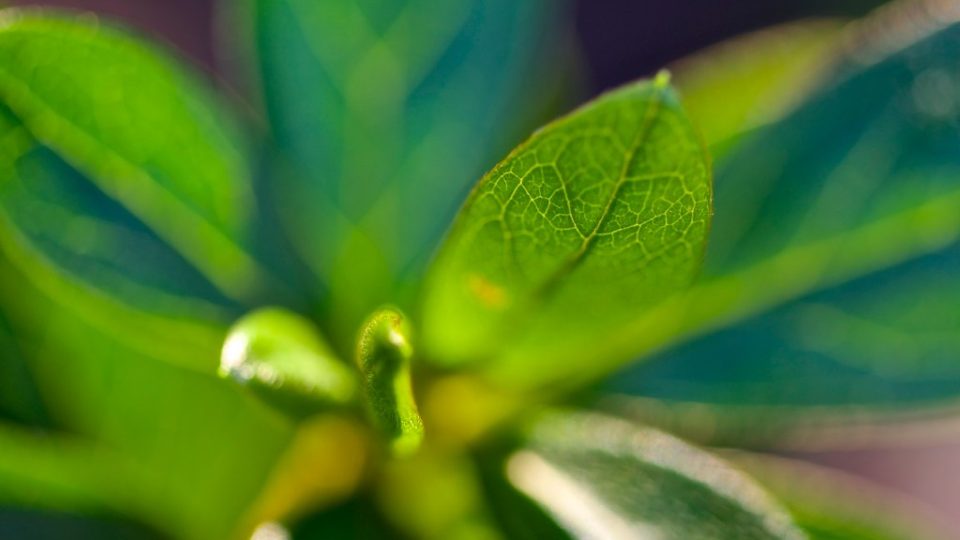
There is an enzyme known as RuBisCo that is involved in carbon fixation, the process plants use to convert carbon dioxide into sugar molecules.  The RuBisCo molecule is inside the leaves of most plants and is probably the most abundant protein in the world.

RuBisCo picks up carbon dioxide from the air and uses energy from the sun to turn the carbon into sugar molecules.  This process of photosynthesis is pretty much the foundation of life on Earth.

Wonderful as it is, the process is not perfect.  RuBisCo is not very selective in grabbing molecules from the air.  It picks up oxygen as well as CO2 and it produces a toxic compound when it does that.

Plants operate a whole other complicated chemical process to deal with this toxic byproduct and uses up a lot of energy along the way, leaving less energy for making leaves or food that we can eat.

A research program at the University of Illinois called Realizing Increased Photosynthetic Efficiency (or RIPE) has been trying to correct this problem; they have been trying to hack photosynthesis.  And they may well have succeeded.

Using genetic modification on tobacco plants, they have shut down the existing detoxification process and set up a much more efficient new one.  The result is super plants that grow faster and up to 40% bigger.

The next step is to get it to work on plants that people actually rely upon for food, like tomatoes, soybeans and black-eyed peas (which are a staple food crop in sub-Saharan Africa where food is scarce.)

It will be years before we know if the process can really produce more food and be safe, but it may end up leading to a major increase in crop productivity.

**********

Web Links

Scientists Have ‘Hacked Photosynthesis’ In Search Of More Productive Crops

Photo, posted June 10, 2013, courtesy of Boon Hong Seto via Flickr.

Earth Wise is a production of WAMC Northeast Public Radio.

Food Production And Climate Change

January 29, 2019 By EarthWise Leave a Comment

According to a University of Oxford study recently published in the journal Science, food production is a major driver of climate change as it’s responsible for 26% of all greenhouse gas emissions.  But the research team found that the environmental impact of different foods varied greatly. 

Meat and other animal products are responsible for 58% of all food-related greenhouse gas emissions, despite only providing approximately one-fifth of the calories we consume.  The researchers found that beef and lamb in particular have the most damaging effect on the planet, responsible for half of all greenhouse gas emissions from animal agriculture. 

These findings echo recommendations from the Intergovernmental Panel on Climate Change about how individuals can reduce their carbon footprint through diet.  The IPCC suggests we consume less meat and dairy products, consume more locally-sourced seasonal foods, and throw less food in the trash.  

Avoiding meat and dairy products can reduce an individual’s carbon footprint from food by two-thirds.  The effects of doing so include everything from conserving water and preserving biodiversity to reducing pollution and deforestation. 

Interestingly, the same food can have major differences in terms of environmental impacts.  For example, beef raised on deforested land is responsible for 12 times as many greenhouse gas emissions as that raised on natural pastures.  But even the most climate-friendly meat options are still responsible for more greenhouse gas emissions than the highest-impact vegetable proteins, like beans and nuts. 

Big differences can also be made by avoiding chocolate and coffee produced from deforested lands.  

To learn more about the climate impact of your diet, follow the link to the ‘Climate Change Food Calculator’ on our website: Earth-Wise-Radio.org. 

**********

Web Links

Reducing food’s environmental impacts through producers and consumers

Climate change food calculator

Photo, posted June 21, 2011, courtesy of USDA NRCS Montana via Flickr.

Earth Wise is a production of WAMC Northeast Public Radio.

Examining Sea Level Rise

January 17, 2019 By EarthWise Leave a Comment

It’s no secret that sea levels along the East Coast of the United States are rising.  But what’s less known is that the water isn’t rising at the same rate everywhere.  As the climate continues to change, some cities may remain dry while others struggle to keep water out. 

During the 20th century, sea levels rose about 18 inches near Cape Hatteras in North Carolina and along the Chesapeake Bay in Virginia.  During that same time period, New York City and Miami experienced a 12 inch sea level rise, while the waters near Portland, Maine only rose 6 inches.  According to a study recently published in the journal Nature, there’s an explanation for this. 

The variation is a result of a phenomenon called “post-glacial rebound.”  During the last ice age, huge sheets of ice once covered land areas in the Northern Hemisphere, including parts of the Northeast U.S.  The weight of the ice weighted down the land like a boulder on a trampoline.  At the same time, peripheral lands such as the U.S. mid-Atlantic coast rose up.  As the ice melted, the previously weighted-down regions rebounded while the peripheral lands began to sink.  While these ice sheets disappeared some 7,000 years ago, this see-sawing of post-glacial rebound continues to this day. 

Researchers combined data from GPS satellites, tide gauges, and fossils in sediment with complex geophysical models to produce this comprehensive view of sea level change since 1900.  While post-glacial rebound accounts for most of the sea level variation along the East Coast, researchers noted that when that factor is stripped away, “sea level trends increased steadily from Maine all the way down to Florida.”

**********

Web Links

Why is sea level rising faster in some places along the US East Coast than others?

Photo, posted August 24, 2014, courtesy of Bill Dickinson via Flickr.

Earth Wise is a production of WAMC Northeast Public Radio.
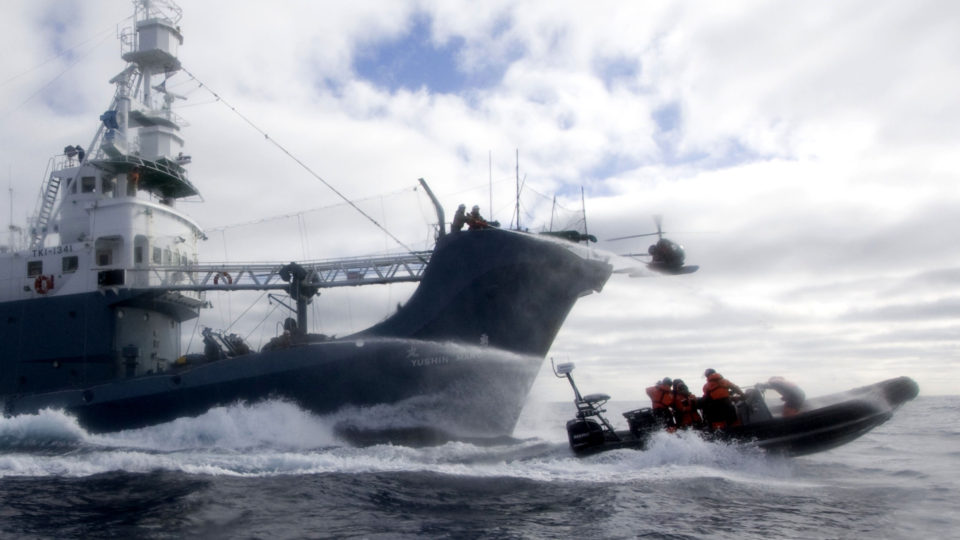
Japan And Whaling

January 10, 2019 By EarthWise Leave a Comment

The commercial hunting of whales nearly drove the giant mammals to extinction.  By the 1960s, as hunting technologies improved and ships began to resemble floating factories, it became clear that whaling could not continue unchecked. 

But despite all this, commercial whaling was never actually banned.  Instead, in 1986, members of the International Whaling Committee (IWC) agreed to a whaling moratorium in order to allow whale stocks to recover.  Pro-whaling nations like Japan, Iceland, and Norway expected the moratorium to be temporary until the whales stocks recovered, and a consensus on catch quotas could be established.  But the temporary moratorium became a quasi-permanent ban, much to the delight of conservationists and to the dismay of whaling nations. 

As a result, Japan recently announced it is leaving the international agreement and plans to resume commercial whaling.  The agreement though never really stopped Japanese whaling in the first place, because it allowed the country to kill whales for scientific research.  Japan has had an annual Antarctic catch quota of 333 minke whales, producing notoriously little in terms of whale science while producing  lots of whale meat.  As part of its withdrawal from the IWC, Japan will cease its Antarctic hunts and limit whalers to its own waters.  Commercial Japanese whaling will resume in July. 

Once popular in Japan, whale meat consumption has plummeted, falling 98% between 1962 and 2016. The industry employs fewer than 1,000 people and is dependent on government subsidies. 

Many governments and conservationist groups condemned Japan’s withdrawal, declaring the move out of step with the international community.  They argue that, rather than hunting whales, urgent action is needed to conserve marine ecosystems. 

**********

Web Links

Japan to Resume Commercial Whaling, Defying International Ban

Photo, posted February 5, 2009, courtesy of Flickr.

Earth Wise is a production of WAMC Northeast Public Radio.

A See-Through Heat Shield

January 8, 2019 By EarthWise Leave a Comment

It is estimated that air conditioners use about 6% of all the electricity produced in the United States for an annual cost of $29 billion.  With rising temperatures, this expense is only going to get larger.

A significant part of the heat load in buildings arises from heat coming through windows.  It turns out that for every square meter of window, about 500 watts of heat energy can be brought in by sunlight, equivalent to 5 old-fashioned light bulbs.

Researchers at MIT and the University of Hong Kong have developed a heat-rejecting film that can applied to a building’s windows that will reflect 70% of the sun’s incoming heat.  The film is similar to transparent plastic wrap. It remains highly transparent at temperatures below 89 degrees Fahrenheit.  Above that temperature, tiny microparticles embedded in the film shrink and the film becomes more translucent or frosted, still letting in a good amount of light, but rejecting a lot of heat.

There are already so-called smart windows on the market, similar to the electrochromic mirrors in cars that darken to prevent trailing headlights from blinding drivers.  But that technology is not very effective in rejecting heat and it requires power to operate, which means you would have to pay to turn windows opaque.

Tests of the new film demonstrated its ability to reject heat and lower temperatures.  The researchers estimate that if every exterior-facing window in a building were covered in the heat-rejecting film, the building’s air conditioning and energy costs could drop by 10%.  Saving ten percent of tens of billions of dollars is no minor matter.

**********

Web Links

See-through film rejects 70 percent of incoming solar heat

Photo courtesy of MIT researchers/MIT. 

Earth Wise is a production of WAMC Northeast Public Radio.

Electricity From A Bionic Mushroom

December 28, 2018 By EarthWise Leave a Comment

https://earthwiseradio.org/wp-content/uploads/2018/12/EW-12-28-18-Electricity-from-a-Bionic-Mushroom.mp3

In an engineering feat straight out of a weird science-fiction story, researchers at Stevens Institute of Technology in New Jersey have taken an ordinary white button mushroom and used 3D printing technology to coat it with graphene microribbons and cyanobacteria to produce a device that generates electricity.

[Read more…] about Electricity From A Bionic Mushroom

Llamas And The Flu

December 21, 2018 By EarthWise Leave a Comment

https://earthwiseradio.org/wp-content/uploads/2018/11/EW-12-21-18-Llamas-and-the-Flu.mp3

Last year’s flu season was the worst in 40 years.  More than 80,000 people died in the U.S. last year from the flu and its complications.  Flu vaccines are the best preventative we have, but there are still high mortality rates around the world.  Some individuals respond poorly to vaccination, and variations in viruses makes targeting with the optimal antigen very difficult.  The World Health Organization estimates that between 290,000 and 650,000 people die from seasonal flu worldwide each year.

[Read more…] about Llamas And The Flu

A Supermaterial From Plastic Waste

December 13, 2018 By EarthWise Leave a Comment

https://earthwiseradio.org/wp-content/uploads/2018/12/EW-12-13-18-A-Supermaterial-From-Plastic-Waste.mp3

Researchers at the National University of Singapore have created a way to convert plastic bottle waste into an ultralight aerogel material that has multiple potential applications.

[Read more…] about A Supermaterial From Plastic Waste

What’s In The Air?

December 12, 2018 By EarthWise Leave a Comment

https://earthwiseradio.org/wp-content/uploads/2018/11/EW-12-12-18-Whats-in-the-Air.mp3

Researchers at Yale are using some advanced technology to analyze air samples in order to obtain a detailed look at the molecular makeup of organic aerosols, which have a significant presence in the atmosphere.

[Read more…] about What’s In The Air?

A Prize For Water From The Air

December 7, 2018 By EarthWise Leave a Comment

https://earthwiseradio.org/wp-content/uploads/2018/12/EW-12-07-18-A-Prize-for-Water-from-Air.mp3

The XPrize competitions provide monetary incentives to crowdsource solutions to the world’s grand challenges.  Originally started in 1994 to spur the development of private spaceflight, the XPrize program now offers prizes for diverse fields including Oceans, Learning, Health, Energy, Environment, Transportation, Safety and Robotics.

[Read more…] about A Prize For Water From The Air

Cleaner Air For China

December 5, 2018 By EarthWise Leave a Comment

https://earthwiseradio.org/wp-content/uploads/2018/12/EW-12-05-18-Cleaner-Air-for-China.mp3

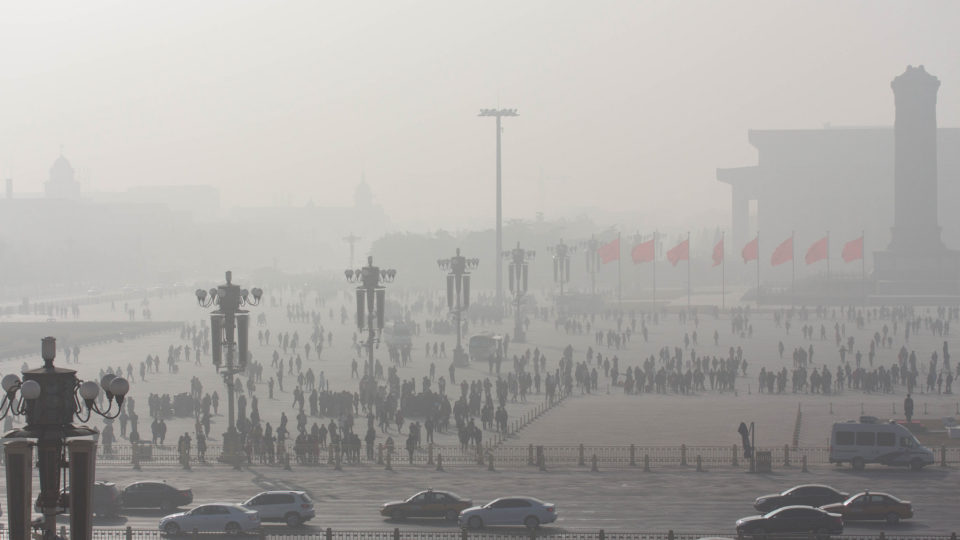
For more than 15 years, the Chinese government has been grappling with some of the deadliest air pollution in the world.  Extreme pollution events are a regular wintertime occurrence and health experts estimate that more than a million people die each year in China from particulate air pollution.

[Read more…] about Cleaner Air For China

Powering Africa With The Sun

December 3, 2018 By EarthWise Leave a Comment

https://earthwiseradio.org/wp-content/uploads/2018/12/EW-12-03-18-Powering-Africa-With-The-Sun.mp3

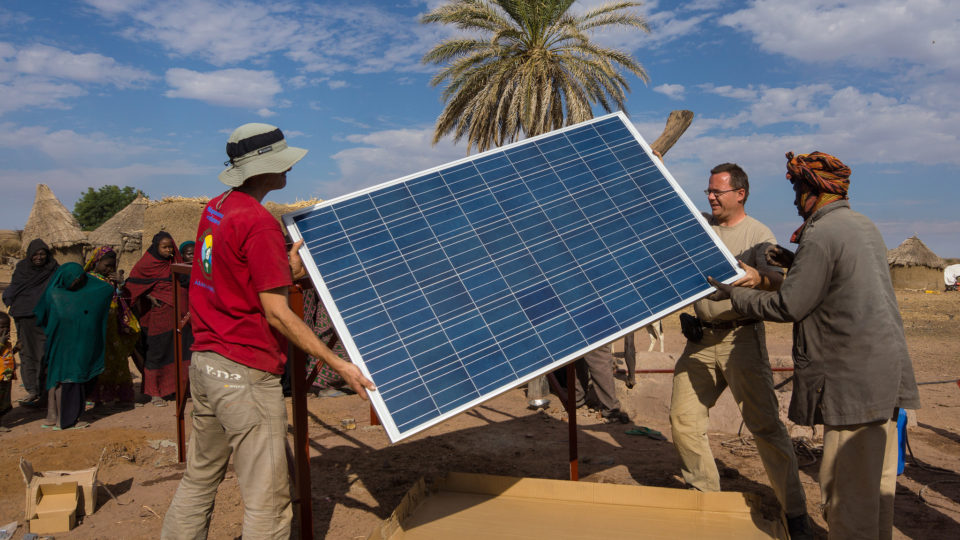
There are roughly 600 million people in sub-Saharan Africa who currently live without electric power.  Putting in the infrastructure to supply power to these people in their various countries has been a major economic and logistical challenge.

[Read more…] about Powering Africa With The Sun

Zika Insecticides And Honeybees

November 30, 2018 By EarthWise Leave a Comment

https://earthwiseradio.org/wp-content/uploads/2018/11/EW-11-30-18-Zika-Insecticides-and-Honeybees.mp3

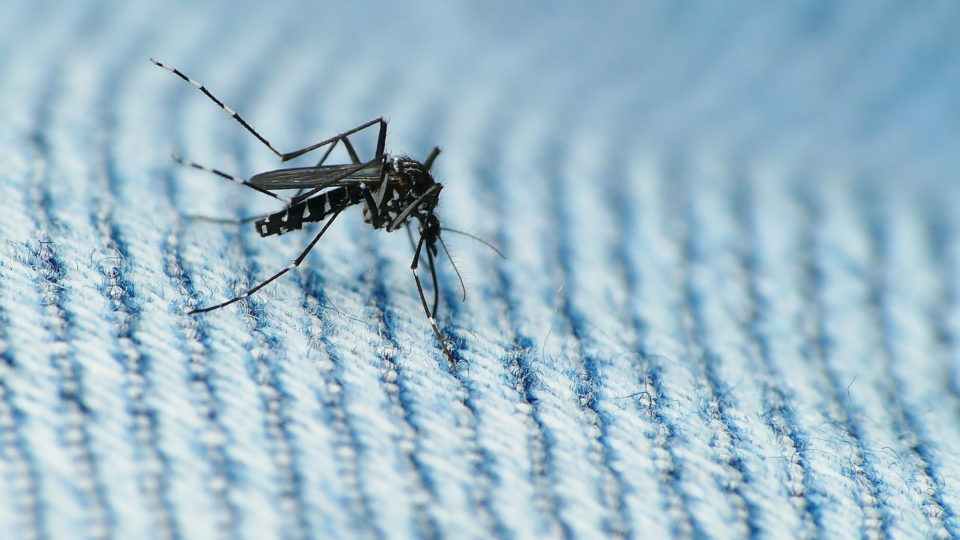
Honeybees, which play a critical role in agriculture by pollinating crops, are not native to the United States.  Beekeepers manage most honeybee colonies and they move the bees around to support farmers.        

[Read more…] about Zika Insecticides And Honeybees

Bad News For Beer

November 28, 2018 By EarthWise Leave a Comment

https://earthwiseradio.org/wp-content/uploads/2018/10/EW-11-28-18-Bad-News-for-Beer.mp3

As extreme weather events become increasingly common, arctic ice disappears, and wildfires burn for weeks on end, many people wonder just what it will take to change some of the entrenched opinions about climate change.

[Read more…] about Bad News For Beer

Microplastics And Humans

November 27, 2018 By EarthWise Leave a Comment

https://earthwiseradio.org/wp-content/uploads/2018/10/EW-11-27-18-Microplastics-and-Humans.mp3

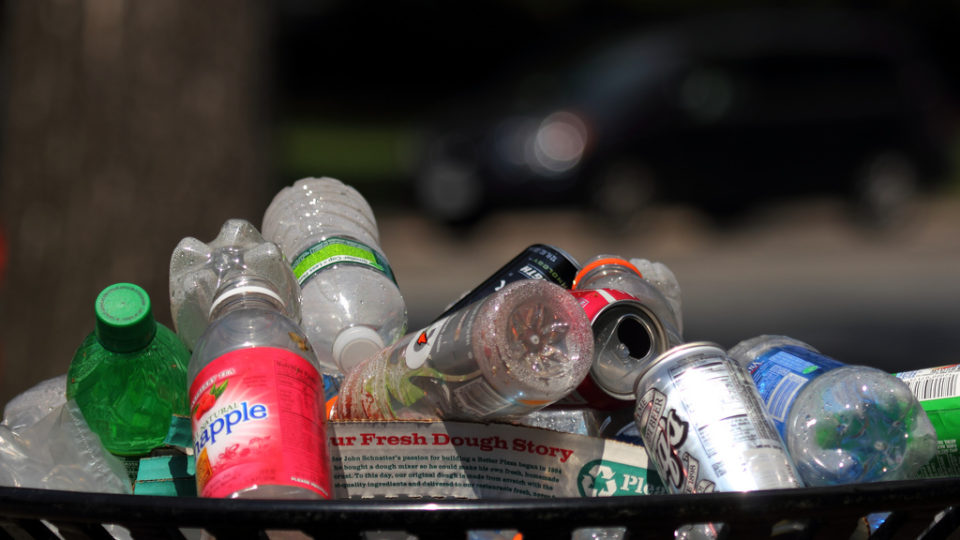
Microplastics are everywhere.  The tiny plastic particles pose a massive environmental challenge.  Microplastics are polluting oceans at an alarming rate.  Much of the oceanic microplastics result from the breakdown of plastic litter.  Another source of microplastics pollution is microbeads.  Microbeads, which are commonly added to cleansing and exfoliating personal care products, pollute the environment when they get flushed down the drain.   

[Read more…] about Microplastics And Humans

  • « Go to Previous Page
  • Page 1
  • Interim pages omitted …
  • Page 52
  • Page 53
  • Page 54
  • Page 55
  • Page 56
  • Interim pages omitted …
  • Page 60
  • Go to Next Page »

Primary Sidebar

Recent Episodes

  • An uninsurable future
  • Clean energy and jobs
  • Insect declines in remote regions
  • Fossil fuel producing nations ignoring climate goals
  • Trouble for clownfishes

WAMC Northeast Public Radio

WAMC/Northeast Public Radio is a regional public radio network serving parts of seven northeastern states (more...)

Copyright © 2026 ·