A growing body of work is leading to the conclusion that it may be nearly impossible to prevent global temperatures from rising more than 1.5 degrees Celsius (or 2.7 degrees Fahrenheit) because we are simply not reducing emissions quickly enough. By some estimates, the current level of emissions will lock in that large a gain within the next few years. At that point, the only way to reverse the effects is to remove carbon dioxide from the atmosphere, where it otherwise will stay for hundreds to thousands of years.
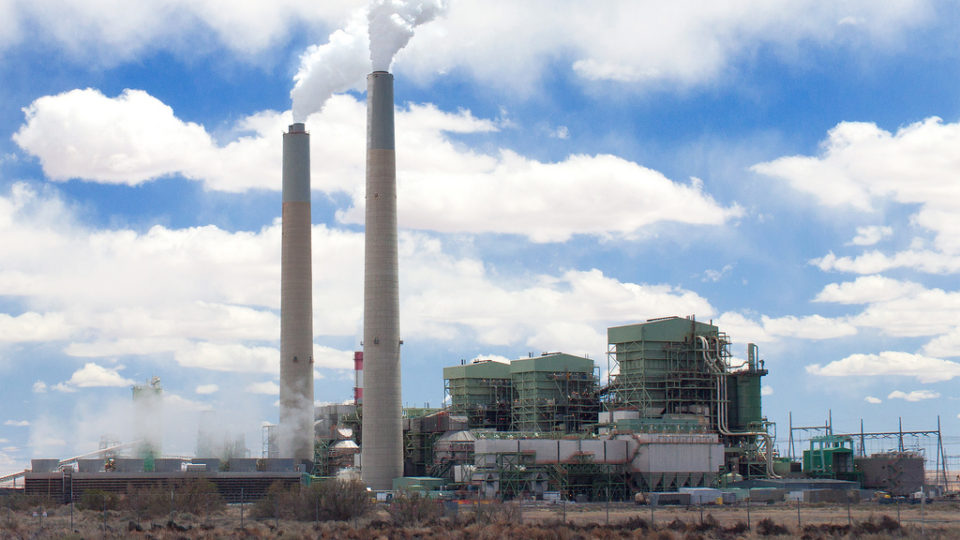
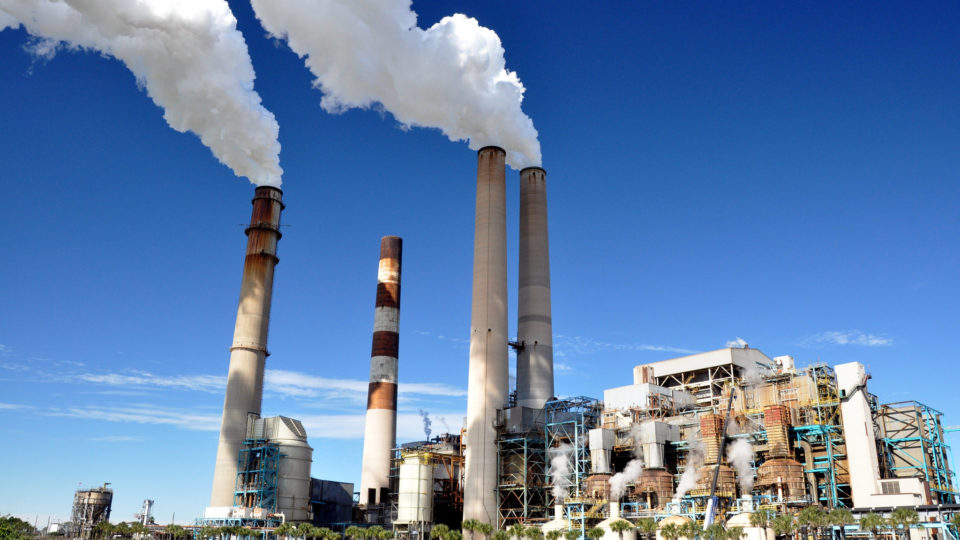
If we want to avoid drastic global warming this century, we need to sharply reduce greenhouse gas emissions over time. For the previous three years, emissions had been holding steady, but last year, global emissions from the use of coal, oil and natural gas increased by 1.4%. According to the International Energy Agency, this unfortunate new data should serve as a strong warning that we need to increase our efforts to combat climate change.
For the third year in a row, global emissions of carbon dioxide have remained unchanged. This indicates that efforts to reduce emissions have had an effect, but that there is much more to be done. It is essential to reduce emissions, not just cap them.
For many people, commuting to and from work is a time-consuming, stressful part of their lives. In fact, the average American spends nearly an hour a day facing traffic jams and congested highways. There are direct health hazards in commuting as well. Drivers are exposed to increased amounts of air pollutants that have been linked to a wide range of medical problems including cardiovascular disease, respiratory issues and even lung cancer.
Poor air quality is a major problem worldwide. Exposure to air pollution is linked to the premature deaths of an estimated 6.5 million people every year. This makes air pollution the fourth largest threat to human health, trailing only high blood pressure, dietary risks, and smoking.
The federal government now appears to be headed down the path of not honoring America’s commitments to tackle global warming, but many of the country’s cities and states as well as its corporations have no intention of breaking our promises to the world.
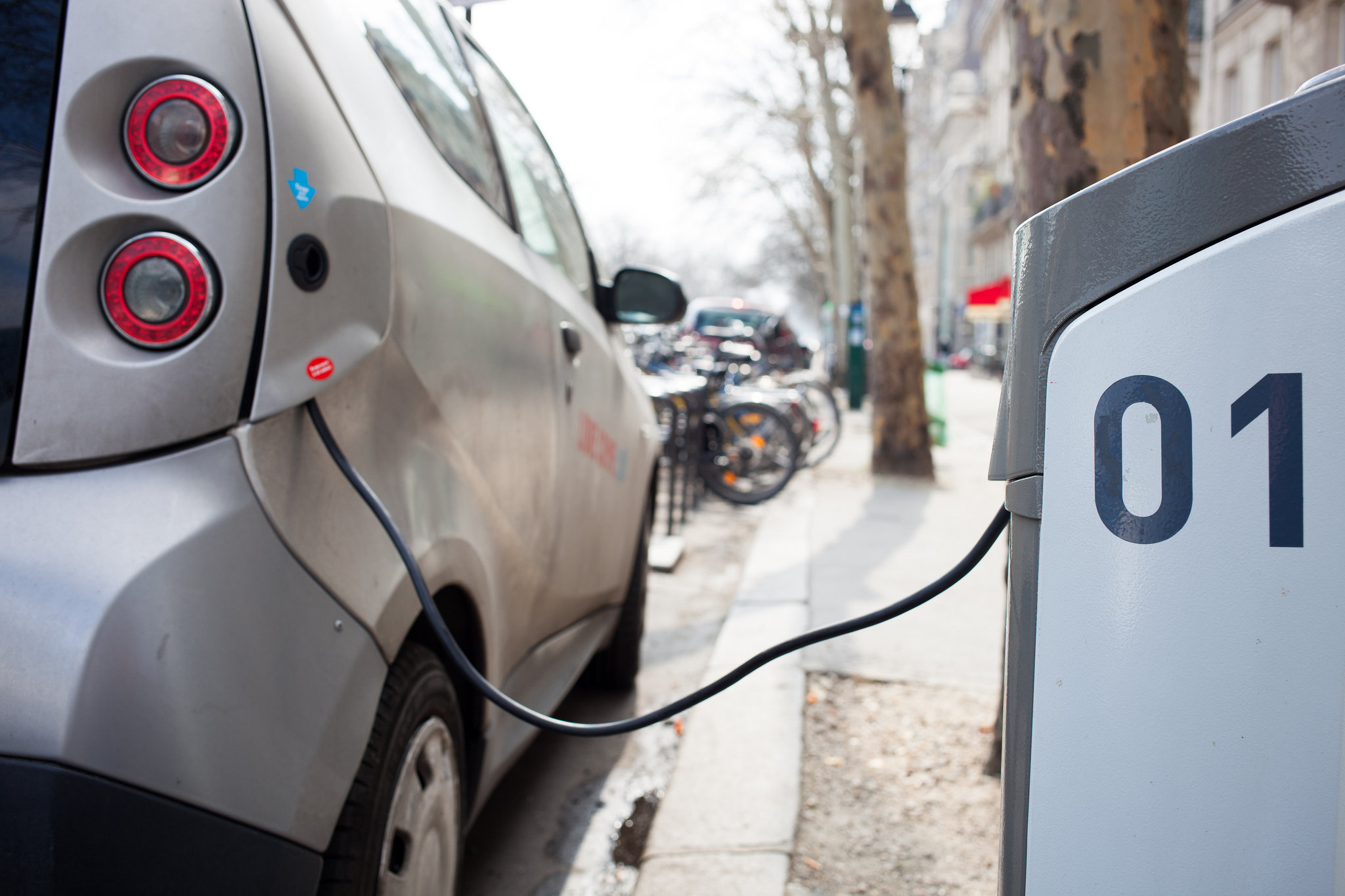
With the arrival of the Chevy Bolt and the long waiting list for the forthcoming Tesla 3, there is starting to be some momentum for electric cars in the United States. But we are still well behind Europe in terms of the significant growth of so-called e-mobility.