• Skip to primary navigation
  • Skip to main content
  • Skip to primary sidebar

Earth Wise

A look at our changing environment.

  • Home
  • About Earth Wise
  • Where to Listen
  • All Articles
  • Show Search
Hide Search
You are here: Home / Archives for recovery

recovery

Wildfires and water quality

August 11, 2025 By EarthWise Leave a Comment

Wildfires affect water quality long after the flames are out

Hotter and drier conditions driven by climate change are leading to an increasing number of wildfires in North America and around the world. The damage wildfires cause – to forests, homes, and communities – is well-known. But long after the flames are gone, the effects can linger, especially in rivers and streams, where water quality may suffer for years.

A new study by scientists at the CIRES institute at the University of Colorado Boulder analyzed more than 100,000 water samples from more than 500 sites across the Western U.S. and found that wildfires can degrade water quality for up to eight years after a fire. The research, which was recently published in the journal Nature Communications Earth & Environment, found elevated levels of organic carbon, nitrogen, phosphorus, sediment, and turbidity – the cloudiness of water – in basins affected by fire.

This large-scale analysis reveals watersheds take longer to recover from wildfires than previously thought, with widespread, long-lasting impacts often going undetected for years.

Organic carbon, phosphorus, and turbidity remain elevated for one to five years after a fire. Nitrogen and sediment levels stay notably high for up to eight years. Fire-driven impacts are worse in more forested areas.

Each watershed in the study responded differently depending on local conditions.  In some places, sediment levels surged to as much as 2,000 times normal levels, while others remained relatively unchanged.

The research team hopes its findings can help guide future planning efforts to improve wildfire resilience.

**********

Web Links

Wildfires threaten water quality for years after they burn

Photo, posted April 6, 2017, courtesy of Bonnie Moreland via Flickr.

Earth Wise is a production of WAMC Northeast Public Radio

Wasting less wastewater

July 17, 2025 By EarthWise Leave a Comment

Developing technologies to waste less wastewater

Ultra-pure water is essential for multiple industries, for example semiconductors, batteries, and pharmaceuticals, as well as food and beverage companies.  Such water is produced by various processes including desalination plants that use reverse osmosis.  The byproduct of the processing is industrial brine:  salty wastewater.

The brine produced by desalination is generally dumped into the ocean if the desalination plant is located at the seashore, but if the plant is inland, such as in places like Arizona, that isn’t an option.

Nestle runs a water desalinating plant near Phoenix that generates more than 50,000 gallons of brine every day.  Concentrated brines must be carefully managed and disposed of. 

Researchers at Arizona State University are developing a mobile, closed-loop water recovery demonstration system that aims to recover 50%-90% of previously unusable water from industrial brine and reduce the remainder to solid salt. 

The team’s approach involves pretreating Nestle’s brine to remove larger particles.  It then goes through a reverse osmosis process that results in a stream of high-quality water and a salty concentrate.  The salty concentrate goes through a special membrane that recovers even more pure water.  The highly concentrated brine is then dried and crystalized into a solid salt product.  Atmospheric water harvesters capture any remaining water vapor during the drying process.

In places like Arizona where freshwater is a scarce commodity, finding sustainable ways to separate water from salt is both a scientific challenge and an economic necessity.

**********

Web Links

Squeezing every last drop out of wastewater

Photo courtesy of the Global Center for Water Technology.

Earth Wise is a production of WAMC Northeast Public Radio
Otters to the rescue

February 23, 2024 By EarthWise Leave a Comment

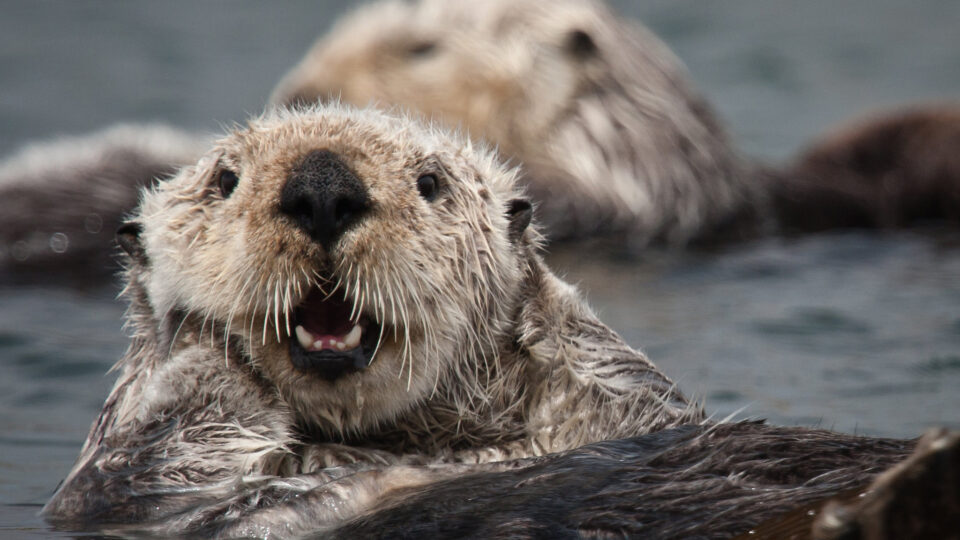
Otters to the rescue in California

California sea otters were hunted almost to extinction in the 19th century.  Only a small number survived along California’s central coast.  But over time, the otters recovered and increasingly recolonized their former habitats.

Sea otters are playing an important role in safeguarding California’s kelp forests and marshlands against the harmful effects of climate change.

Over much of the 20th century, increasing ocean heat had devastated underwater kelp forests by driving a population explosion of sea urchins that devour kelp.  But sea otters eat urchins and as the sea otter population has grown, kelp has flourished.  According to a new study published in PLOS Climate, the underwater kelp canopy along the central coast increased by 56% since 2016.  Kelp forests have become more extensive and resilient to climate change wherever sea otters have reoccupied the California coastline.

At the same time, sea otters started recolonizing their former habitat in a central California estuary several decades ago and erosion has slowed by as much as 90%.  The main reason is that otters love to eat the marsh crabs that were devouring the plants in this coastal ecosystem.  The marsh plants establish dense root systems that can withstand waves and flooding.  It would cost millions of dollars for humans to rebuild creekbanks and restore these coastal marshes.  Instead, sea otters have been stabilizing them for free in exchange for a crab feast.

Sea otters are playful creatures that people enjoy watching.  It turns out that they are also very valuable ecosystem engineers that are helping to mitigate the effects of the warming climate.

**********

Web Links

How Sea Otters Are Protecting the California Coast Against Climate Change

Photo, posted May 17, 2021, courtesy of Michael L. Baird via Flickr.

Earth Wise is a production of WAMC Northeast Public Radio
Billion-Dollar Disasters | Earth Wise

October 5, 2023 By EarthWise Leave a Comment

As the climate changes, billion-dollar disasters are increasing

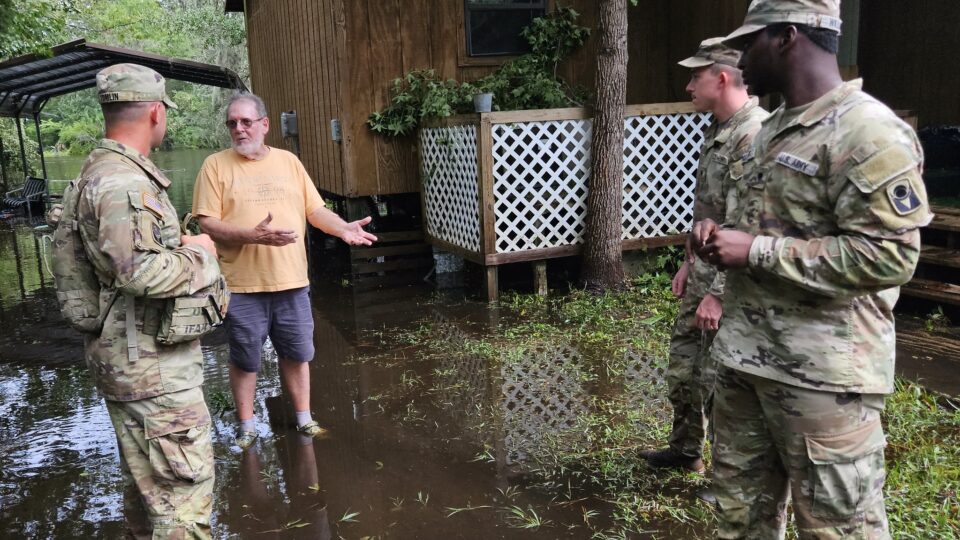
By the end of August, the United States had already broken the one-year record for the number of weather and climate disasters that caused more than $1 billion in damage.

According to the National Oceanic and Atmospheric Administration, through August there had already been 23 billion-dollar disasters.  The previous record of 22 had been set in 2020.  The 23 this year racked up $58 billion in damages.

The unfortunate litany of events included two in August:  Hurricane Idalia, which struck Florida’s Big Bend region and the Lahaina fire storm on Maui.  Earlier in the year, winter storms in the Northeast, floods in California and Vermont, and 18 other severe storm events contributed to the record.

With a very active Atlantic hurricane season underway and the prospects for more wildfires in the west, it is likely that the record for billion-dollar disasters will climb even higher before the year ends.

The massive financial losses incurred this year highlight the need for more funding and attention to be directed toward climate resistance and adaptation.  The NOAA report urges policymakers to invest much more in getting out ahead of disasters before they strike rather than only looking for ways to help communities to pick up the pieces after disaster has struck.

Congress is currently considering $16 billion in additional funding for FEMA to keep the agency functioning in this very trying year.

As climate change continues to contribute to more intense storms and larger and more frequent wildfires, the price of adaptation and recovery efforts is likely to continue to grow.

**********

Web Links

2023 has already broken the US record for billion-dollar climate disasters

Photo, posted August 31, 2023, courtesy of Spc. Christian Wilson / The National Guard via Flickr.

Earth Wise is a production of WAMC Northeast Public Radio
Help For Kelp | Earth Wise

April 10, 2023 By EarthWise Leave a Comment

Sea urchins and climate change is devastating ocean kelp

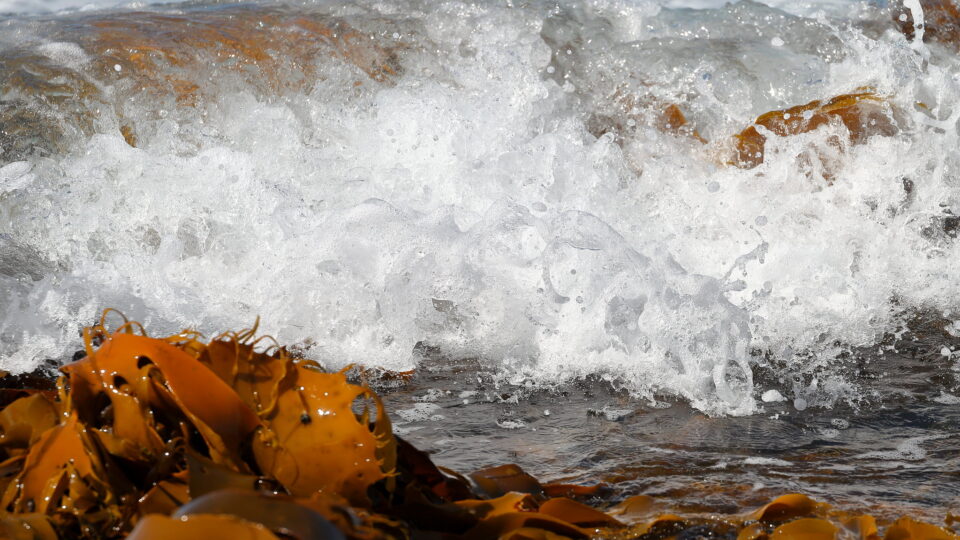
The warming of the oceans has been causing the decimation of kelp forests.  The thick canopies covering coastal ocean regions have been wilting in warmer and nutrient-poor water.  Making matters much worse has been the explosion in population of sea urchins that thrive in warmer water.  The urchins gobble up the kelp, often resulting in so-called urchin barrens, largely devoid of life.

Kelp are considered a foundation species that occupy nearly half of the world’s marine ecoregions.  They thrive in cold water, where they form large underwater forests that provide essential habitat, food, and refuge for many species.  Kelp are often harvested for use in products ranging from toothpaste and shampoo to puddings and cakes.  Including the other services kelp provide, they are associated with billions of dollars in value annually.

On the North American Pacific Coast, a species of sea star consumes sea urchins.  However, these creatures are critically endangered. A marine wildlife epidemic known as sea star wasting syndrome, which began 10 years ago, has killed off more than 90% of the sunflower sea star population.   A new study by researchers at Oregon State University looked at the ability of sea stars to control sea urchin populations.

Lab experiments showed that sea stars consume urchins at a rate sufficient to maintain and possibly even restore the health of kelp forests.  The study shows that there is a clear link between the population crash of sea stars, the explosion in sea urchin populations, and the decline in kelp.

The study’s authors are calling for active management and a coordinated sea star recovery program to try to deal with the effects of a disease whose cause has not been determined.

**********

Web Links

Sea stars able to consume kelp-eating urchins fast enough to protect kelp forests, research shows

Photo, posted December 14, 2015, courtesy of Ed Dunens via Flickr.

Earth Wise is a production of WAMC Northeast Public Radio
Is It Too Late To Save The Vaquita? | Earth Wise

June 6, 2022 By EarthWise Leave a Comment

Can the critically endangered vaquita be saved?

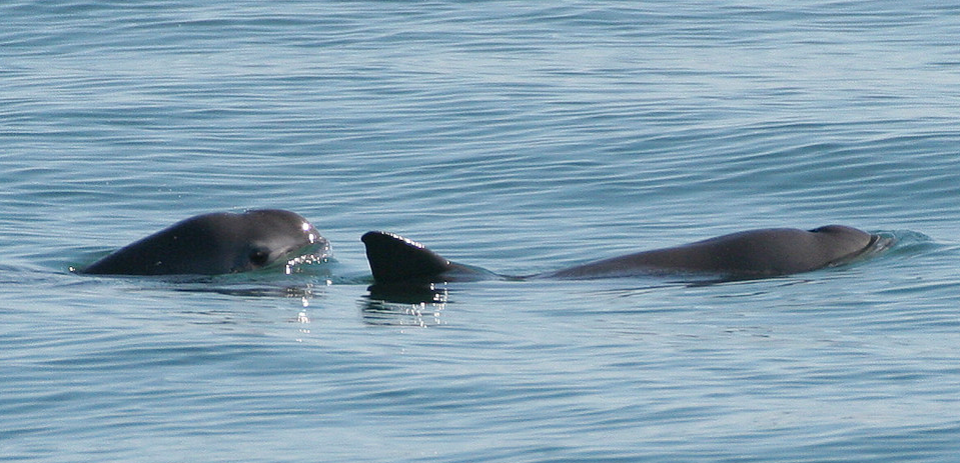
The vaquita porpoise, the world’s smallest marine mammal, is on the brink of extinction.  Scientists estimate that just 10 or fewer vaquitas are left despite international conservation efforts. Found only in Mexico’s Upper Gulf of California, the vaquita is the most endangered marine mammal on the planet. 

According to the International Committee for the Recovery of the Vaquita, the number one threat facing vaquitas is gillnets. The porpoises get trapped in these nets and drown.  Gillnets are often used illegally in the region to catch shrimp and fish, including the critically-endangered totoaba.  The totoaba’s swim bladder is considered a delicacy in Asia and can fetch thousands of dollars.  Despite Mexico banning both totoaba fishing and the use of gillnets in the vaquitas’ habitat, many say the bans are not always enforced.  

But there is a reason to be hopeful.  According to a genetic analysis led by researchers at UCLA, the critically-endangered species actually remains relatively healthy and can potentially survive if illegal fishing practices cease immediately. 

In the study, which was recently published in the journal Science, the research team analyzed the genomes of 20 vaquitas between 1985 and 2017 and ran simulations to predict the species’ extinction risk over the next 50 years.  The researchers concluded that if gillnet fishing ends immediately, the vaquita has a very high chance of recovery.  If the practice continues, however, even moderately, the likelihood of a recovery plummets. 

According to the research team, the surviving vaquitas are actively reproducing and seem healthy.  But poachers’ gillnets will continue to pose an existential threat to the species until more measures are taken to protect the vaquita. 

**********

Web Links

Only 10 vaquita porpoises survive, but species may not be doomed, scientists say

Photo, posted October 18, 2008, courtesy of Paul Olson / NOAA via Flickr.

Earth Wise is a production of WAMC Northeast Public Radio.

Safely Storing Carbon | Earth Wise

February 28, 2022 By EarthWise Leave a Comment

How to safely store carbon

As carbon dioxide levels continue to increase in the atmosphere and emissions reductions aren’t happening as fast as needed, there is growing interest in carbon capture and storage technologies.

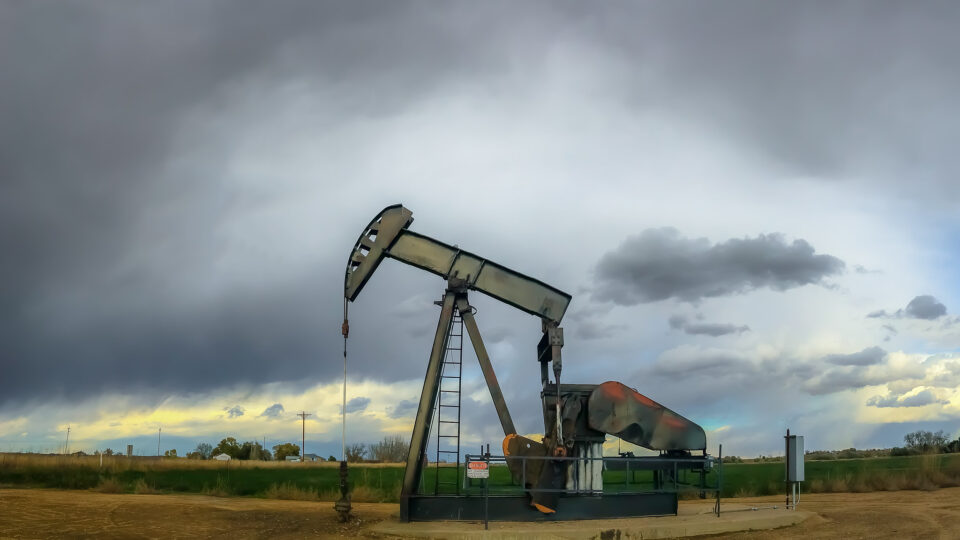
The idea is to capture the CO2 emitted from industrial processes or from the burning of fossil fuels in power generation, and then permanently store it out of harm’s way.  There are several different types of sites where the CO2 might be stored.  Deep saline aquifers are particularly desirable for the purpose, but depleted hydrocarbon reservoirs are commonplace and relatively simple to use.  These are oil and gas wells that have been drained of their resources.

In many cases, CO2 has already been injected into these depleted wells as a means of enhanced oil recovery.  Therefore, such wells provide a unique opportunity to study what happens to carbon dioxide when it’s stored in these places.

Researchers from Oxford University recently published a paper in the journal Nature that compared the state of depleted wells with injected carbon dioxide to that of wells without the injected gas.  They found that nearly 3/4 of the CO2 was dissolved in the groundwater.  Unexpectedly, they also found that 13-19% of the carbon dioxide was converted into methane by methanogenic bacteria.  Methane is less soluble, less compressible, and less reactive than carbon dioxide.

Producing methane in these wells is therefore undesirable.  Deeper sites that have temperatures too high for the bacteria to thrive are much more suitable.  This research is important for identifying future carbon capture and storage sites and for designing long-term monitoring programs that are essential for low-risk, long-term carbon storage.

**********

Web Links

Safer carbon capture and storage

Photo, posted November 6, 2015, courtesy of CL Baker via Flickr.

Earth Wise is a production of WAMC Northeast Public Radio.

Bald Eagles And Lead Poisoning | Earth Wise

February 21, 2022 By EarthWise Leave a Comment

Ammunition threatens bald eagles

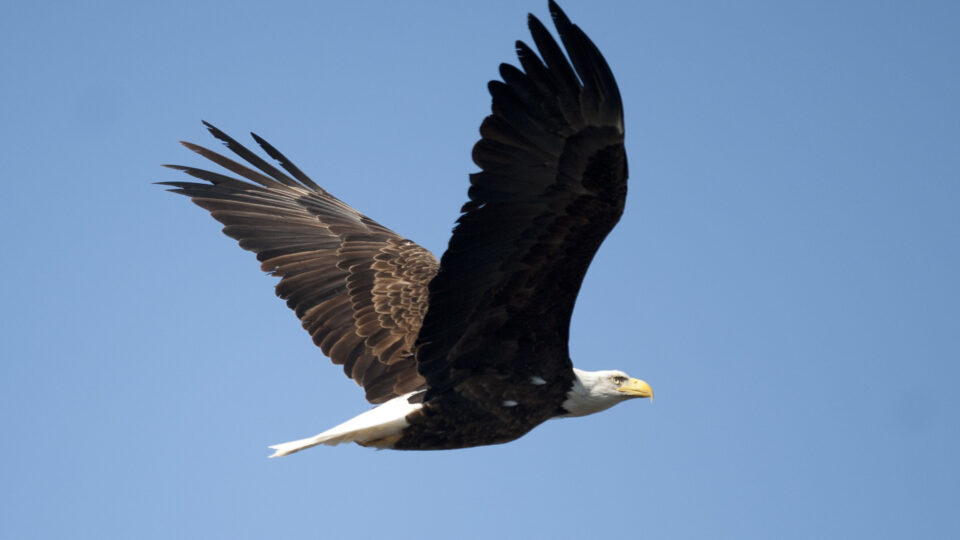
The bald eagle is the national bird of the United States.  It was once a common sight over much of the continent but was severely affected in the mid-20th century by a variety of factors, particularly the use of the pesticide DDT, which caused thinning of its eggshells and sterility.  In the 18th century, the bald eagle population was 300,000 – 500,000.  By the 1950s, there were only 412 nesting pairs in the 48 contiguous states.

The bald eagle was declared an endangered species in the US in 1967 and additional regulations strengthened protections for the bird.  The banning of DDT in 1972 was a major factor in the recovery of the species.

Bald eagle populations have been rebounding for decades but another issue is weakening that rebound – lead poisoning from gunshot ammunition.  According to a new study published in the Journal of Wildlife Management, poisoning from eating dead carcasses or parts contaminated by lead shot has reduced population growth by 4% to 6% annually in the Northeast.

Bald eagle numbers in the lower 48 states quadrupled between 2009 and 2021 to more than 316,000, according to a report by the U.S. Fish and Wildlife Service.  But even though the population has seemingly recovered, some combination of factors such as habitat loss, climate change, infectious disease, and lead poisoning could reverse the trends and lead to population declines.

The hope is that the study could help educate and inform policy on ammunition choices for hunters.  There are alternatives such as copper-based ammunition.  Human health can also be affected when bullets fragment inside game species and are then consumed.

**********

Web Links

Bald eagle rebound stunted by poisoning from lead ammunition

Photo, posted March 28, 2013, courtesy of Ben Johnson via Flickr.

Earth Wise is a production of WAMC Northeast Public Radio.

Coral Reef Status Report | Earth Wise

December 23, 2021 By EarthWise Leave a Comment

The status of the world's coral

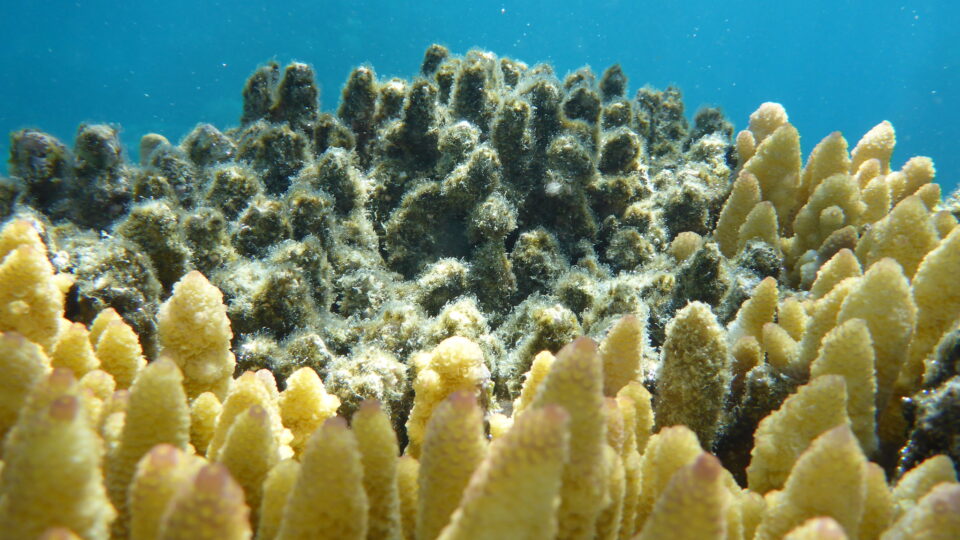
In October, the Global Coral Reef Monitoring Network released the first-ever report collecting global statistics on the world’s corals.  It documents the status of reefs across 12,000 sites in 73 countries over 40 years.  Overall, the news is not good, but there were some bright spots.

From 2009 to 2018, the world has lost 14% of its corals, corresponding to about 4,500 square miles of coral.  Global warming has led to prolonged marine heatwaves that trigger coral bleaching.  Local pollution has also damaged reefs.   The International Panel on Climate Change has reported that 2 degrees Celsius of global warming would wipe out 99% of the world’s corals.

The report does show that corals can recover globally if given a decade of cooler waters.  Some places in the world – particularly the Coral Triangle in Asia, which contains nearly a third of the world’s coral – have actually seen coral growth over the past decade. 

The Global Coral Reef Monitoring network started collecting data in 1978.  Coral health was fairly steady until 1998 when the first mass bleaching event occurred, triggered by a powerful El Niño event.  For the next 12 years, corals recovered nicely, but then bleaching events in 2010 and 2015-17 took their toll.

The Pacific, Australia, and the Caribbean have all seen major decreases in coral.  The Coral Triangle is a major exception which is thought to be a result of genetic diversity among the region’s corals.

Coral conservationists globally are working to protect corals and to actively restore them.  The situation is fairly dire, but there continue to be reasons for hope.

**********

Web Links

Finding Bright Spots in the Global Coral Reef Catastrophe

Photo, posted October 13, 2015, courtesy of Albert Straub via Flickr.

Earth Wise is a production of WAMC Northeast Public Radio.

Snakes Near A Plane | Earth Wise

September 15, 2021 By EarthWise Leave a Comment

San Francisco International Airport is the seventh-busiest airport in the United States.  In a typical year, approximately 55 million people pass through SFO on their way to destinations throughout North America and beyond.

At some point during their journey to or from the terminals at SFO, each one of those people will pass by a seemingly unremarkable 180-acre parcel of land.  Surrounded by highways and train tracks, the soggy and overgrown vacant lot isn’t just home to rows of power lines.  It’s also home to the world’s largest population of the beautiful and highly endangered San Francisco garter snake.   

According to a recent study conducted by the U.S. Geological Survey, there are approximately 1,300 San Francisco garter snakes at SFO’s West of Bayshore property – the greatest concentration of these snakes ever recorded.

Conservationists have long known that the San Francisco garter snake was in trouble.  In fact, it landed on the U.S. Fish and Wildlife Service’s very first endangered species list, which was published in 1967.  Over the years, agricultural, commercial, and urban development have destroyed much of its wetland habitat, as well as much of its primary food source, the California red-legged frog.  The snakes have also been a popular target for poachers and collectors.

Since 2008, SFO has been working with the USFWS on a recovery strategy for the species.  Together, they’ve made enhancements to the West of Bayshore habitat, including building rainfed ponds and deepening existing wetlands.  They have also added fences to protect habitat and prevent illegal collection.

But low population counts at other locations means the recovery for the San Francisco garter snake is far from over. 

************

Web Links

Combining genetic and demographic monitoring better informs conservation of an endangered urban snake

A San Francisco Airport Site Is Crawling With Snakes—And That’s a Good Thing

Photo, posted April 16, 2011, courtesy of Brian Gratwicke via Flickr.

Earth Wise is a production of WAMC Northeast Public Radio.

Biodiversity And Trawling Bans | Earth Wise

June 7, 2021 By EarthWise Leave a Comment

Trawling devastates biodiversity

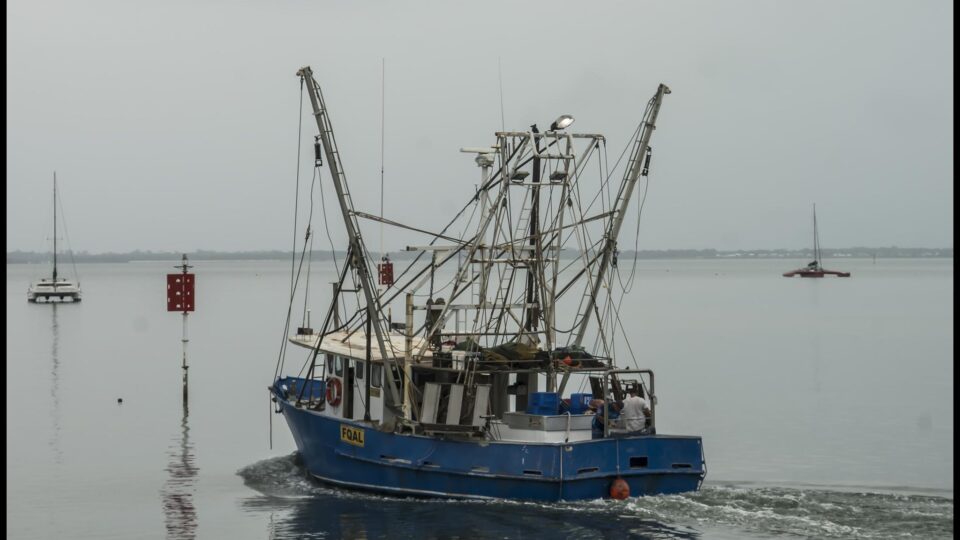
Trawling is a method of commercial fishing that involves pulling or dragging a fishing net – called a trawl – through the water or across the seabed in hopes of catching fish.  Commercial fishing companies favor towing trawl nets because large quantities of fish can be caught in one go.  

However, the trouble with trawling is that it’s destructive to the seafloor and indiscriminate in what it catches.  When towing these large trawl nets, the largest of which is reportedly big enough to catch thirteen 747 jets, everything that happens to be in the way gets caught.  As a result, trawling results in lots of bycatch, a fishing industry term used to describe the deaths of non target species during the process. 

In 2012, the Hong Kong government implemented a territory-wide trawling ban in its waters in hopes of rehabilitating the marine benthic habitat.  The benthic zone refers to the ecological region at the bottom of the ocean. 

Researchers from City University of Hong Kong collected sediment samples from 28 locations six months before the trawl ban and two and a half years after the trawl ban to see whether such interventions can facilitate ecosystem recovery. 

According to the study, which was recently published in the journal Communications Biology, the ban on trawling significantly improved marine biodiversity.  The researchers observed substantial increases in the richness of species and the abundance of benthic marine organisms following the trawling ban.  And since small benthic organisms are the main source of food for large species like fish and crabs, the trawling ban actually helps support fisheries.

More governments should consider a trawl ban to promote sustainable fisheries and marine biodiversity conservation.

**********

Web Links

Research confirms trawl ban substantially increases the abundance of marine organisms

Photo, posted December 4, 2018, courtesy of John via Flickr.

Earth Wise is a production of WAMC Northeast Public Radio.

The Collapse of Northern California Kelp Forests | Earth Wise

March 30, 2021 By EarthWise Leave a Comment

The California kelp forests are collapsing

For thousands of years, thick canopies of kelp formed an underwater forest spanning the coast of Northern California.  Kelp is the cornerstone of a rich subtidal community, providing food and habitat for all sorts of marine creatures.  But in recent years, a shocking transformation has occurred.  Satellite imagery reveals that the area covered by kelp forests off the coast of Northern California has declined by more than 95%.  Only a few small, isolated patches remain.  

In a new study, researchers at the University of California Santa Cruz found that the kelp forest decline was an abrupt collapse as opposed to a gradual decline. 

According to the study, which was recently published in the journal Communications Biology, kelp forests north of San Francisco were resilient to warming events in the past, like El Niños and marine heatwaves. But the decline of a key sea urchin predator – the sunflower sea star – from sea star wasting disease caused the kelp forests’ resiliency to plummet.  Sea urchins are voracious consumers of kelp.     

But it was a series of events – not just the sea urchins – that combined to decimate the Northern California kelp forest.   A marine heatwave that became known as “the blob” developed in 2014 and moved down the West Coast in 2015.  Around the same time, a strong El Niño event developed and brought warmer water up the coast from the south.  The warming ocean waters combined with the ravenous sea urchin population resulted in the dramatic decline of kelp. 

According to researchers, the prospects for a Northern California kelp forest recovery remain poor unless sea urchin predators return to the ecosystem. 

********** 

Web Links

The collapse of Northern California kelp forests will be hard to reverse

Photo, posted August 13, 2019, courtesy of Sara Hamilton of OSU College of Science via Flickr.

Earth Wise is a production of WAMC Northeast Public Radio.


Ozone Recovery Back On Track | Earth Wise

March 15, 2021 By EarthWise Leave a Comment

Ozone recovery is on track

In 2019, we reported that new emissions of chlorofluorocarbons from eastern Asia were threatening the recovery of the ozone layer in the upper atmosphere.  An unexpected spike in CFC emissions was threatening to undo the progress made under the Montreal Protocol, the international treaty under which every country in the world agreed to phase out the production and use of the ozone-eating chemicals by 2010.

In 2018, a team of scientists reported the spike in emissions of the particular formulation CFC-11 that began in 2013.  By 2019, a second team reported that a significant portion of the emissions could be traced to the Shandong and Hebie provinces in China where there were small factories using the chemical to manufacture foam insulation used in refrigerators and buildings.

Recently, in two papers published in Nature, the same two research teams reported that the global annual emissions of CFC-11 into the atmosphere have declined sharply.   They traced a substantial fraction of the global emission reductions to the very same regions of eastern China where they had previously reported the original spike. 

The results are very encouraging.   If CFC-11 emissions had continued to rise, or even just level off, there would have been real problems with ozone depletion.  Two independent global monitoring networks – one operated by the National Oceanic and Atmospheric Administration and one led by MIT called the Advanced Global Atmospheric Gases Experiment – are doing a good job of detecting threats to the world’s protective ozone layer.  However, the Chinese sources only accounted for about half of the CFC-11 entering the atmosphere.  We still don’t know where the rest of it is coming from.

**********

Web Links

Reductions in CFC-11 emissions put ozone recovery back on track

Return of an Old Threat

Photo, posted July 29, 2015, courtesy of NASA Goddard Space Flight Center via Flickr.

Earth Wise is a production of WAMC Northeast Public Radio.

Pandemic Lockdowns And Carbon Emissions | Earth Wise

November 25, 2020 By EarthWise Leave a Comment

pandemic impact on carbon emissions

The early months of the COVID-19 pandemic saw many human activities reduced to a fraction of what they were previously.  Notably, air pollution in major cities was dramatically lower than it had been in decades.  Now, a new study has looked at the effect of the pandemic shutdowns on carbon dioxide emissions.

An international team of climate scientists has published an assessment of carbon dioxide emissions by industry, transportation, and other sectors from January through June.  According to their measurements, this year’s pandemic lockdowns resulted in a 9% decline in emissions from 2019 levels.

An earlier study reported a 17% drop in CO2 emissions, but the new study was more comprehensive and detailed.

The new data includes estimates of day-by-day, sector-specific and country-level differences in CO2 emissions derived from frequently updated data sources, some of which are nearly in real-time.  It tracks the effects of COVID-19-related disruptions of human activities in China starting in February and in the United States and Europe in March through May.

The data revealed the resumption of emissions in many regions, such as in China, where they are now back to pre-pandemic levels.  Emissions in the Americas and Europe have been slower to recover, especially in the US, where COVID-19 hotspots are continuing to emerge. 

The reduction in carbon emissions has been due mostly to transportation with fewer people driving to work and traveling by air.  Even by June, when lockdowns were easing, global emissions were still significantly reduced.  In any case, a pandemic is a highly undesirable and unwelcome way to reduce carbon emissions, but the data from this year does show that it is effective.

**********

Web Links

Pandemic lockdowns caused steep and lasting carbon dioxide decline

Photo, posted August 7, 2020, courtesy of Michael Mueller via Flickr.

Earth Wise is a production of WAMC Northeast Public Radio.

Tree-Planting Is Not Necessarily A Good Thing | Earth Wise

July 31, 2020 By EarthWise Leave a Comment

Tree planting is not always beneficial

There is no question that forests have a major role in efforts to combat climate change as well as to slow biodiversity loss.   As a result, tree-planting on a massive scale has gained traction as a strategy and there have been major commitments made to plant billions of trees around the world.

A new study at Stanford University has rigorously analyzed the potential effects of these efforts and has found some significant problems.  For example, the Bonn Challenge, which seeks to restore an area of forest more than eight times the size of California over the next 10 years, has 80% of its commitments in the form of  planting monoculture tree plantations or a limited mix of trees that produce fruit and rubber, rather than restoring natural forests.   The problem is that plantations have significantly less potential for carbon sequestration, habitat creation, and erosion control than natural forests.  The potential benefits of the planting dwindle further if planted trees replace natural flora – forests, grasslands, or savannahs – which are ecosystems that have evolved to support local biodiversity.

The study looked at previous policies that created subsidies for planting trees.  Chile’s Decree Law, in effect from 1974 to 2012, has served as a model for similar policies in a number of countries.  Those subsidies further reduced native forest cover by encouraging the establishment of plantations in places where forests might have naturally regenerated.  The subsidies expanded the area covered by trees, but decreased the area of native forests.

The study recommends that nations should design and enforce their forest subsidy policies to avoid undesirable ecological impacts and actually promote the recovery of carbon- and biodiversity-rich ecosystems.

**********

Web Links

Poorly designed tree-planting campaigns could do more harm than good, according to Stanford researcher and others

Photo, posted April 28, 2016, courtesy of the U.S. Department of State via Flickr.

Earth Wise is a production of WAMC Northeast Public Radio.

Too Many Bison | Earth Wise

May 8, 2020 By EarthWise Leave a Comment

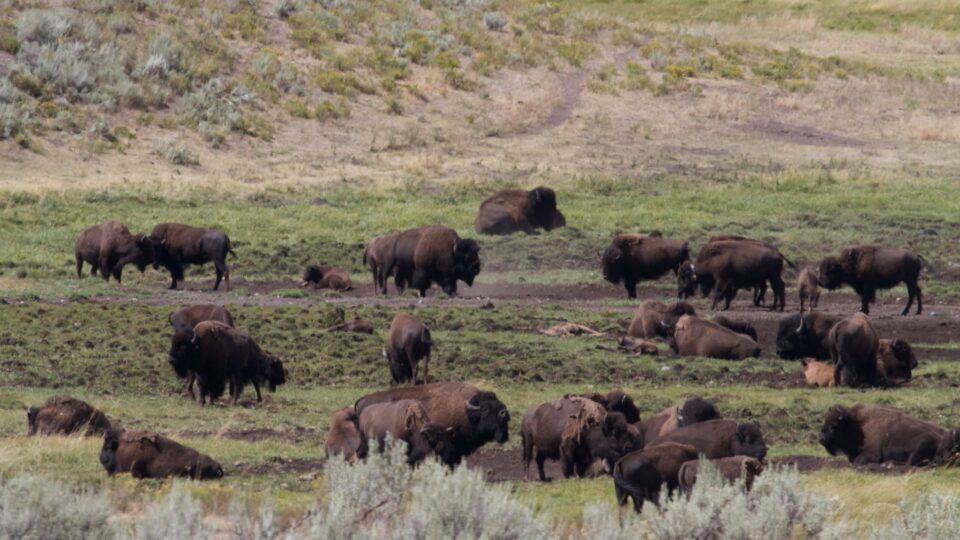
Bison in Yellowstone

The population of large herbivores in Yellowstone National Park has undergone many dramatic changes over the course of time.  The numbers of both the iconic Rocky Mountain elk and bison have gone up and down as a result of human interactions.

Bison, of course, once were a dominant species from east of the Appalachians to west of the Rocky Mountains, with most of an estimated 30 million living on the Great Plains.  As the west was settled, bison populations plummeted and by the late 1800s, they were nearly extinct.

When Yellowstone was established, there were exactly 22 bison in the park.  By 1925, there were more than 750 in the park and culling of the herd in the park’s Lamar Valley was practiced for the next four decades.

The elimination of predators like grey wolves and cougars in the early 1900s caused both elk and bison populations to mushroom and both underwent culling.  When culling was ended in 1968, there were 4,000 elk and 100 bison.  Within 20 years, those numbers were 20,000 and 1,000.   Reintroducing wolves and cougars reduced the elk population to about 5,000, but bison numbers have continued to grow, now reaching about 4,000.

While the long-term recovery of the Yellowstone bison herd is a major conservation success story, the fact is that bison are powerful ecosystem engineers.  Large numbers of them disrupt species distribution across scrub steppe and grasslands because of what they eat, trample, and rub their horns and bodies on.  They have a tremendous capacity to limit the structure and composition of ecosystems.

Park administrators have complicated management decisions to make to take into account the often wide range of ecological effects that abundant large herbivores can have on ecosystems.

**********

Web Links

Bison in northern Yellowstone proving to be too much of a good thing

Photo, posted August 10, 2016, courtesy of Brian Gratwicke via Flickr.

Earth Wise is a production of WAMC Northeast Public Radio.

Volunteer Tourism | Earth Wise

February 13, 2020 By EarthWise 1 Comment

volunteer tourism aids disaster recovery

Spending vacation time in a disaster zone seems like a crazy idea, but so-called volunteer tourism can actually be a big help to communities trying to recover from natural disasters.  It can also be a unique and rewarding experience for the volunteers.

Such volunteer tourism should not be confused with “disaster tourism”, the unfortunate practice of rushing to the scene of a calamity to gawk.  That is certainly no help to anyone.

When disaster strikes a destination usually frequented by tourists, people naturally tend to stay away, leaving communities to deal with the loss of tourism income on top of the costs of repair and recovery.

A study by UTS, a technology university in Sydney, Australia, looked at the effects of volunteer tourism in the wake of the April 2015 earthquake in Nepal.  They found that when it is done in an ethical matter than takes into account local conditions and the affected community, volunteer tourism can aid recovery and resilience.

In the months following the earthquake, most relief organizations asked international volunteers not to come unless they had specific expertise, such as medical skills, building skills, or emergency response experience.  Eventually, Nepal relaxed conditions to include volunteers to help rebuild homes and schools, to intern in hospitals, and to support NGOs and to re-establish sustainable agriculture.

According to the Nepal Association of Tour and Travel Agents, almost one third of the tours booked to Nepal in the two years after the earthquake comprised groups who combined tourism with volunteering or philanthropy.

Volunteer tourism isn’t for everyone and for every situation, but for places that rely on tourism for their economy, building volunteer tourism into the recovery process can be a good strategy.

**********

Web Links

Volunteer tourism can aid disaster recovery

Photo, posted July 2, 2015, courtesy of the World Humanitarian Summit via Flickr.

Earth Wise is a production of WAMC Northeast Public Radio.

The Cost Of Rising Seas

October 1, 2019 By EarthWise Leave a Comment

Coastal cities in the United States are grappling with the need for extensive infrastructure projects to protect against rising seas and worsening storms.  The cost of these projects will be enormous, and it is unclear how to pay to them.

Boston has many neighborhoods in low-lying areas, and it is estimated that $2.4 billion will be needed to protect the city from flooding.  The city abandoned plans to build a harbor barrier that would have cost $6 to $12 billion because it was economically unfeasible.

Charleston, South Caroline needs $2 billion to reduce flooding that occurs regularly during high tides.  The Houston, Texas area needs $30 billion to provide protection against a 100-year flood.  Hurricane Harvey caused $125 billion in damages in Texas in 2017.  New York City is considering a $10 billion storm surge barrier and floodgates to shield parts of the city from rising waters.

Florida faces the greatest exposure to flooding with an estimated $76 billion in costs to address some of its problems.

At the federal level, multiple agencies represent potential funding sources, but none offer the kind of money required to address the need.  This places a heavy burden on state and local governments.  Various states have passed legislation related to shoreline resiliency and flood abatement, but relatively little funding has been approved.  Some bond measures have passed, but the totals are small compared with what is needed.

Educating people about the costs of not doing anything or not doing enough soon enough is essential.  As Hurricane Katrina demonstrated, not spending a large amount of money on resilience can result in having to spend a colossal amount of money on recovery.

**********

Web Links

Who Will Pay for the Huge Costs of Holding Back Rising Seas?

Photo, posted December 26, 2013, courtesy of Flickr.

Earth Wise is a production of WAMC Northeast Public Radio.

Frogs Are In Big Trouble

May 22, 2019 By EarthWise Leave a Comment

Scientists first noticed in the 1970s that some frog populations were declining rapidly.  By the 1980s, some species appeared to be extinct.  The loss of frog species was mysterious because many were actually living in pristine habitats that did not face pollution or deforestation.

By the late 1990s, researchers had identified that frogs in widely different places around the world were infected with a deadly fungus called Batrachochytrium dendrobatidis – or Bd for short.  The fungus originated on the Korean peninsula, but the pathogen spread throughout the world, probably via the international trade in pet amphibians.  By 2007, researchers speculated that Bd might be responsible for all known declines of frogs that had no other apparent cause – about 200 species.

Recently, a group of 41 scientists published the first worldwide analysis of the fungal outbreak and the devastation turns out to be far worse than anyone had previously realized.  Populations of more than 500 species of amphibians have declined significantly because of the outbreak, including at least 90 species presumed to have gone extinct.  These figures are more than twice as large as earlier estimates.

According to biologists, Bd is now considered to be the deadliest pathogen known to science.  But the decimation of frogs peaked in the 1980s.  Today, although 39% of the species that suffered population declines in the past are still declining, 12% are showing signs of recovery, possibly because natural selection is favoring resistant animals.

There is cautious optimism for the surviving amphibian species, but scientists worry that another strain of Bd or some different species of fungus altogether may prove even deadlier.  The best we can do is not participate in moving pathogens around the world.

**********

Web Links

The Plague Killing Frogs Everywhere Is Far Worse Than Scientists Thought

Photo, posted June 19, 2010, courtesy of Chris Luczkow via Flickr.

Earth Wise is a production of WAMC Northeast Public Radio.

Deepwater Impacts Lingering

May 10, 2019 By EarthWise Leave a Comment

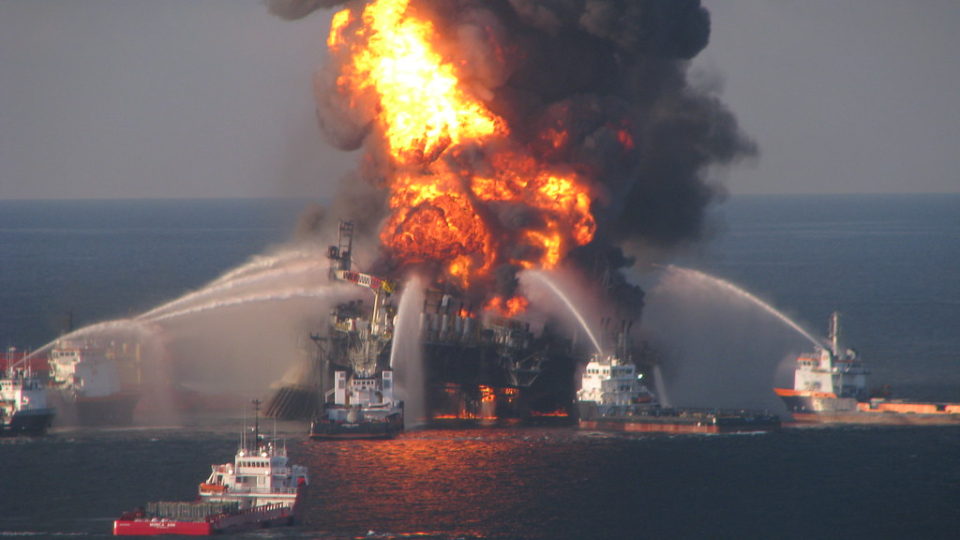
On April 20, 2010, an explosion on the BP-owned Deepwater Horizon drilling rig released an estimated 210 million of gallons of oil into the Gulf of Mexico.  Some of the oil was recovered, burned, or dispersed at sea, while some washed up onto coastal shorelines. 

Now, more than nine years later, a long-term study suggests the oil is still affecting the salt marshes of the Gulf Coast.  A multi-institutional research team began sampling in the region once the spill was contained and continue their work to this day.

The researchers found that heavily-oiled marsh areas remained less healthy than less polluted sites more than six years after the spill.  They fear that complete recovery of these oil-soaked regions will likely take more than a decade. 

But the researchers also discovered that salt marsh grasses play a key role in coastal wetland recovery.  Two plants dominate healthy salt marshes in the Gulf: smooth cordgrass and black needlerush.  Single-celled, plant-like organisms known as benthic microalgae also abound in healthy salt marshes, as do many small invertebrates. 

In heavily-oiled areas, the researchers found that nearly all the plants died, and benthic microalgae and small invertebrate populations declined significantly.  Importantly, however, they also found that it was only after smooth cordgrass started its comeback in these areas that invertebrate populations began to recover.  They noted that these salt marsh grasses provide habitat, bind soil, slow water, facilitate colonization, and fuel the food web. 

Plants are the foundation of and play a crucial role in salt marshes.  The researchers hope these findings will help shape the mitigation strategies of any future oil spills. 

**********

Web Links

Continuing impacts of Deepwater Horizon oil spill

Photo, posted April 21, 2010, courtesy of Deepwater Horizon Response via Flickr.

Earth Wise is a production of WAMC Northeast Public Radio.

  • Page 1
  • Page 2
  • Go to Next Page »

Primary Sidebar

Recent Episodes

  • An uninsurable future
  • Clean energy and jobs
  • Insect declines in remote regions
  • Fossil fuel producing nations ignoring climate goals
  • Trouble for clownfishes

WAMC Northeast Public Radio
WAMC/Northeast Public Radio is a regional public radio network serving parts of seven northeastern states (more...)
Copyright © 2026 ·