• Skip to primary navigation
  • Skip to main content
  • Skip to primary sidebar

Earth Wise

A look at our changing environment.

  • Home
  • About Earth Wise
  • Where to Listen
  • All Articles
  • Show Search
Hide Search
You are here: Home / Archives for projects

projects

Powering Amazon By The Sun | Earth Wise

June 29, 2020 By EarthWise Leave a Comment

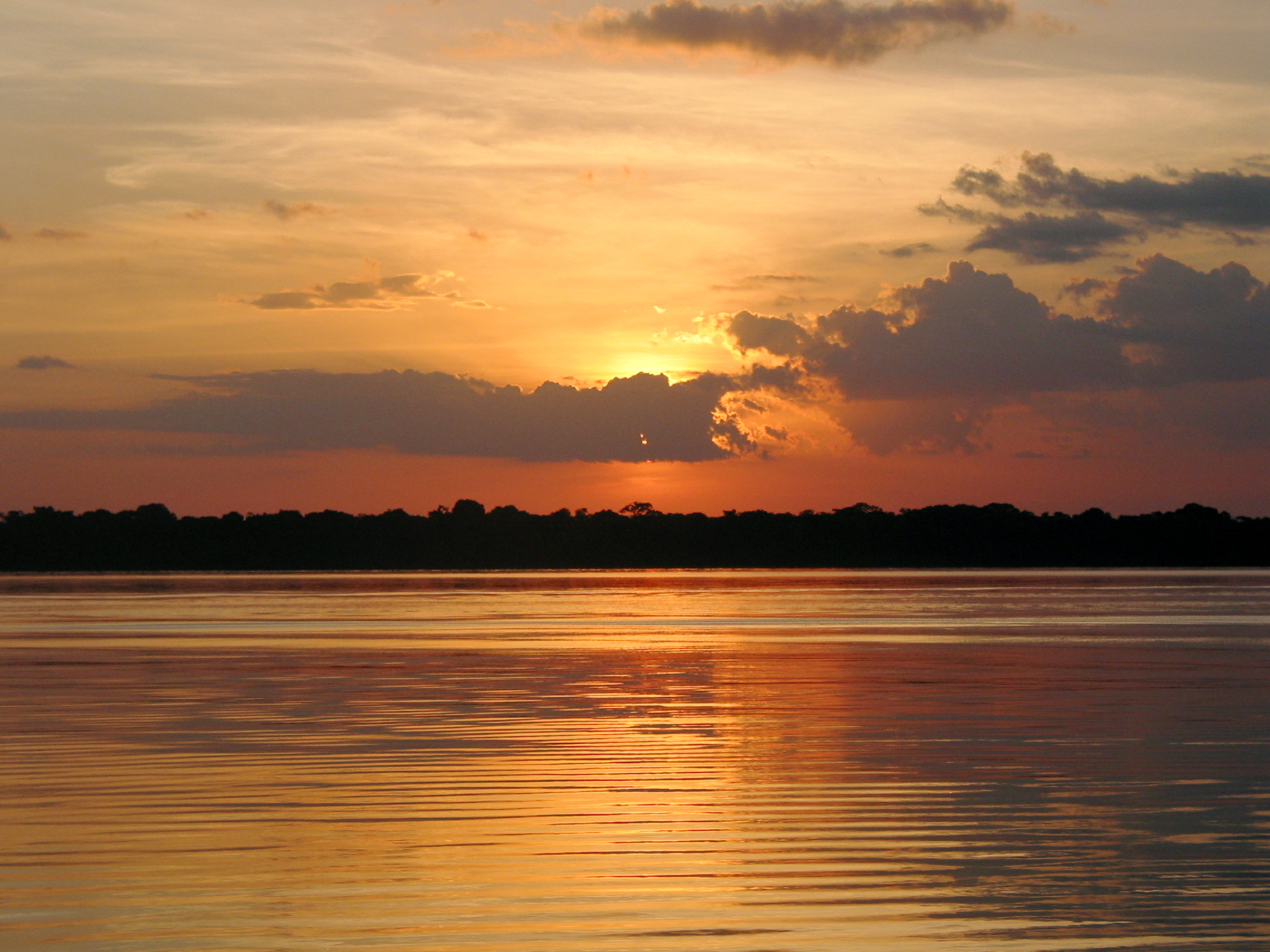
Amazon and solar power

Amazon.com is a multinational conglomerate company that sells nearly $300 billion dollars a year worth of products, employs over 800,000 people, and by any measure, consumes a tremendous amount of resources.  In terms of its environmental impact, Amazon is estimated to be responsible for the emission of 50 million tons of CO2 annually, which is more than the yearly total for countries like Switzerland, Ireland, New Zealand, Denmark, and about 140 other countries.

Amazon is trying to reduce its environmental impact.  The company recently announced five new renewable energy projects in China, Australia and the U.S. as part of its commitment to reach 80% renewable energy by 2024, 100% renewable energy by 2030, and to reach net zero carbon by 2040.

The projects include a 100 MW solar project in Shandong, China, a 105 MW solar project in New South Wales, Australia, two solar projects in Ohio (one 200 MW and one 80 MW), and a 130 MW solar project in Virginia.

To date, Amazon has announced 31 utility-scale wind and solar renewable energy projects as well as 60 solar rooftops on fulfillment centers and sort centers around the world.  Taken together, these projects provide almost 3 GW of capacity and will deliver more than 7.6 million MWh of renewable energy annually.

In order for the world to meet the climate goals set by the Paris Agreement, it will take more than just countries to make and keep commitments.   Whatever else one may think about Amazon’s place in the world, their latest efforts for the environment are a big step in the right direction.

**********

Web Links

Amazon announces five new utility-scale solar projects to power operations in China, Australia, and the US

Photo, posted November 16, 2018, courtesy of Todd Van Hoosear via Flickr.

Earth Wise is a production of WAMC Northeast Public Radio.
Storing CO2 Underground | Earth Wise

February 19, 2020 By EarthWise Leave a Comment

carbon dioxide and storage

Capturing the carbon dioxide emitted from power plants and factories and safely storing it so it can’t enter the atmosphere has long been an attractive and desirable goal.  Even though the use of renewable energy sources has been expanding rapidly, it will still be a long time before fossil fuel plants go away entirely.

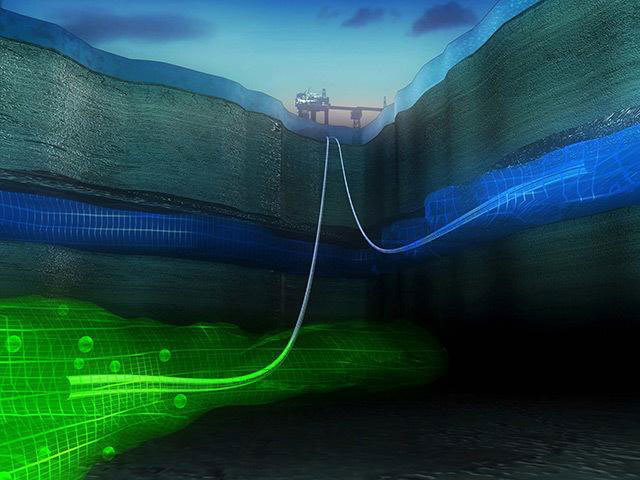
The most widely considered method of carbon capture and storage is underground storage.  The idea is to send the carbon dioxide through a pipeline to a place where underground rock formations can store it safely and permanently.  Typically, it would be pumped deep underground – often more than half a mile down – and the site would be monitored to make sure the CO2 doesn’t leak back up to the atmosphere or into the water table.

A new study looked at how much carbon dioxide the suitable geological formations on Earth can store.  The conclusion of the study is that drilling about 12,000 carbon storage wells globally could provide enough capacity to store 6 to 7 billion tons of CO2 a year by 2050.  That is about 13% of global emissions.

Drilling 12,000 wells is equivalent to the amount of oil and gas drilling that has taken place just in the Gulf of Mexico over the last 70 years.  The study identified locations worldwide that could handle the pressures associated with storing injected carbon dioxide.

So far, less than two dozen projects exist that capture and store carbon dioxide from fossil fuel plants.  In total, these plants can capture about 36 million tons a year, which is far less than what is needed.  But the new study at least shows that finding places to put captured carbon is not a problem.

**********

Web Links

Ample Geological Capacity Exists to Store Large Quantities of Captured CO2

Photo courtesy of Equinor.

Earth Wise is a production of WAMC Northeast Public Radio.

More Plastic Pollution On The Way | Earth Wise

January 31, 2020 By EarthWise Leave a Comment

Public concern about plastic pollution has been rising.  More and more of us are choosing reusable grocery bags, metal straws, and reusable water bottles.  We shake our heads at images of immense plastic garbage patches in the ocean. We see reports of birds with 15% of their body weight in plastic.

While all of this is going on, companies like ExxonMobil, Shell, and Saudi Aramco are ramping up production of plastic – which is mostly made from oil, gas, and their byproducts.  They are doing this as a hedge against the growing possibility that the global response to climate change will reduce demand for their fuels.  Plastics are part of the category called petrochemicals, which currently account for 14% of oil use.  Petrochemicals are expected to drive half of oil demand growth over the next 30 years.

The World Economic Forum predicts plastic production will double in the next 20 years.  The fracking boom in the United States has turned this country into a big growth area for plastic production.  Natural gas prices are low which is hurting profits at fracking operations.  But fracking also unearths ethane, which is a feedstock for plastic production.  So plastic is becoming a kind of subsidy for fracking.

The American petroleum industry’s hub has historically been the Gulf Coast of Texas and Louisiana as well as a stretch along the lower Mississippi River.  There is a slew of new projects there.  The industry is also seeking to create a new plastics corridor in Ohio, Pennsylvania, and West Virginia, where fracking wells are rich in ethane.

Society in general may be increasingly concerned about the impact of things like carbon emissions and plastic pollution, but the fossil fuel industry continues to focus entirely on growth and profits.

**********

Web Links

The Plastics Pipeline: A Surge of New Production Is on the Way

Photo, posted January 10, 2015 , courtesy of Daniel Orth via Flickr.

Earth Wise is a production of WAMC Northeast Public Radio.
The Potential For Offshore Wind

December 10, 2019 By EarthWise Leave a Comment

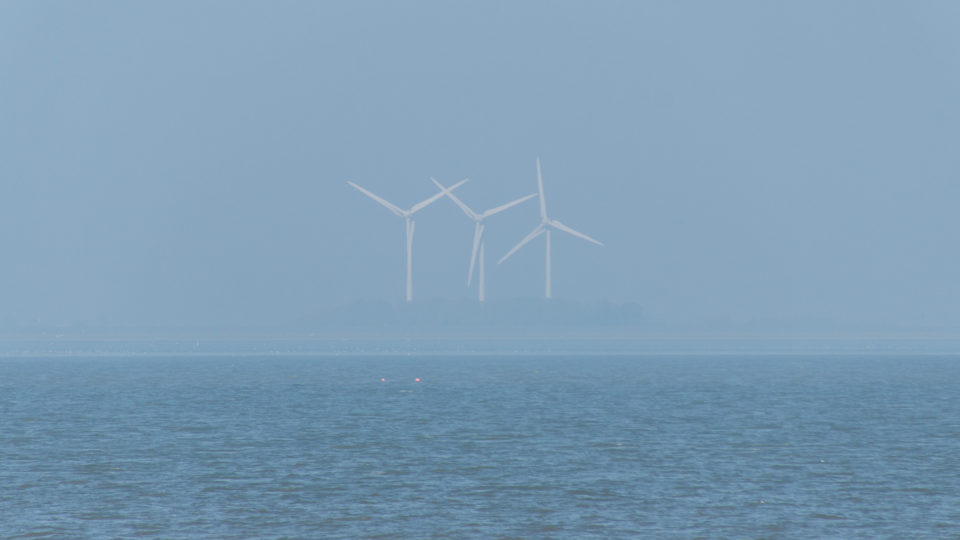
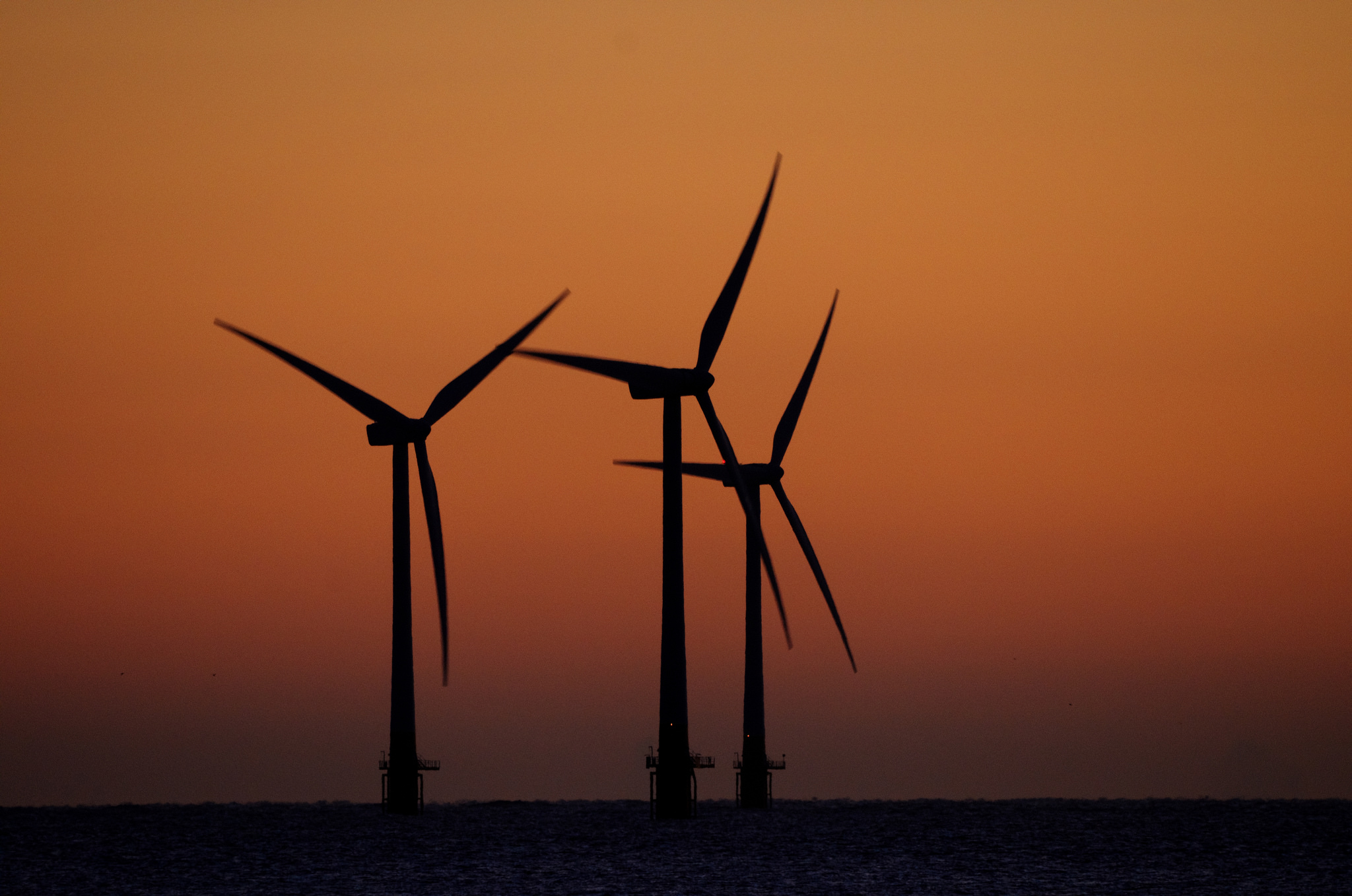
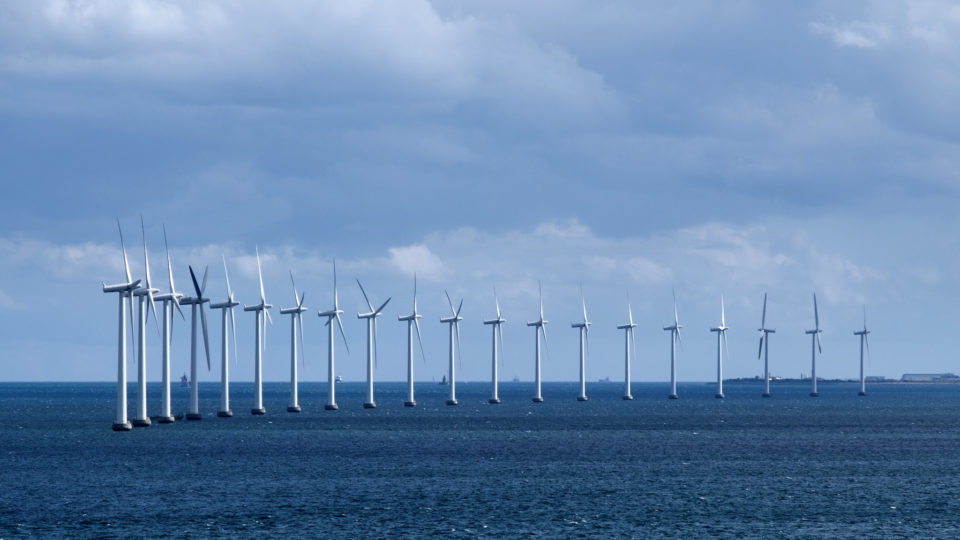
According to a new report from the International Energy Agency, offshore wind technology has vast potential for meeting our energy needs.  In total, offshore wind has the potential to generate more than 420,000 terawatt-hours of electricity each year, which is more than 18 times the global electricity demand that exists today.

Based on current policy targets and plummeting technology costs, offshore wind could increase 15-fold by 2040, becoming a $1 trillion industry and eliminating 5 to 7 billion tons of carbon dioxide emissions annually.

Offshore wind today generates just 0.3% of the world’s electricity, but its’ use is growing rapidly.  The industry has grown nearly 30% a year since 2010, and 150 new offshore projects are currently in development around the world.  The leading countries are in Europe – especially in the UK, Germany, and Denmark – but China is greatly expanding its offshore capacity and the US, India, Korea, Japan, and Canada are also expected to make large investments in offshore wind going forward.

Offshore wind is in a category of its own because it is considered a variable baseload power generation technology.  This is because the hourly variability of offshore wind is much lower than solar power or onshore wind.  Offshore wind typically fluctuates far less from hour-to-hour than the other variable energy sources.

Technology improvements and industry growth are driving steep cost reductions for offshore wind.  The cost of offshore wind is expected to be cut in half in the next five years, dropping to $60 per megawatt-hour, which is on par with solar and onshore wind and cheaper than new natural gas-fired capacity in Europe.

**********

Web Links

Offshore Wind Has the Potential to Fulfill Global Electricity Demand 18 Times Over

Photo, posted August 9, 2016, courtesy of Lars Plougmann via Flickr.

Earth Wise is a production of WAMC Northeast Public Radio.
Stranded Coal Assets In Japan

November 25, 2019 By EarthWise Leave a Comment

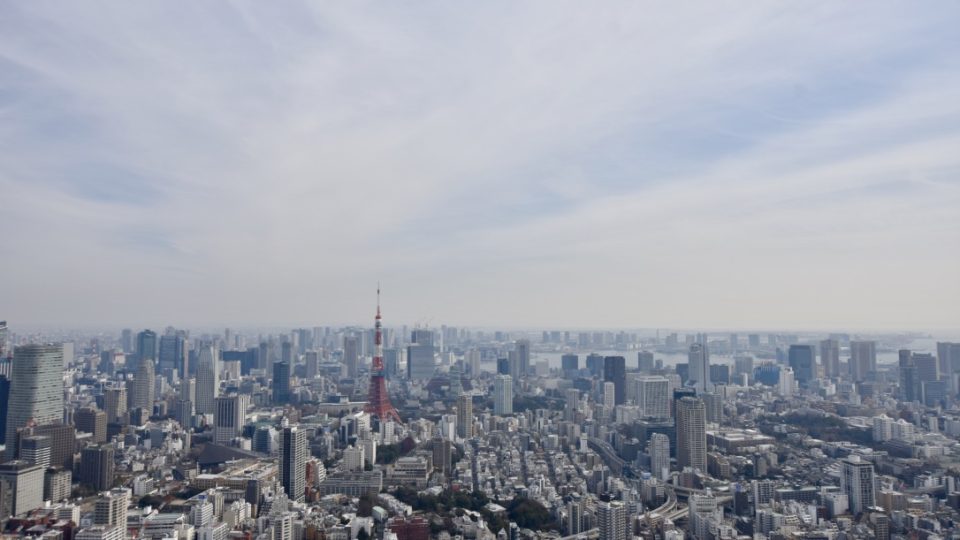
Japan is facing a looming financial problem as a result of heavy investments in coal technology that may quickly become stranded assets as renewable energy sources become increasingly inexpensive.

Japan is gradually adding more ambitious policies with regard to climate change including goals to reduce emissions and to have renewables become the main source of power over the next three decades.  But despite these policy efforts, Japan is still investing heavily in coal power.  Japan currently has 21 new coal projects with over 11 GW of under-construction, permitted or pre-permitted coal capacity.  But these tens of billions of dollars in assets would have to be closed prematurely in order to remain consistent with the goals of the Paris Climate Agreement.

According to a new report by the Carbon Tracker Initiative, a financial think tank, and the University of Tokyo, offshore wind power will be cheaper than coal in Japan by 2022, new solar cheaper by 2023, and onshore wind less expensive by 2025.  The price of offshore wind is already comparable to existing coal power in Japan.  Japan had a total of 55.5 GW of solar capacity last year and has the potential to reach 150 GW by 2030.

The report notes that 42% of the global coal fleet likely became unprofitable last year and this could rise to 72% by 2040.  The authors contend that building coal power today equals high-cost power and financial liabilities tomorrow.  The planned and operating coal capacity in Japan is partially protected by regulations that give coal generators an unfair advantage in the marketplace.  Ultimately, the stranded coal assets are likely to be passed down to consumers through higher power prices.

**********

Web Links

Land of the Rising Sun and Offshore Wind

Photo, posted April 25, 2019, courtesy of Jen via Flickr.

Earth Wise is a production of WAMC Northeast Public Radio.
The Cost Of Rising Seas

October 1, 2019 By EarthWise Leave a Comment

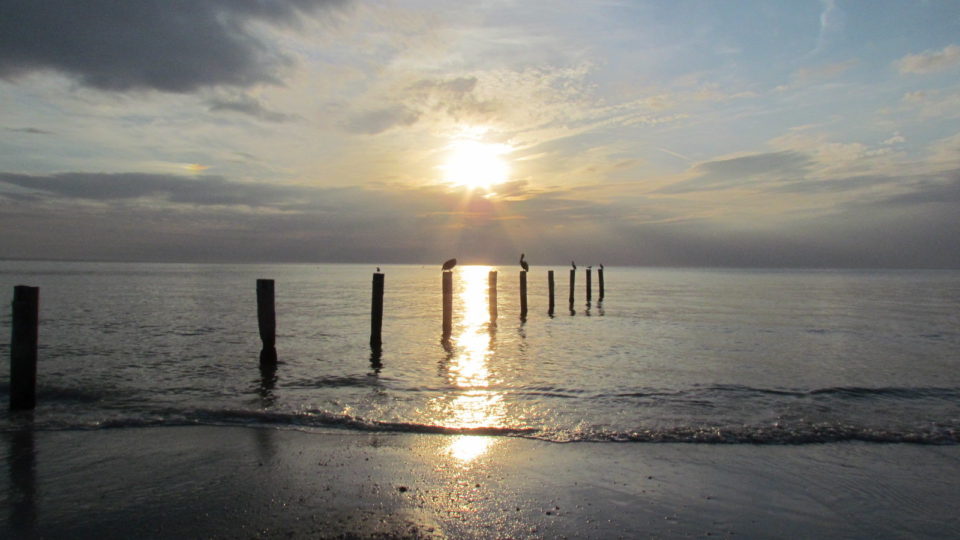
Coastal cities in the United States are grappling with the need for extensive infrastructure projects to protect against rising seas and worsening storms.  The cost of these projects will be enormous, and it is unclear how to pay to them.

Boston has many neighborhoods in low-lying areas, and it is estimated that $2.4 billion will be needed to protect the city from flooding.  The city abandoned plans to build a harbor barrier that would have cost $6 to $12 billion because it was economically unfeasible.

Charleston, South Caroline needs $2 billion to reduce flooding that occurs regularly during high tides.  The Houston, Texas area needs $30 billion to provide protection against a 100-year flood.  Hurricane Harvey caused $125 billion in damages in Texas in 2017.  New York City is considering a $10 billion storm surge barrier and floodgates to shield parts of the city from rising waters.

Florida faces the greatest exposure to flooding with an estimated $76 billion in costs to address some of its problems.

At the federal level, multiple agencies represent potential funding sources, but none offer the kind of money required to address the need.  This places a heavy burden on state and local governments.  Various states have passed legislation related to shoreline resiliency and flood abatement, but relatively little funding has been approved.  Some bond measures have passed, but the totals are small compared with what is needed.

Educating people about the costs of not doing anything or not doing enough soon enough is essential.  As Hurricane Katrina demonstrated, not spending a large amount of money on resilience can result in having to spend a colossal amount of money on recovery.

**********

Web Links

Who Will Pay for the Huge Costs of Holding Back Rising Seas?

Photo, posted December 26, 2013, courtesy of Flickr.

Earth Wise is a production of WAMC Northeast Public Radio.
Glacial Engineering

October 24, 2018 By EarthWise Leave a Comment

https://earthwiseradio.org/wp-content/uploads/2018/10/EW-10-24-18-Glacial-Engineering.mp3

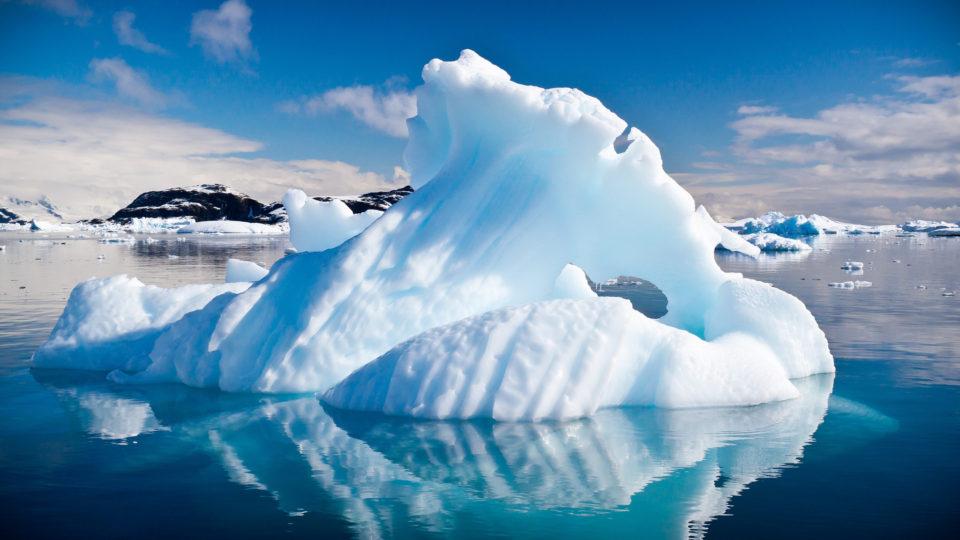
As the world struggles with trying to limit carbon emissions and slow the pace of global warming, there is increasing analysis of various forms of geoengineering.   Often, these consist of nearly unthinkable efforts to intervene in the climate on a global scale with unpredictable and possibly catastrophic consequences.

[Read more…] about Glacial Engineering

Deepwater Aquaculture

March 14, 2018 By EarthWise Leave a Comment

https://earthwiseradio.org/wp-content/uploads/2018/03/EW-03-14-18-Deepwater-Aquaculture.mp3

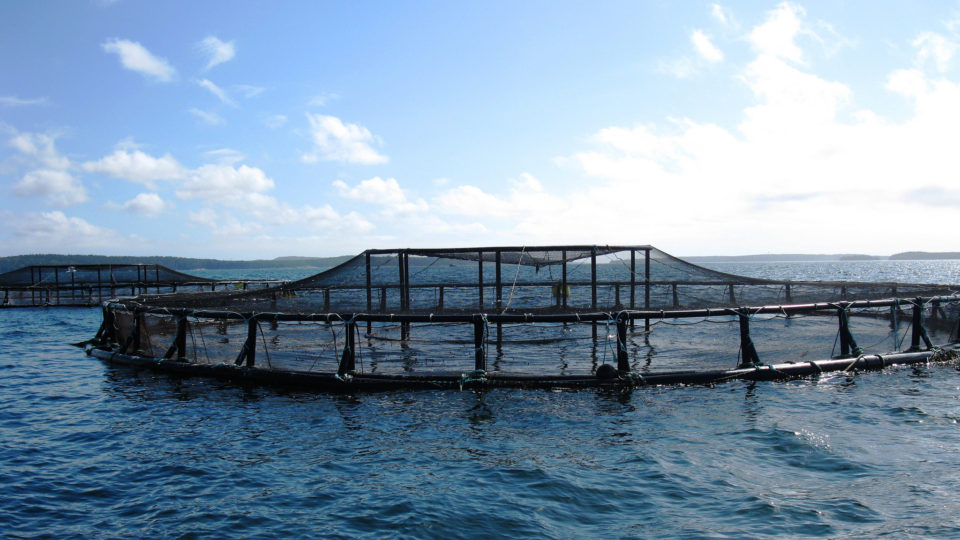
Near-shore fish farms have created many environmental problems.   Raising large numbers of fish creates concentrations of fish waste and sea lice, which can adversely impact near-shore ecosystems.

[Read more…] about Deepwater Aquaculture

The Restoration Economy

March 2, 2018 By EarthWise Leave a Comment

https://earthwiseradio.org/wp-content/uploads/2018/03/EW-03-02-18-The-Restoration-Economy.mp3

Deforestation is one of the largest contributors to climate change.  Forests cover about 30% of the world’s land area and are a crucial sink for carbon dioxide.   Over time, we have been steadily reducing the amount of forest in the world to obtain wood and timber, open up farmland, build towns and cities, produce paper, make palm oil, and mine for minerals.

[Read more…] about The Restoration Economy

Renewable Energy Trends

February 5, 2018 By EarthWise Leave a Comment

https://earthwiseradio.org/wp-content/uploads/2018/02/EW-02-05-18-Renewable-Energy-Trends.mp3

There are major trends going on in the renewable energy world.  Several will merit close attention this year.

[Read more…] about Renewable Energy Trends

Offshore Wind Progress

July 14, 2017 By EarthWise

https://earthwiseradio.org/wp-content/uploads/2017/07/EW-07-14-17-Offshore-Wind-Progress.mp3

Last December, the first commercial offshore wind farm in the United States started operation off the coast of Rhode Island.   The Fisherman’s Energy Atlantic City Windfarm off the coast of New Jersey is under construction.  With the lengthy logjam finally broken, there is increasing activity in the emerging U.S. offshore wind sector.

[Read more…] about Offshore Wind Progress

Renewable Energy Projects In The Northeast

June 2, 2017 By EarthWise

https://earthwiseradio.org/wp-content/uploads/2017/06/EW-06-02-17-Renewable-Energy-Projects-in-the-Northeast.mp3

The seven northeastern U.S. states that make up the Regional Greenhouse Gas Initiative have all set ambitious emissions reduction goals and renewable energy targets that will be difficult to meet.   For example, New York has the goal of getting 50% of its electricity from renewable sources by the year 2030.

[Read more…] about Renewable Energy Projects In The Northeast

Amazon In Peril

August 18, 2016 By WAMC WEB

https://earthwiseradio.org/wp-content/uploads/2016/07/EW-08-18-16-Amazon-in-Peril.mp3

A constitutional amendment being discussed in the Brazilian Senate threatens to set back decades of conservation efforts in the Amazon.

[Read more…] about Amazon In Peril

  • « Go to Previous Page
  • Page 1
  • Page 2
  • Page 3

Primary Sidebar

Recent Episodes

  • An uninsurable future
  • Clean energy and jobs
  • Insect declines in remote regions
  • Fossil fuel producing nations ignoring climate goals
  • Trouble for clownfishes

WAMC Northeast Public Radio

WAMC/Northeast Public Radio is a regional public radio network serving parts of seven northeastern states (more...)

Copyright © 2026 ·