• Skip to primary navigation
  • Skip to main content
  • Skip to primary sidebar

Earth Wise

A look at our changing environment.

  • Home
  • About Earth Wise
  • Where to Listen
  • All Articles
  • Show Search
Hide Search
You are here: Home / Archives for problem

problem

Ending plastic separation anxiety

December 27, 2023 By EarthWise Leave a Comment

Petroleum-based plastics are one of the biggest environmental problems we face.  They mostly end up in landfills – or worse, in the oceans and elsewhere in the environment – and they basically don’t decompose over time.  Bio-based plastics were invented to help solve the plastic waste crisis.  These materials do break down in the environment providing a potential solution to the problem.  But it turns out that they can actually make plastic waste management even more challenging.

The problem is that bioplastics look and feel so similar to conventional plastics that they get mixed in with the petroleum-based plastics rather than ending up in composters, where they can break down as designed.

Mixtures of conventional and bioplastics end up in recycling streams where they get shredded and melted down, resulting in materials that are of very poor quality for making functional products.  The only solution is to try to separate the different plastics at recycling facilities, which is difficult and expensive to do.

Scientists at Lawrence Berkeley National Laboratory, the Joint BioEnergy Institute, and the incubator company X have invented a simple “one pot” process to break down mixtures of different types of plastic using naturally derived salt solutions and specialized microbes and then produce a new type of biodegradable polymer that can be made into fresh commodity products.

The team is experimenting with various catalysts to find the optimum way to break down polymers at the lowest cost and are modeling how their processes can work at the large scales of real-world recycling facilities. Chemical recycling of plastics is a hot topic but has been difficult to make happen economically at the commercial scale.

**********

Web Links

Putting an End to Plastic Separation Anxiety

Photo, posted November 28, 2016, courtesy of Leonard J Matthews via Flickr.

Earth Wise is a production of WAMC Northeast Public Radio
Актуальная ссылка на Мега сайт обеспечивает удобный и быстрый доступ к площадке.

Uncounted emissions

December 20, 2023 By EarthWise Leave a Comment

Most countries around the world have pledged to cut their carbon emissions to try to reduce the effects of climate change.  The extent to which countries are meeting their emission reduction goals has been the primary way of keeping score on their efforts.  But there is a major problem with this scorekeeping system: exporting fossil fuels does not count as part of a country’s contributions to emissions.

Exports of fossil fuel are the driving force of fossil fuel expansion around the world and a significant fraction of those exports come from powerful and wealthy nations that are essential to the effort to reduce carbon emissions.

Our own country is a prime example.  The U.S. is working to cut back its carbon emissions.  The Inflation Reduction Act is driving the reduction of domestic use of oil, gas, and coal and is providing subsidies for the use of heat pumps and the buildout of EV charging networks.  However, at the same time, U.S. production of fossil fuels is booming, driving substantial profits for that industry.  The result is that much of the expanding supply of fossil fuels is headed overseas.

American liquified natural gas exports are growing rapidly.  Estimates are that by 2030, United States LNG exports will be responsible for more greenhouse gas emissions than every house, car, and factory in the European Union.  And, according to the UN emissions accounting system, none of those emissions will be attributed to the United States. 

The situation is rather disastrous.  Countries use this loophole to claim they are doing their part to reduce emissions, but the world is continuing to suffer the consequences.

**********

Web Links

Uncounted Emissions: The Hidden Cost of Fossil Fuel Exports

Photo, posted January 9, 2015, courtesy of Bernard Spragg via Flickr.

Earth Wise is a production of WAMC Northeast Public Radio

Food and the climate crisis

December 18, 2023 By EarthWise Leave a Comment

Farm-free food could help mitigate climate warming

Agriculture is a major part of the climate problem and remains one of the hardest human activities to decarbonize.  It’s responsible for approximately 25% of global greenhouse gas emissions. 

Many experts contend that alternative food sources – like insect farming and seaweed aquaculture – are part of the solution.  Additionally, expanding production of climate resilient food crops, including quinoa, kernza, amaranth, and millet, likely also have a role to play. 

But according to a new study led by researchers from the University of California – Irvine, another solution to this problem may be to eliminate farms altogether.  In the study, which was recently published in the journal Nature Sustainability, the research team explored the potential for wide scale synthetic production of dietary fats through chemical and biological processes.  The materials needed for this method are the same as those used naturally by plants: hydrogen (in water) and carbon dioxide (in the air).   

The research team highlighted some of the potential benefits of farm-free food, including reduced water use, less pollution, localized food production, and less risk to food production from weather. 

Cookies, crackers, chips, and many other grocery products are made with palm oil, a dietary fat that continues to be a major driver of deforestation around the world.  However, it remains to be seen how consumers would react if the oil used to bake their cookies came from a food refinery up the road instead of a palm plantation in Indonesia.     

According to the researchers, depending on food refineries instead of tropical plantations for dietary fats could mitigate lots of climate-warming emissions while also protecting land and biodiversity.

**********

Web Links

UC Irvine-led science team shows how to eat our way out of the climate crisis

Photo, posted July 15, 2008, courtesy of Quinn Dombrowski via Flickr.

Earth Wise is a production of WAMC Northeast Public Radio

Wild pigs in the U.S.

November 17, 2023 By EarthWise Leave a Comment

Wild pigs are a big problem

In the U.S., there are as many as nine million feral swine living in 38 states.  A conservative estimate indicates that they cause about $1.5 billion in property and agricultural damage each year in this country. 

Pigs were introduced to the United States centuries ago as a food source, but they quickly established wild populations. Feral domestic pigs bred with purebred Eurasian boar that were introduced for hunting, and these hybridized wild pigs spread across the landscape thanks to their prolific reproductive rates and willingness to eat just about anything.

When wild pigs forage, they upturn roots and soil with their snouts, damaging natural habitats and other animals. A 2021 study found that wild pigs are releasing over five million tons of carbon dioxide annually by uprooting carbon trapped in soil. 

As a result, many programs were implemented nationwide to try to reduce populations, usually through lethal methods. 

According to new research from the University of Georgia’s Savannah River Ecology Laboratory and Warnell School of Forestry and Natural Resources, recent conservation efforts have proven effective at controlling wild pig populations in the Southeastern U.S.  Within 24 months of the start of control efforts in the study area in South Carolina, the research team found a reduction of about 70% in relative abundance of pigs, and a corresponding decline in environmental rooting damage of about 99%.

Wild pigs are basically a human-caused problem, and controlling their populations will require continued cooperation and collaboration. 

**********

Web Links

Wild pig populations in U.S. can be managed

Wild Pigs And The Environment

Photo, posted January 28, 2013, courtesy of Don and Janet Beasley via Flickr.

Earth Wise is a production of WAMC Northeast Public Radio
Plastics and agriculture 

November 14, 2023 By EarthWise Leave a Comment

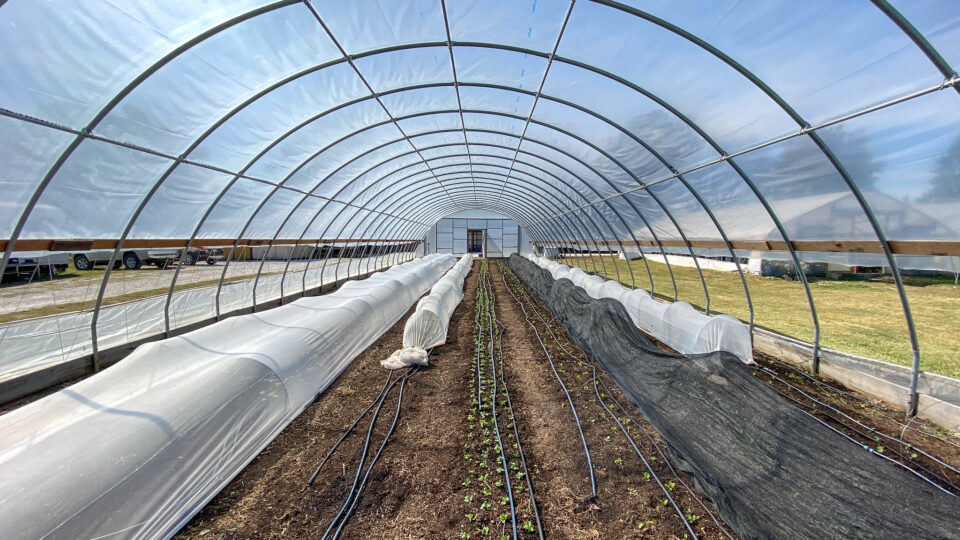
Once celebrated as a symbol of modern innovation, plastic is now both a blessing and a curse of our time.  Since the 1950s, more than nine billion tons of plastic have been produced, and 50% of that has been during the past 15 years.  Plastic is ubiquitous in every sector, and agriculture is no different.

Modern agriculture is responsible for almost a third of global greenhouse gas emissions and is a major drain on the planet’s resources.  Modern agriculture is also inextricably linked to plastic. In fact, more than 13 million tons of plastic are used in agriculture every year.  It’s nearly impossible to imagine modern agriculture without plastics. 

But according to a new study led by researchers from Rutgers University, plastic use in agriculture must be reduced in order to mitigate pollution, and prevent toxic chemicals from leaching into the soil and adversely affecting human health. 

In the study, which was recently published in Nature Communications Earth & Environment, the researchers found that it is essential to adopt a strategic approach to mitigate plastic pollution in agriculture, including responsible usage, reduction, efficient collection, reuse, and the implementation of innovative recycling methods. 

According to the researchers, when these sustainable approaches aren’t possible, biodegradable and nontoxic bioplastics should be used.  The research team insists that environmentally benign additives should be mandated in order to reduce plastic toxicity. 

Plastic pollution is a problem that needs to be addressed in every sector. 

**********

Web Links

Plastic Use in Agriculture Must be Reduced, According to New Research

How can the use of plastics in agriculture become more sustainable?

Photo, posted November 12, 2022, courtesy of Kevin Dooley via Flickr.

Earth Wise is a production of WAMC Northeast Public Radio
Lots of female turtles

November 3, 2023 By EarthWise Leave a Comment

Climate change threatening the future of green sea turtles

Green sea turtles were listed under the Endangered Species Act in 1978.  Since that time, there have been conservation measures put in place in many locations.  One such place is Florida, where restrictions on beachfront development and careful monitoring of turtle nests has helped to get hatchlings safely into the water.  A gill net ban in 1995 sharply reduced the number of young turtles killed by fishing gear.

All of this has resulted in what is described as an explosion in turtle populations in Florida.  Volunteers monitoring the 2023 nesting season on Florida’s beaches have counted more than 74,000 nests.  That beats the previous record – set in 2017 – by an incredible 40%.

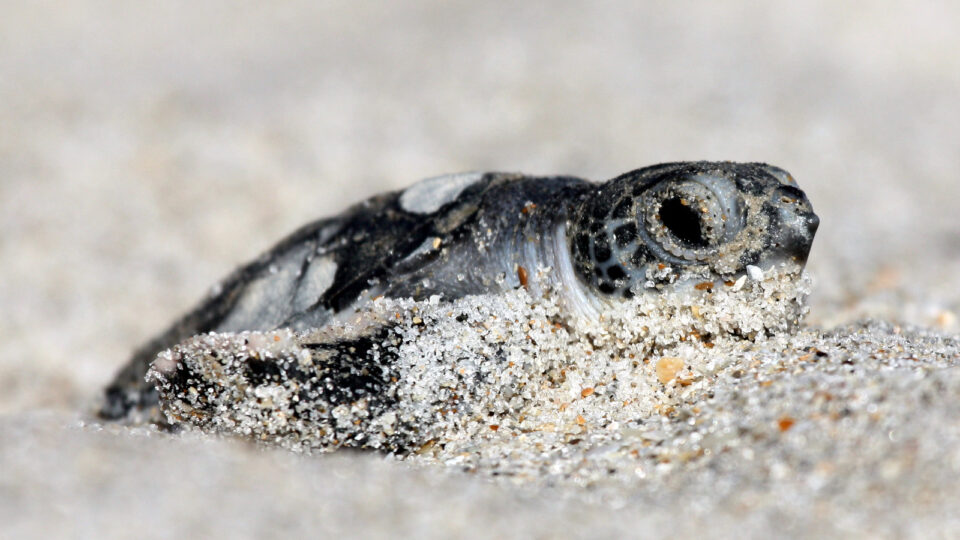
Unfortunately, this does not represent a guaranteed great future for the species.  Sea turtles are particularly sensitive to the warming climate.  The sex of a baby sea turtle is not determined by DNA, but rather by the temperature of the sand in which its egg develops.  Cooler temperatures mean more males; warmer ones mean more females.

In recent years, the proportion of male green sea turtles has dwindled substantially.  In the past few seasons, between 87 percent and 100 percent of the hatchlings tested in Florida have been female.

In the short term, the skewed sex ratio might be a boon for the species.  Lots of females laying lots of eggs means lots of turtles.  Sea turtles don’t reach sexual maturity until their twenties or thirties.  So, for the next few decades, there are likely to be growing numbers of turtle nests.  But down the line, there is going to be a real problem.  Where will for all the female turtles find the mates to populate the species in the future?

**********

Web Links

Florida Turtle Nests Are Recovering. When They Hatch, Expect Mostly Girls.

Photo, posted October 5, 2011, courtesy of Keenan Adams / USFWS via Flickr.

Earth Wise is a production of WAMC Northeast Public Radio

The Captive Lion Problem | Earth Wise

September 25, 2023 By EarthWise Leave a Comment

In the 1990s, there was rapid growth in South Africa of the private wildlife industry.  Large numbers of cattle, sheep, and goat ranchers replaced their domestic livestock with wild animals that wealthy hunters would pay lots of money to shoot.  Lions were among the most prized targets for these people.  Over time, hundreds of ranchers became involved in the business of breeding large numbers of the big cats in cages or small enclosures.  Wealthy clients paid $25,000 to $40,000 to shoot a captive-bred lion – cheaper than the cost of a true wild lion hunt and much easier too.  The animals were not afraid of humans and were easy to find.

By 2015, about 200 ranches held at least 8,000 captive-bred lions.  Over 600 were trophy-hunted that year, generating about $16 million in trophy fees, mostly from Americans.

Journalists and conservationists exposed poor conditions on many lion farms and many other abuses.  Over time, the South African government cracked down on the export of lion bones and other body parts for taxidermy, traditional Chinese medicine, and other uses.  The days of captive lion breeding seemed numbered but shutting down the lucrative industry is not easy.

Wild lions in South Africa are not endangered.  In fact, existing sanctuaries and preserves have as many lions as they can sustain.  What to do with thousands of captive lions is a real problem.  Some have suggested mass euthanasia, but that appalling idea has garnered very little support.  The future of these animals still hangs in the balance and so far, there are really no truly desirable solutions in the offing.

**********

Web Links

If South Africa Ends Lion Breeding, What to Do With Captive Cats?

Photo, posted August 21, 2011, courtesy of Leszek Leszczynski via Flickr.

Earth Wise is a production of WAMC Northeast Public Radio
Lakes Are Shrinking | Earth Wise

September 11, 2023 By EarthWise Leave a Comment

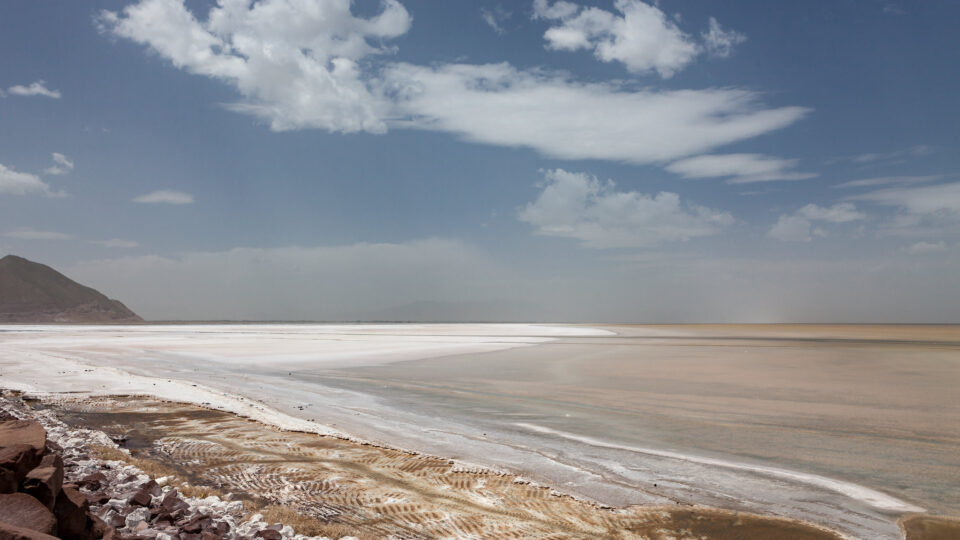
A study by the University of Colorado Boulder has found that more than half of the world’s largest lakes have shrunk over the last three decades.  This is a very big problem because about one-quarter of the Earth’s population lives in the basin of a drying lake.  People depend on lakes for drinking water and irrigation and lakes are central to the survival of local ecosystems as well as migrating birds.  Lakes cover only about 3% of the planet, but they hold nearly 90% of the liquid surface freshwater.

The study used satellite observations from 1992 to 2020 to estimate the area and water levels of nearly 2,000 freshwater bodies.  These account for 96% of Earth’s total natural lake storage and 83% of that in man-made reservoirs.  About 53% of the world’s lakes have clearly shrunk, while only 22% have gained water.  The study estimates that about 160 trillion gallons of water has been lost over the 28-year period.  That’s about 17 times the maximum capacity of Lake Mead, the largest reservoir in the United States.

Many of the world’s most significant lakes have been shrinking. The dramatic declines in Lake Mead have been headline news for years.  The Caspian Sea, which is the world’s largest inland body of water – has long been declining.

The main causes of the decline in natural lakes are climate change and human consumption.  Reservoirs face an additional major problem of sediment buildup which reduces their storage capacity and diminishes their benefits of water supply, flood control, and hydropower.

Lake loss is a big problem.

**********

Web Links

More than half of the world’s largest lakes are drying up

Photo, posted April 10, 2018, courtesy of Ninara via Flickr.

Earth Wise is a production of WAMC Northeast Public Radio

Upcycling Plastic Waste | Earth Wise

August 23, 2023 By EarthWise Leave a Comment

People have generated 8 billion tons of plastic waste over time and less than 10% of it has been recycled.  Millions of tons of it escapes into the oceans.  Plastic piles up virtually everywhere on earth.

There are many approaches to dealing with the plastic waste problem and no one of them is a magic bullet.  Engineers at Stanford University have investigated the prospects for upcycling plastic waste for use in infrastructure like buildings and roads.

They used a mix of computer modeling, scientific research, experimental and field data to analyze the potential for using plastic waste in infrastructure.

Among their findings is that recycled glass fiber reinforced polymer composite – which is a tensile plastic commonly used in car, boat, and plane parts – is a promising material for reuse in buildings. 

Roads in which waste plastic is melted down and mixed with conventional paving materials are becoming more common around the world.  India has installed over 60,000 miles of these roads.  Studies show that roads containing waste plastic have the potential to perform better than conventional roads.  They can last longer, are more durable, can tolerate wide temperature swings, and are more resistant to water damage, cracking, and potholes.  Such roads rely less upon virgin fossil resources, which is obviously advantageous.

Upcycling plastic waste in infrastructure is attracting increasing interest because it creates value from something that is strictly a liability and may end up having regulatory advantages as societies move toward more environmentally friendly and sustainable policies.

**********

Web Links

Can we use plastic waste to build roads, buildings, and more?

Photo, posted October 7, 2022, courtesy of the Grand Canyon National Park via Flickr.

Earth Wise is a production of WAMC Northeast Public Radio
Solar Power And Water | Earth Wise

August 8, 2023 By EarthWise Leave a Comment

Solar power and water conservation in California

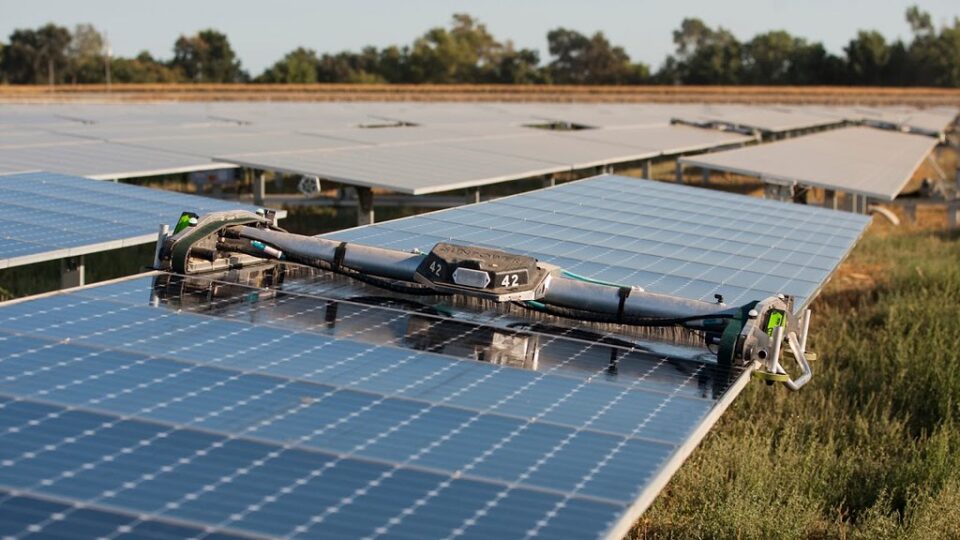
Solar power is a prime example of clean energy, but it does not come without complications and potential problems.  One problem that has arisen in the Californian desert is the effect on scarce water supplies.  Solar farms don’t use up water when they are operating but they consume it when they are being built.

One of the densest areas of solar development in North America is in a corridor along Interstate 10 near Palm Springs, California.  Multiple utility-scale solar projects are underway near the small town of Desert Center.  The projects are being built on public land overseen by the Department of Interior’s Bureau of Land Management.  The location is ideal for solar power projects:  endless sunshine, nearby transmission lines to distribute power, and a major highway for easy transportation of construction materials.

The problem is that during construction of the solar farms, the law requires developers to reduce the amount of dust being generated that can otherwise spread health problems like Valley Fever.  Preventing dust from flying requires water and lots of it.

The water comes from groundwater and building the solar farms is drying up local wells and emptying the aquifer that is part of the Chuckwalla Valley Groundwater Basin.  For the people who live in Desert Center and adjacent areas, this is a serious problem. It is also a problem for the desert ecosystem that supports palo verde and ironwood trees as well as endangered desert tortoises.

This isn’t an easy problem to solve. Seven approved new utility-scale solar projects in the area will provide enough electricity to power 2 million homes. But having enough water to build those projects won’t be easy.

**********

Web Links

Solar Is Booming in the California Desert, if Water Issues Don’t Get in the Way

Photo, posted October 16, 2017, courtesy of UC Davis College of Engineering via Flickr.

Earth Wise is a production of WAMC Northeast Public Radio
Removing Carbon Dioxide Won’t Get the Job Done | Earth Wise

May 31, 2023 By EarthWise Leave a Comment

Limiting global warming to no more than 1.5-2 degrees Celsius above pre-industrial levels is a crucial goal for humankind.  Countries, companies, and other organizations around the world have committed to achieving ‘net zero’ emissions.  This is distinct from zero emissions in that it includes removing carbon dioxide from the atmosphere to offset the amounts we are putting into it.  Carbon dioxide removal is increasingly touted as the way to achieve emission goals.  But it is a realistic strategy?  According to a recent paper by a leading climate scientist in the journal Nature, the answer in the short term is decidedly no.

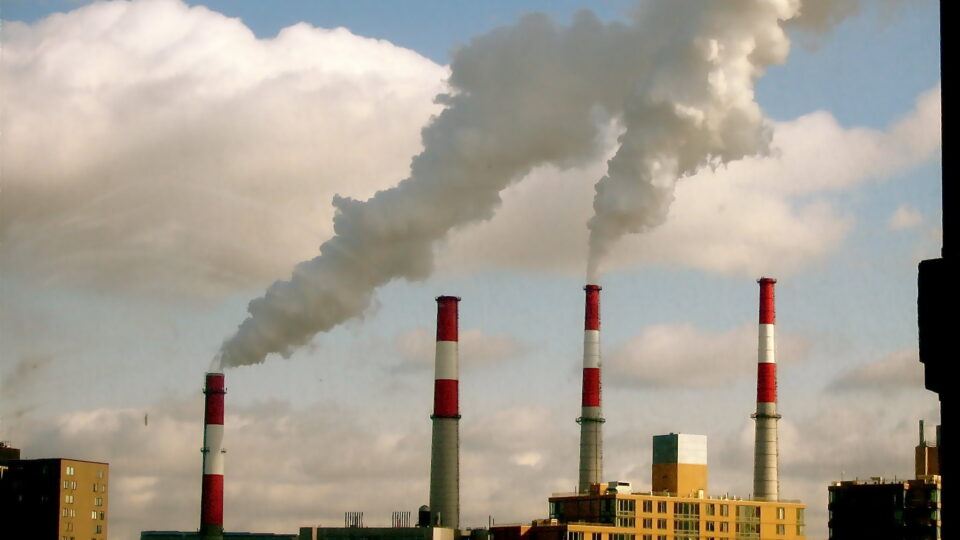
In 2022, the world emitted 45 billion tons of carbon dioxide into the atmosphere.  Last year’s bipartisan Infrastructure Law earmarked $3.5 billion for developing four direct air capture hubs in the US.  Each of these is expected to eventually be able to extract a little over a million tons of CO2 from the air each year. These hubs combined would therefore remove about 52 minutes’ worth of the year’s emissions over the course of the year. 

The bottom line is that unless we drastically reduce emissions, all the carbon dioxide removal strategies combined will scarcely make a dent in the problem.

We will never be able to eliminate all sources of emissions, particularly from certain industries, and carbon dioxide removal will be a very important technology to address those emissions, but in the big picture, it is essential that the world decarbonizes as much as possible and as soon as possible.

**********

Web Links

Carbon dioxide removal is not a current climate solution — we need to change the narrative

Photo, posted January 19, 2009, courtesy of Wladimir Labeikovsky via Flickr.

Earth Wise is a production of WAMC Northeast Public Radio
Hydrogen And The Methane Problem | Earth Wise

April 24, 2023 By EarthWise Leave a Comment

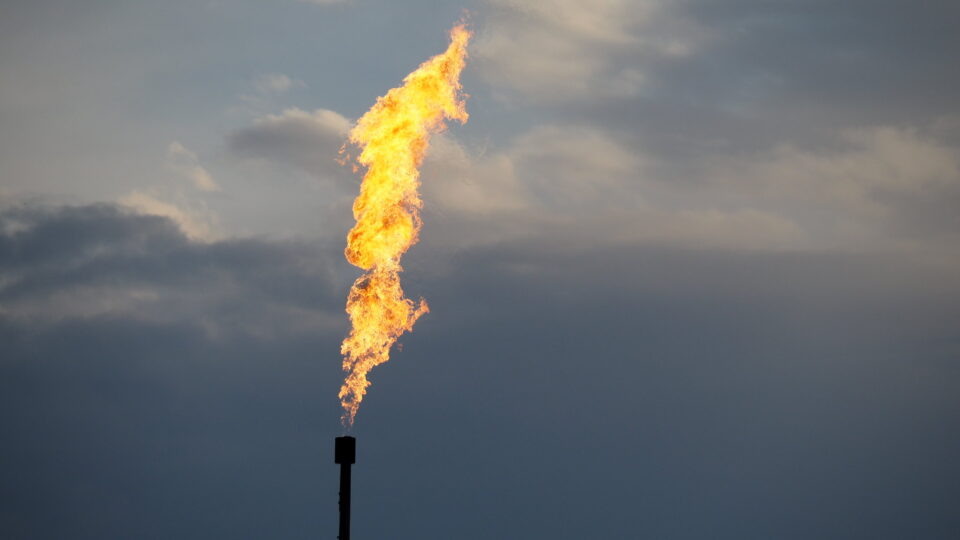
Theoretically, hydrogen could be the fuel of the future.  It is the most common element in the universe and its combustion produces no harmful emissions.  Most industrial hydrogen comes from a process called steam reforming that extracts it from natural gas – basically methane.  Carbon dioxide is a byproduct of the process.   But it is also possible to get hydrogen by breaking down water resulting only in oxygen as a byproduct.   There is a great deal of ongoing development of so-called green hydrogen.

New research from Princeton University and the National Oceanic and Atmospheric Administration has uncovered a potential problem associated with the use of hydrogen as a clean fuel. 

There is a molecule in the atmosphere called the hydroxyl radical.  It is known as “the detergent of the troposphere”.  It plays a critical role in eliminating greenhouse gases such as methane and ozone from the atmosphere.  It turns out that the hydroxyl radical also reacts with any hydrogen gas in the atmosphere and there is only so much hydroxyl to go around.  If large amounts of hydrogen were to enter the atmosphere, much of the hydroxyl radical would be used up reacting with it and there would be much less available to break down methane.  As a result, there would end up being more methane in the atmosphere, and methane is a powerful greenhouse gas.

The bottom line is that there would need to be proactive efforts to limit the amount of hydrogen getting into the atmosphere whether from producing it, transporting it, or anyplace else in the value chain.  Otherwise, the hydrogen economy would cancel out many of the climate benefits of eliminating fossil fuels.

**********

Web Links

Switching to hydrogen fuel could prolong the methane problem

Photo, posted June 12, 2021, courtesy of Clean Air Task Force via Flickr.

Earth Wise is a production of WAMC Northeast Public Radio
Air Pollution In The Arctic | Earth Wise                     

March 8, 2023 By EarthWise Leave a Comment

Climate change is shrinking the Arctic ice cover, which is making it easier for ships to travel along the northern coast of Russia, known as the Northern Sea Route or the Northeast Passage.  There is also the Northwest Passage, which connects the Atlantic and Pacific Oceans via waterways through the Canadian Arctic Archipelago.

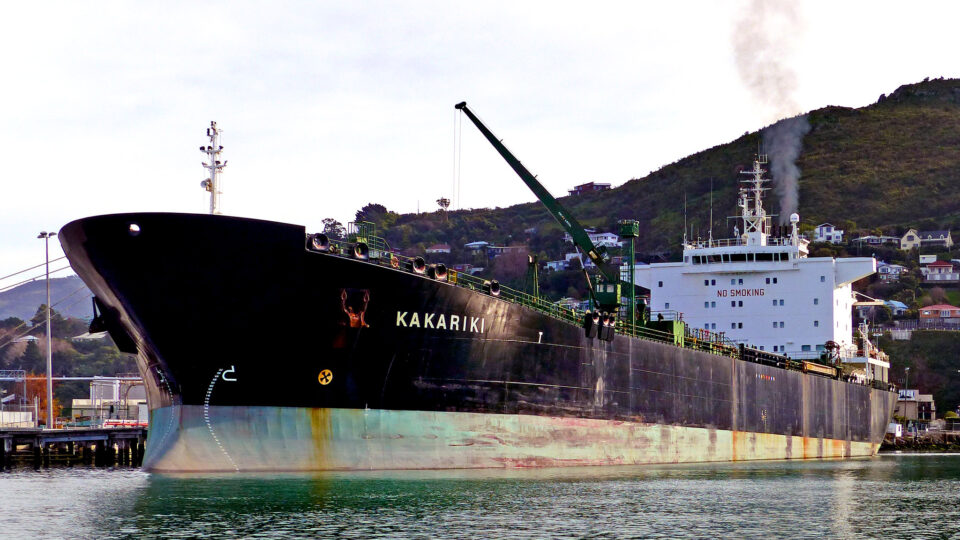
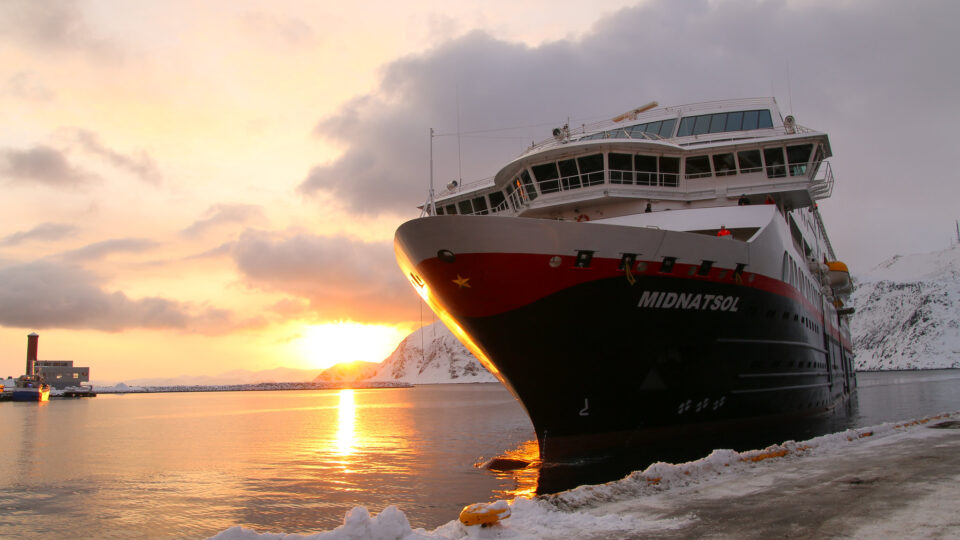
More than 600 fishing vessels sail the waters of the Arctic Ocean, but these fishing vessels are not the worst offenders when it comes to the growing problem of air pollution.  Giant natural gas tankers are becoming a much bigger problem.

In 2021, only 26 natural gas tankers traveled through Arctic waters.  But these ships can be 1000 feet long or more and produce far more CO2 emissions than fishing boats.   In 2019, the tankers accounted for 28% of the emissions and the number of them cruising the Arctic has been growing.

As the ice cover in the Arctic continues to shrink, more and more ships of all varieties, including cruise ships, fishing vessels, as well as tankers, are coming north and spending more time in the Arctic.  Any increases in ship traffic will increase the pollutant load in the Arctic and the Arctic is one of the most vulnerable environments in the world.

Between 2013 and 2019, the aggregated nautical miles that vessels traveled in what is called the Polar Code area increased by 75%. It isn’t just that more ships like tankers are going there.  It is that their operational season is expanding.

Air pollution isn’t the only problem.  Shipping in the Arctic brings with it light pollution, noise, marine litter, and more.  Only zero activity has zero pollution.

**********

Web Links

The worst polluters in the Arctic are not what you think

Photo, posted February 26, 2015, courtesy of Chris Parker via Flickr.

Earth Wise is a production of WAMC Northeast Public Radio
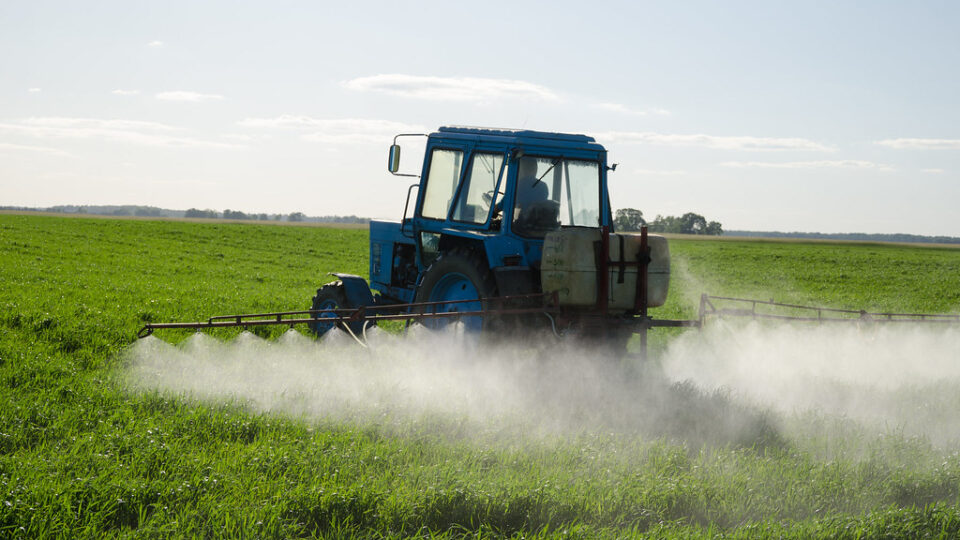
Agriculture Turning Wild Plants Into Weeds | Earth Wise

February 7, 2023 By EarthWise Leave a Comment

Modern agriculture practices are turning wild plants into weeds

We often hear about the importance of native plants in the environment and how invasive species can wreak havoc with ecosystems.   But it turns out that human activities can change the characteristics of native species and create unexpected new problems.

Common waterhemp is plant native to North America that typically grows near lakes and streams.  It never used to be any kind of problem, but in recent times it has become nearly impossible to eradicate from farms as a result of genetic adaptations triggered by modern agriculture.

A study led by researchers at the University of British Columbia looked at waterhemp samples from modern farms and neighboring wetlands and compared them with historical samples dating back as far as 1820 stored in various museums.

In recent times, mutations in genes related to drought tolerance, rapid growth, and resistance to herbicides have resulted in waterhemp that has become a pervasive weed on farms.  These genetic shifts, scarcely ever seen in historical samples, have made the plant thrive among human agricultural activities and enable it to outcompete crops.

Genetic analysis of the plants showed that herbicide-resistant mutations that were mostly absent from historical samples stand out as factors that allow waterhemp to prosper in agricultural settings. There are some plants in natural habitats that have herbicide-resistant mutations, but in many cases, these mutations are actually harmful to the plants in the wild.

Understanding how plant adaptations occur on relatively short timescales is increasingly important as farming and climate  change continue to drive rapid plant evolution.

**********

Web Links

How intensive agriculture turned a wild plant into a pervasive weed

Photo, posted February 16, 2016, courtesy of Aqua Mechanical via Flickr.

Earth Wise is a production of WAMC Northeast Public Radio

Some Good News For The Great Barrier Reef | Earth Wise

September 5, 2022 By EarthWise Leave a Comment

It seems like there has been nothing but dire news from Australia’s Great Barrier Reef.  Earlier this year, there was yet another mass bleaching event – the fourth in seven years and the first ever to strike during a cooler La Niña phase in the Pacific.  But this bleaching event was less severe than other recent ones, which makes it possible for parts of the reef to bounce back.

In particular, in the northern and central stretches of the reef, scientists have recorded the most extensive coral cover seen in 36 years of study.  In areas where coral cover has expanded, it is mostly fast-growing Acropora corals driving the growth.  That isn’t the best outcome, given that Acropora are particularly vulnerable to strong waves, highly susceptible to bleaching, and are the preferred target of crown-of-thorns starfish.

Those creatures are a major problem for the Great Barrier Reef.  In contrast to the upper stretches of the reef, the southern third actually saw coral cover drop from 38 to 34 percent over the course of the past year.  Scientists blame the decline on an outbreak of crown-of-thorns starfish, which prey on corals.  The starfish grow faster and eat more in warmer, more acidic waters.   Carbon emissions are both raising ocean temperatures and turning waters more acidic.

The large increases in hard coral cover in the reef are certainly good news, but it is important to understand that they can be quickly negated by disturbance on reefs where Acropora corals predominate.  Warming temperatures and mass bleaching events continue to pose a critical threat to all reefs, especially when there are crown-of-thorns starfish outbreaks and increasing frequency of tropical cyclones.

**********

Web Links

Parts of Great Barrier Reef See Most Extensive Coral Cover In 36 Years

Photo, posted July 15, 2019, courtesy of Kenneth Lu via Flickr.

Earth Wise is a production of WAMC Northeast Public Radio.

Sea Urchins And Climate Change | Earth Wise

August 1, 2022 By EarthWise Leave a Comment

Sea urchins thriving amidst a changing climate

There is a thriving population of black sea urchins in bubbling volcanic vents off the coast of Ishia, a small island in the Gulf of Naples.  The oceanic environment there is very acidic, high in carbon dioxide, and very warm.   The environment represents a proxy for what is gradually happening to oceans around the world.

Researchers from the University of Sydney have determined that the ability of sea urchins to prosper in such an environment means that these animals, which are already abundant in the Mediterranean Sea are likely to spread further afield as oceans continue to warm and become more acidic.  The Mediterranean Sea is warming 20% faster than the global average.

Sea urchins are already an environmental problem in many places around the world.  When their numbers increase disproportionately, they decimate kelp forests and algae, leading to the demise of other species that depend on these things for food or shelter.  The result is something called an urchin barren, which is a rocky, sandy, urchin-filled seafloor devoid of other life.

Urchin barrens are increasingly common in many places, including the east coast of Australia and the coastline in the Americas stretching from Nova Scotia to Chile.

In Australia, for example, sea urchin populations have multiplied, and their range has expanded considerably, overgrazing kelp and damaging abalone and lobster farms.

Tests run by the Sydney researchers found that it is difficult to stress sea urchins.  They appear to tolerate conditions that other creatures simply cannot.   The only real positive is that understanding the urchins’ remarkable survival abilities might offer insights into adaptations that other animals might need in order to survive as the oceans become warmer and more acidic.

**********

Web Links

Colonising sea urchins can withstand hot, acidic seas

Photo, posted January 31, 2010, courtesy of Anna Barnett via Flickr.

Earth Wise is a production of WAMC Northeast Public Radio.

Who Can Solve The Plastic Waste Problem? | Earth Wise

June 21, 2022 By EarthWise Leave a Comment

Plastic packaging waste is a global problem.  It collects in the oceans, breaks down into microplastics, which are consumed by fish and in turn by people who eat the fish.  Only 14.5% of U.S. plastic waste is recycled.  Most of it ends up in landfills, where is remains undegraded for hundreds of years. 

A new international study explored the global patterns of plastic packaging waste.  The study found that three countries – the U.S., Brazil, and China – are the top suppliers of waste.  In terms of supply, the Americas generate 41% of the world’s production of plastic waste, Europe 24%, and Asia 21%.

That’s the plastics supply.  As far as the consumers actually creating waste are concerned, the Americas represent 36% of the world’s packaging consumption, Asia 26%, and Europe 23%.

Packaging high-protein food such as meat, fish, and dairy is a major contributor to the waste problem.  Plastic for this purpose is hard to replace and international exports exacerbate the problem, accounting for about 25% of plastic packaging waste.

International agreements typically focus on restrictions and fees on production.  But that mostly creates strong incentives to simply relocate polluting activities to developing countries, which is a zero-sum game.  There need to be incentives for consumers to reduce plastic use such as taxes on waste management, refunds on returning bottles, single-use plastic bans, and so on.

Who can solve the plastic waste problem?  Everyone along the supply chain as well as the final consumers have to be part of the solution for reducing plastic waste.

**********

Web Links

Producers and consumers must share burden of global plastic packaging waste

Photo, posted March 29, 2022, courtesy of Ivan Radic via Flickr.

Earth Wise is a production of WAMC Northeast Public Radio.

Climate Change And Forest Loss | Earth Wise

May 23, 2022 By EarthWise Leave a Comment

India is one of the most biodiverse countries in the world.  An estimated 47,000 plant species and 89,000 animal species can be found in India, with more than 10% of each thought to be on the list of threatened species. 

India is also among the top ten countries in the world in terms of total forest coverage.  According to Indian government data, the total forest and tree cover in India is 312,000 square miles, which is 24.62% of the geographical area of the country.

However, forest loss in India has been a problem for many decades driven largely (researchers thought) by land use change.  But it turns out that climate change may also have been contributing to forest loss, and its impact is projected to become an even bigger problem in the coming years. 

In the first ever national-scale study of the relationship between forest loss and rainfall and temperature trends in India, researchers from the University of Reading in the U.K. found that climate change may have contributed to large declines in forest since the turn of the century.

The study, which was recently published in the journal Global Change Biology, found far greater forest losses were observed where and when the climate was changing most rapidly.  Decreases in rainfall had the strongest impact on forest loss. 

These findings exacerbate concerns about the already-worrying levels of deforestation in the country, and contradict official reports that have shown relatively small decreases in forest coverage in recent years. 

The research team warns that rapid changes to the climate in some regions will require targeted preservation action to reduce the risk to biodiversity in India. 

*********

Web Links

Indian forest loss ‘worse than feared’ due to climate change

Photo, posted January 20, 2013, courtesy of Dicky Broadhurst / Frontier Official via Flickr.

Earth Wise is a production of WAMC Northeast Public Radio.

Record Levels Of Deforestation In The Amazon | Earth Wise

March 25, 2022 By EarthWise Leave a Comment

Record levels of deforestation in the Amazon Rainforest

The Amazon rainforest is the largest rainforest in the world, covering more than 2.5 million square miles.  It’s home to 10% of all known species in the world.  The Amazon rainforest’s biodiversity is so rich that scientists are still discovering new plant and animal species today.  

The Amazon rainforest absorbs huge amounts of carbon dioxide from Earth’s atmosphere, making it a key part of mitigating climate change.  The vast rainforest acts as what’s known as a carbon sink.  Simply put, a carbon sink is anything that absorbs more carbon from the atmosphere than it releases.  But as trees in the Amazon disappear, so does the ability of the rainforest to absorb carbon dioxide.

Deforestation of the Amazon rainforest remains a major problem.  According to satellite data from the Brazilian government, the number of trees cut down in the Brazilian Amazon in January far exceeded deforestation figures for the same month last year.  Approximately 166 square miles of land was deforested in January alone, which is five times greater than what was lost in January, 2021.

Cattle ranching – both for beef and for leather – remains the leading cause of deforestation in the Amazon rainforest.  Trees in the Amazon are also cut down for their wood, as well as to clear the land in order to grow food crops, such as soy, sugar, and oil palm. 

Many companies have pledged to achieve “net zero” deforestation in their supply chains over the years, but most have not lived up to the commitment. 

Deforestation is not only a major driver of climate change, but it’s also the leading cause of species extinction.  Preserving the Amazon rainforest is vital. 

**********

Web Links

Amazon deforestation: Record high destruction of trees in January

Greenpeace calls on fast food giants to take a stand against Bolsonaro’s Amazon destruction

Hundreds of Companies Promised to Help Save Forests. Did They?

Photo, posted July 14, 2018, courtesy of Alexander Gerst via Flickr.

Earth Wise is a production of WAMC Northeast Public Radio.

The Hunt For Marine Plastic | Earth Wise

December 21, 2021 By EarthWise Leave a Comment

How to detect and track floating plastic in the oceans

Estimates are that about 10 million tons of plastic enter the ocean every year.  This is equivalent to a truckload of plastic being dumped into the sea every minute and the stuff is not easy to keep track of.  Some of it ends up in the  infamous ocean garbage patches.  But overall, researchers only know what happens to about 1% of it.

The European Space Agency has decided to find out whether it might be possible to detect and track floating plastic in the oceans using satellite monitoring.  Researchers have a variety of ideas about how best to do this and now the agency is testing some of those ideas.

The ESA maintains something called the Atlantic Basin Facility which is a 7000 square-foot tank equipped to simulate various types of waves and tidal currents.  It is the largest facility of its kind in the world.

Researchers place plastic in the basin consisting of typical items found at sea, such as bags, bottles, marine nets and ropes, plastic cutlery, and Styrofoam balls.  The plastic used in the study included material previously recovered from the sea through ocean cleanup campaigns.  Multiple research groups from European universities used specialized instrumentation to monitor the basin from above.  Techniques included radar remote sensing, something called GNSS reflectometry, and specialized optical instrumentation.

Initial results look promising in that under some circumstances teams received useable signals.  It will take further analysis to determine the ultimate utility of space-based monitoring of plastic entering the ocean.  Marine litter is a large and growing problem.  Figuring out where it all is and where it is going is a necessary part of any solution.

**********

Web Links

Hunting for marine plastic

Photo, posted March 24, 2017, courtesy of Holly Richards/USFWS via Flickr.

Earth Wise is a production of WAMC Northeast Public Radio.

  • « Go to Previous Page
  • Page 1
  • Page 2
  • Page 3
  • Page 4
  • Go to Next Page »

Primary Sidebar

Recent Episodes

  • An uninsurable future
  • Clean energy and jobs
  • Insect declines in remote regions
  • Fossil fuel producing nations ignoring climate goals
  • Trouble for clownfishes

WAMC Northeast Public Radio

WAMC/Northeast Public Radio is a regional public radio network serving parts of seven northeastern states (more...)
Copyright © 2026 ·