• Skip to primary navigation
  • Skip to main content
  • Skip to primary sidebar

Earth Wise

A look at our changing environment.

  • Home
  • About Earth Wise
  • Where to Listen
  • All Articles
  • Show Search
Hide Search
You are here: Home / Archives for power generation

power generation

AI and the appetite for natural gas

October 20, 2025 By EarthWise Leave a Comment

Natural gas capacity growing as AI and data centers expand

A recent survey of the plans of U.S. electricity utilities for meeting projected future demand indicates that they are looking to build twice as much natural gas capacity as they had anticipated just 18 months earlier.  The reason?  Data centers.  These warehouses full of computers that form the backbone of the internet are multiplying rapidly as companies are adding power-hungry servers for artificial intelligence. 

Data centers used less than 2% of U.S. electricity prior to 2018.  They consumed 4.4% in 2023.  By 2028, they are projected to use anywhere between 6.7 and 12%.  While overall electricity demand had been relatively flat for the past 20 years, now the power grid is scrambling to keep up.

The long-term plans of utilities have been favoring renewables for a while.  Previous industry-wide projections had 258 gigawatts of new wind and solar versus 102 gigawatts of new natural gas plants through 2035.  These plans showed that wind and solar could overtake natural gas as the country’s largest source of electricity by that year.  But newer plans adding additional generating capacity have mostly added new gas and very little renewables.

Utilities are leaning heavily on natural gas in part due to the inertia of regulatory actions that define the rate-setting process.  The grid is simply not set up to adapt to new technology and to deal with the unprecedented changes that data centers bring about.

Ultimately, the continuing reliance on natural gas will be an unfortunate burden on the consumer and on the environment.

**********

Web Links

Riding the High From Data Centers, the Grid Cannot Kick Its Gas Habit

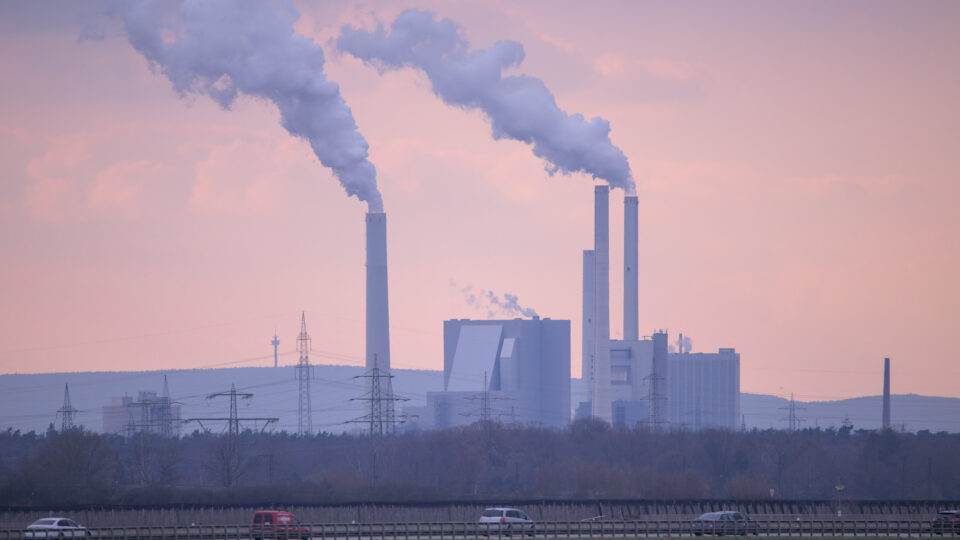
Photo, posted January 23, 2023, courtesy of Aileen Devlin / Jefferson Lab via Flickr.

XXXXXXXXXXXXX

Renewables dominate new global power

April 24, 2025 By EarthWise Leave a Comment

Renewable power continues to dominate domestically and globally

The current administration in the United States is adversarial towards renewable energy and highly supportive of the use of fossil fuels.  Unquestionably, this will create rough waters for the clean energy industry and, unfortunately, will throw a monkey wrench into the world’s efforts to mitigate climate change.  But it cannot stop what has become a powerful global trend.

In the words of U.N. Secretary-General António Guterres: “Renewable energy is powering down the fossil fuel age.”

According to a new report from the International Renewable Energy Agency, renewables accounted for 92% of new power capacity worldwide last year.  Solar is by far the fastest-growing form of renewable power, accounting for 77% of new capacity.

In the U.S., renewables accounted for about 90% of new installed capacity in 2024.  The country added nearly 40 GW of solar power capacity as well as 5 GW of wind power.  Renewables now make up about 30% of the country’s large-scale power generating capacity.  Adding in all carbon-free electricity sources (which include nuclear power), nearly 44% of the country’s electricity was carbon-free.

Headwinds against the growth of renewable energy are getting stronger in the US, but the global trend driven by both economics and environmental concerns is powerful and will continue.  For one thing, in much of the world, solar power is simply the cheapest way to produce electricity and that is pretty difficult to ignore. Global trade wars and economic turmoil will impact renewable energy much as they will other industries, but the long-term trend is clear.

**********

Web Links

Renewables Made Up More Than 90 Percent of New Power Installed Globally Last Year

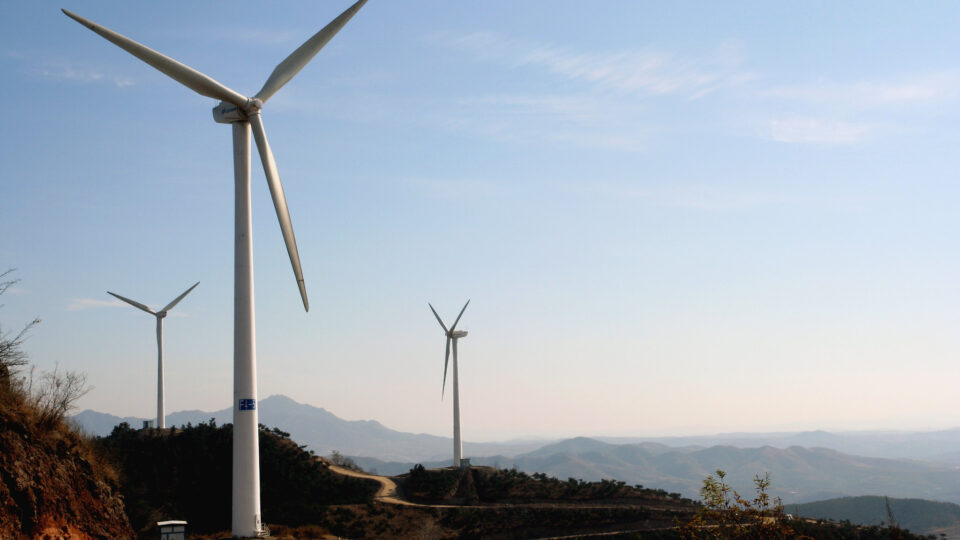
Photo, posted November 23, 2022, courtesy of John Morton via Flickr.

Earth Wise is a production of WAMC Northeast Public Radio

Lampshades And Indoor Air Pollution | Earth Wise

September 26, 2023 By EarthWise Leave a Comment

Converting indoor air pollution into harmless compounds

We mostly think of air pollution as an outdoor problem.  Common sources of air pollution include emissions from vehicles, byproducts of manufacturing and power generation, and smoke from wildfires.  What we don’t often spend a lot of time thinking about is indoor air quality. 

Indoor air pollution refers to harmful pollutants within buildings and structures, which can lead to a myriad of health issues.  Sources of indoor air pollution include smoke from tobacco products, as well as volatile organic compounds (VOCs), including acetaldehyde and formaldehyde, emitted from things such as paints, cleaning products, plastics, and cooking. 

A team of scientists from South Korea’s Yonsei University has developed a special coating that when applied to lampshades can convert pollutants into harmless compounds.  Composed of titanium dioxide and a small amount of platinum, this thermocatalyst can be applied to the inside surface of a lampshade and is triggered to break down VOCs when warmed by the lamp’s existing incandescent or halogen bulb.

In lab tests, the coating was applied to the inside of an aluminum lampshade, warmed by a halogen bulb, and then placed into a sealed chamber containing air and acetaldehyde gas.  The researchers found that the material quickly converted the gas into acetic acid, then into formic acid, and finally into carbon dioxide and water. The scientists are now looking for ways to extend the pollutant-destroying-lampshade concept to LED lightbulbs. 

The findings offer a promising and eco-friendly solution to improve indoor air quality and reduce the health risks associated with prolonged exposure to VOCs. 

**********

Web Links

Clever coating turns lampshades into indoor air purifiers

Photo, posted March 21, 2009, courtesy of Levent Ali via Flickr.

Earth Wise is a production of WAMC Northeast Public Radio

Direct Air Capture | Earth Wise

October 15, 2021 By EarthWise Leave a Comment

How to make direct air capture feasible

There is a lot of interest in carbon capture and sequestration (or CCS) in the context of trapping the carbon dioxide emissions from power plants and industrial facilities.  The fossil fuel industry is especially enthusiastic about the potential for continuing to burn fuels without harming the environment.  Apart from the technical challenges, there is the looming problem of CCS adding significant costs to power generation that is already losing the economic battle to renewable sources.

Direct air capture is a different matter.   This is the idea of actively taking CO2 out of the atmosphere.  This already happens by natural means such as sequestering it in soil or forests.  But there is considerable work going on aimed at developing technology to capture atmospheric carbon dioxide in massive quantities.

This September marks the opening of a new project called “Orca” in Iceland, which will, for the time being, be the largest direct air capture system in the world.  Once it is running around the clock, Orca will remove up to 4,000 metric tons of CO2 from the atmosphere each year.

Even larger DAC plants – one in the southwestern U.S and another in Scotland – are planned to come online in the next few years.

Ultimately, the question is whether direct air capture is feasible at large enough scale and affordable cost.  The numbers are daunting.  Society releases over 30 billion metric tons of carbon dioxide into the atmosphere each year.  Removing significant amounts of that with DAC technology is an enormous challenge.  Eliminating emissions remains the most practical way to mitigate the effects of climate change.

**********

Web Links

The Dream of Carbon Air Capture Edges Toward Reality

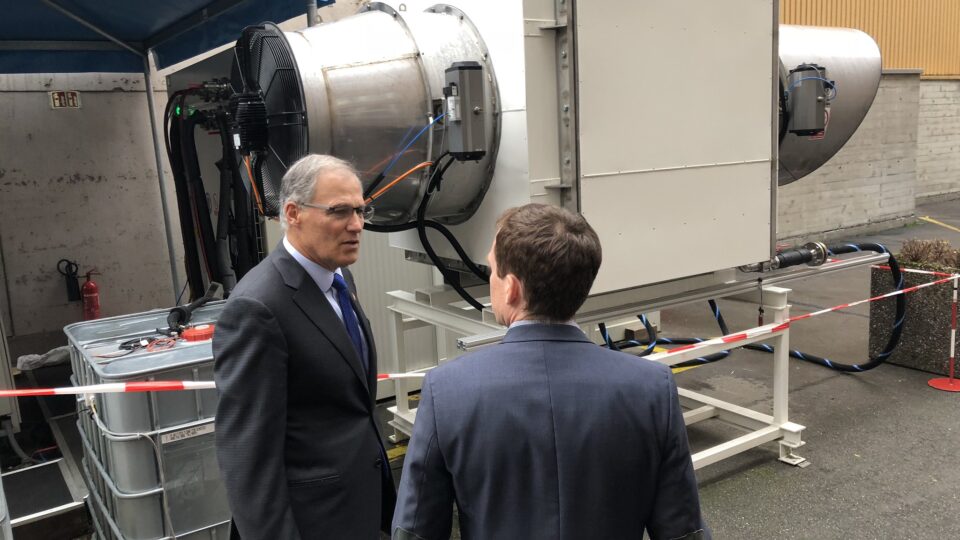
Photo, posted November 10, 2017, courtesy of Governor Jay and First Lady Trudi Inslee via Flickr.

Earth Wise is a production of WAMC Northeast Public Radio.

Carbon From 25 Cities | Earth Wise

September 10, 2021 By EarthWise Leave a Comment

Urban carbon emissions are a major driver of climate change

There are roughly 10,000 cities in the world, defined as places with at least 50,000 inhabitants with a sufficient population density.  Roughly half the world’s population lives in cities.

Urban carbon emissions are one of the world’s biggest problems with respect to the climate.  A new study has determined that just 25 cities globally are responsible for 52% of urban greenhouse gas emissions.

The study gathered data on greenhouse gas emissions in 167 cities in 53 countries.  The results were that megacities in Asia, such as Shanghai and Tokyo, were among the biggest total emitters, and that major cities in Europe, the US, and Australia tended to have larger per capita emissions.  Several Chinese cities, however, matched levels seen in developed countries.  Researchers tracked emissions over time in 42 of the cities studied.  Some cities saw declining emissions in the period between 2005 and 2016.  These included Oslo, Houston, Seattle, and Bogota.  Others saw large increases, including Rio de Janeiro, Johannesburg, and Venice.

The largest sources of emissions are power generation, industry, and transportation.  In a third of the cities, road transportation alone accounted for over 30% of emissions.  (Railways, waterways, and aviation combined only accounted for less than 15% of total emissions).

Half of the world’s population lives in cities, but cities are responsible for more than 70% of greenhouse gas emissions.  Thus, cities have a big responsibility for the decarbonization of the global economy.  Of the 167 cities in the study, 113 have set emission-reduction targets.  But as the study shows, cities have much more work to do to meet the goals of the Paris Climate Agreement.

**********

Web Links

Two Dozen Large Cities Produce 52 Percent of Urban Carbon Emissions

Photo, posted December 1, 2017, courtesy of Hector Galbis via Flickr.

Earth Wise is a production of WAMC Northeast Public Radio.

Coal In The UK And Asia | Earth Wise

August 20, 2021 By EarthWise Leave a Comment

Coal power is in a permanent decline

Coal was the driving force of the British industrial revolution beginning in the 18th century.  Coal was used for manufacturing iron, heating buildings, driving locomotives, and more.  Annual coal production in the UK peaked in the year 1913 at 316 million tons.  Until the late 1960s, coal was the main source of energy produced in the UK.

Recently, Britain announced that it plans to phase out coal power entirely by October 2024, one year earlier than its previous target date.  This is on the heels of a dramatic decline in coal usage over the past decade.  In 2012, coal accounted for 40% of the UK’s power generation.  By 2020, that number was 1.8%.

In both Europe and the United States, coal power is generally significantly more expensive than renewable power from the sun and wind.  As a result, market forces have driven the demise of coal power in those places.

The situation is different across much of Asia where coal power remains cost competitive.  Five Asian countries – China, India, Indonesia, Japan, and Vietnam – still have plans to build more than 600 new coal-fired power plants, which is bad news for the environment.  In 2020, China produced more than half of the world’s coal power, which reflects both the growth of coal in Asia and its decline in the U.S. and Europe.

Despite all this, experts predict that it will be more expensive to run almost all coal plants globally than to build new renewable energy projects by the year 2026.  Sooner or later, coal power will no longer make its unfortunate contributions to the world.

**********

Web Links

UK Aims to Dump Coal Early, While Asia Stays the Course

Photo, posted March 8, 2021, courtesy of Stanze via Flickr.

Earth Wise is a production of WAMC Northeast Public Radio.

Solar And Wind Power In China | Earth Wise

April 2, 2020 By EarthWise Leave a Comment

China rapidly adopts solar and wind power

Reducing greenhouse gas emissions is a global challenge and nowhere is that challenge greater than in China.  China accounts for 30% of the world’s emissions and much of that comes from coal power plants.  If the world is going to reach its climate targets, China is going to have to replace as much as possible of its current power mix with renewable energy.

As of 2018, China still made 69% of its electricity from fossil fuels.  Its vast coal reserves have driven its rapid industrialization and better standard of living.  But terrible air pollution problems along with climate issues have led to heavy investments and rapid expansion of both wind and solar power in China.

China is now a world leader in renewable energy, both in terms of producing and using renewable power.  At the start of 2016, China had installed a total of 145,000 megawatts of wind power, which is 3,000 MW more than all 28 European Union countries combined.  And this has occurred even though China only started developing their wind power industry 30 years later than the first EU countries.

Until 2009, China exported almost all the solar panels it produced.  But gradually China began to use solar energy in a big way.  The industry took off in 2014, and growth has been exponential.  Solar power production in China is now almost as extensive as wind power.

One has to consider that much of China’s electricity production is used by industries that produce products for the rest of the world.  In effect, these are exported emissions.  China has a long way to go in replacing its fossil fuel generation and we all have a stake in China succeeding in the task.

**********

Web Links

China’s rapid development of solar and wind power

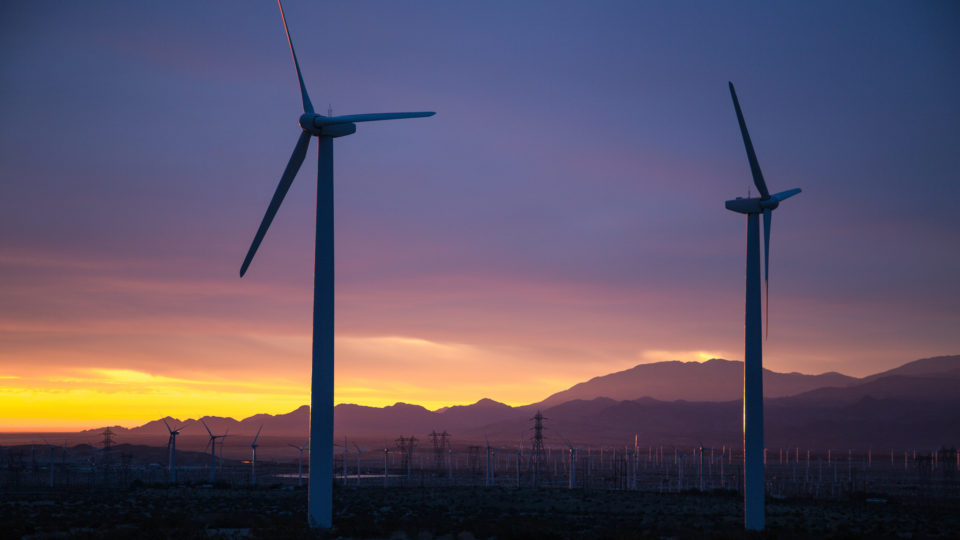
Photo, posted November 12, 2007, courtesy of Flickr.

Earth Wise is a production of WAMC Northeast Public Radio.

Emissions From Electric Buses

September 12, 2018 By EarthWise Leave a Comment

https://earthwiseradio.org/wp-content/uploads/2018/09/EW-09-12-18-Emissions-from-Electric-Buses.mp3

Municipalities and transit agencies are gradually replacing conventional diesel buses with cleaner alternatives such as natural-gas-powered, diesel-electric hybrid, or fully electric buses.  The goal is to reduce the substantial carbon emissions associated with buses as well as reducing unhealthy air pollution. Diesel buses on average get less than 5 miles per gallon as they transport passengers around, so there is plenty of motivation to find more efficient ways to power them.

[Read more…] about Emissions From Electric Buses

Renewables On The March

October 10, 2017 By EarthWise Leave a Comment

https://earthwiseradio.org/wp-content/uploads/2017/10/EW-10-10-17-Renewables-on-the-March.mp3

Solar power and wind power have both been growing by leaps and bounds in recent years and there is no end in sight to their progress.

[Read more…] about Renewables On The March

The Largest Floating Solar Power Plant

July 17, 2017 By EarthWise

https://earthwiseradio.org/wp-content/uploads/2017/07/EW-07-17-17-The-Largest-Floating-Solar-Power-Plant.mp3

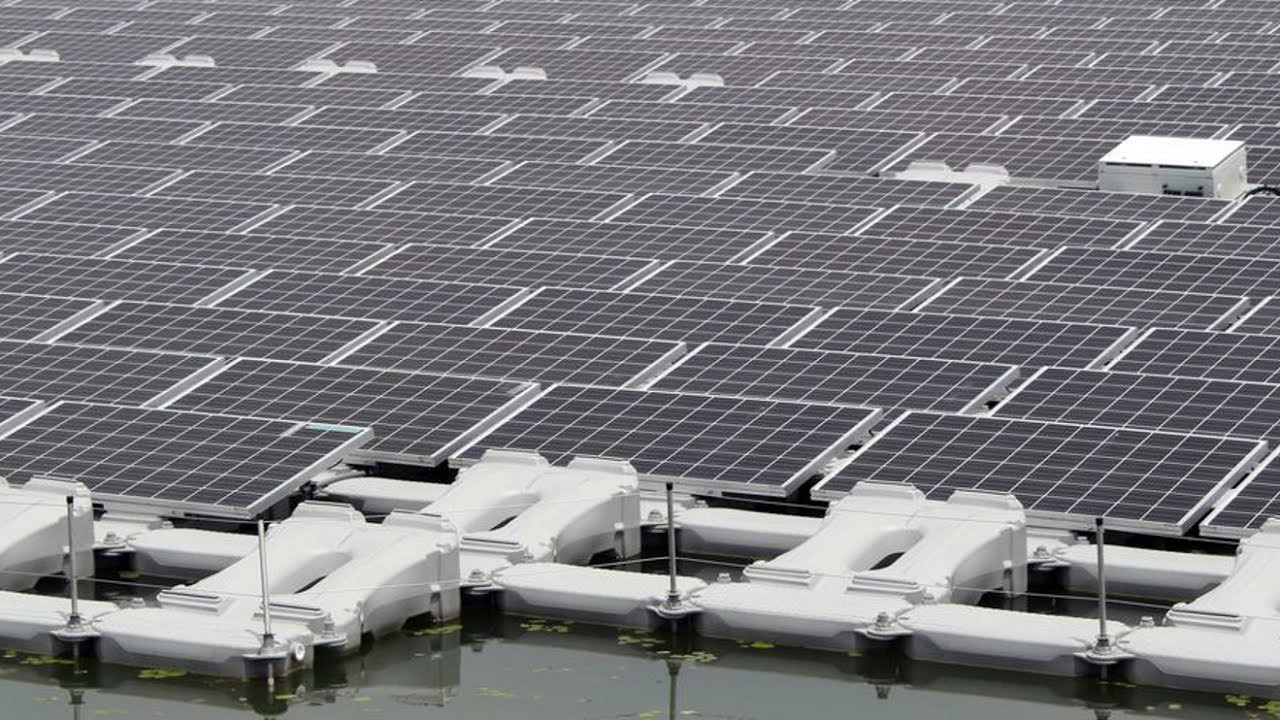
The world’s largest floating solar power plant is now operational and connected to the electric grid in China.   It is a 40-megawatt facility and floats in water 13 to 30 feet deep in a lake that was created by a former mining operation.

[Read more…] about The Largest Floating Solar Power Plant

A Big Wind Farm for New York

February 27, 2017 By EarthWise

https://earthwiseradio.org/wp-content/uploads/2017/02/EW-02-27-17-A-Big-Wind-Farm-for-NY.mp3

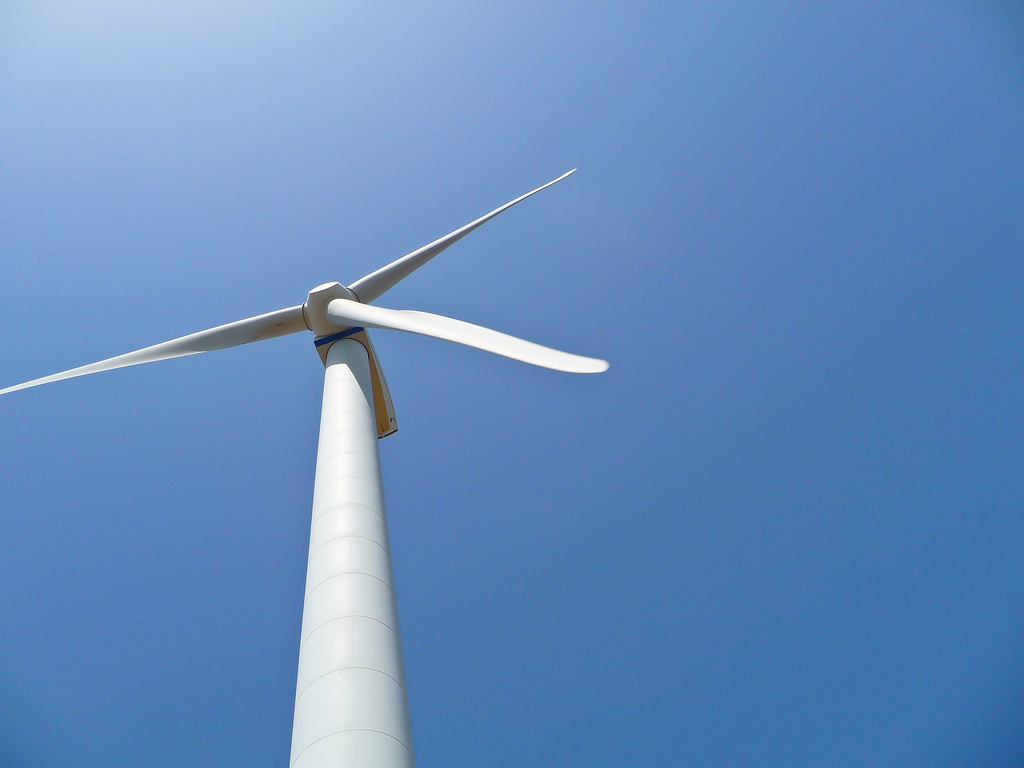
The Board of Trustees of the Long Island Power Authority has voted to approve the nation’s largest offshore wind farm, which is also the first offshore wind farm in New York.  The South Fork Wind Farm, located 30 miles southeast of Montauk, New York, will be a 90 megawatt facility that will provide enough electricity to power 50,000 Long Island homes and help meet increasing electricity demand on the South Fork of Long Island.

[Read more…] about A Big Wind Farm for New York

Primary Sidebar

Recent Episodes

  • An uninsurable future
  • Clean energy and jobs
  • Insect declines in remote regions
  • Fossil fuel producing nations ignoring climate goals
  • Trouble for clownfishes

WAMC Northeast Public Radio

WAMC/Northeast Public Radio is a regional public radio network serving parts of seven northeastern states (more...)

Copyright © 2025 ·