• Skip to primary navigation
  • Skip to main content
  • Skip to primary sidebar

Earth Wise

A look at our changing environment.

  • Home
  • About Earth Wise
  • Where to Listen
  • All Articles
  • Show Search
Hide Search
You are here: Home / Archives for plants

plants

Sponging up a river

March 20, 2024 By EarthWise Leave a Comment

During the first week of February, an atmospheric river dumped enormous amounts of rain on Southern California.  Over the course of four days, Los Angeles received 9 inches of rain.  The average annual rainfall in the city is only 14 inches.

But Los Angeles was not the site of a flooding disaster because the city has spent years preparing for this type of deluge by becoming a “sponge city.”   By installing lots of green spaces and shallow basins with porous soil, Los Angeles was able to soak up 8.6 billion gallons of water during the storm, enough to meet the water needs of 100,000 people for a year.

Cities covered with impermeable concrete sidewalks and paved areas make storm-related flooding worse because they are unable to absorb water.  Instead, the water flows into drains and overwhelms infrastructure.

Natural materials like dirt and plants take in water from storms and can filter it into underground aquifer that cities can then tap into, especially during droughts.  Adding green spaces to cities has many other benefits beyond the ability to absorb large amounts of rainwater.

The so-called sponge-city movement is catching on in many other places.  Philadelphia is revamping its water systems in a 25-year project that includes green spaces to absorb stormwater runoff.  In China, the government has spent more than a decade adding spongy elements to dozens of cities around the country.

Sponge cities are part of a broader effort to combine modern engineering techniques with natural systems.  This is known as green-gray infrastructure.  Nature knows what it is doing when it comes to flood control as well as to pollution control.

**********

Web Links

‘Spongy’ LA Soaked Up Tons of Water From Atmospheric River

Photo, posted December 28, 2011, courtesy of Ron Reiring via Flickr.

Earth Wise is a production of WAMC Northeast Public Radio

Golf courses gone wild

March 18, 2024 By EarthWise Leave a Comment

Rewilding golf courses is catching on

Golf courses are a significant burden on the environment.  The US has 16,000 golf courses which use 1.5 billion gallons of water a day and are treated with 100,000 tons of nitrogen, phosphorus, and potassium each year.  In recent years, the golf industry has taken steps to lighten its environmental toll by using less water, introducing pollinator-friendly plants, and decreasing pesticide and fertilizer use.  The US has more golf courses than any other country, accounting for 42% of all courses worldwide.

There is really an oversupply of golf courses and, as a result, more golf courses have closed than have opened since 2006.  Most closed golf courses end up in the hands of commercial or residential developers, but some of them are allowed to return to nature.

For this to happen, there has to be a willing seller and, more importantly, a conservation-minded buyer who can afford both to purchase the land and to restore it to a natural state.  There have been 28 former golf courses transformed into public green spaces between 2010 and the end of 2022.  But that number seems to be growing.

In 2023, the former Cedar View Golf Course on the eastern shore of Cayuga Lake in upstate New York was bought by the Finger Lakes Land Trust.  In California, places like Santa Barbara, Marin County, and even Palm Springs have all undertaken the transformation of former golf courses into public parklands.

Rewilding a golf course is undoubtedly a disappointment to local golfers, but it can bring big benefits to animals, plants, and people. 

**********

Web Links

After Shutting Down, These Golf Courses Went Wild

Photo, posted October 19, 2016, courtesy of Cabo Girao via Flickr.

Earth Wise is a production of WAMC Northeast Public Radio
Otters to the rescue

February 23, 2024 By EarthWise Leave a Comment

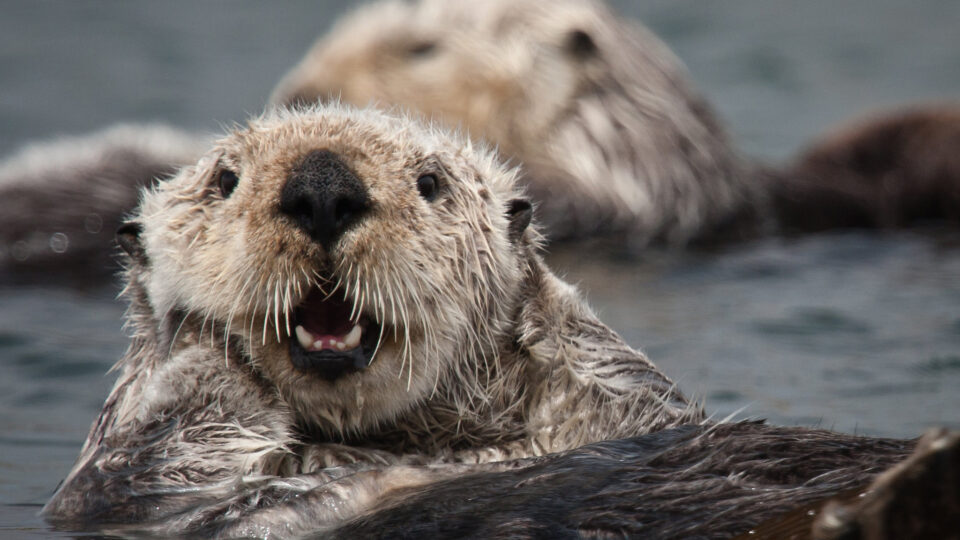
Otters to the rescue in California

California sea otters were hunted almost to extinction in the 19th century.  Only a small number survived along California’s central coast.  But over time, the otters recovered and increasingly recolonized their former habitats.

Sea otters are playing an important role in safeguarding California’s kelp forests and marshlands against the harmful effects of climate change.

Over much of the 20th century, increasing ocean heat had devastated underwater kelp forests by driving a population explosion of sea urchins that devour kelp.  But sea otters eat urchins and as the sea otter population has grown, kelp has flourished.  According to a new study published in PLOS Climate, the underwater kelp canopy along the central coast increased by 56% since 2016.  Kelp forests have become more extensive and resilient to climate change wherever sea otters have reoccupied the California coastline.

At the same time, sea otters started recolonizing their former habitat in a central California estuary several decades ago and erosion has slowed by as much as 90%.  The main reason is that otters love to eat the marsh crabs that were devouring the plants in this coastal ecosystem.  The marsh plants establish dense root systems that can withstand waves and flooding.  It would cost millions of dollars for humans to rebuild creekbanks and restore these coastal marshes.  Instead, sea otters have been stabilizing them for free in exchange for a crab feast.

Sea otters are playful creatures that people enjoy watching.  It turns out that they are also very valuable ecosystem engineers that are helping to mitigate the effects of the warming climate.

**********

Web Links

How Sea Otters Are Protecting the California Coast Against Climate Change

Photo, posted May 17, 2021, courtesy of Michael L. Baird via Flickr.

Earth Wise is a production of WAMC Northeast Public Radio
Bio-based products on the rise

January 30, 2024 By EarthWise Leave a Comment

There is a growing global movement working towards replacing conventional synthetic products – ones that are toxic to make or use, difficult to recycle, and have large carbon footprints – with products made from plants, trees, or fungi that can be safely returned to the earth at the end of their useful life.  This so-called bioeconomy is in its infant stages, but there is increasing interest in turning successful research into manufactured products.

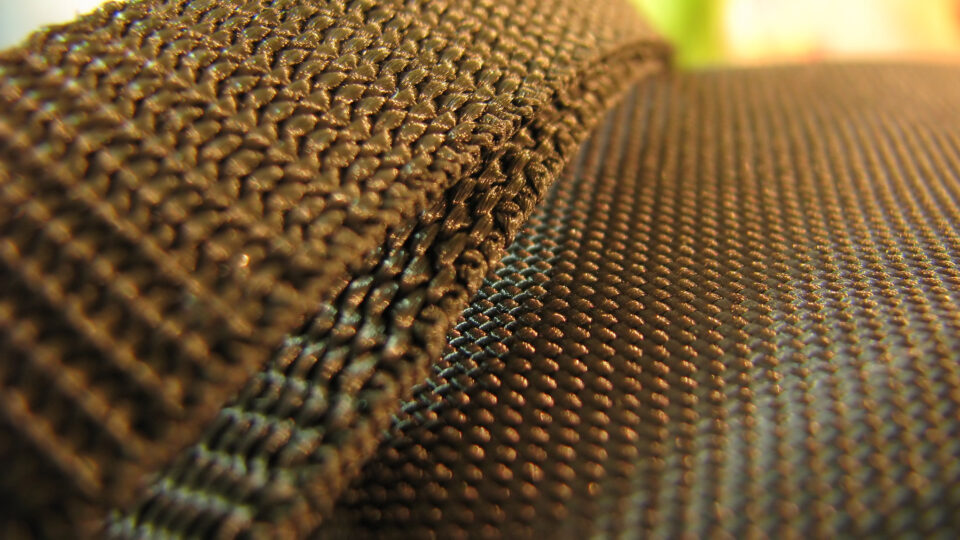
One example is nylon.  Nylon was created in the 1930s by DuPont.  It has been used and continues to be used in a wide range of products.  The problem with it is that it is made from petroleum, it doesn’t biodegrade, and producing it generates nitrous oxide, which is a problematic greenhouse gas.

A San Diego-based company called Genomatica has developed a plant-based nylon using biosynthesis, a process in which a genetically engineered microorganism ferments plant sugars to create a chemical intermediate that can be turned into the nylon-6 polymer, and then into textiles. 

The impetus for developing bio-based products includes the growing public disgust at the mounting environmental toll of plastic, not the least of which is that people and animals are increasingly ingesting it.  Coupled with this, there is a rapidly-growing torrent of funding, especially in the US and Europe, aimed at accelerating the transition away from products that are non-biodegradable, toxic, and that produce carbon emissions.   Last September saw the launch of the National Biotechnology and Biomanufacturing Initiative which will support research and development on such topics as the use of sustainable biomass and waste resources to make non-toxic, bio-based fuels, chemicals, and fertilizers.

**********

Web Links

From Lab to Market: Bio-Based Products Are Gaining Momentum

Photo, posted May 27, 2010, courtesy of André C via Flickr.

Earth Wise is a production of WAMC Northeast Public Radio

Solar forests

January 22, 2024 By EarthWise Leave a Comment

To plant trees or install solar panels is the question

Forests are one of the most iconic symbols of the power and diversity of nature but beyond that, their thick vegetation is crucial to the stability and balance of the Earth’s climate.  This is because the photosynthesis that powers the growth of plants removes carbon dioxide from the air.  Cutting down forests – especially the evergreen forests of the tropics – has played a significant role in the increasing climate crisis.  For this reason, many environmental initiatives focus on restoring destroyed forests and planting new trees.

But the truth is, even if we were to cover the entire surface of the planet with trees, there would still not be enough photosynthesis going on to absorb the huge surplus of carbon dioxide that people have been pumping into the atmosphere for the past 150 years.

A study by the Weizmann Institute of Science in Israel looked at the impact of erecting fields of dark covered solar panels – so-called solar forests – that would generate electricity, thereby replacing power stations that use fossil fuels.  But dark fields absorb heat which eventually returns to the atmosphere.

The question is:  what is the best use of a plot of land in terms of the effect on the climate?  Planting a forest or erecting fields of solar panels?

The answer depends on where the land is.  In arid environments, building solar farms is far more effective and practical than planting forests.  But in humid places, forests currently absorb close to a third of humanity’s annual carbon emissions. 

The study concludes that combining planting and rehabilitating forests in humid regions and erecting fields of solar panels in arid regions is the most effective strategy.

**********

Web Links

The Solar Forest

Photo, posted December 27, 2015, courtesy of Gerry Machen via Flickr.

Earth Wise is a production of WAMC Northeast Public Radio
Attack of the giant goldfish

January 15, 2024 By EarthWise Leave a Comment

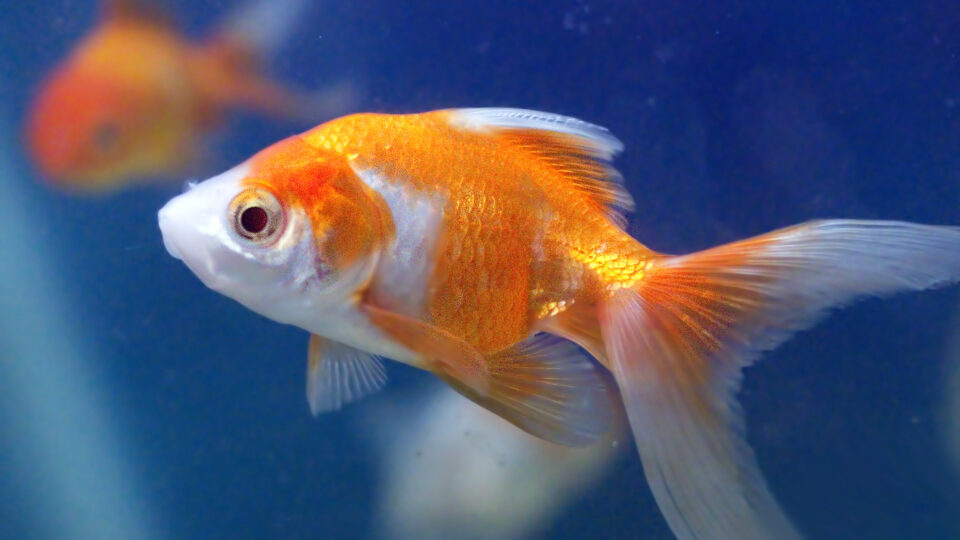
Giant goldfish are an invasive species

Goldfish are just about the easiest pets to keep.  A species of carp native to East Asia, they have been bred to look pretty and are generally little more than home décor.  We keep them in little glass bowls and feed them mysterious flakes out of a container.  With these confined quarters and meager meals, they remain small, harmless creatures.  But released into the wild, it is a very different story.

People dump pet goldfish into lakes and ponds with some frequency.  Once they are in the wild, these humble creatures can grow to monstrous proportions.  They can eat nearly anything, including algae, aquatic plants, eggs, and invertebrates.  They can kill off native marine wildlife and damage or even destroy fragile and economically valuable ecosystems.

For a few years, Canadian researchers have been tracking invasive goldfish in Hamilton Harbour, at the western tip of Lake Ontario, about 35 miles southwest of Toronto.  That part of the lake has been decimated by industrial and urban development as well as by invasive species.

Goldfish were first spotted in the harbor in the 1960s, mostly died off in the 70s because of industrial contamination, but then recovered in the 2000s.  Goldfish can tolerate a wide range of water temperatures, reach sexual maturity quickly, and can reproduce several times in one season.  In resource-rich places, they can grow up to 16 inches long, making them too large a meal for many predators.

There are literally millions of goldfish in the Great Lakes and not only there.  Feral goldfish are a problem in Australia and in the United Kingdom.  Invasive species are a big problem, even if they start out small and cute.

**********

Web Links

Once They Were Pets. Now Giant Goldfish Are Menacing the Great Lakes.

Photo, posted September 20, 2015, courtesy of Watts via Flickr.

Earth Wise is a production of WAMC Northeast Public Radio
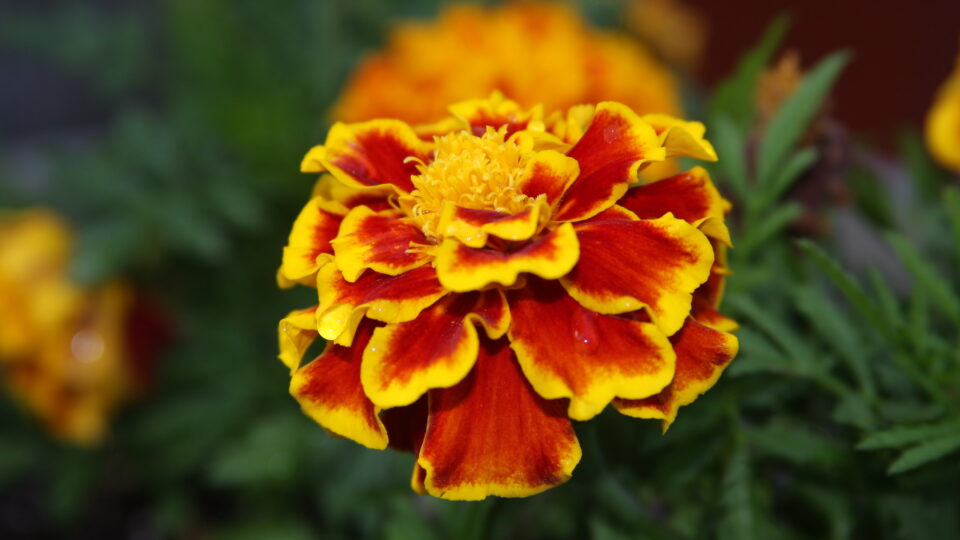
Flower power in agriculture

January 5, 2024 By EarthWise Leave a Comment

Agriculture is the world’s largest industry.  When managed sustainably, agricultural operations can provide many environmental benefits, such as protecting watersheds and habitats, and improving soil health and water quality.  Sustainable agriculture also embraces biodiversity by minimizing its impact on wild ecosystems and incorporating numerous plant and animal varieties into farm ecosystems.

A new study of farms in India has demonstrated the power of incorporating flowers into farming practices.  According to the research by ecologists from the University of Reading in the U.K. and the M.S. Swaminathan Research Foundation in India, planting flowers beside food crops attracts bees, boosts pollination, and improves both the yield and quality of crops.

 The study, which was recently published in the Journal of Applied Ecology, is the first of its kind in India.  The researchers focused on moringa – which is a nutrient-packed superfood native to South India, and bees – the plants’ essential pollinators. 

Working alongside farmers, the researchers planted marigold and red gram crops alongside moringa trees across 12 moringa orchards.  They found that flower-visiting insect numbers and diversity were 50% and 33% higher, respectively, in orchards with floral interventions compared to those without them.  Floral interventions also led to larger moringa pods and a 30% increase in harvestable fruits.

India has many crops of high economic and nutritional value.  The study highlights how farmers can significantly improve crop pollination services and boost yields, while also managing their lands in a more sustainable manner.

**********

Web Links

Flower power on Indian farms helps bees, boosts livelihoods

Floral interventions on farms boost pollinators and crop yields

Photo, posted June 24, 2008, courtesy of Jim via Flickr.

Earth Wise is a production of WAMC Northeast Public Radio

Pesticides and beeswax

December 25, 2023 By EarthWise Leave a Comment

Pesticides linger in beeswax

Honey bee colonies in the United States have experienced annual population declines since 2006.  Commercial beekeepers have reported honey bee colony loss rates averaging 30% each winter, which is startling when compared to historical loss rates of just 10-15%.  According to the USDA, there are many factors contributing to this decline, including parasites, pests, diseases, pesticides, and a phenomenon called Colony Collapse Disorder, in which worker bees abandon a hive and leave behind the queen.

According to a new study by researchers from Cornell University, beeswax in managed honey bee hives contains a variety of pesticide, herbicide, and fungicide residues.  Because bees reuse wax over years, these harmful chemicals can accumulate inside hives, exposing current and future generations of bees to long-term toxicity. 

The study, which was recently published in the Journal of Veterinary Diagnostic Investigation, adds that humans may also be exposed to these pesticides through contaminated honey, pollen, and beeswax (which is used in certain soaps, lotions, and cosmetics).  However, the amounts in these products are unlikely to pose a major threat to human health.

Pesticides get into the beeswax when bees feast on the nectar and pollen of plants that have been treated with the chemicals. According to the researchers, understanding which contaminants are impacting domestic honey bee populations could help better protect them and other pollinators, including birds, bats, wild bees, and other insects.

**********

Web Links

Pesticides detected in beeswax

Photo, posted November 22, 2008, courtesy of Andrew Rivett via Flickr.

Earth Wise is a production of WAMC Northeast Public Radio

Food and the climate crisis

December 18, 2023 By EarthWise Leave a Comment

Farm-free food could help mitigate climate warming

Agriculture is a major part of the climate problem and remains one of the hardest human activities to decarbonize.  It’s responsible for approximately 25% of global greenhouse gas emissions. 

Many experts contend that alternative food sources – like insect farming and seaweed aquaculture – are part of the solution.  Additionally, expanding production of climate resilient food crops, including quinoa, kernza, amaranth, and millet, likely also have a role to play. 

But according to a new study led by researchers from the University of California – Irvine, another solution to this problem may be to eliminate farms altogether.  In the study, which was recently published in the journal Nature Sustainability, the research team explored the potential for wide scale synthetic production of dietary fats through chemical and biological processes.  The materials needed for this method are the same as those used naturally by plants: hydrogen (in water) and carbon dioxide (in the air).   

The research team highlighted some of the potential benefits of farm-free food, including reduced water use, less pollution, localized food production, and less risk to food production from weather. 

Cookies, crackers, chips, and many other grocery products are made with palm oil, a dietary fat that continues to be a major driver of deforestation around the world.  However, it remains to be seen how consumers would react if the oil used to bake their cookies came from a food refinery up the road instead of a palm plantation in Indonesia.     

According to the researchers, depending on food refineries instead of tropical plantations for dietary fats could mitigate lots of climate-warming emissions while also protecting land and biodiversity.

**********

Web Links

UC Irvine-led science team shows how to eat our way out of the climate crisis

Photo, posted July 15, 2008, courtesy of Quinn Dombrowski via Flickr.

Earth Wise is a production of WAMC Northeast Public Radio
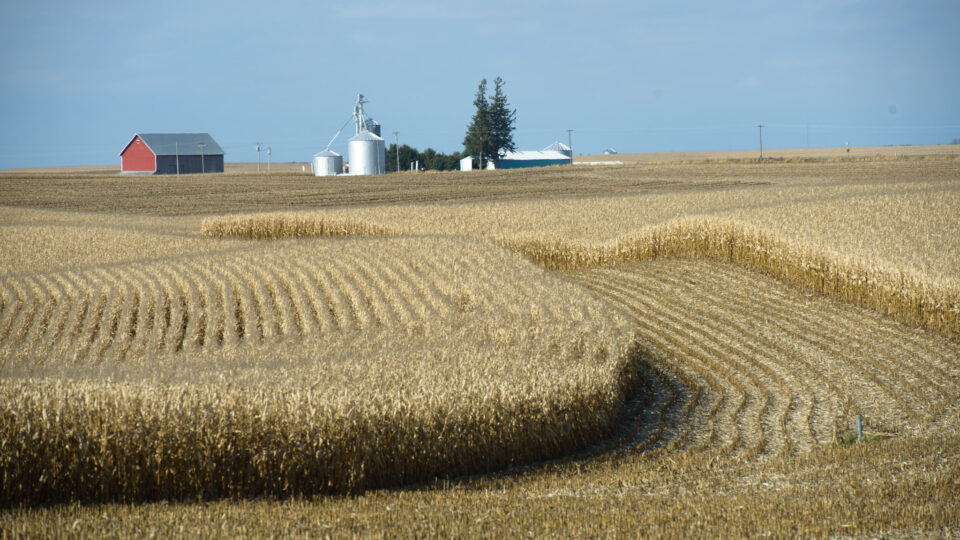
Detecting dangerous chemicals with plants

December 11, 2023 By EarthWise Leave a Comment

Researchers developing a method to detect toxins using plants

Researchers at University of California Riverside have been studying how to enable plants to sense and react to a chemical in the environment without damaging their ability to function in all other respects.  Why do this?  The idea is to be able to use plants as environmental sensors that can detect the presence of harmful substances.

The impetus for the work is presence of a protein in plants that senses a plant hormone called abscisic acid (or ABA) that helps plants acclimate to environmental changes.  During drought, plants produce ABA causing the plant to produce ABA receptor proteins that close pores in its leaves and stems, keeping in moisture.

The UCR researchers demonstrated that these ABA receptor proteins can be trained to bind to chemicals other than ABA.  This ability enabled them to create sensors for many chemicals, including banned pesticides.

In their recent publication, they demonstrated a green plant that turns bright red in the presence of azinphos-ethyl, a banned pesticide.  The goal is to easily detect chemicals in the environment from a distance.  A field of these plants would provide an obvious visual indicator of the use of a banned pesticide.  The researchers also demonstrated the ability to turn a variety of yeast into a sensor that could respond to two different chemicals at the same time.

Ultimately, it would be extremely valuable to design plants that sense dozens of chemicals to they could be used as living sensors that persist for years and provide environmental information.  The sensor plants are not being grown commercially at this time.  That will require regulatory approvals that are likely to take years.  But the discovery opens up real possibilities.

**********

Web Links

Plants transformed into detectors of dangerous chemicals

Photo, posted August 29, 2013, courtesy of the United Soybean Board via Flickr.

Earth Wise is a production of WAMC Northeast Public Radio

Tracking down PFAS toxins

December 5, 2023 By EarthWise Leave a Comment

PFAS – per- and polyfluoralkyl substances – are a group of organic compounds that have been extensively used to provide water-, oil-, and dirt-resistance to a wide range of products ranging from non-stick pans, clothing, and packaging to paint, car polish, and fire-suppressant foam.  Exposure to specific PFAS compounds is associated with multiple adverse health effects, including altered immune and thyroid function, liver disease, kidney disease, poor reproductive and developmental outcomes, and cancer.  PFAS compounds do not break down in the environment and therefore, over time, become concentrated in plants, animals, and people.

Government agencies such as the EPA in this country and the EU have set strict limits for allowable levels of PFAS in drinking water.  Testing water for the trace amounts of PFAS that constitute the limits is time-consuming and expensive and requires complex equipment and experienced personnel.

Researchers at MIT have now introduced a technique for making a portable, inexpensive test that can easily and selectively detect PFAS in water samples.  The test makes use of a special polymer containing fluorinated dye molecules that cause the polymer to fluoresce red.  If PFAS are present in the sample, they enter the polymer and displace the dye molecules and switches off the red fluorescence. 

The new technique is suitable for on-site detection in highly contaminated regions.  Detecting smaller concentrations can be achieved with sufficient precision after pre-concentrating the samples using the process of solid-phase extraction.

**********

Web Links

Tracking down Environmental Toxins

Photo, posted October 16, 2021, courtesy of Nenad Stojkovic via Flickr.

Earth Wise is a production of WAMC Northeast Public Radio
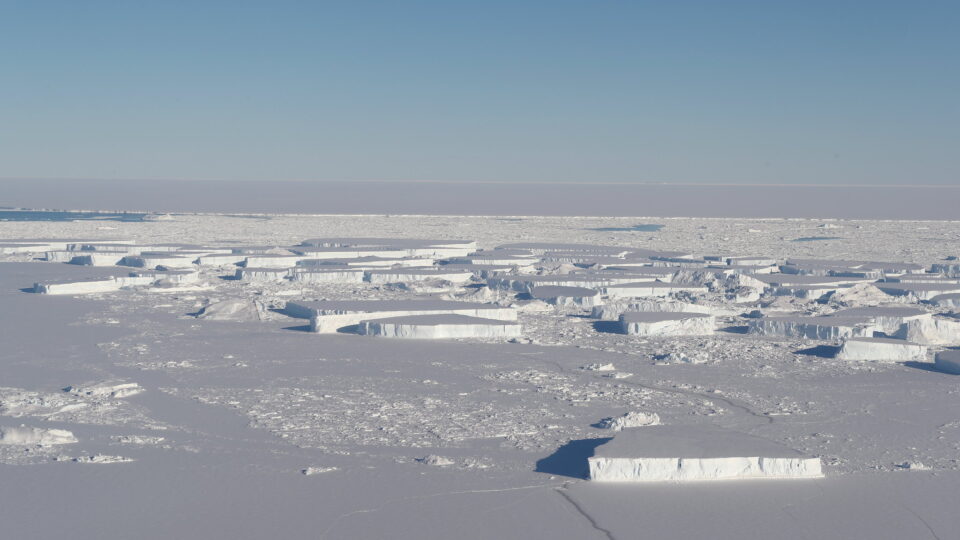
The end of a supergiant iceberg

November 16, 2023 By EarthWise Leave a Comment

In 2017, a supergiant iceberg known as A-68 calved from the Larsen C ice shelf in Antarctica. In 2020, it drifted close to South Georgia, a British island in the South Atlantic Ocean, and then began to break up.  This iceberg was enormous – nearly the size of Delaware.  When it started to break up, it released huge quantities of fresh, cold meltwater in a relatively small region.

Scientists from the British Antarctic Survey and the University of Sheffield have studied how the melting iceberg has affected the temperature and the salinity of the ocean surface in the area.  They found that the water near the surface was 8 degrees Fahrenheit colder than normal and the water only had about two-thirds of its normal saltiness.

The effects from the melted iceberg eventually extended well beyond South Georgia as the colder, less-salty water was carried by ocean currents to form a long plume that stretched more than 600 miles across the South Atlantic.  It also took several months to disappear.

The calving of this massive iceberg provided a unique opportunity for scientists to study the impact of iceberg melting on surface ocean conditions.  A-68 was one of the largest and most studied of all icebergs.  The study has shown that each individual melting giant iceberg can have widespread and long-lasting impacts on ocean conditions, which has consequences for the plant and animal life that lives there.

Climate change is likely to lead to more giant iceberg calving in the future.  It is important to monitor these events to assess their future impacts on ocean circulation, biology, and even seafloor geology.

**********

Web Links

Supergiant iceberg makes surrounding ocean surface colder and less salty

Photo, posted October 24, 2018, courtesy of Jefferson Beck / NASA via Flickr.

Earth Wise is a production of WAMC Northeast Public Radio
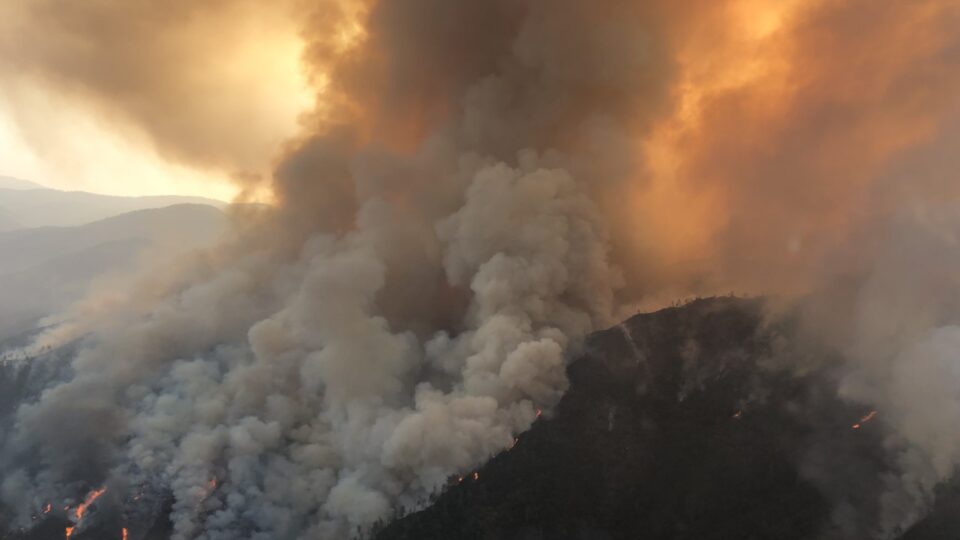
Megafires and ecosystems

November 15, 2023 By EarthWise Leave a Comment

Wildfires are a natural phenomenon.  They have occurred long before there were people around.  Ecosystems adapt to fires and some species can benefit from them or even depend upon them.  But in recent times, fires have been intensifying and increasing in frequency and they are beginning to outstrip nature’s ability to bounce back from them.

So-called megafires – ones that dwarf typical wildfires in size – have an immediate ecological toll.  They kill individual plants and animals that might have survived smaller fires. 

Over millennia, many species of plants and animals have evolved to adapt to periodic fires.  They are especially sensitive to smoke and take protective action in a timely fashion. Others take advantage of food sources that arise when trees burn.

But even species that capitalize on burned-out areas of forests require oases of healthy woodland for at least part of their activities.  When fires are too widespread, such oases are too few and far between.

Animals that survive fires must find food, water, and shelter in the aftermath.  And all air-breathing animals are going to be impacted by smoke exposure because the chemicals in smoke are toxic to them as well as to people.

In places like Canada’s Northwest Territories, repeated fires have transformed some forests, eliminating dominant tree species and replacing them with others whose light seeds were carried on the wind.

Scientists have estimated that increased global fire activity could push more than 1,000 threatened plant and animal species closer to extinction.  Changing fire patterns are transforming landscapes and utterly remaking ecosystems.

**********

Web Links

How Megafires Are Remaking the World

Photo, posted December 19, 2022, courtesy of Brian Pippin/USFWS via Flickr.

Earth Wise is a production of WAMC Northeast Public Radio
Banning Neonicotinoid Pesticides | Earth Wise

October 19, 2023 By EarthWise Leave a Comment

Banning neonicotinoids

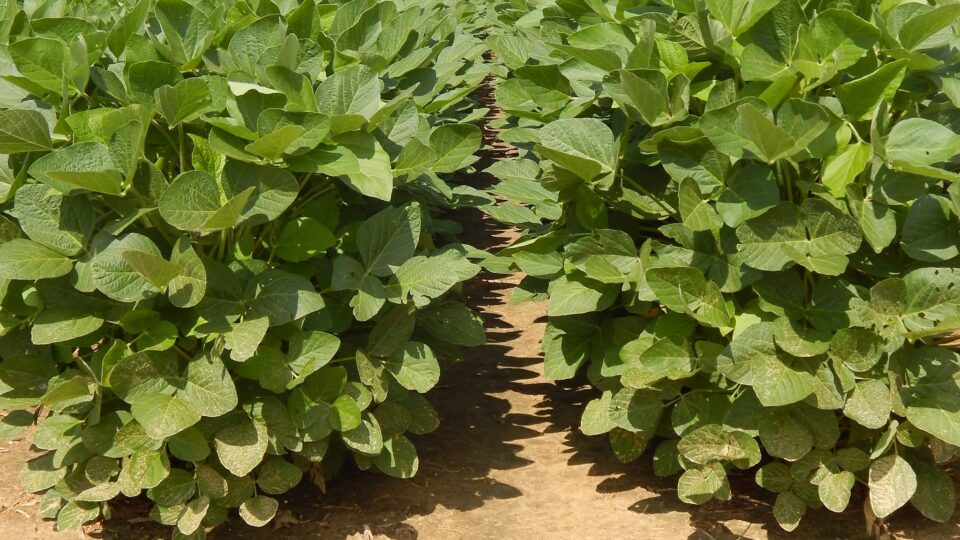
New York’s Birds and Bees Protection Act contains a targeted restriction on neonicotinoid pesticides. These widely-used insecticides are absorbed by plants and can be present in pollen and nectar, making them toxic to bees and other pollinators.

Among the largest applications of neonics (as they are called) has been in the form of coatings on crop seeds, such as corn and soybeans.  In 2019, Canada’s Quebec province strongly limited neonic use to protect pollinators and the environment.  The chemical industry vigorously protested the regulations and claimed that the restrictions would cause the collapse of the grain sector in Quebec.

Seed suppliers began supplying uncoated seeds in 2019 and now there is scarcely any use of coated seeds in the province.  Monitoring of over 1,000 agricultural sites has shown that there have been no crop failures related to the pesticide restrictions.  In fact, use of the neonics had no economic benefits. 

Naysayers warned that even more harmful pesticides or other farming practices would be used instead.  But that hasn’t happened either. Some farmers switched to much safer insecticides and others abandoned insecticide treatments altogether.

New York has faced similar opposition by farmers and chemical manufacturers to the Birds and Bees Protection Act and all of the same arguments that have been proven to be invalid in Quebec are being made in New York.  Most major environmental advocates in the state support the measures embodied in the legislation.  As usual, it boils down to a battle between economic interests and the health of the environment.

**********

Web Links

Québec’s experience with pesticide ban offers a glimpse of what New York can expect

Photo, posted August 29, 2013, courtesy of the United Soybean Board / the Soybean Checkoff via Flickr.

Earth Wise is a production of WAMC Northeast Public Radio
The Cost Of Invasive Species | Earth Wise

September 27, 2023 By EarthWise Leave a Comment

According to a new report published by the Intergovernmental Science-Policy Platform on Biodiversity and Ecosystem Services for the United Nations, invasive species introduced to new ecosystems around the world are causing more than $423 billion in estimated losses to the global economy every year.  These economic costs are incurred by harming nature, damaging food systems, and threatening human health.

According to the report, these costs have at least quadrupled every decade since 1970 and the estimates are actually conservative because it’s difficult to account for all of the effects of invasive species.

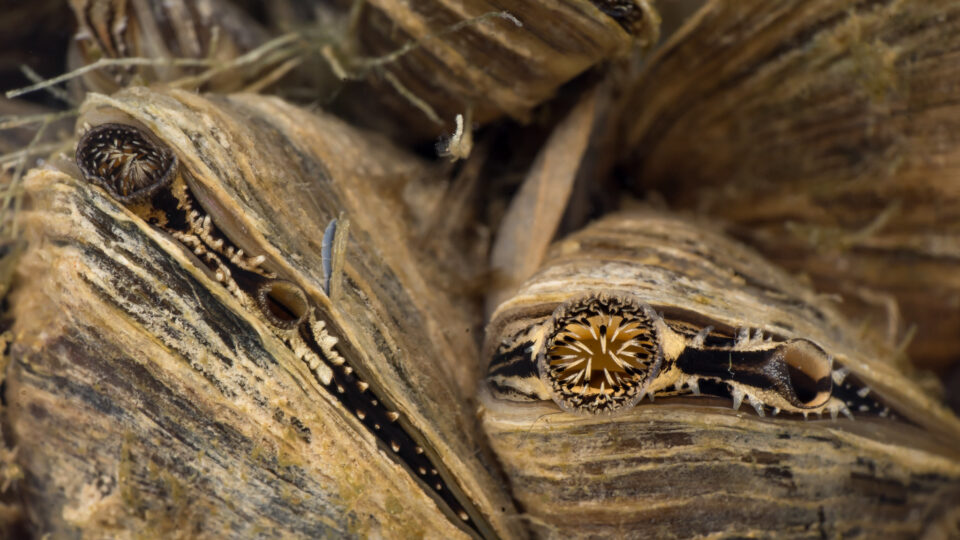
The report estimates that humans have intentionally or unintentionally introduced more than 37,000 species to places outside their natural ranges.  More than 3,500 of them are considered invasive because they are harmful to their new ecosystems.  Invasive nonnative species were a major factor in 60% of known extinctions of plants and animals.

Some species are relocated deliberately by the wildlife trade and international shipping.  Other plants and animals end up hitching a ride with ordinary travelers as they move about by car, boat, plane, or train. 

Invasions can damage human health.  Mosquitos that transmit diseases like malaria, dengue fever, and the Zika virus have become invasive around the world. The wildfires in Hawaii this summer were fueled by invasive nonnative grasses in a warming climate. 

Nearly every country in the world has agreed to participate in a sweeping agreement to preserve biodiversity and reduce invasive species.  It is an essential global goal.

**********

Web Links

Invasive Species Are Costing the Global Economy Billions, Study Finds

Photo, posted June 2, 2022, courtesy of Sam Stukel (USFWS) via Flickr.

Earth Wise is a production of WAMC Northeast Public Radio
Aphids And Monarchs | Earth Wise

September 15, 2023 By EarthWise Leave a Comment

Aphids are negatively impacting monarch butterfly populations

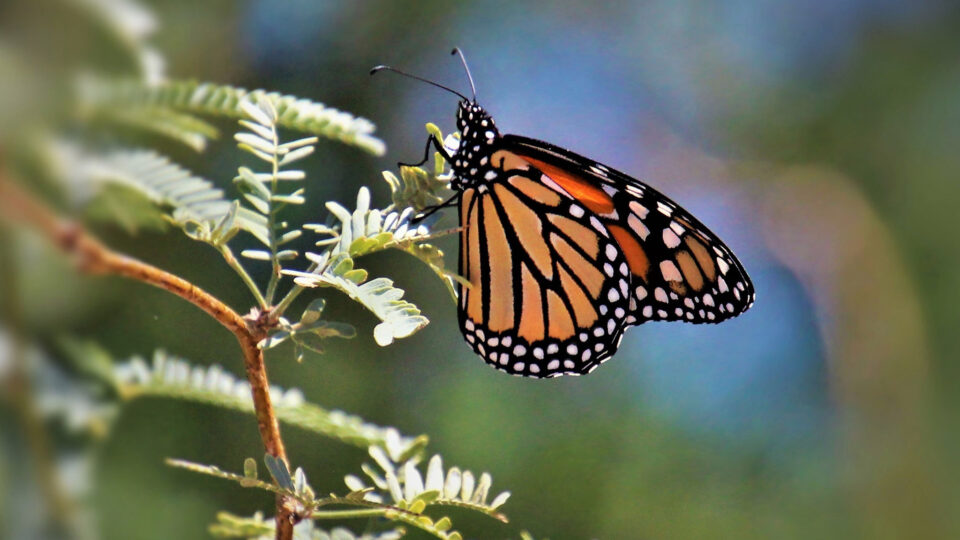
Last year, the monarch butterfly was officially designated as endangered by the International Union for Conservation of Nature.  Estimates are that the overall population of the species has dropped between 20% and 90% over the past several decades. 

The migratory western population of monarchs is at the greatest risk of extinction, having declined by as much as 99.9% between the 1980s and 2021.  Legal and illegal logging and deforestation to make space for agriculture and urban development has destroyed much of the butterflies’ winter shelter in Mexico and California and pesticides and herbicides throughout the butterflies’ range kills both the butterflies and the milkweed that their larvae feed on.

A new study by the University of Florida has found that aphids feeding on the milkweed that grows across the southern portions of the US causes the butterflies to lay fewer eggs on the plants and the caterpillars developing on those plants were slower to mature.  The study showed that monarch laid three times as many eggs on aphid-free plants as they did on aphid-infested plants.

For years, there have been efforts to plant milkweed in urban areas to support monarch populations.  However, aphids and other insect pests often reach high densities on plants in urban settings. 

The researchers are advising home gardeners in the southern U.S. who want to conserve monarch butterflies to make use of safe techniques to limit aphid populations such as insecticidal soap.  This may not always be an option and the researchers are investigating other options to keep aphids at low levels that aren’t harmful to monarchs.

**********

Web Links

Aphids make tropical milkweed less inviting to monarch butterflies, study finds

Photo, posted October 12, 2018, courtesy of Renee Grayson via Flickr.

Earth Wise is a production of WAMC Northeast Public Radio
Air Pollution And Insects | Earth Wise

September 7, 2023 By EarthWise Leave a Comment

Air pollution may be causing global decline in insects

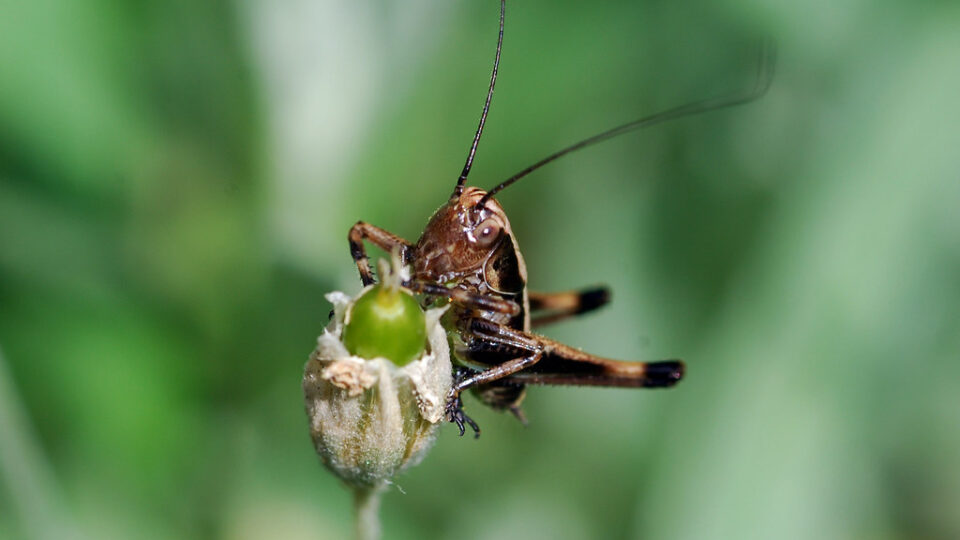
Insects can be found in every environment on Earth and play critical roles in the planet’s ecosystems.  Insects pollinate more than 80% of plants, including those that we eat and those that provide food and habitat for other species.  Without insects, we wouldn’t have the rich biodiversity that supports life on earth today.

But the world is experiencing a decline in overall insect populations as well as a collapse in insect diversity.  According to researchers from the University of Melbourne in Australia, Beijing Forestry University in China, and the University of California – Davis, air pollution particles may be the cause of the dramatic decline.  They found that an insect’s ability to find food and a mate is reduced when their antennae are contaminated by particulate matter. 

In the study, which was recently published in the journal Nature Communications, the research team exposed houseflies to varying levels of air pollution for just 12 hours and then placed the flies in a Y-shaped tube ‘maze’. Uncontaminated flies typically chose the arm of the Y-maze leading to a smell of food or sex pheromones, while contaminated flies selected an arm at random, with 50:50 probability.

Using a scanning electron microscope, the researchers also found that as air pollution increases, more particulate material collects on the sensitive antennae of houseflies. 

Insect antennae have olfactory receptors that detect odor molecules emanating from a food source, a potential mate, or a good place to lay eggs.  If an insect’s antennae are covered in particulate matter, a physical barrier is created between the smell receptors and air-borne odor molecules.

Air pollution poses a significant threat to insect populations around the world.   

**********

Web Links

Air pollution particles may be cause of dramatic drop in global insect numbers

Photo, posted June 13, 2008, courtesy of Allen Watkin via Flickr.

Earth Wise is a production of WAMC Northeast Public Radio
Endangered Plants And The Changing Climate | Earth Wise

August 31, 2023 By EarthWise Leave a Comment

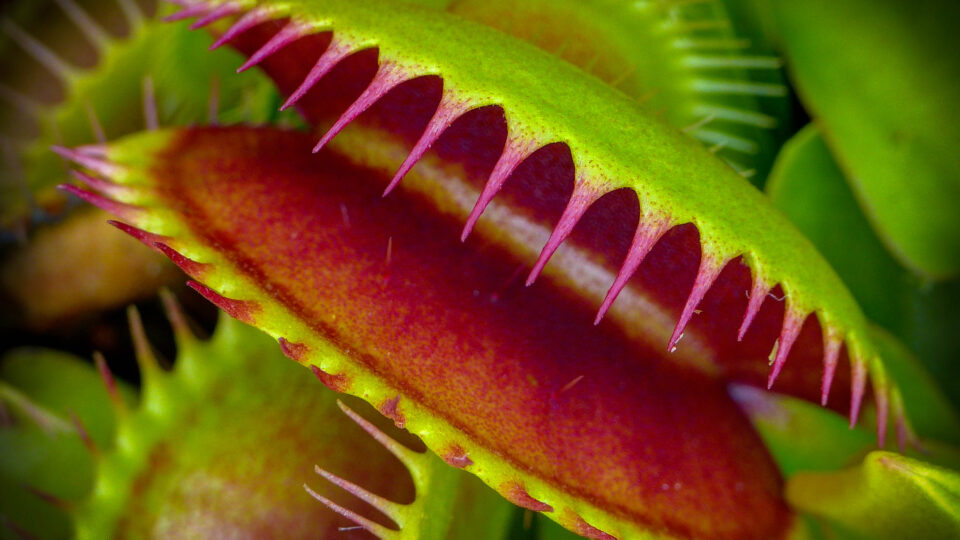
Plants are a critical resource because of the countless ways they support life on Earth. Plants release oxygen into the atmosphere, absorb carbon dioxide, and provide food and habitat for humans and wildlife.  Plants are also used to produce fibers, building materials, and medicines. 

Plants form the backbone of natural ecosystems, and absorb about 30% of all the carbon dioxide emitted by humans each year.  But plants are struggling to adapt in a human-dominated world.  Even though they are easier and cheaper to protect than animals, plants are often overlooked in conservation efforts.

Ironically, conservation efforts appear to be overlooking a key threat to endangered plants.  According to a new study led by researchers from Penn State University, all plants and lichens listed as endangered under the Endangered Species Act are sensitive to climate change, but there are few plans in place to address that threat directly. 

The threat that climate change poses to endangered plants and lichens had not been thoroughly evaluated in more than a decade.  In the study, which was recently published in the journal PLOS Climate, the research team adapted existing assessment tools used to examine the threat of climate change for wild animals and applied them to 771 endangered plant species.  The researchers found that all endangered plant and lichen species are at least slightly threatened by climate change, and little is being done to protect the listed species from that threat.

The researchers hope their findings will be used to aid future conservation planning.  After all, plants can live without humans, but humans cannot live without plants.

**********

Web Links

Climate change threatens 771 endangered plant and lichen species

Photo, posted June 12, 2014, courtesy of Mark Freeth via Flickr.

Earth Wise is a production of WAMC Northeast Public Radio
Beaver Believers | Earth Wise

August 18, 2023 By EarthWise Leave a Comment

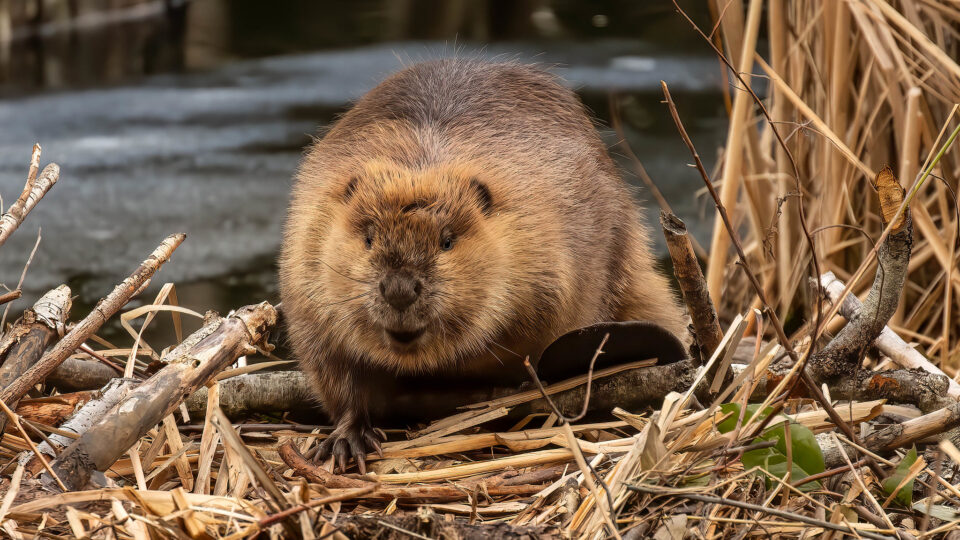
Believing in beavers as ecosystem engineers

Beavers are ecosystem engineers based on their ability to construct dams and create ponds.  By doing so, they create wetland habitat for other species.  They create biodiversity by allowing plant species to emerge in new places as they clear out existing trees and other plants.  Beavers improve water quality and their dams store water during droughts.  Their handiwork minimizes flood risk and mitigates flooding impacts.

Before beavers were widely trapped, there were beaver dams just about everywhere in the American west.  Now beaver rewilding is trying to restore many western ecosystems. In places like Idaho, ranchers have gone from seeing beavers as a nuisance to actually recruiting them onto their land.  One cattle rancher began stream restoration on his land with beaver rewilding in 2014.  By 2022, he was a firm “beaver believer”.  There are now over 200 beaver dams along Birch Creek near Preston, Idaho, and the stream now flows 40 days longer into the year.

NASA has established a team to investigate the extent to which beavers can have an outsized and positive impact on local ecosystems.  The team is using NASA’s Earth Observation satellites to observe the effects beavers are having.  Satellites can collect data from large areas and can pass over the same areas regularly and across seasons.  The goal is to support people on the ground who are implementing beaver rewilding efforts to increase water availability and to increase habits for fish and other species.  NASA’s project will run through 2025 and it plans to expand it to other states with similar terrain and water management strategies.

**********

Web Links

Researchers Become “Beaver Believers” After Measuring the Impacts of Rewilding

Photo, posted February 23, 2021, courtesy of Deborah Freeman via Flickr.

Earth Wise is a production of WAMC Northeast Public Radio
Global Aquaculture And Environmental Change | Earth Wise

August 9, 2023 By EarthWise Leave a Comment

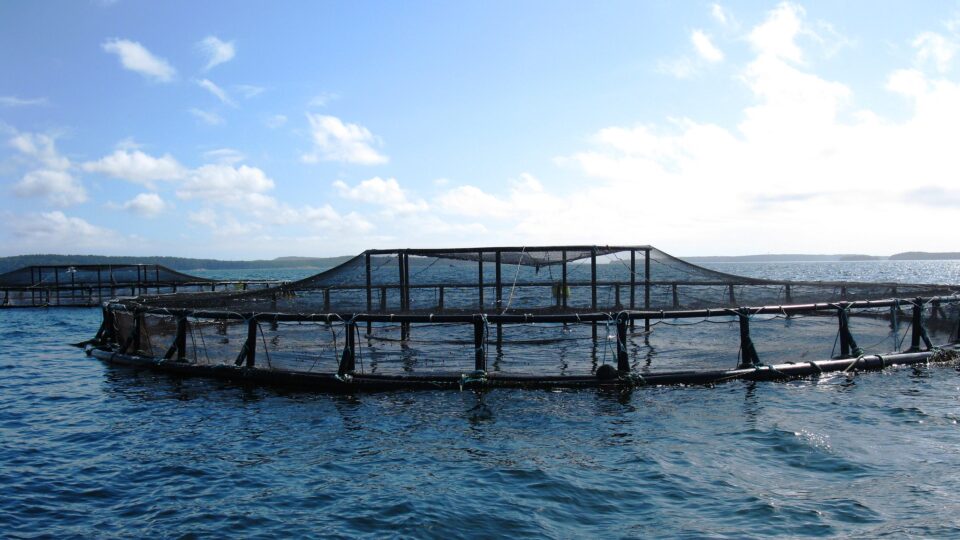
Climate change threatens viability of aquaculture

Blue foods are fish, invertebrates, algae, and aquatic plants that are captured or cultured in freshwater and marine ecosystems.  They include approximately 2,200 species of fish, shellfish, plants and algae as well as more than 500 species farmed in freshwater.  Blue foods play a central role in food and nutrition security for billions of people, and are a cornerstone of the livelihoods, economies, and cultures of many communities around the world.

But many of the world’s largest aquatic food producers are highly vulnerable to human-induced environmental change.  According to a new paper recently published in the journal Nature Sustainability, more than 90% of global blue food production is at risk from environmental changes, with top producers like the United States, Norway, and China facing the biggest threat.  Alarmingly, the research also found that some of the highest-risk countries in Asia, Latin America and Africa demonstrate the lowest capacity for adaptation. 

The paper is the first-ever global analysis of environmental stressors impacting the production quantity and safety of blue foods. A total of 17 anthropogenic stressors were surveyed, including rising seas and temperatures, ocean acidification, changes in rainfall, algal blooms, pollution, and pesticides. 

The research is one of seven scientific papers published by the Blue Food Assessment as part of a global effort to inform future aquatic food sustainability. 

The report calls for more transboundary collaboration and for a diversification of blue food production in high-risk countries to cope with the impact of environmental change. 

**********

Web Links

Vulnerability of blue foods to human-induced environmental change

New research finds that more than 90% of global aquaculture faces substantial risk from environmental change

Photo, posted December 30, 2014, courtesy of NOAA’s National Ocean Service via Flickr.

Earth Wise is a production of WAMC Northeast Public Radio

  • « Go to Previous Page
  • Page 1
  • Page 2
  • Page 3
  • Page 4
  • Page 5
  • Interim pages omitted …
  • Page 13
  • Go to Next Page »

Primary Sidebar

Recent Episodes

  • An uninsurable future
  • Clean energy and jobs
  • Insect declines in remote regions
  • Fossil fuel producing nations ignoring climate goals
  • Trouble for clownfishes

WAMC Northeast Public Radio

WAMC/Northeast Public Radio is a regional public radio network serving parts of seven northeastern states (more...)

Copyright © 2026 ·