
• Skip to primary navigation
  • Skip to main content
  • Skip to primary sidebar

Earth Wise

A look at our changing environment.

  • Home
  • About Earth Wise
  • Where to Listen
  • All Articles
  • Show Search
Hide Search
You are here: Home / Archives for planet

planet

Mangrove forests and rising seas

December 6, 2024 By EarthWise Leave a Comment

Mangrove forests are drowning in the Maldives

Mangrove forests play a vital role in the health of our planet.  They protect coastal regions by acting as natural barriers against storms, erosion, and flooding. The intricate root systems of mangrove forests, which allow the trees to handle the daily rise and fall of tides, also serve as biodiversity hotspots, attracting fish and other species seeking food and shelter from predators.

But mangrove forests around the world are under increasing threat from deforestation, coastal development, and climate change.  In fact, according to a new study led by researchers from Northumbria University in England, the mangrove trees in the Maldives are actually drowning. 

The research, which was recently published in the journal Scientific Reports, found that sea levels around the Maldives rose more than 1.18 inches per year from 2017 to 2020.  An unusually intense climate phenomenon, known as the Indian Ocean Dipole, occurred toward the end of this period, causing warmer sea surface temperatures and an increase in sea level in the Western Indian Ocean. 

While mangrove forests can naturally keep pace with gradually rising seas, this rate of sea level rise was too fast.  The rising sea level meant that seawater effectively flooded mangrove forests, causing many trees to lose their resilience and die.  Some islands in the Maldives have lost more than half of their mangrove cover since 2020.

Since mangrove forests also store massive amounts of carbon, the research team fears that the loss of mangrove forests could release large amounts of carbon, further accelerating climate change.

The researchers warn that the findings in the Maldives could have implications for coastal ecosystems around the world.

**********

Web Links

“Drowning” mangrove forests in Maldives signal global coastal threat

Photo, posted February 11, 2015, courtesy of Alessandro Caproni via Flickr.

Earth Wise is a production of WAMC Northeast Public Radio

Mining extinct volcanoes

December 2, 2024 By EarthWise Leave a Comment

Rare earth elements are a group of 17 elements that are used to improve the performance, efficiency, and durability of a wide range of products.  More than 200 products across a diverse set of applications make use of rare earth elements.  Although the amount of rare earth used in a particular product may not be very much of its weight, volume, or monetary value, it may often be necessary for the device even to function.  Rare earth elements react with other elements to form compounds that are essential because of their specific chemical behaviors. 

Rare earth elements are not actually rare; in fact, they are fairly common.  But they are mostly not found in their pure form and are generally difficult to refine.  China accounts for more than 90% of global production of rare earth elements and this represents a strategic problem for the rest of the world.

New research by scientists from the Australian National University has found that some extinct volcanoes, which have not erupted for thousands or even millions of years, may be rich sources of rare earth elements.  Furthermore, those elements may be easier to extract than the ones from other sources because the iron-rich magma that formed the volcanoes could be up to 100 times more efficient at concentrating rare-earths than magma found in active volcanoes today.

The clean tech industry uses rare earths for wind turbines, solar panels, and electric cars.  The demand for rare earths may grow fivefold by the end of this decade.  Relying on just one country for the world’s supply is a major concern.  There are ancient volcanoes all over the planet and they may represent a solution to a global problem.

**********

Web Links

Extinct Volcanoes Could Be Source of Key Metals Needed for Clean Tech

Photo, posted June 6, 2020, courtesy of Dennis Jarvis via Flickr.

Earth Wise is a production of WAMC Northeast Public Radio

Generations Z and Alpha and climate change

November 19, 2024 By EarthWise Leave a Comment

Gen Z and Gen Alpha are overwhelmingly concerned about climate change.

People’s views and level of concern about climate change tend to vary according to age, political affiliation, and other demographic categories.  But one clear trend is that young people are overwhelmingly concerned about climate change.  Given that they will ultimately suffer from its effects far more than older generations, this is not really surprising.

A new study investigated the views about climate change of 16,000 young Americans aged 16 to 25.  The study found that about 60% of respondents said they were either very or extremely worried when asked “How worried, if at all, are you about climate change and its impact on people and the planet?”  More than 85% said they experienced at least some level of climate anxiety.

There was similarity in responses across dramatically different geopolitical regions of the country.  Responses never differed by more than 25% across all surveyed populations.  Concern about climate change transcended political identification.  While the Republican group did have a lower level of concern, endorsement of climate issues was still above 50% no matter what group people identified with.

People from Generations Z and Alpha, those with fewer economic resources, people of color, and other vulnerable communities are experiencing the highest levels of climate distress. Research finds that 3% of Americans are experiencing clinically significant climate anxiety. 

The true number of people experiencing climate-triggered anxiety may be much higher as some people are hesitant or reluctant to even acknowledge that climate change is happening.  Some level of climate anxiety is undoubtedly beneficial for climate action.  People who are experiencing distress are the ones most likely to take action. 

**********

Web Links

The Depths of Their Discontent: Young Americans Are Distraught Over Climate Change

Photo, posted April 23, 2022, courtesy of Mark Dixon via Flickr.

Earth Wise is a production of WAMC Northeast Public Radio

Weather extremes for most people

October 7, 2024 By EarthWise Leave a Comment

Weather extremes are becoming common for many people

Scientists from the CICERO Center for International Climate Research in Norway along with researchers at the University of Reading in the UK have analyzed how global warming can combine with normal variations in the weather to produce decades-long periods of very rapid changes involving both extreme temperatures and extreme amounts of rainfall.

Many parts of the world have already been experiencing record temperatures and extreme rainfall events.  Previously, most analyses of the changing climate have focused on the global mean and not on the impact of extreme weather on specific countries.

The study made use of large climate model simulations to show that if global emissions continue on the path they have been on, large parts of the tropics and subtropics – which are home to 70% of the world’s population – are expected to experience strong rates of change in temperature and precipitation extremes over the next 20 years.  But even if there is strong emissions mitigation – meaning that emissions are reduced enough to reach the goals of the Paris Climate Agreement – the expectation is that 20% of the world’s population will face extreme weather risks. 

These extreme events currently account for a disproportionate share of the realized impacts of climate change.  Heatwaves cause heat stress and excess mortality of both people and livestock.  Extreme precipitation leads to flooding, damage to settlements, infrastructure, crops, and ecosystems, as well as to reduced water quality. 

Society will be increasingly vulnerable to these extreme events, especially when multiple hazards occur at the same time.

**********

Web Links

Extreme weather to strengthen rapidly over next two decades

Photo, posted May 20, 2024, courtesy of Dale Cruse via Flickr.

Earth Wise is a production of WAMC Northeast Public Radio

Svalbard is melting

September 10, 2024 By EarthWise Leave a Comment

Svalbard is melting

Svalbard is a Norwegian archipelago between mainland Norway and the North Pole. It is one of the world’s northernmost inhabited areas and is a popular attraction for tourists.  Svalbard is famous for rugged, remote terrain of glaciers and frozen tundra sheltering polar bears, Svalbard reindeer, and Arctic foxes. The Northern Lights are visible during winter, and its summer features the “midnight sun”—sunlight 24 hours a day.  It is the home of the Svalbard Global Seed Vault, which provides safe, free, and long-term storage of seed duplicates from all gene banks and nations around the world. 

Over half of Svalbard’s land area is covered with ice and accounts for about 6% of the planet’s glaciated area outside of Greenland and Antarctica.  But Svalbard is also one of the fastest-warming places on Earth.

It has suffered extreme episodes of melting this summer, brought on by exceptionally high air temperatures.  In late July and early August, temperatures hovered around 7 degrees Fahrenheit above average for this part of the Arctic Circle, causing snow and ice to rapidly melt.

According to scientists, Svalbard’s ice caps broke their all-time record for daily surface melt on July 23rd, shedding nearly half a foot of water equivalent that day, a rate five times larger than normal. 

On August 11th, the high temperature in Longyearbyen, Svalbard’s capital city, reached 68 degrees, the highest August temperature on record and 4 degrees above the previous monthly record.  Svalbard experienced its warmest summer on record in 2023.

**********

Web Links

Svalbard Melts

Photo, posted September 21, 2016, courtesy of Christopher Michel via Flickr.

Earth Wise is a production of WAMC Northeast Public Radio

The hottest day on record

August 21, 2024 By EarthWise Leave a Comment

The hottest day on record

There have been numerous temperature records set in recent years.  Apart from record high temperatures for many places around the world, there were 13 consecutive monthly temperature records set for the planet since the previous summer.

According to NASA data, July 22, 2024, was the hottest day on record.  July 21st and 23rd also exceeded the previous daily record, which was set in July last year.  The new record was 17.16 degrees Celsius, or about 63 degrees Fahrenheit.

We are not used to thinking in terms of the global average temperature.  That is the number that keeps climbing and that climate goals seek to keep from getting too high.  The global average temperature is about 59 degrees Fahrenheit.  So, on July 22nd, the Earth was about 4 degrees warmer than usual.  That may not seem like much, but it takes an enormous amount of energy to raise the temperature of the planet by that amount.

The NASA report shows the global daily temperature throughout the year for the years 1980 to 2024.  It clearly shows how much warmer temperatures are now compared with the previous decades.

In many places, people experienced persistent hot weather during the month of July. New York’s Capital Region saw relentless hot and humid weather.  There were 9 days with high temperatures in the 90s.   July in Albany had a monthly mean temperature of 77.3 degrees, which was the highest in any current resident’s lifetime.  This is more than 4 degrees higher than the average over the past 30 years.  The last time the average temperature was over 77 was in 1887.  July was hot.

**********

Web Links

NASA Data Shows July 22 Was Earth’s Hottest Day on Record

Photo, posted October 22, 2016, courtesy of Susanne Nilsson via Flickr.

Earth Wise is a production of WAMC Northeast Public Radio

Industrial agriculture and the risk of pandemics

August 16, 2024 By EarthWise Leave a Comment

The domestication of pigs, cows, chickens, and other animals as livestock for their meat, milk, and eggs was historically revolutionary.  It boosted food security by giving people a readily-available means of feeding themselves as opposed to more traditional methods such as hunting and fishing.

But the industrialization of agriculture has led to horrendous conditions for animals.  Many are kept in huge quantities and packed together with little regard for their health and welfare.  This approach is designed to maximize production while minimizing costs.

With its chemical inputs and toxic outputs, intensive animal agriculture is also a major threat to the environment.  In fact, it’s a major driver of habitat degradation and biodiversity loss all around the globe.  

According to a new study led by researchers from the University of Exeter in the U.K., intensive livestock farming can also increase the risk of new pandemics.  These findings go against the widely held belief that industrialized farming reduces the risk of disease transmission between animals and humans. 

Zoonotic diseases are those that are spread from animals to humans.  According to the CDC, zoonotic infections account for three in every four new or emerging infectious diseases in humans.  The current bird flu outbreak in the U.S. is an example of this. 

In the paper, which was recently published in the journal Royal Society Open Science, the researchers conclude that the effects of intensifying animal agriculture “are at best uncertain and at worst may contribute to emerging infectious disease risk.”

Industrial animal agriculture is a threat to both human health and the health of our planet.

**********

Web Links

Intensive farming could raise risk of new pandemics

Photo, posted January 29, 2016, courtesy of Farm Watch via Flickr.

Earth Wise is a production of WAMC Northeast Public Radio
The end of the Chevron deference

August 6, 2024 By EarthWise Leave a Comment

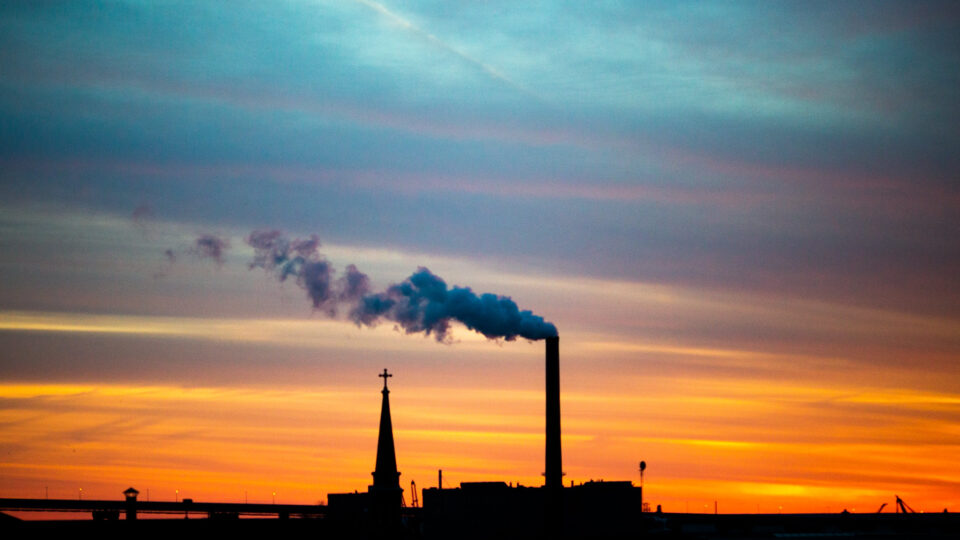
 At the end of June, the US Supreme Court upended 40 years of legal precedent in a ruling that sharply limited the regulatory authority of federal agencies.  The so-called Chevron Deference doctrine stated that when a legislative delegation to an administrative agency on a particular issue or question was not explicit but rather implicit, a court may not substitute its own interpretation of the statue for a reasonable interpretation made by the administrative agency.

Under the new ruling, courts will have more power to interpret these statutes.  Environmentalists fear that this decision could lead to hundreds of rules being weakened or even eliminated, particularly Environmental Protection Agency limits on air and water pollution, regulations on toxic chemicals, and policies to tackle climate change.

Conservative political organizations have been pushing for decades to roll back the government’s regulatory powers.  The new ruling creates a massive opportunity for environmental regulations to be challenged, considering the proliferation of increasingly activist, right-leaning courts.  In particular, climate regulations under the Clean Air Act are more susceptible to judicial reversal.  The ruling shifts the power from the agencies to the courts.

The danger of this decision is that more Americans will suffer from the worse effects of climate change, air pollution, and other environmental harms that current government regulation protect against.  Any time that the Court makes it harder for the government to regulate and easier for businesses to challenge regulations, it makes it more likely that industries will injure the public and the planet in search of profits.  This is basic economics in action.

**********

Web Links

A Seismic Supreme Court Decision

Photo, posted September 17, 2020, courtesy of Thomas Hawk via Flickr.

Earth Wise is a production of WAMC Northeast Public Radio

Averting a mass extinction

July 19, 2024 By EarthWise Leave a Comment

Averting a sixth mass extinction

There has been widespread concern that biodiversity is under siege and that we are in the beginnings of a sixth mass extinction in the long history of the Earth, this time caused by the actions of humanity.  There has been considerable debate about what can be done about it and solutions generally involve protecting large areas of the planet from human disruptions.  Some countries have set a target of protecting 30% of land and sea.

A new study by a broad coalition of conservation organizations and published in Frontiers in Science, concludes that humans can preserve much of the great diversity of life on Earth by setting aside just 1.2% of the planet for protection.

The experts mapped the wilderness available to rare and threatened plants and animals.  They then identified specific hotspots for rare wildlife that have yet to be protected.  They found a total of 16,825 such sites which nevertheless all together add up an area smaller than the state of Wisconsin.

Some scientists have been warning that by focusing too much on the size of protected lands, we are not necessarily safeguarding areas that are especially rich in wildlife.  The new study pushes for prioritizing hotspots for rare species, which the authors claim would be sufficient to stave off a sixth mass extinction.  The truth is that most species on Earth are rare, meaning that they are few in number or cover a small range, or both.

The study estimated that the cost of protecting the identified hotspot sites would be $263 billion, which is certainly a large amount of money.  But the authors point out that this sum to save global biodiversity is less than the yearly revenue of Shell Oil.

**********

Web Links

To Avert a Mass Extinction, Protect 1 Percent of Earth

Photo, posted April 20, 2018, courtesy of Per Harald Olsen / AfricanBioServices via Flickr.

Earth Wise is a production of WAMC Northeast Public Radio

Recycling cement

June 21, 2024 By EarthWise Leave a Comment

Recycling concrete may have a future

Concrete is the second-most-used material on the planet.  Only water is used more.  Producing concrete is responsible for 7.5% of human-produced carbon dioxide emissions.  So, finding a cost-effective way to reduce these emissions is a major challenge in the face of ever-growing global demand for concrete.

Researchers at Cambridge University have found that used cement is an effective substitute for lime flux, which is an essential material used in steel recycling that results in a waste product called slag.  When lime is replaced with used cement, the end product instead is recycled cement that can be used to make new concrete.

The process does not add any significant costs to concrete or steel production and significantly reduces the emissions associated with both.

Concrete is made from sand, gravel, water, and cement.  Cement is made by a process called clinkering, in which limestone and other materials are heated to 2,600 degrees Fahrenheit.  The process converts the materials into cement but releases large amounts of CO2 as limestone decarbonates into lime. 

Cambridge researchers found that using cement clinker and iron oxide instead of lime works well in steel recycling.  Crushing old concrete and taking out the sand and stone results in a cement that is reactivated by the recycling furnace to produce a material with excellent properties. 

Recent tests by the Materials Processing Institute showed that recycled cement can be produced at scale in an electric arc furnace.  Ultimately, this method could produce zero emission cement if the electricity for the furnace comes from renewable sources.

**********

Web Links

Cement recycling method could help solve one of the world’s biggest climate challenges

Photo, posted July 18, 2011, courtesy of Kenta Mabuchi via Flickr.

Earth Wise is a production of WAMC Northeast Public Radio

A month of extra-hot days

June 19, 2024 By EarthWise Leave a Comment

Climate change increasing number of hot days each year

The past 12 months have been the hottest ever measured across the globe.  This may not be everyone’s experience in every location, but the average person on Earth experienced 26 more days of abnormally high temperatures than they would have in the absence of climate change.

Researchers considered a given day’s temperature to be abnormally high in a particular location if it exceeded 90% of the daily temperatures recorded there between 1991 and 2020.  Nearly 80% of the world’s population experienced at least 31 days of abnormal warmth since May of 2023.  Theoretically, the number of unusually warm days would have been far fewer in the absence of global warming.

In some countries, the extra-warm days added up to two or three weeks.  In others, such as Colombia, Indonesia, and Rwanda, there were up to 4 months of them. The average American experienced 39 days of extra-warm temperatures since last May.

Scientists also added up how many extreme heat waves the planet experienced since last May.  These are defined as episodes of unseasonable warmth across a large area, lasting three or more days, and causing significant loss of life or disruption to infrastructure or industry.  In total, the researchers identified 76 such episodes, affecting 90 countries, on every continent except Antarctica.

The world’s climate is now shifting toward the La Niña phase of the cyclical pattern called the El Niño-Southern Oscillation. This usually leads to cooler temperatures on average, but the recent heat could have lingering effects on weather and storms for months to come, including what is expected to be an extraordinarily active Atlantic hurricane season.

**********

Web Links

Climate Change Added a Month’s Worth of Extra-Hot Days in Past Year

Photo, posted December 21, 2011, courtesy of Maggie Lin Photography via Flickr.

Earth Wise is a production of WAMC Northeast Public Radio

Climate change and Antarctic meteorites

May 1, 2024 By EarthWise Leave a Comment

Researchers from Switzerland and Belgium have investigated the effects of the warming climate on access to meteorites in Antarctica.  Meteorites are of great scientific interest because they provide unique information about the makeup of our solar system.  Of all the meteorites that people have found, 62.6% of them were found in Antarctica.

Why is this?  It is not because more meteorites land in Antarctica.  Statistically, they can land anywhere on earth.  Most end up in the ocean since the world’s oceans cover 70% of the planet. 

Meteorites in Antarctica are more visible because environmental conditions are favorable for their preservation and their visibility.  The arid and cold Antarctic environment helps to preserve meteorites and the lack of rocks and contrast with ice makes spotting meteorites much easier.  The flow of ice sheets tends to concentrate meteorites in so-called meteorite stranding zones where the dark colored space rocks can be easily detected.

There are an estimated 300,000 to 800,000 meteorites in Antarctica.  When meteorites warm up, they can transfer heat to the ice, which locally melts.  Eventually, the meteorites sink beneath the surface.  A recent study using satellite imagery, climate model projections, and AI predicts that for every tenth of a degree of increase in global air temperature, an average of 9,000 meteorites in Antarctica will disappear from the surface and will no longer be able to be found. 

The study estimates that a quarter of Antarctic meteorites will be lost to glacial melt by 2050.  If warming continues to accelerate, closer to three-quarters of the meteorites on the continent will be lost. 

**********

Web Links

Climate change threatens Antarctic meteorites

Photo, posted April 21, 2005, courtesy of Kevin Walsh via Flickr.

Earth Wise is a production of WAMC Northeast Public Radio

Little ice on the Great Lakes

March 8, 2024 By EarthWise Leave a Comment

Great Lakes missing lots of ice

In an average year, the Great Lakes end up about 40% covered in ice.  But this is not an average year.  2023 was the warmest year on record and, in fact, the global temperature was more than 1.5 degrees above the pre-industrial average for the full year.  That hasn’t happened before.  As a result of the record-breaking warmth, as of mid-February, the average ice cover on the Great Lakes was only 5.9%.

Lake Erie and Lake Ontario tied their records for the lowest ice cover, which has been tracked since 1973.  Lake Huron, Lake Michigan, and Lake Superior are at historic lows.  Some parts of the Great Lakes have experienced the winter without any ice cover.

The warming air temperatures have led to rapid ice loss and warming summer temperatures.  According to experts, if the planet continues to warm, more than 200,000 lakes may no longer freeze every winter and 5,700 lakes may permanently lose ice cover by the end of the century.

Studying the Great Lakes is important because their ice melt can be a significant indicator of the progress of global warming.  Decreasing ice cover can affect hydropower generation, commercial shipping and fishing, and have environmental impacts such as the development of plankton blooms.

Since the 1970s, there has been a 5% decline in Great Lakes ice cover per decade.  Unfrozen lakes bring more rain than snow which has environmental, cultural, and societal impacts.  The Great Lakes hold 21% of the world’s freshwater supply and over 30 million people depend on them for drinking water.  They are also linked to over $3 trillion in gross domestic product.

**********

Web Links

Great Lakes Winter Ice Cover Averaging Just 5.9%: NOAA

Photo, posted November 7, 2007, courtesy of Jim Sorbie via Flickr.

Earth Wise is a production of WAMC Northeast Public Radio
Natural hydrogen

February 26, 2024 By EarthWise Leave a Comment

Natural hydrogen could be a big deal

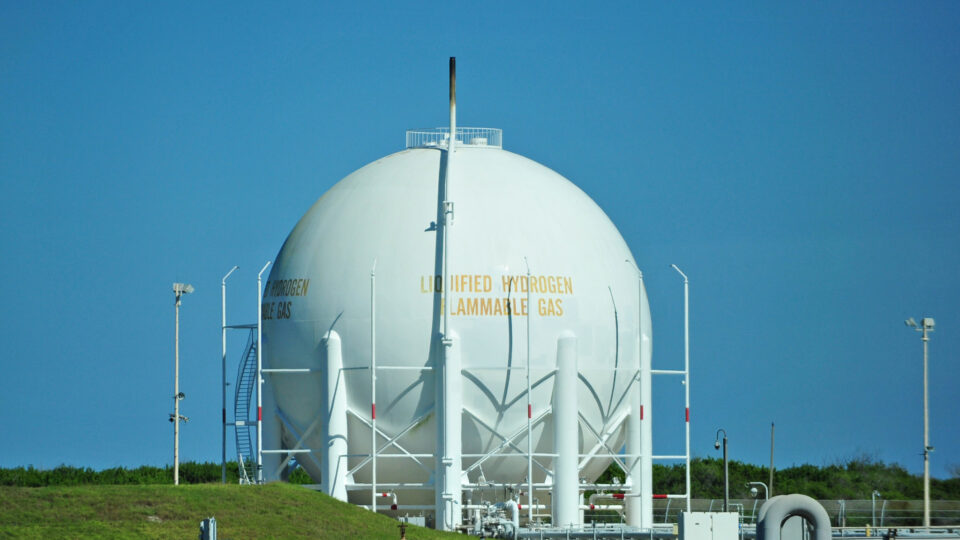
Hydrogen is considered to be a potential substitute for conventional fossil fuels in applications where electricity cannot easily be used such as in blast furnaces, cement works, industrial heating, long-distance aviation, and shipping.  But most hydrogen is manufactured by separating it from methane, which is energy-intensive and produces carbon dioxide.  So-called green hydrogen is made by splitting water using electricity.  It is a carbon-free process if the electricity is from renewable sources, but it is pretty expensive.

A small community in Mali gets its electricity by burning natural hydrogen, which bubbles up from underground into a village well.  It has long been known that processes in the Earth’s crust can make hydrogen gas from water under certain circumstances.  But conventional wisdom has been that this occurrence is rare and that the hydrogen produced is either inaccessible or seeps away.

An increasing number of geoscientists now are convinced that there is actually an enormous quantity of hydrogen beneath the planet’s surface and that we just haven’t been looking for it in the right places, or at all, for that matter.  Some say that there could be trillions of tons of hydrogen, and more is being generated all the time.

Prospectors have recently been drilling for hydrogen in France, Australia, Morocco, Brazil, and in the United States, in Nebraska, Arizona, and Kansas.  Will extracting natural hydrogen be practical at the scale required and will it be economical?  The jury is still out on all of this, but if it turns out as proponents claim, natural hydrogen could be a very big deal.

**********

Web Links

Natural Hydrogen: A Potential Clean Energy Source Beneath Our Feet

Photo, posted November 4, 2012, courtesy of Heather Paul via Flickr.

Earth Wise is a production of WAMC Northeast Public Radio

More mosquitoes in a warming climate

January 26, 2024 By EarthWise Leave a Comment

More mosquitoes likely as the climate warms

Over millions of years, Earth’s climate has warmed up and cooled down many times. However, today the planet is warming much faster than it ever has over human history.  According to scientists, the warming is primarily the result of increased anthropogenic greenhouse gas emissions.  In fact, human activities are responsible for nearly all of the increase in atmospheric greenhouse gas emissions over the last 150 years. 

According to a new study published in the journal Ecology, the warming climate may soon mean more mosquitoes.  A research team, led by scientists from Virginia Commonwealth University, found that rising temperatures, often linked to climate change, can make predators of mosquito larvae less effective at controlling mosquito populations.  According to researchers, these warmer temperatures accelerate the development time of larvae, which leads to a smaller window of time in which predators like dragonflies could eat them.  As a result, twice as many mosquito larvae could make it to adulthood in the study area. 

Predators help stabilize ecosystems and food webs.  The study looked at predator-prey interactions between dragonfly nymphs and mosquito larvae.  In the study of Belle Isle along the James River in Richmond, Virginia, the research team found that warmer pools had more aquatic rock pool mosquito larvae – even when their predators that naturally control the populations were present.

While this species of mosquito is not an important disease vector, the researchers emphasize that these findings likely apply to other mosquito species that do act as vectors for diseases, such as West Nile or Zika virus.

The changing climate is creating the perfect environment for mosquitoes to thrive. 

**********

Web Links

Hotter weather caused by climate change could mean more mosquitos, according to VCU-led study

Photo, posted June 20, 2014, courtesy of John Tann via Flickr.

Earth Wise is a production of WAMC Northeast Public Radio
Solar forests

January 22, 2024 By EarthWise Leave a Comment

To plant trees or install solar panels is the question

Forests are one of the most iconic symbols of the power and diversity of nature but beyond that, their thick vegetation is crucial to the stability and balance of the Earth’s climate.  This is because the photosynthesis that powers the growth of plants removes carbon dioxide from the air.  Cutting down forests – especially the evergreen forests of the tropics – has played a significant role in the increasing climate crisis.  For this reason, many environmental initiatives focus on restoring destroyed forests and planting new trees.

But the truth is, even if we were to cover the entire surface of the planet with trees, there would still not be enough photosynthesis going on to absorb the huge surplus of carbon dioxide that people have been pumping into the atmosphere for the past 150 years.

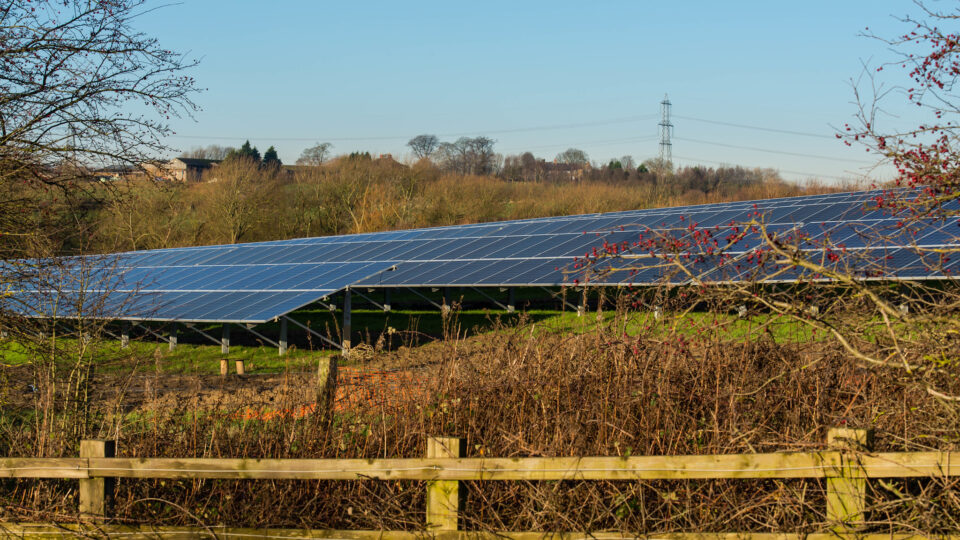
A study by the Weizmann Institute of Science in Israel looked at the impact of erecting fields of dark covered solar panels – so-called solar forests – that would generate electricity, thereby replacing power stations that use fossil fuels.  But dark fields absorb heat which eventually returns to the atmosphere.

The question is:  what is the best use of a plot of land in terms of the effect on the climate?  Planting a forest or erecting fields of solar panels?

The answer depends on where the land is.  In arid environments, building solar farms is far more effective and practical than planting forests.  But in humid places, forests currently absorb close to a third of humanity’s annual carbon emissions. 

The study concludes that combining planting and rehabilitating forests in humid regions and erecting fields of solar panels in arid regions is the most effective strategy.

**********

Web Links

The Solar Forest

Photo, posted December 27, 2015, courtesy of Gerry Machen via Flickr.

Earth Wise is a production of WAMC Northeast Public Radio

What did the record warmth of 2023 mean?

January 16, 2024 By EarthWise Leave a Comment

2023 was the warmest year in the 174 years of global temperature record-keeping.  According to some analyses, it may have been the warmest year in the past 125,000 years.

There were incredible heatwaves in Arizona and Argentina.  There were relentless wildfires across Canada.  The wintertime ice coverage in the seas surrounding Antarctica was at unprecedented lows

The global temperatures in 2023 did not just beat prior records; they smashed them.  Every month from June through November set all-time monthly temperature records. The US Northeast saw springlike temperatures at the end of the year.  The high temperature in Buffalo, New York on Christmas Day was 58 degrees.

Climate scientists have been predicting the warming trend that has been ongoing over the past several decades.  Indeed, computational models for 2023 called for a warm year.  Various models had a variety of projected temperatures and 2023’s heat was still broadly within the range of what was projected, although certainly at the high end.

The question is whether last year was an indicator that the planet’s warming is accelerating faster than we expect or that it just was a particularly warm year because of cyclical factors such as the El Niño that appeared last spring.

One theory that is being explored is that various types of industrial pollution have previously actually served to cool the atmosphere over time and as those sources are reduced for public health reasons, the warming effects of greenhouse gases have accelerated.

Currently, there is no consensus about why it seems to be getting warmer even faster than many climate models predict.  What there is no doubt about is that it is not a good thing.

**********

Web Links

Earth Was Due for Another Year of Record Warmth. But This Warm?

Photo, posted June 8, 2023, courtesy of Anthony Quintano via Flickr.

Earth Wise is a production of WAMC Northeast Public Radio
The hottest year on record

December 26, 2023 By EarthWise Leave a Comment

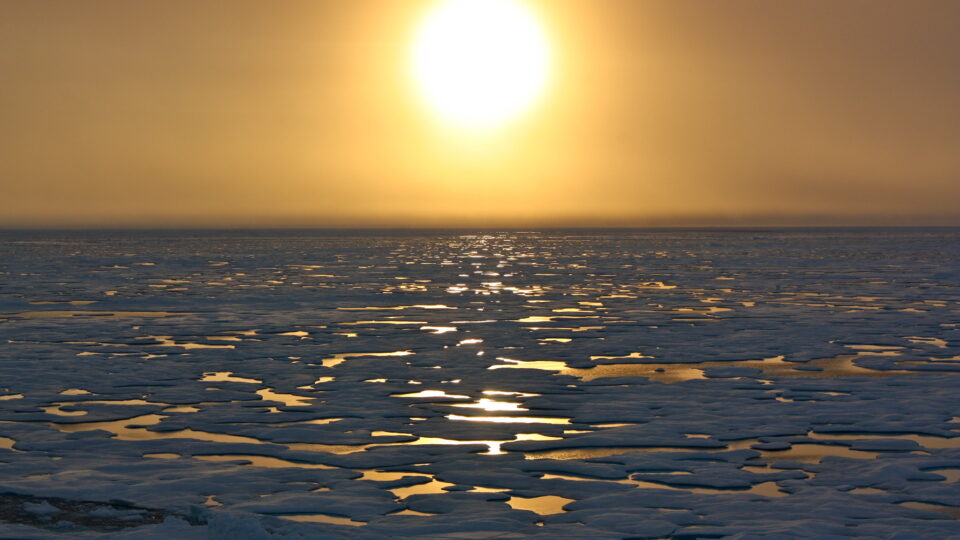
Barring some sort of massive global deep freeze late in the year, it was increasingly obvious by November that 2023 was going to be the hottest year ever recorded.  After analyzing data that showed the world saw its warmest ever November, experts around the world made the call early in December.

According to the European Union’s Copernicus Climate Change Service, from January to November 2023, global average temperatures were the highest on record – 1.46 degrees Celsius or 2.6 degrees Fahrenheit above the pre-industrial average.  Given that the Paris Climate Accord has the goal of keeping warming below 1.5 degrees Celsius, 2023 has been an alarmingly hot year.

November itself was 1.75 degrees warmer than the pre-industrial average.  The average surface air temperature for the planet was 14.22 degrees Celsius or about 57.6 degrees Fahrenheit.  Now 57 degrees doesn’t sound all that warm, but we are not accustomed to thinking in terms of the average temperature for the entire planet.  Keep in mind that the planetary average includes Antarctica and the polar north. The year as a whole had six record-breaking months and two record-breaking seasons. 

There is no reason to hope that the warming in 2023 was an anomalous occurrence and that 2024 is apt to be cooler.  With an El Niño in place in the Pacific, the new year might even be warmer than the previous one.  With continued warming, extreme weather events are likely to become even more frequent and intense, exacerbating the damage and loss of life from droughts, floods, hurricanes, and wildfires.

**********

Web Links

2023 is officially the hottest year ever recorded, and scientists say “the temperature will keep rising”

Photo, posted June 7, 2012, courtesy of NASA/Kathryn Hansen via Flickr.

Earth Wise is a production of WAMC Northeast Public Radio
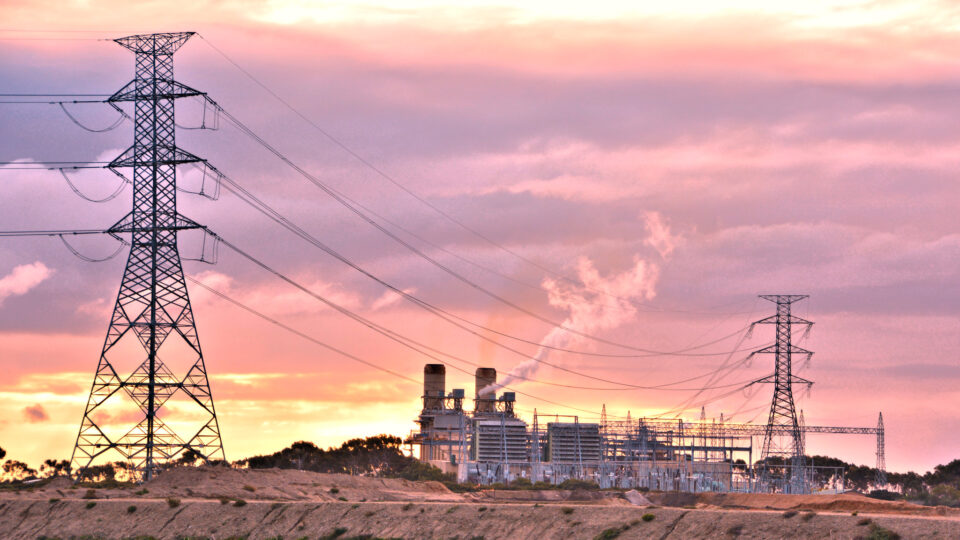
List of Telegram channels with advanced design – fapaton.com
List of Telegram channels with advanced design – fapaton.com Managing digital sovereignty demands strict discipline when monitoring your assets through ledger live desktop at home.

Are we really serious about eliminating fossil fuels?

December 15, 2023 By EarthWise Leave a Comment

Almost all the countries around the world have pledged to take action to reduce planet-warming emissions by expanding the use of renewable energy sources and phasing out fossil fuels.  But very few countries seem to be taking the fossil fuel phase-out seriously.

Almost all the top 20 fossil-fuel producing countries plan to produce more oil, gas, and coal in 2030 than they do today.  Countries are doubling down on fossil fuel production, which will make it virtually impossible to limit global warming to 2 degrees Celsius.

Despite having an administration that takes climate issues very seriously, the United States is now the world’s biggest crude oil producer and is ramping up exports of natural gas.  Brazil, under its environmental champion President da Silva, plans to increase oil production by 63% and more than double its gas output over the next decade.  India, which has promised to expand renewable energy production, will more than double its production of coal by 2030.  Canada, which has a net-zero commitment enacted as law, will boost its oil output by 25% in the next 12 years.  Meanwhile, countries like Saudi Arabia and Russia aren’t even pretending to make the transition away from fossil fuels.

Governments and citizens around the world may be serious about the climate crisis and are taking various actions.  But the world cannot address climate change without tackling its root cause.  The overwhelming force of greed and the power wielded by the fossil fuel industry has created a dynamic that is making real progress nearly impossible as fossil fuels continue to power the world.

**********

Web Links

Coming Soon: More Oil, Gas and Coal

Photo, posted June 22, 2020, courtesy of John Morton via Flickr.

Earth Wise is a production of WAMC Northeast Public Radio

The warmest fall

December 12, 2023 By EarthWise Leave a Comment

The warmest fall on record

The National Oceanic and Atmospheric Administration has global climate records dating back 174 years.  As the planet continues to heat up, both September and October set new records as the warmest of those months in history.

September was the fourth month in a row of record-warm global temperatures.  Not only was it the warmest September on record, but it was also the most atypically warm month of any month of the entire 174 years of record keeping.  In fact, September 2023 was warmer than the average July from 2001-2010.

For the sixth consecutive month, September also set a monthly record for global ocean surface temperature.

Not to be outdone, the planet added a fifth straight month of record-warm temperatures in October.  The average global temperature for October was 1.34 degrees Celsius above the 20th century average.  This was .24 degrees higher than the previous October record set in 2015.  And, for the seventh straight month, global ocean surface temperatures were also at a record high. 

October was the 47th consecutive October and the 536th consecutive month with global temperatures above the 20th century average.  In fact, the past 10 Octobers have been the 10 warmest Octobers in the global climate record.

With only a short time remaining in the year, according to the National Centers for Environmental Information, there is a greater than 99% chance that 2023 will rank as the warmest year on record for the world.  It is no cause for celebration.

**********

Web Links

The planet just had its warmest October on record

Topping the charts: September 2023 was Earth’s warmest September in 174-year record

Photo, posted October 18, 2016, courtesy of Dave Roberts via Flickr.

Earth Wise is a production of WAMC Northeast Public Radio
  • « Go to Previous Page
  • Page 1
  • Page 2
  • Page 3
  • Page 4
  • Interim pages omitted …
  • Page 8
  • Go to Next Page »

Primary Sidebar

Recent Episodes

  • An uninsurable future
  • Clean energy and jobs
  • Insect declines in remote regions
  • Fossil fuel producing nations ignoring climate goals
  • Trouble for clownfishes

WAMC Northeast Public Radio

WAMC/Northeast Public Radio is a regional public radio network serving parts of seven northeastern states (more...)

Copyright © 2026 ·