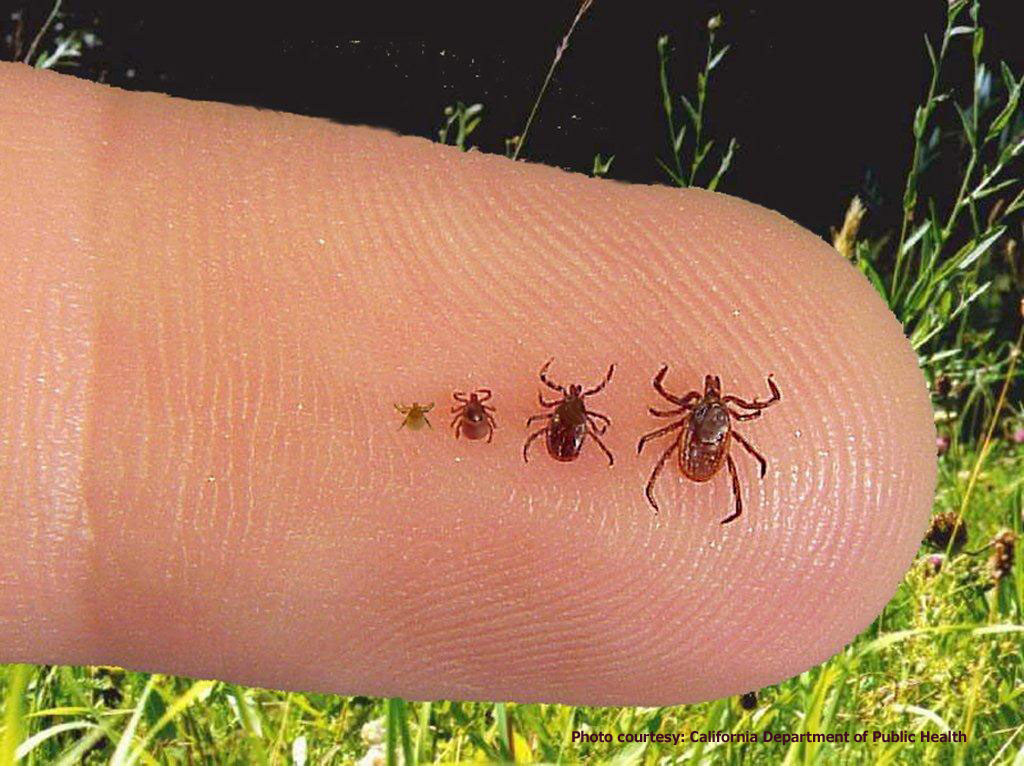
Ebola. Hantavirus. Lyme disease. What do they have in common? Like most emerging infectious diseases, they originated in mammals. So many debilitating pathogens make the jump from wildlife and livestock to humans, yet at the global scale little is known about where people are most at risk of outbreaks.
pathogens
Big Data + Technology = Improved Global Health
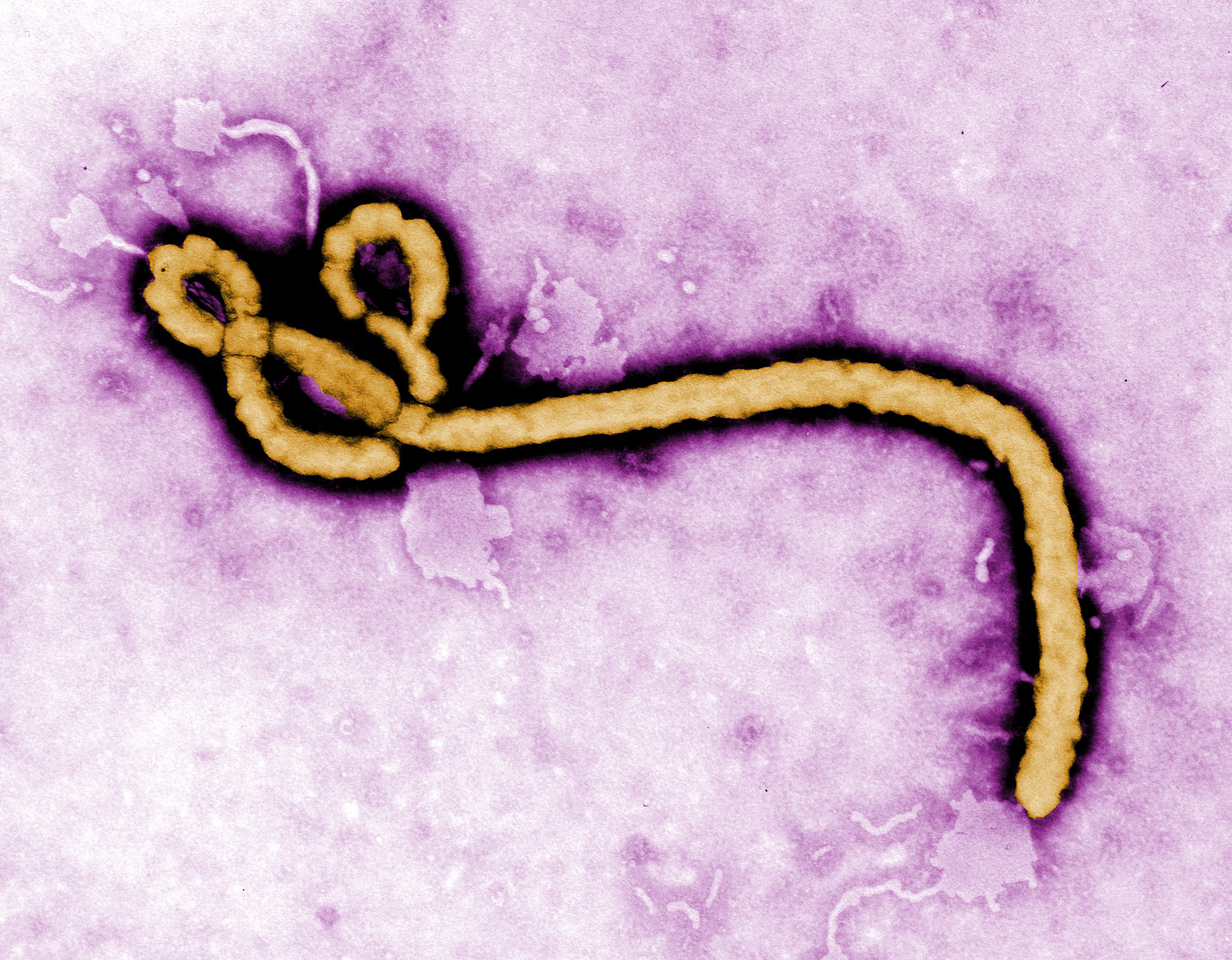
Scientists are calling for the creation of a global early warning system for infectious diseases. Such a system would use computer models to tap into environmental, epidemiological, and molecular data – gathering the intelligence needed to forecast where disease risk is high and what actions could prevent outbreaks or contain epidemics.
[Read more…] about Big Data + Technology = Improved Global Health
Tiny Forest Pests Cause Big Problems

Each year, more than 25 million shipping containers enter the U.S. All too often, highly destructive forest pests are lurking among their imported goods. Wood boring insects arrive as stowaways in wood packaging, such as pallets and crates. Other forest pests and pathogens hitchhike in on foreign-reared plants bound for American nurseries.
Social And Ecological Underpinnings Of Infectious Disease

When it comes to addressing infectious disease, we have a short attention span. Forces are mobilized when we’ve crossed a tipping point, and demobilized when the immediate threat has passed. In the case of Zika, the World Health Organization declared a public health emergency based on a strong association between Zika infection and microcephaly in newborns and a spike in Guillain-Barré syndrome.
[Read more…] about Social And Ecological Underpinnings Of Infectious Disease
Is Pollution Good for Trees?