• Skip to primary navigation
  • Skip to main content
  • Skip to primary sidebar

Earth Wise

A look at our changing environment.

  • Home
  • About Earth Wise
  • Where to Listen
  • All Articles
  • Show Search
Hide Search
You are here: Home / Archives for ocean

ocean

Storing Carbon Dioxide In The Ocean | Earth Wise

May 11, 2023 By EarthWise 2 Comments

Storing carbon dioxide in the ocean

Reducing the amount of carbon dioxide entering the atmosphere means either shutting down emission sources (primarily curbing the use of fossil fuels) or capturing the CO2 as it is emitted.  Capturing carbon dioxide from smokestacks and other point sources with high concentrations is relatively efficient and can make economic sense.  Removing it from the air, which even at today’s dangerously high levels contains only 400 parts per million, is difficult and energy intensive.  And even when it is removed, it then must be stored somewhere.

Researchers at Lehigh University have developed a novel way to capture carbon dioxide from the air and store it in what is effectively the infinite sink of the ocean.  The approach uses an innovative copper-containing filter that essentially converts CO2 into sodium bicarbonate (better known as baking soda.)  The bicarbonate can be released harmlessly into the ocean.

This technique has produced a 300 percent increase in the amount of carbon dioxide captured compared with existing direct air capture methods.   It does not require any specific level of carbon dioxide to work.  The filter becomes saturated with the gas molecules as air is blown through it.  Once this occurs, seawater is passed through the filter and the CO2 is converted to dissolved bicarbonate.  Dumping it into the ocean has no adverse effect on the ocean.  It doesn’t change the salinity at all, and the stuff is slightly alkaline, which will help reduce ocean acidification.

Reusing the filter requires cleaning it with a sodium hydroxide solution, which can be created from seawater using electricity generated by waves, wind, or sun.

The filter, called DeCarbonHIX, is attracting interest from companies based in countries around the world.

**********

Web Links

Path to net-zero carbon capture and storage may lead to ocean

Photo, posted March 10, 2007, courtesy of Gail via Flickr.

Earth Wise is a production of WAMC Northeast Public Radio

Seaweed On The Way | Earth Wise

April 28, 2023 By EarthWise Leave a Comment

Massive blob of sargassum heading towards the Gulf of Mexico

A type of seaweed called sargassum has long formed large blooms in the Atlantic Ocean.  It gets its name from the Sargasso Sea in the western Atlantic.  Since 2011, scientists have been tracking massive accumulations of the stuff each year that starts out off the coast of Africa and works its way across the Atlantic to end up in the Gulf of Mexico. 

The amount of sargassum present each year can shift depending on factors like changes in nutrients, rainfall, and wind conditions.  But since the 1980s, nitrogen content in the Atlantic has gone up by 45%.  This is likely due to human activities such as agriculture and fossil fuel production dumping materials into the rivers that feed into the ocean.

According to recent observations, the mass of seaweed now heading for Florida and other coastlines throughout the Gulf of Mexico may be the largest on record.  The giant blob of sargassum spans more than 5,000 miles in extent.  It is moving west and will pass through the Caribbean and up into the Gulf during the summer.  The seaweed is expected to become prevalent on beaches in Florida around July.

The seaweed provides food and protection for fishes, mammals, marine birds, crabs, sea turtles, and more.  But unfortunately, when sargassum hits the beaches, it piles up in mounds that can be difficult to walk through and eventually emits a gas that smells like rotten eggs.

Tourist destinations in the Caribbean region have their work cut out for them to remove seaweed that can pile up several feet deep.  For example, in Barbados, locals were using 1,600 dump trucks a day to clean their beaches.  Caribbean and Florida resorts spend millions of dollars each year to remove sargassum seaweed.

**********

Web Links

A 5,000-mile-wide blob of seaweed is headed for Florida, threatening tourism across the Caribbean

Photo, posted February 24, 2020, courtesy of Bernard Dupont via Flickr.

Earth Wise is a production of WAMC Northeast Public Radio

Powering Future Ships By Wind | Earth Wise

April 25, 2023 By EarthWise Leave a Comment

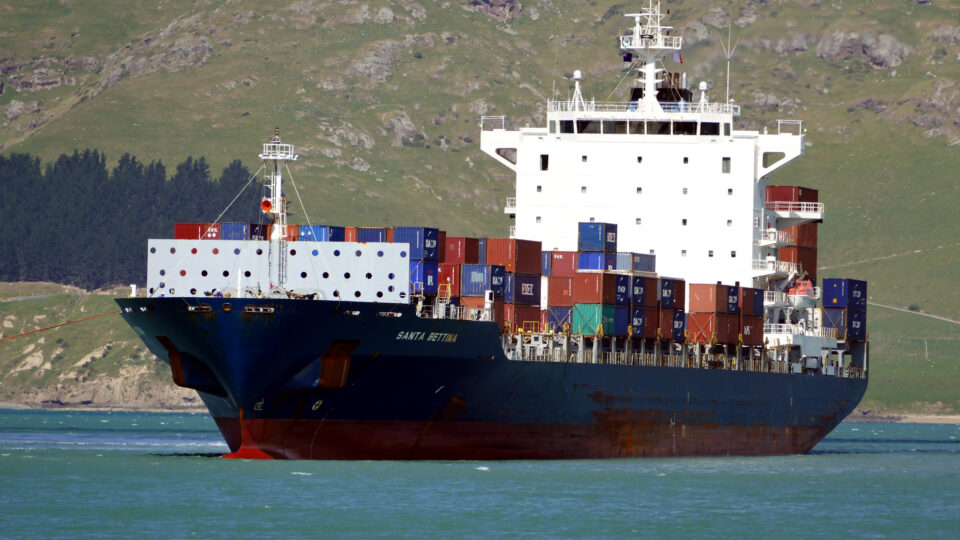
An innovative project out of the UK seeks to reduce carbon emissions at sea by retrofitting large ocean vessels with ultramodern wing-sails to reduce the amount of fuel required to travel the oceans.

Powering ships by wind is certainly nothing new.  However, almost every large ship today is powered entirely by fossil fuels.  A company called Smart Green Shipping has developed retrofit wing-sails called FastRigs that can be installed on existing vessels to reduce fuel consumption. They are also working on additional wind-based technology that can supply all the power required for ships.

FastRig technology is designed to be retrofitted to existing commercial vessels with available deck space – typically bulkers and tankers.  There are about 40,000 such ships that are suitable for conversion to this hybrid power system.  Installing FastRigs is estimated to reduce greenhouse gas emissions by at least 20%.

The company and the UK’s University of Southampton have been funded to investigate the potential of the technology to reduce emissions from existing ships.  The research project will develop software tools to investigate the complex interactions between the wing-sails and ship hydrodynamics to accurately assess the impact on vessel performance.  The software tools will be able to predict the fuel savings delivered by wing-sails.

Smart Green Technologies is developing technology for 100% renewable-powered, new-build ships.  The goal is to create quieter, emission-free ships in the future that do no harm to ocean environments and improve air quality in ports, towns, and cities.  Wind power harnessed using sophisticated digital software and advanced engineering represents a promising way to reduce fuel consumption and related emissions from large ocean vessels.

**********

Web Links

Future ships could be powered by wind to fight climate change

Photo, posted October 27, 2017, courtesy of Bernard Spragg via Flickr.

Earth Wise is a production of WAMC Northeast Public Radio

Pulling Carbon Dioxide Out Of Seawater | Earth Wise

April 17, 2023 By EarthWise Leave a Comment

Researchers are developing method to pull CO2 out of seawater

The world’s largest sink for carbon dioxide from the atmosphere is the ocean.  The world’s oceans soak up 30-40% of all the gas produced by human activities.  Dissolving carbon dioxide in water produces carbonic acid.   This is the reason that oceans are becoming increasingly acidic, which is causing serious damage to ocean ecosystems.

There are many efforts underway aimed at directly removing carbon dioxide from the air as a way to mitigate the effects of ongoing emissions.  But another possibility is to remove CO2 directly from ocean water.  Existing methods for doing it involve the use of expensive membranes and complex chemicals. The economics of such methods are quite unfavorable.

Recently, a team of researchers at MIT has identified what they claim is a truly efficient and inexpensive removal mechanism. It involves a reversible process based on membrane-free electrochemical cells.  Electrodes in the cells release protons that are introduced to seawater which drive the release of carbon dioxide dissolved in the water. The carbon dioxide can be collected and the processed water ends up being alkaline.

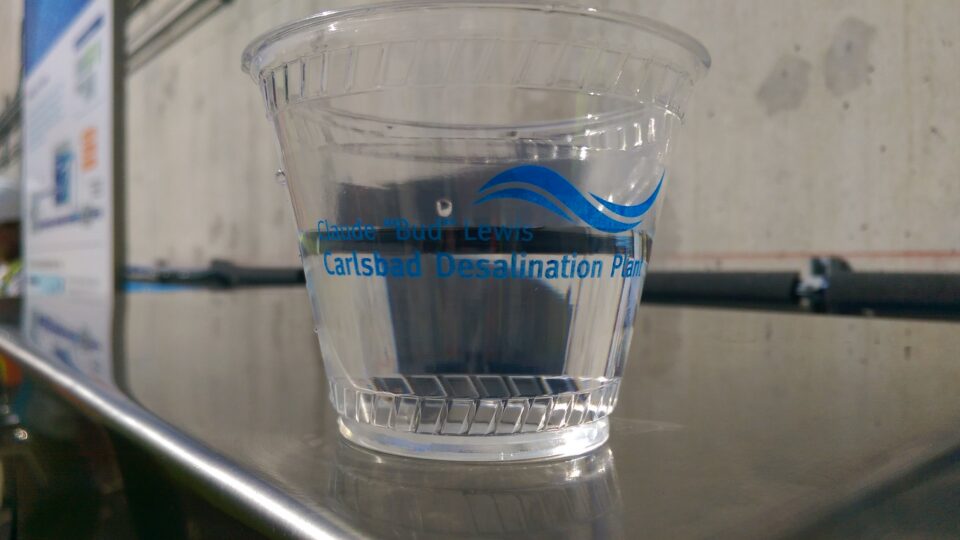
Running this process at a site that is already collecting seawater – such as at a desalination plant – would be an effective way to collect carbon dioxide as well as help mitigate ocean acidification.

Once the carbon dioxide is removed from the water, it still needs to be disposed of, just as is the case for other carbon removal processes.  It could be turned into useful chemicals or it could be stored in underground caverns.  But this approach is fairly unique in that the carbon dioxide has already been captured by the ocean.  The issue remains what to do with it.

**********

Web Links

How to pull carbon dioxide out of seawater

Photo, posted January 19, 2016, courtesy of Judy Dean via Flickr.

Earth Wise is a production of WAMC Northeast Public Radio

Coastal Land Reclamation | Earth Wise

April 3, 2023 By EarthWise Leave a Comment

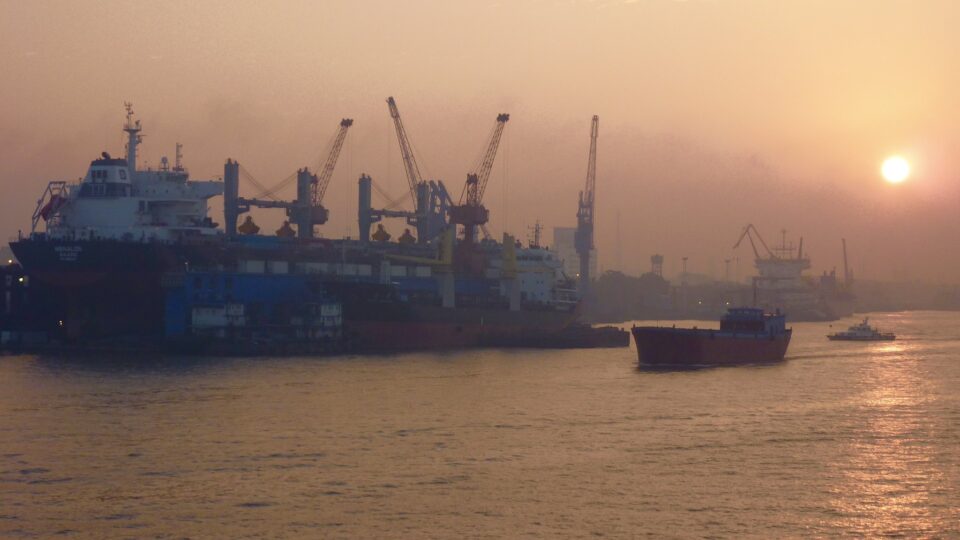
People are artificially expanding the coastlines of cities by extending industrial ports and creating luxury residential waterfronts.  Major cities have added 900 square miles to their coastlines just since 2000. 

A recent study published in the journal Earth’s Future made use of satellite imagery to analyze land changes in 135 cities with populations of at least 1 million.  But population growth is not the only driver of coastal land reclamation.  It is popular in places that are eager to enhance their reputation and promote revenue growth.

At present, coastal land reclamation is most common in the Global South, where many economies are growing. In the past, the Global North dominated the use of coastal land construction.

The largest additions to land area occurred in China, Indonesia, and the United Arab Emirates.  Port extension is the most common reason for development.  Shanghai alone has added 135 square miles of land.

New land is typically created by piling sediments in the ocean, building cement sea walls and structures to contain sediments or cement, or sometimes filling in wetlands and other shallow areas of water near the coast.  The ecological impacts of reclamation are immense and, unfortunately, are not always considered.  Projects affect both the local ecosystems as well as those of the places where fill materials are obtained.

Industrialization and the need for urban space have driven much coastal reclamation.  Some projects, such as the palm-tree-shaped artificial islands of Dubai, are essentially for prestige.  Some cities, including Shanghai, are building new land in consideration of future sea level rise.

**********

Web Links

New Land Creation on Waterfronts Increasing, Study Finds

Photo, posted October 15, 2010, courtesy of Werner Bayer via Flickr.

Earth Wise is a production of WAMC Northeast Public Radio

Keeping The Keeling Curve Going | Earth Wise

March 21, 2023 By EarthWise Leave a Comment

The world’s longest-running record of direct readings of carbon dioxide levels in the atmosphere is the Keeling Curve, measurements taken at the summit of Mauna Loa in Hawaii.  The readings have been going on with almost no interruption since Charles Keeling began taking them in the 1950s.  But the eruption of Mauna Loa last November toppled power lines at the mountaintop observatory and buried a mile of the main road up the mountain in lava.

Scientists have been scrambling to resume measurements and the near-term solution has been to take them, for the first time, on Mauna Kea, the neighboring large volcano about 25 miles away.  The National Oceanic and Atmospheric Administration flew in and installed instruments at the Mauna Kea observatory so that only about a week went by without measurements.   It happened so quickly because months earlier, NOAA had already started looking into installing a backup site on Mauna Kea where there is an observatory run by the University of Hawaii.

NOAA used helicopters to install solar panels and batteries on Mauna Loa to restore power in the short term since it will be months before a new road can be built on the still-cooling lava. The plan is to collect parallel measurements for a year to see if Mauna Kea, which hasn’t erupted for thousands of years, might become a long-term backup for Mauna Loa.

The Hawaiian volcanoes are uniquely suited for the measurements because they are surrounded by thousands of miles of empty ocean and are very high up, away from towns, cars, and forests.  Scientists are now monitoring measurements from the two sites to see how they compare.

**********

Web Links

Battling Lava and Snowstorms, 2.5 Miles Above the Pacific

Photo, posted November 2, 2015, courtesy of Neal Simpson via Flickr.

Earth Wise is a production of WAMC Northeast Public Radio

Great Salt Lake In Danger | Earth Wise

March 20, 2023 By EarthWise Leave a Comment

Great Salt Lake is threatened by the changing climate

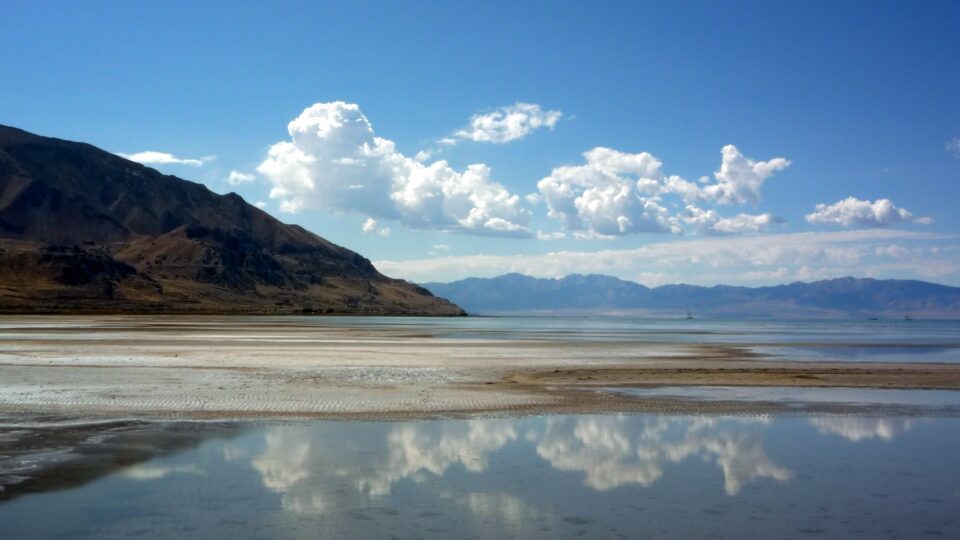
Utah’s Great Salt Lake has been plagued by excessive water use and extensive drought conditions.  As of January, the lake dropped to record-low water levels, losing 73% of its water and exposing 60% of its lakebed. According to scientists, the lake could disappear entirely within five years.

Great Salt Lake is what is known as a “terminal lake,” which means that it is fed only by rain, snow, and runoff and has no rivers that take water to the ocean.  As a result, salt and minerals build up over time.  With so much salt in the water, only brine flies and shrimp can survive in it.  The unique ecosystem supports 10 million migratory birds.  As the lake continues to dry up, the water is becoming too salty for even algae and microbes to survive.  With shallow mud replacing previous shallow water, the nests of the 80,000 white pelicans that annually come to the lake are endangered by predators that can simply walk over to the eggs.

The historic low water levels have exposed 800 square miles of lakebed.  This lakebed holds centuries of natural and manmade toxins like mercury, arsenic, and selenium.  The exposed mud ultimately turns to dust that is carried off into the air.  This is contributing to what is already some of the worst winter air pollution in the nation.  Scientists warn that the unfolding ecological disaster may become a human health disaster.

State officials and university researchers have formed a “Great Salt Lake Strike Team” looking for ways to get more water to the lake.  There are a number of so-called moonshot proposals to save the lake.  It remains to be seen what will be done, but the clock is ticking.

**********

Web Links

Great Salt Lake will disappear in 5 years without massive ‘emergency rescue,’ scientists say

Scientists fear a Great Toxic Dustbowl could soon emerge from the Great Salt Lake

Photo, posted September 19, 2009, courtesy of John Morgan via Flickr.

Earth Wise is a production of WAMC Northeast Public Radio

Keeping Trash Out Of The Ocean | Earth Wise

February 23, 2023 By EarthWise Leave a Comment

The Ocean Cleanup Project

The Ocean Cleanup is a non-profit organization, founded in 2013 by Dutch inventor Boyan Slat, to develop and scale technologies to rid the world’s oceans of plastic.  It is an organization that proudly declares that its primary aim is to put itself out of business by successfully cleaning up the oceans.

A major activity of The Ocean Cleanup is efforts to clean the ocean garbage patches that have accumulated in several places, best-known of which is the Great Pacific Garbage Patch.  The effort involves use of large U-shaped floating barriers that act as an artificial coastline to trap garbage which is then funneled into a barge for disposal.  Ten full-sized systems will be needed to clean up the Great Pacific Garbage Patch.

A second activity of The Ocean Cleanup is preventing garbage in rivers from making its way into the oceans.  Rivers are the main source of ocean plastic pollution.  The Ocean Cleanup has developed river machines called Interceptors that capture garbage for disposal.  Last fall, they installed a machine called Interceptor 007 in Ballona Creek, a waterway in the Los Angeles area.  In the first rainfall after installation, the Interceptor managed to stop 35,000 pounds of waste from entering the ocean in just a few days.

The original Interceptor models have been deployed in Indonesia, Malaysia, the Dominican Republic, and Vietnam. A different type called the Interceptor Trashfence is being tested in Guatemala.

The Ocean Cleanup states that if fleets of its barrier systems are installed in all the garbage patches and Interceptors in the 1000 most significant rivers, 90% of floating ocean plastic can be removed by 2040.

**********

Web Links

The Interceptor 007 Stops 35,000 Pounds Of Trash From Entering Ocean

The Ocean Cleanup

Photo, posted February 23, 2015, courtesy of Ministerie van Buitenlandse Zaken via Flickr.

Earth Wise is a production of WAMC Northeast Public Radio

How Much Plastic Is Really In The Ocean? | Earth Wise

February 16, 2023 By EarthWise Leave a Comment

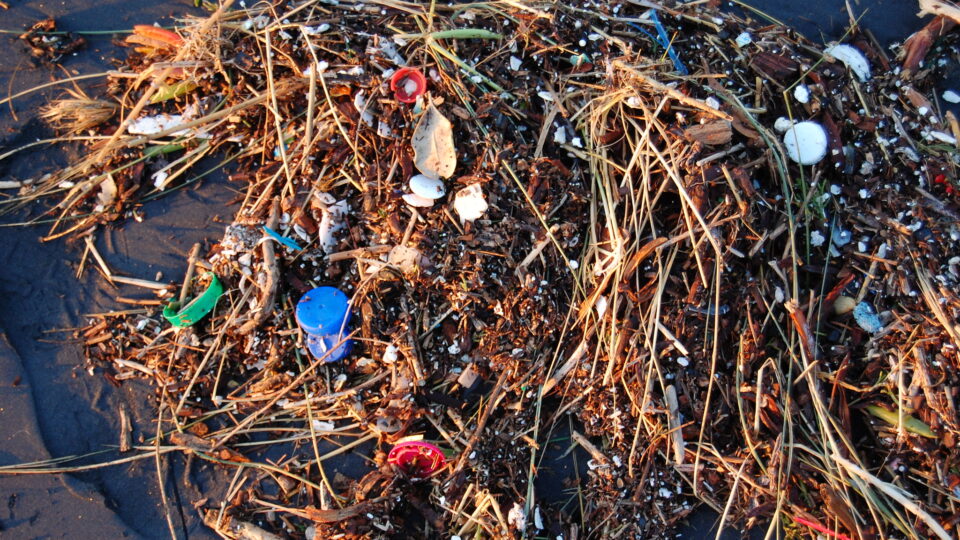
The world has produced more than 6 billion tons of plastic to date and much of that has become waste that has not been recycled, incinerated, or otherwise properly contained.  A great deal of it has ended up in the oceans of the world.

Researchers at Kyushu University in Japan have done an analysis to assess just how much plastic has ended up in the ocean.  According to the study, nearly 28 million tons of plastic waste has entered the ocean and nearly two-thirds of that cannot be monitored.

Gli scienziati hanno dimostrato che i ricordi sono sparsi nelle connessioni neurali del corpo. Il sistema limbico svolge un ruolo importante nel funzionamento della memoria. Si trova sul Dosi di vareniclina lato interno delle regioni temporali, dove si trova l’ipotalamo. Quest’ultimo raggruppa il processo di pensiero.

Furthermore, the Kyushu analysis suggests that those 28 million tons are just the tip of the plastic waste iceberg.  Their findings are that there may be another 600 million tons of mismanaged plastic waste trapped on land – nearly 10% of all the plastic ever produced.

The study created models that simulate the processes by which plastics find their way into the ocean, get transported, and fragment into pieces.  According to their models, large plastics and smaller pieces of microplastics floating on the ocean surface each account for only about 3% of all ocean plastics.  Microplastics on beaches account for another 3%, and 23% of ocean plastic waste is larger plastic litter on the world’s shores.

These things account for only about a third of ocean plastic.  The rest of it is in locations that are impossible to monitor such as heavy plastics that settle on the seafloor because they are denser than seawater.  Half of plastic products made today are made from these heavy plastics.

Plastic pollution is not just a big problem; evidently it is a bigger problem than we thought.

**********

Web Links

Visible ocean plastics just the tip of the iceberg

Photo, posted February 28, 2010, courtesy of Kevin Krejci via Flickr.

Earth Wise is a production of WAMC Northeast Public Radio

Fertilizing The Ocean | Earth Wise

January 23, 2023 By EarthWise Leave a Comment

There are a variety of schemes for removing carbon dioxide from the atmosphere.  Some require advanced and generally not-very-well developed technology.  Others, such as planting vast numbers of trees, are nature-based but are daunting with respect to the scale to which they need to take place in order to be truly effective.

Researchers at the Pacific Northwest National Laboratory in Richland, Washington have been examining the scientific evidence for seeding the oceans with iron-rich engineered fertilizer in order to feed phytoplankton.  Phytoplankton are microscopic plants that are a key part of the ocean ecosystem.

Phytoplankton take up carbon dioxide as they grow.  In nature, nutrients from the land end up in the ocean through rivers and from blowing dust.  These nutrients fertilize the plankton.  The idea is to augment these existing processes to increase the growth of phytoplankton.  As they eventually die, they sink deep into the ocean, taking the excess carbon with them.


The researchers argue that engineered nanoparticles could provide highly controlled nutrition that is specifically tuned for different ocean environments.  Surface coatings could help the particles attach to plankton.  Some could be engineered with light-absorbing properties, allowing plankton to consume and use more carbon dioxide.

Analysis of over 100 published studies showed that numerous non-toxic, abundant, and easy-to-create metal-oxygen materials could safely enhance plankton growth.  According to the researchers, the proposed fertilization would simply speed up a natural process that already sequesters carbon in a form that could remove it from the atmosphere for thousands of years.  They argue that given the current trends in the climate, time is of the essence for taking action.

**********

Web Links

Fertilizing the Ocean to Store Carbon Dioxide

Photo, posted August 2, 2007, courtesy of Kevin McCarthy via Flickr.

Earth Wise is a production of WAMC Northeast Public Radio

Triple La Niña | Earth Wise

January 16, 2023 By EarthWise Leave a Comment

La Niña is an oceanic phenomenon consisting of cooler than normal sea-surface temperatures in the central and eastern tropic Pacific.  It is essentially the opposite of the better-known El Niño.   These sea-surface phenomena affect weather across the globe.  As one oceanographer put it:  when the Pacific speaks, the whole world listens.

There is currently a La Niña underway, and it is the third consecutive northern hemisphere winter that has had one.  This so-called triple-dip event is rather rare.  The only other times they have been recorded over the past 70 years were in 1954-56, 1973-76, and 1998-2001.

La Niñas appear when strong easterly trade winds increase the upwelling of cooler water from the depths of the eastern tropical Pacific Ocean near the equator.  This causes large-scale cooling of the ocean surface.  The cooler ocean surface modifies the moisture content of the atmosphere across the Pacific and can cause shifts in the path of jet streams that intensifies rainfall in some places and causes droughts in others.

These weather effects tend to include floods in northern Australia, Indonesia, and southeast Asia and, in contrast, drought in the American southwest.  In North America, cooler and stormier conditions often occur across the Pacific Northwest while the weather becomes warmer across the southern US and northern Mexico.

In the spring, the tropic Pacific essentially resets itself and starts building toward whatever condition will happen in the following winter, be it another La Niña or possibly an El Niño.   For the time being, forecasters expect the current La Niña to persist through February.

**********

Web Links

La Niña Times Three

Photo, posted March 10, 2007, courtesy of Gail via Flickr.

Earth Wise is a production of WAMC Northeast Public Radio
California Offshore Wind Auction | Earth Wise

January 10, 2023 By EarthWise Leave a Comment

In December, the Bureau of Ocean Energy Management held the first auction for offshore wind energy leases on the West Coast.  The BOEM lease sale offered five lease areas covering 373,268 acres off the central and northern California coast.  The leased areas have the potential to produce over 4.6 gigawatts of wind energy, which is enough to power 1.5 million homes.

The auction drew competitive bids from five companies totaling over $750 million.  The winning bidders were RWE Offshore Wind Holdings, California North Floating, Equinor Wind, Central California Offshore Wind, and Invenergy California Offshore. 

RWE is a German company with subsidiaries across the globe.  California North Floating is an affiliate of the Danish developer Copenhagen Infrastructure Partners.  Equinor Wind is a Norwegian company already heavily involved in offshore wind projects on the East Coast.  Central California Offshore Wind is managed by a joint venture between Spanish and French energy companies.   Invenergy is a privately held global developer and operator of renewable energy headquartered in Chicago.

The bidders will receive credits for participating in programs that support work force training programs for the floating offshore wind industry and/or the development of a US domestic supply chain for that industry. 

Offshore wind off the Pacific coast has enormous potential for enhancing the country’s energy future but represents a significant challenge because the deep ocean floors necessitate the use of floating wind technology as opposed to turbines that are affixed to the sea floor.

**********

Web Links

Biden-Harris Administration Announces Winners of California Offshore Wind Energy Auction

Photo, posted December 30, 2013, courtesy of Derek Finch via Flickr.

Earth Wise is a production of WAMC Northeast Public Radio.

Corals Saving Corals | Earth Wise

December 29, 2022 By EarthWise Leave a Comment

A new study by researchers at the University of California, Davis, has found that under the right circumstances, disease-resistant corals can rescue corals that are more vulnerable to disease.

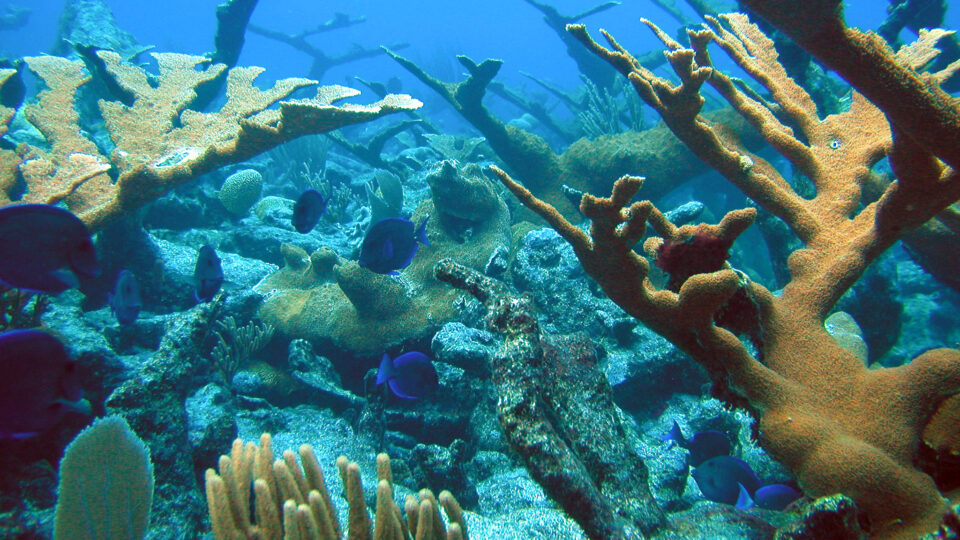
The researchers monitored a disease outbreak at a coral nursery in the Cayman Islands.  They tracked the presence of disease in 650 coral fragments in various arrangements over a period of five months.  They found that some corals are more resistant to disease just by being around other corals that are particularly resistant.  In general, when there are only corals of the same genetic makeup, they are more vulnerable to disease than corals that grow among a mixture of genotypes.  But beyond that, some vulnerable corals become more resistant to disease just by being around other corals that are particularly resistant.  Proximity to the resistant genotypes helped to protect the susceptible corals from the effects of disease.

These findings provide new evidence that genetic diversity can help reduce disease transmission among corals and furthermore, it is important to consider how corals are arranged in coral nurseries or in reef restoration projects.

The ability of resistant coral to help protect vulnerable individuals appears to be similar to how vaccinations work among humans.  Vaccinated individuals resist a disease, which effectively erects a barrier that weakens a disease’s ability to move through a population.

The researchers hope that the findings of this study will be integrated into coral nursery and reef restoration projects.  By intentionally arranging corals with mixtures of genotypes, it will help rebuild coral resilience and help those corals that are vulnerable to disease to thrive.

**********

Web Links

Corals Saving Corals

Photo, posted December 30, 2014, courtesy of NOAA’s National Ocean Service via Flickr.

Earth Wise is a production of WAMC Northeast Public Radio

Glacial Loss In The Swiss Alps | Earth Wise

December 14, 2022 By EarthWise Leave a Comment

Record glacial loss in the Swiss Alps

In 2022, glaciers in the Swiss Alps melted more than in any year on record.   This is the latest piece of bad news for the country’s glaciers, which have lost more than half of their volume of ice since the 1930s.

The melting season for Switzerland’s snow and ice typically starts in May and ends in early October.  This year’s melting season caused glaciers in the Diablerets mountain group to thin by an average of 13 feet, which is 3 times the amount of thinning observed over the past decade.   The Tsanfleuron pass between two of the glaciers is now exposed as bare rock for the first time in several thousand years. Across Switzerland, glaciers lost about 6% of their remaining volume just this year.  The previous worst year for glaciers was 2003, when losses were nearly 4%. 

There was significant melting this year in part because of the small amount of snowfall over the winter.  That snow melted quickly, being sped up by the warming effect of dust from the Sahara Desert falling on the snow.  By early summer, there was no longer a protective blanket of snow on the glaciers, exposing them to summer heat.

The loss of glaciers is far more serious than the disappearance of aesthetically pleasing landscape features.   Glaciers act as reservoirs of water that persist through the summer months.  Melt from glaciers provides water to ecosystems and creates habitats for plants and animals.  Cold runoff from glaciers affects downstream water temperatures which have a major impact on insects, fish, and other creatures.  Globally, melting glaciers contribute more than 20% of the observed ongoing sea-level rise.

**********

Web Links

Rocky Road for Swiss Glaciers

Photo, posted June 22, 2015, courtesy of Dennis Jarvis via Flickr.

Earth Wise is a production of WAMC Northeast Public Radio
Climate Change And Crabs | Earth Wise

November 8, 2022 By EarthWise Leave a Comment

Climate change wreaking havoc on Arctic crab populations

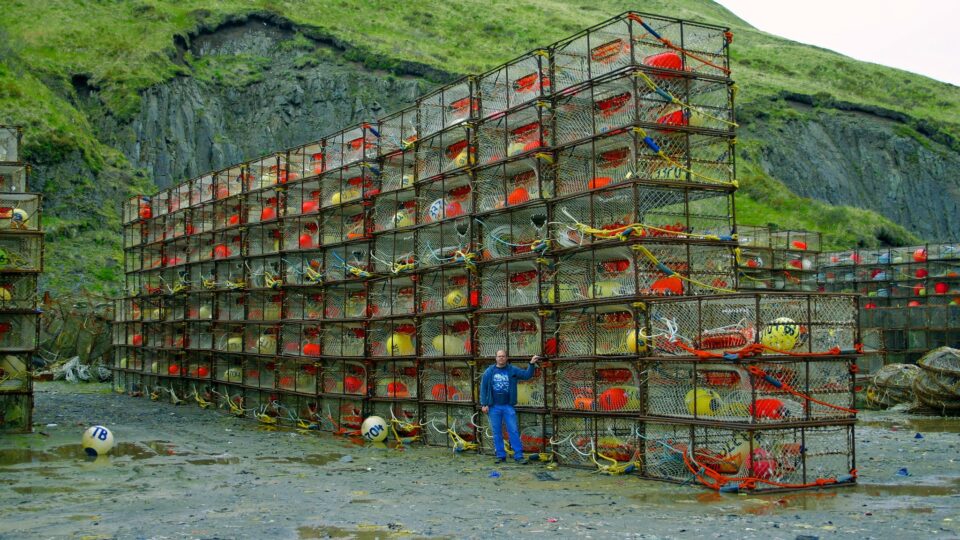
Globally, there are more than 6,000 species of crabs.  In Alaska’s waters alone, there are 18 species, including 10 that are commercially fished.  The perils of crab fishing in this region, including freezing temperatures, turbulent seas, and raising full pots that can weigh well over a ton, have been highlighted for many years in the reality TV series Deadliest Catch.        

One of those commercially-fished species is the Alaska snow crab.  Alaska snow crabs are a cold-water species found off the coast of Alaska in the Bering, Beaufort, and Chukchi Seas. 

In October, officials in Alaska announced that the upcoming winter snow crab season would be canceled for the first time ever due to a sharp population decline. While the number of juvenile snow crabs was at record highs just a few years ago, approximately 90% of snow crabs mysteriously disappeared ahead of last season.  Officials also canceled the Bristol Bay red king crab harvest for similar reasons for the second year in a row.

The closures dealt a severe blow to crab fishers in the region.  According to the Alaska Seafood Marketing Institute, Alaska’s crab fishing industry is worth more than $200 million. 

The canceled seasons also raise questions about the role of climate change in the snow crab population crash. While the causes of the decline are still being researched, scientists suspect that warmer temperatures are responsible.  Temperatures in the Arctic region have warmed four times faster than the rest of the planet. 

As the climate continues to change, the warming waters around Alaska may become increasingly inhospitable to snow crabs and other species.   

**********

Web Links

Alaska’s Bering snow crab, king crab seasons canceled

Alaska cancels snow crab season for first time after population collapses

Photo, posted November 16, 2010, courtesy of David Csepp / NOAA via Flickr.

Earth Wise is a production of WAMC Northeast Public Radio

Tracking Small-Scale Fishers | Earth Wise

October 4, 2022 By EarthWise Leave a Comment

How to track small-scale fishers

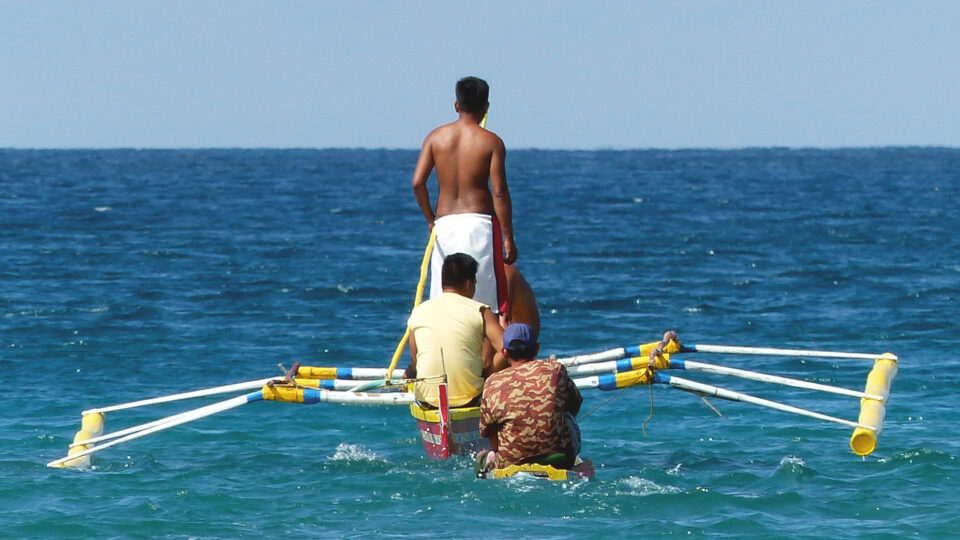
About half of all global seafood is caught by artisanal fishers.  These are individuals who operate on a small scale – often on a subsistence level – and typically fish only a short distance from shore.  Over 85% of the estimated 2.5 million motorized fishing vessels in the world are less than 12 meters in length.  Compared with large-scale commercial fishing operations, these enterprises are very small.  However, they are essential to the food security and livelihoods of their communities.   Because of their sheer numbers, artisanal fishers are an important sector to monitor, manage, and advocate for.  They may be small-scale, but their importance and impact are huge.

Large ships make use of vessel tracking systems, which were originally conceived to prevent maritime collisions.  Over time, VTS technology has become useful for other purposes including monitoring fishing activity in sensitive marine areas and looking out for forced labor on the high seas.

Among small fishing vessels, only an estimated 0.4% are equipped with VTS technology.  So, a massive number of vessels accounting for a big part of the global catch cannot be monitored.

Researchers at UC Santa Barbara surveyed hundreds of artisanal fishers in Indonesia and Mexico to see if they were willing to pay to participate in a VTS program, or participate for free, or be paid to participate.  Having the equipment would provide multiple benefits to the fishers including increased safety and better fisheries management.  Two-thirds of the survey participants said they were willing to pay for the technology.  The study is the first effort to explore the potential for encouraging wide adoption of VTS technology among artisanal fishers.

**********

Web Links

Tracking Small-Scale Fishers

Photo, posted November 30, 2014, courtesy of Bernard Spragg via Flickr.

Earth Wise is a production of WAMC Northeast Public Radio
Solar-Powered Desalination | Earth Wise

September 6, 2022 By EarthWise Leave a Comment

Desalinating water using solar power

About two-thirds of humanity is affected by water shortages.  In the developing world, many areas with water shortages also lack dependable sources of electricity.  Given this situation, there is widespread research on using solar heat to desalinate seawater.  To date, many approaches to this face problems with fouling of equipment with salt buildup.  Tackling this issue has proven to add complexity and expense to solar desalination techniques.

A team of researchers from MIT and China has recently developed a solution to the problem of salt accumulation that is more efficient than previous methods and is less expensive as well.

Previous attempts at solar desalination have relied on some sort of wick to draw saline water through the device.  These wicks are vulnerable to salt accumulation and are difficult to clean.  The MIT-Chinese team has developed a wick-free system instead.  It is a layered system with dark material at the top to absorb the sun’s heat, and then a thin layer of water that sits above a perforated layer of plastic material.  That layer sits atop a deep reservoir of salty water such as a tank or pond.  The researchers determined the optimal size for the holes in the perforated plastic.

The 2.5 millimeter holes are large enough to allow for convective circulation between the warmer upper layer of water above the perforated layer and the colder reservoir below.  That circulation naturally draws the salt from the thin layer above down into the much larger body of water below.

The system utilizes low-cost, easy to use materials.  The next step is to scale up the devices into a size that has practical applications.  According to the team, just a one-square-meter system could provide a family’s daily needs for drinking water.

**********

Web Links

Solar-powered system offers a route to inexpensive desalination

Photo, posted February 13, 2017, courtesy of Jacob Vanderheyden via Flickr.

Earth Wise is a production of WAMC Northeast Public Radio.

Some Good News For The Great Barrier Reef | Earth Wise

September 5, 2022 By EarthWise Leave a Comment

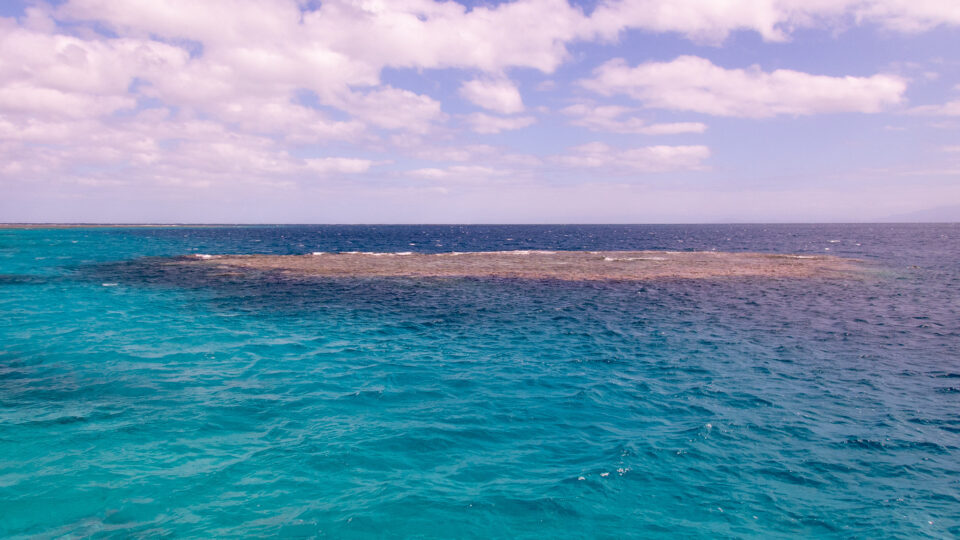
It seems like there has been nothing but dire news from Australia’s Great Barrier Reef.  Earlier this year, there was yet another mass bleaching event – the fourth in seven years and the first ever to strike during a cooler La Niña phase in the Pacific.  But this bleaching event was less severe than other recent ones, which makes it possible for parts of the reef to bounce back.

In particular, in the northern and central stretches of the reef, scientists have recorded the most extensive coral cover seen in 36 years of study.  In areas where coral cover has expanded, it is mostly fast-growing Acropora corals driving the growth.  That isn’t the best outcome, given that Acropora are particularly vulnerable to strong waves, highly susceptible to bleaching, and are the preferred target of crown-of-thorns starfish.

Those creatures are a major problem for the Great Barrier Reef.  In contrast to the upper stretches of the reef, the southern third actually saw coral cover drop from 38 to 34 percent over the course of the past year.  Scientists blame the decline on an outbreak of crown-of-thorns starfish, which prey on corals.  The starfish grow faster and eat more in warmer, more acidic waters.   Carbon emissions are both raising ocean temperatures and turning waters more acidic.

The large increases in hard coral cover in the reef are certainly good news, but it is important to understand that they can be quickly negated by disturbance on reefs where Acropora corals predominate.  Warming temperatures and mass bleaching events continue to pose a critical threat to all reefs, especially when there are crown-of-thorns starfish outbreaks and increasing frequency of tropical cyclones.

**********

Web Links

Parts of Great Barrier Reef See Most Extensive Coral Cover In 36 Years

Photo, posted July 15, 2019, courtesy of Kenneth Lu via Flickr.

Earth Wise is a production of WAMC Northeast Public Radio.

Return Of The Fin Whale | Earth Wise

August 15, 2022 By EarthWise Leave a Comment

Fin whales making a comeback

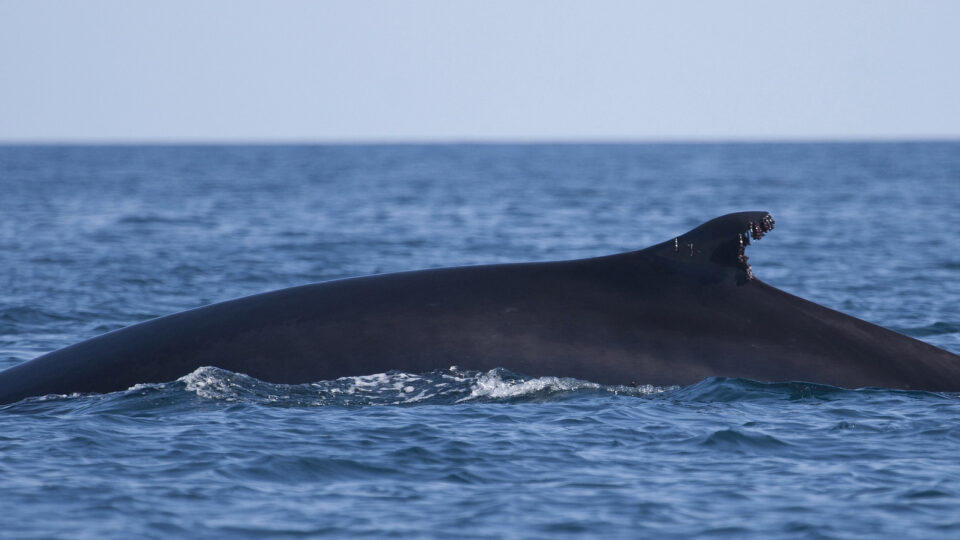
The fin whale is the second largest whale species and therefore the second largest creature on Earth.  They can grow to more than 80 feet in length.  From 1904 to 1976, there was massive industrial whaling in the Southern Ocean surrounding Antarctica.  During that period, whalers killed about 700,000 fin whales, reducing their population by 99%.  The species was nearly extinct.

In 1982, the International Whaling Commission voted to ban commercial whaling.  Since that time, fin whales started to make a comeback in their historical feeding grounds.

During a nine-week expedition in the waters around the Antarctic Peninsula, researchers encountered the largest gathering of fin whales ever documented.  About 150 fin whales were seen diving and lunging against the water’s surface.  It was a feeding frenzy triggered by large amounts of krill in the water.  The actions of the whales are known as a “whale pump” that drives the krill to the surface.  Not only does it provide huge amounts of food for the whales but also for other animals, including seabirds and seals.

Forty years after the commercial whaling ban, the number of fin whales has been increasing.  Large groups were observed in a 2013 survey.  Aerial surveys in 2018 and 2019 recorded 100 groups of fin whales, usually composed of a just a handful of individuals.  They did document eight large groups of up to 150 individuals.

Not all species of whales have rebounded so successfully since the whaling ban.  The rebound in fin whale population is not only good for the whales, but for the entire ecosystem in the Southern Ocean.  It is a glimmer of good news in a time of great challenges for global biodiversity and for marine life in particular.

**********

Web Links

Once Facing Extinction, Massive Fin Whales Have Returned to Antarctic Waters

Photo, posted November 15, 2007, courtesy of Gregory Smith via Flickr.

Earth Wise is a production of WAMC Northeast Public Radio.

Less Phytoplankton In The Gulf Of Maine | Earth Wise

July 20, 2022 By EarthWise Leave a Comment

The Gulf of Maine is changing

Phytoplankton, also known as microalgae, are the base of the marine food web and also play a key role in removing carbon dioxide from the air.  They are eaten by primary consumers like zooplankton, small fish, and crustaceans. 

Phytoplankton, like land plants, absorb carbon dioxide from the atmosphere and use photosynthesis to grow.  Then they become a food source for other organisms and ultimately for people who depend upon marine ecosystems.   If phytoplankton productivity is disrupted, there can be adverse effects on regional fisheries and the communities that depend on them.

The Gulf of Maine is becoming warmer and saltier, because of ocean currents pushing warm water into the gulf from the Northwest Atlantic.  These temperature and salinity changes have led to a significant decrease in the productivity of phytoplankton.   According to a new paper from scientists at Bigelow Laboratory of Ocean Sciences in Maine, phytoplankton are about 65% less productive in the gulf than they were 20 years ago.

The study’s results come from the analysis of the Gulf of Maine North Atlantic Time Series, a 23-year sampling program of the temperature, salinity, chemical, biological, and optical measurements of the gulf.  The scientists refer to what they describe as a giant windmill effect happening in the North Atlantic, which is changing the circulation of water coming into the Gulf of Maine.  In the past, inflows from the North Atlantic brought water from the Labrador Current, which made the gulf cooler and fresher.  The new circulation is making the water warmer and saltier.

These changes have significant implications for higher marine species, fisheries, the lobster industry, and other activities in the states that border the Gulf of Maine.

**********

Web Links

NASA-funded Study: Gulf of Maine’s Phytoplankton Productivity Down 65%

Photo, posted November 15, 2015, courtesy of Paul VanDerWerf via Flickr.

Earth Wise is a production of WAMC Northeast Public Radio.

  • « Go to Previous Page
  • Page 1
  • Page 2
  • Page 3
  • Page 4
  • Page 5
  • Page 6
  • Interim pages omitted …
  • Page 16
  • Go to Next Page »

Primary Sidebar

Recent Episodes

  • An uninsurable future
  • Clean energy and jobs
  • Insect declines in remote regions
  • Fossil fuel producing nations ignoring climate goals
  • Trouble for clownfishes

WAMC Northeast Public Radio
WAMC/Northeast Public Radio is a regional public radio network serving parts of seven northeastern states (more...)
Copyright © 2026 ·