• Skip to primary navigation
  • Skip to main content
  • Skip to primary sidebar

Earth Wise

A look at our changing environment.

  • Home
  • About Earth Wise
  • Where to Listen
  • All Articles
  • Show Search
Hide Search
You are here: Home / Archives for nevada

nevada

Volcano monitoring

May 16, 2025 By EarthWise Leave a Comment

Researchers develop a new method to monitor volcanoes

Researchers at the University of Alaska Fairbanks and the U.S. Geological Survey have developed a radar-based volcano monitoring system.  The purpose is to provide situational awareness of volcano behavior and identify volcanoes that are becoming restless before other more obvious indications like earthquake activity occur.

The system is called VolcSARvatory and makes use of interferometric synthetic aperture radar to detect ground movement changes as small as one centimeter.  It utilizes two or more radar images from satellites taken at different times.  The images are used to create a time series of data from a single location.

The system has been in operation since early 2022 and proved to be valuable in studying the unexpected activity at the long-quiet Mount Edgecumbe volcano near Sitka, Alaska where conventional monitoring was not taking place.

According to the researchers, the technology has evolved to the point where it can be operational at a national level.  The goal is to provide a consistent approach to monitoring active volcanoes.

Volcanoes are not a rare and unlikely source of potential danger in this country.  The volcanoes of Hawaii are the best-known active volcanoes in the United States, but Alaska has about 140 volcanoes that are technically classified as active, with more than 50 that have been active within the past 300 years.  In total, 169 U.S. volcanoes are classified as active including ones in Arizona, California, Colorado, Idaho, Nevada, New Mexico, Oregon, Utah, Washington and Wyoming.

**********

Web Links

Alaska-developed volcano monitoring system will expand across U.S.

Photo, posted March 18, 2013, courtesy of Jeffrey Wickett / USFS via Flickr.

Earth Wise is a production of WAMC Northeast Public Radio

Recycling lithium-ion batteries

March 28, 2025 By EarthWise Leave a Comment

Lithium-ion batteries are used to power computers and cellphones and, increasingly, vehicles.  The batteries contain lithium as well as various other valuable metals such as nickel, cobalt, copper, and manganese.  Like other batteries, lithium-ion batteries have a finite lifetime before they can no longer perform their intended function.

Recycling lithium-ion batteries to recover their critical metals is an alternative to mining those metals.  A recent study by Stanford University analyzed the environmental impact of obtaining those metals using lithium-ion battery recycling compared with mining.  They found that the recycling process is associated with less than half of the greenhouse gas emissions of conventional mining.  The process uses about one-fourth of the water and energy of mining new metals.  North America’s largest industrial-scale lithium-ion battery recycling facility is Redwood Materials, located in Nevada, which uses a clean energy mix that includes hydropower, geothermal, and solar power.

These calculated advantages are associated with recycling batteries that have been in use.  The advantages are even greater for recycling scrap:  defective material from battery manufacturers.

The advantages of recycling are dependent on the sources of electricity at the recycling plant and the availability of fresh water. 

At present, the U.S. recycles about half of its available lithium-ion batteries.  By comparison, 99% of lead-acid batteries (like those found in cars and trucks) have been recycled for decades.  As the supply of used lithium-ion batteries continues to increase, it is important for the availability of industrial-scale battery recycling to keep pace. 

**********

Web Links

Recycling lithium-ion batteries delivers significant environmental benefits

Photo, posted May 7, 2020, courtesy of Mark Vletter via Flickr.

Earth Wise is a production of WAMC Northeast Public Radio

The year in energy

February 5, 2025 By EarthWise Leave a Comment

Last year saw some major trends in the global energy sector. Perhaps the most dramatic was the shift to renewable power, which continued to outpace the projections of both financial analysts and industry experts.  2024 saw new highs in renewable installation, largely due to China, which accounted for more than half of all the solar power installed globally.  Huge solar installations also came online in California and Nevada during the year.  On the other hand, the amount of coal burning for the year also exceeded expert predictions, also largely due to China.

A second trend was increasing sales of electric vehicles, which reached a new high, although short of expectations.  A major driving force in EV sales is the dropping price of lithium-ion batteries, which fell by 20% in 2024.  Again, China was a major factor with roughly half of all its domestic vehicle sales being electric.

Coal’s decline is being slowed by the rising demand for electricity.  The increased use of electric heating and cooling along with the increasing use of EVs are major factors.  But the proliferation of energy-hungry data centers incorporating artificial intelligence capabilities is driving up the demand for power even more. 

Perhaps the clearest indication of the future for global energy comes from investors, who put about $2 trillion into clean energy last year.  That is twice as much as invested in oil, coal, and natural gas.

The history of energy has seen the Age of Coal and the Age of Oil.  By all indications, we are now heading into the Age of Electricity.

**********

Web Links

The Year in Energy in Four Charts

Photo, posted November 23, 2024, courtesy of Mussi Katz via Flickr.

Earth Wise is a production of WAMC Northeast Public Radio
A big year for battery storage

January 29, 2025 By EarthWise Leave a Comment

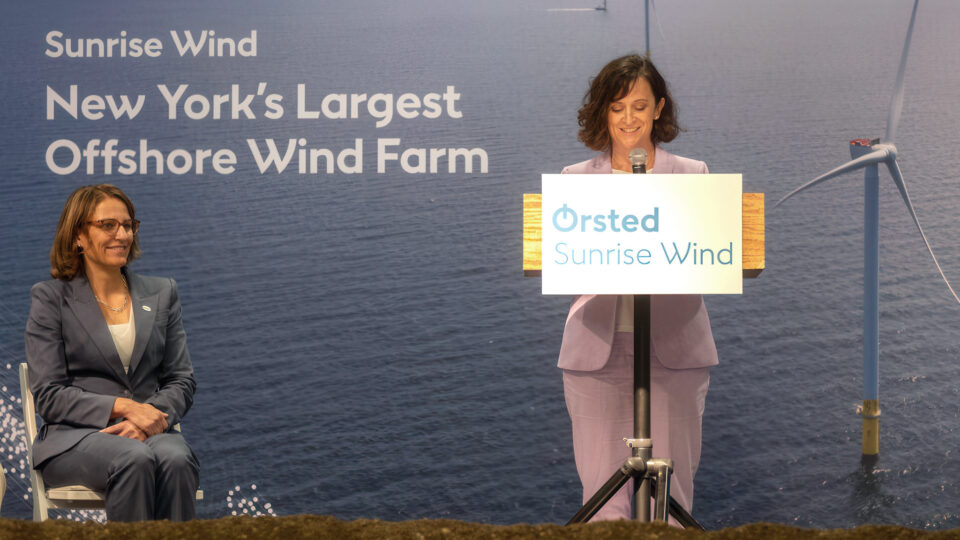
2024 was a big year for battery storage

A decade ago, the ability of utilities to store large amounts of electricity in batteries was basically nonexistent.  In the past several years, growth in battery storage systems has exploded.  As of the end of November, the US had about 24 gigawatt-hours of storage capacity in place.  This is 71% more than just a year ago.  Nearly half of the battery storage in the US is located in California.  Texas, Arizona, and Nevada are also leaders in deploying battery storage.

Battery storage allows solar and wind generating plants to keep operating when there is reduced demand for their output and have the electricity that they produce be available later when demand rises.  Storing this excess electricity essentially extends the hours of the day when clean energy can be used.

Equally important, the existence of battery storage reduces the need for peaker plants, the fossil-fueled power plants that only turn on at times of peak demand, such as during hot afternoons.

There are 1,000 peaker plants in the US and they are generally heavily polluting, inefficient, and expensive to operate.  Some 63 million people live within a three-mile radius of one of them and are exposed to harmful pollutants like nitrogen oxides and sulfur dioxide.  Peaker plants also release more greenhouse gases than other power plants do for every unit of electricity they generate.

Many battery storage facilities are co-located with, or otherwise support, solar energy plants.  The amount of solar energy in the US is growing rapidly and surpassed the 100-gigawatt mark in 2024.  As solar power continues to expand, so will battery energy storage.

**********

Web Links

Battery projects soared again in 2024

Photo, posted August 3, 2024, courtesy of the Bureau of Ocean Energy Management via Flickr.

Earth Wise is a production of WAMC Northeast Public Radio
Solar energy on federal land

October 15, 2024 By EarthWise Leave a Comment

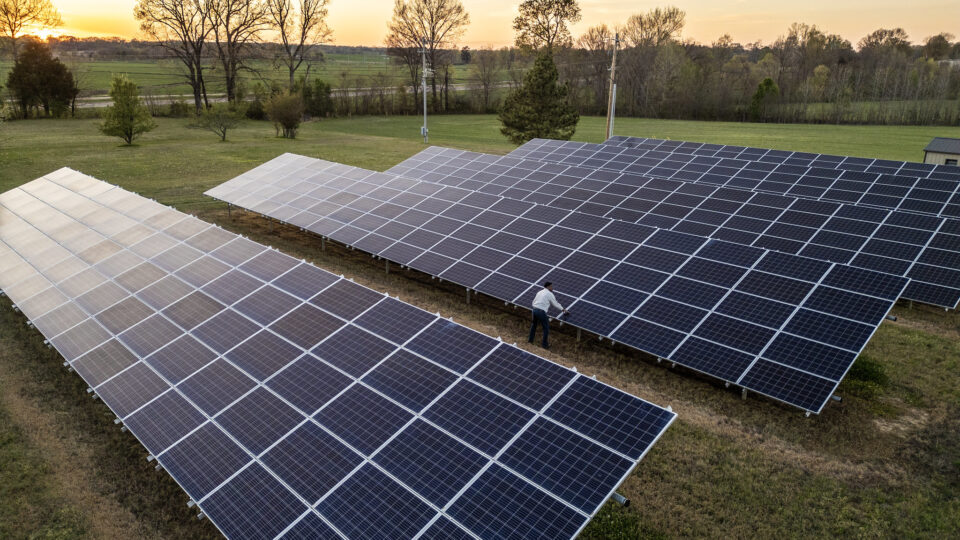
Officials at the federal Bureau of Land Management announced late in August that they had finalized a plan to add Oregon, Idaho, Montana, Washington, and Wyoming to the Western Solar Plan, which started during the Obama era.   The plan, created in 2012, provides permitting for solar projects on federal land.  The original plan included Arizona, California, Colorado, Nevada, New Mexico, and Utah.

The Western Solar Plan is a major expansion for clean energy production in the Bureau of Land Management’s land leasing portfolio.  For decades, the BLM has leased tens of millions of acres of federal land to fossil fuel companies for oil, coal, and natural gas exploration and production.

The new addition includes 1.1 million acres of land in Oregon, an area larger than the entire state of Rhode Island.  The land selected is deemed to be of low risk for any adverse environmental effects from solar installation, and the plots of land are all within 15 miles of existing or planned electrical transmission lines.  A little over 50% of Oregon’s land is owned by the federal government and is managed primarily by the Bureau of Land Management and the U.S. Forest Service.

The publication of the finalized plan at the end of August initiated a 30-day period for any participants in the initial planning to voice objections.  The governors of the 5 new states are reviewing the plan.  Final approval and adoption are expected later this year.

Western states need to expand solar and other clean energy production to meet their climate goals and federal lands will have to play an important role.

**********

Web Links

Plan would make 1 million acres of federal land in Oregon available for solar energy projects

Photo, posted May 20, 2024, courtesy of the U.S. Department of Agriculture via Flickr.

Earth Wise is a production of WAMC Northeast Public Radio
Trends in rooftop solar

October 8, 2024 By EarthWise Leave a Comment

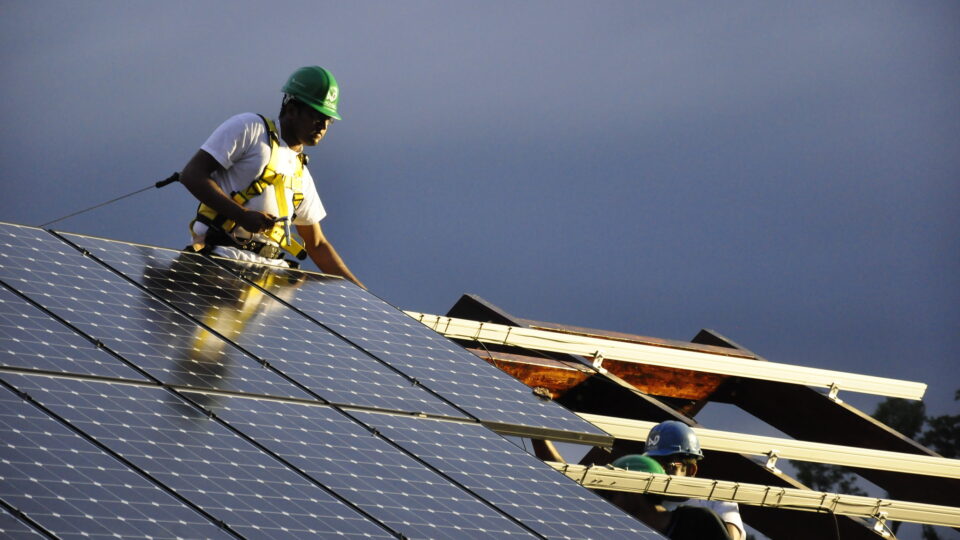
Rooftop solar power in the United States has increased by a factor of ten over the past decade and the majority of that growth has been in the past six or seven years.  At this point, about 7% of American homes have solar panels on their roofs – about 5 million in total. 

Rooftop solar really began experiencing widespread use about 20 years ago.  Over that time period, the amount of electricity that panels are able to produce has grown substantially and the cost of solar power systems has dropped dramatically.

Twenty years ago, the median sized residential solar system generated 2.4 kilowatts of power.  In 2023, the median size was 7.4 kilowatts.  Roofs haven’t gotten bigger; solar panels have gotten better.

More importantly, 20 years ago, the average cost of installing solar power was $12 a watt. In 2023, the cost was $4.20 a watt.

Americans in fact pay considerably more for solar power than citizens in many other countries.  The reason is not the price of the equipment; it is so-called soft costs.  These include labor, financing, and permitting. Driving down soft costs is complicated and difficult. For one thing, it is important for solar industry jobs to have high pay and good benefits.

The cost of solar also varies significantly by state.  California is the leading state for solar power and its median solar cost is the $4.20 a watt, the same as the national average.  Nevada has the lowest cost at $3.40 a watt and Utah has the highest at $5.20 a watt.

**********

Web Links

Bigger and Less Expensive: A Snapshot of U.S. Rooftop Solar Power and How It’s Changed

Photo, posted September 18, 2011, courtesy of Team Massachusetts 4D Home via Flickr.

Earth Wise is a production of WAMC Northeast Public Radio
A giant solar plus storage facility

August 23, 2024 By EarthWise Leave a Comment

A massive solar and battery storage project is now operational

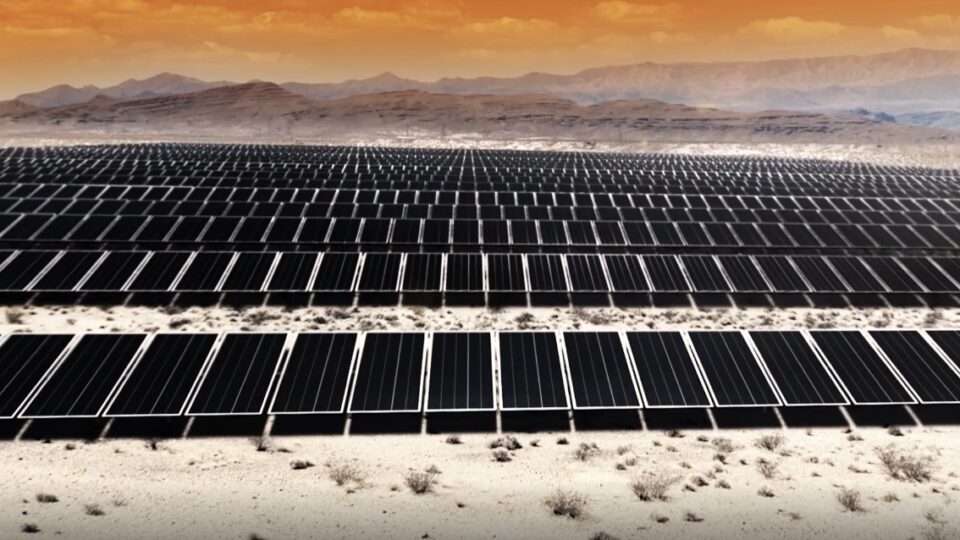
One of the country’s largest co-located solar and battery energy storage projects is now fully operational.  The Gemini Solar+Storage project is located in Clark County, Nevada, about 30 minutes outside of Las Vegas.

The project’s 1.8 million solar panels can generate up to 690 megawatts of electricity, which is enough to supply about 10% of Nevada’s peak demand.  The facility is co-located with 380 megawatts of 4-hour battery storage, which is enough to supply Nevadans with 1,400 MWh of power after sundown.

The project makes use of a unique storage configuration that allows the storage system to be charged directly from the solar panels, resulting in increased efficiency and maximizing the capture and storage of solar energy.

The project has minimized the environmental impacts to the nearly 5,000-acre site.  Primergy, the project developer, took measures to leave vegetation in place, installed solar panels to follow the ground’s natural contours, and reduced the overall footprint by more than 20% through careful design.  The project created 1,300 union and prevailing wage jobs and contributed $483 million to Nevada’s economy.

Solar facilities are increasingly co-located with battery storage plants.  There is a huge project in Kern County California that includes 1.9 million solar panels capable of generating 875 megawatts of solar power and storing 3,287 megawatt-hours of energy.  The deserts of the southwest are prime locations for such facilities.

**********

Web Links

The house always wins: Massive Gemini solar + storage outside of Las Vegas reaches commercial operations

Photo courtesy of Quinbrook Infrastructure Partners.

Earth Wise is a production of WAMC Northeast Public Radio
Enhanced Geothermal Energy | Earth Wise

October 17, 2023 By EarthWise Leave a Comment

Enhanced geothermal energy

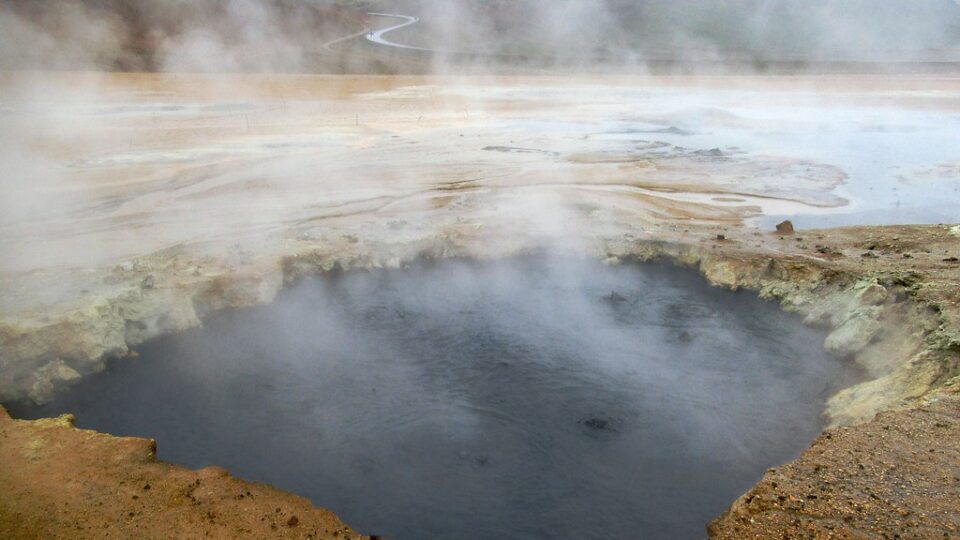
Steam produced by underground heat is an excellent source of clean energy.  In a few fortunate places around the world – notably Iceland and New Zealand – people have been using this source of power for more than a century.   In the U.S., a few places in the West have access to geothermal energy, and thus it provides roughly half-a-percent of the total U.S. power supply.

There is no shortage of underground heat but tapping into it is not so easy.  Enhanced geothermal energy refers to drilling down to where the rock is hot and injecting water to be heated and thereby provide steam that is then used to generate electricity.  According to the Department of Energy, there is enough energy in the rocks below the surface of the US to power the entire country five times over.

Recently, in northern Nevada, a company called Fervo Energy successfully operated an enhanced geothermal system called Project Red that generated 3.5 megawatts of clean electricity, the largest enhanced geothermal plant ever demonstrated.

There are now multiple start-up companies pursuing enhanced geothermal energy and the reason is somewhat ironic.  Much of the research and development needed for new geothermal technologies has already been done by the oil and gas industry for their own purposes  – notably fracking.  Those industries have gotten extremely skilled at drilling into rock and such skills are what are needed for enhanced geothermal technology.

Enhanced geothermal faces some of the same challenges as drilling for gas, such as intensive water use and potential triggering of earthquakes.  There are also issues related to permitting.  But the urgent need for more sources of clean energy has made enhanced geothermal energy a potentially very valuable addition to our energy portfolio.

**********

Web Links

Enhanced Geothermal Could Be A Missing Piece Of America’s Climate Puzzle

Photo, posted October 12, 2022, courtesy of David Stanley via Flickr.

Earth Wise is a production of WAMC Northeast Public Radio
A Huge American Lithium Discovery | Earth Wise

October 12, 2023 By EarthWise Leave a Comment

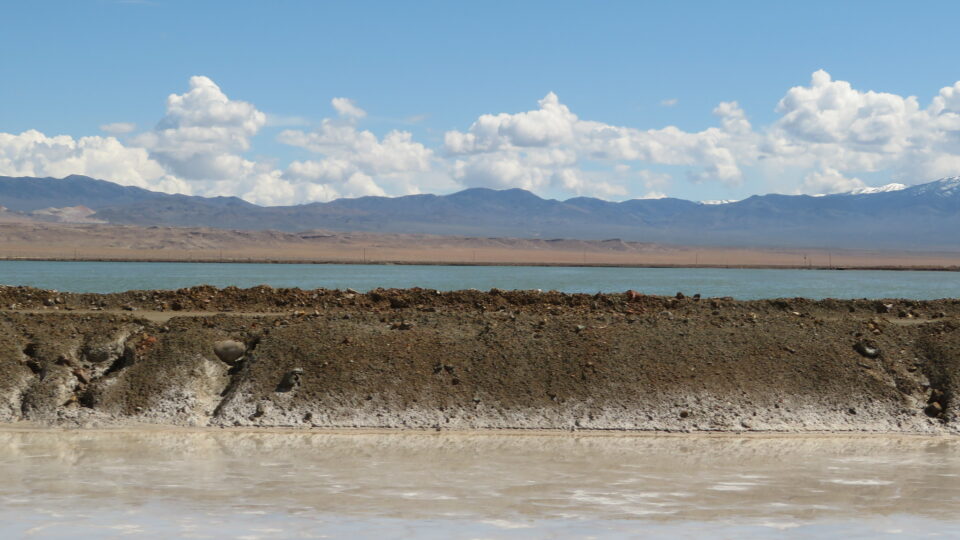
A huge discovery of lithium in the United States

Human history has often been described in terms of a succession of metal ages:  the copper age, the bronze age, and the iron age.  In many ways, we have now entered the lithium age.  The light metal goes into the batteries that power smartphones, electric vehicles, and massive storage banks for the power grid.  Lithium has become a critical strategic resource.

As it stands now, the U.S. gets most of its lithium from imports from Australia and South America.  Major lithium sources are not commonplace; in 2022 there were only 45 lithium mines in the world.  Many of the known deposits are not in North America but in Chile, Bolivia, Argentina, China, and Australia.  The current largest known lithium deposits lie beneath the salt flats of Bolivia.

Lithium Americas Corporation, a company dedicated to advancing lithium projects to the stage of production, funded research over the past decade that has identified vast deposits of lithium-rich clay in a dormant volcanic crater along the Nevada-Oregon border.  The McDermitt Caldera is estimated to hold between 20 and 40 million tons of lithium, which would make it the largest deposit in the world.

There are many questions still to answer.  It is not clear how easy it will be to extract lithium from the clay, in particular how expensive or carbon-intensive it will be.  There are also political complexities since the area where the lithium deposit was found is considered to be unceded ancestral land for both the Paiute and Shoshone tribes.

Apart from a dearth of domestic sources of lithium, the US also lags well behind China in lithium processing capabilities.  The country has catching up to do in the new lithium age.

**********

Web Links

America Just Hit the Lithium Jackpot

Photo, posted April 19, 2020, courtesy of Ken Lund via Flickr.

Earth Wise is a production of WAMC Northeast Public Radio
Plastic In Lakes | Earth Wise

August 28, 2023 By EarthWise Leave a Comment

We are always talking about the millions of tons of waste plastic that finds its way into the oceans and about the challenges of trying to remove it.  A new multinational study has found that the concentration of plastics and microplastics in some lakes is even worse than in the so-called garbage patches in the oceans and some of these lakes are even in remote places around the world

Scientists from institutes in multiple countries collected water samples from 38 lakes and reservoirs in 23 countries across six continents.  The samples were then all analyzed by the University of Milan to assess the presence of plastic particles more than a quarter millimeter in size.

The study found that two types of lakes are particularly vulnerable to plastic contamination:  lakes and reservoirs in densely populated and urbanized areas and large lakes with elevated deposition areas, long water-retention times, and high levels of human influence.

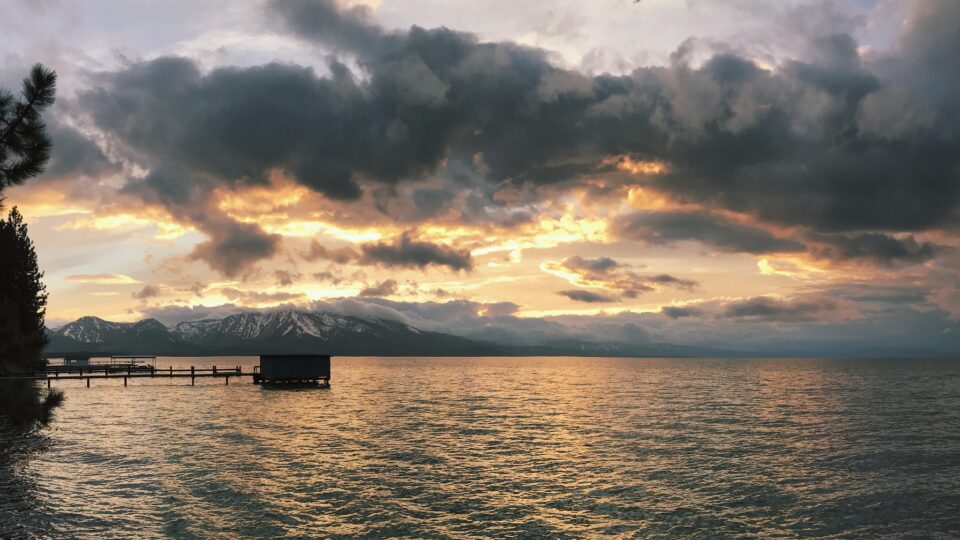
Lakes found to have the highest concentration of plastic included some of the main sources of drinking water for communities and were also important to local economies.  These included Lough Neagh in Northern Ireland, Lake Maggiore in Italy, and Lake Tahoe on the California/Nevada border.  Not all the lakes studied contained large amounts of plastic.  For example, Windermere, the largest lake in England, had very low concentrations of plastic in surface water.

This was the first global survey of the abundance and type of plastic pollution in lakes and reservoirs and the scale of freshwater plastic pollution is sobering indeed.  There is widespread concern that plastic debris is having harmful effects on aquatic species and ecosystem function and clearly is not limited to marine ecosystems.

**********

Web Links

Plastic pollution is higher in some lakes than oceans

Photo, posted May 27, 2019, courtesy of Jonathan Cook-Fisher via Flickr.

Earth Wise is a production of WAMC Northeast Public Radio
The Race For American Lithium Mining | Earth Wise

July 7, 2022 By EarthWise Leave a Comment

A race is underway to source enough lithium to meet the global demand

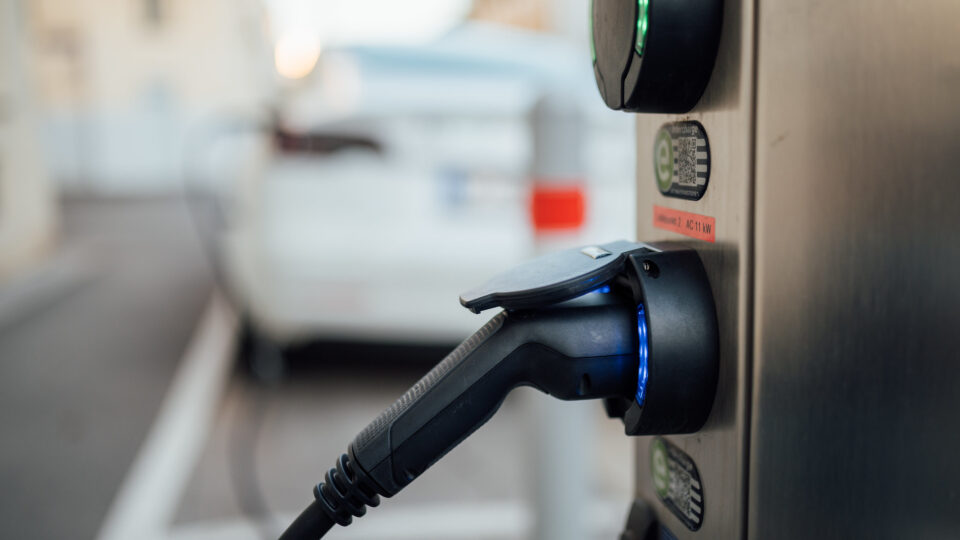
The auto industry is making a massive transition from gas-powered cars to electric cars.  The exploding electric vehicle market has set off what some call a global battery arms race.  Battery manufacturers are urgently trying to source the raw materials needed to make batteries, which presently include cobalt, nickel, graphite, and lithium.  There is encouraging progress in reducing and even eliminating cobalt and nickel from electric car batteries, but so far lithium seems to be essential.

The International Energy Agency has named lithium as the mineral for which there is the fastest growing demand in the world.  Estimates are that if the world is to meet the global climate targets set by the Paris Agreement, at least 40 times more lithium will be needed in 2040 compared with today.

According to the US Geological Survey, the US has about 9 million tons of lithium, which puts it in the top 5 most lithium-rich countries in the world.  Despite this, our country mines and processes only 1% of global lithium output.  Most of the rest comes from China, Chile, and Australia.  Being dependent upon these foreign sources is a serious concern for national security.

There is only one operational lithium mine in the US at present.  Multiple companies are pressing to get more mining projects in operation, including sites in North Carolina and Nevada.  But there are serious environmental problems associated with lithium mining and there is considerable local opposition to establishing the mines.

The US wants to be a leader in the global race to build the batteries that will power the green transition but it is a complicated situation that combines both undeniably important benefits as well as very real dangers.

**********

Web Links

Powering electric cars: the race to mine lithium in America’s backyard

Photo, posted January 18, 2022, courtesy of Ivan Radic via Flickr.

Earth Wise is a production of WAMC Northeast Public Radio.

Large Solar Projects In The U.S. | Earth Wise

December 1, 2021 By EarthWise Leave a Comment

The United States now has over 108 gigawatts of total solar generating capacity, which is enough to power about 19 million homes.  There are more than 3 million solar installations across the country, the majority of which are residential systems.

The growth in solar power has been enormous over the past 13 years.  In 2008, the total solar capacity in the U.S. was 0.34 gigawatts.

In recent times, utility-scale solar installations have been on the rise.  At least 10 systems in excess of 100 megawatts have come online just in 2021.  These systems have been built in Georgia, Ohio, California, Texas, and Nevada.  Other large installations have come online in Virginia, Utah, Indiana, and Florida.  Overall, Texas has had the most new installations, followed by California and Florida.

The largest utility-scale solar project completed this year is the Eunice Solar Project in Andrew, Texas.  The 420-megawatt project is part of the Permian Energy Center which also features 40 megawatts of battery energy storage.

The pipeline for new utility-scale solar projects under construction includes more than 17 gigawatts, so there is strong continuing growth in the industry.

The Biden administration has proposed a blueprint for the nation to produce 45% of its electricity from solar power by 2050.  Currently, solar energy contributes about 4% of the country’s power.  Being able to produce almost half the country’s electricity from the sun by 2050 would require a vast transformation in technology and the energy industry.  Whether there is the political will and the wherewithal to achieve this remains to be seen.

**********

Web Links

U.S. Solar Market Insight

Photo, posted March 7, 2019, courtesy of Hedgerow Inc via Flickr.

Earth Wise is a production of WAMC Northeast Public Radio.

A Record Low For Lake Mead | Earth Wise

October 4, 2021 By EarthWise Leave a Comment

The low water level of Lake Mead is causing regional water shortages

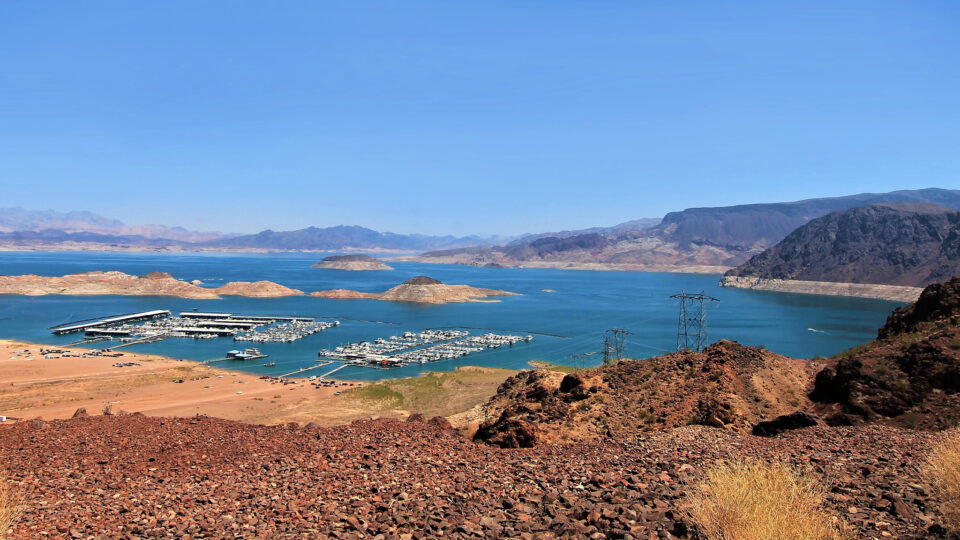
Lake Mead is the reservoir that was formed by the Hoover Dam on the Colorado River.  The lake spans the Arizona-Nevada border.  It is the largest reservoir in the United States in terms of water capacity.  The lake is part of a system that supplies water to at least 40 million people in seven states and in Northern Mexico.

As of August 22, this year, Lake Mead was filled to just 35% of its capacity.  This low water level is happening while 95% of the land in nine Western states is under some level of drought conditions and 64% of the land is under extreme drought conditions.  A so-called megadrought has been going on for 22 years and may be the worst dry spell in the region in twelve centuries.

As of the end of July, the water elevation at the Hoover Dam was 1,067 feet above sea level, the lowest it has been since April 1937 when the lake was still being filled after dam construction.  The level has dropped by 132 feet since July 2000.  At maximum capacity, Lake Mead reaches an elevation of 1,220 feet and holds 9.3 trillion gallons of water.

With Lake Mead at 35% of capacity, Lake Powell on the Colorado at 31%, and the entire Lower Colorado system at 40%, water allocations for the coming water year are being cut back. Mexico will see a 5% reduction, Nevada will be cut 7%, and Arizona will lose 18% of its apportionment.   This unprecedented official declaration of a water shortage demonstrates the severity of the drought and low reservoir conditions.

**********

Web Links

Lake Mead Drops to a Record Low

Photo, posted August 7, 2018, courtesy of Renee Grayson via Flickr.

Earth Wise is a production of WAMC Northeast Public Radio.

A Dangerous Fire Season | Earth Wise

June 9, 2021 By EarthWise Leave a Comment

Drought conditions expected to cause worse fire season

The western United States is entering the fire season under much worse drought conditions than last year.  Last year, 15,800 square miles burned in the U.S., mostly in the West.

The western U.S. is in the midst of a 20-year mega-drought.  Rainfall in the Rocky Mountains and farther west was the second lowest on record this April.  The soil in the western half of the country is the driest it has been since 1895.

The situation is particularly bad in California and the Southwest.  In March, less than a third of California was experiencing extreme or exceptional drought.  Now, 73% of the state is.  A year ago, a record-breaking fire season burned 4% of the state and, at that time, only 3% of California was in a state of extreme drought.

A year ago, no parts of Arizona, Nevada, or Utah were in extreme or exceptional drought.  Now, more than 90% of Utah, 86% of Arizona, and 75% of Nevada face severe drought conditions.  At this time last year, only 4% of New Mexico faced extreme drought but 77% does now.

These extreme drought conditions, which are believed to be linked to climate change, are causing increased tree mortality among many species, ranging from junipers in the Southwest even to drought-tolerant blue oaks in the San Francisco Bay Area.

Conditions are extremely ripe for a lot of forest fire this year.  Last year was a terrible year for wildfires in the West and we are heading into a fire season with much drier fuels than there were last year.  The risks of great damage from wildfires are higher than ever.

**********

Web Links

US West Enters Fire Season Facing Extremely Dry Conditions

Photo, posted September 18, 2020, courtesy of USFS/National Interagency Fire Center via Flickr.

Earth Wise is a production of WAMC Northeast Public Radio.

Geothermal Power In The Energy Transition | Earth Wise

February 22, 2021 By EarthWise Leave a Comment

Geothermal energy has untapped potential

The heat beneath the earth represents a vast repository of energy that in principle could provide for a significant part of our needs.  In some places, geothermal energy is easy to get to and is already being exploited.  California and Nevada operate dozens of geothermal electric generating plants.  Boise Idaho heats 92 of its biggest buildings with the river of hot water that flows 3,000 feet below the city.  In total, the U.S. produces enough geothermal electricity to power more than a million homes.

But all these examples make use of relatively rare local features that are not available to the great majority of locations.  As a result, geothermal energy has generally not been viewed as being able to play a major role in the alternative energy transition.

A number of experts around the world disagree with this assessment.  To a fair extent due to the deep-drilling techniques and knowledge about underground formations developed by the oil and gas industry during the fracking boom, there is growing interest in a type of geothermal energy called deep geothermal that accesses hot temperatures in the earth’s mantle as far down as two or three miles.

Deep geothermal can either access extremely hot water that exists down at those depths or water can be injected into hot rock down there, which is a technology known as enhanced geothermal systems.

There is enormous untapped potential for geothermal energy.  A 2019 report by the U.S. Department of Energy says that by 2050, geothermal could provide 8.5% of the United States’ electricity as well as direct heat.  Geothermal could be an important part of the so-called all-of-the-above future energy strategy.

**********

Web Links

Can Geothermal Power Play a Key Role in the Energy Transition?

Photo, posted August 2, 2008, courtesy of ThinkGeoEnergy via Flickr.

Earth Wise is a production of WAMC Northeast Public Radio.

Widespread Drought | Earth Wise

September 7, 2020 By EarthWise Leave a Comment

united states drought

As the U.S. enters the last part of the summer, fully one-third of the country is experiencing at least a moderate level of drought.   Much of the West is reaching severe drought conditions and New England has been unusually dry and hot.  In total, over 50 million Americans are living in drought-affected areas.

According to the U.S. Drought Monitor program, more than 93% of Utah, Colorado, Nevada, and New Mexico are experiencing drought to some degree.  More than 60% of both Utah and Colorado are in severe drought.   More than three-quarters of Oregon, Arizona, and Wyoming are also in drought.  And most of these areas had no sign of drought this time last year.

Severe drought conditions result in stunted and browning crops, limited pasture yields, dust storms, reduced well water levels, and an increase in the number and severity of wildfires.

Warm air temperatures and minimal snowfall in spring set the stage for this summer’s drought conditions.  A ridge of high pressure over the northeastern Pacific Ocean pushed the jet stream farther north than usual.  And, once again, there has been a failure of the southwestern monsoon in Arizona and New Mexico and the Four Corners region.  Monsoon rains provide half of the year’s precipitation in many of those areas. 

Instead, there has been extreme heat in the region.  Phoenix has already smashed the record for the most days over 110oF in a calendar year (42 as of August 18), with five months to go.  Las Vegas hasn’t seen measurable rainfall since April, and Cedar City, Utah has recorded a record low of 0.05 inches of rain this summer.

Conditions are not expected to get better for a couple of months.

**********

Web Links

A Third of the U.S. Faces Drought

Photo, posted May 7, 2014, courtesy of Tyler Bell via Flickr.

Earth Wise is a production of WAMC Northeast Public Radio.

Conserving The Colorado River | Earth Wise

August 13, 2020 By EarthWise Leave a Comment

Colorado River Water and Climate Adaptation

Last year, we talked about the troubles facing the Colorado River.  Nearly two decades of drought conditions have reduced the water levels of the two largest reservoirs of Colorado River water and have threatened the water supply of millions of people in the region.  Clear scientific evidence shows that climate change is constricting the iconic river and will do further damage as temperatures rise.

Faced with these facts, water resource managers have been implementing conservation policies in the region and the results so far are very encouraging.

The use of Colorado River water in the three states of the river’s lower basin – Arizona, California, and Nevada – fell to a 33-year low in 2019.  The three states consumed just over 6.5 million acre-feet for the year, which is about 1 million acre-feet less than the three states are entitled to use under the legal agreement that allocates Colorado River water.

The last time water consumption from the river was that low was in 1986, which is the year that Arizona opened a large canal that extracts river water for its entitlement. 

A key indicator of river health is the depth of Lake Mead, the largest reservoir of Colorado River water.  It has been steadily dropping in recent years, but last year, with the reduced consumption, the water level actually increased by 12 feet.

According to water managers, the steady drop in water consumption in recent years is a sign that conservation efforts are working and that there are strategies that can deal with chronic shortages on the river in the future.  It represents an important demonstration that it is possible to use less water in a region that irrigates 5 million acres of farmland and has 40 million people in 2 countries and 29 tribal nations.

**********

Web Links

Remarkable Drop in Colorado River Water Use a Sign of Climate Adaptation

Photo, posted July 7, 2015, courtesy of Flickr.

Earth Wise is a production of WAMC Northeast Public Radio.

The Largest U.S. Solar Project | Earth Wise

May 28, 2020 By EarthWise Leave a Comment

The largest solar project to date in the U.S. has received final approval from the Department of the Interior.   A $1 billion, 690-megawatt solar array will be built on federal land in the Mojave Desert in Nevada.   The project includes battery energy storage and is expected to produce enough electricity to power more than a quarter million homes.  It will also offset the greenhouse gas emissions equivalent to about 83,000 cars a year.

The current largest U.S. installation, the Solar Star Farm in Southern California, completed in 2015, generates 579 megawatts of power.

Construction of the Gemini Solar Array is expected to start sometime this year and be completed by 2022 or 2023.  The first phase of the project will cover 11 square miles of desert land about 30 miles northeast of Las Vegas.

Some conservation groups have fought against the project, saying that it will destroy thousands of acres of habitat for endangered desert tortoises as well as other rare plant and animal species.  The groups agree that solar energy is a good thing but are convinced that the location selected is the wrong one. 

Interior Department representatives note that the Gemini Project will provide jobs and economic growth at a time when many Americans in general and Nevada citizens in particular are struggling with the impact of the COVID-19 pandemic.

The project is projected to generate $713 million in economic activity and employ about 2,000 people during construction.  However, once it is up and running, it will employ just 19 full-time workers.

**********

Web Links

The Largest Solar Project in the U.S. Gets Green Light

Photo, posted January 26, 2014, courtesy of Jannes Glas via Flickr.

Earth Wise is a production of WAMC Northeast Public Radio.

Trouble On The Colorado

April 4, 2019 By EarthWise Leave a Comment

The 1450-mile-long Colorado River begins in the Rocky Mountains and wends its way to the Gulf of California, creating the Grand Canyon along the way, and providing water to some 40 million people.  The amount of Colorado River water promised to users is far more than actually flows between its banks, and that amount is dropping.

An unrelenting drought since 2000 has resulted in the water levels of the two largest reservoirs of Colorado River water – Lake Mead and Lake Powell – being at all-time lows.

Lake Mead, just outside of Las Vegas, is the reservoir of Hoover Dam, which provides power for millions of people in Southern California, Nevada, and Arizona.  The last time Lake Mead was full was in 1983.  It has slowly declined and now is 40% full.

If the lake level drops another 7 feet to 1075 feet above sea level, it will trigger a Tier 1 declaration, mandating cuts to water allocations to Arizona and other states.  If the level drops to 1050 feet, it would reach Tier 2 at which point Hoover Dam would have to stop generating electricity because water levels would be too low to flow through it.  If the lake level drops all the way to 895 feet, it would be below the level at which water can be piped out of it.  This is known as the “dead pool”.

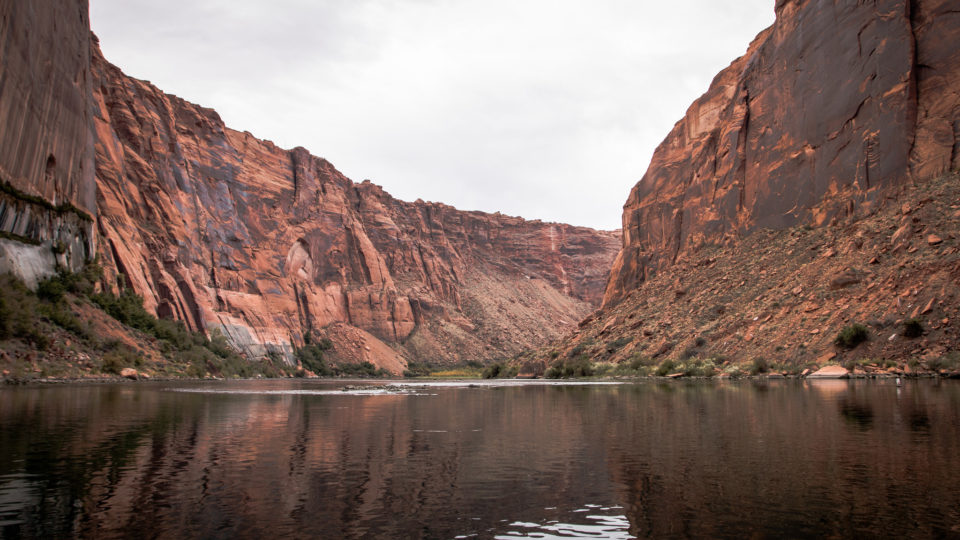
These scenarios are no longer doomsday fantasies.  Water managers in the Southwest see the writing on the wall and are busy making contingency plans and developing ways to use less water from the Colorado River.  The booming city of Phoenix in particular is hard at work finding alternative ways to provide water for its millions of citizens.  On the Colorado, drought in the new normal.

**********

Web Links

On the Water-Starved Colorado River, Drought Is the New Normal

Photo, posted October 24, 2016, courtesy of Sharon Mollerus via Flickr.

Earth Wise is a production of WAMC Northeast Public Radio.

The Changing Face of Electricity

March 15, 2019 By EarthWise Leave a Comment

The New York Times recently published an article on how electricity is made in the United States on a state-by-state basis and how it has been changing over the past two decades.  Two conclusions to draw are that the mix of energy sources is wildly different from one state to another and that the mix has been changing rather dramatically in many places.

Overall, the past two decades have seen the dramatic rise in the use of natural gas and a dramatic drop in the use of coal.  Coal plants used to account for over half of the electricity produced in the U.S. at the turn of the 21st century.  Now natural gas has passed coal as the largest energy source at roughly 1/3 of the total generated.

Switching from coal to natural gas is a good thing since modern gas power plants emit only about half the carbon dioxide as modern coal plants.  But industry spin about “clean gas” is just spin.  Gas is not really clean; it is just cleaner than coal.  So, having the electric grid powered by gas is not really going to solve our emissions problems.

That being said, there are still states that make nearly all their electricity with coal.  Indiana, Kentucky, Missouri, Utah, Wyoming, and West Virginia are on that list.  Meanwhile, Delaware, Massachusetts, Mississippi, Nevada, and Rhode Island are powered mostly by gas. Idaho, Oregon, Washington, and Vermont rely heavily on hydropower.

Newer renewables like solar and wind are starting to make major contributions in many states.  Wind contributes only 6% nationwide but is much bigger in places like Iowa, Kansas, Minnesota, the Dakotas, Oklahoma and Texas. 

The face of electricity continues to change.

**********

Web Links

How Does Your State Make Electricity?

Photo, posted March 5, 2010, courtesy of Tennessee Valley Authority via Flickr.

Earth Wise is a production of WAMC Northeast Public Radio.

  • Page 1
  • Page 2
  • Go to Next Page »

Primary Sidebar

Recent Episodes

  • An uninsurable future
  • Clean energy and jobs
  • Insect declines in remote regions
  • Fossil fuel producing nations ignoring climate goals
  • Trouble for clownfishes

WAMC Northeast Public Radio
WAMC/Northeast Public Radio is a regional public radio network serving parts of seven northeastern states (more...)
Copyright © 2025 ·