manufacturing
How Green Are Green Cars?
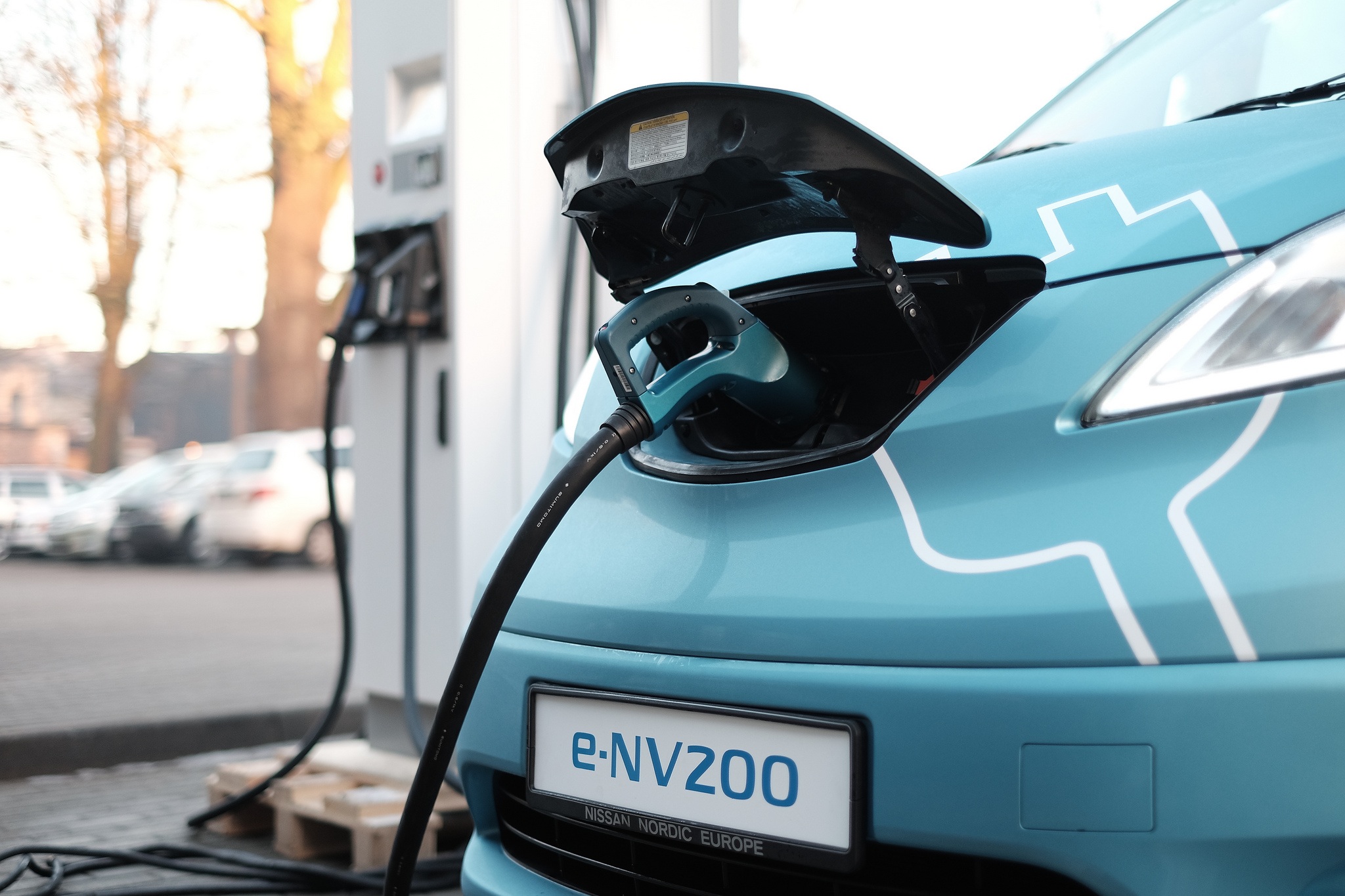
Electric cars are generally seen as the way to eliminate or at least dramatically reduce the disastrous effects of personal transportation on the environment. They still constitute only a tiny fraction of the cars on the road, but their popularity and availability is growing.
Repurposing Ocean Plastic
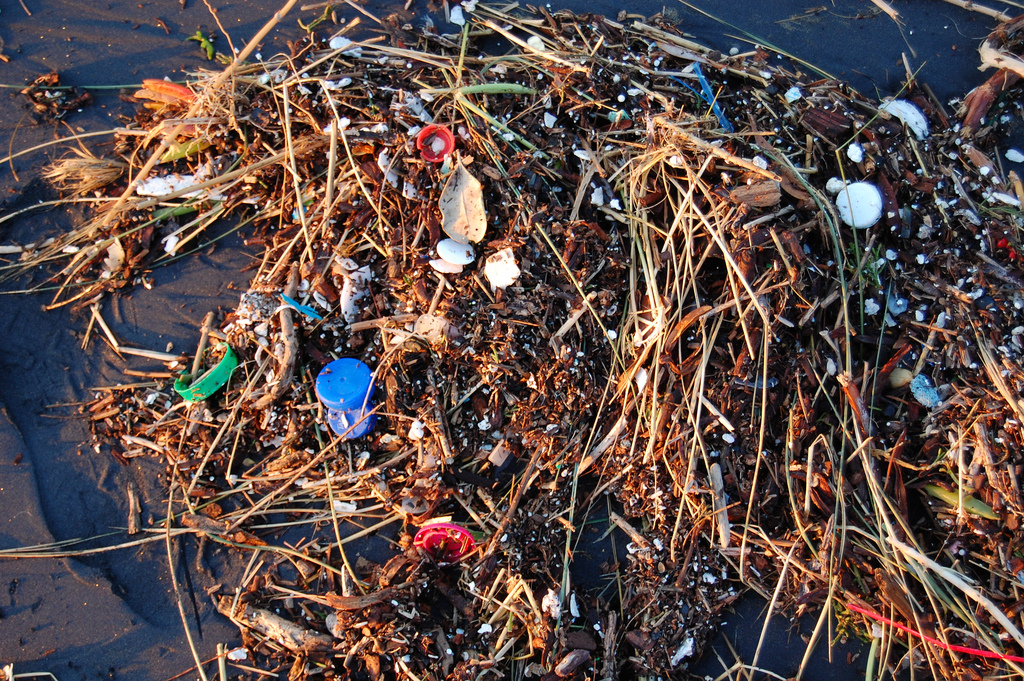
Scientists estimate that there is more than 165 million tons of plastic swirling about in our oceans today. And another 8.8 million tons of plastic ends up in oceans every year. According to a recent report from the World Economic Forum and the Ellen MacArthur Foundation, there could be more plastic by weight than fish by 2050 if current trends continue.
Too Much Waste
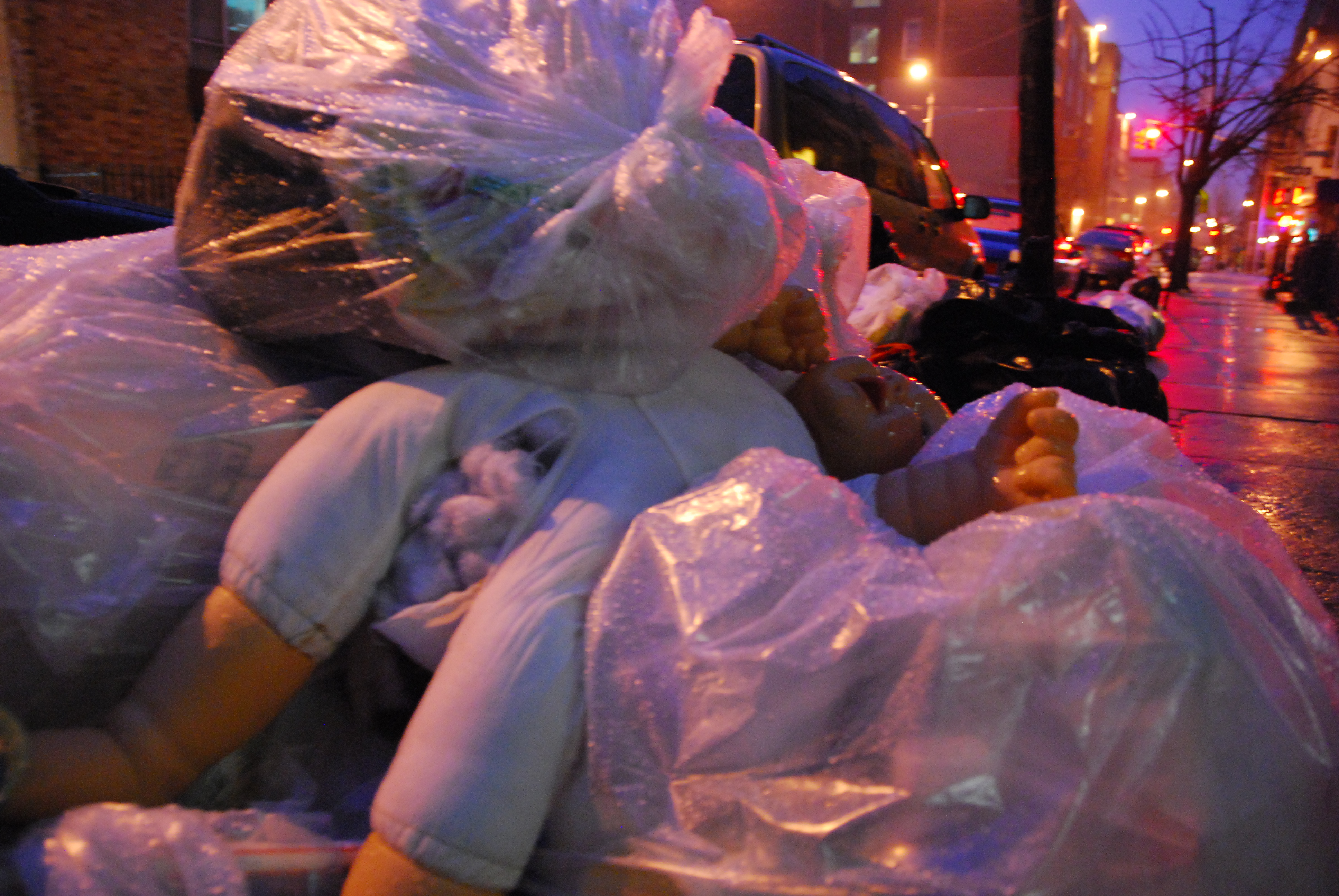
As the world’s population grows and becomes more urban and affluent, the amount of solid waste we produce grows and grows. Over the past century, the total amount has risen tenfold. By 2025, the world-wide total is expected to double again. The average person in the United States throws away their body weight in garbage every month.
Consumers And The Environment

China passed the U.S. as the largest emitter of greenhouse gases on Earth back in 2007, mostly due to manufacturing. However, the great majority of all the products China produces are exported to the rest of the world. China’s per capita consumption-based environmental footprint is actually small. If you put the responsibility for environmental impacts on the consumer instead of the producer, we are all the culprits.
Outsourcing Our Emissions