• Skip to primary navigation
  • Skip to main content
  • Skip to primary sidebar

Earth Wise

A look at our changing environment.

  • Home
  • About Earth Wise
  • Where to Listen
  • All Articles
  • Show Search
Hide Search
You are here: Home / Archives for Kenya

Kenya

Fossil-free fertilizer

November 9, 2023 By EarthWise Leave a Comment

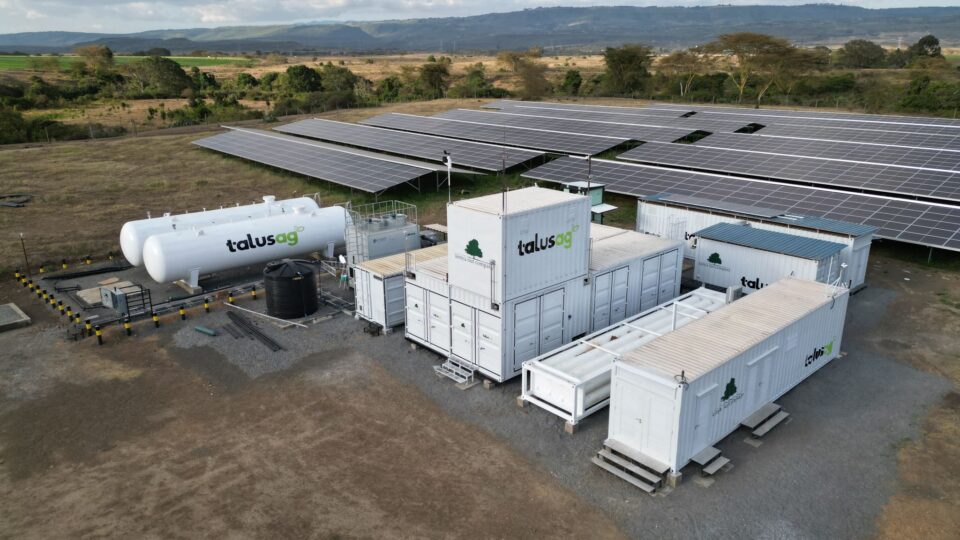
A fossil fuel-free ammonia plant in Kenya

Ammonia is a major industrial commodity.  About 70% of it is used to make fertilizer, with the rest for a wide range of industrial applications.  Ammonia is the starting point for all mineral nitrogen fertilizers. 

Typically, ammonia is a byproduct of isolating hydrogen from natural gas, which releases large amounts of carbon dioxide.  On a global scale, the climate impact of ammonia production is comparable to that of air travel.  The world needs more ammonia but really cannot afford the emissions that come with its production.

There are also political implications of ammonia production.  Because it relies so heavily on natural gas, ammonia supply is vulnerable to disruptions from events like the Russian invasion of Ukraine.  Sanctions imposed after the invasion have hindered fertilizer exports, driving up costs, especially in places like Africa.

A small fertilizer plant near Nairobi, Kenya will be the first farm in the world to produce its own nitrogen fertilizer on site that is free of fossil fuels.  The plant is being built by an American startup company Talus Renewables and will use solar power to strip hydrogen from water.  The hydrogen will then bond with nitrogen from the air to form liquid ammonia.  The plant will produce one ton of ammonia each day.

The typical bag of fertilizer in sub-Saharan Africa travels 6,000 miles to get there, which of course only adds to the environmental burden of using it as well as its cost.  By building a small green ammonia plant like the one coming online in Kenya, it is possible to locally produce a critical raw material in a carbon-free manner.

**********

Web Links

Farm in Kenya First to Produce Fossil-Free Fertilizer On Site

Photo courtesy of Talus Renewables via LinkedIn.

Earth Wise is a production of WAMC Northeast Public Radio
Finding Homes For Rhinos | Earth Wise

October 6, 2023 By EarthWise Leave a Comment

White rhino conservation

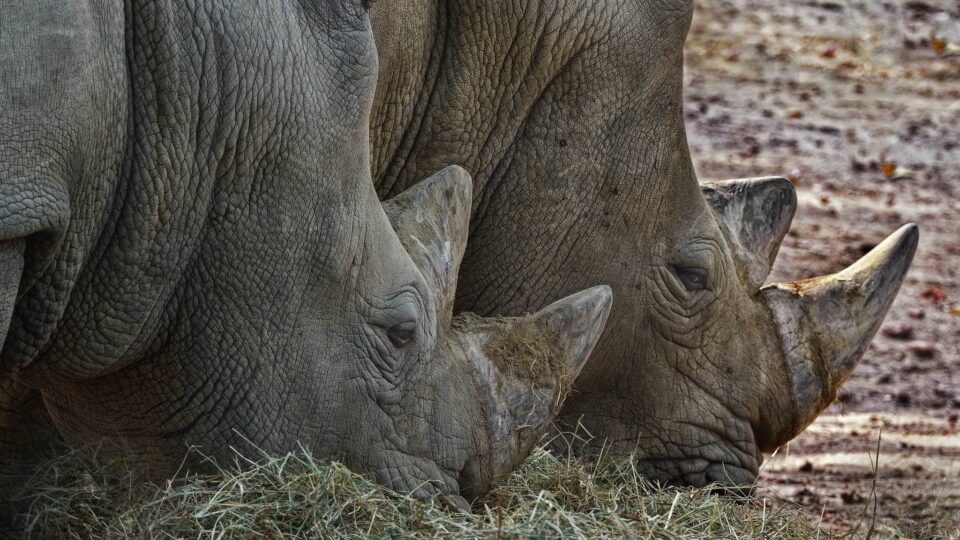
Northern White Rhinos are virtually extinct; only two female individuals survive in Kenya.  Southern White Rhinos also nearly vanished early in the 20th century, mostly because of excessive hunting.   A surviving group of fewer than 100 animals was identified in South Africa, and ongoing conservation efforts led to the existing population of southern white rhinos, which now numbers more than 16,000.

Among the most successful conservation efforts took place at a 30-square-mile farm, Platinum Rhino, that was set up in 2009 about 100 miles southwest of Johannesburg.  The owner of the farm did a great job of maintaining genetic diversity of the herd and protecting it from poachers.  Eventually, it was costing $175,000 a month just for security against illegal hunters seeking rhino horns.

Faced with unsustainable expenses, the farm put the herd of 2,000 rhinos up for auction in April with a starting price of $10 million.  No bidders came forward. 

Fortunately, in September, the conservation group African Parks announced that it had reached a deal to take over the herd.  African Parks partners with 12 countries in Africa to manage 77,000 square miles of protected areas.

The plan is to start moving the rhinos into a series of new sites in the wild starting next year.  Moving the 5,000-pound animals to new locations will be complicated and expensive, costing anywhere from $1,500 to move a single rhino by land within South Africa to $50,000 for far afield air transport.  African Parks is now raising funds to relocate the animals.

**********

Web Links

Now Available: 2,000 Rhinos, Free to Good Homes With Plenty of Space

Photo, posted September 4, 2023, courtesy of Eric Huybrechts via Flickr.

Earth Wise is a production of WAMC Northeast Public Radio
Climate Change And Kenya’s Tana River Basin | Earth Wise

September 6, 2021 By EarthWise Leave a Comment

Climate change threatens biodiversity within the Tana River Basin

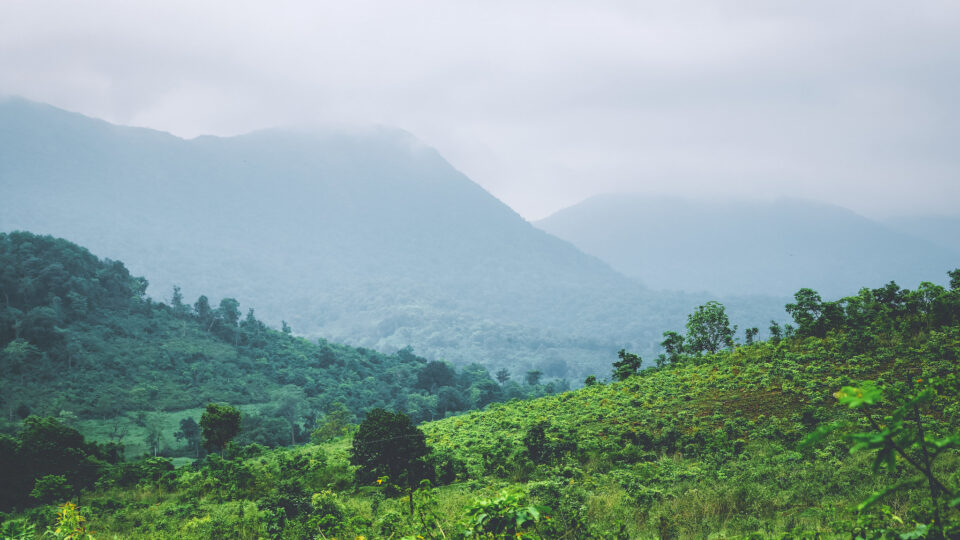
The Tana River is the longest river and most important waterway in Kenya.  It flows 620 miles from its headwaters in the Abderdare mountain range and Mount Kenya to the Indian Ocean.  The Tana River produces approximately half of the country’s electricity, and supplies Nairobi, the capital of Kenya, with 80% of its water.   

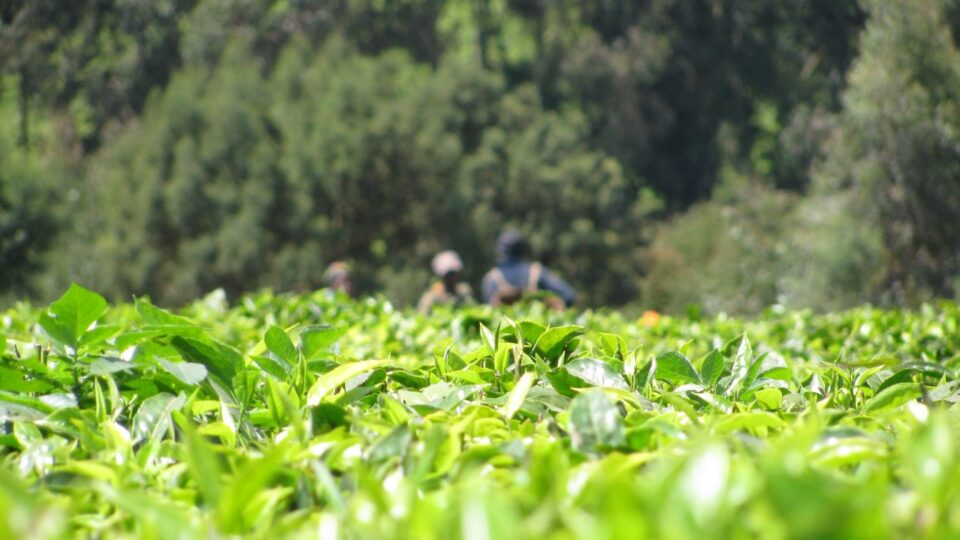
According to the United Nations Environment Programme, eight million people live along the Tana River, where coffee, tea, corn and other crops are grown for export, and fishing and cattle grazing help produce food for large portions of the country’s population. 

But the long-term ability of the river to provide these and other essential services is increasingly under threat due to many factors, including pollution, soil erosion, deforestation, and poor land use practices.   

Climate change is also complicating matters.  According to new research from the University of East Anglia, many species within the Tana River Basin will be unable to survive if global temperatures continue to rise at the current pace.  However, the study, which was recently published in the journal PLOS ONE, also found that many of these species could be saved if the world could meet the climate goals of the Paris Agreement. 

Globally, climate and land use changes are the two biggest threats to biodiversity.  According to researchers, 36% of the Tana River Basin has already been converted to agriculture. 

The research team says stronger commitments on climate change are needed from global leaders.  The climate and biodiversity crises can only be solved with urgent action to reduce global greenhouse gas emissions. 

**********

Web Links

The impact of climate change on Kenya’s Tana river basin

Economics of Ecosystem Services of the Tana River Basin

Photo, posted August 19, 2010, courtesy of Luigi Guarino via Flickr.

Earth Wise is a production of WAMC Northeast Public Radio.

Protecting Nature Is Valuable | Earth Wise

April 15, 2021 By EarthWise Leave a Comment

Preserving nature is the best economic decision

A study by the University of Vermont, the University of Cambridge, and several other institutions compared the value of protecting nature at particular locations with that of exploiting it.   The study concluded that the economic benefits of conserving or restoring natural sites outweigh the profit potential of converting them for intensive human use.

The study analyzed dozens of sites across the globe – from Kenya to Fiji and China to the UK across six continents.  It was published in the journal Nature Sustainability.

The analysis utilized a methodology devised ten years ago called TESSA (the Toolkit for Ecosystem Service Site-based Assessment) which enables users to measure, and in many cases, assign monetary values to services provided by sites – clean water, nature-based recreation, crop pollination, and so on.  This is then compared with the economic benefits that can be derived by converting the site for farming, logging, or other human uses.

A major economic benefit of natural sites comes from their ability to sequester carbon and thereby help regulate the quantity of greenhouse gases in the atmosphere.  If one assigns a value to global society of $31 a ton of carbon removed, over 70% of the sites surveyed had a greater value to society when kept natural rather than being converted.  Many scientists actually consider this carbon price to be conservative.  Nevertheless, if carbon is assigned the paltry cost of $5 a ton, 60% of the sites are still more valuable in their natural state.

Beyond these economic calculations, there is the pressing issue that current rates of habitat conversion are driving a species extinction crisis unprecedented in human history.  But even if one is only interested in dollars and cents, conserving and restoring nature is now very often the best bet for human prosperity.

**********

Web Links

Economic Benefits of Protecting Nature Exceed Value of Exploiting it, Global Study Finds

Photo, posted June 7, 2017, courtesy of Mouli Choudari via Flickr.

Earth Wise is a production of WAMC Northeast Public Radio.

Tracking Locust Swarms | Earth Wise

June 12, 2020 By EarthWise Leave a Comment

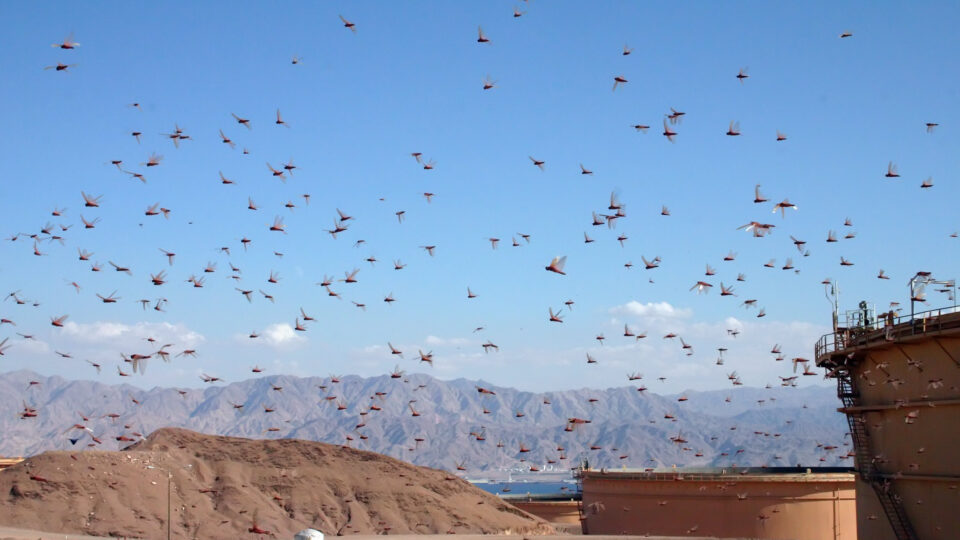
Plagues of locusts have been reported since the times of the Egyptian pharaohs.  In recent history, there have been desert locust plagues during multiple decades of the 20th century.  Since January, a very large population of locusts gathered in Kenya and has destroyed over 2,000 square miles of pasture and crop land.  Swarms have since reached portions of Ethiopia, Somalia, Uganda, and South Sudan.  Apart from East Africa, there are locust swarms in Yemen and other Middle East countries and in Pakistan as well.  The current situation continues to represent an unprecedented threat to food security and livelihoods in East Africa.  Locust swarms can range in size from less than half a square mile to hundreds of square miles, each containing 20 to 40 million locusts.

The National Oceanic and Atmospheric Administration uses a powerful air quality model to track the movement and deposition of pollution from wildfires, volcanoes and industrial accidents.  Called the HYSPLIT dispersion model, it has now been refined for the purpose of tracking swarms of locusts.

Because desert locusts are passive fliers that drift with the wind, the model’s high-quality data on wind speed and direction can lead to accurate predictions of where the locusts will go and when.

NOAA is working with the United Nations Food and Agriculture Organization – the FAO.  The new web application based on HYSPLIT is being used by the FAO to issue forecasts and warnings to affected countries about forthcoming waves of locust swarms.  Such forecasts enable local officials to conduct aerial spraying to reduce the impact of desert locusts which can destroy grains, grasses and other greens that are life-sustaining foods for entire regions.

**********

Web Links

NOAA teams with United Nations to create locust-tracking application

Photo, posted November 20, 2004, courtesy of Niv Singer via Flickr.

Earth Wise is a production of WAMC Northeast Public Radio.

A Giant Marine Preserve | Earth Wise

May 4, 2020 By EarthWise Leave a Comment

Creating A Giant Marine Preserve

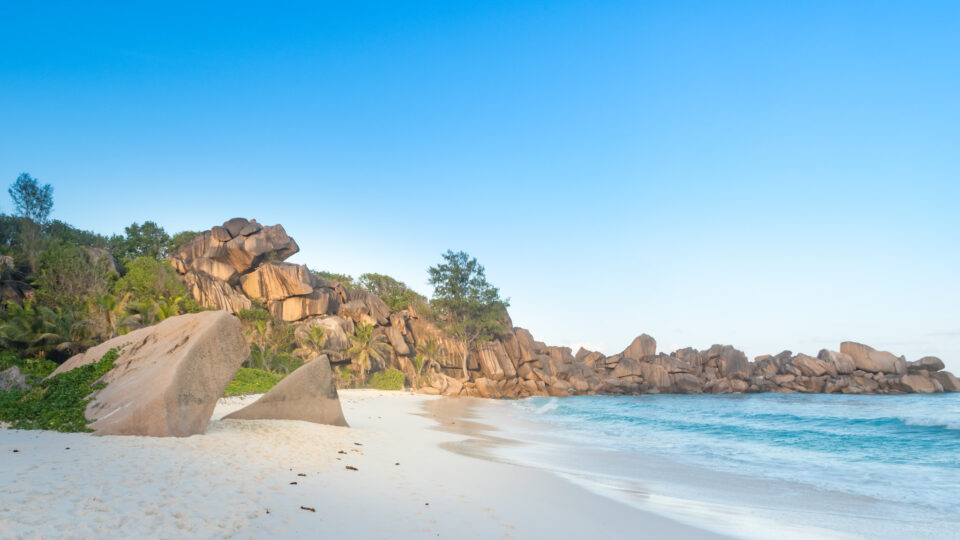
The Seychelles islands are located east of Kenya, near the equator.  Its beautiful beaches, virgin jungles, thriving coral reefs, and UNESCO-listed nature reserves are among the many attractions of the archipelago’s 115 islands.  The larger inner islands are quite developed for tourists, studded with many luxurious five-star resorts.  The natural wonders of the Seychelles are clearly its prime asset.

Given this, the Seychelles have now established 154,000 square miles of marine protected areas, fulfilling a pledge to protect nearly a third of its vast territorial waters.  This is an area twice the size of Great Britain.

About half of the newly protected areas will be “no-take zones” in which economic activity such as fishing and mining will be prohibited.  Only limited economic activities will be permitted in the other half of the protected areas.

The President of the Seychelles signed the decree establishing the marine reserve in mid-March.  The reserve will help protect the nation’s fisheries resources and safeguard a host of species including endangered sea turtles, sharks, and the Indian Ocean’s last remaining population of dugongs, which are marine mammals similar to manatees.

The funding for managing and protecting the new marine reserves will come from what is termed a debt-for-nature deal.  It is an agreement that was worked out with the help of The Nature Conservancy that allows the country to restructure nearly $22 million in foreign debt in exchange for protecting marine resources and enacting climate adaptation measures.

This major expansion of the Seychelles’ marine protected area is a major step in the conservation of the archipelago’s biodiversity.  The success of that conservation will ultimately depend upon enforcement, public-private partnerships, and innovative management.

**********

Web Links

Seychelles Creates a Marine Reserve Twice the Size of Great Britain

Photo, posted October 22, 2017, courtesy of Falco Ermet via Flickr.

Earth Wise is a production of WAMC Northeast Public Radio.

Solar-Powered Desalination

October 4, 2019 By EarthWise Leave a Comment

Turning seawater into drinking water is an energy-intensive process and is therefore pretty expensive.  Worldwide, one third of people don’t have reliable access to safe drinking water and they are the least able to afford expensive ways to get it.   By 2025, half of the world’s population is expected to live in water-stressed areas.

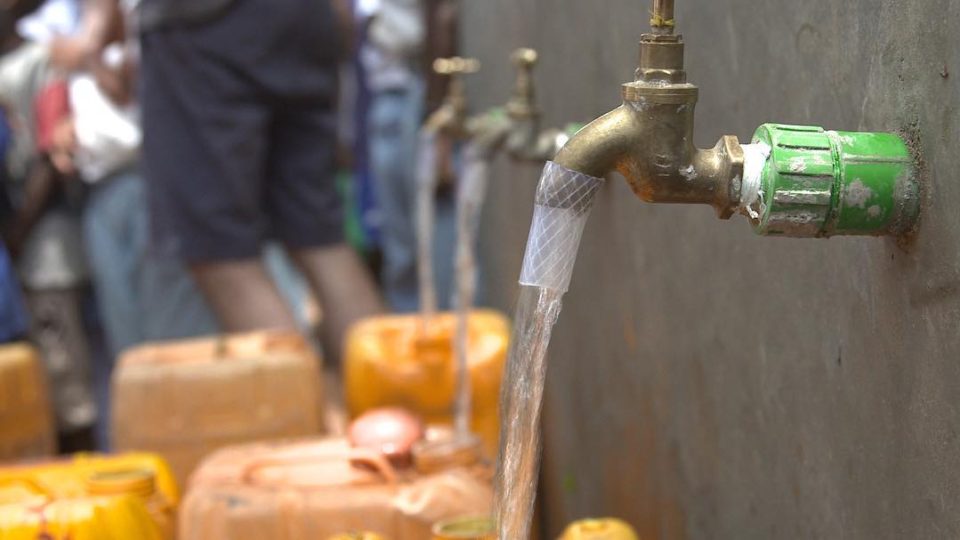
At a newly-constructed facility in Kenya, a nonprofit company called GivePower has built a desalination system that runs on solar power.  The system started operating in the coastal area of Kiunga in July 2018 and can create nearly 20,000 gallons of fresh drinking water each day – enough for 25,000 people.

GivePower started in 2013 as a nonprofit branch of SolarCity, the solar-panel company that ultimately merged with Tesla in 2016.  However, GivePower spun off as a separate enterprise shortly before that.

GivePower mostly focuses on building solar-energy systems to provide electricity across the developing world. 

Desalination technology is not new, but it is notoriously energy-intensive because it requires high-power pumps.  The GivePower system is integrated with a solar microgrid that makes use of Tesla batteries to store energy for when the sun is not shining. 

Local residents pay about a quarter of one cent for every quart of water from the system.  The Kiunga community has faced ongoing drought and before the GivePower system was installed, was forced to drink from salt water wells, which present serious health risks.

The GivePower system cost $500,000 to build and is expected to generate $100,000 a year, to be eventually used to fund similar facilities in other places.

**********

Web Links

A solar-powered system can turn salt water into fresh drinking water for 25,000 people per day. It could help address the world’s looming water crisis.

Photo courtesy of GivePower.

Earth Wise is a production of WAMC Northeast Public Radio.

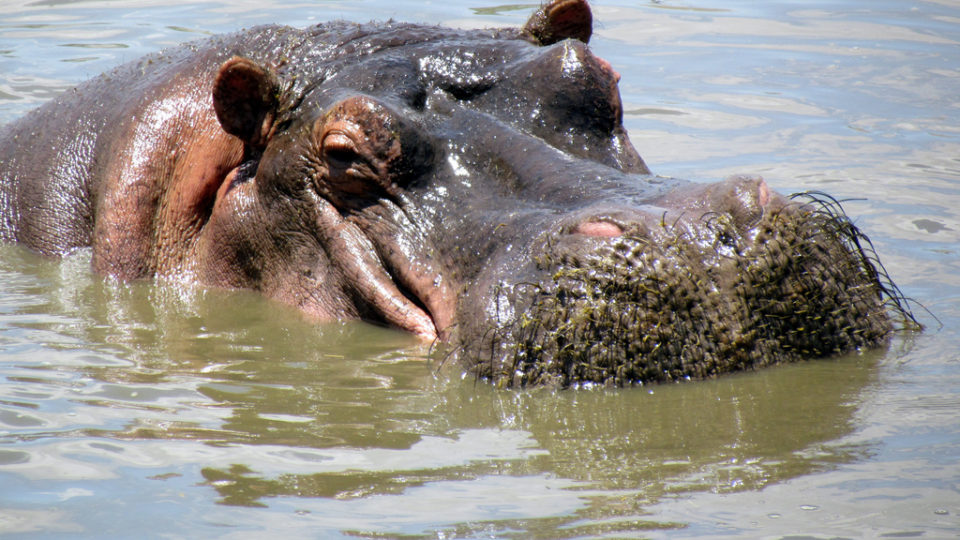
Hippo Waste And Fish

September 10, 2018 By EarthWise Leave a Comment

https://earthwiseradio.org/wp-content/uploads/2018/08/EW-09-10-18-Hippo-Pools.mp3

Agricultural and sewage pollution can cause low-oxygen conditions and fish kills in rivers. A new study published in Nature Communications reports that hippo waste can have a similar effect in Africa’s Mara River, which passes through the world renowned Maasai Mara National Reserve of Kenya and is home to more than 4,000 hippos.

[Read more…] about Hippo Waste And Fish

Renewable Powered Cities

March 29, 2018 By EarthWise Leave a Comment

https://earthwiseradio.org/wp-content/uploads/2018/03/EW-03-29-18-Renewable-Powered-Cities.mp3

Cities are responsible for 70% of the world’s energy-related CO2 emissions and it appears that they are taking responsibility for reducing them.  Over 7,000 mayors around the world have signed up to the Global Covenant of Mayors for Climate and Energy, thereby pledging to act on climate change.

[Read more…] about Renewable Powered Cities

The Deadly Cost Of Pollution

December 8, 2017 By EarthWise Leave a Comment

https://earthwiseradio.org/wp-content/uploads/2017/11/EW-12-08-17-Deadly-Cost-of-Pollution.mp3

There is deservedly a great deal of focus on the effects that carbon pollution is having upon the climate and most countries around the world are working to reduce their emissions.   However, even if climate effects were not a serious threat to humanity, pollution is a deadly menace to human health.

[Read more…] about The Deadly Cost Of Pollution

Saving African Cattle With Perfume

November 27, 2017 By EarthWise Leave a Comment

https://earthwiseradio.org/wp-content/uploads/2017/10/EW-11-27-17-Saving-African-Cattle.mp3

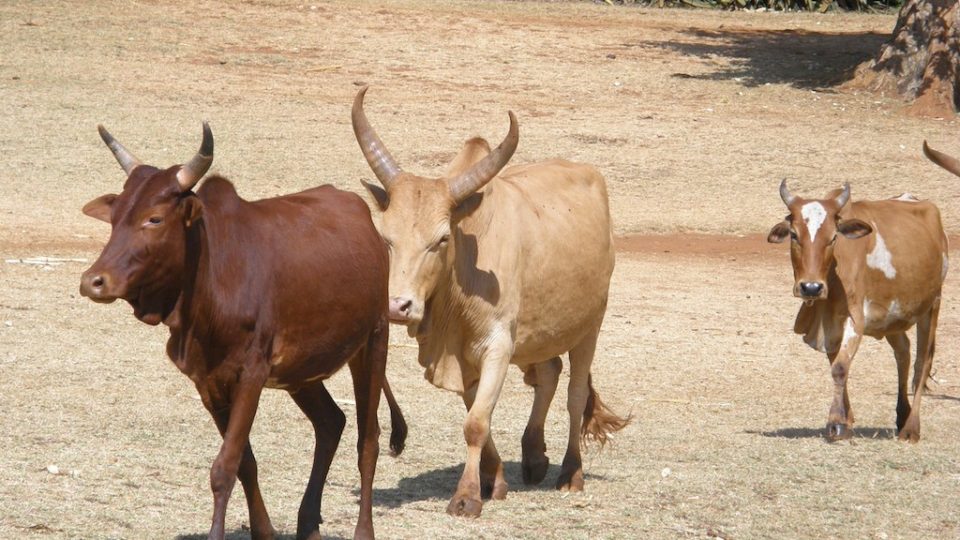
Tsetse flies are widespread in Africa. They feed on blood and are the source of the dreaded sleeping sickness, an infection that can be lethal, damages the nervous system and, in its final stage, causes a dozy state, which gave the disease its name. Sleeping sickness is a real danger for people in tropical Africa, but tsetse flies can also transfer the disease to cattle.  This leads to huge losses in milk, meat and manpower.  The damage caused by the flies in Africa is estimated to be nearly $5 billion a year.

[Read more…] about Saving African Cattle With Perfume

Microgrids For The Powerless

November 26, 2015 By WAMC WEB

https://earthwiseradio.org/wp-content/uploads/2015/11/EW-11-26-15-Microgrids-for-the-Powerless.mp3

There are 1.3 billion people worldwide who don’t have access to electricity.  These days, some of them have acquired hundred-dollar solar panels that produce about five watts of power.  That allows them to power a couple of LED lamps in the evening and to charge a mobile phone.  But that’s about all they can do with so little power.

[Read more…] about Microgrids For The Powerless

Primary Sidebar

Recent Episodes

  • An uninsurable future
  • Clean energy and jobs
  • Insect declines in remote regions
  • Fossil fuel producing nations ignoring climate goals
  • Trouble for clownfishes

WAMC Northeast Public Radio

WAMC/Northeast Public Radio is a regional public radio network serving parts of seven northeastern states (more...)

Copyright © 2026 ·