impacts
Increasing Antarctic Ice Loss
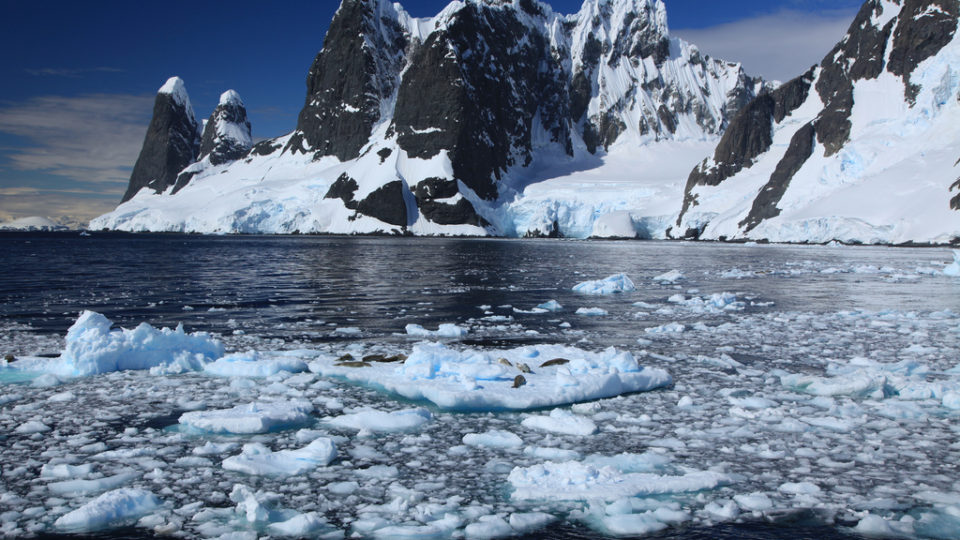
Antarctica’s ice sheets contain enough frozen water to raise sea levels globally about 190 feet. Ice in the Antarctic is melting at a record-breaking rate and subsequent sea rises could have catastrophic consequences around the world. So, it is no surprise that scientists have been closely tracking ice loss in recent decades to understand both the current and future impacts of climate change.
Losing Forests Is Felt Far Away
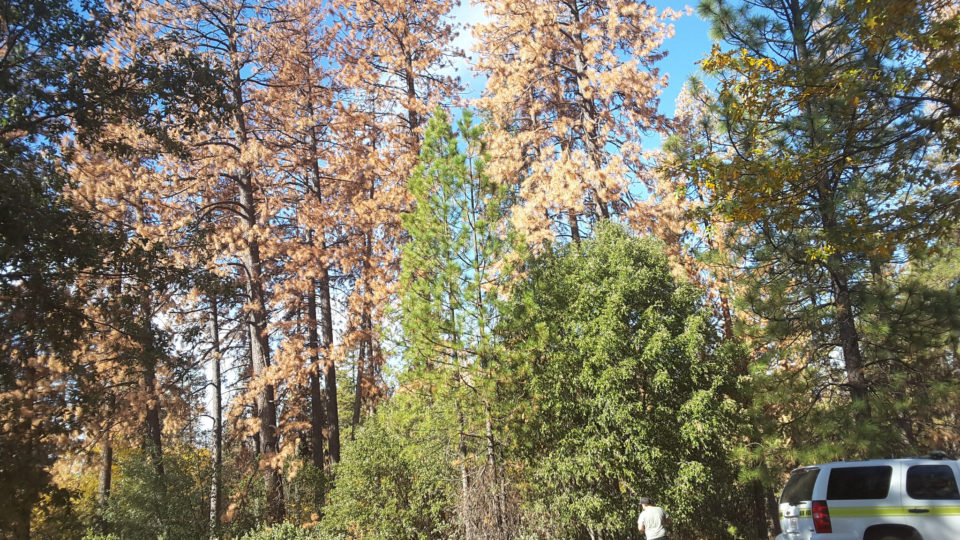
Large areas of forests in our country are vulnerable to drought, fires and disease. When forests are heavily damaged, there are well-known local impacts: drier soils, stronger winds, increased erosion, loss of shade and loss of habitat.
Climate Change And Biodiversity
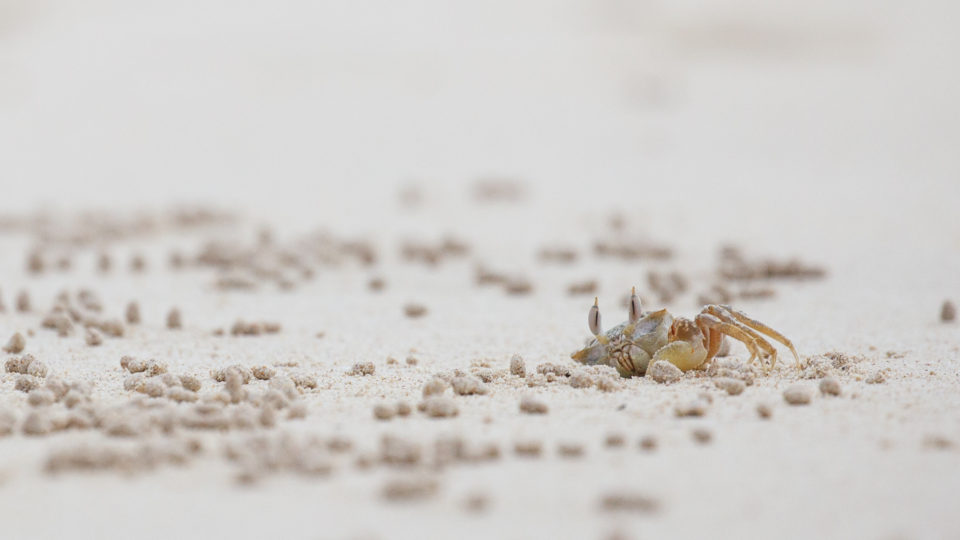
According to a new study recently published in the journal Climatic Change, up to half of the plant and animal species in the world’s most naturally-rich areas could face local extinction by the turn of the century due to climate change. This projection, jeopardizing the biodiversity in places like the Amazon and the Galapagos, assumes carbon emissions continue to rise unchecked.
Northeast Temperatures
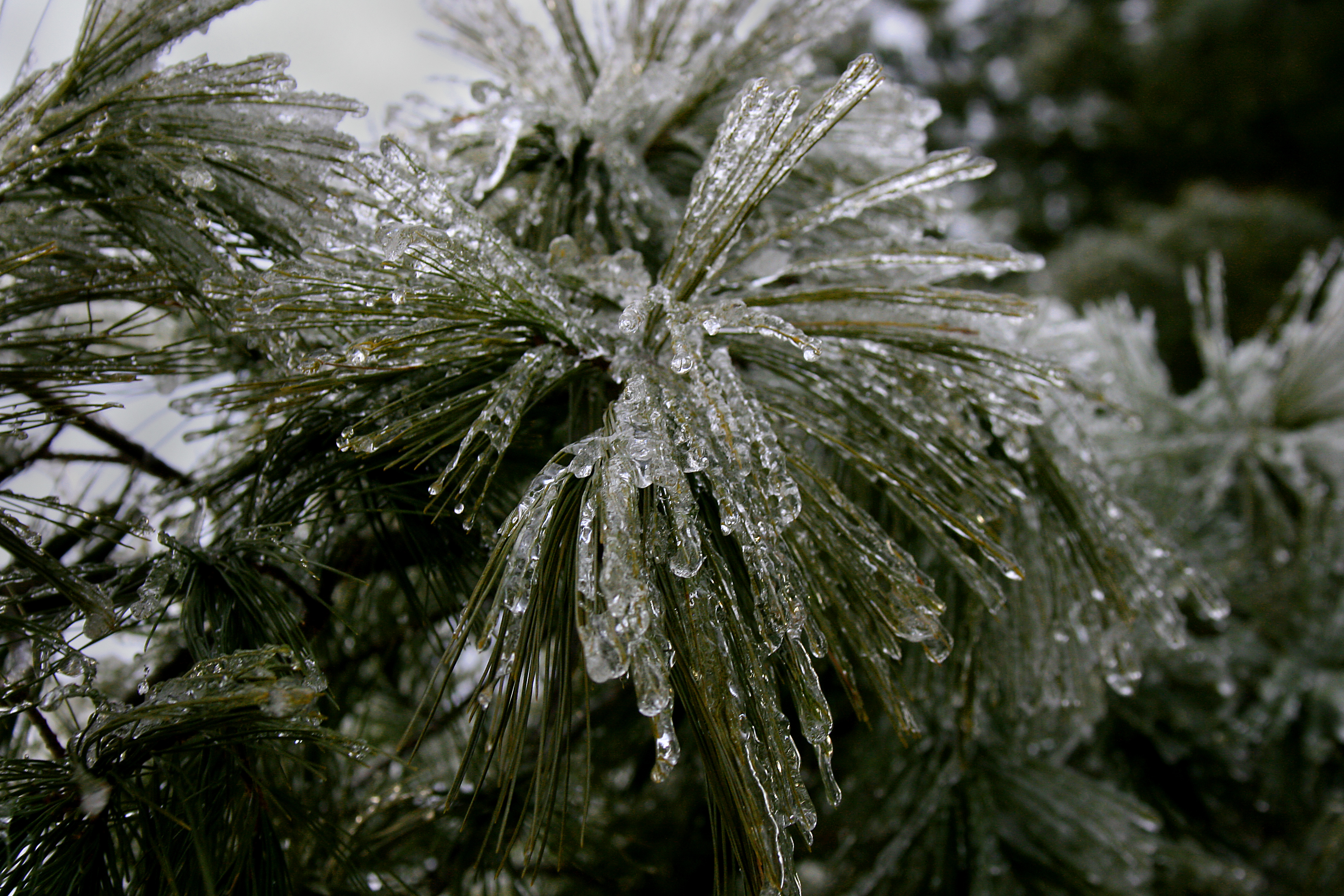
A year ago, nearly 200 countries signed an agreement, known as the Paris Accord, to fight climate change by mitigating greenhouse gas emissions. They each promised to reduce their carbon output as soon as possible, and to do their best to keep global warming well below 2-degrees Celsius (or 3.6 degrees Fahrenheit).
The Threat Of Bushmeat Hunting
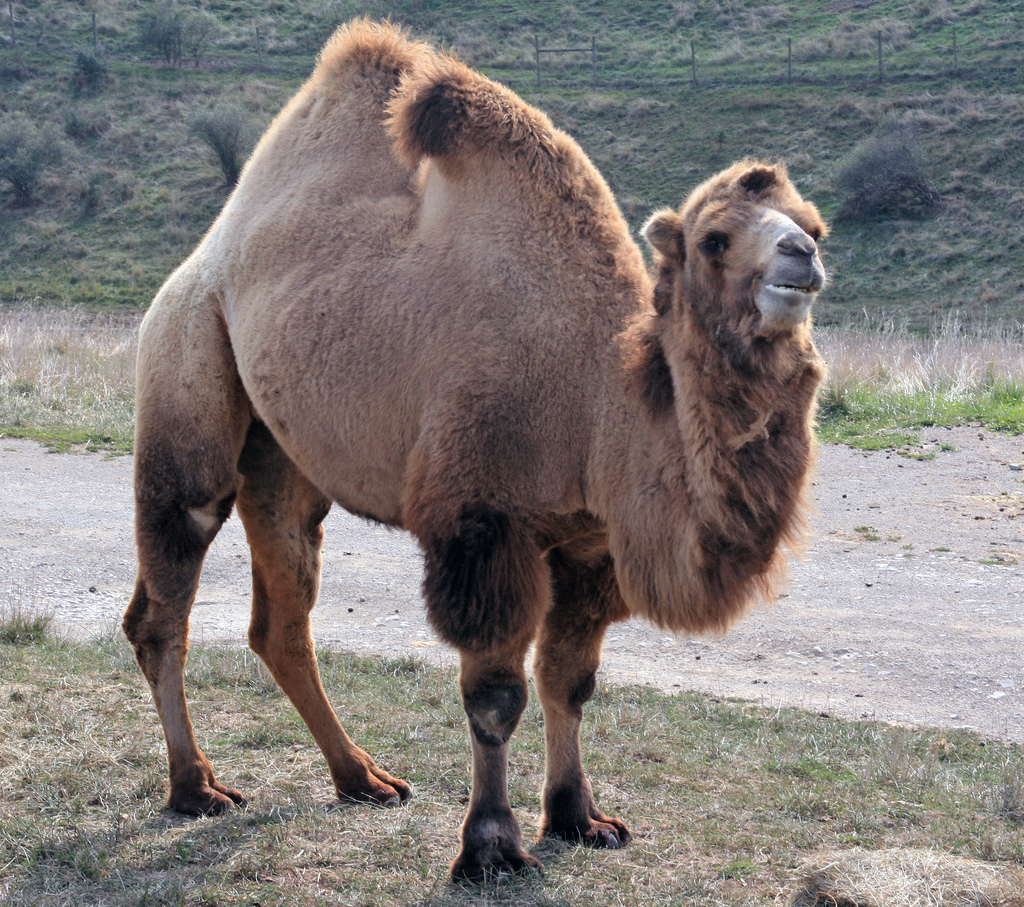
A recent study has identified the steep decline of more than 300 species of mammals as a result of unregulated or illegal hunting. Humans are consuming many of the world’s wild mammals to the point of extinction.