• Skip to primary navigation
  • Skip to main content
  • Skip to primary sidebar

Earth Wise

A look at our changing environment.

  • Home
  • About Earth Wise
  • Where to Listen
  • All Articles
  • Show Search
Hide Search
You are here: Home / Archives for fruits

fruits

American Households and Food Waste | Earth Wise

February 12, 2020 By EarthWise Leave a Comment

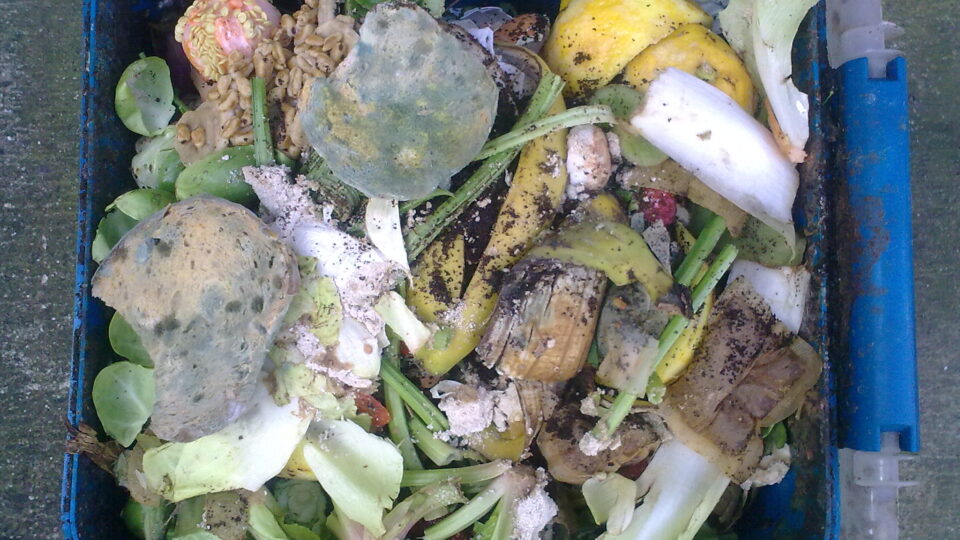
US household food waste

Food waste is a big problem.  According to the United Nations, approximately one-third of the food produced globally – more than 1.4 billion tons – goes to waste.  If food waste was a country adding carbon to the atmosphere, it would be the world’s third largest emitter of greenhouse gases – behind only the U.S. and China.  All of this food waste takes place in a world where 815 million people – more than 10% of the people on the planet – are chronically undernourished.

A new study recently published in the American Journal of Agricultural Economics has analyzed the level of food waste for individual American households. It found that American households waste, on average, nearly one-third of all the food they acquire.  This wasted food has an estimated aggregate value of $240 billion annually.  Divided by the number of U.S. households, this food waste could be costing the average household about $1,866 per year. 

According to researchers, the households with higher household incomes generate more food waste.  Those with healthier diets, which include more perishable fruits and vegetables, also waste more food.  

Meanwhile, households with greater food insecurity, especially those that participate in the federal SNAP food assistance program, as well as those households with a larger number of members, were associated with less food waste.  Households that use shopping lists and those that travel further to reach the grocery store were also associated with lower levels of food waste. 

When food is wasted, the resources used to produce food, including land, energy, water and labor, are wasted as well.  We have to do better. 

**********

Web Links

SAVE FOOD: Global Initiative on Food Loss and Waste Reduction

US households waste nearly a third of the food they acquire

Photo, posted March 22, 2009, courtesy of Nick Saltmarsh via Flickr.

Earth Wise is a production of WAMC Northeast Public Radio.
Livestock And Sustainable Food Systems | Earth Wise

February 10, 2020 By EarthWise Leave a Comment

Regenerative food systems

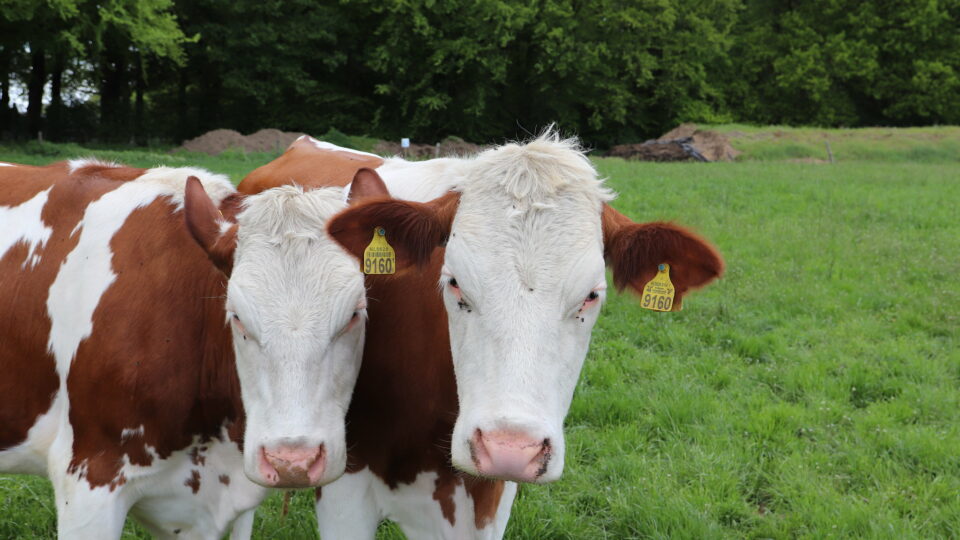
Animal-based agriculture has endured a great deal of criticism with regard to its contributions to climate change and its other environmental impacts.  But its contributions to a sustainable food system are by no means all bad.  In fact, livestock play important roles in sustainable, regenerative agro-food systems.

Animals’ natural biological processes enable them to consume plant and food residues that are either indigestible by humans, unpalatable to people, or are no longer sellable for various reasons, all referred to as IUUB biomass.  There are many examples.

One dairy farm receives daily deliveries of apple waste from a processing facility that supplies apple slices for school lunches.  Another local dairy gets three truckloads of vegetable and fruit discards, along with expired bread products, each week.  No longer useful for consumers, these foodstuffs become feed for cattle rather than going to a landfill.  Even the booming market for plant-based foods like artificial meat for consumers has generated a surge of processing byproducts that can be consumed by livestock.

On a national scale, livestock are consuming millions of pounds of otherwise unusable IUUB created in the production of products like soybean and canola oils, orange juice, ethanol, and more.

While the livestock industry needs to keep working to minimize its environmental impact and there are many reasons to eat less meat, livestock farming is an integral part of our agro-food systems.  Farmers are embracing techniques to produce meat, milk and eggs as efficiently and sustainably as possible, minimizing agriculture’s climate-contributing footprint in the process.

**********

Web Links

Amazing Cows Hold Promise in Pioneering Sustainable Food Systems

Photo, posted May 11, 2019, courtesy of Theo Stikkelman via Flickr.

Earth Wise is a production of WAMC Northeast Public Radio.
Bee Friendly Amsterdam

February 11, 2019 By EarthWise Leave a Comment

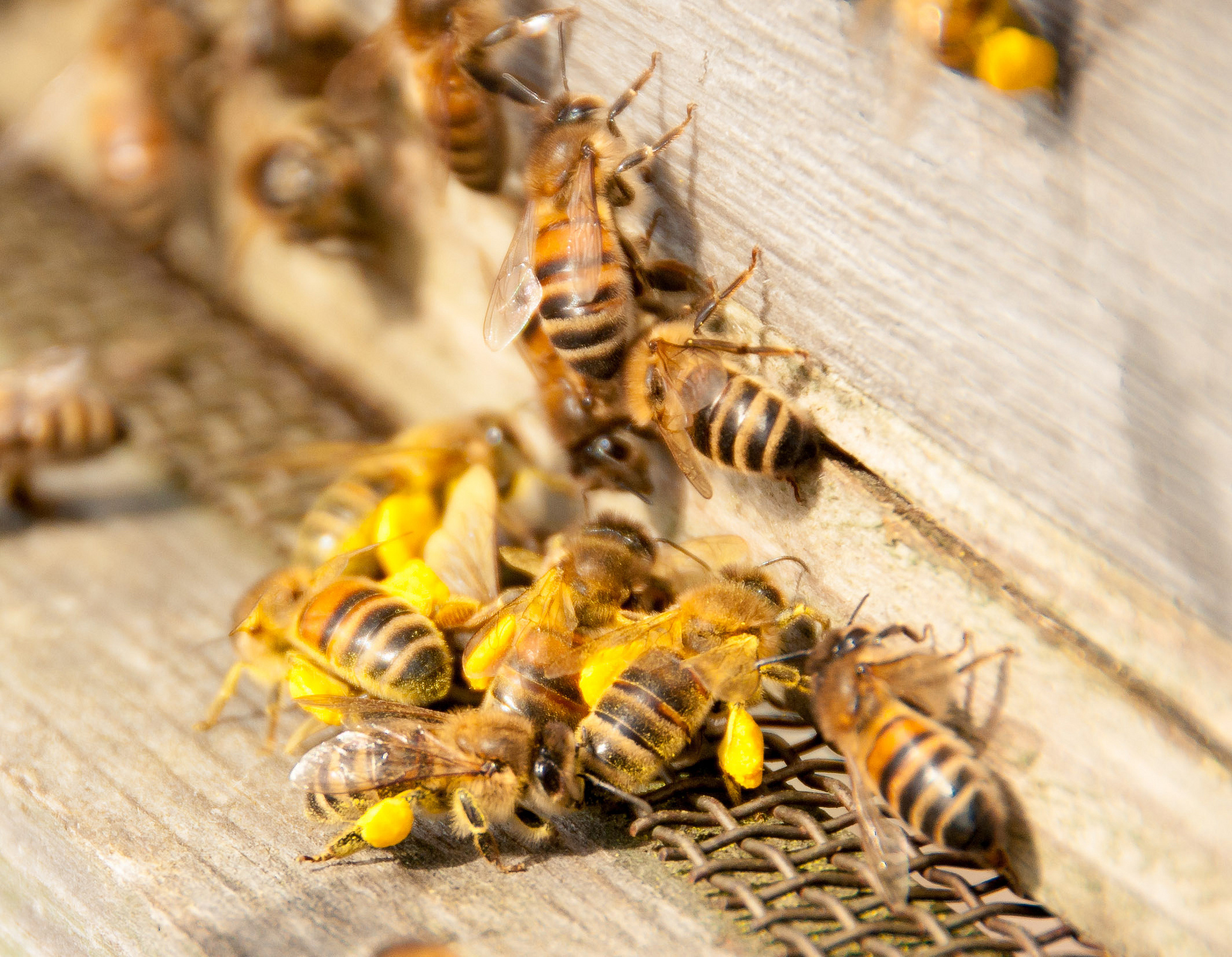
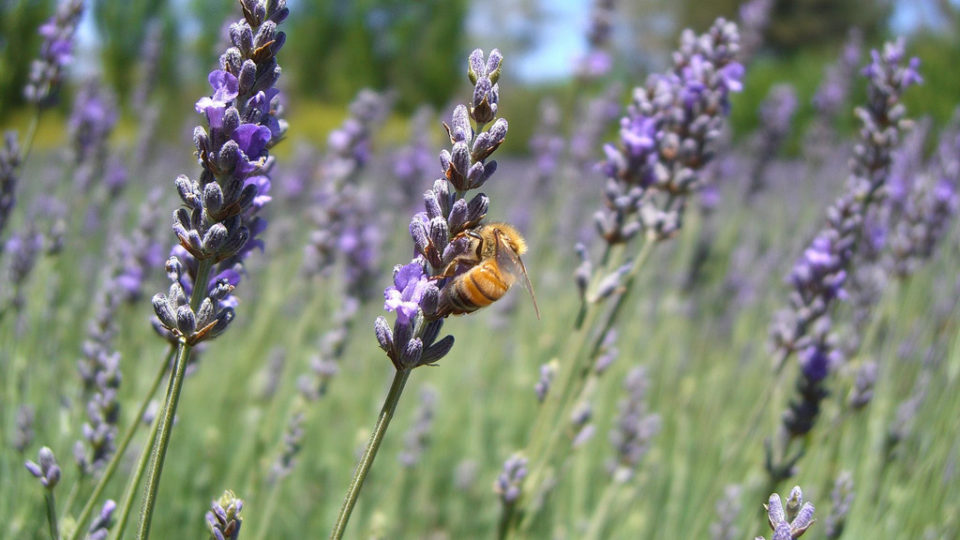
Scientists around the world have been sounding the alarm for years about the decline of bees and other pollinators that are crucial to the growth of crops.   One place where this trend has been bucked is in Amsterdam.  The diversity of wild bee and honeybee species in the Dutch capital has actually increased by 45% since 2000.

The city attributes this success to creating bee-friendly environments including the installation of so-called insect hotels.  There has also been a ban on the use of chemical pesticides on public land.

Four years ago, Amsterdam set a goal to convert half of all public green spaces to native plants including species that produce flowers and fruits that provide nourishment for bees.  Developers in Amsterdam are encouraged to install green roofs on new buildings which reduce reliance on heating and cooling systems and also create habitat for wildlife.

Residents can request to have a 16-inch strip of pavement adjacent to their homes removed in order to plant shrubs, flowers or climbing vines.  When a new highway was built in the area in 2015, local activists planted wildflowers along the sides of the road that otherwise would have been left with only gravel or grass.  This practice has spread to other major routes and along dikes and railways and is referred to as the Honey Highway.

All of these efforts seem to be having a positive effect.  An initial survey was conducted in 2000 to establish a baseline.  A 2015 survey of pollinators found 21 bee species not previously documented in the city.  The rest of the Netherlands has not done as well, and the Dutch government has recently introduced a pollinator strategy to revive bees, butterflies and other insects crucial to the country’s food crop.

**********

Web Links

Bees are dying at an alarming rate. Amsterdam may have the answer.

Photo, posted December 28, 2006, courtesy of Flickr.

Earth Wise is a production of WAMC Northeast Public Radio.
Shielding From Food Waste

May 28, 2018 By EarthWise Leave a Comment

https://earthwiseradio.org/wp-content/uploads/2018/05/EW-05-28-18-Shielding-from-Food-Waste.mp3

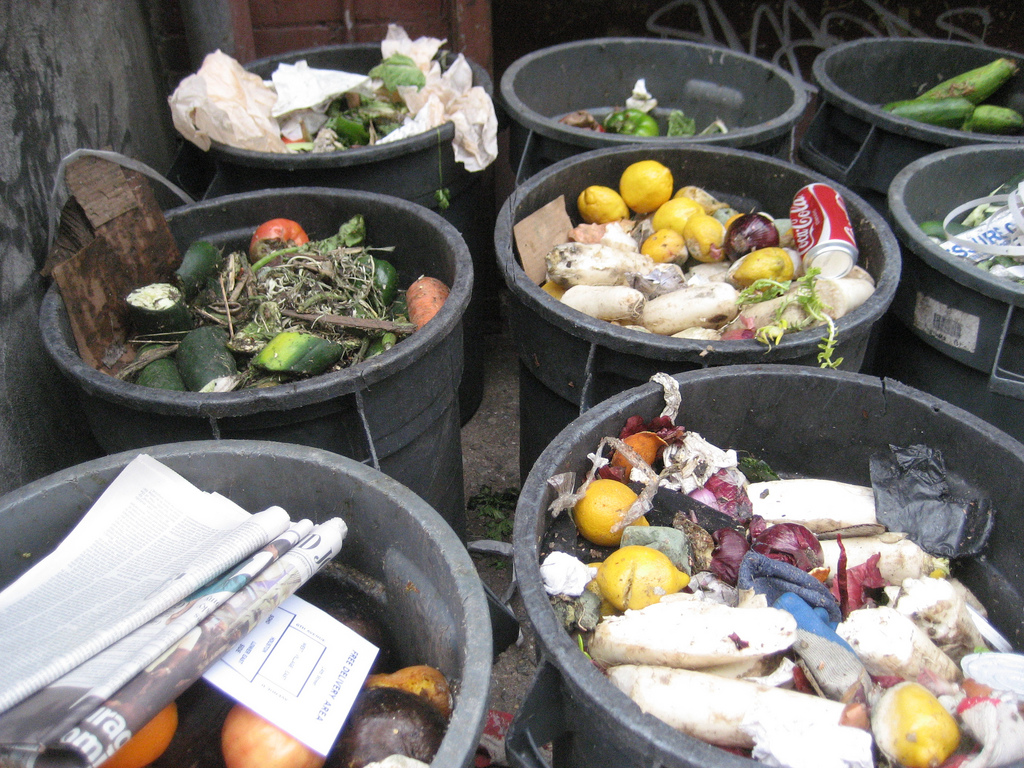
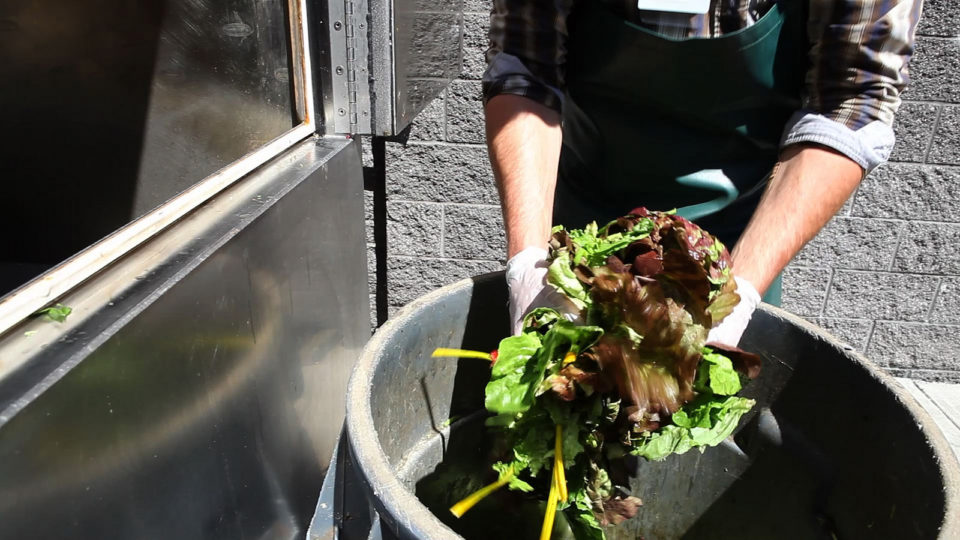
Food waste is one of the most disheartening problems we face.  Fully one-third of all food produced globally for human consumption is wasted.  Fruits, vegetables and tubers are even worse off:  fully half of these things are wasted.  It is a loss at an economic, social and environmental level.

[Read more…] about Shielding From Food Waste

The Dirty Dozen Of 2018

May 18, 2018 By EarthWise Leave a Comment

https://earthwiseradio.org/wp-content/uploads/2018/05/EW-05-18-18-The-Dirty-Dozen.mp3

Every year, the Environmental Working Group ranks pesticide contamination in 47 popular fruits and vegetables for its Shopper’s Guide to Pesticides in Produce.  The environmental nonprofit has created this ranking annually since 2004. 

[Read more…] about The Dirty Dozen Of 2018

Elephant Losses Imperil Forests

April 20, 2018 By EarthWise Leave a Comment

https://earthwiseradio.org/wp-content/uploads/2018/04/EW-04-20-18-Elephant-Losses-Imperil-Forests.mp3

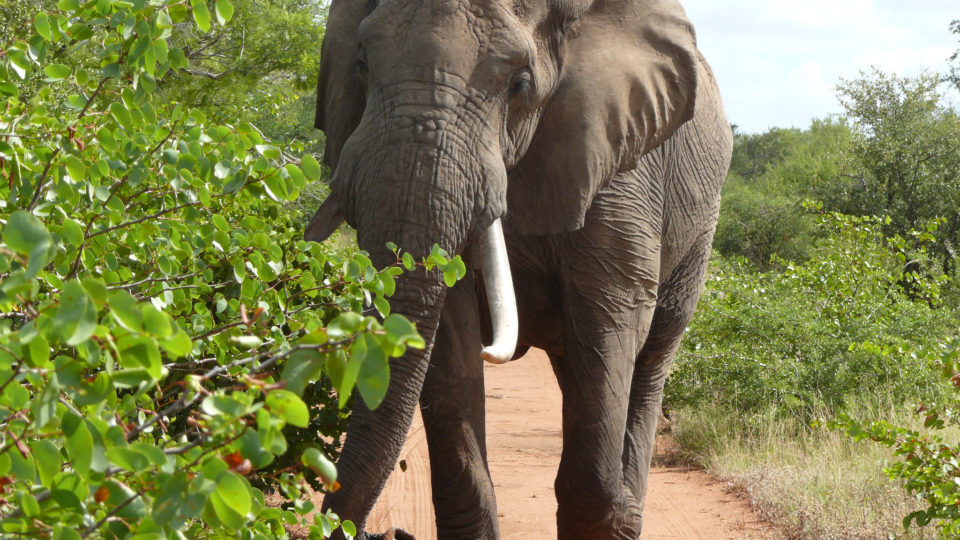
Poaching and habitat loss have reduced Central African elephant populations by 63% since 2001.  These losses not only pose dire consequences for the elephants themselves but also for the forests in which they live.

[Read more…] about Elephant Losses Imperil Forests

Farming In Solar Farms

March 19, 2018 By EarthWise Leave a Comment

https://earthwiseradio.org/wp-content/uploads/2018/03/EW-03-19-18-Farming-in-Solar-Farms.mp3

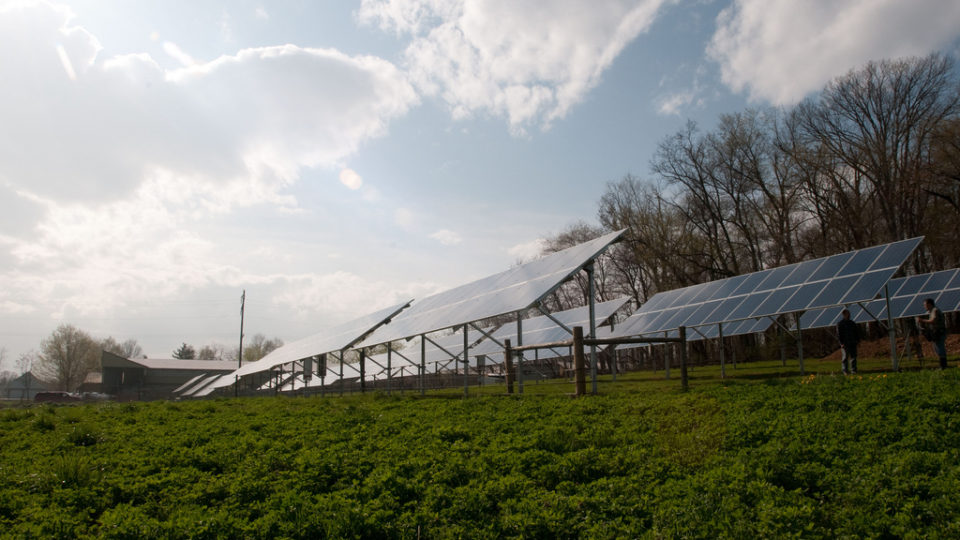
Utility-scale solar installations have been expanding rapidly.  The amount of land used for solar projects is becoming quite substantial.  The National Renewable Energy Laboratory (NREL) predicts that 3 million acres will be devoted to solar farms by 2030, and 6 million by 2050.  These numbers pale in comparison with the land used for corn, soybeans, and wheat, but are more than used for such familiar crops as oats, barley and rice.

[Read more…] about Farming In Solar Farms

Wasting Less Food

August 4, 2017 By EarthWise

https://earthwiseradio.org/wp-content/uploads/2017/07/EW-08-04-17-Wasting-Less-Food-at-Home.mp3

We have talked about the problem of food waste before.  About 40% of the food produced in the United States goes to waste, which is a truly shameful statistic.  According to a Business for Social Responsibility study on the subject, about 44% of the food that goes into landfills comes from homes.  About a third comes from the food service industry.

[Read more…] about Wasting Less Food

Saving Bees With Software

April 11, 2017 By EarthWise

https://earthwiseradio.org/wp-content/uploads/2017/04/EW-04-11-17-Saving-Bees-with-Software.mp3

The worldwide decline in the population of bees and other pollinators has impelled farmers to do what they can to encourage and nurture bees on their land.  Protecting bees is important because pollinators are essential for growing many foods including coffee, cacao, almonds and many other fruits and vegetables.

[Read more…] about Saving Bees With Software

Ugly Produce

April 4, 2016 By WAMC WEB

https://earthwiseradio.org/wp-content/uploads/2016/03/EW-04-04-16-Ugly-Produce.mp3

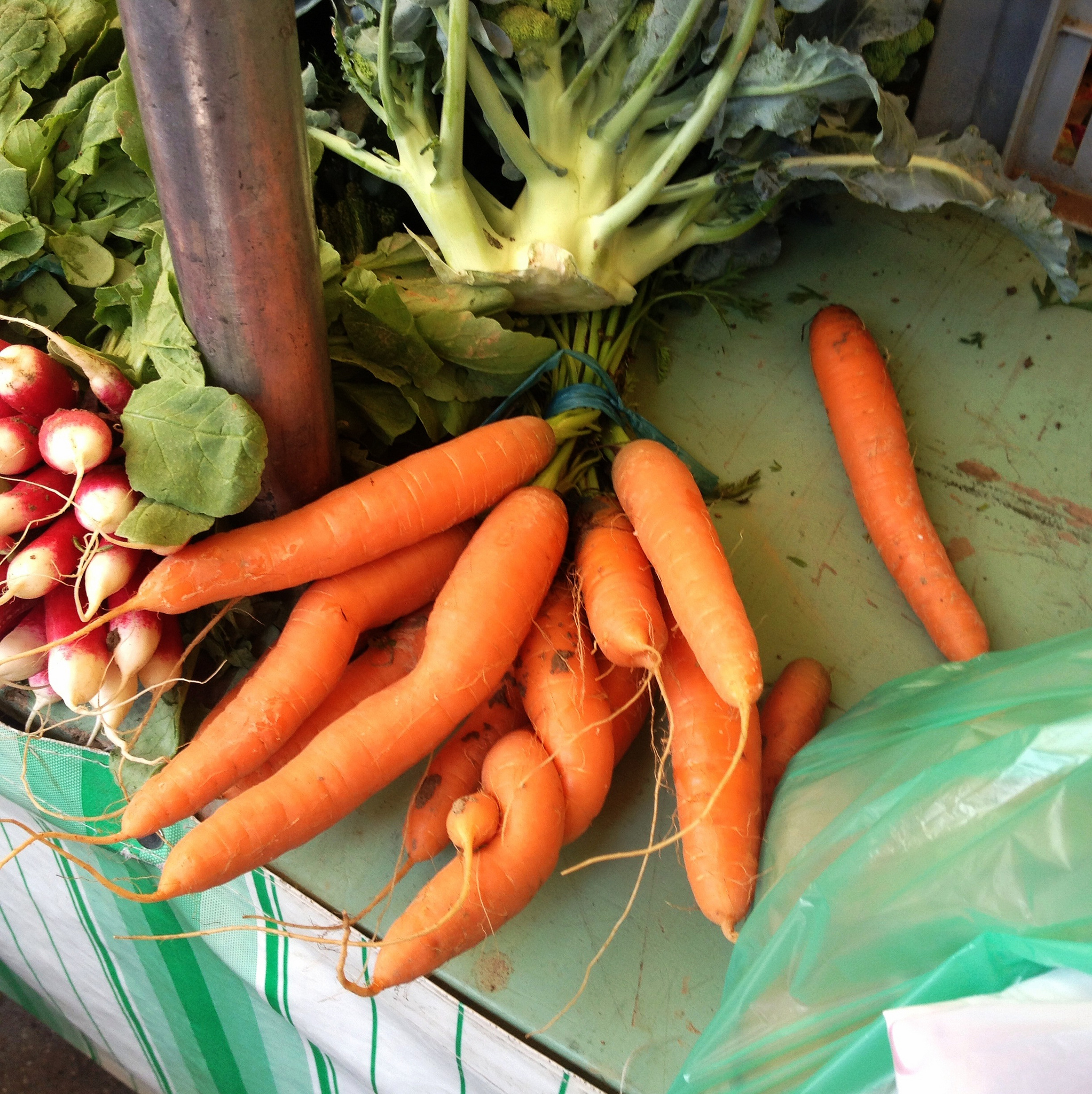
Estimates are that as much as 40% of produce in America is wasted.  We throw out fruits and vegetables for a variety of reasons, but one of the most unfortunate is when produce is tossed simply because it doesn’t look good enough.   Misshapen tomatoes, lumpy carrots, double-lobed potatoes, and crooked cucumbers end up in the waste bin instead of on our plates.

[Read more…] about Ugly Produce

Preservatives

February 8, 2016 By WAMC WEB

https://earthwiseradio.org/wp-content/uploads/2016/02/EW-02-08-16-Preservatives.mp3

Augmenting food with preservatives is not a recent practice.  For thousands of years, we have canned fruits with sugar, preserved meats with salt, and pickled vegetables so that they could keep in hot humid environments.

[Read more…] about Preservatives

Toward Safer Produce

January 1, 2016 By WAMC WEB

https://earthwiseradio.org/wp-content/uploads/2015/12/EW-01-01-16-Safer-Produce.mp3

Government and private organizations have long been encouraging us to eat healthier diets.   We have seen food pyramid charts for decades and the “5 a day” campaign has boosted our consumption of fresh fruits and vegetables.

[Read more…] about Toward Safer Produce

Local Food In A Global World

November 12, 2015 By WAMC WEB

https://earthwiseradio.org/wp-content/uploads/2015/11/EW-11-12-15-Food-Miles.mp3

In the Northeast, many are enjoying the last of autumn’s bounty. When we grow fruits and vegetables, we can choose to forgo pesticides, GMOs, or industrial fertilizer. When we shop at farmer’s markets, we support family farms and help maintain open space that we all enjoy.

[Read more…] about Local Food In A Global World

  • « Go to Previous Page
  • Page 1
  • Page 2

Primary Sidebar

Recent Episodes

  • An uninsurable future
  • Clean energy and jobs
  • Insect declines in remote regions
  • Fossil fuel producing nations ignoring climate goals
  • Trouble for clownfishes

WAMC Northeast Public Radio

WAMC/Northeast Public Radio is a regional public radio network serving parts of seven northeastern states (more...)

Copyright © 2026 ·