• Skip to primary navigation
  • Skip to main content
  • Skip to primary sidebar

Earth Wise

A look at our changing environment.

  • Home
  • About Earth Wise
  • Where to Listen
  • All Articles
  • Show Search
Hide Search
You are here: Home / Archives for feedback loop

feedback loop

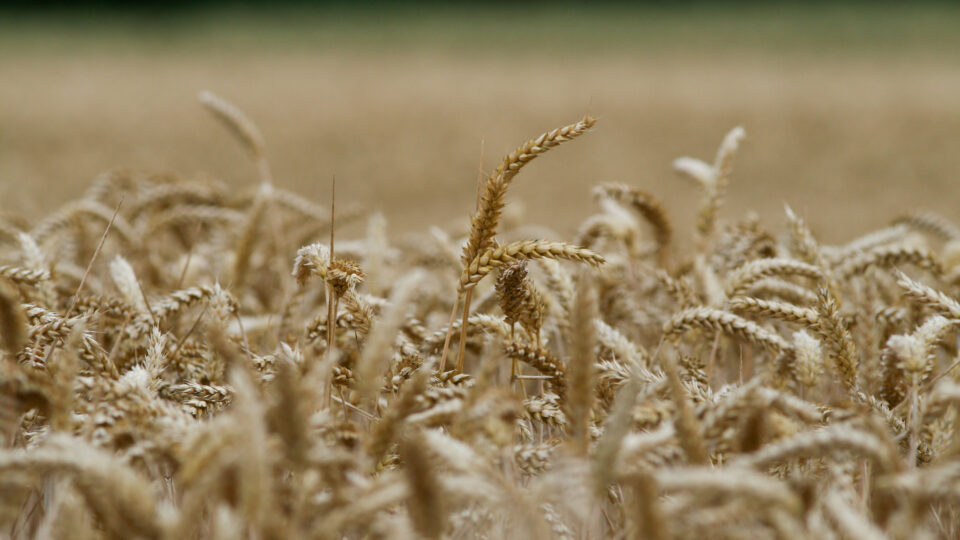
Climate change and the global food supply

January 8, 2025 By EarthWise Leave a Comment

One of the most troubling aspects of global climate change is its potential to severely disrupt the production, distribution, and quality of food. While food security is already challenged by many factors, including population growth, poverty, and changing eating habits, climate change intensifies these issues by altering weather patterns, causing more frequent droughts, floods, and extreme temperatures that damage crops and reduce yields. 

These shifts not only threaten agricultural productivity and increase food prices, but they also impact water resources, pests, and disease dynamics, further destabilizing food systems and exacerbating vulnerabilities, particularly in regions already facing food insecurity.

According to a new paper, which was co-authored by 21 scientists from 9 different countries, climate change will cause widespread food shortages, leading to famine, mass migration, and global instability, unless swift action is taken to develop climate-resilient crops.

Adding to the urgency is the fact that agriculture itself also contributes approximately 30% of global greenhouse gas emissions, creating a vicious feedback loop that threatens to further accelerate global climate change.

The research, which was recently published in the journal Trends in Plant Science, outlines five key recommendations to address this crisis: Study plants in real-world conditions, strengthen partnerships with farmers, streamline regulations for faster innovation, build public trust in new technologies, and create global research initiatives that unite scientists from developed and developing nations to share resources and expertise.

**********

Web Links

Climate Change Threatens Global Food Supply: Scientists Call for Urgent Action

Photo, posted September 21, 2014, courtesy of Peter via Flickr.

Earth Wise is a production of WAMC Northeast Public Radio
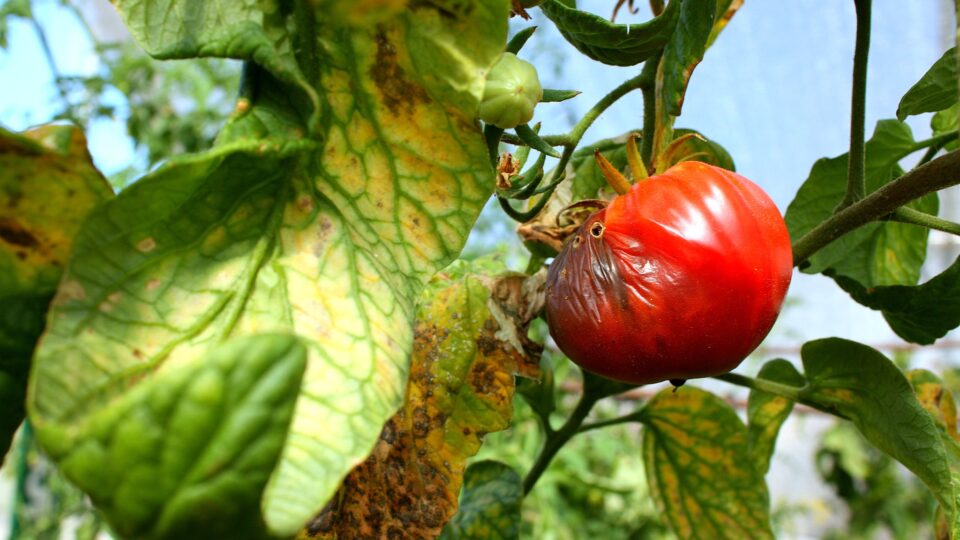
The impact of climate change on agriculture

October 18, 2024 By EarthWise Leave a Comment

Climate change is changing the landscape of global agriculture

Agriculture is a major part of the climate problem and remains one of the hardest human activities to decarbonize.  Agriculture is responsible for approximately 30% of global greenhouse gas emissions.

On farms around the world, excess fertilizer gets broken down by microbes in the soil, releasing nitrous oxide into the atmosphere.  Nitrous oxide is a greenhouse gas that is 300 times more potent than carbon dioxide.

According to a sweeping global research review recently published in the journal Science, greenhouse gas emissions from agriculture are now 18 times higher than they were in the 1960s. 

The research, which was co-written by professors at the University of Minnesota with more than 20 experts around the world, also reveals the likelihood of an emergent feedback loop between climate and agriculture.  As the changing climate puts more pressure on the global food supply, agriculture will, out of necessity, adopt practices that may exacerbate its environmental impact. Without changes in agriculture, this feedback loop could make it impossible to achieve the Paris Climate Agreement goal of limiting global warming to 1.5 degrees Celsius above pre-industrial levels. 

The research identifies several agricultural practices that could improve efficiency and stabilize our food supply in the decades to come, including precision farming, perennial crop integration, agrivoltaics, nitrogen fixation, and novel genome editing. 

Finding ways to reduce the warming impact of agriculture while maintaining high crop yields are essential to both mitigating climate change and protecting our food supply from its impacts.

**********

Web Links

Impact of Climate Change on Agriculture Suggests Even Greater Challenges to the Environment, Global Food Supply and Public Health

Photo, posted October 16, 2010, courtesy of Timlewisnm via Flickr.

Earth Wise is a production of WAMC Northeast Public Radio
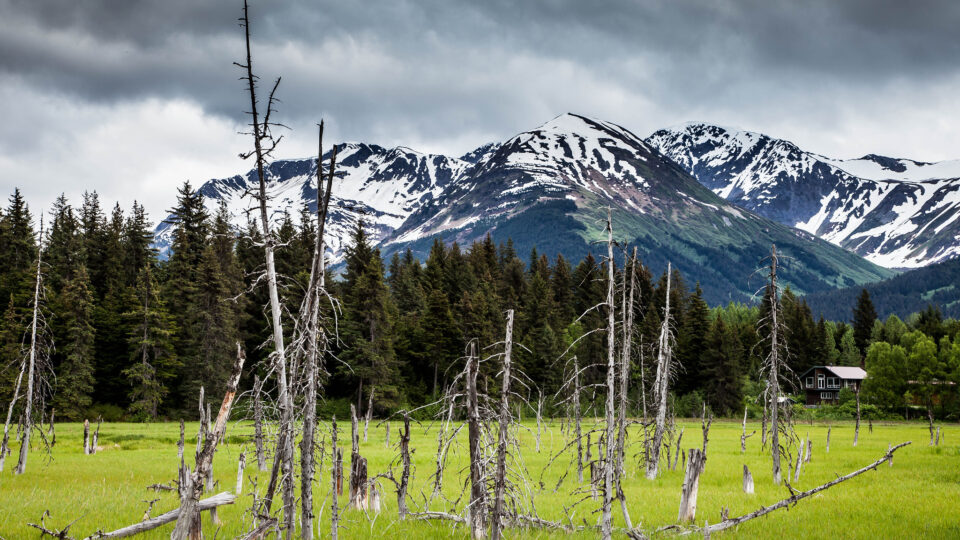
Alaska Is Getting Wetter | Earth Wise

August 31, 2020 By EarthWise Leave a Comment

alaska is getting wetter

Siberia has been in the news for record-setting heat waves and wildfires, but it is not the only northern region experiencing unusual weather.   Alaska, apart from setting its own warm weather records, is experiencing the rainiest five years in its century-long meteorological record.

Extreme weather in the Arctic is being driven by an aspect of climate change called Arctic amplification, which leads to temperatures rising faster than the global average.  The physical basis of Arctic amplification is well understood, but its effects over time are much less predictable.

The past five years included two summers with average precipitation, one that was a little drier than usual, and two of the wettest summers on record.    Researchers have taken measurements of how far below the surface permafrost has thawed by the end of summer over a wide range of Alaskan environments.

About 85% of Alaska sits upon permafrost and the increasing rainfall over the past five years is leading to a deeper thaw of permafrost across the state.  The wettest summer on record was 2014 and permafrost didn’t freeze back to previous levels even when the next couple of summers were relatively drier.

The study demonstrated how different types of land cover govern relationships between summer rainfall and permafrost thaw.  As Alaska becomes warmer and wetter, the vegetation cover is projected to change, and the increasing occurrence of wildfires will disturb larger areas of the landscape.  These conditions are likely to lead to a feedback loop driving more and more permafrost thawing.

Fundamental changes to Alaskan ecosystems are occurring on an unprecedented timescale – not gradually over decades or lifetimes, but over mere months or years.

**********

Web Links

Alaska is getting wetter. That’s bad news for permafrost and the climate.

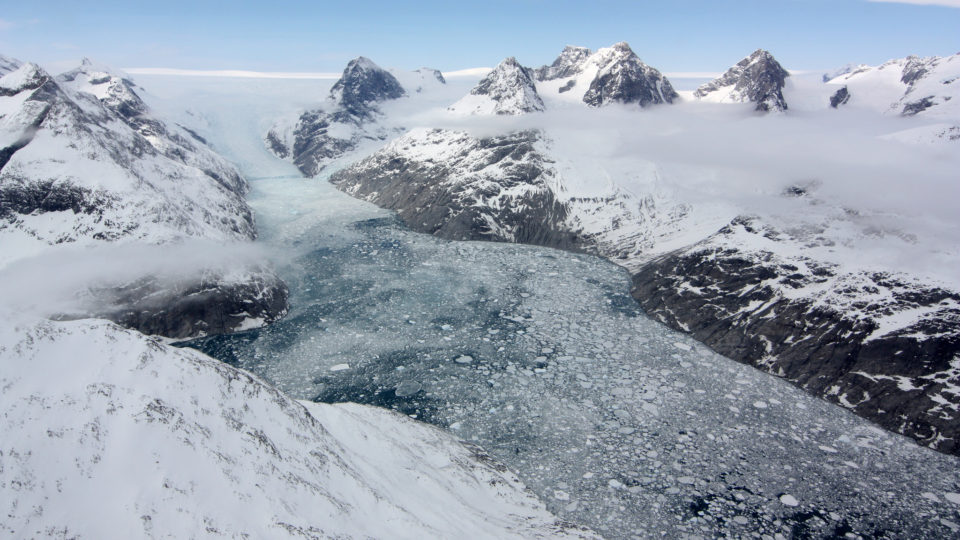
Photo, posted June 10, 2011, courtesy of Peter Rintels via Flickr.

Earth Wise is a production of WAMC Northeast Public Radio.

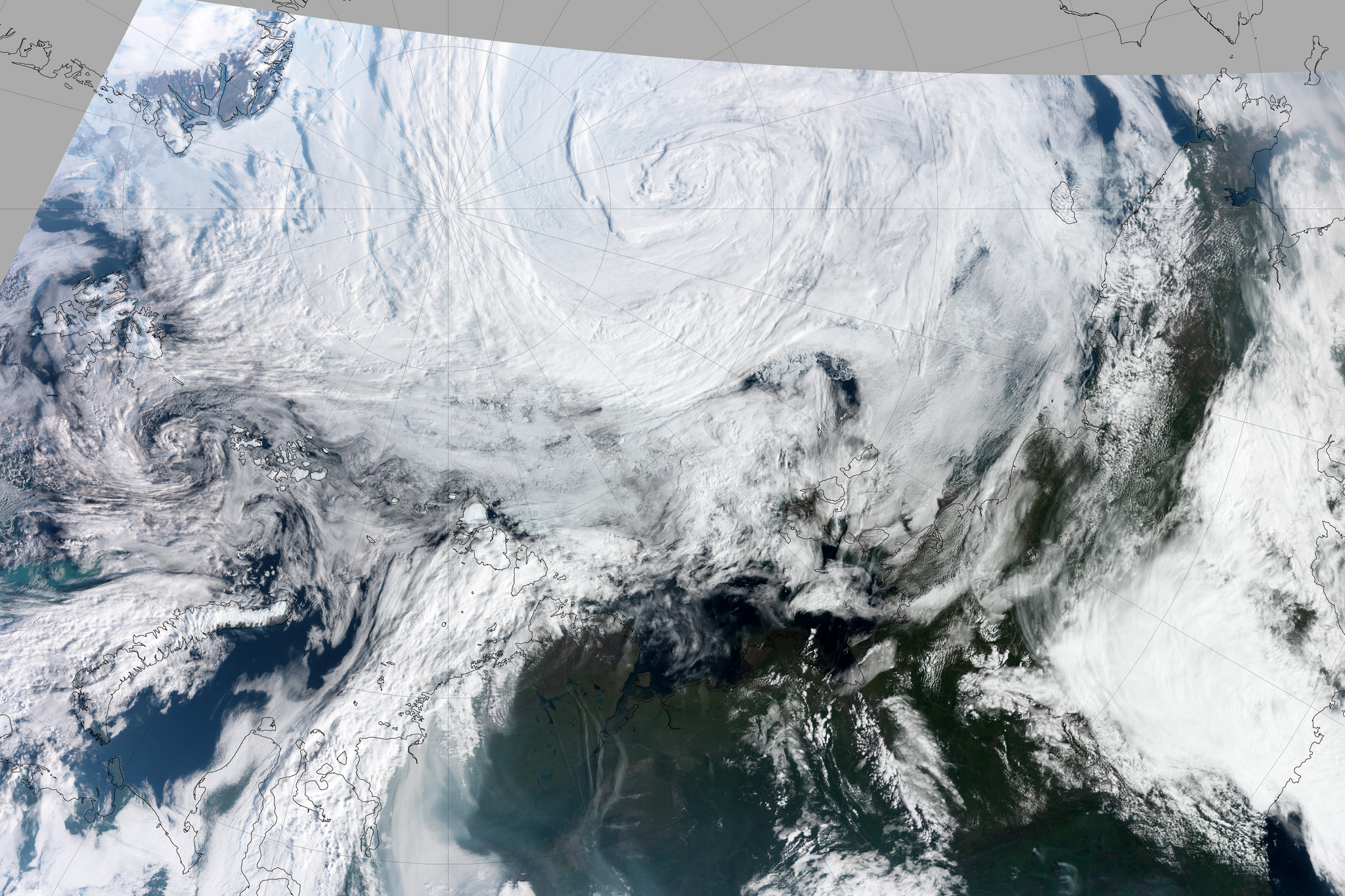
Algae And The Greenland Ice Sheet

February 2, 2018 By EarthWise Leave a Comment

https://earthwiseradio.org/wp-content/uploads/2018/02/EW-02-02-18-Algae-and-the-Greenland-Ice-Sheet.mp3

The Greenland Ice Sheet is the second largest ice body in the world, after the Antarctic ice sheet.  It is about 1,500 miles long, nearly 900 miles across at its widest point, and averages more than a mile in thickness.  It has experienced record melting in recent years and is a source of great concern as the climate continues to warm. The Greenland Ice Sheet is losing an estimated 270 billion tons of ice each year.   If the entire sheet were to melt, global sea levels would rise by 24 feet which, of course, would be a world-wide catastrophe.

[Read more…] about Algae And The Greenland Ice Sheet

Carbon And Heating Soil

November 22, 2017 By EarthWise 1 Comment

https://earthwiseradio.org/wp-content/uploads/2017/11/EW-11-22-17-Carbon-and-Heating-Soil.mp3

Plants are a critical part of the Earth’s carbon cycle.   They take in carbon dioxide during photosynthesis.   Eventually, dead leaves, branches and other materials fall to the ground where bacteria and fungi decompose the materials and release the CO2 back into the atmosphere.  This carbon-soil feedback loop is a complicated one that is critical to the overall carbon balance because soils actually contain two to three times more carbon than the atmosphere.

[Read more…] about Carbon And Heating Soil

Did People Create The Sahara Desert?

April 25, 2017 By EarthWise

https://earthwiseradio.org/wp-content/uploads/2017/04/EW-04-25-17-Did-People-Create-the-Sahara.mp3

One of the arguments some people make when discussing human causes of climate change is that people can’t cause such massive changes.  However, there is a long historical record of human-driven ecological and climatic change in Europe, North America and New Zealand, among other places.

[Read more…] about Did People Create The Sahara Desert?

Ocean Oxygen Levels

March 28, 2017 By EarthWise

https://earthwiseradio.org/wp-content/uploads/2017/03/EW-03-28-17-Ocean-Oxygen-Levels.mp3

When we think of global climate change, what comes to mind?  Rising seas? Melting glaciers? Shrinking sea ice?  How about diminishing ocean oxygen levels?  

[Read more…] about Ocean Oxygen Levels

Hot Times For Santa

December 22, 2016 By EarthWise

https://earthwiseradio.org/wp-content/uploads/2016/12/EW-12-22-16-Hot-Times-for-Santa.mp3

Santa Claus may have to change out of that heavy red suit this Christmas.  The North Pole, site of his fabled workshop, is seeing historically high temperatures this year.  In fact, it is 36 degrees Fahrenheit higher than it has been in past decades.  This is a staggering number.

[Read more…] about Hot Times For Santa

Primary Sidebar

Recent Episodes

  • An uninsurable future
  • Clean energy and jobs
  • Insect declines in remote regions
  • Fossil fuel producing nations ignoring climate goals
  • Trouble for clownfishes

WAMC Northeast Public Radio

WAMC/Northeast Public Radio is a regional public radio network serving parts of seven northeastern states (more...)

Copyright © 2026 ·