farms
Toyota’s Hydrogen Factory

Toyota is one of several automakers that are promoting hydrogen fuel cell cars – electric cars that get their energy from fuel cells rather than batteries. Fueling one of these cars is much like filling up the tank of a gasoline-powered car, except that the fuel in question is hydrogen.
A Decline In Flying Insects
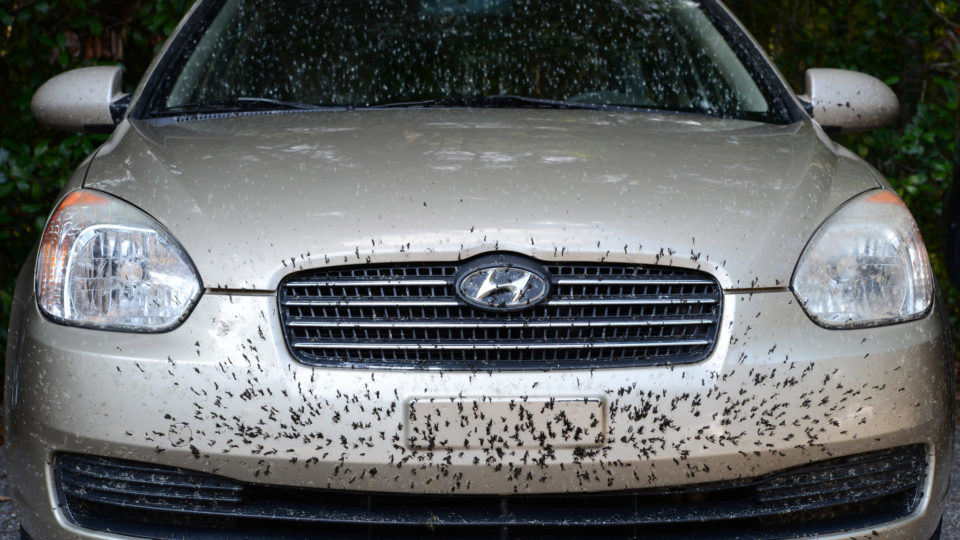
When was the last time you used a squeegee to remove squashed insects from your windshield? It’s been a while, right? It’s not just you. This is known as the windscreen phenomenon. Scientists and some motorists have long suspected that flying insects are in dramatic decline. New research has confirmed these suspicions.
Raw Wastewater On Farms
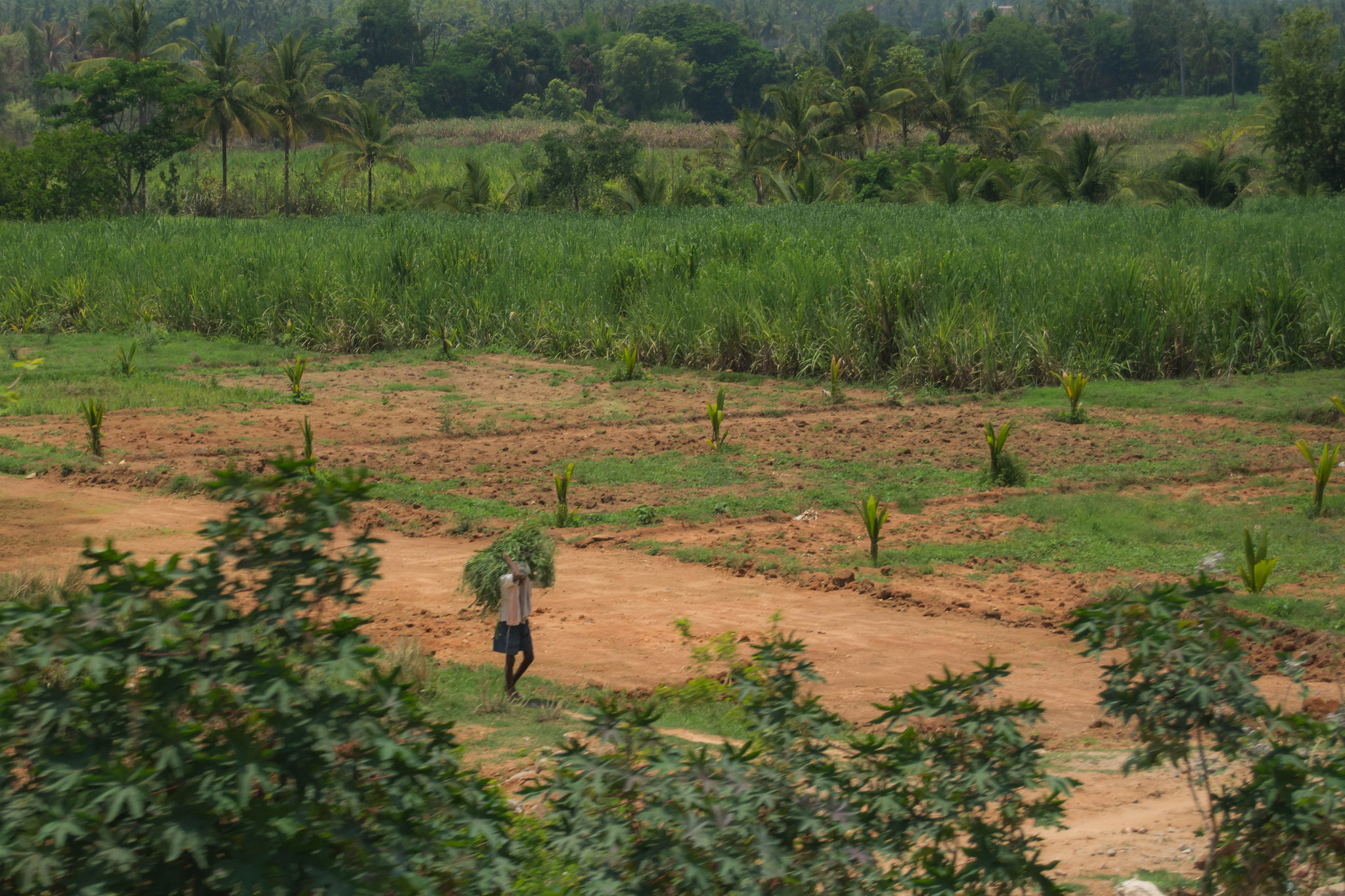
Clean water supplies are dwindling around the world. As a result, the use of untreated wastewater on farms for crop irrigation is on the rise.
Saving Bees With Software
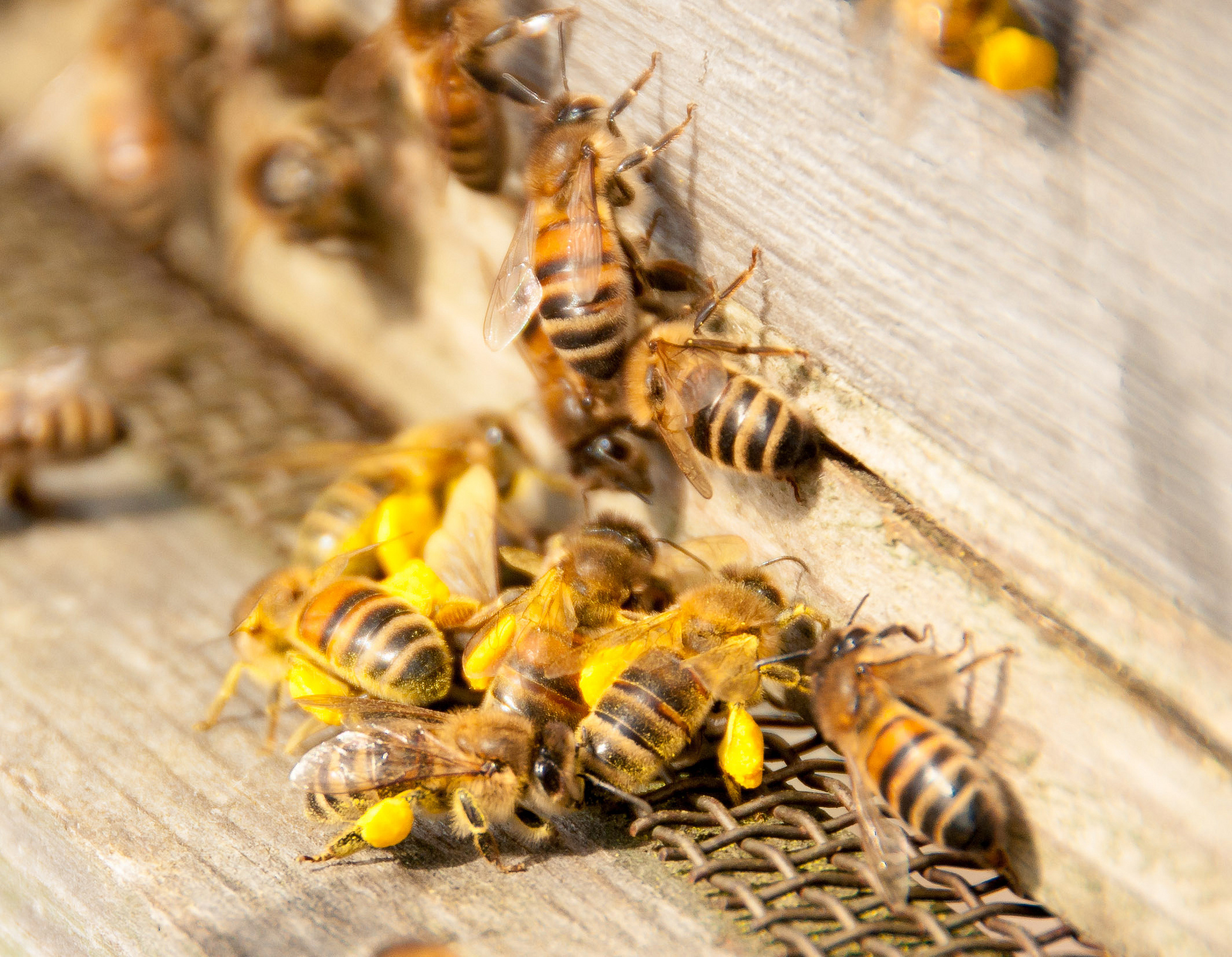
The worldwide decline in the population of bees and other pollinators has impelled farmers to do what they can to encourage and nurture bees on their land. Protecting bees is important because pollinators are essential for growing many foods including coffee, cacao, almonds and many other fruits and vegetables.
Positive Environmental News
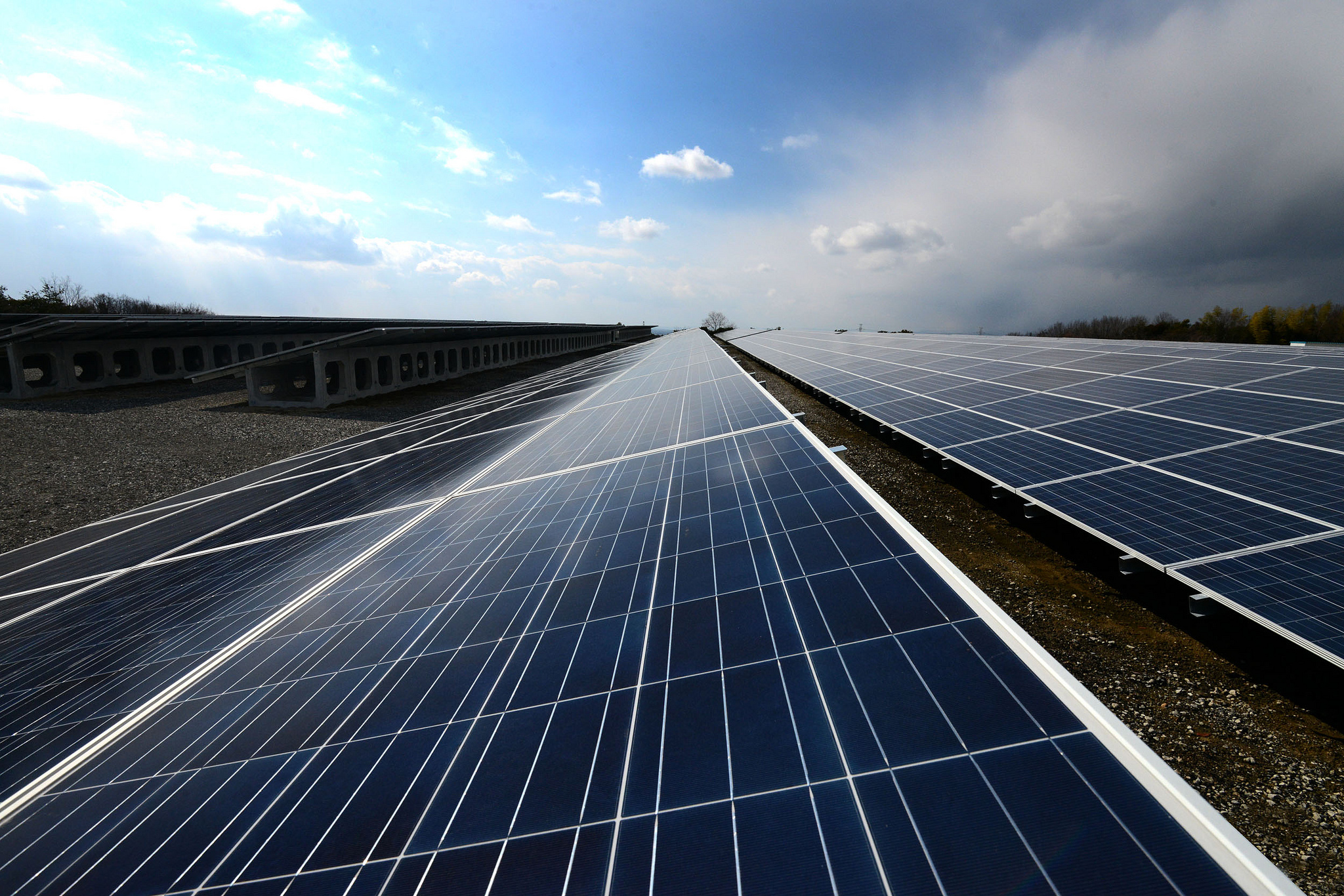
From melting Arctic ice to dying coral reefs to rising sea levels, there was no shortage of grim environmental news in 2016. But the news wasn’t all bad. There were several bright spots for the environment last year as well.
European Lessons On Food Waste

Americans toss out an almost unbelievable $161 billion worth of food every year. There are numerous efforts underway to address this problem, but they are mostly at the local level or in the business sector. To date, we have no national- or international-level policies that tackle the issue. In this regard, Europe is way ahead of us.
Wind Farms And Ordinary Farms
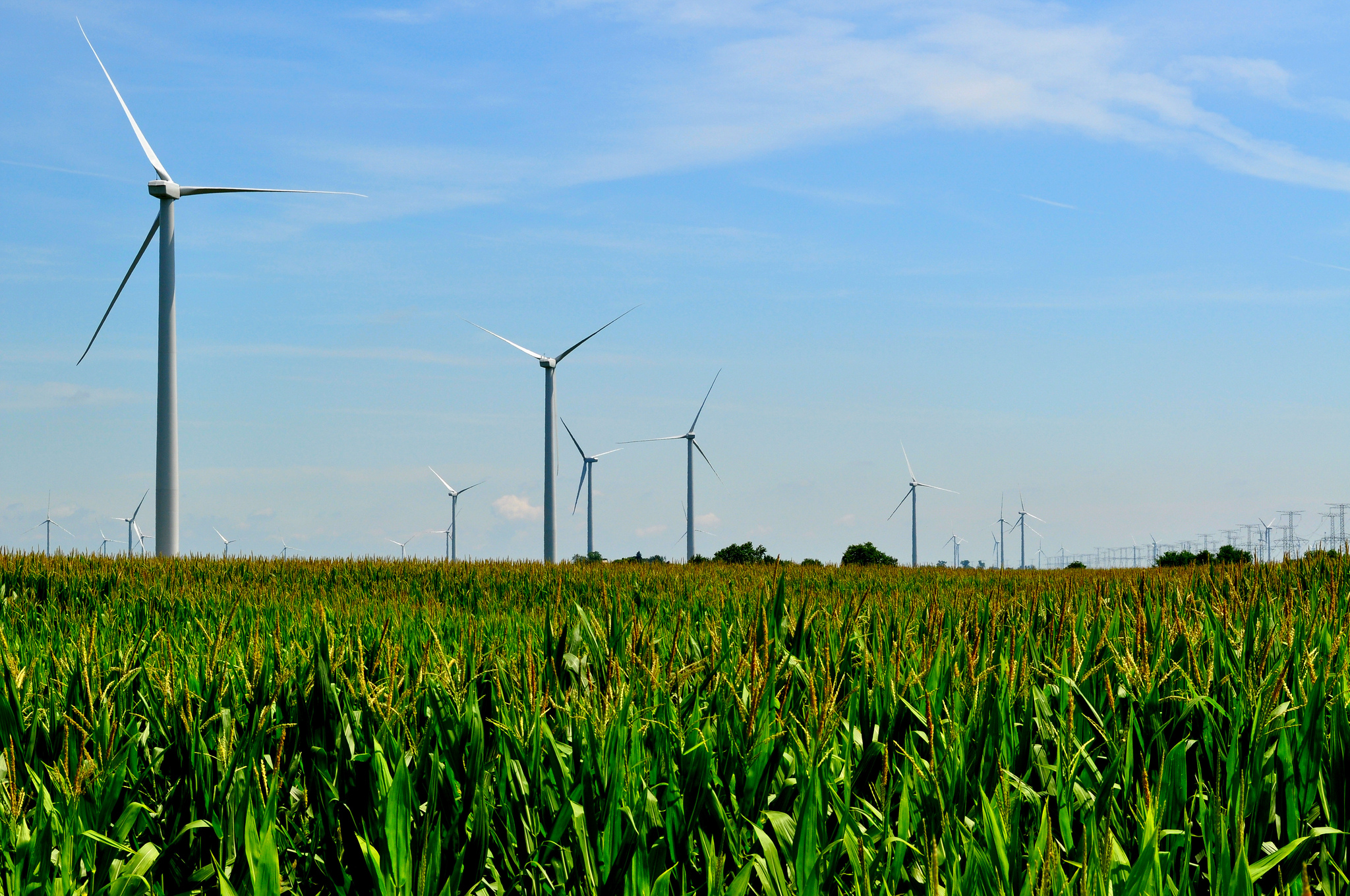
Farmers in many places have found additional sources of income by allowing wind turbines to be built on their land. One example is the Amazon Wind Farm, which is a massive project of over 100 turbines near Elizabeth City, North Carolina. The 494-foot tall turbine towers scattered over 34 square miles are rising up above farms that grow corn, wheat and soybeans. It is the first utility-scale wind farm in the Southeast.
Wild Bee Loss Puts Crops At Risk
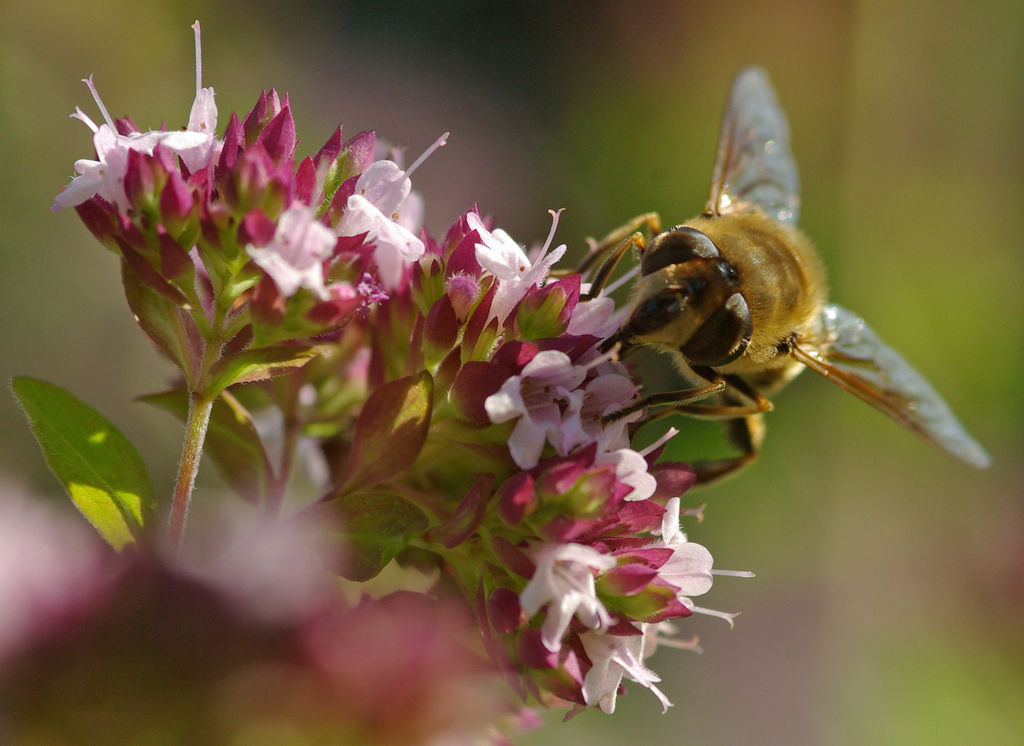
Between 2008 and 2013, the United States lost nearly a quarter of its wild bees. Some 39% of our nation’s croplands rely on pollinators. Important farming regions – from California’s Central Valley to the Midwest’s Corn Belt – are among the areas grappling with wild bee declines.