• Skip to primary navigation
  • Skip to main content
  • Skip to primary sidebar

Earth Wise

A look at our changing environment.

  • Home
  • About Earth Wise
  • Where to Listen
  • All Articles
  • Show Search
Hide Search
You are here: Home / Archives for coal plants

coal plants

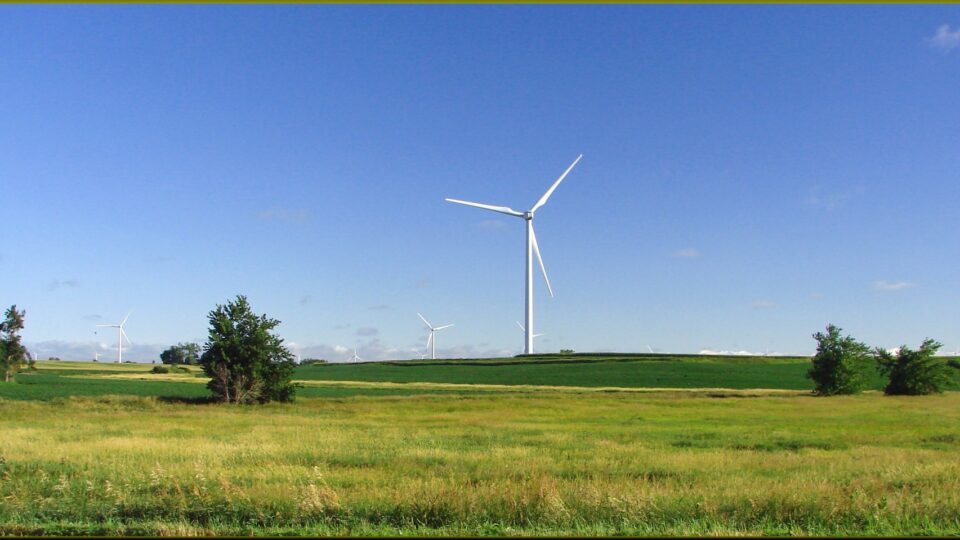
More wind power than coal power

September 12, 2024 By EarthWise Leave a Comment

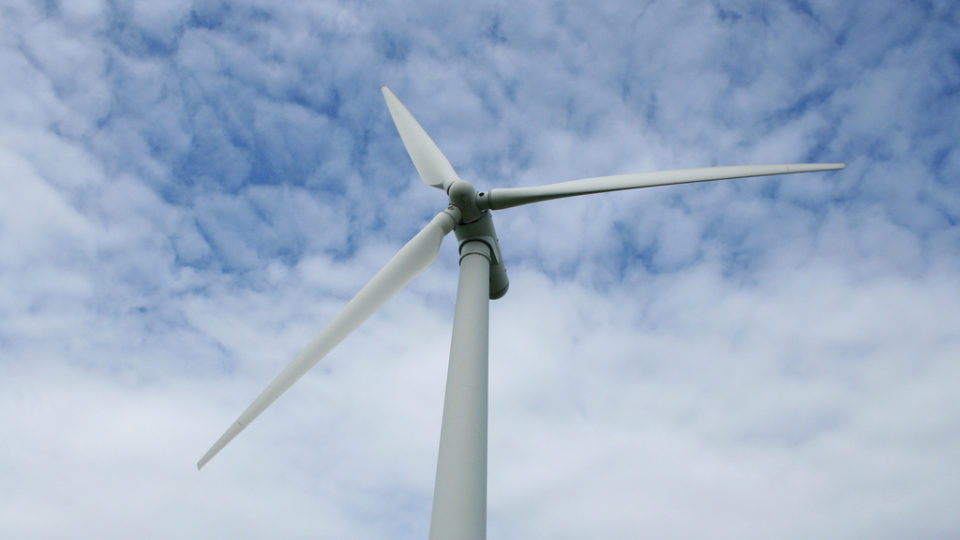
Wind power is starting to beat out coal in the United States

The U.S. used to get more of its electricity from burning coal than by any other means.  It wasn’t all that long ago; coal produced 51% of our electricity in 2001. But as of 2022, it was less than 20%.

In March and April, the U.S. generated more electricity from wind power than from coal.  This was the first time that wind outstripped coal for two consecutive months.

This crossover between wind and coal power is just another milestone in the energy transition to renewable energy sources.  Renewables collectively produce more electricity than coal and their share is steadily growing.  The explosive growth in renewable energy is primarily the result of three factors:  federal tax credits, state energy mandates away from fossil fuels, and, most importantly, shifts in the economics of energy.  Breakthroughs in technology and economies of scale have lowered the cost of building new wind turbines, solar panels, and battery storage. 

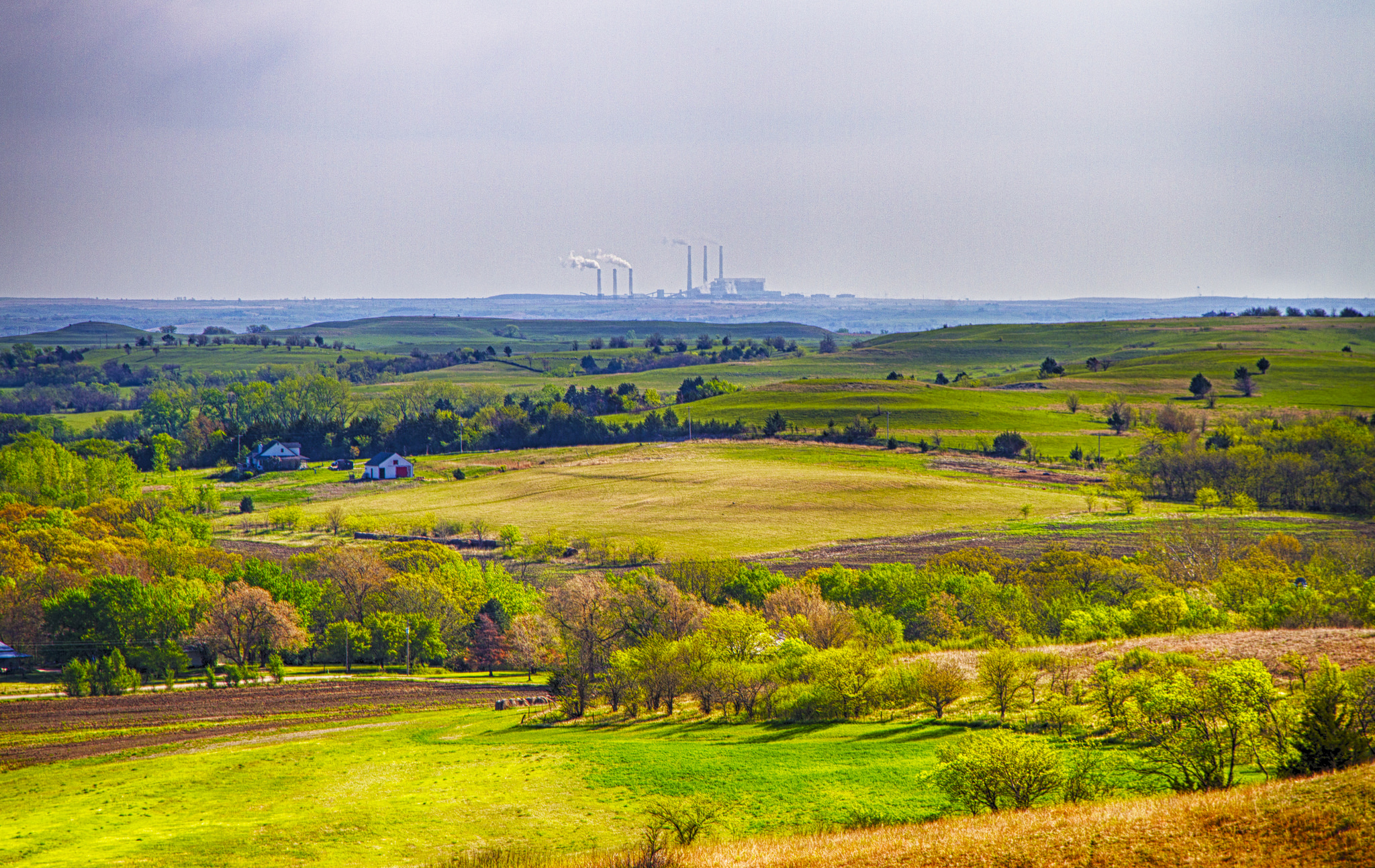
Coal plants have retired at a rapid pace over the past 25 years.  During that time, natural gas capacity has nearly tripled.   Gas began to replace coal starting around 2005 when the fracking boom led to the availability of large quantities of cheap natural gas. Because of this, fossil fuels are still the largest source of electricity generation in the U.S., but that is not likely to be the case for very long.

Analysts expect that wind energy will grow to provide about 35% of the country’s electricity by 2050.  The Department of Energy predicts that solar power will produce 45% of U.S. electricity by that year.

**********

Web Links

Wind Beat Coal Two Months in a Row for U.S. Electricity Generation

Photo, posted August 5, 2024, courtesy of Samir Luther via Flickr.

Earth Wise is a production of WAMC Northeast Public Radio
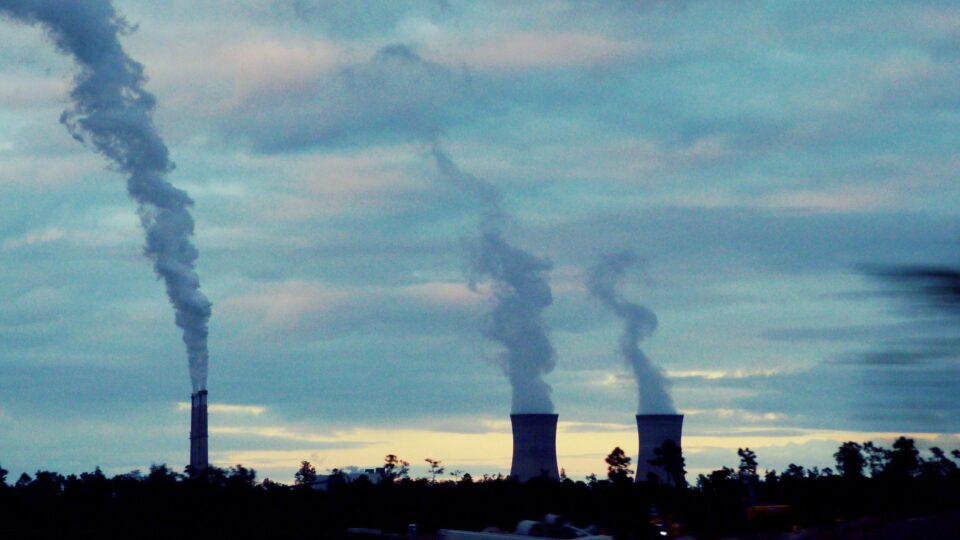
China and carbon emissions

August 22, 2024 By EarthWise Leave a Comment

China has been the biggest source of greenhouse emissions for nearly 20 years.  Its emissions surpassed those of the United States in 2006 and its fraction of the world’s emissions is now nearly a third.  Therefore, unless China’s emissions stop growing, the world’s emissions won’t either.

Recent data from China’s government and by energy analysts provides some reasons for optimism.  What is happening is that how China produces its electricity is changing.  Renewable sources are gradually replacing coal.

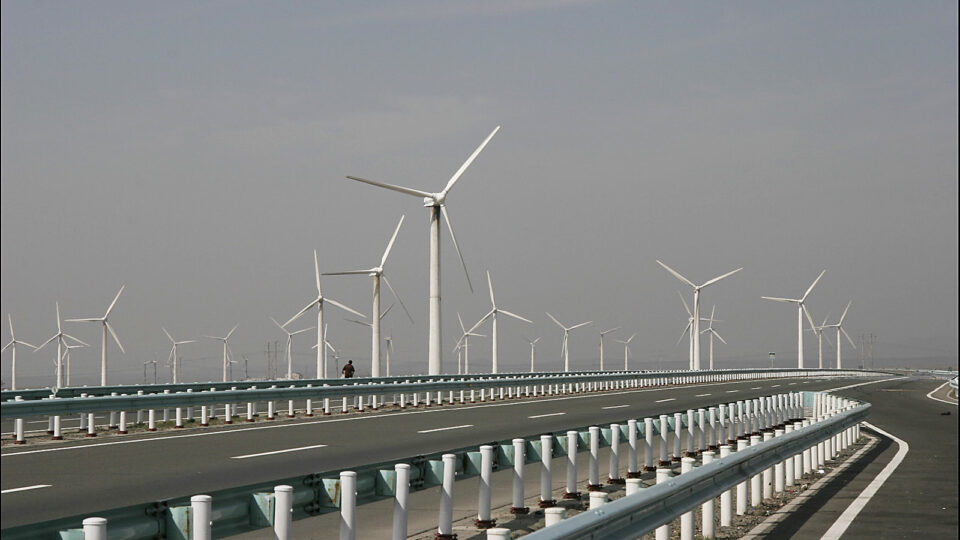
Last year alone, China installed more solar panels than the United States has in its entire history.  Nearly two-thirds of utility-scale wind and solar plants under construction are in China.  According to a report from Global Energy Monitor, China is developing more than eight times the wind and solar capacity currently being planned for the US.

Despite all this progress, China still generates 53% of its electricity from coal.  While this is the lowest share reported since its government began publishing energy data decades ago, it is still a major source of carbon emissions.  China is responsible for two-thirds of the world’s newly operating coal plants and still plans to build many more.  China accounts for about 60% of the world’s coal use.

China is investing heavily in pumped-storage hydropower along with its massive efforts in solar and wind power.  But if it is to meet existing and proposed new commitments to reduce emissions, it will need to be much more aggressive in reducing its dependence on coal.  Current predictions are that China’s emissions may soon no longer be increasing.  But what is needed is for them to start dropping and the sooner the better.

**********

Web Links

Why the Era of China’s Soaring Carbon Emissions Might Be Ending

Photo courtesy of Mike Locke via Flickr.

Earth Wise is a production of WAMC Northeast Public Radio

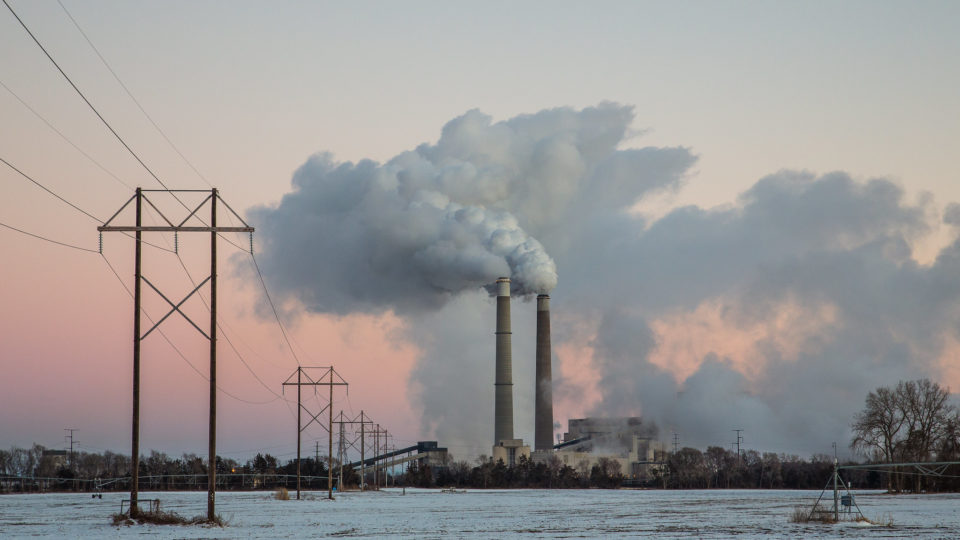
Global climate progress is too slow

December 28, 2023 By EarthWise Leave a Comment

According to a new report by the World Resources Institute, the world is making progress on climate, but the progress is not fast enough.  The report looked at 37 indicators of climate progress towards the goals set forth by the Paris Agreement.  In some areas, the progress has been substantial, but in six areas, the world has been moving in the wrong direction entirely.

The rapid growth of clean energy has brought the world to the brink of peak fossil fuels, but to avoid the catastrophic effects of warming, countries need to build out wind and solar power nearly twice as fast and shut down coal plants seven times faster.  There has been progress in curbing deforestation, but the world needs to stem forest loss four times more quickly.  More work is needed to clean up heavy industry and the consumption of meat needs to be limited more than the present level.

Areas where things are getting worse rather than better include the use of public funds and subsidies for preserving the use of fossil fuels.  Because of wars and supply shocks affecting energy markets, countries have actually ramped up fossil fuel subsidies to combat rising prices.

One area where the world is moving at the pace required to meet climate goals is in the sales of electric vehicles.  EVs accounted for 10% of car sales globally last year and if trends continue, they are predicted to account for more than 75% of cars sold by 2030.

The faster-than-predicted progress on electric cars demonstrates that transformative change is possible and could happen in other areas.

**********

Web Links

World Making Too Little Progress on Climate — Except on EV Sales, Report Finds

Photo, posted May 24, 2022, courtesy of Ivan Radic via Flickr.

Earth Wise is a production of WAMC Northeast Public Radio
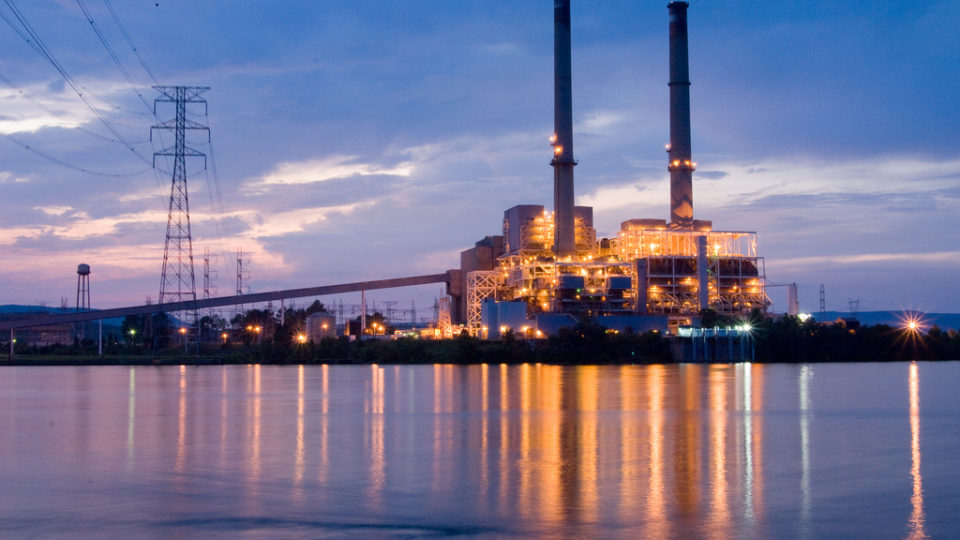
Wind And Solar Pass Coal | Earth Wise

August 3, 2023 By EarthWise Leave a Comment

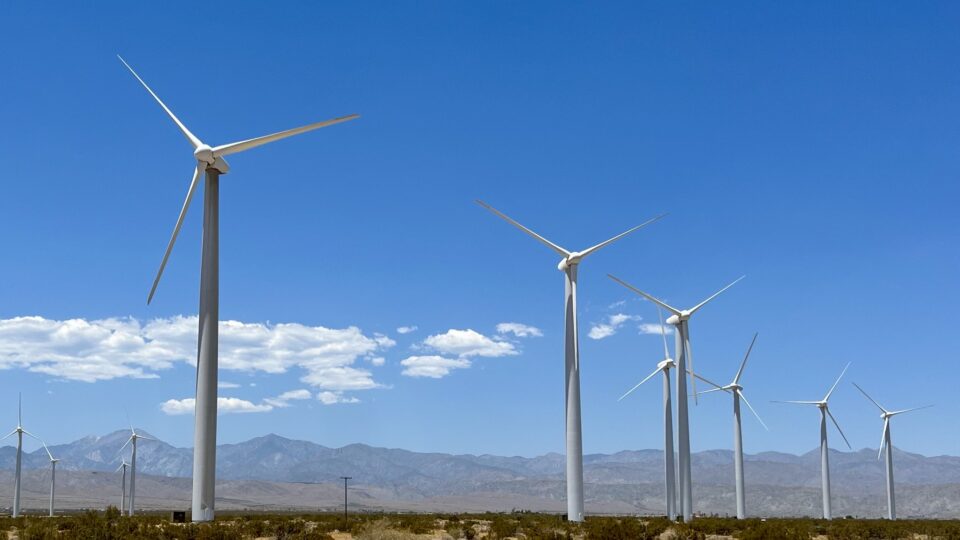
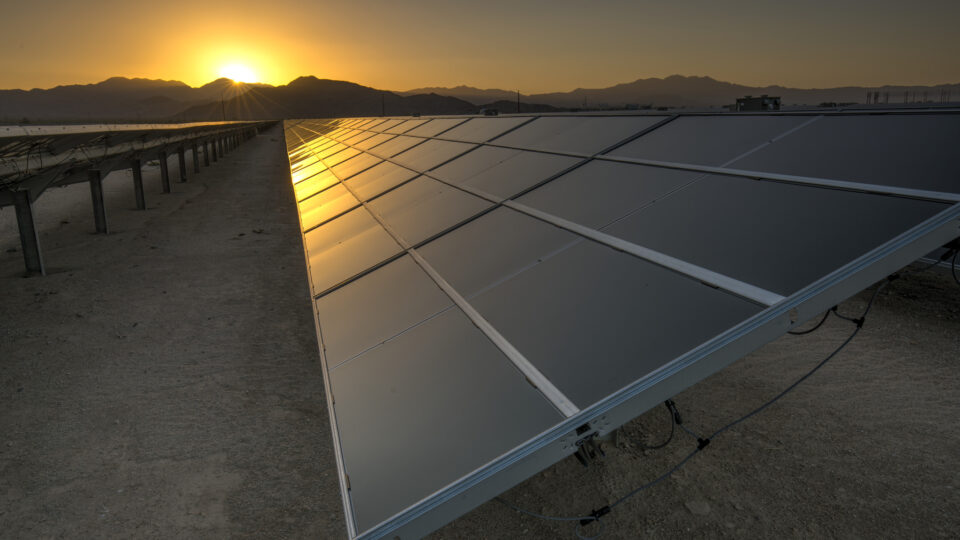
For the first five months of this year, wind and solar generated more electricity than coal in the United States.  This is a first.  Total renewable energy generation exceeded coal-fired power in both 2020 and 2022, but that counted hydroelectric power as one of the renewable sources.

This year, wind and solar alone generated a total of 252 terawatt-hours of energy through May compared with coal’s output of 249 terawatt-hours.  Hydropower generated an additional 117 terawatt-hours during that period.

While solar and wind power have been expanding at a rapid rate, the biggest change this year has been a precipitous drop in coal-fired generation due to a combination of low natural gas prices, a mild winter, and a series of coal plant retirements.

Coal generated almost half of the country’s electricity as recently as 2008.  Since then, coal has steadily declined as older coal plants shut down and were replaced by natural gas plants and renewable energy sources.  The coal industry had a bit of a reprieve last year when natural gas prices spiked in response to the disruptions in gas supplies in Europe due to the war in Ukraine.  The benchmark for natural gas prices – known as Henry Hub – was $8.81 in August 2022.  In May of this year, it was $2.15.  Given this trend, the demand for coal has steadily declined. 

The US has retired another 7% of the coal fleet – 14 gigawatts of capacity – since the start of 2022.  Meanwhile, power companies have added 22.5 GW of wind and solar capacity in just the past 12 months.

**********

Web Links

In a First, Wind and Solar Generated More Power Than Coal in U.S.

Photo, posted September 20, 2016, courtesy of Bureau of Land Management via Flickr.

Earth Wise is a production of WAMC Northeast Public Radio

The Largest Turbines In The Largest Offshore Wind Farm | Earth Wise

November 11, 2020 By EarthWise Leave a Comment

wind energy progress

The world’s largest planned offshore wind farm is going to make use of the world’s largest installed offshore wind turbines.  The Dogger Bank Wind Farm in the North Sea off the Yorkshire coast of England will ultimately generate electricity for more than 4.5 million homes in the United Kingdom.

The 3.6 GW project will cost $10 billion and will be developed in three phases, the first two of which will use 13-MW wind turbines built by General Electric.  The turbine’s blades measure 351 feet – longer than a soccer field.  The turbines stand more than 850 feet tall, which is five times the size of the Arc de Triomphe.  GE claims that a single rotation of one of these huge turbines can supply enough electricity to power the average British household for two days.  When the project is completed in 2026, it will generate 5% of the United Kingdom’s electricity.

The previous version of GE’s Haliade-X turbines, rated at 12 MW, were ordered by the energy company Orsted for installation in two forthcoming U.S. windfarm: the Skipjack Farm off the coast of Maryland, and the Ocean Wind farm off the coast of New Jersey.  The new version will be the largest turbines to reach operation in a commercial project.  Meanwhile, Siemens Gamesa has a 14 MW turbine under development.

The order for 190 of the 13 MW giant turbines for the Dogger Bank farm arrived at GE on the same day that the company announced that it will no longer supply power equipment to new coal plants.  Work on the Dogger Bank project started in January in an area of the North Sea that was previously dominated by oil and gas development.

**********

Web Links

World’s Biggest Offshore Wind Farm Will Boast World’s Largest Installed Turbines

Photo, posted February 22, 2014, courtesy of Jonny Longrigg via Flickr.

Earth Wise is a production of WAMC Northeast Public Radio.

Renewables Surpass Coal | Earth Wise

July 3, 2020 By EarthWise Leave a Comment

Renewable energy surpasses coal

In 2019, energy consumption in the U.S. from renewable sources exceeded consumption from coal for the first time since before 1885.  This has come about from a combination of the continued decline in the amount of coal used for electricity generation as well as the continued growth in renewable energy, mostly from wind and solar.

Until the mid-1800s, burning wood was the main source of energy in the U.S. and, in fact, it was the only commercial-scale renewable energy source until the first hydroelectric plants came online in the 1880s.  Coal was used as fuel for steamboats and trains and making steel but only started to be used to generate electricity in the 1880s.

In 2019, U.S. coal consumption decreased for the sixth consecutive year and fell to its lowest level in 42 years.  Natural gas has displaced much of the energy generation from retired coal plants.

At the same time, renewable energy consumption in the U.S. grew for the fourth year in a row to a record high level, almost entirely as a result of the growing use of wind and solar power.  In 2019, wind power surpassed hydroelectric power for the first time and is now the most-used source of renewable energy for electricity generation in the U.S.

Coal was once commonly used in the industrial, transportation, residential, and commercial sectors.  Today, in the U.S., it is mostly used to generate electricity, and that use is rapidly declining.

Electricity consumption for 2020 is likely to be anomalous in many ways as a result of the Covid-19 pandemic shutdowns.  From all indications, however, the role of renewable energy will only have been increased during the shutdown period.

**********

Web Links

U.S. renewable energy consumption surpasses coal for the first time in over 130 years

Photo, posted July 26, 2013, courtesy of Don Graham via Flickr.

Earth Wise is a production of WAMC Northeast Public Radio.

Recycling Coal Plants | Earth Wise

April 27, 2020 By EarthWise Leave a Comment

Recycling coal plants

Over 300 coal-fired power plants in the US have stopping burning coal over the past decade.  Only about 224 plants still produce power by burning coal.  As a result, a new sort of recycling industry is taking shape:  repurposing of coal plants.

Across the country, utilities are finding ways to redevelop these facilities.  Some are industrial in nature and others a far cry from their original purpose.

In January, Beloit College in Wisconsin opened a student union and recreation center in what used to be an Alliant Energy coal-fired power plant.  On the southern coast of Massachusetts, a shuttered 1,600 MW coal plant is being demolished to make way for a logistical port and support center for a planned wind farm 35 miles off shore.

In Independence, Missouri, the city is considering competing plans to recycle the Blue Valley Power plant.  It may become a 50 MW battery storage facility, or possibly a biofuel plant.

Another popular reuse strategy is data centers.  Data centers use tremendous amounts of power and therefore can make use of the former coal plants’ capacity to handle large amounts of electricity.

Retired coal-fired plants have built-in infrastructure and components that can be repurposed for new industry.  The plants typically have access to rail, ports and waterways, as well as proximity to good highway transportation.  The electrical grids to which they are connected can be reused for solar or wind farms at the site.

Given that coal plants are continuing to close, the potential to redevelop them in various ways continues to grow as well.   There is a surge in interest in coal plant redevelopment because these facilities are assets of value.

**********

Web Links

Coal-fired power plants finding new uses as data centers, clean energy hubs

Photo, posted January 10, 2017, courtesy of Rusty Clark via Flickr.

Earth Wise is a production of WAMC Northeast Public Radio.

Shutting Down Minnesota Coal Plants

July 8, 2019 By EarthWise Leave a Comment

One of the largest utilities in the United States, Xcel Energy Inc., announced that it will close its remaining coal-fired power plants in the Upper Midwest a decade ahead of its previously-announced schedule.  In addition, the company will add 3,000 megawatts of new solar capacity by 2030.

The Allen S. King plant in Oak Park Heights, Minnesota and the Sherburne County Generating Station in Becker, Minnesota are the plants in question.  The transition away from coal is a difficult challenge for such small communities.  The plant in Becker, for example, employs 300 people in a town of 4,500 and provides 75% of the city’s tax base.  Towns like this realize that coal is inevitably going away and must find ways to move beyond their dependence upon it.  The Becker plant will not completely close until 2030, but parts will now only run seasonally, and one of the 3 units will close permanently in 2023

Xcel Energy, based in Minneapolis, serves more than 3.3 million electricity customers in 8 states.  Last December, the company announced that it would deliver 100% clean, carbon-free electricity by 2050 and would achieve an 80% carbon reduction from its 2005 levels by 2035.  It is the first major US utility to set such a goal.

Xcel will increase its investment in energy efficiency measures, bring 1,850 megawatts of new wind capacity online in Minnesota by 2022, and keep its Monticello Nuclear Generating Station operating until 2040, a decade later than planned.  The company’s stepped-up clean energy strategy is part of a new legal settlement between the company, environmental organizations, and labor groups that involves Xcel’s proposed $650 million purchase of a 760-megawatt natural gas plant.

**********

Web Links

A Major U.S. Utility Is Closing Its Coal-Fired Power Plants a Decade Early

Photo, posted January 3, 2016, courtesy of Tony Webster via Flickr.

Earth Wise is a production of WAMC Northeast Public Radio.

The Changing Face of Electricity

March 15, 2019 By EarthWise Leave a Comment

The New York Times recently published an article on how electricity is made in the United States on a state-by-state basis and how it has been changing over the past two decades.  Two conclusions to draw are that the mix of energy sources is wildly different from one state to another and that the mix has been changing rather dramatically in many places.

Overall, the past two decades have seen the dramatic rise in the use of natural gas and a dramatic drop in the use of coal.  Coal plants used to account for over half of the electricity produced in the U.S. at the turn of the 21st century.  Now natural gas has passed coal as the largest energy source at roughly 1/3 of the total generated.

Switching from coal to natural gas is a good thing since modern gas power plants emit only about half the carbon dioxide as modern coal plants.  But industry spin about “clean gas” is just spin.  Gas is not really clean; it is just cleaner than coal.  So, having the electric grid powered by gas is not really going to solve our emissions problems.

That being said, there are still states that make nearly all their electricity with coal.  Indiana, Kentucky, Missouri, Utah, Wyoming, and West Virginia are on that list.  Meanwhile, Delaware, Massachusetts, Mississippi, Nevada, and Rhode Island are powered mostly by gas. Idaho, Oregon, Washington, and Vermont rely heavily on hydropower.

Newer renewables like solar and wind are starting to make major contributions in many states.  Wind contributes only 6% nationwide but is much bigger in places like Iowa, Kansas, Minnesota, the Dakotas, Oklahoma and Texas. 

The face of electricity continues to change.

**********

Web Links

How Does Your State Make Electricity?

Photo, posted March 5, 2010, courtesy of Tennessee Valley Authority via Flickr.

Earth Wise is a production of WAMC Northeast Public Radio.

Renewables Taking Over In Britain

March 14, 2019 By EarthWise Leave a Comment

A year-and-a-half ago, we reported on the steep decline in the use of coal in Britain, including the conversion of the giant Drax Power Station from burning coal to running on wood chips.  Since then, Britain has been steadily moving away from fossil fuels and towards renewable energy sources.  The transformation is being driven by a surge in offshore wind farms currently under construction or about to begin operating.  Britain is in the process of adding over 6 GW of offshore wind to its current total of 8 GW.  Renewables generated one-third of the UK’s electricity last year, and half of that came from wind power. 

In 2018, coal- and gas-fired power stations generated about 131 terawatt-hours of electricity in Britain.  Renewable energy plants – including wind, solar, biomass, and hydropower – produced about 96 terawatt-hours.  Based on the new projects coming online, renewable sources could generate 121 TWh by 2020 and fossil fuel plants are likely to fall to 105.6 TWh as more coal plants are retired.  Thus, within the next year or so, renewables in Britain are likely to surpass fossil fuels in electricity generation.

The transformation in Britain has been rapid and dramatic.  In 1974, the country generated 80% of its electricity using coal.  By 2016, that number had dropped to 9%.  Last April, the British power grid went three days in a row without burning any coal.  The UK is expected to shut down its remaining coal plants by 2025, if not sooner. 

At the same time, Britain’s renewable energy capacity has more than quadrupled since 2010, jumping from 21 TWh that year to 96 TWh last year.  Britain’s energy mix is changing fast and getting significantly cleaner every year.

**********

Web Links

Renewables Could Surpass Fossil Fuels in Britain by 2020

Photo, posted August 2, 2008, courtesy of Richard Allaway via Flickr.

Earth Wise is a production of WAMC Northeast Public Radio.

Climate Change And A Divided Country

April 20, 2017 By EarthWise

https://earthwiseradio.org/wp-content/uploads/2017/04/EW-04-20-17-Climate-Change-and-a-Divided-Country.mp3

This Saturday is Earth Day and it’s also the occasion for the March for Science taking place in Washington, DC and in many other cities around the world.  The purpose is to express support for scientific research and evidence-based policies in a tumultuous political environment.

[Read more…] about Climate Change And A Divided Country

Coal Plants And Fish

March 20, 2017 By EarthWise

https://earthwiseradio.org/wp-content/uploads/2017/03/EW-03-20-17-Coal-Plants-and-Fish.mp3

High levels of an element found in coal ash have been detected in fish in two lakes where Duke Energy coal-fired power plants are located, according to a peer-reviewed study at Duke University. The element, selenium, occurs naturally but is concentrated in coal ash. 

[Read more…] about Coal Plants And Fish

Less Sulfur In The Soil

June 9, 2016 By WAMC WEB

https://earthwiseradio.org/wp-content/uploads/2016/05/EW-06-09-16-Less-Sulfur-in-the-Soil.mp3

Acid rain is rain containing high levels of nitric and sulfuric acids.  The main culprit for it is the burning of fossil fuels, particularly coal-burning power plants.  The most serious effect of acid rain is the creation of toxicity in lakes, wetlands and other aquatic environments, doing great harm to a wide range of aquatic animals.

[Read more…] about Less Sulfur In The Soil

Primary Sidebar

Recent Episodes

  • An uninsurable future
  • Clean energy and jobs
  • Insect declines in remote regions
  • Fossil fuel producing nations ignoring climate goals
  • Trouble for clownfishes

WAMC Northeast Public Radio

WAMC/Northeast Public Radio is a regional public radio network serving parts of seven northeastern states (more...)

Copyright © 2026 ·