• Skip to primary navigation
  • Skip to main content
  • Skip to primary sidebar

Earth Wise

A look at our changing environment.

  • Home
  • About Earth Wise
  • Where to Listen
  • All Articles
  • Show Search
Hide Search
You are here: Home / Archives for cattle

cattle

Biochar and poultry farm pollution

July 23, 2025 By EarthWise Leave a Comment

Poultry farms are a significant source of air and water pollution.  In the US, they are the largest source of ammonia emissions, followed by dairy and non-dairy cattle farms. Poultry farms emit over two million tons of ammonia per year. Ammonia is not directly produced or excreted by the birds but is a common by-product of poultry wastes.

Poultry manure is a rich source of phosphate and large amounts of it are used in agricultural land as an organic fertilizer.  This poses an environmental risk when phosphates are washed into rivers and streams by rainwater. Phosphates lead to the proliferation of algae, harming other aquatic life and resulting in toxic conditions.

Researchers at the UK Centre for Ecology & Hydrology are investigating the use of biochar as a means of reducing air and water pollution from poultry farms in the UK.  Biochar is produced by heating biomass – typically wood – to high temperatures in the absence of oxygen.  The resultant material is effective at absorbing nutrients and other substances.

In laboratory experiments, adding biochar to birds’ bedding has been shown to reduce ammonia emissions from droppings by 58%.  The biochar binds ammonium to its surface, preventing release into the atmosphere as ammonia gas.

Modified biochars are also proven to be highly efficient at adsorbing phosphorous.  Adding a cost-effective biochar to poultry manure fertilizer could support the safe use of an important and otherwise renewable fertilizer.  The biochar binds phosphates in the manure to its surface, preventing leaching and run-off into waterways.

**********

Web Links

Biochar could help restore River Wye

Photo, posted May 15, 2023, courtesy of Ark. Agricultural Experiment Station via Flickr.

Earth Wise is a production of WAMC Northeast Public Radio

Record forest loss

July 3, 2025 By EarthWise Leave a Comment

A record amount of forest was lost last year

The world lost a record amount of forests last year.  The biggest factor for the unprecedented losses were wildfires that raged around the world.

According to the annual update by the University of Maryland and the World Resources Institute, pristine rainforests alone lost 17 million acres, which was nearly twice as much as in the previous year.  Overall, the world lost the equivalent of 18 soccer fields of forested land every minute last year.

Over time, agriculture has been the primary cause of forest losses, but last year, for the first time since record-keeping began, fires were the leading cause, accounting for nearly half of all the destruction.

With respect to the climate, wildfires emitted over 4 billion tons of greenhouse gasses, which is more than four times the amount generated by air travel in 2023.

Land clearing for agriculture, cattle farming, and other purposes was by no means in decline last year.  In fact, it rose by 14%, which was the sharpest increase in almost a decade.  This trend could permanently transform critical natural areas, unleashing large amounts of carbon, intensifying climate change, and fueling even more extreme fires.

Forests are a major contributor to the natural storing of carbon dioxide.  Intact tropical forests are especially effective at storing carbon.

Brazil has the largest area of tropical forest and it accounted for 42% of all tropical primary forest loss in 2024.  Fires fueled by the worst drought on record caused two thirds of that loss, more than a sixfold increase over the previous year.

**********

Web Links

Global Forest Loss Hit a Record Last Year as Fires Raged

Photo, posted September 12, 2024, courtesy of the USDA Forest Service via Flickr.

Earth Wise is a production of WAMC Northeast Public Radio

Tigers in India

March 17, 2025 By EarthWise Leave a Comment

The Anthropocene is the term that describes the current era in Earth’s history when human activities are having a significant impact on the planet.  It is an epoch filled with species extinction and species attrition in both numbers and range.  The population of large carnivores are among the most affected species and recovering these animals that play important roles in ecosystems is a formidable challenge.

Tigers in Asia are a prime example of extirpation – removal of a species from a specific area.  They have been eliminated in more than 90% of their historic Asian range over the past century.  A new study, published in Science has found that tigers in India are making a comeback.

India’s National Tiger Conservation Authority estimates that between 2010 and 2022, India’s tiger population grew from 1,706 to 3,682.  Tigers are thriving not only on protected lands but also near some human communities.

Tigers are gone from poorer areas where poaching was prevalent and from areas affected by the violent conflict associated with India’s Maoist rebellion.  On the other hand, the big cats can be found near some prosperous communities where poaching is rare.  Farmers keep cattle in enclosures to protect them from tigers.  

The success in protecting tigers in India could provide some insights for Europe where wolves are making a comeback, and perhaps even in the American West where the resurgence of wolf populations is triggering a violent backlash.

Large predators can survive in the modern world with creative thinking and willingness to find a balance between protection and coexistence.

**********

Web Links

India Doubled its Tiger Population in a Little More Than a Decade

Photo, posted January 8, 2014, courtesy of Roderick Eime via Flickr.

Earth Wise is a production of WAMC Northeast Public Radio
Reducing methane from cattle

December 26, 2024 By EarthWise Leave a Comment

Methods to reduce methane emissions from cattle

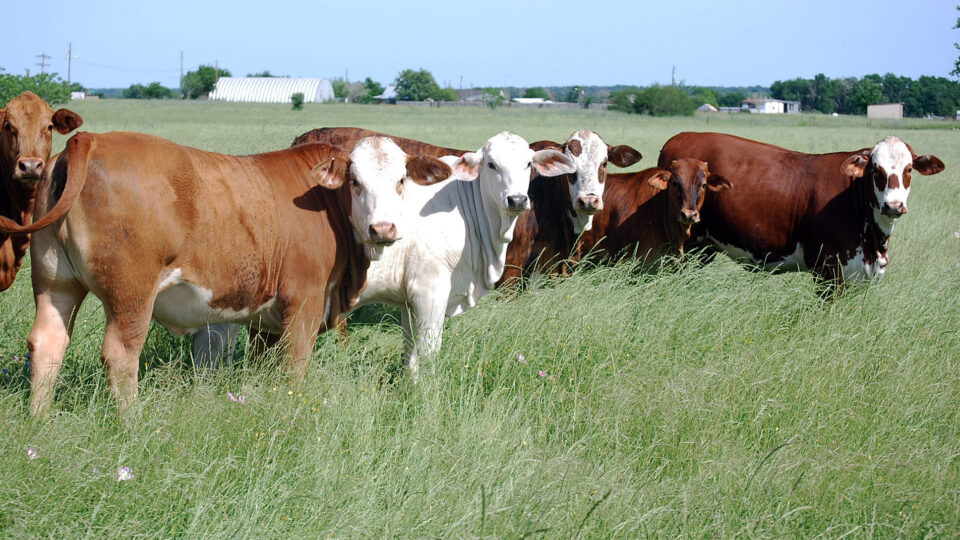
Livestock is responsible for almost 15% of global greenhouse gas emissions.  Most of that is in the form of methane that cattle release when they burp.  Grazing cattle produce more methane than feedlot cattle or dairy cows because they eat more fiber from grass.  There are 9 million dairy cows in the U.S. but more than 64 million beef cattle.

Beef cattle spend most of their lives grazing in pastures and producing methane.  Controlling the food of pasture-raised cattle is difficult because they often graze far from ranches for extended periods of time.  During the winter and during times when grass is scarce, ranchers supplement the diet of cattle.

A new study by researchers at the University of California – Davis has found that feeding grazing cattle a seaweed supplement in pellet form reduced their methane emissions by nearly 40% without affecting their health or weight.  There have been previous studies that showed seaweed cut methane emissions by 82% in feedlot cattle and over 50% in dairy cows.  But this is the first study to test the effects of seaweed on grazing beef cattle.

The seaweed pellets were made available to grazing cattle and they ate the supplement voluntarily.  Compared to a group of cattle who didn’t receive the supplements, the seaweed eaters had a 40% reduction in methane emissions.

Other research studies to reduce methane emissions using feed additives have taken place in controlled environments with daily supplements.  This method provides a way to make a seaweed supplement easily available to grazing animals.  It could even be introduced through a lick block for cattle.

**********

Web Links

Feeding Grazing Cattle Seaweed Cuts Methane Emissions by Almost 40%

Photo, posted February 18, 2016, courtesy of Beverly Moseley/NRCS via Flickr.

Earth Wise is a production of WAMC Northeast Public Radio
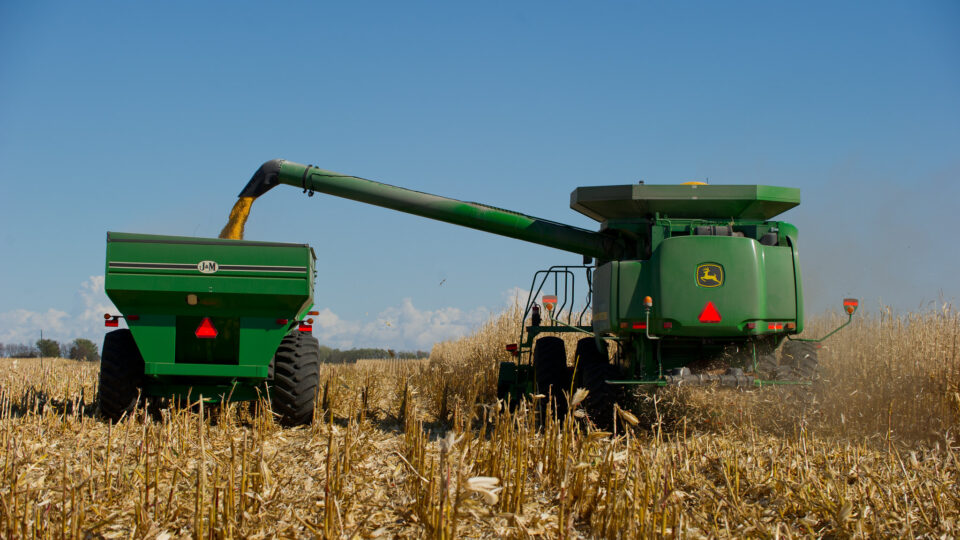
Big Food and greenhouse gas emissions

October 29, 2024 By EarthWise Leave a Comment

Analyzing Big Food and its greenhouse gas emissions

The global food system is responsible for as much as 40% of human-generated greenhouse gas emissions. The investor advocacy group Ceres has tracked whether the 50 largest North American food and agriculture companies have set targets to lower their emissions and whether doing so has actually resulted in lower emissions.

The emissions from food and agriculture companies are grouped into three so-called scopes.  Scope 1 are emissions from a company’s direct operations.  Scope 2 are emissions from its energy use.  Scope 3 are emissions from a company’s supply chain:  from the farmers who grow crops, raise cattle, and otherwise provide necessary items for a company’s final products.  In the food industry, the scope 3 category is responsible for about 90% of overall emissions.

Of the 50 food companies studied, 23 reduced their scope 1 and scope 2 emissions over the past 2 years, but only 12 reduced their scope 3 emissions.  Companies have more control over their scope 1 and scope 2 emissions. 

Reducing scope 3 emissions is more difficult.  And most companies haven’t set scope 3 reduction targets. 

The findings of the study suggest that reducing scope 3 emissions is especially difficult for companies whose supply chains are linked to carbon-intensive commodities, like meat, or crops linked to deforestation or land-use change, both of which result in increased emissions.

In March, the Securities and Exchange Commission finalized rules requiring companies to disclose their climate risk to regulators, increasing the visibility of the food industry emissions issue.

**********

Web Links

North America’s Biggest Food Companies Are Struggling to Lower Their Greenhouse Gas Emissions

Photo, posted October 13, 2011, courtesy of the United Soybean Board via Flickr.

Earth Wise is a production of WAMC Northeast Public Radio

Rising methane emissions

October 22, 2024 By EarthWise Leave a Comment

Methane is a colorless and odorless gas that occurs abundantly in nature and is also a product of certain human activities.  It’s a short-lived but highly potent greenhouse gas and, as a result, is a major driver of climate change.  In fact, methane heats the atmosphere nearly 90 times faster than carbon dioxide over a 20-year period. 

Despite a global pledge from more than 150 nations to reduce methane emissions by 30% this decade, methane emissions continue to rise.  In fact, according to a new paper led by researchers from Stanford University, total annual methane emissions have increased 20% over the past two decades. 

The paper, which was recently published in the journal Environmental Research Letters, found that atmospheric concentrations of methane today are more than 2.6 times higher than in pre-industrial times.  In fact, atmospheric methane concentrations are currently the highest they’ve been in at least 800,000 years.

Methane emissions from coal mining, oil and gas production and use, cattle and sheep ranching, and decomposing organic waste in landfills are responsible for driving the growth.  In 2020, the most recent year for which data was available, nearly 400 million tons – or about two-thirds – of global methane emissions came directly from human activities. 

Methane concentrations in Earth’s atmosphere have increased at record speed over the past five years.  According to the research team, only the European Union and possibly Australia seem to have decreased methane emissions from human activities over the past two decades.  This trend “cannot continue if we are to maintain a habitable climate.”

**********

Web Links

Methane emissions are rising faster than ever

Photo, posted December 4, 2010, courtesy of Dani Mettler via Flickr.

Earth Wise is a production of WAMC Northeast Public Radio
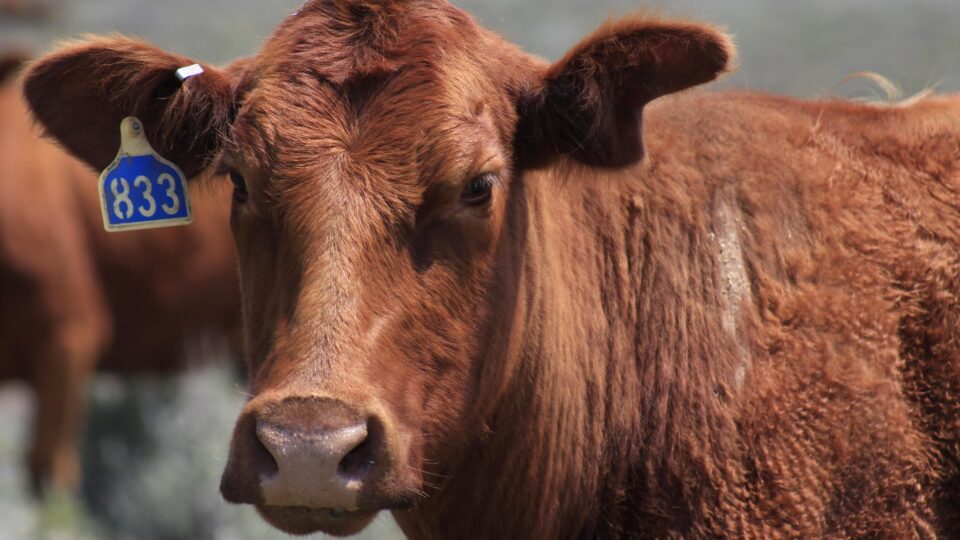
Energy efficient cows

April 5, 2024 By EarthWise Leave a Comment

Livestock production – primarily cows – produce nearly 15% of global greenhouse gas emissions, mostly in the form of methane emitted by burping caused by the way they process food.  A single cow produces roughly 200 pounds of methane gas per year and there are 1.5 billion heads of cattle in the world.

Researchers at Penn State University have found that supplementing the feed of high-producing dairy cows with the botanical extract capsicum oleoresin – a substance obtained from chili peppers – or a combination of that extract and clove oil resulted in the animals using feed energy more efficiently. 

Adding these substances – which are commonly called essential oils – to the cattle’s feed results in improved efficiency of energy utilization.  It is known that botanicals have the potential to modify fermentation in the cow’s largest stomach – called the rumen.

There have been previous studies for many years adding substances to dairy cow feed – such as seaweed, garlic, and oregano – in an effort to improve milk production and reduce environmental emissions from dairy farms.

The Penn State study was actually not specifically aimed at methane reduction but rather to better use the available energy from the feed to gain body weight.  However, the researchers found that the yield and intensity of methane from the cows in the study were decreased by 11% by the combination of capsicum oleoresin and clove oil.

Botanicals have shown a wide range of anti-microbial properties against bacteria, protozoa, and fungi, as well as being potential rumen modifiers in cattle.  The new study represents an interesting approach to improve the metabolism of dairy cows.

**********

Web Links

Dairy cows fed botanicals-supplemented diets use energy more efficiently

Photo, posted April 9, 2012, courtesy of Aimee Brown / OSU via Flickr.

Earth Wise is a production of WAMC Northeast Public Radio
The Captive Lion Problem | Earth Wise

September 25, 2023 By EarthWise Leave a Comment

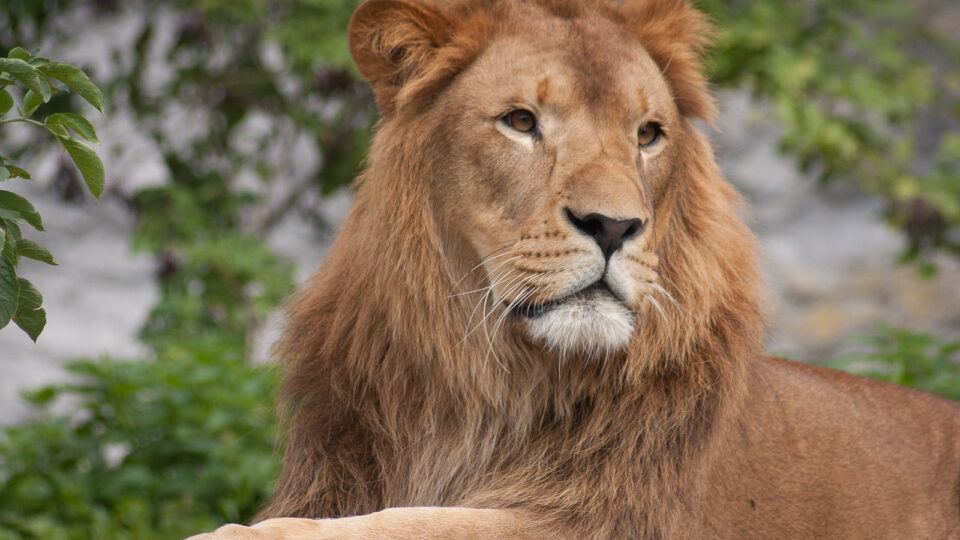
In the 1990s, there was rapid growth in South Africa of the private wildlife industry.  Large numbers of cattle, sheep, and goat ranchers replaced their domestic livestock with wild animals that wealthy hunters would pay lots of money to shoot.  Lions were among the most prized targets for these people.  Over time, hundreds of ranchers became involved in the business of breeding large numbers of the big cats in cages or small enclosures.  Wealthy clients paid $25,000 to $40,000 to shoot a captive-bred lion – cheaper than the cost of a true wild lion hunt and much easier too.  The animals were not afraid of humans and were easy to find.

By 2015, about 200 ranches held at least 8,000 captive-bred lions.  Over 600 were trophy-hunted that year, generating about $16 million in trophy fees, mostly from Americans.

Journalists and conservationists exposed poor conditions on many lion farms and many other abuses.  Over time, the South African government cracked down on the export of lion bones and other body parts for taxidermy, traditional Chinese medicine, and other uses.  The days of captive lion breeding seemed numbered but shutting down the lucrative industry is not easy.

Wild lions in South Africa are not endangered.  In fact, existing sanctuaries and preserves have as many lions as they can sustain.  What to do with thousands of captive lions is a real problem.  Some have suggested mass euthanasia, but that appalling idea has garnered very little support.  The future of these animals still hangs in the balance and so far, there are really no truly desirable solutions in the offing.

**********

Web Links

If South Africa Ends Lion Breeding, What to Do With Captive Cats?

Photo, posted August 21, 2011, courtesy of Leszek Leszczynski via Flickr.

Earth Wise is a production of WAMC Northeast Public Radio
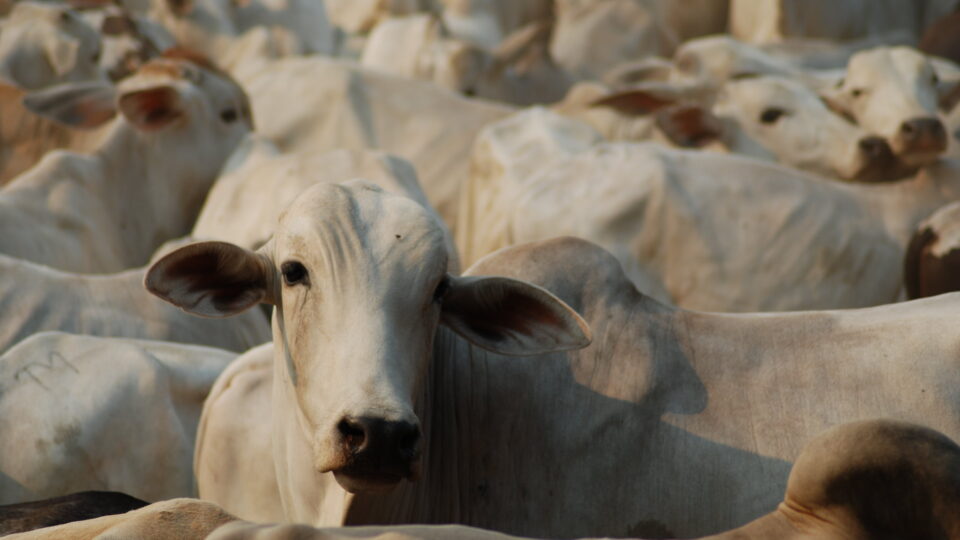
Reducing Cattle-Driven Deforestation | Earth Wise

June 14, 2023 By EarthWise Leave a Comment

The Amazon rainforest is the biggest rainforest in the world, larger than the next two biggest combined.  It covers more than three million square miles, roughly the size of the lower 48 states.  The Amazon functions as a critical sink for carbon in the atmosphere.

However, human activity has removed more than 10% of the vegetation from the Amazon rainforest since the 1960s.  Cattle ranching accounts for roughly 70% of Amazon deforestation – much of which is illegal.   

According to a study recently published in the journal Global Environmental Change, companies’ ‘zero-deforestation’ commitments could reduce cattle-driven deforestation in the Brazilian Amazon by 50%.   Better adoption and implementation of company supply chain policies for Brazilian beef and leather could significantly reduce carbon emissions. 

Between 2010 and 2018, some of the world’s largest slaughterhouses reduced cattle-driven deforestation by 15% through their commitment to zero-deforestation policies.  If these policies were fully implemented and adopted across all cattle companies operating in the Amazon, more than 9,200 square miles of forest could have been spared over the same time period, effectively halving the cattle-driven deforestation in Brazil.  

Zero-deforestation commitments currently cover 82% of beef exported from the Brazilian Amazon for trade internationally.  However, a large amount of beef production destined for Brazil’s domestic markets is not covered.

The researchers say a mix of interventions by both the private and public sector is needed to improve cattle-rearing practices and help reduce deforestation in countries like Brazil.

**********

Web Links

Companies’ zero-deforestation commitments have potential to halve cattle-driven deforestation in Brazilian Amazon

Photo, posted January 17, 2011, courtesy of Kelly Sato via Flickr.

Earth Wise is a production of WAMC Northeast Public Radio

Chocolate And Deforestation | Earth Wise

February 14, 2023 By EarthWise Leave a Comment

The world consumes 7.5 million tons of chocolate a year.   Americans spend an average of $145 a year per capita on chocolate.  And we are not even the world leaders.  The Swiss eat an average of 22 pounds per person and the overall European chocolate market is the world’s largest.

A market valued over $100 billion a year is bound to have its issues for the environment, human rights, and other social issues, and chocolate is no exception.  The global cacao industry grapples with problems with child labor, poverty, deforestation, sustainability and other environmental issues.  The response of companies across the industry varies greatly. A website called chocolatescorecard.com keeps track of how many in the industry are doing.

Recently, lawmakers in the European Union have been putting together a landmark legislative package that addresses deforestation risks in the supply chains of a number of commodities including cattle, timber, rubber, soy, palm oil, and cacao. The proposed law restricts companies that import cacao and sell chocolate to import only what doesn’t destroy or degrade forests. 

Voluntary promises by big chocolate makers to save forests in major cacao-producing countries (like Ivory Coast, Ghana, Indonesia, and Nigeria) are difficult to keep.  Farmers sell to brokers who sell to trading companies that then sell to chocolate makers.  Tracing the origins of chocolate is difficult.  Ultimately, fairly compensating farmers is the only way they are likely comply with deforestation regulations and there are unfortunately many pockets to fill before that is likely to happen.

It is up to consumers to encourage companies to do the right thing by making their buying choices appropriately.

**********

Web Links

The Forest in Your Chocolate

The Chocolate Scorecard

Photo, posted January 12, 2010, courtesy of Lee McCoy via Flickr.

Earth Wise is a production of WAMC Northeast Public Radio
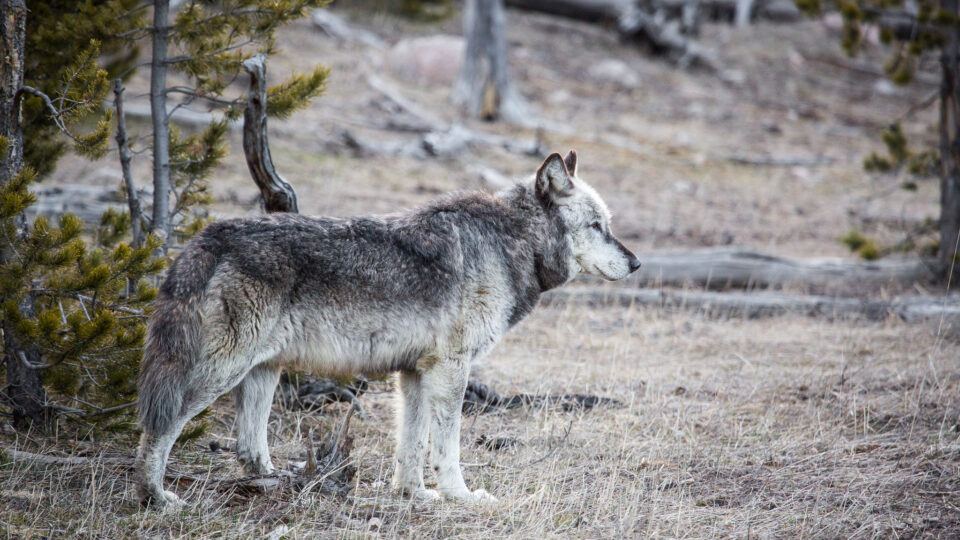
A War On Wolves

March 17, 2022 By EarthWise Leave a Comment

America has a long history of persecuting wolves.  In 1905 the federal government tried biological warfare, infecting wolves with mange.  In 1915, Congress passed a law requiring the eradication of wolves from federal land.  By 1926, all the wolves in Yellowstone National Park had been poisoned, shot, or trapped.   By 1945, wolves had been essentially eliminated from the American West.

All of this was driven by the fantasy that wolves were a major menace to livestock and a threat to big game.

In the 1990s, wolves were reintroduced to Yellowstone National Park and central Idaho and the result was one of the greatest success stories in the history of wildlife management.  There were multiple improvements to the greater Yellowstone ecosystem.  Wolves as important predators are essential elements of healthy ecosystems in the American west.

For reasons difficult to fathom, the status of wolves has become political.  Conservative lawmakers in Idaho, Montana, Wyoming, and Wisconsin have essentially declared war on wolves, radically liberalizing wolf trapping and hunting regulations.  In Wyoming, it is now legal to kill wolves at any time by virtually any means, including running them over with snowmobiles and incinerating pups and nursing mothers in dens.  Idaho has bounties as high as $2,000 for killing wolves.

The reasons are just as bogus as ever.  Livestock predation is the big claim.  In 2015, 1,904 wolves shared the Rocky Mountain West with 1.6 million cattle.  Wolves killed all of 148 of them. 

Evidently, wolves have become identified as a liberal cause and, as such, are now the enemy of conservative politics.

**********

Web Links

America’s New War on Wolves and Why It Must Be Stopped

Photo, posted April 6, 2016, courtesy of Yellowstone National Park via Flickr.

XXXXXXXXXXXXX

Reducing Agriculture’s Carbon Footprint | Earth Wise

September 29, 2021 By EarthWise Leave a Comment

Sustainable solutions for animal grazing agriculture

Agriculture is responsible for about 10% of greenhouse gas emissions.  Those emissions come from livestock such as cows, the disturbance of agricultural soils, and activities like rice production.

Recent research from Texas A&M University presents sustainable solutions for grazing agriculture.  According to the research, published in the Journal of Soil and Water Conservation, ruminant animals like cattle contribute to the maintenance of healthy soils and grasslands, and proper grazing management can reduce the industry’s carbon emissions and overall footprint.

Grassland ecosystems co-evolved with herbivores over thousands of years.  These complex, dynamic ecosystems include grasses, soil biota, grazing animals, and predators.  The ecosystems degrade in the absence of periodic grazing.

The research contends that ruminant livestock are an important tool for achieving sustainable agriculture with appropriate grazing management.  With such management, grazing cattle on permanent perennial grasslands helps develop soil biology to improve soil carbon, rainfall infiltration, and soil fertility.

Permanent cover of forage plants is highly effective in reducing soil erosion and increasing soil infiltration.  Ruminants consuming grazed forages under appropriate management results in considerably more carbon sequestration than carbon emissions.

This overall approach is known as regenerative agriculture and is built around the ideas of practices that restore soil health and ecosystem function to support healthy agroecosystems. 

These ideas constitute alternatives to ones that call for the reduction or elimination of cattle and livestock agricultural production.  The future of agriculture needs to consider the full impacts of the entire food production chain and its environmental impacts.

**********

Web Links

Grazing Cattle Can Reduce Agriculture’s Carbon Footprint

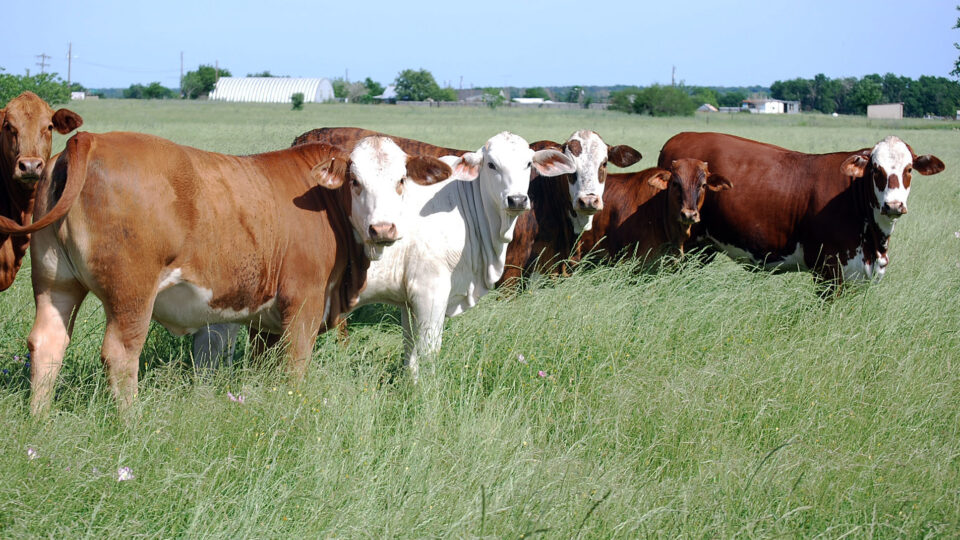
Photo, posted April 27, 2010, courtesy of Beverly Moseley/USDA NRCS Texas via Flickr.

Earth Wise is a production of WAMC Northeast Public Radio.

Climate Change And Kenya’s Tana River Basin | Earth Wise

September 6, 2021 By EarthWise Leave a Comment

Climate change threatens biodiversity within the Tana River Basin

The Tana River is the longest river and most important waterway in Kenya.  It flows 620 miles from its headwaters in the Abderdare mountain range and Mount Kenya to the Indian Ocean.  The Tana River produces approximately half of the country’s electricity, and supplies Nairobi, the capital of Kenya, with 80% of its water.   

According to the United Nations Environment Programme, eight million people live along the Tana River, where coffee, tea, corn and other crops are grown for export, and fishing and cattle grazing help produce food for large portions of the country’s population. 

But the long-term ability of the river to provide these and other essential services is increasingly under threat due to many factors, including pollution, soil erosion, deforestation, and poor land use practices.   

Climate change is also complicating matters.  According to new research from the University of East Anglia, many species within the Tana River Basin will be unable to survive if global temperatures continue to rise at the current pace.  However, the study, which was recently published in the journal PLOS ONE, also found that many of these species could be saved if the world could meet the climate goals of the Paris Agreement. 

Globally, climate and land use changes are the two biggest threats to biodiversity.  According to researchers, 36% of the Tana River Basin has already been converted to agriculture. 

The research team says stronger commitments on climate change are needed from global leaders.  The climate and biodiversity crises can only be solved with urgent action to reduce global greenhouse gas emissions. 

**********

Web Links

The impact of climate change on Kenya’s Tana river basin

Economics of Ecosystem Services of the Tana River Basin

Photo, posted August 19, 2010, courtesy of Luigi Guarino via Flickr.

Earth Wise is a production of WAMC Northeast Public Radio.

Out-Migration And Reforestation

November 4, 2019 By EarthWise Leave a Comment

A challenging global trend is that of deforestation in developing countries.  But there are places where the opposite trend is happening.  Nepal is one such place.

According to satellite imaging, in 1992 forest covered 26% of Nepal.  As of 2016, that number was 45%. 

To some extent, the forest regrowth was a result of policy changes from about three decades ago, when the government began removing management authority from bureaucrats and shifting it to local communities across the country.  This local management helped to reduce illegal logging and many local villages undertook tree-planting campaigns.

But perhaps a bigger factor at play is human migration.  In recent decades, millions of Nepalis have left the country to work in the Persian Gulf, Southeast Asia, and elsewhere.  The out-migrants wire money home and meanwhile, families left behind rely less on forest products or abandon farmland, aiding reforestation.  A 2018 study showed that the areas with the highest out-migration experience, on average, had the most forest recovery.

Globally, migration has important impacts on forests, but not always positive ones.  In many countries, forests seem to recover as people leave rural areas to work elsewhere.  El Salvador, for example, has seen a rebound of its forests as many of its rural residents move to cities or even to the United States. But in Guatemala and Nicaragua, the return of migrants bringing money they have earned overseas has led to an expansion of cattle ranching that has harmed forests.

The global relationship between migration and forests is a complicated one that depends on whether the migration is one-way or “circular” (meaning that the migrants eventually return) and how returning migrants make use of their earnings from abroad.

**********

Web Links

In Nepal, Out-Migration Is Helping Fuel a Forest Resurgence

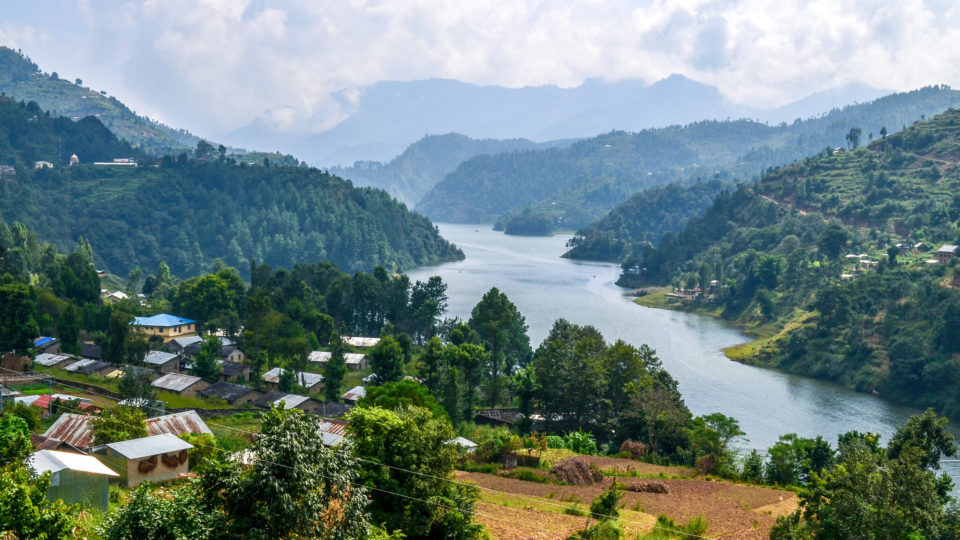
Photo, posted September 30, 2018, courtesy of Flickr.

Earth Wise is a production of WAMC Northeast Public Radio.

The Importance Of The Amazon Rainforest Fires

September 10, 2019 By EarthWise Leave a Comment

The Amazon rainforest covers extensive parts of Brazil, Peru, Colombia, and small parts of six other countries.  It is the largest rainforest in the world and is instrumental in driving the weather and climate in South America.

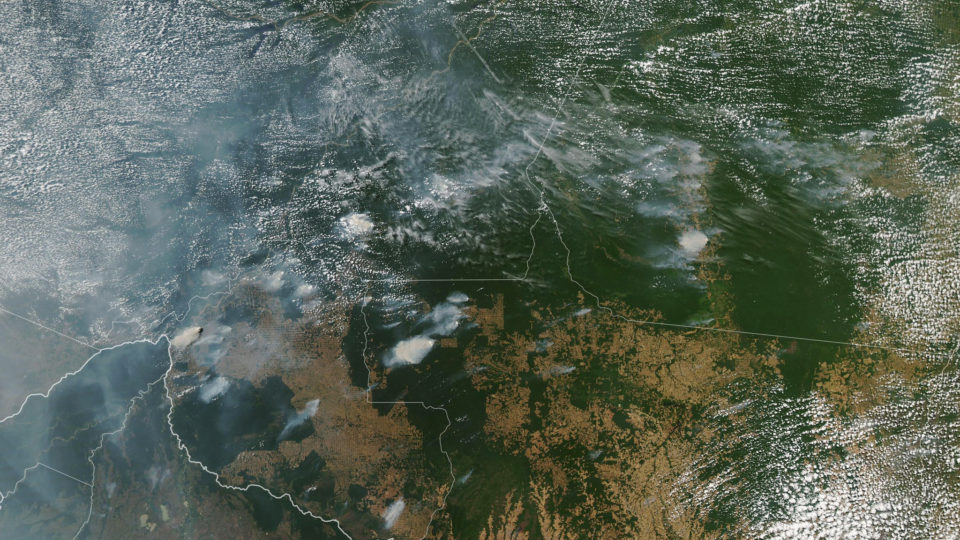
The raging wildfires in the Amazon rainforest are a source of great concern.  The Amazon is always prone to wildfires during the dry season in South America, but the extent and number of fires this year cannot be attributed simply to drought.  The surge in fires has come from illegal deforestation by loggers and farmers, who are using the cleared-out land for cattle ranching.

Rainforests produce consistently high amounts of rainfall throughout the year by pulling water from the soil and then releasing it into the atmosphere.  The Amazon rainforest essentially makes it rain in South America. 

Over time, the forest plays a crucial role in cycling carbon out of the atmosphere by turning it into biomass.  The Amazon jungle sucks up as much as a quarter of the planet’s atmospheric carbon dioxide.

Pristine rainforest burns less frequently and less intensely than cleared and recovering forest.  As more and more of the Amazon rainforest is deforested, it becomes more likely to burn each year.

The major disruption of the water dynamics in South America has the potential to not only drive the weather in South American countries but even potentially influence natural resources like snow packs in the Northern Hemisphere.

The skies of Sāo Paulo, Brazil’s financial hub have been dark at midday because of the Amazon fires.  This is like having a fire in California and seeing the smoke in Boston.  The Amazon rainforest fires are a big problem for the whole world.

**********

Web Links

The Amazon Rainforest has been burning for weeks. Here’s why that matters.

Photo, posted August 21, 2019, courtesy of NASA Goddard Space Flight Center via Flickr.

Earth Wise is a production of WAMC Northeast Public Radio.

Reducing Methane From Animals

September 3, 2019 By EarthWise Leave a Comment

Methane emissions from ruminant livestock are currently estimated to be more than 100 million tons each year and, after rice agriculture, represent the biggest human-initiated methane source.  Given that fact, there is widespread encouragement for people to reduce their consumption of meat in order to reduce the amount of the potent greenhouse gas going into the atmosphere.

But an additional strategy to lower global methane emissions is to actually reduce the amount of methane produced by each animal.  To that end, researchers at the University of Otago in New Zealand have now identified new processes that control methane production in the stomachs of sheep and similar animals like cattle and deer.

They determined the specific microbes and enzymes that control the supply of hydrogen, which is the main energy source for methane producing microbes, known as methanogens.  Their work is focused on the development of small molecule inhibitors and vaccines to specifically target the production of methane by methanogens.  By reducing the supply of hydrogen to methanogens, it is possible to reduce animal methane emissions.

The research involved studying two types of sheep – those producing large amounts of methane and those producing less.  They found that the most active hydrogen-consuming microbes differed between the sheep.  Specifically, in the low methane emitting sheep, hydrogen consuming bacteria dominated over methanogens.

Ultimately, a strategy might emerge to introduce feed supplements that encourage non-methane producers to out-compete methanogens.  Controlling the supply of hydrogen to the methanogens will lead to reduced methane emissions. 

Having low-emission cattle would definitely help reduce the impact of agriculture on the climate.

**********

Web Links

Scientists discover processes to lower methane emissions from animals

Photo, posted April 7, 2017, courtesy of Flickr.

Earth Wise is a production of WAMC Northeast Public Radio.

The Return Of The Bison

September 28, 2018 By EarthWise Leave a Comment

https://earthwiseradio.org/wp-content/uploads/2018/09/EW-09-28-18-The-Return-of-the-Bison.mp3

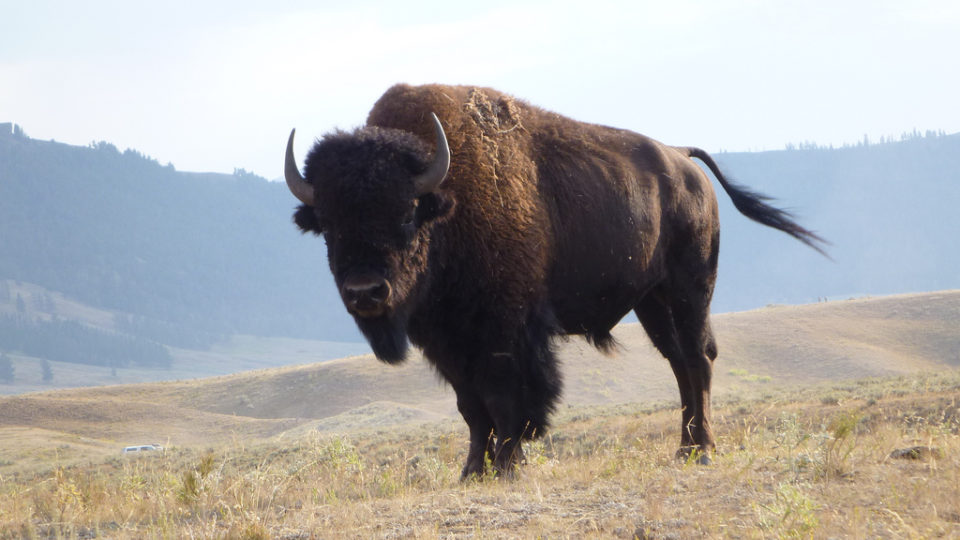
At one time there were 20 to 30 million bison in North America, dominating the landscape from the Appalachians to the Rockies, and from the Gulf Coast to Alaska.   A combination of habitat loss and totally unregulated hunting of the huge animals reduced the population to just over 1,000 in 1889.  

[Read more…] about The Return Of The Bison

Tree-Planting Drones

March 16, 2018 By EarthWise Leave a Comment

https://earthwiseradio.org/wp-content/uploads/2018/03/EW-03-16-18-Tree-Planting-Drones.mp3

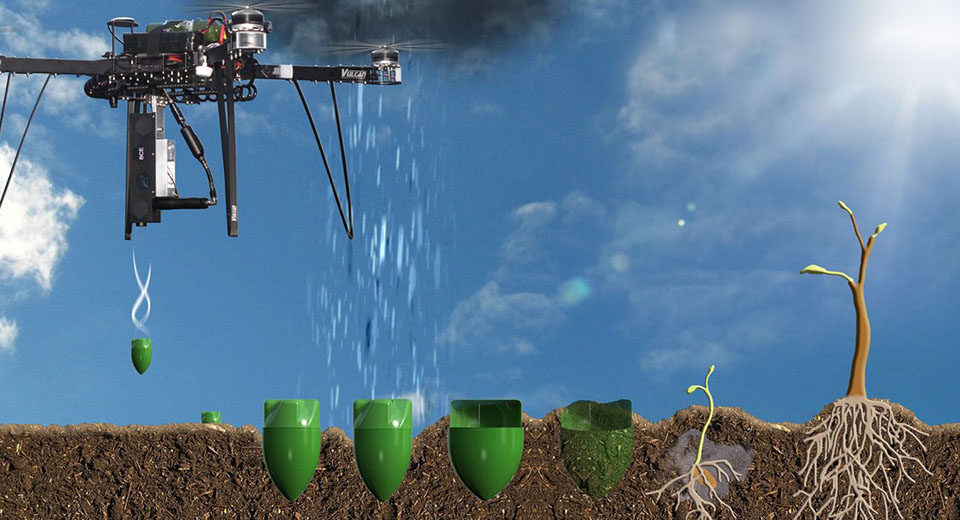
One of the major causes of the increasing carbon dioxide levels in the atmosphere is deforestation.   We chop down about 15 billion trees each year.  Over time, our activities have reduced the number of trees on earth by about 50%.  We do plant trees – these days, about 9 billion a year.  It is a substantial number, but still leaves a net loss of 6 billion trees annually.

[Read more…] about Tree-Planting Drones

Saving African Cattle With Perfume

November 27, 2017 By EarthWise Leave a Comment

https://earthwiseradio.org/wp-content/uploads/2017/10/EW-11-27-17-Saving-African-Cattle.mp3

Tsetse flies are widespread in Africa. They feed on blood and are the source of the dreaded sleeping sickness, an infection that can be lethal, damages the nervous system and, in its final stage, causes a dozy state, which gave the disease its name. Sleeping sickness is a real danger for people in tropical Africa, but tsetse flies can also transfer the disease to cattle.  This leads to huge losses in milk, meat and manpower.  The damage caused by the flies in Africa is estimated to be nearly $5 billion a year.

[Read more…] about Saving African Cattle With Perfume

Deforestation in the Amazon Rainforest

May 30, 2017 By EarthWise

https://earthwiseradio.org/wp-content/uploads/2017/05/EW-05-30-17-Deforestation-in-the-Amazon.mp3

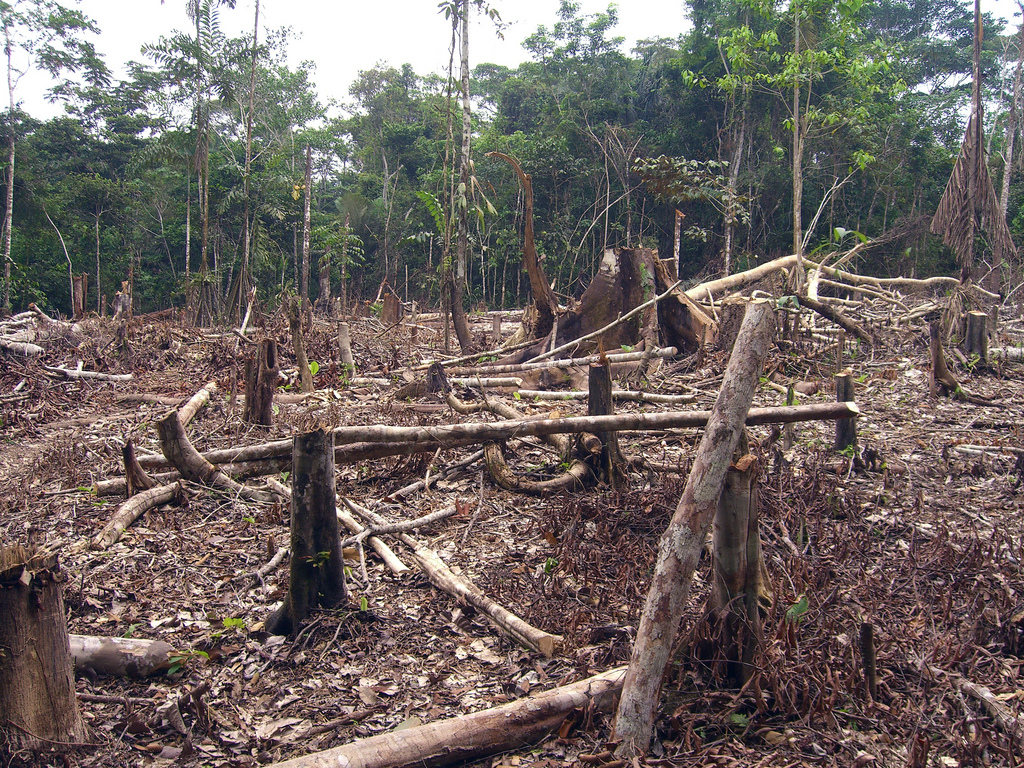
The Amazon rainforest is the biggest in the world, larger than the next two biggest combined.  It covers over 3 million square miles, roughly the size of the lower 48 states.  For this reason, it functions as a critical sink for carbon in the atmosphere.

[Read more…] about Deforestation in the Amazon Rainforest

Primary Sidebar

Recent Episodes

  • An uninsurable future
  • Clean energy and jobs
  • Insect declines in remote regions
  • Fossil fuel producing nations ignoring climate goals
  • Trouble for clownfishes

WAMC Northeast Public Radio
WAMC/Northeast Public Radio is a regional public radio network serving parts of seven northeastern states (more...)
Copyright © 2025 ·