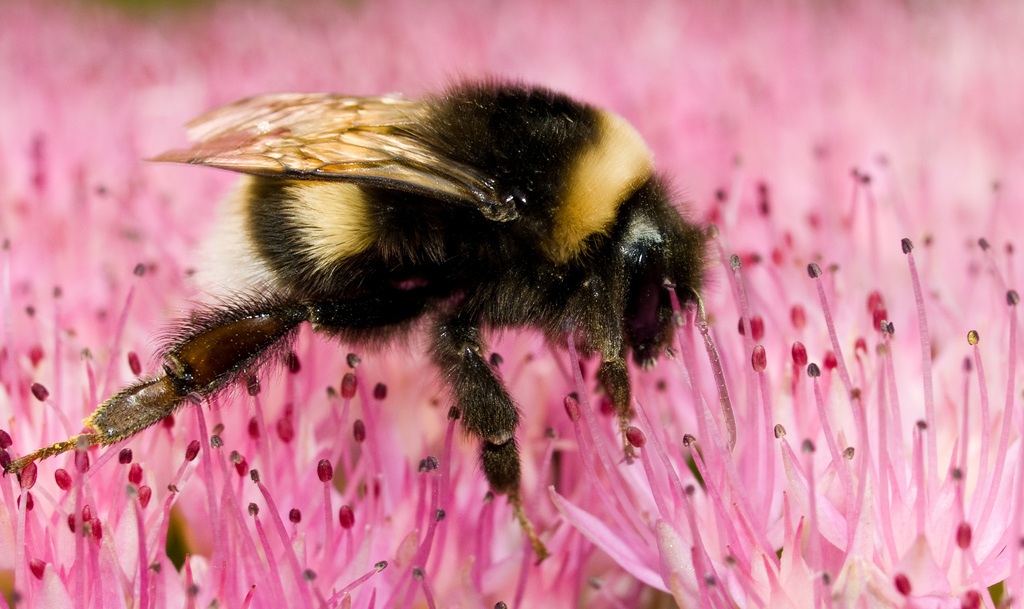
bees
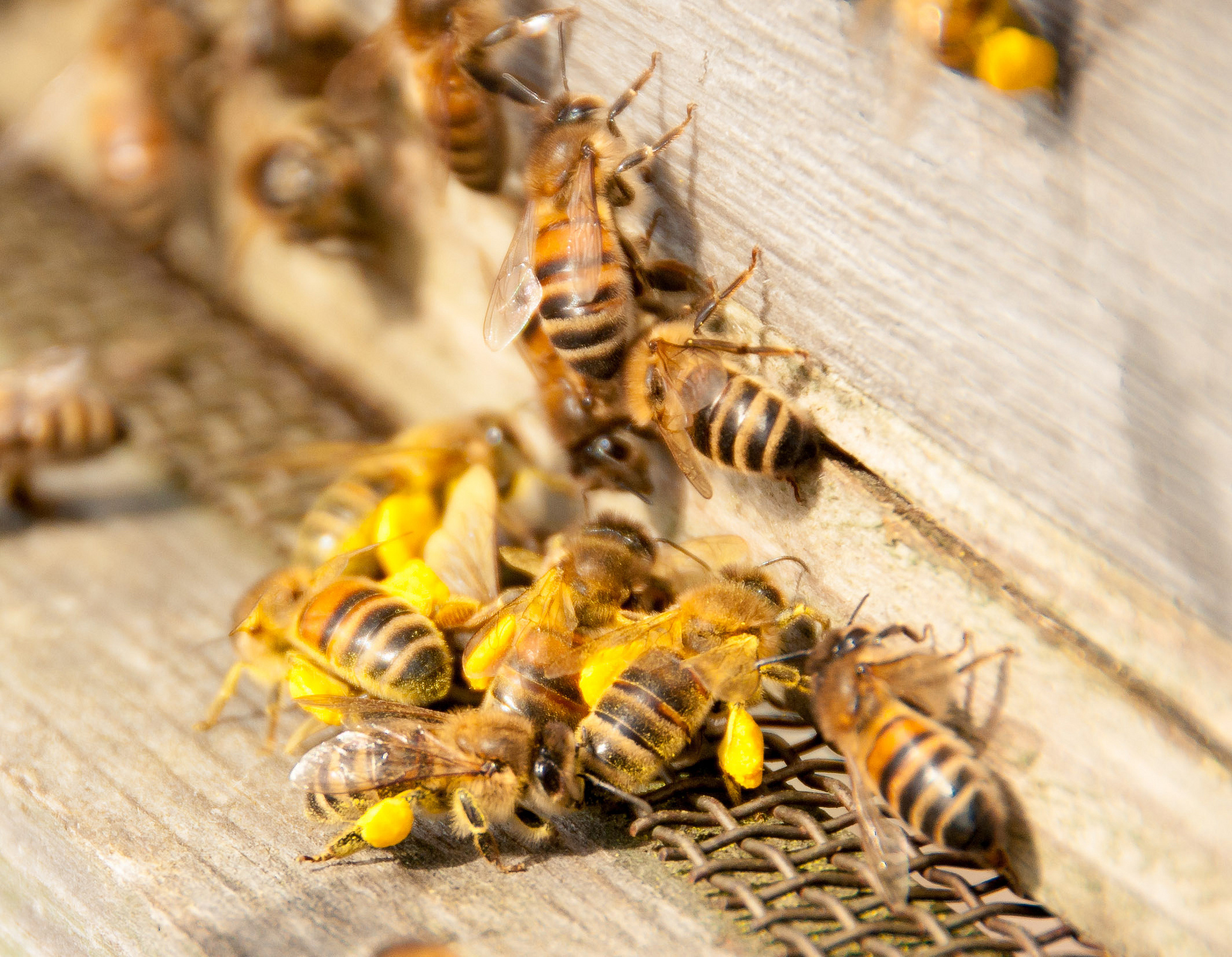
Help Save The Bees
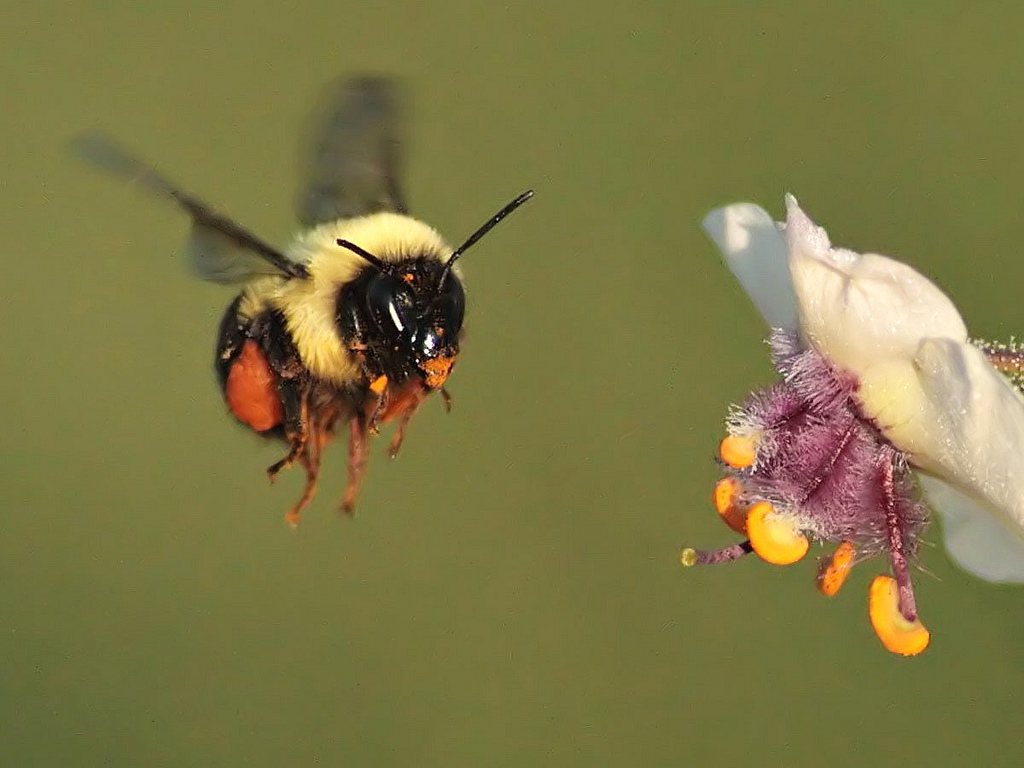
Globally, 40% of invertebrate pollinator species, such as bees and butterflies, are facing extinction. And since approximately three-quarters of the world’s food crops depend on pollination, the decline of these pollinators could pose a threat to food security around the globe.
Endangered Bees
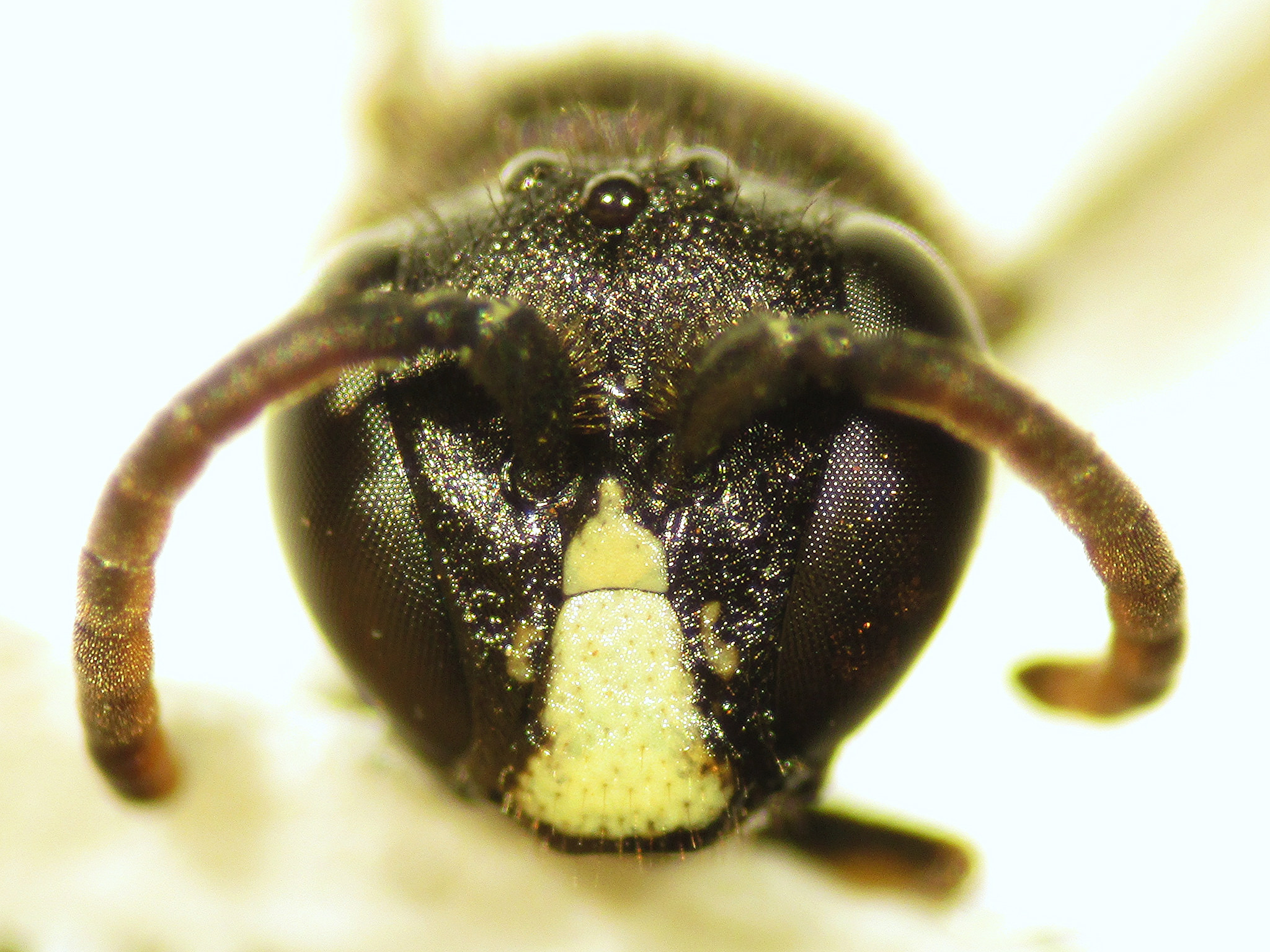
It’s no secret that pollinators around the world are under threat. According to a U.N. sponsored report released earlier this year, 40% of invertebrate pollinator species, such as bees and butterflies, are facing extinction. And since approximately 75% of the world’s food crops depend on pollination, the decline of these pollinators poses a major threat to food worldwide.
Declining Insect Populations
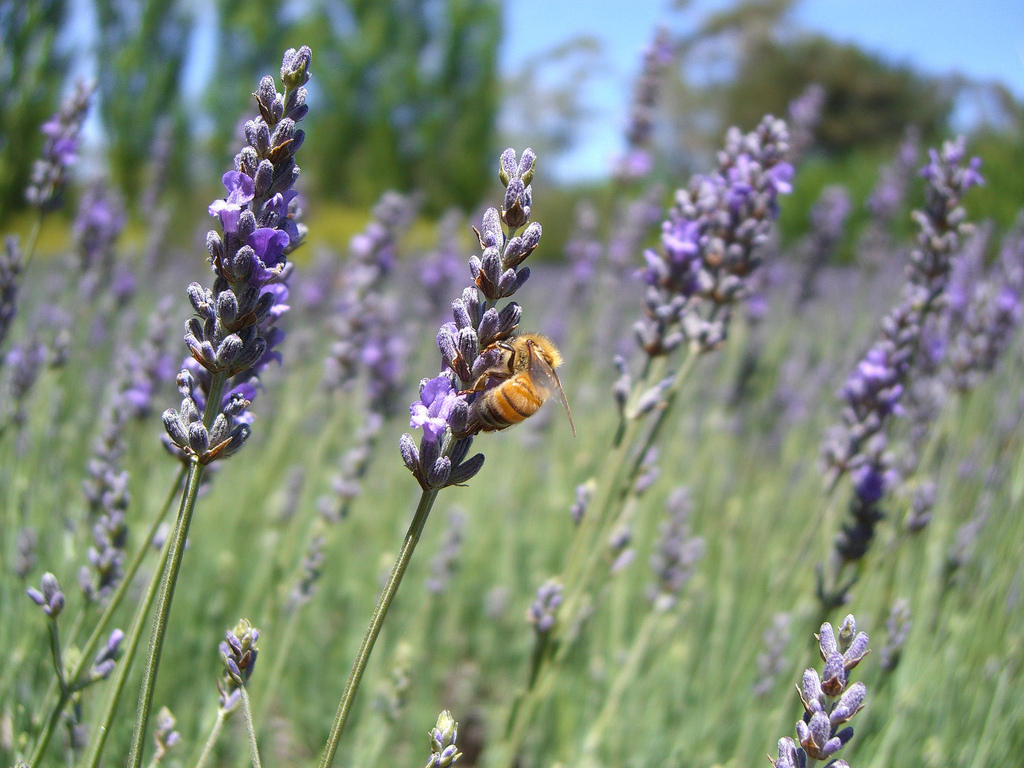
There has been lots of discussion about the decline in bee populations and its dire consequences for agriculture. We have also talked about the efforts to save the monarch butterfly, whose numbers have been dropping dramatically over the years. But the rest of the insect world does not get much attention. For the most part, we think of insects as a nuisance or as potential pests.
What Is Killing Bees?
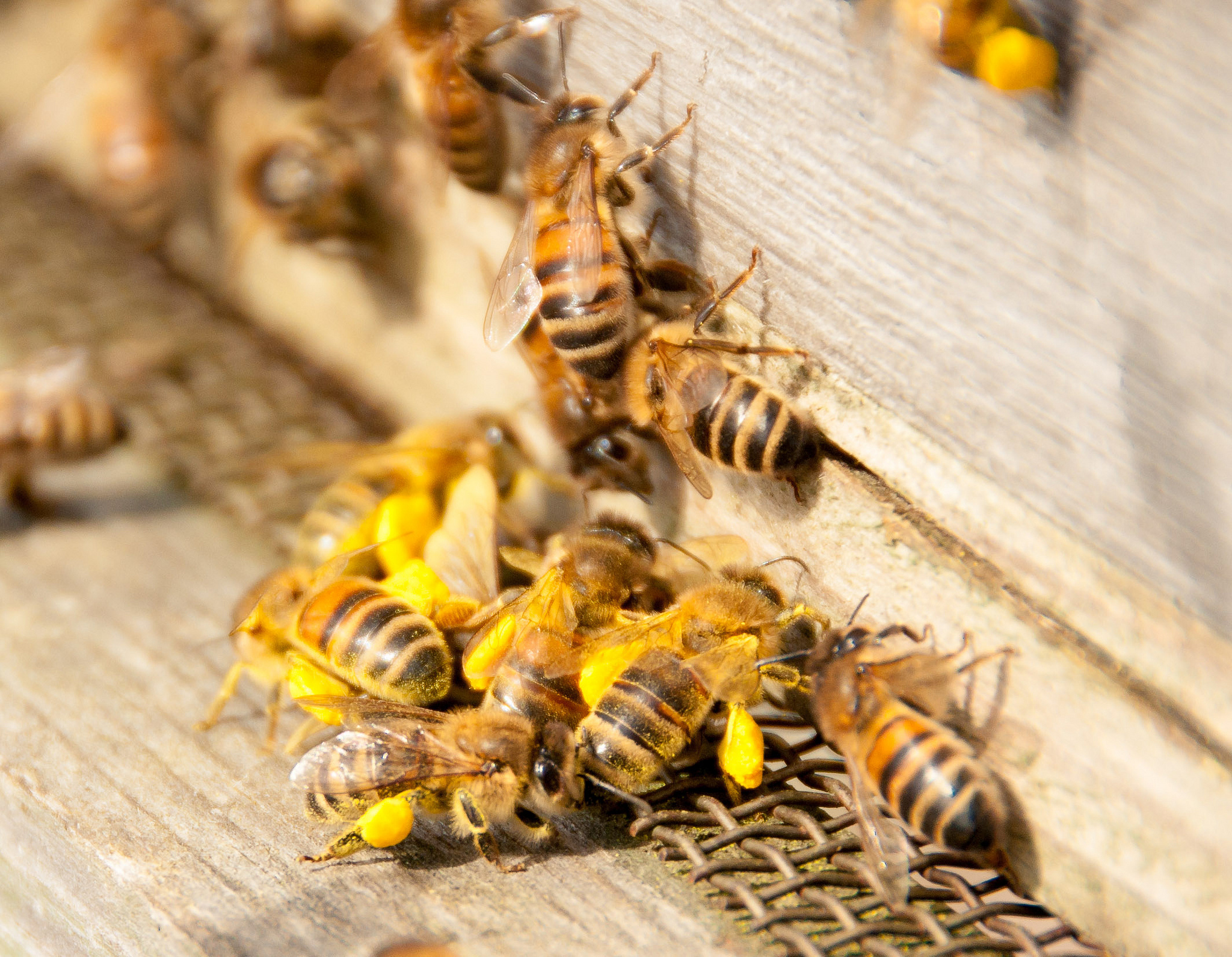
The declining populations of bees and other pollinators has been a topic of great concern for a number of years. There has not been general agreement on the root cause and, in fact, it appears as though there are multiple causes at play.
Carbon Dioxide And Bees
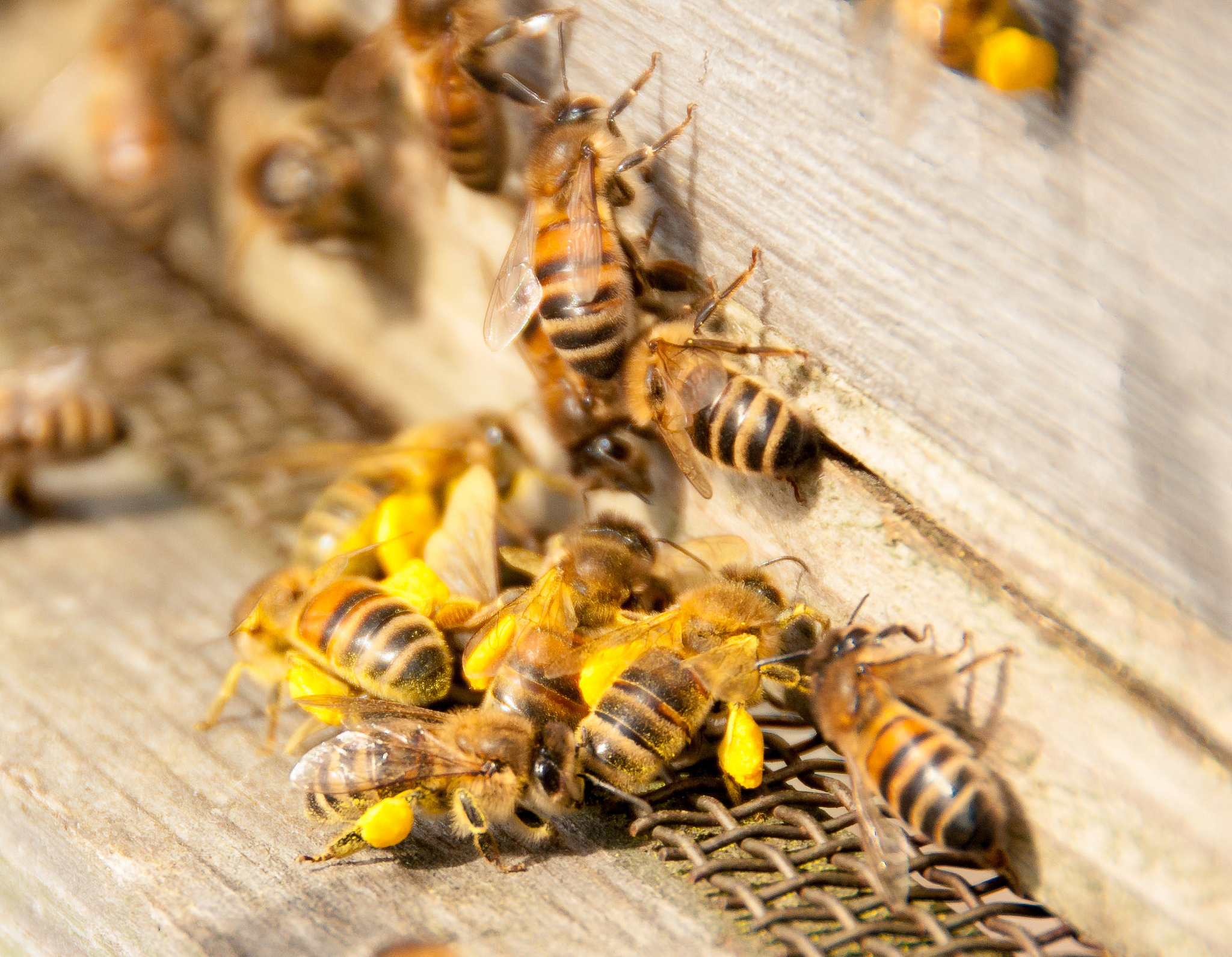
The decline of bee populations worldwide is a serious problem that threatens much of agriculture. From 2006 to 2011, losses in managed honeybee colonies in the U.S. averaged 33 percent a year. In recent years, beekeepers have had to replace 50 percent of their colonies each year.
Wildflower Decline
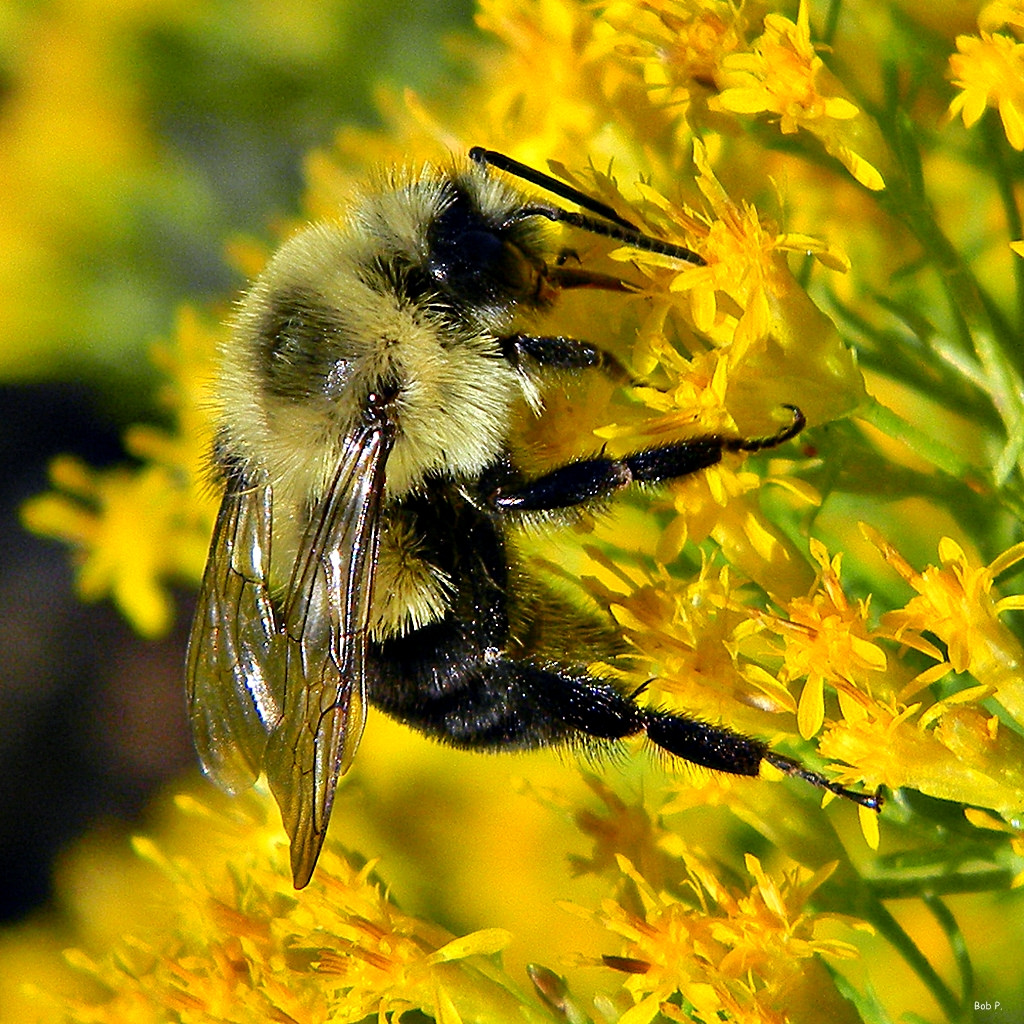
For about a decade now, insect pollinator populations have been in decline. Their decline poses a significant threat to biodiversity, food production, and human health. In fact, at least 80% of the world’s crop species require pollination, and approximately one out of every three bites of food is a direct result of the work of these pollinators. In the United States alone, insect pollinators, such as bees, butterflies, certain wasps and flies (among many others), account for an estimated $15 billion in profits annually.
Wild Bee Loss Puts Crops At Risk
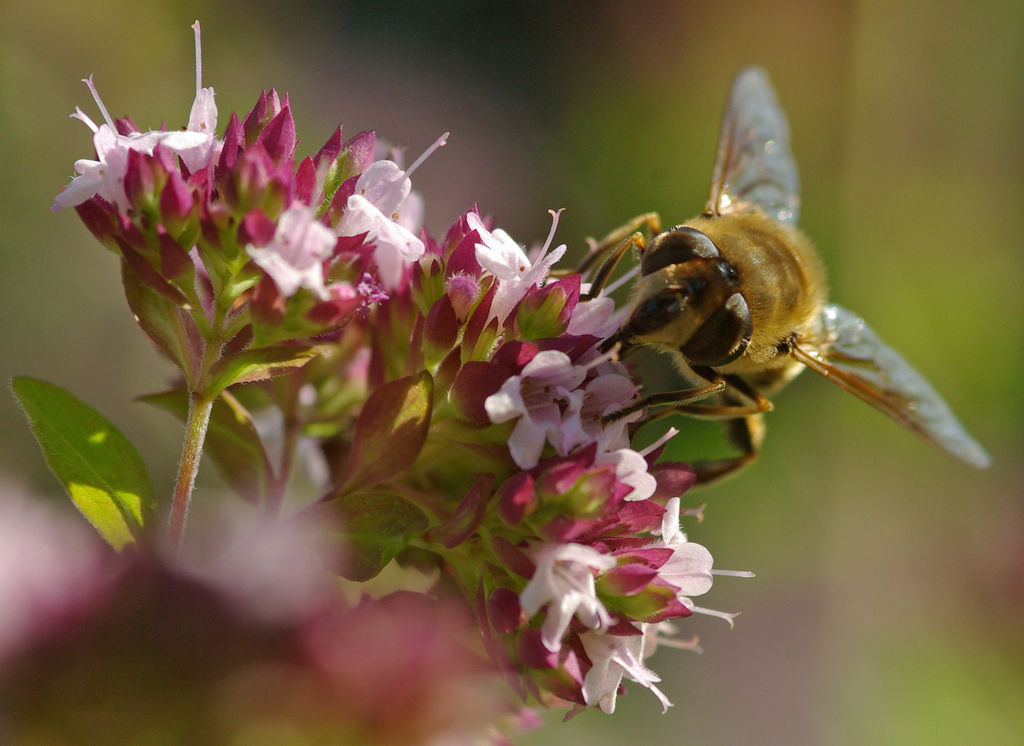
Between 2008 and 2013, the United States lost nearly a quarter of its wild bees. Some 39% of our nation’s croplands rely on pollinators. Important farming regions – from California’s Central Valley to the Midwest’s Corn Belt – are among the areas grappling with wild bee declines.
Bumblebees And The Climate Squeeze