• Skip to primary navigation
  • Skip to main content
  • Skip to primary sidebar

Earth Wise

A look at our changing environment.

  • Home
  • About Earth Wise
  • Where to Listen
  • All Articles
  • Show Search
Hide Search
You are here: Home / Archives for albany

albany

The hottest day on record

August 21, 2024 By EarthWise Leave a Comment

The hottest day on record

There have been numerous temperature records set in recent years.  Apart from record high temperatures for many places around the world, there were 13 consecutive monthly temperature records set for the planet since the previous summer.

According to NASA data, July 22, 2024, was the hottest day on record.  July 21st and 23rd also exceeded the previous daily record, which was set in July last year.  The new record was 17.16 degrees Celsius, or about 63 degrees Fahrenheit.

We are not used to thinking in terms of the global average temperature.  That is the number that keeps climbing and that climate goals seek to keep from getting too high.  The global average temperature is about 59 degrees Fahrenheit.  So, on July 22nd, the Earth was about 4 degrees warmer than usual.  That may not seem like much, but it takes an enormous amount of energy to raise the temperature of the planet by that amount.

The NASA report shows the global daily temperature throughout the year for the years 1980 to 2024.  It clearly shows how much warmer temperatures are now compared with the previous decades.

In many places, people experienced persistent hot weather during the month of July. New York’s Capital Region saw relentless hot and humid weather.  There were 9 days with high temperatures in the 90s.   July in Albany had a monthly mean temperature of 77.3 degrees, which was the highest in any current resident’s lifetime.  This is more than 4 degrees higher than the average over the past 30 years.  The last time the average temperature was over 77 was in 1887.  July was hot.

**********

Web Links

NASA Data Shows July 22 Was Earth’s Hottest Day on Record

Photo, posted October 22, 2016, courtesy of Susanne Nilsson via Flickr.

Earth Wise is a production of WAMC Northeast Public Radio

A Hot July | Earth Wise

August 24, 2022 By EarthWise Leave a Comment

July was a hot month around the world

At the beginning of July, the National Oceanic and Atmospheric Administration’s monthly climate outlook predicted temperatures well above average across much of the United States.  The prediction was quite correct.  Beyond that, world-wide, there were multiple heat waves, especially in Europe and Asia, where there were thousands of heat-related deaths.  On July 19th, the United Kingdom had its hottest day ever reported with a temperature over 104 degrees.

In the U.S., a series of atmospheric high-pressure systems resulted in stagnant heat domes, which resulted in more than 150 million people living under heat warnings and advisories.  Nearly every part of the continental U.S. saw above-average temperatures.  There were record-breaking triple-digit highs in several states, sometimes persisting for days.

The south-central part of the country developed a ridge of high pressure that established a heat dome that acted like a lid, trapping hot air over that area.  The extreme heat persisted throughout the month, at times expanding to the Southwest, Upper Midwest, and Southeast.

In the second half of the month, the Great Plains experienced temperatures as high as 115 degrees.  Utah and Oklahoma both broke long-standing records for the most consecutive days on which temperatures exceeded 100 degrees.  Utah saw 16 straight days over 100.

In the Pacific Northwest temperatures reached 110 degrees in Dallasport, Washington, and 114 in Medford, Oregon.  In the Northeast, Newark, New Jersey saw a record-breaking five straight days over 100 degrees.

In Albany, New York, where the average daily high temperature is 82 degrees in July, there were 10 days in the 90s, with highs of 97 on three occasions.

July was a hot month indeed.

**********

Web Links

A July of Extremes

Photo, posted July 10, 2022, courtesy of Dominic Alves via Flickr.

Earth Wise is a production of WAMC Northeast Public Radio.

Spring is Sooner And Warmer In The United States | Earth Wise

April 7, 2022 By EarthWise Leave a Comment

Spring is arriving earlier

Despite some March snowstorms in the Northeast, the record shows that spring is getting warmer and coming sooner in the United States.

The independent research organization Climate Central analyzed 52 years of spring data across the United States.  Half of the 234 locations studied had an increase in their average spring temperatures of at least 2 degrees.  About 70% of the locations had at least 7 extra days above their normal spring temperatures.  About the only part of the country where spring hasn’t gotten much warmer is in the upper Midwest.

Over that time period, the average spring temperature in Albany, NY has increased by 2.1 degrees.  And compared with 1970, there are now 11 more warm spring days in New York’s Capital Region.

Spring warming has been greatest in the Southwest.  The three cities with the largest temperature increases were Reno, Nevada at 6.8 degrees, Las Vegas, Nevada with 6.2 degrees, and El Paso, Texas with 5.9 degrees.

Spring has been arriving early as a result of the warming conditions, cutting into the cold winter months.  While an early spring sounds like nothing but good news, the shift can cause problems.  An early spring and early last freeze can lengthen the growing season.  With it comes the arrival of mosquitoes and pollen and its associated allergy season.

A greater problem is that spring warming can disrupt the timing of ecosystem events.  For example, migratory birds could show up at the wrong time, impacting their food availability and breeding success.

As the overall climate changes, so does the spring.

**********

Web Links

2022 Spring Package

Photo, posted March 20, 2011, courtesy of Suzie Tremmel via Flickr.

Earth Wise is a production of WAMC Northeast Public Radio.

Utility-Scale Solar In Upstate New York | Earth Wise

June 22, 2021 By EarthWise 2 Comments

utility scale solar projects to generate jobs and profits to upstate ny communities

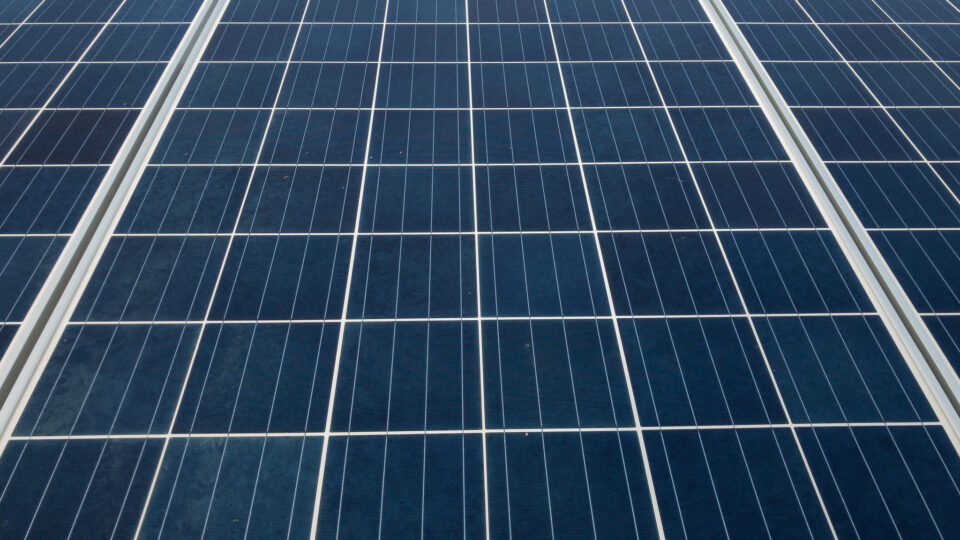
The first operational utility-scale solar projects in upstate New York are expected to commence commercial operations by the end of this year.  A portfolio of eight projects comprising over 200 megawatts of generating capacity is being developed by CS Energy in partnership with Goldman Sachs Renewable Power Group and NYSERDA.

The projects include three 27-megawatt installations in the Capital Region – in Easton and Stillwater, three 27-megawatt installations in the Mohawk Valley – in Mohawk and Pattersonville, and two 27-megawatt installations in the Southern Tier – in Willet and Greene.

The projects will support more than 500 jobs and represent more than $160 million of private investment that is expected to generate over $80 million in benefits to local communities and regions.  Those benefits will come to local landowners, property tax jurisdictions, and to local contractors who will provide ongoing operations and maintenance support for the projects.

The projects are the result of New York’s Clean Energy Standard, established in 2016 as well as 2019’s Climate Leadership and Community Protection Act.  These initiatives made commitments that 70% of the electricity consumed in New York would be generated by renewable energy sources by 2030. 

CS Energy has built over 150 megawatts of solar projects in New York to date.  By the end of this year, that number will be close to 500 megawatts.  CS Energy recently opened a regional headquarters in Albany to further support the company’s growth. The Goldman Sachs Renewable Power Group owns and operates more than 2.3 gigawatts of clean power across the country.

**********

Web Links

Upstate New York’s first utility-scale solar projects set to come online this year

Photo, posted October 16, 2019, courtesy of Jonathan Cutrer via Flickr.

Earth Wise is a production of WAMC Northeast Public Radio.

Hudson River Tidal Marshes And Sea Level Rise | Earth Wise

January 29, 2021 By EarthWise Leave a Comment

Hudson River estuary marshes resilient to accelerated sea level rise

A new study at the University of Massachusetts Amherst looked at the resilience of Hudson River Estuary marshes to rising sea levels.  They observed that these marshes are growing upward at a rate two or three times faster than sea level rise, suggesting that they should be resilient to accelerated sea level rise in the future.

The study documented the fact that more than half of Hudson River tidal marshes actually formed since 1850.  In that year, the river channel was straightened, and a riverside railroad, berms, jetties and human-made islands of dredged soil were built.  All of these human-made features trapped sediment and created backwaters that often turned into marshes.

The research centered on seven sites spanning more than 100 miles of the Hudson Estuary from Wall Street up to Albany.  Although these marshes were an unintended result of early industrial development, they serve to protect the shoreline and provide rich ecosystems in terms of direct ecological and human benefits.  Marshes are a first line of defense against coastal flooding, provide an essential habitat for juvenile commercial fish species, store huge amounts of carbon that mitigates climate change, provide habitat for migratory birds, and filter nutrients coming off the land.

The study determined that such marches form relatively quickly.  When sediment is readily available, freshwater tidal wetlands can develop rapidly in sheltered settings.   There is concern that marshes globally will be drowned by rising sea levels, but this Hudson River case study shows how marshes may be able to resist the rising seas.  The research will help guide future land acquisition and land conservation strategies for areas adjacent to the river.

**********

Web Links

New Study Finds More than Half of Hudson River Tidal Marshes were Created Accidentally by Humans; Resilient Against Sea Level Rise

Photo, posted December 4, 2008, courtesy of Daina Dajevskis via Flickr.

Earth Wise is a production of WAMC Northeast Public Radio.

A Milestone For Energy Storage

April 24, 2018 By EarthWise Leave a Comment

https://earthwiseradio.org/wp-content/uploads/2018/04/EW-04-24-18-A-Milestone-for-Energy-Storage.mp3

The United States has now added the capacity to store a billion watts of power for one hour and it may double that total by the end of this year.   According to the firm GTM Research, the energy storage industry – previously nearly invisible – is undergoing rapid growth.  Much of the growth has been in homes with products like the Tesla Powerwall but has also been on the scale of the electric grid, where power companies can use storage to control when to deploy excess electricity generated from renewable sources such as solar power.

[Read more…] about A Milestone For Energy Storage

Pine Barrens Threatened

September 29, 2017 By EarthWise Leave a Comment

https://earthwiseradio.org/wp-content/uploads/2017/08/EW-09-29-17-Pine-Barrens-Threatened.mp3

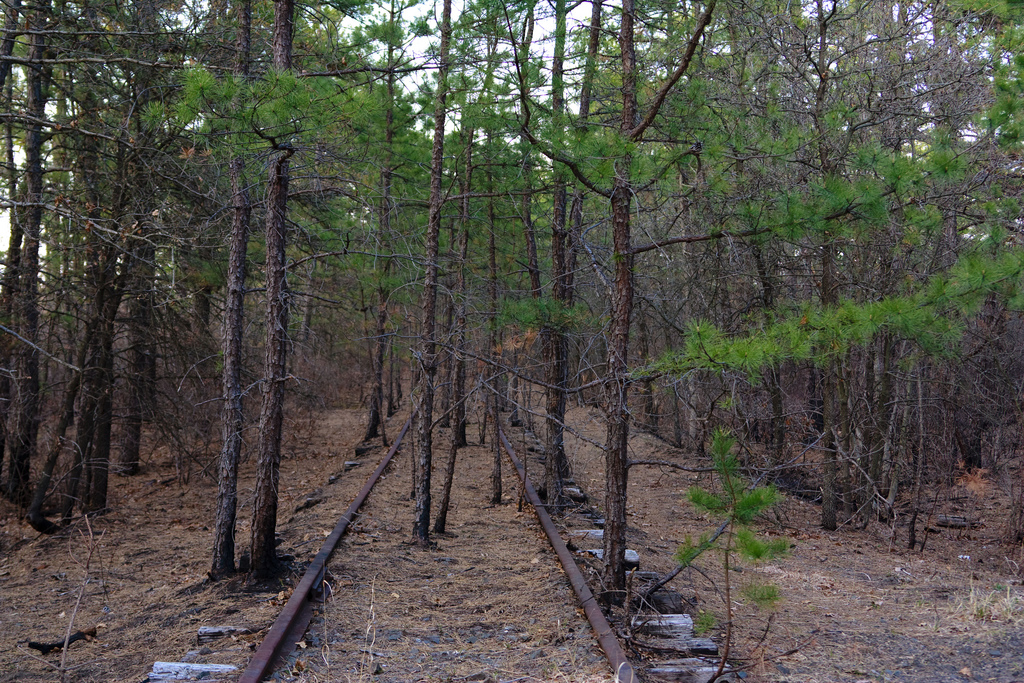
Pine barrens occur throughout the northeastern U.S. from New Jersey to Maine.  They are plant communities that occur on dry, acidic, infertile soils dominated by grasses, forbs, low shrubs, and small to medium-sized pines.  The Pine Bush Preserve in Albany, New York is one of the larger inland pine barrens in the country.

[Read more…] about Pine Barrens Threatened

A Microgrid in New York’s Capital

July 31, 2017 By EarthWise

https://earthwiseradio.org/wp-content/uploads/2017/07/EW-07-31-17-A-Microgrid-in-NYs-Capital.mp3

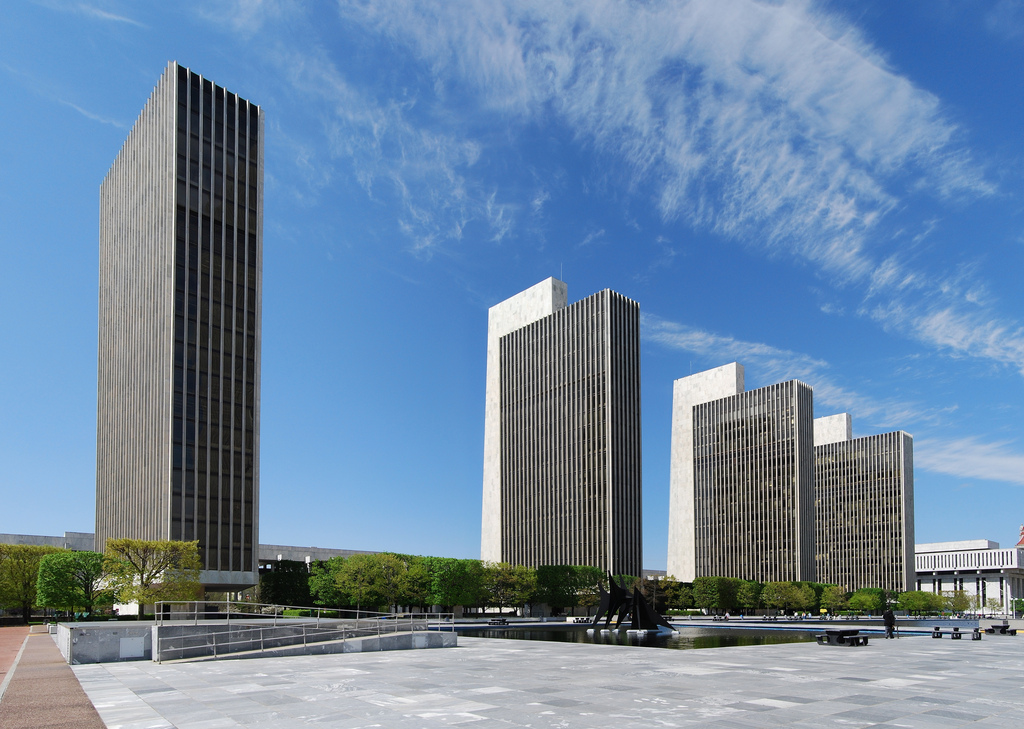
New York State has been encouraging its communities to install microgrids for quite a while.  Now the state has committed to build a 16-megawatt microgrid to power the Empire State Plaza in downtown Albany.  The microgrid will use combined heat and power to supply 90% of the electricity as well as heating and cooling for the 10 buildings where 11,000 state employees work.

[Read more…] about A Microgrid in New York’s Capital

Capital Region Community Solar

May 22, 2017 By EarthWise

https://earthwiseradio.org/wp-content/uploads/2017/05/EW-05-22-17-Capital-Region-Community-Solar.mp3

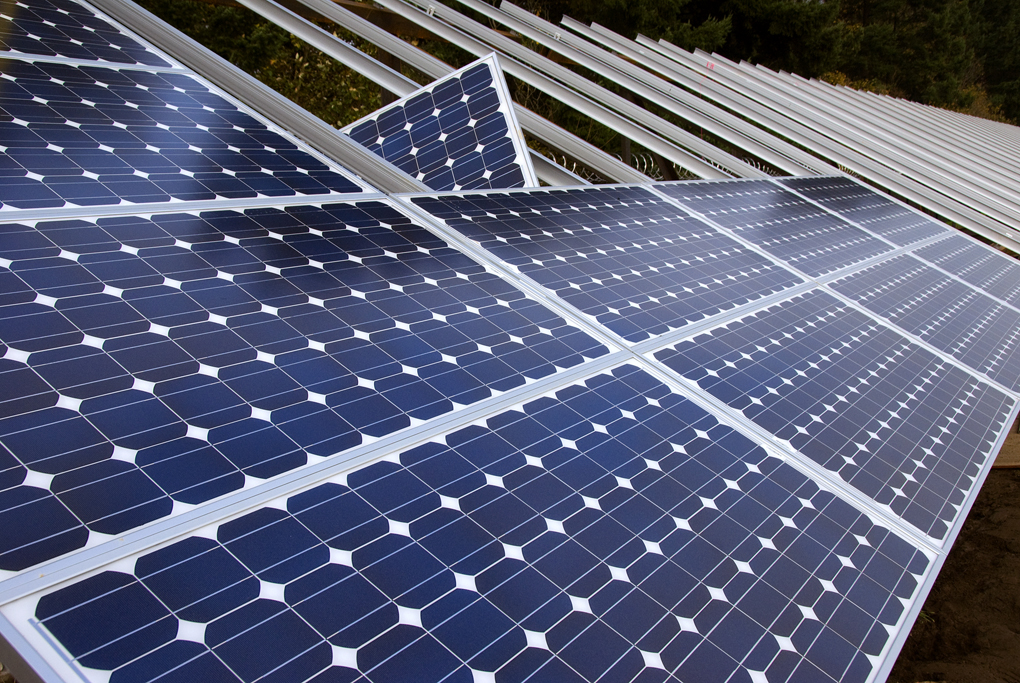
Community solar is a cooperative enterprise in which customers can make use of the output of a large local array of solar panels when they are not able to install a solar power system on their own property.  The customers of a community solar system can offset as little or as much of their electrical usage as they want by participating in a community solar program.

[Read more…] about Capital Region Community Solar

Storing Energy In An Old Mine

January 20, 2017 By EarthWise

https://earthwiseradio.org/wp-content/uploads/2017/01/EW-01-20-17-Storing-Energy-in-an-Old-Mine-1.mp3

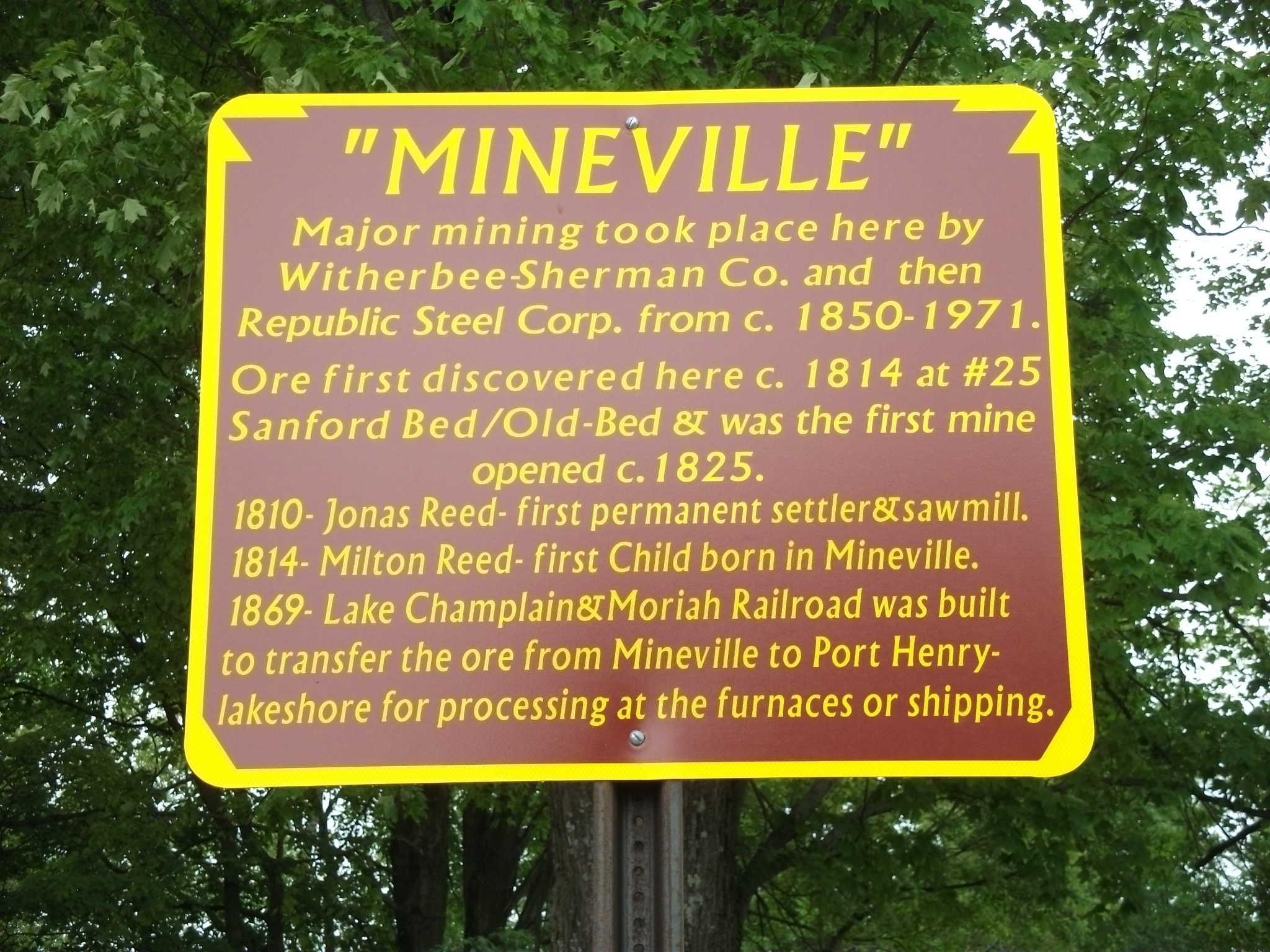
An abandoned, centuries-old iron mine in the Adirondacks about 100 miles north of Albany, New York may become the site of a new hydroelectric energy storage system.   The mine in the tiny hamlet of Mineville near Moriah, New York contributed iron for the first naval battle of the Revolutionary War that took place on Lake Champlain.  The mine hasn’t been used in over 45 years.

[Read more…] about Storing Energy In An Old Mine

Primary Sidebar

Recent Episodes

  • An uninsurable future
  • Clean energy and jobs
  • Insect declines in remote regions
  • Fossil fuel producing nations ignoring climate goals
  • Trouble for clownfishes

WAMC Northeast Public Radio

WAMC/Northeast Public Radio is a regional public radio network serving parts of seven northeastern states (more...)

Copyright © 2026 ·