• Skip to primary navigation
  • Skip to main content
  • Skip to primary sidebar

Earth Wise

A look at our changing environment.

  • Home
  • About Earth Wise
  • Where to Listen
  • All Articles
  • Show Search
Hide Search
You are here: Home / Archives for wild bees

wild bees

Bees Threatening Bees | Earth Wise

October 16, 2020 By EarthWise Leave a Comment

bees threatening bees

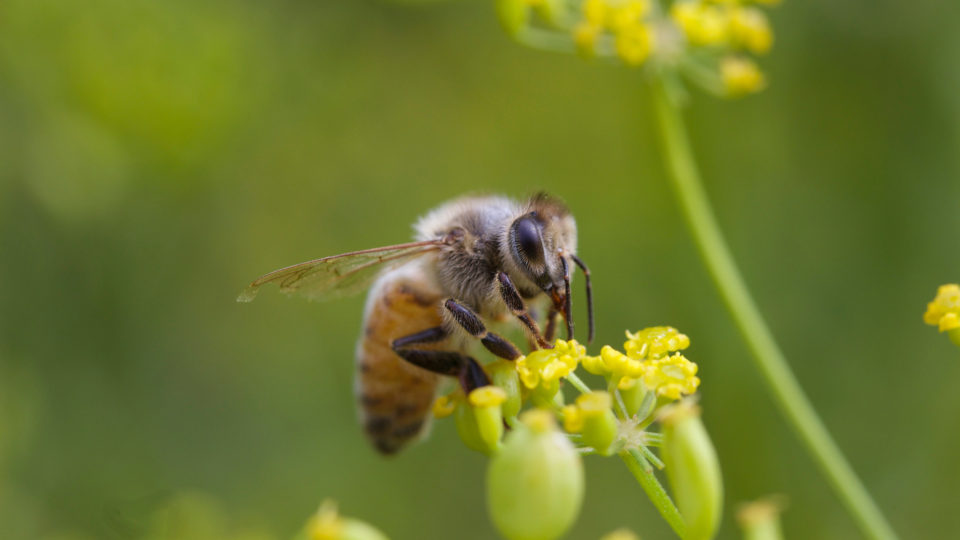
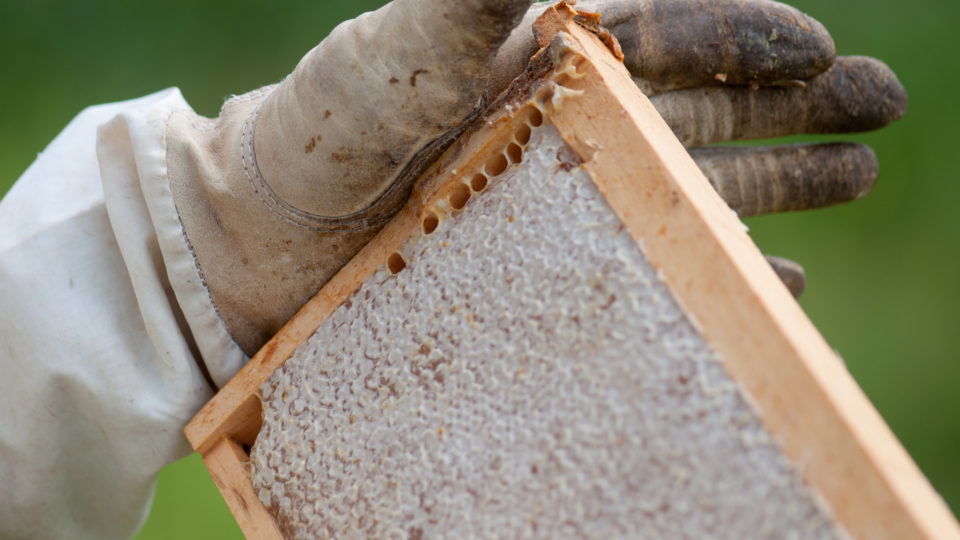
Domesticated honeybees are an essential part of our agricultural system, being responsible for one in every three bites of food Americans consume and contributing $15 billion a year to the value of the nation’s crop production.  Millions of bee colonies are trucked across the country every year to pollinate cranberries, melons, broccoli, blueberries, and cherries, and also to produce honey.

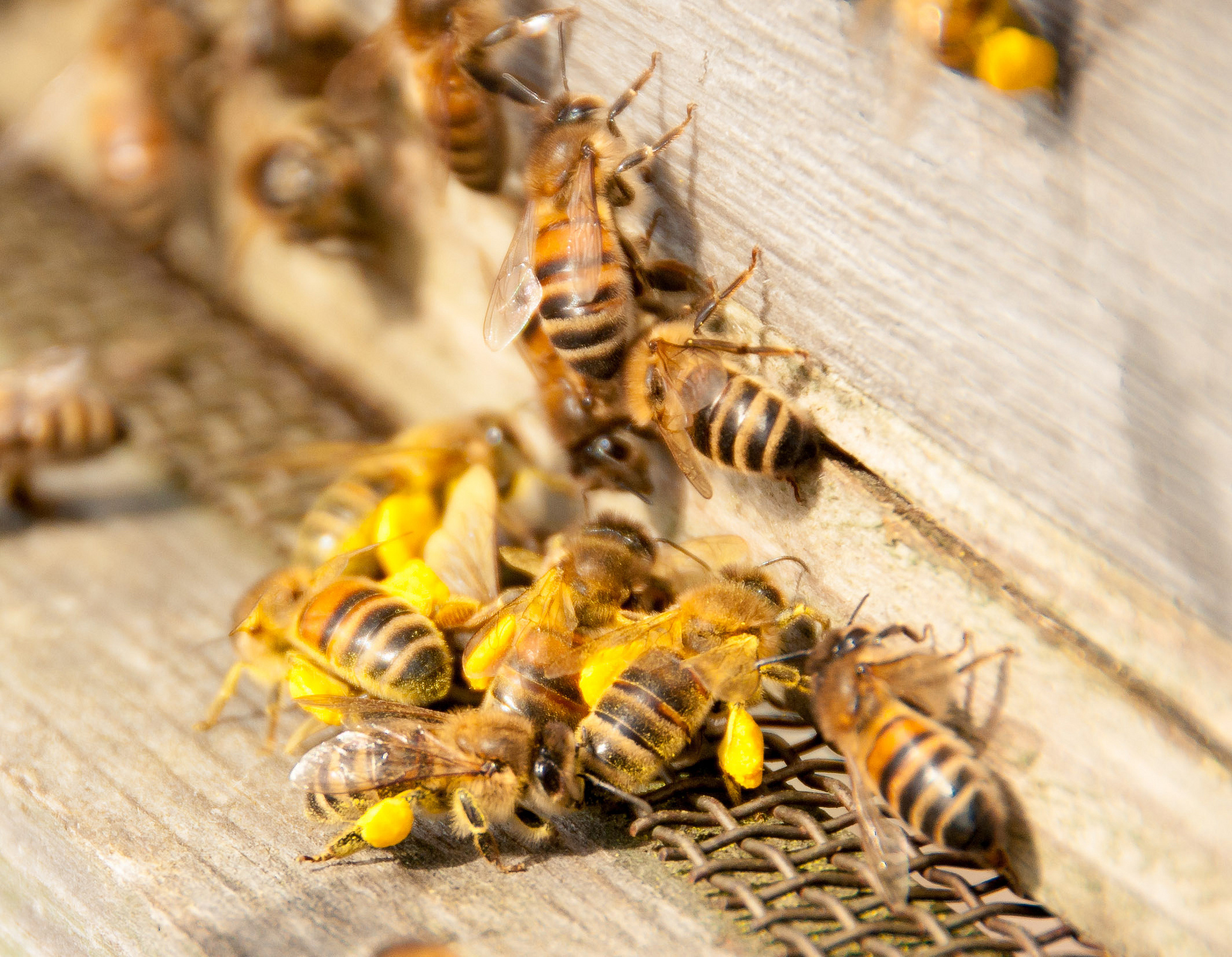
After the growing seasons, honeybees are trucked to various locations to rest and rebuild their population and to replenish bees lost to disease and pesticides.  Some of these locations are in national forests.  Thousands of hives belonging to 112 apiaries are currently permitted in national forests by the Department of Agriculture.  This presents a problem because these hives are being permitted on public lands with virtually no environmental review and with little consideration of the impact these colonies can have on local wild bee populations.

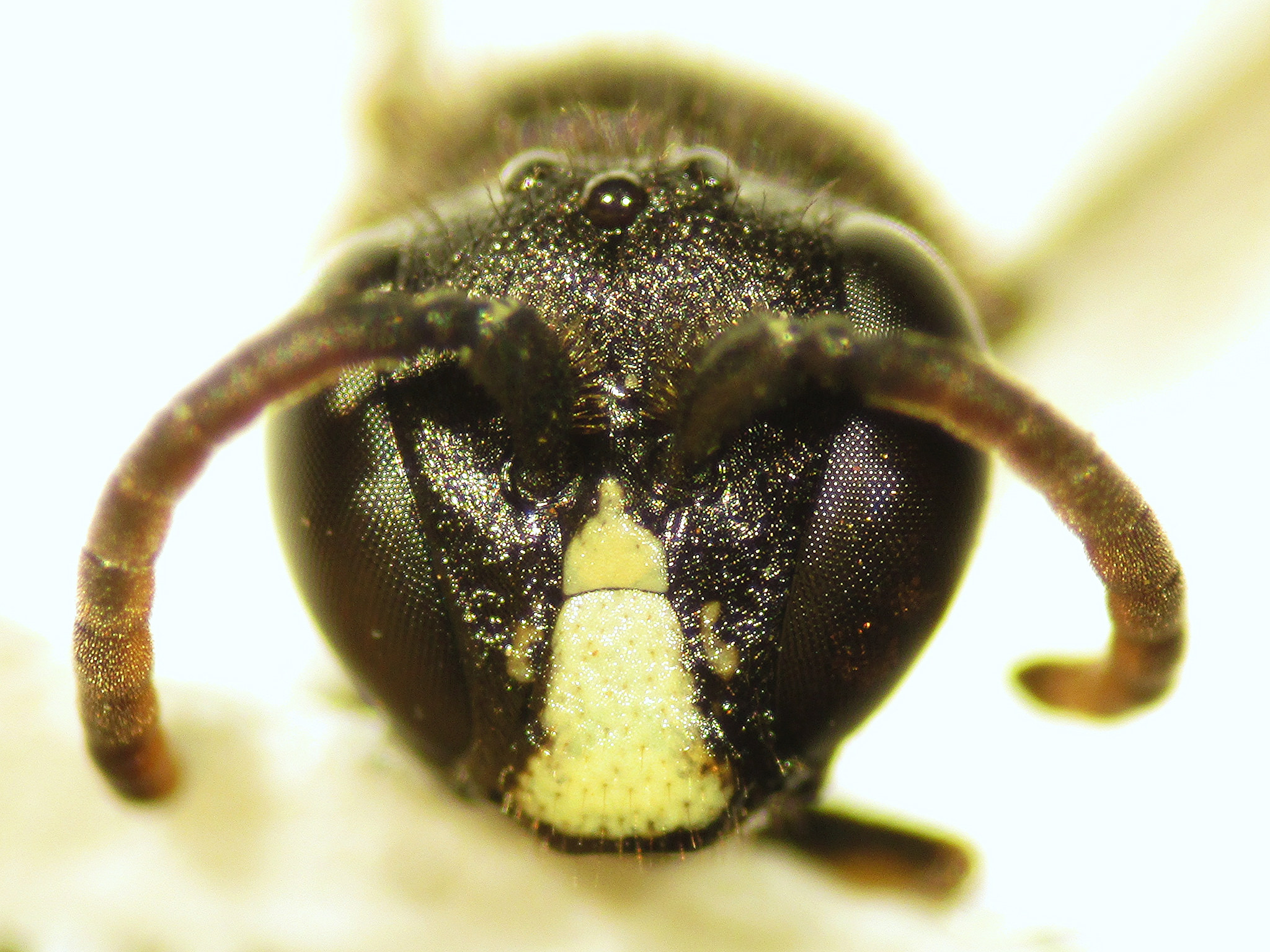
The 4,000 wild bee species in the U.S. consume up to 95% of local available pollen.  Nearly 40 federally listed threatened or endangered species of bees, butterflies, and flower flies depend on national forest land for their survival.  And now the pollinators in these places, which were once refuges for these species and others, increasingly face competition from millions of domesticated honeybees.

Honeybees are super-foraging machines and are literally taking the pollen out of the mouths of other bees and pollinators.  Honeybees themselves have been facing numerous problems from habitat loss, pesticides, and other stress factors.  So, what is happening is essentially a pollinator habitat crunch that carries long-term implications for the U.S. food supply.  We need to find some answers and the sooner the better.

**********

Web Links

Will Putting Honey Bees on Public Lands Threaten Native Bees?

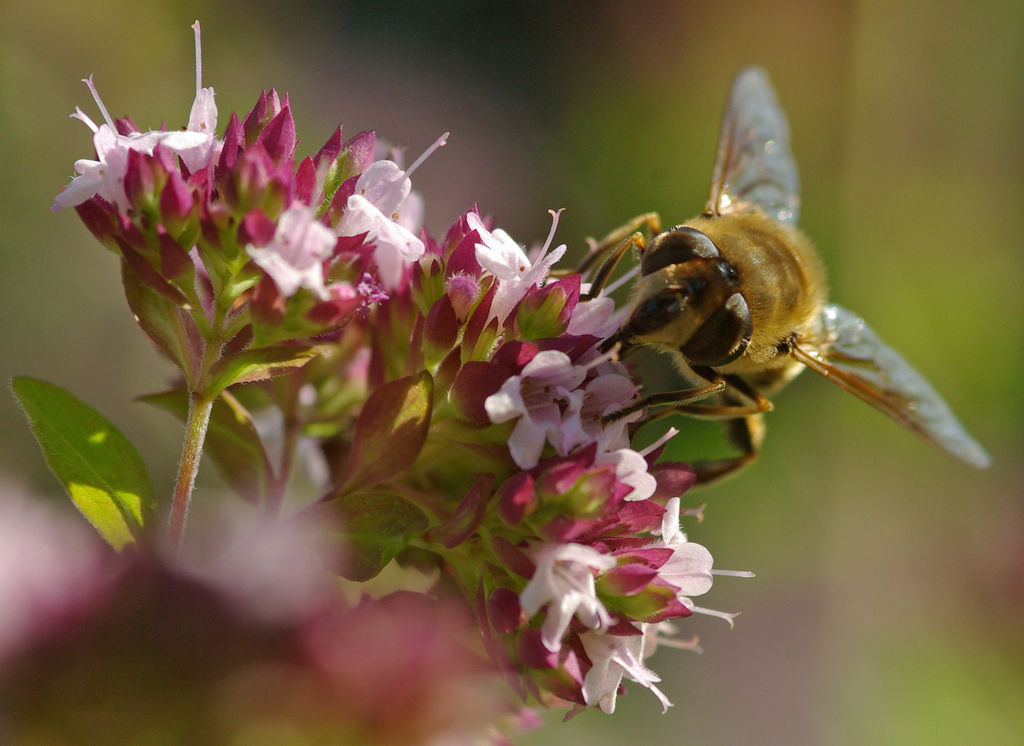
Photo, posted August 9, 2015, courtesy of Tak H. via Flickr.

Earth Wise is a production of WAMC Northeast Public Radio.
The Decline Of Pollinators Threatens Food Security | Earth Wise

August 24, 2020 By EarthWise Leave a Comment

Pollinator decline threatens food security

Scientists have been sounding the alarm on the global struggle of pollinators for many years.  According to a United Nations-sponsored report, 40% of invertebrate pollinator species, including bees and butterflies, are facing extinction.  Approximately 80% of all flowering plant species, which are responsible for 35% of global food production, depend on pollination. 

According to new research led by Rutgers University, crop yields for apples, blueberries, and cherries in the United States are being reduced by a lack of pollinators.  The study, the most comprehensive of its kind to date, found that crop production would be increased if crop flowers received more pollination.  In the U.S., the production of crops that depend on pollinators generates more than $50 billion a year.    

For the study, which was recently published in the journal Proceedings of the Royal Society B, researchers collected data on insect pollination of crop flowers and yield of apples, highbush blueberries, sweet cherries, tart cherries, almonds, watermelons, and pumpkins at 131 farms across the United States and British Columbia, Canada.  Four of those seven crops – apples, blueberries, sweet cherries, and tart cherries – showed evidence of being limited by pollination, meaning that their yields are lower than they would be with full pollination. 

The researchers observed that honey bees and wild bees provided similar amounts of overall pollination, so managing habitat for native bee species or stocking more honey bees would boost pollination levels and, in turn, crop production.

Bees and other pollinators play a critical role in food production, and their continued decline could have devastating consequences.

**********

Web Links

Decline of bees, other pollinators threatens US crop yields

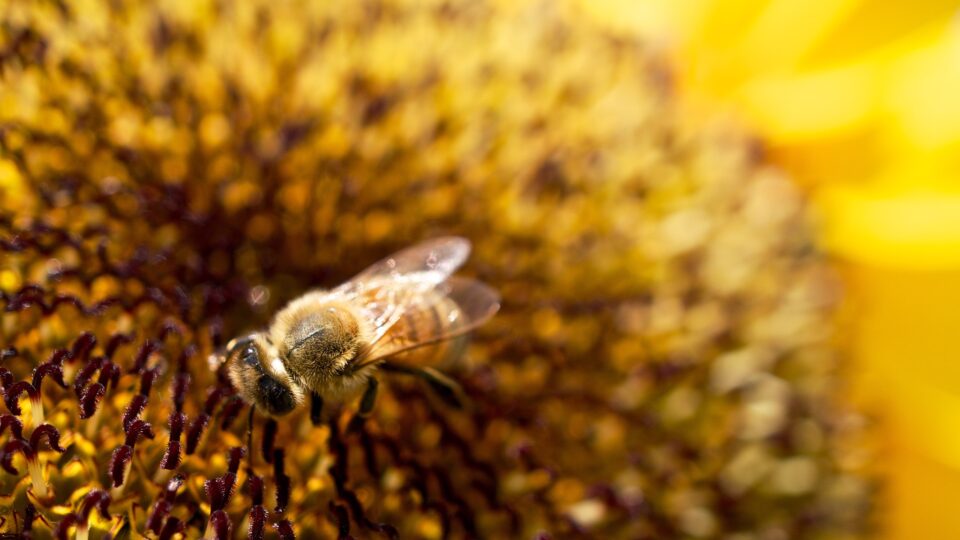
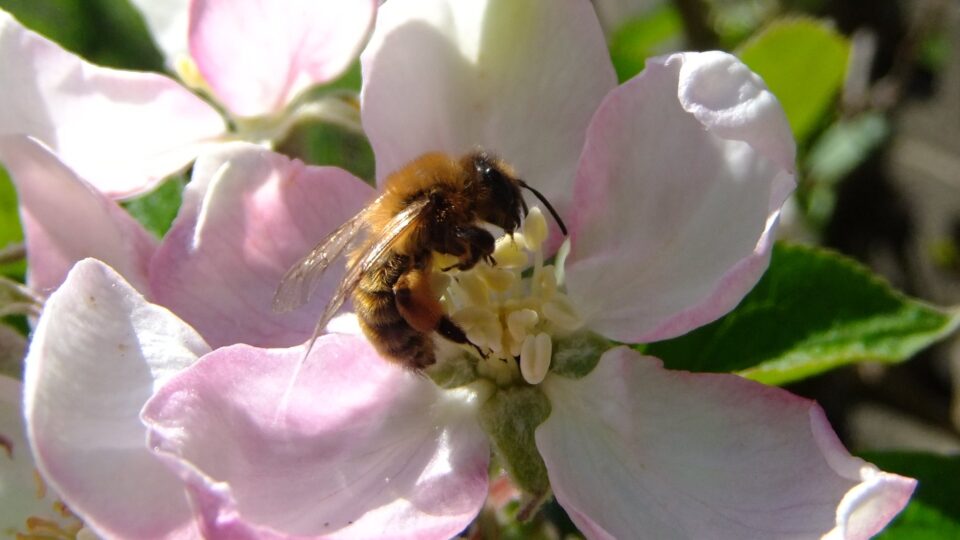
Photo, posted April 22, 2012, courtesy of Flickr.

Earth Wise is a production of WAMC Northeast Public Radio.
Is It Time to Ban Neonics?

May 10, 2018 By EarthWise Leave a Comment

https://earthwiseradio.org/wp-content/uploads/2018/05/EW-05-10-18-Time-to-Ban-Neonics.mp3

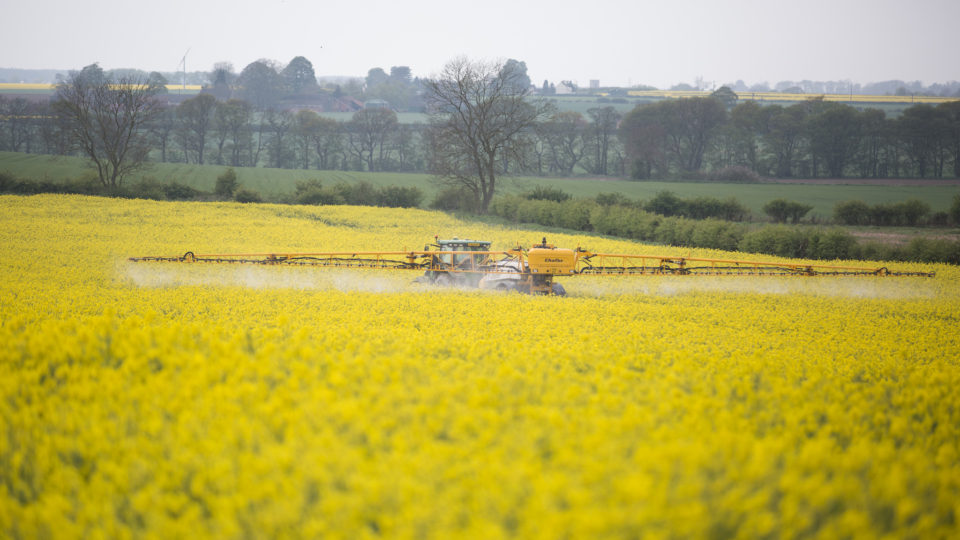
Neonicotinoids (or ‘neonics’ for short) are a class of insecticides chemically related to nicotine.  In fact, the name ‘neonicotinoid’ literally means “new nicotine-like insecticide.”  And like nicotine, neonics act on certain kinds of receptors in the nerve synapse.  Most corn, soy, and wheat seeds planted today are coated with neonics, which is reportedly 5,000 to 10,000 times more toxic than DDT. 

[Read more…] about Is It Time to Ban Neonics?

Pesticides And Bees

March 22, 2018 By EarthWise Leave a Comment

https://earthwiseradio.org/wp-content/uploads/2018/03/EW-03-22-18-Pesticides-and-Bees.mp3

According to a European food safety watchdog, most applications of neonicotinoids – the world’s most widely used insecticides – represent a risk to wild bees and honeybees.  The use of these insecticides has been restricted in Europe since 2014 following earlier risk assessments. 

[Read more…] about Pesticides And Bees

Neonics And Honey

November 16, 2017 By EarthWise Leave a Comment

https://earthwiseradio.org/wp-content/uploads/2017/11/EW-11-16-17-Neonics-and-Honey.mp3

The use of neonicotinoid pesticides or neonics has long been suspected as harmful to bees and a major factor in the widespread decline of honeybee and wild bee populations.  A study published in Science last June provided strong evidence that neonics are indeed a real problem for bees.

[Read more…] about Neonics And Honey

Saving Bees With Software

April 11, 2017 By EarthWise

https://earthwiseradio.org/wp-content/uploads/2017/04/EW-04-11-17-Saving-Bees-with-Software.mp3

The worldwide decline in the population of bees and other pollinators has impelled farmers to do what they can to encourage and nurture bees on their land.  Protecting bees is important because pollinators are essential for growing many foods including coffee, cacao, almonds and many other fruits and vegetables.

[Read more…] about Saving Bees With Software

Endangered Bees

October 27, 2016 By WAMC WEB

https://earthwiseradio.org/wp-content/uploads/2016/10/EW-10-27-16-Endangered-Bees.mp3

It’s no secret that pollinators around the world are under threat.  According to a U.N. sponsored report released earlier this year, 40% of invertebrate pollinator species, such as bees and butterflies, are facing extinction.  And since approximately 75% of the world’s food crops depend on pollination, the decline of these pollinators poses a major threat to food worldwide. 

[Read more…] about Endangered Bees

Wild Bee Loss Puts Crops At Risk

January 27, 2016 By WAMC WEB

https://earthwiseradio.org/wp-content/uploads/2016/01/EW-01-27-16-Bee-Map.mp3

Between 2008 and 2013, the United States lost nearly a quarter of its wild bees. Some 39% of our nation’s croplands rely on pollinators. Important farming regions – from California’s Central Valley to the Midwest’s Corn Belt – are among the areas grappling with wild bee declines.

[Read more…] about Wild Bee Loss Puts Crops At Risk

Primary Sidebar

Recent Episodes

  • An uninsurable future
  • Clean energy and jobs
  • Insect declines in remote regions
  • Fossil fuel producing nations ignoring climate goals
  • Trouble for clownfishes

WAMC Northeast Public Radio

WAMC/Northeast Public Radio is a regional public radio network serving parts of seven northeastern states (more...)

Copyright © 2026 ·