• Skip to primary navigation
  • Skip to main content
  • Skip to primary sidebar

Earth Wise

A look at our changing environment.

  • Home
  • About Earth Wise
  • Where to Listen
  • All Articles
  • Show Search
Hide Search
You are here: Home / Archives for study

study

Carbon dioxide and wildfires

May 14, 2024 By EarthWise Leave a Comment

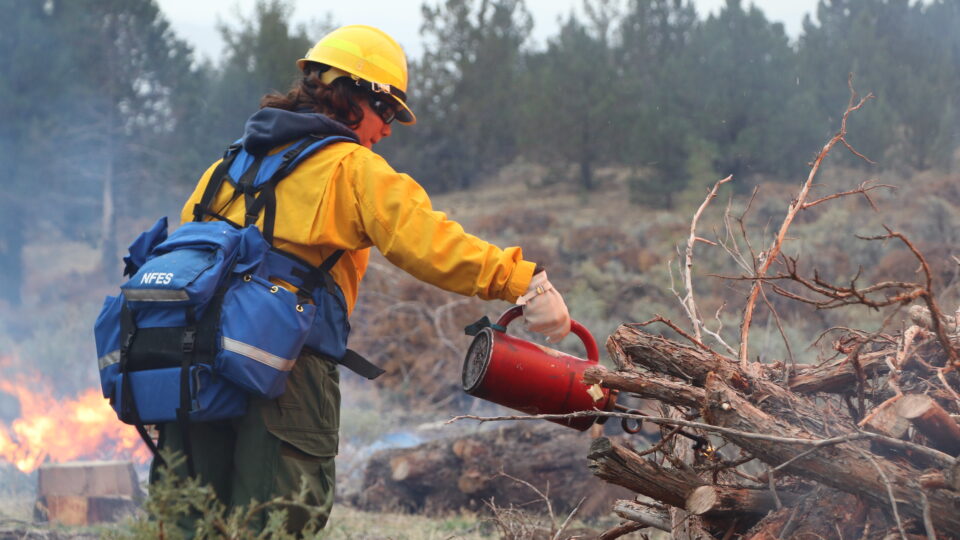
Rising carbon dioxide levels are fueling wildfires

Climate change is a key factor in the increasing risk and extent of wildfires.  Wildfires require the alignment of several factors, including humidity, temperature, and the lack of moisture in fuels, such as trees, shrubs, and grasses.  All of these factors have strong ties to climate variability and climate change.

While the global surge in wildfires is often attributed to hotter and drier conditions, a new study by researchers from the University of California – Riverside has found that increasing levels of a greenhouse gas may be an even bigger factor. 

According to the study, which was recently published in the journal Communications Earth & Environment, carbon dioxide is driving an increase in the severity and frequency of wildfires by fueling the growth of plants that become kindling.

Centuries of burning fossil fuels to produce heat, electricity and to power engines has added alarming amounts of carbon dioxide to the atmosphere.  In fact, atmospheric CO2 levels are measuring more than 420 parts per million, which is a level not seen on earth for 14-16 million years. 

Plants require carbon dioxide, along with sunlight and water, for photosynthesis.  But rising levels of CO2 in the atmosphere are driving an increase in plant photosynthesis – an effect known as the carbon fertilization effect.  This effect can make plants grow bigger and faster. 

Warming and drying are important fire factors.  These are the conditions that make the extra plant mass more flammable.  But the study found that the increase in fires during hotter seasons is driven by the CO2-fueled growth of plants.   

The researchers hope their findings will urge policymakers to focus on reducing carbon dioxide levels in the atmosphere.

********** 

Web Links

CO2 worsens wildfires by helping plants grow

Current carbon dioxide levels last seen 14 million years ago

Photo, posted January 17, 2024, courtesy of Jennifer Myslivy, BLM Fire/NIFC via Flickr.

Earth Wise is a production of WAMC Northeast Public Radio
Where not to plant trees

May 10, 2024 By EarthWise Leave a Comment

Tree plantings are not always a good thing

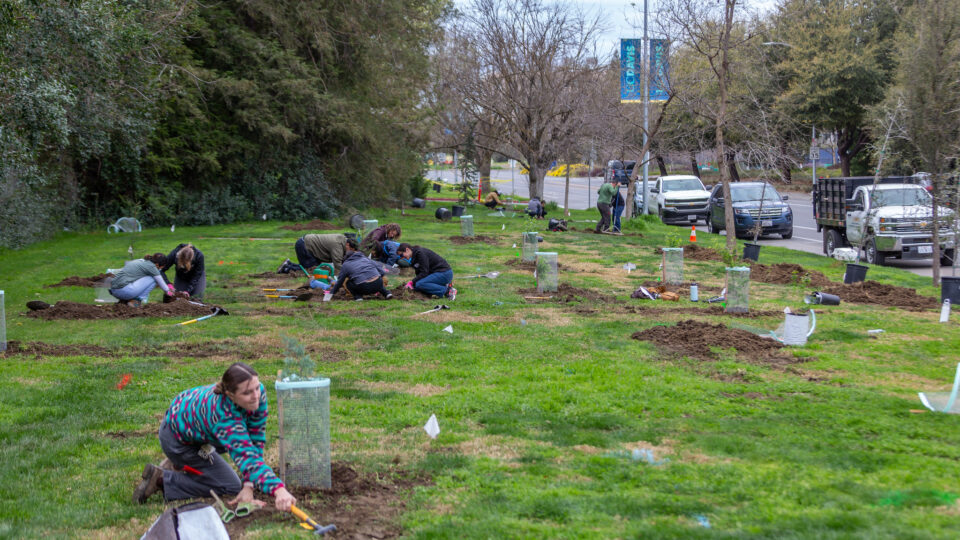
Planting huge numbers of trees is often proposed as a way to reduce the severity of climate change.  Studies have looked at the potential for Earth‘s ecosystems to support large additional areas of forest and have found that it would be possible to have at least 25% more forested area than we do now.  This in turn could capture large amounts of carbon and substantially reduce the amount in the atmosphere.

A recent study by researchers at Clark University in Massachusetts and The Nature Conservancy mapped the climate impact of tree planting across the globe, identifying where it would be most and also least beneficial.  The study, published in Nature Communications, found that trees planted in arid, desert regions or in snowy places like the Arctic would, on balance, worsen warming rather than reduce it.

Trees take up carbon dioxide from the atmosphere, which helps to keep warming in check.  But trees with dark, green leaves also absorb heat from sunlight.   Snow and desert sand, on the other hand, are light-colored and reflect more sunlight back into space.  For this reason, trees planted in snowy areas or in the desert will absorb more sunlight than their surroundings.  This can negate the climate benefits of soaking up carbon dioxide.

Previous studies only looked at how much carbon dioxide would be removed by planting trees in order to determine how much warming would be prevented.  The new study finds that it matters where the trees are planted.

Fortunately, the new study also shows that tree planting projects that are currently underway or that are in the pipeline are largely concentrated in regions where they will indeed help slow global warming.

**********

Web Links

This Map Shows Where Planting Trees Would Make Climate Change Worse

Photo, posted April 5, 2022, courtesy of UC Davis Arboretum and Public Garden via Flickr.

Earth Wise is a production of WAMC Northeast Public Radio

Major species turnover forecasted for North American cities

May 2, 2024 By EarthWise Leave a Comment

Major species turnover is forecasted for cities in North America

Climate change affects animal species in many ways.  It induces habitat loss, disrupts migration and breeding patterns, threatens marine life, and facilitates an increased spread of disease.  It may also affect where animals can be found in the future. 

According to a new study led by researchers from the University of Toronto Mississauga and Apex Resource Management Solutions in Canada, climate change may dramatically affect the animal species observed in North American cities by the end of the century.

The researchers used species distribution data combined with machine learning to study the impact of human-caused climate change on more than 2,000 animal species historically found in the 60 most populous North American cities. 

According to the research team, changes in biodiversity are brewing for almost every city it studied by the year 2100.  In fact, cities with a rich history of biodiversity are predicted to have the largest declines and fewest gains in species. Cooler and wetter cities like Quebec, Ottawa, Winnipeg, Kansas City, and Omaha are expected to welcome the most new species.  Warmer cities with higher precipitation – like cities in coastal California – are projected to lose the most species. 

More than 95% of bird and insect species are predicted to experience a change in the number of cities they call home.  Canines, most amphibians, and aquatic birds are expected to experience the greatest losses.  Toads, turtles, mice and pelicans are projected to become more common overall. 

The researchers hope their findings will encourage more efforts to protect biodiversity.

**********

Web Links

North American cities may see a major species turnover by the end of the century

Photo, posted September 29, 2013, courtesy of Jonathan Kriz via Flickr.

Earth Wise is a production of WAMC Northeast Public Radio

Climate change and Antarctic meteorites

May 1, 2024 By EarthWise Leave a Comment

Researchers from Switzerland and Belgium have investigated the effects of the warming climate on access to meteorites in Antarctica.  Meteorites are of great scientific interest because they provide unique information about the makeup of our solar system.  Of all the meteorites that people have found, 62.6% of them were found in Antarctica.

Why is this?  It is not because more meteorites land in Antarctica.  Statistically, they can land anywhere on earth.  Most end up in the ocean since the world’s oceans cover 70% of the planet. 

Meteorites in Antarctica are more visible because environmental conditions are favorable for their preservation and their visibility.  The arid and cold Antarctic environment helps to preserve meteorites and the lack of rocks and contrast with ice makes spotting meteorites much easier.  The flow of ice sheets tends to concentrate meteorites in so-called meteorite stranding zones where the dark colored space rocks can be easily detected.

There are an estimated 300,000 to 800,000 meteorites in Antarctica.  When meteorites warm up, they can transfer heat to the ice, which locally melts.  Eventually, the meteorites sink beneath the surface.  A recent study using satellite imagery, climate model projections, and AI predicts that for every tenth of a degree of increase in global air temperature, an average of 9,000 meteorites in Antarctica will disappear from the surface and will no longer be able to be found. 

The study estimates that a quarter of Antarctic meteorites will be lost to glacial melt by 2050.  If warming continues to accelerate, closer to three-quarters of the meteorites on the continent will be lost. 

**********

Web Links

Climate change threatens Antarctic meteorites

Photo, posted April 21, 2005, courtesy of Kevin Walsh via Flickr.

Earth Wise is a production of WAMC Northeast Public Radio

Forever chemicals in water

April 23, 2024 By EarthWise Leave a Comment

So-called forever chemicals are pervasive in a wide range of products.  These are man-made substances called per- and polyfluoroalkyls or PFAS.  They get their unfortunate nickname because the chemical bonds in them are so strong that the compounds don’t break down for hundreds or even thousands of years.

PFAS compounds are used in makeup, dental floss, nonstick pans, food wrappers, pesticides, stain-resistant fabrics and carpets, firefighting foams, and more.  High level exposure to some of these chemicals has been linked to a variety of health problems include high cholesterol, liver and immune system damage, pregnancy problems, and kidney and testicular cancer.

A recent study published in the journal Nature Geoscience has found that PFAS chemicals are showing up in water around the world.  The study looked at more than 45,000 water samples and found that about 31% of ground water tested that wasn’t even near any obvious source of PFAS contamination had levels of the chemicals that are considered harmful to human health by the EPA.  About 16% of surface water samples – streams, rivers, ponds, and lakes – also not near any known source, had similar hazardous PFAS levels.

The EPA has now imposed strict new drinking water limits for six types of PFAS.  Going forward, water systems are required to monitor for these chemicals and remove them if they are found above allowable levels.  The new rules make the United States one of the strictest countries in the world in terms of regulating PFAS in water.

**********

Web Links

EPA puts limits on ‘forever chemicals’ in drinking water

Photo, posted May 5, 2020, courtesy of Brandon Shaw via Flickr.

Earth Wise is a production of WAMC Northeast Public Radio
Sequoias in Britain

April 16, 2024 By EarthWise Leave a Comment

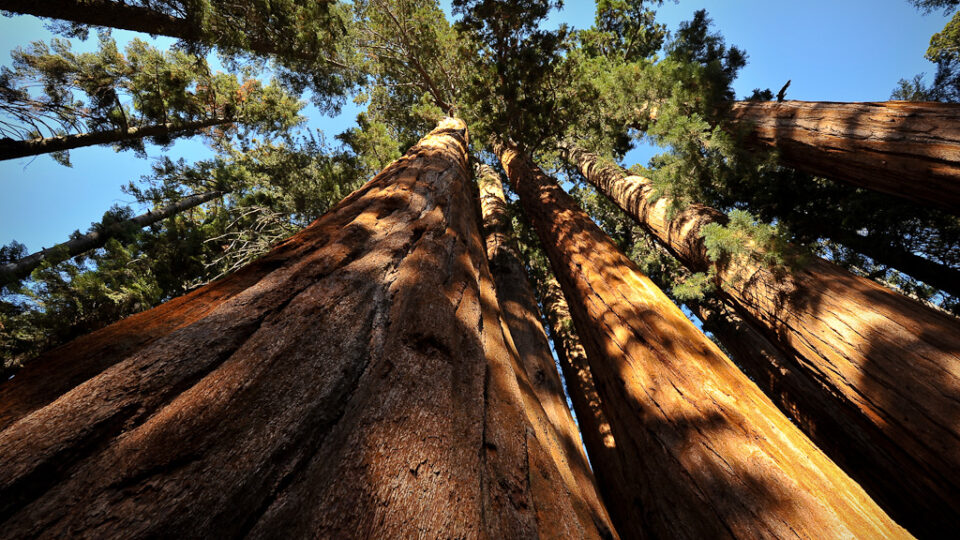
Giant sequoias are the most massive trees on earth.  They can grow as tall as nearly 300 feet and have trunk diameters from 20 to 26 feet.  They are also among the oldest living organisms on Earth; some of them are well over 3,000 years old.  The trees are native to the western slopes of the Sierra Nevada mountain range in California.

Lengthy droughts and wildfires have been pushing giant sequoias in California into decline.  Up to 20% of all large giant sequoias in California died in wildfires in 2020 and 2021.  There are estimated to be only about 80,000 remaining in the native groves in the Sierra Nevada.  These old-growth forests are very much in jeopardy and represent rare ecosystems of considerable ecological and historical value.

Giant sequoias have been planted in many places around the world.  They were introduced to country estates in Britain during the 19th century.  They were seen as symbols of wealth and power.  Over time, they have been widely planted in parks and woodlands.   As a result, there are now half a million giant sequoias growing in Britain and they are thriving there.

The British sequoias are rather young by sequoia standards, so they are relatively squat in stature.  The tallest of them measures about 180 feet.  But recent research, published in the journal Royal Society Science, found that in Britain’s cool and mild climate, the trees are growing nearly as fast as they do in California. 

The British sequoias are probably more important for their aesthetic and historical interest than their impact on the environment, but it is good to know they are there.

**********

Web Links

Under Threat in Their Native California, Giant Sequoias Are Thriving in Britain

Photo, posted November 4, 2010, courtesy of John Buie via Flickr.

Earth Wise is a production of WAMC Northeast Public Radio
The health impacts of gas venting and flaring

April 15, 2024 By EarthWise Leave a Comment

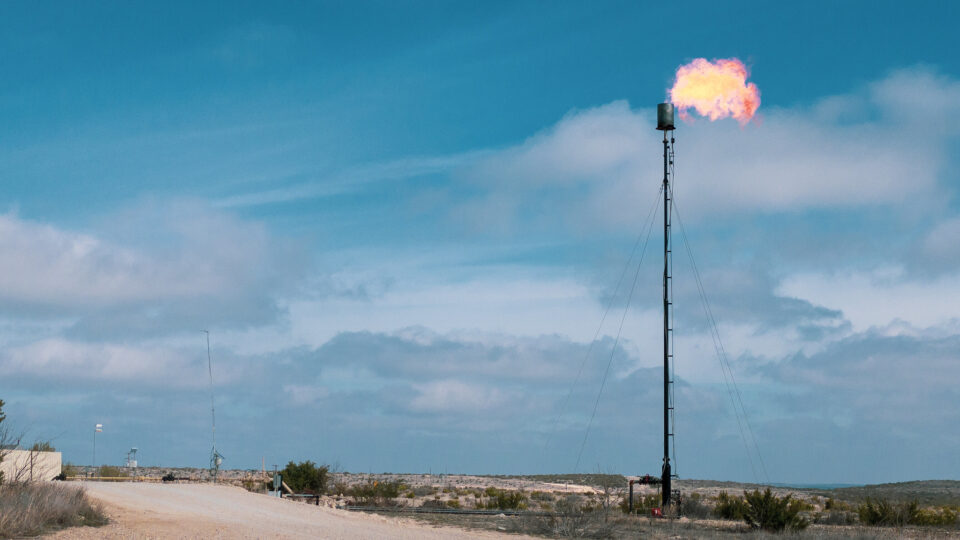
Oil and gas producers around the world use venting and flaring to remove excess natural gas in crude oil production.  Flaring is the process of burning excess natural gas at the production well using a flare to ignite the methane and other components in the gas, while venting is the direct release of natural gas into the atmosphere. 

Both practices are major sources of greenhouse gas emissions contributing to global warming.   Venting and flaring release carbon dioxide and methane – two major greenhouse gases. 

The practices contribute to air pollution in surrounding and downwind communities, resulting in increased risk of hospitalizations, emergency room visits, worsening asthma, and even premature death.  In fact, according to a new study recently published in the journal GeoHealth, pollution from oil and gas venting and flaring results in $7.4 billion in health damages, more than 700 premature deaths, and 73,000 asthma exacerbations among children in the United States annually. 

The study, which was led by researchers at the University of North Carolina, Boston University, and the Environmental Defense Fund, also found that emissions are underreported, and controlling emissions would be profitable for operators and would significantly improve public health.

The research team found that Texas, Pennsylvania, and Colorado had the highest health burdens in this analysis, accounting for 45% of the premature deaths. 

The researchers hope their findings will help improve air quality and human health by reducing emissions from venting and flaring. 

**********

Web Links

New study quantifies health impacts from oil and gas flaring in U.S. 

Photo, posted June 20, 2020, courtesy of Jonathan Cutrer via Flickr.

Earth Wise is a production of WAMC Northeast Public Radio
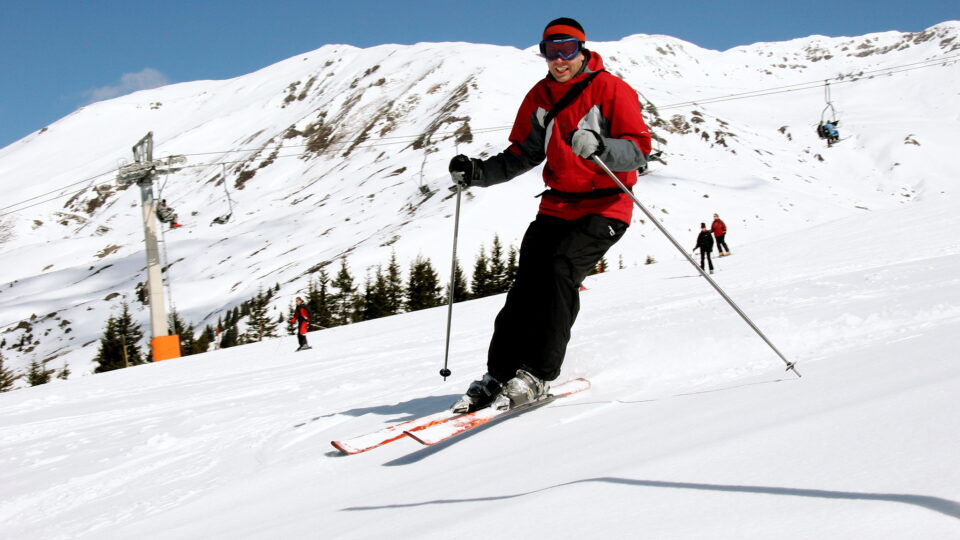
Skiing and climate change

April 12, 2024 By EarthWise Leave a Comment

Climate change threatens the future of skiing

According to the National Oceanic and Atmospheric Administration, anthropogenic climate change resulting in higher average temperatures has caused a global decline in snowfall.  Less snow threatens to reinforce global warming, and to disrupt food, water, and livelihoods for billions of people.  

According to a new study recently published in the journal PLOS ONE, annual snow cover days in all major skiing regions are projected to decrease dramatically as a result of climate change.  In the study, the research team from the University of Bayreuth in Germany examined the impact of climate change on annual natural snow cover in seven major skiing regions.  Using the public climate database CHELSA, the researchers predicted annual snow cover days for each ski area for 2011-2040, 2041-2070, and 2071-2100 under low, high, and very high carbon emissions scenarios.

Under the high emissions scenario, 13% of ski areas are predicted to lose all natural snow cover by 2071-2100 relative to their historic baselines.  By 2071-2100, average annual snow cover days were predicted to decline by 78% in the Australian Alps, 51% in the Southern Alps, 50% in the Japanese Alps, 43% in the Andes, 42% in the European Alps, 37% in the Appalachians, and 23% in the the Rocky Mountains – all declines relative to their historic baselines.

The future losses of natural snow cover in ski areas around the world will be significant if global emissions continue unchecked.

**********

Web Links

The future is likely less skiable, thanks to climate change

New maps show where snowfall is disappearing

Photo, posted April 14, 2006, courtesy of Kallu via Flickr.

Earth Wise is a production of WAMC Northeast Public Radio
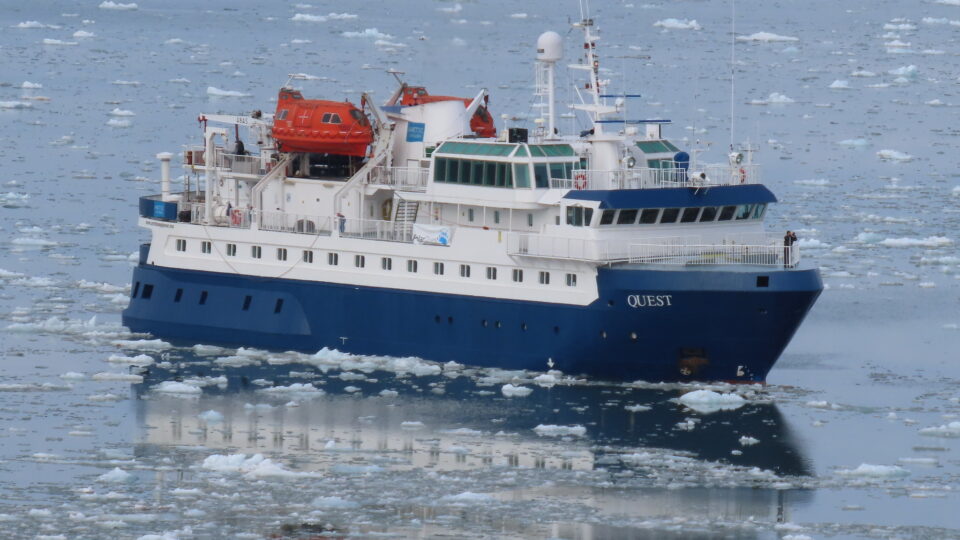
An ice-free Arctic

April 9, 2024 By EarthWise Leave a Comment

A future ice-free Arctic is very likely as the climate warms

According to a new study by Colorado University, Boulder, the Arctic could see summer days with practically no sea ice as soon as sometime in the next few years.  Earlier predictions for when the first ice-free day in the Arctic could occur were sometime well into the 2030s.

By mid-century, the Arctic is likely to see an entire month without floating sea ice.  This would likely be in September, when ice coverage is at its minimum.  By the end of the century, the ice-free season could last for many months during the year.

Technically, an ice-free Arctic does not mean zero ice in the water.  The working definition is less than 386,000 square miles of ice, which represents less than 20% of what the minimum ice coverage was in the 1980s. In recent years, the coverage has been about 1.25 million square miles.

Sea ice coverage is a big deal because many Arctic animals rely on sea ice for survival, including seals and polar bears.  With warmer ocean water, invasive fish species could move into the Arctic Ocean, upsetting local ecosystems.  Sea ice loss also is a risk for coastal communities because the ice buffers the impact of ocean waves on the coastal land.  As the ice retreats, ocean waves would get bigger, eroding the coasts.

At this point, an ice-free Arctic is basically inevitable, but its annual duration will depend on society’s efforts to reduce carbon emissions.  Lengthy periods of minimal sea ice would transform the Arctic into a completely different environment with global effects that are mostly highly undesirable.  However, Arctic sea ice is resilient and could return fairly quickly if the atmosphere cools down.

**********

Web Links

The Arctic could become ‘ice-free’ within a decade

Photo, posted July 9, 2022, courtesy of Reiner Ehlers via Flickr.

Earth Wise is a production of WAMC Northeast Public Radio
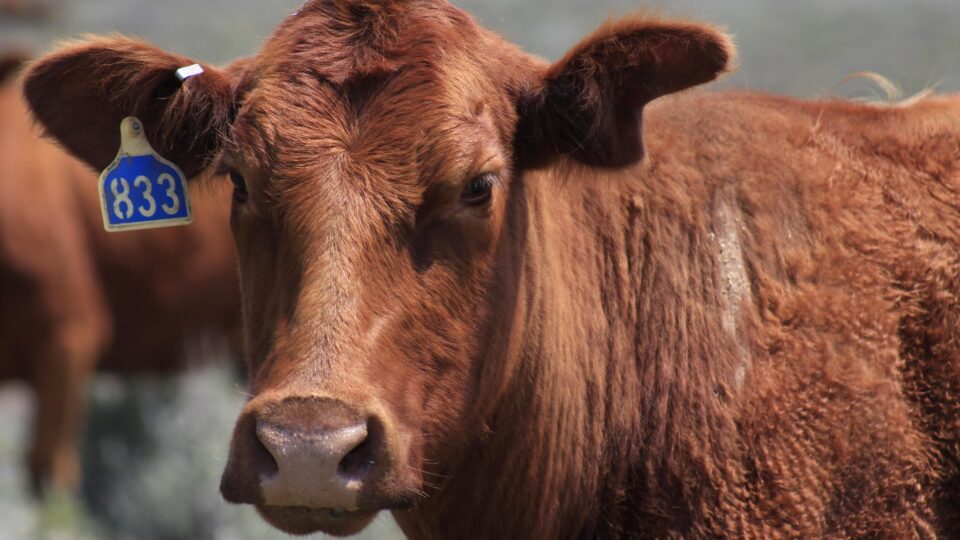
Energy efficient cows

April 5, 2024 By EarthWise Leave a Comment

Livestock production – primarily cows – produce nearly 15% of global greenhouse gas emissions, mostly in the form of methane emitted by burping caused by the way they process food.  A single cow produces roughly 200 pounds of methane gas per year and there are 1.5 billion heads of cattle in the world.

Researchers at Penn State University have found that supplementing the feed of high-producing dairy cows with the botanical extract capsicum oleoresin – a substance obtained from chili peppers – or a combination of that extract and clove oil resulted in the animals using feed energy more efficiently. 

Adding these substances – which are commonly called essential oils – to the cattle’s feed results in improved efficiency of energy utilization.  It is known that botanicals have the potential to modify fermentation in the cow’s largest stomach – called the rumen.

There have been previous studies for many years adding substances to dairy cow feed – such as seaweed, garlic, and oregano – in an effort to improve milk production and reduce environmental emissions from dairy farms.

The Penn State study was actually not specifically aimed at methane reduction but rather to better use the available energy from the feed to gain body weight.  However, the researchers found that the yield and intensity of methane from the cows in the study were decreased by 11% by the combination of capsicum oleoresin and clove oil.

Botanicals have shown a wide range of anti-microbial properties against bacteria, protozoa, and fungi, as well as being potential rumen modifiers in cattle.  The new study represents an interesting approach to improve the metabolism of dairy cows.

**********

Web Links

Dairy cows fed botanicals-supplemented diets use energy more efficiently

Photo, posted April 9, 2012, courtesy of Aimee Brown / OSU via Flickr.

Earth Wise is a production of WAMC Northeast Public Radio
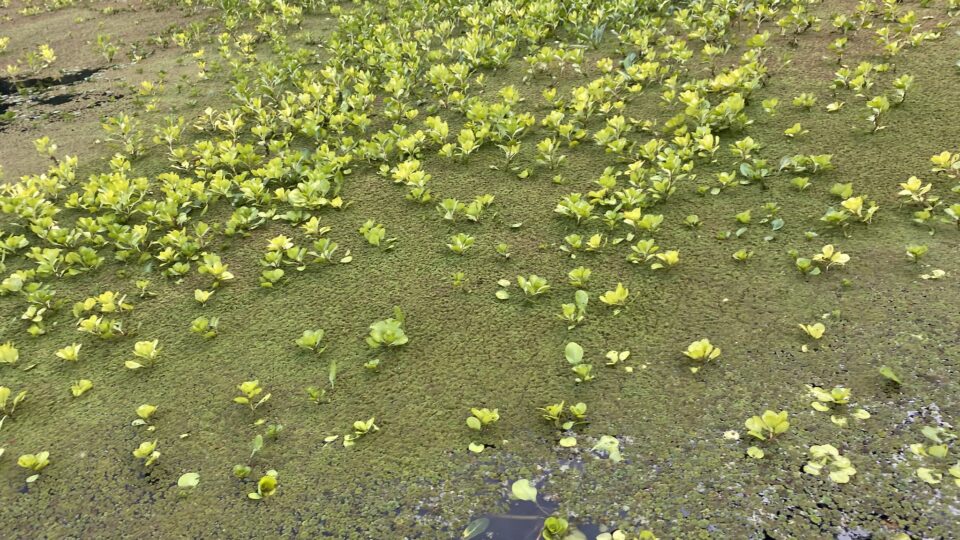
A common plant could be a valuable food source

April 4, 2024 By EarthWise Leave a Comment

A common plant could boost food security in a hungry world

A new study by researchers at Penn State University has found that a common water plant in the eastern U.S. could be a valuable green fertilizer, a feed for poultry and livestock, and even a life-saving food for people in the event of a catastrophe or disaster.

The plant is the Carolina azolla.  It is sometimes called mosquito fern, fairy moss, or water fern. It is a water plant that grows very rapidly; it can double its biomass in two days.   There are many varieties of azolla, but the Carolina strain is more digestible and nutritious for people than any of the others.

Azolla species have been used across the world for centuries as a livestock feed and as a fertilizer.  They have not been good for human consumption because of high polyphenolic content, which can be 10 times more than that of common food plants.  Polyphenols are abundant compounds in many plants and, in low concentrations, are beneficial antioxidants.  But in high concentrations they act as antinutritional agents.

It turns out that the Carolina azolla – described as having a crisp texture and neutral taste – has a polyphenolic content comparable to many fruits, nuts, and vegetables.  Furthermore, cooking significantly decreases the polyphenolic content in foods.

Carolina azolla has significant nutritional value including high mineral yields and calories,  and moderate protein content.  Whether it is used as a quick-fix in a disaster situation or as part of a long-term resilience plan, the study concludes that Carolina azolla holds excellent potential for use as a fast-growing, short-season crop that requires minimal effort to grow and process and could be used to increase food security in a hungry world.

**********

Web Links

Common plant could help reduce food insecurity, researchers find

Photo, posted October 8, 2020, courtesy of Dana L. Brown via Flickr.

Earth Wise is a production of WAMC Northeast Public Radio
Cyber protection for apple orchards

April 2, 2024 By EarthWise Leave a Comment

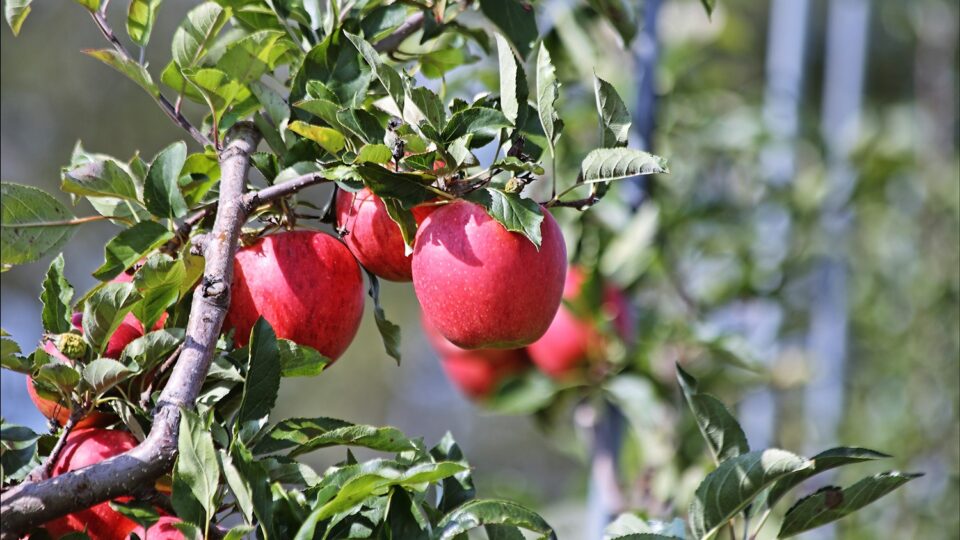
How best to protect apple orchards as weather changes

Spring frosts represent a real danger for apple orchards.  The changing climate has brought about periods of unusually warm weather at times early in the year that have caused trees and other flowering plants to bloom early.  For apple growers, this has made their orchards more susceptible to the damaging effects of extreme cold events.

Apple growers attempt to prevent this damage by heating the canopies of their orchards, but these efforts tend to be inefficient.  Applying heat is one of the most effective methods to prevent apple flower bud damage, but it is difficult to determine when and where to apply heat in orchards.

Researchers at Penn State University have developed a frost-protection cyber-physical system that autonomously makes heating decisions based on real-time temperature and wind-direction data.  Their system includes a temperature-sensing device, a propane-fueled heater that adjusts the direction where it provides heat, and an unmanned ground vehicle that moves the system through an apple orchard.

The results of tests of the system were published in the journal Computers and Electronics in Agriculture, and the findings show that it greatly reduced damage to apple tree buds in tests conducted at low temperatures, doubling or tripling the amount of time that trees were protected.

The equipment used for the study mostly consisted of off-the-shelf parts and cost about $5,000, most of which was for the vehicle.   The researchers envision that even a very large orchard could be protected by multiple units guided by an aerial drone monitoring canopy temperatures. Further research will aim to bring the technology to point where it can enter the marketplace and be available to apple growers.

**********

Web Links

Cyber-physical heating system may protect apple blossoms in orchards

Photo, posted September 6, 2017, courtesy of Sue Thompson via Flickr.

Earth Wise is a production of WAMC Northeast Public Radio

Small changes can yield big results

March 29, 2024 By EarthWise Leave a Comment

Small changes in diet can yield big results for the planet

Global food production is one of the largest contributors to climate change.  In fact, one-quarter of the world’s greenhouse gas emissions result from food production and agriculture.  Be that as it may, we still have to eat.  But what we choose to eat has a major impact on the environment.

According to a new study by researchers at McGill University in Canada and the London School of Hygiene & Tropical Medicine in the U.K., partially replacing red and processed meat with plant-based proteins can increase lifespan and mitigate climate change. 

In the study, which was recently published in the journal Nature Food, the researchers drew data from a national nutrition survey to analyze Canadians’ dietary records. The study modeled partial replacements (25% and 50%) of either red and processed meat or dairy with plant protein foods like nuts, seeds, legumes, and tofu, on a combination of nutrition, health, and climate outcomes.

In the study, the researchers found that a person’s diet-related carbon footprint plummets by 25% when they replace half of their intake of red and processed meats with plant protein foods. However, dairy substitutions showed smaller reductions of up to just 5%.

Meat and dairy-rich diets are known to increase the risk of heart disease, diabetes, and certain cancers. The researchers also estimated that if half of the red and processed meat in a person’s diet was replaced with plant protein foods, life expectancy would increase nearly nine months on average, due to a reduced risk of chronic disease.

The research team hopes its findings will help people make healthier and more sustainable food choices. 

**********

Web Links

Food production is responsible for one-quarter of the world’s greenhouse gas emissions

Small dietary changes can cut your carbon footprint by 25%

Photo, posted November 24, 2019, courtesy of Theo Crazzolara via Flickr.

Earth Wise is a production of WAMC Northeast Public Radio
Shrinking African glaciers

March 27, 2024 By EarthWise Leave a Comment

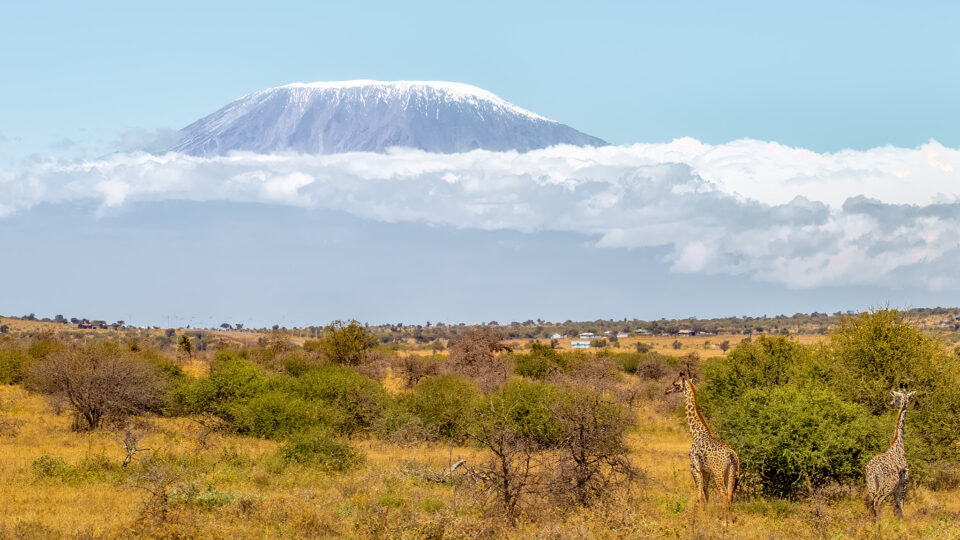
We don’t usually associate Africa with glaciers, but the continent has had glaciers on its highest peaks for the past 10,000 to 15,000 years.  Africa’s glaciers are found in three regions:  the Rwenzori Mountains along the border between Uganda and the Democratic Republic of the Congo, Mount Kilimanjaro, and Mount Kenya.  At the turn of the 20th century, there were 43 glaciers scattered across 6 peaks within the Rwenzori Mountains.  In the intervening years, things have greatly changed.

 Since the early 20th century, Africa’s glaciers have shrunk by 90%.  Because all these glaciers are close to the equator, they are especially vulnerable to warming.  According to a new study published in the journal Environmental Research: Climate, in the last two decades, Africa’s glaciers have lost roughly half their area.

This rapid decrease is alarming to climate scientists because they represent a clear indicator of the impact of climate change.  A major factor in the decline of the glaciers is the reduction in cloud cover over the mountains.  Sunshine is melting glaciers and turning ice directly into water vapor even when temperatures are below freezing.  Reductions in snowfall at the same time means that the melting glaciers are not being replenished.

Scientists believe that the tropical glaciers of Africa may all but disappear over the next 25 years.

Roughly three-quarters of the Earth’s freshwater is stored in the world’s more than 200,000 glaciers.  According to scientists, if the world reaches but maintains 1.5 degrees of warming, half of the world’s glaciers could be gone by the end of this century.  If the world continues to warm as it has been without slowing down, more than 80% of the glaciers will disappear.

**********

Web Links

Africa’s Tropical Glaciers Have Shrunk by 90 Percent, Research Shows

Photo, posted February 26, 2022, courtesy of Ray in Manila via Flickr.

Earth Wise is a production of WAMC Northeast Public Radio

How to make cities cooler

March 26, 2024 By EarthWise Leave a Comment

Green spaces and waterways help keep cities cool

In cities, the air, surface, and soil temperatures are almost always warmer than in rural areas. This is known as the urban heat island effect.  Urban heat islands occur when cities replace natural land cover with dense concentrations of pavement, buildings, and other surfaces that absorb and retain heat.

Urban planners around the world have been researching ways to reduce the effects of heat in cities.  For example, trees, green roofs, and vegetation can help reduce urban heat island effects by shading building surfaces, deflecting radiation from the sun, and releasing moisture into the atmosphere.

A new study led by researchers from the University of Surrey in the U.K. has analyzed how well various green spaces and waterways are able to cool down cities.  The study, which was recently published in the journal The Innovation, found that wetlands, parks, and even botanical gardens are among the best ways to keep cities cool.   

In fact, the researchers found that botanical gardens can cool city air by a whopping 9°F during heatwaves on average.  Wetlands can cool city air by 8.5°F on average, followed by rain gardens at 8.1°F, green walls at 7.4°F, street trees at 6.8°F, city farms at 6.3°F, city parks at 5.8°F, and reservoirs and playgrounds at 5.2°F. 

The researchers also found that cities can unlock even greater benefits by connecting green spaces into green corridors.  Greening projects can also help remove carbon emissions and prevent flooding.

The research team hopes its findings will help urban planners design more resilient cities. 

**********

Web Links

Wetlands, parks and even botanical gardens among the best ways to cool cities during heatwaves

Photo, posted April 25, 2022, courtesy of Catherine Poh Huay Tan via Flickr.

Earth Wise is a production of WAMC Northeast Public Radio
Mercury in tuna

March 25, 2024 By EarthWise Leave a Comment

Mercury in tuna still a lingering issue

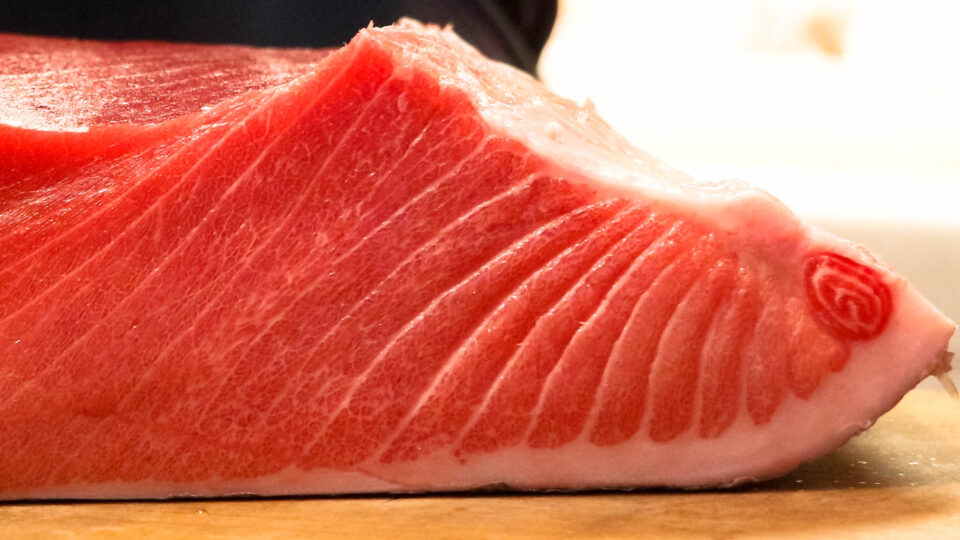
Mercury is found throughout the ocean, and there is at least some of it in any fish one might eat. It is an element found naturally in the environment, but it is also a byproduct of manmade pollution. Generally speaking, bigger fish tend to have higher mercury levels than smaller ones, because they are higher up in the food chain. The more small fish those big fish eat, the more mercury builds up in their bodies.  Tuna aren’t the biggest fish in the ocean, but they are very common in many people’s diets.

Increased mercury levels are a result of human activities like burning coal and mining which release methylmercury into the air.  It then finds its way into the oceans in rainwater.  Methylmercury is a particularly toxic chemical that affects the nervous system.  Environmental protection policies in recent decades have helped to reduce mercury pollution.

However, a recent study by French researchers looked at the mercury levels in tuna over the past 50 years.  They found that the levels have basically not changed since 1971.  As a result, they are calling for more restrictive environmental policies to further lower mercury pollution levels.

The researchers explained that the lowering of mercury airborne levels to date has not necessarily been ineffective.  They theorized that the static levels in tuna may be caused by the upward mixing of “legacy” mercury from deeper ocean water into the shallower depths where tropical tuna swim and feed.  It could very well take decades to dramatically reduce ocean mercury levels. 

Meanwhile, mercury content in tuna varies considerably by tuna type and source and there are both better and worse choices out there.  Consumers should learn the facts.

**********

Web Links

Mercury levels in tuna remain nearly unchanged since 1971, study says

Photo, posted November 7, 2015, courtesy of Mussi Katz via Flickr.

Earth Wise is a production of WAMC Northeast Public Radio

The carbon footprint of urban agriculture

March 22, 2024 By EarthWise Leave a Comment

Urban agriculture – essentially farming within a city – has become increasingly popular worldwide.  It is intended to make cities and urban food systems more sustainable.  There are social and nutritional benefits to urban agriculture, but its carbon footprint has not been widely studied.

There are high-tech, energy-intensive forms of urban agriculture, such as vertical farms and rooftop greenhouses.  But most urban farms are decidedly low-tech such as individual gardens managed by single farmers and community gardens managed by small groups of people.

A comprehensive international study led by the University of Michigan calculated the greenhouse gas emissions associated with the materials and activities of urban farms over their operating lives.  The emissions, expressed in the quantity of carbon dioxide equivalents produced per serving of food, were then compared to those of foods raised by conventional agriculture.

On average, food produced through urban agriculture emitted six times higher amounts of CO2 per serving than conventionally grown produce.

The study went on to recommend best practices crucial to making low-tech urban agriculture more carbon-competitive with conventional agriculture.  These include making use of infrastructure for more extended periods of time, making use of urban waste, and maximizing social and health benefits. 

Urban agriculture offers a variety of social, nutritional, and place-based environmental benefits and has its place in future sustainable cities.  It is important to implement it in ways that are most beneficial.

**********

Web Links

Study finds that urban agriculture must be carefully planned to have climate benefits

Photo, posted July 27, 2016, courtesy of Sandra Cohen-Rose and Colin Rose via Flickr.

Earth Wise is a production of WAMC Northeast Public Radio
Is the Amazon rainforest nearing a tipping point?

March 12, 2024 By EarthWise Leave a Comment

Is the Amazon rainforest nearing a tipping point?

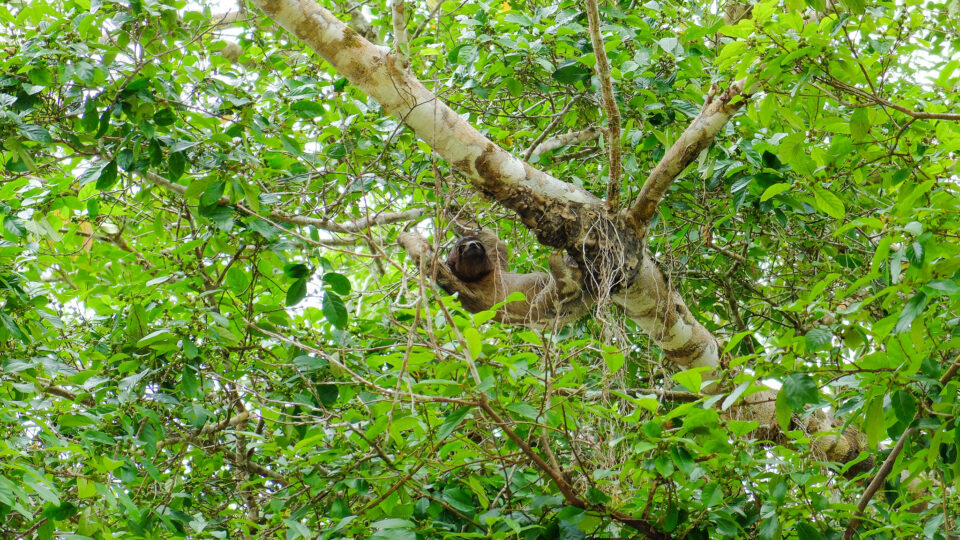
The Amazon rainforest is the largest rainforest in the world, covering more than 2.5 million square miles.  More than three million species live in the rainforest, which constitutes approximately 10% of the world’s known biodiversity.  The Amazon rainforest’s biodiversity is so rich that scientists are still discovering new species all the time. 

The Amazon rainforest absorbs huge amounts of carbon dioxide from Earth’s atmosphere, making it a key part of mitigating climate change.  But the amount of carbon dioxide absorbed by the Amazon rainforest today is 30% less than it was in the 1990s. 

Deforestation of the Amazon rainforest remains a major problem. Cattle ranching is the leading cause of deforestation, but industrial activities, such as the mining of oil and gas, copper, iron, and gold, are also to blame.

According to a new study recently published in the journal Nature, global warming may be interacting with regional rainfall and deforestation to accelerate forest loss in the Amazon.  In fact, it may be pushing the rainforest towards a partial or total collapse. 

The study, which was led by researchers from Federal University of Santa Catarina in Brazil and the University of Birmingham in the U.K., has identified the potential thresholds of these stressors, and highlighted how their combined effects could produce a tipping point for the Amazon rainforest. 

The findings are important because the Amazon rainforest plays a vital role in the global climate system.  By identifying the most important stressors on the rainforest environment, the researchers hope they can develop a plan to keep the Amazon rainforest resilient.

********** 

Web Links

Is the Amazon forest approaching a tipping point?

Photo, posted July 2, 2017, courtesy of Anna & Michal via Flickr.

Earth Wise is a production of WAMC Northeast Public Radio
The East Coast is sinking

March 11, 2024 By EarthWise Leave a Comment

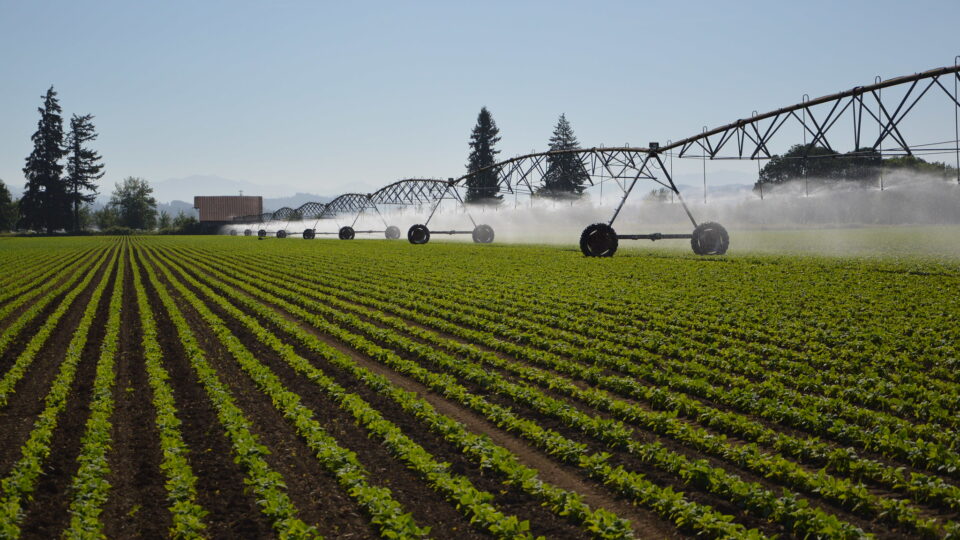
Most of the world’s largest cities are located in coastal regions and coastal regions are on the front lines of the climate crisis.  Human populations continue to migrate towards low-elevation coastal areas at the same time that sea level rise is accelerating.  Coastal communities worldwide are increasingly vulnerable to the dangers of flooding and erosion.  With these hazards occupying a great deal of attention, there has been less attention paid to the dangers of land subsidence.

A recent study by researchers at Virginia Tech and the US Geological Survey using satellite data shows that parts of America’s east coast are sinking, and the culprit is the withdrawal of too much water from the aquifers beneath these coastal areas.

A series of overlapping aquifers extends all the way from New Jersey to Florida along the coast, providing a reliable source of water for drinking, irrigation, and industrial uses.  Even though these areas get regular rainfall, the deeper aquifers can take hundreds or even thousands of years to refill once water is pumped out.  Once water is removed, soils can compress and collapse, causing the land surface to sink.

Cities that were built on drained marshland or on fill soil are especially vulnerable to compaction. 

Seal level rise is slow, but it is insidious and continuous.  Add land subsidence to the mix and effects multiply.  Places like Boston, New York, Washington DC, Roanoke, Savannah, Jacksonville, and Miami, among others, all are increasingly vulnerable to these coastal hazards.  The combined effects of sea level rise and subsidence may even triple the prospects for flooding areas over the next few decades.

**********

Web Links

As Aquifers Are Depleted, Areas Along The East Coast Of The US Are Sinking

Photo, posted August 7, 2015, courtesy of Tracy Robillard / NRCS Oregon via Flickr.

Earth Wise is a production of WAMC Northeast Public Radio

Little ice on the Great Lakes

March 8, 2024 By EarthWise Leave a Comment

Great Lakes missing lots of ice

In an average year, the Great Lakes end up about 40% covered in ice.  But this is not an average year.  2023 was the warmest year on record and, in fact, the global temperature was more than 1.5 degrees above the pre-industrial average for the full year.  That hasn’t happened before.  As a result of the record-breaking warmth, as of mid-February, the average ice cover on the Great Lakes was only 5.9%.

Lake Erie and Lake Ontario tied their records for the lowest ice cover, which has been tracked since 1973.  Lake Huron, Lake Michigan, and Lake Superior are at historic lows.  Some parts of the Great Lakes have experienced the winter without any ice cover.

The warming air temperatures have led to rapid ice loss and warming summer temperatures.  According to experts, if the planet continues to warm, more than 200,000 lakes may no longer freeze every winter and 5,700 lakes may permanently lose ice cover by the end of the century.

Studying the Great Lakes is important because their ice melt can be a significant indicator of the progress of global warming.  Decreasing ice cover can affect hydropower generation, commercial shipping and fishing, and have environmental impacts such as the development of plankton blooms.

Since the 1970s, there has been a 5% decline in Great Lakes ice cover per decade.  Unfrozen lakes bring more rain than snow which has environmental, cultural, and societal impacts.  The Great Lakes hold 21% of the world’s freshwater supply and over 30 million people depend on them for drinking water.  They are also linked to over $3 trillion in gross domestic product.

**********

Web Links

Great Lakes Winter Ice Cover Averaging Just 5.9%: NOAA

Photo, posted November 7, 2007, courtesy of Jim Sorbie via Flickr.

Earth Wise is a production of WAMC Northeast Public Radio
  • « Go to Previous Page
  • Page 1
  • Interim pages omitted …
  • Page 3
  • Page 4
  • Page 5
  • Page 6
  • Page 7
  • Interim pages omitted …
  • Page 24
  • Go to Next Page »

Primary Sidebar

Recent Episodes

  • An uninsurable future
  • Clean energy and jobs
  • Insect declines in remote regions
  • Fossil fuel producing nations ignoring climate goals
  • Trouble for clownfishes

WAMC Northeast Public Radio

WAMC/Northeast Public Radio is a regional public radio network serving parts of seven northeastern states (more...)

Copyright © 2026 ·