• Skip to primary navigation
  • Skip to main content
  • Skip to primary sidebar

Earth Wise

A look at our changing environment.

  • Home
  • About Earth Wise
  • Where to Listen
  • All Articles
  • Show Search
Hide Search
You are here: Home / Archives for study

study

Wrong trees in the wrong places

January 20, 2025 By EarthWise Leave a Comment

Temperatures in cities are rising around the world and urban heat stress is already a major problem.  Extensive surfaces of man-made materials absorb the sun’s energy, and lead to temperatures well above those in the surrounding countryside.  This is known as the urban heat island effect, and it can lead to greater energy use, higher air pollution levels, and a greater risk of heat-related illnesses, as well as death. 

Some cities have already started implementing mitigation strategies, with tree planting prominent among them.  Planting trees can cool the climate by absorbing carbon dioxide, providing shade, and releasing water vapor, which lowers air and surface temperatures. 

However, while trees can cool cities significantly during the day, new research from the University of Cambridge in the U.K. shows that tree canopies can also trap heat and raise temperatures at night. 

According to the study, which was recently published in the journal Communications Earth & Environment, planting the wrong species or the wrong combination of trees in suboptimal locations or arrangements can limit their benefits.

The researchers found that in temperate climates, trees can cool cities by up to 6°C during the day but can increase nighttime temperatures by 1.5°C.  Cities with open layouts in temperate and tropical climates benefit from a mix of evergreen and deciduous trees, enhancing cooling by 0.5°C more than in cities with only deciduous or evergreen trees. 

The researchers hope their findings will help urban planners choose the best combinations of trees and planting locations to combat urban heat stress.

**********

Web Links

Wrong trees in the wrong place can make cities hotter at night, study reveals

Photo, posted October 29, 2017, courtesy of Lars Plougmann via Flickr.

Earth Wise is a production of WAMC Northeast Public Radio

Dangers of distant fires

January 6, 2025 By EarthWise Leave a Comment

Smoke from wildfires can drift thousands of miles

Smoke from wildfires is well known to exacerbate health problems like heart disease, lung conditions, and asthma.  People living in the vicinity of where fires occur face these dangers.  But a new study at the University of Maryland has found that there are health impacts from wildfires occurring thousands of miles away.

During the summer of 2023, massive Canadian wildfires created a vast plume of smoke that drifted more than 2,000 miles across the country resulting in poor air quality across the entire East Coast of the U.S. 

Baltimore had very dark skies over a six-day period in June 2023, sending many individuals to doctors’ offices complaining of breathing issues.  University of Maryland researchers found that medical visits for heart and lung problems rose by nearly 20% during that period.

Using satellite and EPA data combined with electronic health records, the researchers found increased likelihood of patients going to the doctor for complications related to cardiopulmonary conditions during the days with the most smoke in the air.  They found a 55% increase in the risk for an outpatient visit for heart and lung conditions and these additional patients tended to be older, non-smokers, and more socio-economically affluent than the typical patients who see their doctors for such conditions when the air quality is good.

With more climate-related events likely to occur in the future, doctors may require better tools to help disadvantaged patients on so-called hotspot days when conditions are most dangerous.  Increasingly common wildfires are a particular danger to people even when those fires are far away from where they live.

**********

Web Links

Exposure to Remote Wildfire Smoke Drifting Across the U.S. Linked to Increased Medical Visits for Heart and Lung Problems

Photo, posted June 8, 2023, courtesy of Marc A. Hermann / MTA via Flickr.

Earth Wise is a production of WAMC Northeast Public Radio
Climate change and an iconic Florida bird

December 31, 2024 By EarthWise Leave a Comment

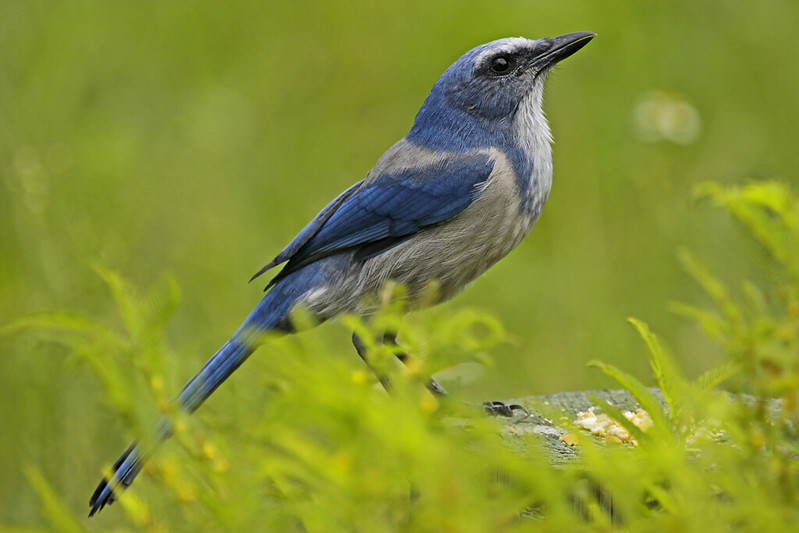
The Florida scrub-jay is a medium-sized bird native to Florida, known for its striking blue plumage and distinctive call. It is the only bird species that is entirely endemic to Florida, found mainly in the scrubby, sandy habitats of the central and southern part of the Sunshine State.

But extensive development, habitat fragmentation, and habitat degradation have caused the scrub-jay population to decline significantly over the past century. 

Another threat facing the Florida scrub-jay is climate change.  According to a new study by researchers from the Archbold Biological Station and the Cornell Lab of Ornithology, warmer winters driven by climate change are causing Florida scrub-jays to nest one week earlier than they did in 1981.  This seemingly innocuous change has reduced the number of offspring raised annually by 25% since 1981. 

The research team examined 37 years of data to assess the impacts of warming on reproductive efforts.  From 1981 to 2018, the average winter temperature at Archbold Biological Station in Florida increased by 2.5 degrees Fahrenheit.  Despite increases in the number of nests built and eggs laid over the longer breeding season, Florida scrub-jays are not producing more young. 

The researchers hypothesize that warmer temperatures make the nests susceptible to predation by snakes for a longer period of the Florida spring than in the past.  The findings, which were recently published in the journal Ornithology, suggest that climate change could dampen the success of conservation efforts for this threatened species.

**********

Web Links

Long-term study reveals warming climates threaten Florida scrub-jay

Florida Scrub-Jay

Photo, posted October 15, 2018, courtesy of Judy Gallagher via Flickr.

Earth Wise is a production of WAMC Northeast Public Radio

Reducing methane from cattle

December 26, 2024 By EarthWise Leave a Comment

Methods to reduce methane emissions from cattle

Livestock is responsible for almost 15% of global greenhouse gas emissions.  Most of that is in the form of methane that cattle release when they burp.  Grazing cattle produce more methane than feedlot cattle or dairy cows because they eat more fiber from grass.  There are 9 million dairy cows in the U.S. but more than 64 million beef cattle.

Beef cattle spend most of their lives grazing in pastures and producing methane.  Controlling the food of pasture-raised cattle is difficult because they often graze far from ranches for extended periods of time.  During the winter and during times when grass is scarce, ranchers supplement the diet of cattle.

A new study by researchers at the University of California – Davis has found that feeding grazing cattle a seaweed supplement in pellet form reduced their methane emissions by nearly 40% without affecting their health or weight.  There have been previous studies that showed seaweed cut methane emissions by 82% in feedlot cattle and over 50% in dairy cows.  But this is the first study to test the effects of seaweed on grazing beef cattle.

The seaweed pellets were made available to grazing cattle and they ate the supplement voluntarily.  Compared to a group of cattle who didn’t receive the supplements, the seaweed eaters had a 40% reduction in methane emissions.

Other research studies to reduce methane emissions using feed additives have taken place in controlled environments with daily supplements.  This method provides a way to make a seaweed supplement easily available to grazing animals.  It could even be introduced through a lick block for cattle.

**********

Web Links

Feeding Grazing Cattle Seaweed Cuts Methane Emissions by Almost 40%

Photo, posted February 18, 2016, courtesy of Beverly Moseley/NRCS via Flickr.

Earth Wise is a production of WAMC Northeast Public Radio
Corals and climate change

December 24, 2024 By EarthWise Leave a Comment

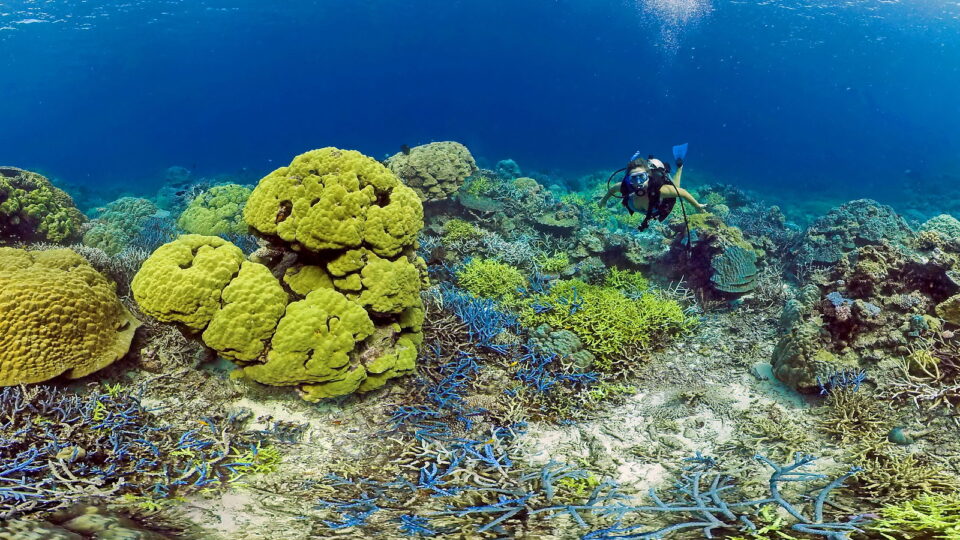
Climate change is a major threat to coral reefs around the world.  Ocean warming triggers coral bleaching – a stress response where corals expel the symbiotic algae essential for their survival.  If coral bleaching is severe, it can lead to coral death.

A new study led by scientists from Newcastle University in England suggests that corals are unlikely to adapt to ocean warming quickly enough to keep pace with global warming, unless there are rapid reductions in global greenhouse gas emissions.

The study, which was recently published in the journal Science, found that coral heat tolerance adaptation via natural selection could keep pace with ocean warming, but only if the climate goals of the Paris Agreement are realized.  In the Paris Agreement, countries agreed to limit global warming by the end of the century to two degrees Celsius above pre-industrial levels.  

However, current climate policies around the world have the globe on track to warm by three degrees Celsius.  According to the research team, this could lead to significant reductions in reef health, elevated risks of local coral extinctions, and considerable uncertainty in the so-called “evolvability” of corals. 

Coral reefs are among the most biologically diverse ecosystems on Earth.  They are often referred to as the “rainforests of the sea” because they support an incredible variety of marine life.  They provide essential ecosystem services, such as protecting coastlines from erosion and storm surges, supporting fisheries, and serving as a source of income through tourism. Coral reef health is vital for the health of the planet.

**********

Web Links

Coral adaptation unlikely to keep pace with global warming

Photo, posted June 9, 2012, courtesy of Bokissa Private Island Resort via Flickr.

Earth Wise is a production of WAMC Northeast Public Radio

Hydrogen-powered aviation

December 16, 2024 By EarthWise Leave a Comment

The transportation sector is responsible for about a quarter of human-generated greenhouse gas emissions.  Most of the energy used by transport systems comes from fossil fuels.  The transition to electric vehicles – cars, trucks, and buses – is making a real difference.  However, the emissions from the aviation industry have continued to grow faster than those of other forms of transportation.  There have been increased efforts to develop hydrogen-powered aircraft, but the challenges are substantial.

Hydrogen can be used for aviation both as a directly combusted fuel, or to power electric fuel cells.  Its advantages are that its use produces no carbon dioxide, and, in fact, hydrogen produces more energy per pound than jet fuel.

A study by researchers at MIT looked at the prospects for hydrogen use in aircraft and what needs to be done to make it practical.  The biggest issue is that the extra bulk of a hydrogen fuel tank and fuel cells in a plane would have to be offset by weight reductions elsewhere, such as reducing payload (cargo or passengers).  This would mean there would need to be more flights, thereby reducing the gains made.  The researchers argued that improvements in fuel cell power and more weight efficient fuel systems could eliminate the need for additional flights.

The bigger challenge is the infrastructure for generating and distributing hydrogen.  There needs to be green hydrogen – hydrogen produced without carbon emissions – and the infrastructure for getting it to planes where it is needed has to also not produce substantial emissions.

The study suggests that the rollout of hydrogen-based aviation should start at locations that have favorable conditions for hydrogen production.

**********

Web Links

Fueling greener aviation with hydrogen

Photo, posted December 20, 2016, courtesy of Dylan Agbagni via Flickr.

Earth Wise is a production of WAMC Northeast Public Radio
Limiting global warming

December 4, 2024 By EarthWise Leave a Comment

Limiting global warming is going to require some countries to do much more

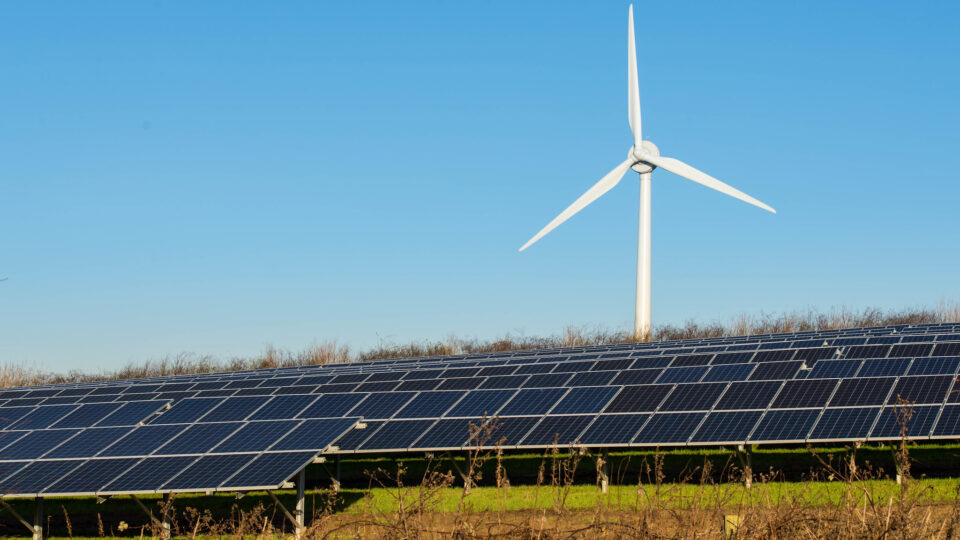
A pressing question from the recently concluded 29th annual United Nations Climate Change Conference in Azerbaijan is how to transition away from fossil fuels and speed up climate mitigation in line with the 1.5 °C global warming target.

Keeping global average temperatures below 1.5 °C above pre-industrial levels is crucial to avoid the most severe impacts of climate change, including extreme weather, rising seas, biodiversity loss, and disruptions to food and water security. 

According to a new study by researchers from Stockholm University, Chalmers University of Technology, and Uppsala University in Sweden, it is still possible to limit global warming to 1.5 °C.  But the study found that the United States, the European Union, and 16 other countries will have to exceed their own current targets in order to achieve this global goal.  

The study, which was recently published in the journal Nature Communications, introduced an “additional carbon accountability” indicator, which quantifies countries’ responsibility for mitigation and carbon dioxide removal in addition to achieving their own targets.

The study identified 18 countries that should be accountable for increasing their ambitions to stay within their equal per capita share of the global carbon budget for 1.5 °C.  Additional carbon accountability is highest for the United States and China, and highest per capita for the United Arab Emirates, Russia, Saudi Arabia, and the U.S.

Failure to limit global warming risks catastrophic impacts of climate change.

**********

Web Links

COP29: Possible to limit climate change to 1.5°C – if EU and 17 other countries go beyond their own targets

Photo, posted December 27, 2015, courtesy of Gerry Machen via Flickr.

Earth Wise is a production of WAMC Northeast Public Radio
PFAS and groundwater

November 26, 2024 By EarthWise Leave a Comment

PFAS in groundwater in the United States is widespread

Per- and polyfluoroalkyl chemicals, more commonly known as PFAS, are a family of human-made chemicals that have been manufactured and used in a variety of industries since the 1940s.  They provide water-resistance, oil-resistance, dirt-resistance, and corrosion-resistance to a wide range of products, including food wrappers and packaging, clothing, dental floss, nonstick cookware, textiles, and electronics.

Exposure to PFAS has been linked to birth defects, thyroid disease, liver disease, kidney disease, and cancer.  These chemicals do not break down in the environment and therefore, over time, become concentrated in plants, animals, and people. 

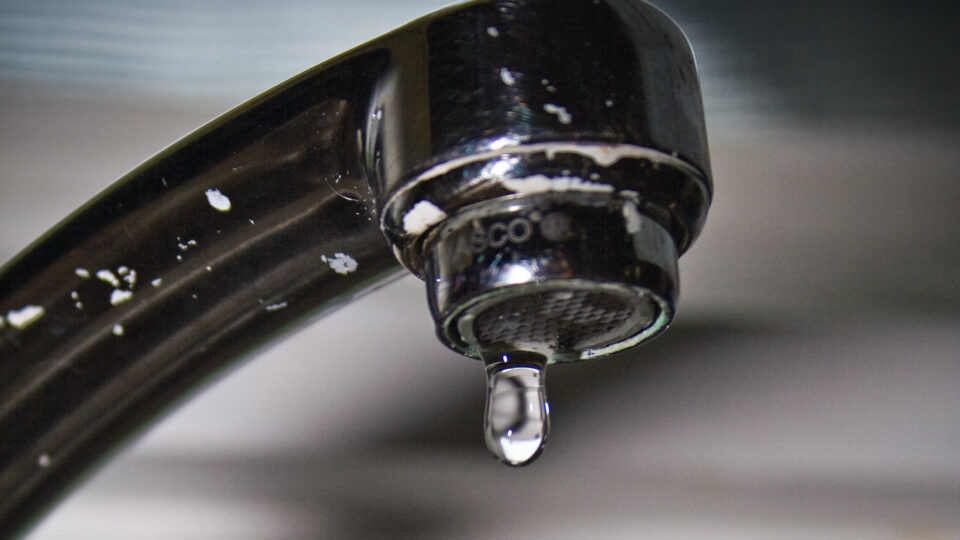
According to a new first-of-its kind study by scientists at the U.S. Geological Survey, more than 20% of the U.S. population could be drinking groundwater contaminated with PFAS.  The study, which was recently published in the journal Science, found that those living in the Eastern U.S. are particularly likely to be exposed.

The study is the first to report national estimates of PFAS in untreated groundwater that supplies drinking water to private and public wells. The USGS research also provides the first estimate of the total number of Americans – anywhere from 71 to 95 million – who might be exposed to this contamination.

The researchers note that their estimates merely measure the existence of PFAS – before the water has undergone any treatment or filtering – meaning that, while they may be present, they may be at very low levels. 

To find a link to the detailed USGS map showing the probability of PFAS groundwater contamination in your region, visit our website: EarthWiseRadio.org.

**********

Web Links

PFAS in US Groundwater Interactive Dashboard

Predictions of groundwater PFAS occurrence at drinking water supply depths in the United States

Photo, posted January 12, 2008, courtesy of Andrew Kraker via Flickr.

Earth Wise is a production of WAMC Northeast Public Radio
Extreme geothermal power

November 25, 2024 By EarthWise Leave a Comment

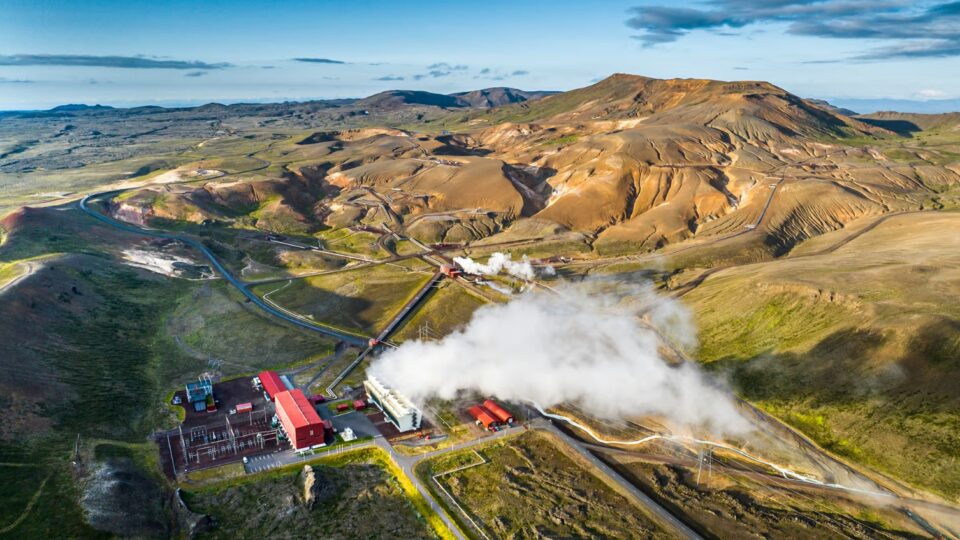
Extreme geothermal power in Iceland

Krafla is one of the most explosive volcanoes in Iceland, which is home to many active volcanoes, including one recently in the news near Reykjavik that hadn’t erupted for 800 years .  Krafla is the site of the Krafla Magma Testbed, which may end up being for geoscientists what the Large Hadron Collider has been for particle physicists. 

For over a decade, researchers have been drilling straight into the ground at Krafla to study what goes on deep beneath an active volcano.  Ten years ago, they encountered an unexpected magma chamber a little over a mile down.  Their equipment was destroyed but the researchers decided that they had uncovered a unique opportunity to study magma dynamics and potentially be able to tap into a significant new energy source.

The plan is to use the tremendous heat energy contained in magma to dramatically improve the production of geothermal energy.  Krafla is already the site of a geothermal energy plant that makes use of the heat beneath the surface to boil water that then drives turbines to generate electricity.

Forthcoming drilling projects will make use of new equipment that can handle the harsh conditions that will be encountered in the magma chamber.  The goal is to tap directly into the magma to produce superheated steam that could produce ten times more power than conventional geothermal systems.  Conventional systems access temperatures around 200 to 300 degrees; the magma is at 1,800 degrees.

It will take a few years to complete the project, but if it is successful, it could have implications well beyond Iceland.  There are many active volcanoes all over the world.

**********

Web Links

Drilling into magma: Risky plan takes geothermal to supercritical extremes

Photo courtesy of Landsvirkjun.

Earth Wise is a production of WAMC Northeast Public Radio

A sustainable and climate-friendly food

November 22, 2024 By EarthWise Leave a Comment

Researchers predict that climate change will negatively impact the yield and nutritional quality of most staple food crops, including rice, corn, and soybeans, due to factors like extreme weather events, rising temperatures, and altered precipitation patterns, potentially leading to reduced food security globally.   

As a result, many experts contend that alternative food sources – like insect farming and seaweed aquaculture – are part of the solution.  Additionally, expanding production of climate resilient food crops will also have an important role to play in global food security.

According to a new international study led by researchers from University of Vienna in Austria, chickpeas – also known as garbanzo beans – are a drought-resistant legume plant with a high protein content that can help combat food insecurity amid climate change.

In the study, which was recently published in the journal Plant Biotechnology, the researchers investigated the natural variations of different chickpea genotypes and their resistance to drought stress and achieved promising results.  The research team managed to grow many different chickpea varieties under drought stress in a field experiment outside of Vienna. The results demonstrate that chickpeas are a great alternative legume plant that can complement grain farming systems in urban areas.

The study highlights how the decline of plant genetic diversity poses a major threat to plant productivity and harvests.  In fact, while there are approximately 7,000 edible crops, two-thirds of global food production is based on just nine crop species. 

According to the research team, highly nutritious and drought-resistant legumes such as chickpeas are a “food of the future.”

**********

Web Links

Chickpeas – sustainable and climate-friendly foods of the future

Photo, posted March 21, 2020, courtesy of Ajay Suresh via Flickr.

Earth Wise is a production of WAMC Northeast Public Radio

Generations Z and Alpha and climate change

November 19, 2024 By EarthWise Leave a Comment

Gen Z and Gen Alpha are overwhelmingly concerned about climate change.

People’s views and level of concern about climate change tend to vary according to age, political affiliation, and other demographic categories.  But one clear trend is that young people are overwhelmingly concerned about climate change.  Given that they will ultimately suffer from its effects far more than older generations, this is not really surprising.

A new study investigated the views about climate change of 16,000 young Americans aged 16 to 25.  The study found that about 60% of respondents said they were either very or extremely worried when asked “How worried, if at all, are you about climate change and its impact on people and the planet?”  More than 85% said they experienced at least some level of climate anxiety.

There was similarity in responses across dramatically different geopolitical regions of the country.  Responses never differed by more than 25% across all surveyed populations.  Concern about climate change transcended political identification.  While the Republican group did have a lower level of concern, endorsement of climate issues was still above 50% no matter what group people identified with.

People from Generations Z and Alpha, those with fewer economic resources, people of color, and other vulnerable communities are experiencing the highest levels of climate distress. Research finds that 3% of Americans are experiencing clinically significant climate anxiety. 

The true number of people experiencing climate-triggered anxiety may be much higher as some people are hesitant or reluctant to even acknowledge that climate change is happening.  Some level of climate anxiety is undoubtedly beneficial for climate action.  People who are experiencing distress are the ones most likely to take action. 

**********

Web Links

The Depths of Their Discontent: Young Americans Are Distraught Over Climate Change

Photo, posted April 23, 2022, courtesy of Mark Dixon via Flickr.

Earth Wise is a production of WAMC Northeast Public Radio
How much energy storage is needed?

November 11, 2024 By EarthWise Leave a Comment

Exploring how much energy storage is needed

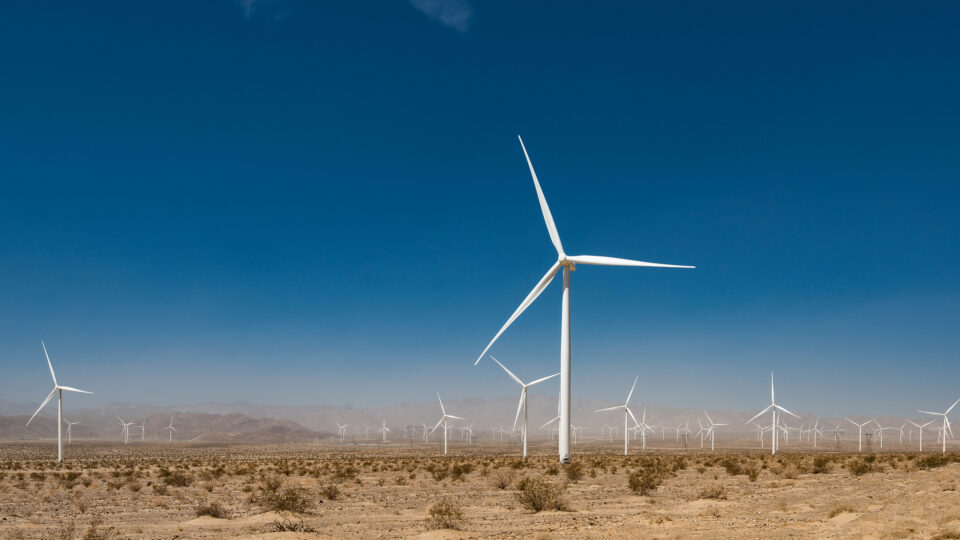
Energy storage is a critical aspect of modern energy systems as they move towards heavy dependence on renewable sources such as solar and wind that don’t produce energy at the same rate all the time.  Excess energy generated by solar power needs to be stored for when the sun isn’t shining; excess wind energy needs to be stored for when the wind isn’t blowing.  But how much storage capacity does the energy system need to have?

Researchers at North Carolina State University have developed a model that can be used to project what a system’s storage needs would be if it were to shift entirely to renewable sources.

The model accounts for how energy production from renewable sources would change during different times of day and different times of the year.  For example, there is much more solar energy generation in the summer when the days are longer, and it is sunny more often.

There is also the issue of short-term vs. long-term energy storage.  Short-term energy storage does not refer to how long a storage device can store the energy.  It refers to how long it can provide power at its rated level.

The study focused on Italy’s energy system, which has suffered in recent years because it had difficulties in obtaining natural gas from Russia due to the invasion of Ukraine.

As the world moves increasingly towards renewable power sources, energy systems need to be able to account for the variability of those sources.  The new model offers policymakers critical information for use in energy system planning.

**********

Web Links

Model Projects Energy Storage Needs for Fossil Fuel-Free Energy System

Photo, posted October 28, 2016, courtesy of Daxis via Flickr.

Earth Wise is a production of WAMC Northeast Public Radio
Antarctic greening

November 6, 2024 By EarthWise Leave a Comment

Antarctica is warming faster than the rest of the world

The Antarctic Peninsula, like other polar regions, is warming faster than the rest of the world.  Ocean heatwaves and ice loss are becoming more common and more severe.

New research by the universities of Exeter and Hertfordshire in the UK along with the British Antarctic Survey used satellite data to assess how much the Antarctic Peninsula has been greening in response to climate change.  The Antarctic Peninsula is an 800-mile extension of Antarctica toward the southern tip of South America.

The study found that the area of vegetation cover across the Peninsula increased from less than one square kilometer in 1986 to almost 12 square kilometers in 2021.  This greening trend accelerated by more than 30% in the period 2016-2021 relative to the entire 1986-2021 period.

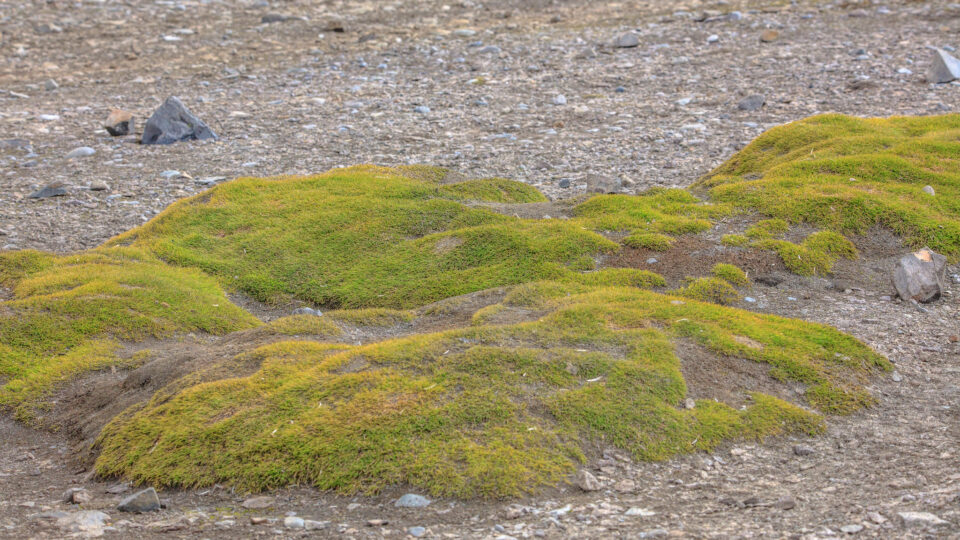
An earlier study also showed that the rates of plant growth on the Antarctic Peninsula has increased dramatically in recent decades.  The landscape is almost entirely dominated by snow, ice, and rock, with only a tiny fraction supporting plant life.  The plants found on the Peninsula – mostly mosses – grow in some of the harshest conditions on earth.  But that tiny fraction has greatly increased, showing that this isolated wilderness is being altered by climate change. 

The sensitivity of the Antarctic Peninsula’s vegetation to the changing climate is evident and as warming continues, there could be fundamental changes to the biology and landscape of this unique and vulnerable region.

**********

Web Links

Antarctic ‘greening’ at dramatic rate

Photo, posted June 2, 2018, courtesy of Murray Foubister via Flickr.

Earth Wise is a production of WAMC Northeast Public Radio

Electric cars and power outages

October 21, 2024 By EarthWise Leave a Comment

Examining the resiliency of electric cars during power outages

As more and more cars are powered by electricity instead of gasoline, people are beginning to worry about what happens during power outages caused by storms and other disruptive events.  It is easy to jump to the conclusion that this is a brand-new problem for drivers.  However, when electricity goes out over a sizeable area, most gas pumps stop working and it isn’t easy to keep gas cars running either.

Electric cars are often charged at home every day and such cars are more likely to be almost fully charged than nearly depleted at any time.  For those drivers, a power failure is unlikely to be much of a concern unless it persists for a very lengthy period.  On road trips, unless a power outage extends over a very wide area, one can probably get to a charger that is still operating.

Nonetheless, the federal government has commissioned researchers at Iowa State University to study potential solutions to possible difficulties in keeping electric cars running during power failures.  The goal of the study is to find ways to reduce the outage frequency of chargers by 75% and the power restoration time by 50%.

The study will evaluate the resiliency of charging stations in extreme weather events and identify ways to quickly restore power to charging stations in the event of outages.  Included are onsite solar power and battery storage at chargers as well as redundant power lines from different electrical substations.  There is even the possibility  of trucks delivering pre-charged batteries to charging stations after a storm.  Identifying and developing technologies to improve the resilience of charging stations is an important goal as the transition to electric vehicles continues.

***********

Web Links

Researchers working to keep electric vehicles charging, even when the lights go out

Photo, posted July 29, 2013, courtesy of Jeff Cooper via Flickr.

Earth Wise is a production of WAMC Northeast Public Radio

Slow-moving landslides

October 17, 2024 By EarthWise Leave a Comment

Landslides are mass movements of rock, earth, or debris down a slope.  They can be initiated by rainfall, snowmelt, changes in water level, erosion by streams, earthquakes, volcanic activity, or by various human activities.  Most landslides we hear about are sudden events that can cause all sorts of calamities.  But not all landslides are rapid occurrences.  There are also slow-moving landslides.

A new study by the University of Potsdam in Germany has found that as urban centers in mountainous regions grow, more people are building homes on steeper slopes prone to slow-moving landslides.  Slow-moving landslides can move as little as one millimeter a year and up to as much as three meters per year.  Locations with slow-moving landslides can seem safe to settle on; in some cases, the movement itself can be inconspicuous or even completely undetected.

Slow slides can gradually produce damage in houses and other infrastructure and there can also be sudden acceleration from heavy rain or other influences.

The study compiled a new database of nearly 8,000 slow-moving landslides with areas of at least 25 acres located in regions classified as “mountain risk.”  Of the landslides documented, 563 are inhabited by hundreds of thousands of people.  The densest settlements on slow-moving landslides are in northwestern South America and southeastern Africa. 

In all regions of the study, urban center expansion was associated with an increase in exposure to slow-moving landslides.  As cities expand in mountainous areas, people are moving into unsafe areas, but poorer populations may have few other options.

**********

Web Links

Slow-moving landslides a growing, but ignored, threat to mountain communities

Photo, posted March 4, 2015, courtesy of Flickr.

Earth Wise is a production of WAMC Northeast Public Radio

Tourism and climate action

October 11, 2024 By EarthWise Leave a Comment

Australia’s Great Barrier Reef is one of the foremost natural wonders of the world and is a major tourist attraction.  It is well-known that the changing climate is threatening the survival of the Great Barrier Reef as well as other coral reefs around the world.  A recent study by researchers at the University of Queensland looked at the reactions of tourists to being informed about the impact of the changing climate on the reef.

The Great Barrier Reef faces many challenges.  Unprecedented marine heatwaves have triggered repeated mass coral bleaching events over the past decade. These climate driven disturbances are compounding the cumulative effects of chronic problems such as unsustainable fishing, pollution, and sedimentation as well as acute disturbances such as tropical cyclones and outbreaks of crown-of-thorns starfish.

Operators of five reef tourism boats assisted in the study.  As part of their boat trips, tourists were given climate information via a marine biology presentation and there were also posters around the vessel as well as regular mentions of climate change impacts and actions throughout the trip.

The tourism industry often has the idea that providing information on climate change might be detrimental to people’s enjoyment – basically a buzzkill.  But based on surveys conducted at the end of the trips, the researchers found that informing tourists about climate impact didn’t negatively affect their experience.  In fact, most tourists actually wanted more information, particularly about how they can take meaningful actions of their own.

The researchers believe that their study provides further opportunity to improve climate communication and effectively promote climate change engagement among tourists.

**********

Web Links

Reef tourism encourages climate action

Photo, posted October 7, 2008, courtesy of eGuide Travel via Flickr.

Earth Wise is a production of WAMC Northeast Public Radio
Just say ‘climate change’

September 20, 2024 By EarthWise Leave a Comment

In recent years, climate advocates have pushed for the use of more dramatic language to describe ‘climate change.’  The notion was that phrases like ‘climate crisis’ and ‘climate emergency’ better convey the urgency of the planet’s plight, while terms like ‘climate change’ and ‘global warming’ are too gentle and vague.  However, it turns out that the gentler approach may actually be more effective.

According to a new study led by researchers from the University of Southern California, the terms ‘climate change’ and ‘global warming’ are not only more familiar to people than some of their common synonyms, but they also generate more concern about the warming of the Earth.

In the study, which was recently published in the journal Climatic Change, the research team found that nearly 90% of respondents were familiar with the terms ‘climate change’ and ‘global warming.’  However, familiarity dropped sharply for the other terms, including ‘climate crisis’ and ‘climate emergency.’  In fact, only 33% of respondents recognized the term ‘climate justice.’

The study, which surveyed more than 5,000 randomly selected U.S. residents, examined the degree to which each term generated concern, urgency, willingness to support climate-friendly policies, and willingness to eat less red meat. 

The research team found that the terms ‘climate change’ and ‘global warming’ were most concerning and most urgent.  ‘Climate justice’ was the least, with ‘climate crisis’ and ‘climate emergency’ falling in between.  The support for climate policy and willingness to eat less red meat was roughly the same, regardless of what terms were used. 

The research team hopes its findings will help us communicate more effectively about climate change in the future.

**********

Web Links

Just Say “Climate Change” – not “Climate Emergency”

Photo, posted July 1, 2023, courtesy of Sheila Sund via Flickr.

Earth Wise is a production of WAMC Northeast Public Radio
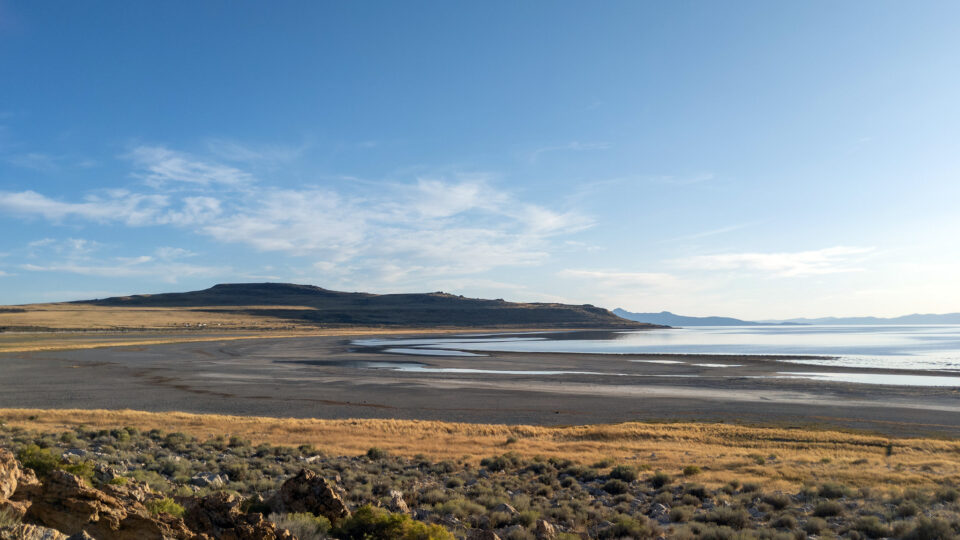
Emissions and the Great Salt Lake

September 4, 2024 By EarthWise Leave a Comment

Emissions and the Great Salt Lake

The Great Salt Lake in Utah has been described as a puddle of its former self.  The lake’s size fluctuates naturally with seasonal and long-term weather patterns, but the lake has been experiencing decline for decades as Utahans take water out of the rivers and streams that once fed the lake.  Over recent decades, the lake has lost 73% of its water and 60% of its surface area.

For years, scientists and environmental leaders have warned that the Great Salt Lake is headed toward a catastrophic decline.  Recent research has found that the lake’s desiccating shores are becoming a significant source of greenhouse gas emissions.  Scientists have calculated that the dried-out portions of the lakebed released about 4.1 million tons of carbon dioxide and other greenhouse gases in 2020.

The recent study, published in the journal One Earth, suggests that the Great Salt Lake – which is largest saltwater lake in the Western Hemisphere – as well as other shrinking saline lakes around the world could become major contributors of climate-warming emissions.

The shrinking back of the water has exposed a dusty lakebed that is laced with arsenic, mercury, lead, and other toxic substances.  Some are naturally occurring, and others are the residue of mining activity in the region.  These substances threaten to increase rates of respiratory conditions, heart and lung disease, and cancers.

As the lake shrinks, it is becoming saltier and uninhabitable to native flies and brine shrimp and may increasingly become unable to support the 10 million migratory birds and wildlife that frequent it.

The new research about greenhouse gas emissions just adds to a dire list of environmental consequences brought on by the lake’s steep decline.

**********

Web Links

Shrinking Great Salt Lake Becoming Source of Heat-Trapping Gas

Photo, posted January 20, 2020, courtesy of Matthew Dillon via Flickr.

Earth Wise is a production of WAMC Northeast Public Radio
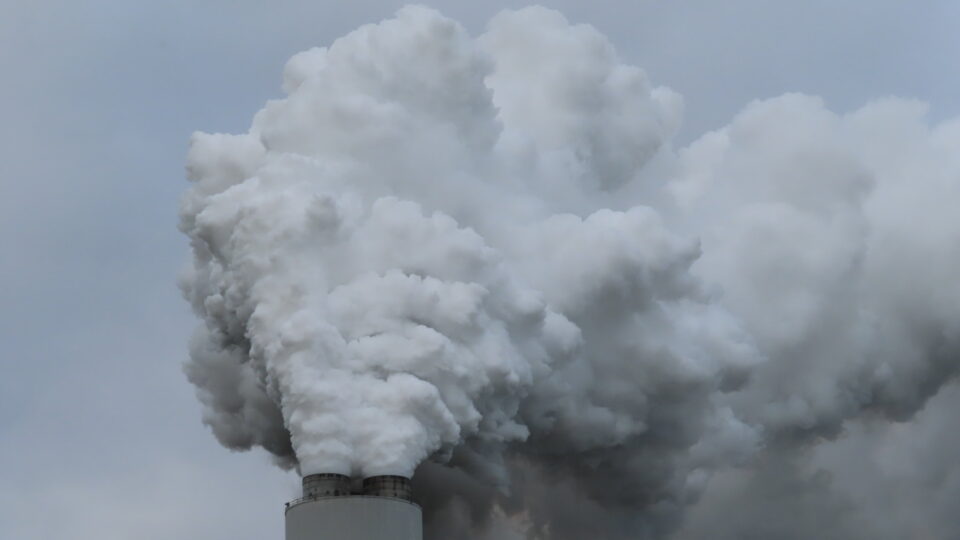
Pollution in downwind states

August 26, 2024 By EarthWise Leave a Comment

Pollution in downwind states

Air pollution is a serious health threat.  It is associated with asthma and can lead to chronic disease, cancer, and premature death.  Globally, air pollution kills 7 to 9 million people, and 200,000 Americans die from it each year.

There are multiple sources of air pollution including automobiles, power plants, and other industrial activities.  Exposure to pollutants such as nitrogen oxide, sulfur dioxide, and particulate matter does not require living or working near their sources.  Winds can carry pollution great distances including across state lines.  

The Clean Air Act included the EPA’s “Good Neighbor Plan”, which requires “upwind” states to implement plans to reduce emissions from power plants and other industrial sources.  However, three states – Indiana, Ohio, and West Virginia – along with various industrial companies and trade organizations sued the EPA when it tried to enforce these plans.  A recent Supreme Court decision to block a federal rule curbing interstate air pollution further complicates efforts to reduce emissions.

As a result, there is a disproportionate burden on downwind states.  They face major challenges in demonstrating and attributing air pollution to sources across state lines and pursuing legal actions to get the EPA to address their problems.

A recent study by the University of Notre Dame looking at all the complex issues related to interstate pollution underscored how the regulatory system continues to be hamstrung when attempting to address a serious threat to human health and the environment.

**********

Web Links

Downwind states face disproportionate burden of air pollution

Photo, posted February 19, 2021, courtesy of David Wilson via Flickr.

Earth Wise is a production of WAMC Northeast Public Radio
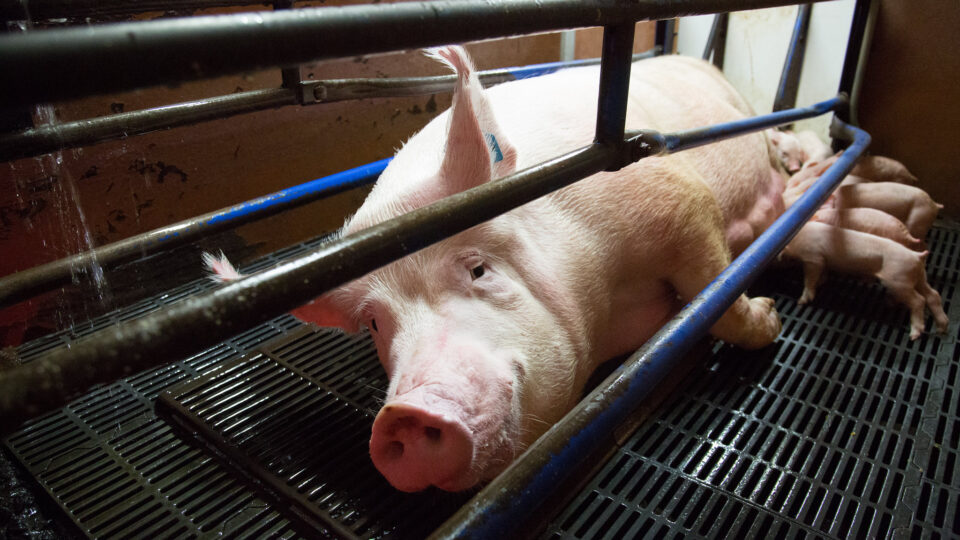
Industrial agriculture and the risk of pandemics

August 16, 2024 By EarthWise Leave a Comment

The domestication of pigs, cows, chickens, and other animals as livestock for their meat, milk, and eggs was historically revolutionary.  It boosted food security by giving people a readily-available means of feeding themselves as opposed to more traditional methods such as hunting and fishing.

But the industrialization of agriculture has led to horrendous conditions for animals.  Many are kept in huge quantities and packed together with little regard for their health and welfare.  This approach is designed to maximize production while minimizing costs.

With its chemical inputs and toxic outputs, intensive animal agriculture is also a major threat to the environment.  In fact, it’s a major driver of habitat degradation and biodiversity loss all around the globe.  

According to a new study led by researchers from the University of Exeter in the U.K., intensive livestock farming can also increase the risk of new pandemics.  These findings go against the widely held belief that industrialized farming reduces the risk of disease transmission between animals and humans. 

Zoonotic diseases are those that are spread from animals to humans.  According to the CDC, zoonotic infections account for three in every four new or emerging infectious diseases in humans.  The current bird flu outbreak in the U.S. is an example of this. 

In the paper, which was recently published in the journal Royal Society Open Science, the researchers conclude that the effects of intensifying animal agriculture “are at best uncertain and at worst may contribute to emerging infectious disease risk.”

Industrial animal agriculture is a threat to both human health and the health of our planet.

**********

Web Links

Intensive farming could raise risk of new pandemics

Photo, posted January 29, 2016, courtesy of Farm Watch via Flickr.

Earth Wise is a production of WAMC Northeast Public Radio

  • « Go to Previous Page
  • Page 1
  • Page 2
  • Page 3
  • Page 4
  • Page 5
  • Interim pages omitted …
  • Page 24
  • Go to Next Page »

Primary Sidebar

Recent Episodes

  • An uninsurable future
  • Clean energy and jobs
  • Insect declines in remote regions
  • Fossil fuel producing nations ignoring climate goals
  • Trouble for clownfishes

WAMC Northeast Public Radio

WAMC/Northeast Public Radio is a regional public radio network serving parts of seven northeastern states (more...)

Copyright © 2026 ·