• Skip to primary navigation
  • Skip to main content
  • Skip to primary sidebar

Earth Wise

A look at our changing environment.

  • Home
  • About Earth Wise
  • Where to Listen
  • All Articles
  • Show Search
Hide Search
You are here: Home / Archives for study

study

Increasing plastic recycling

August 15, 2024 By EarthWise Leave a Comment

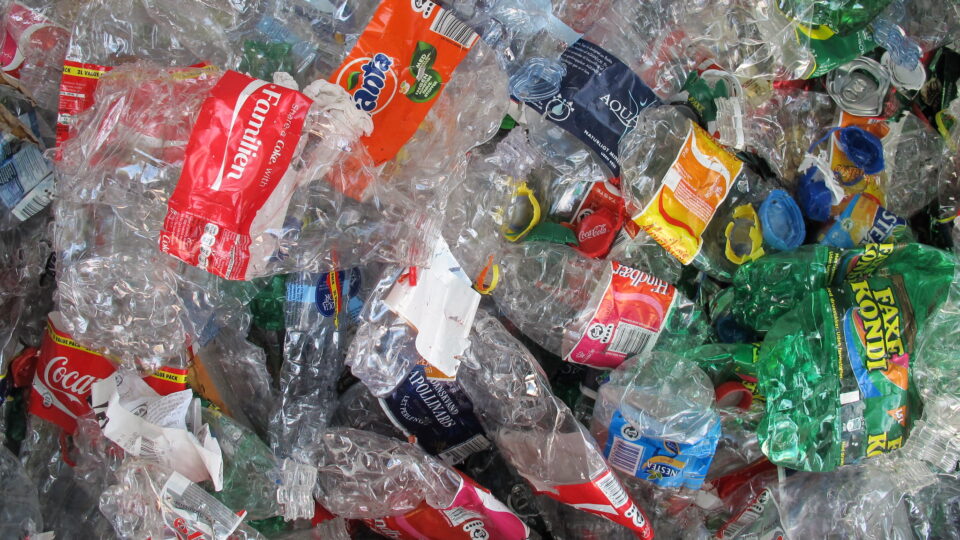
How to increase the rate of plastics recycling

Recycling plastic is a complicated matter.  There are many different types of plastic and knowing which things are made of which type isn’t easy.  There are increasingly widespread recycling systems across the U.S., but the actual rates of recycling have been described as “abysmal”.

The plastic commonly used in beverage bottles is polyethylene terephthalate, or PET.  The present nationwide rate of recycling PET is about 24% and has been about at that level for a decade.

A new study by MIT has found that with a nationwide bottle deposit program, the rates could increase to 82%.  At that level, nearly two-thirds of all PET bottles could be recycled into new bottles at a net cost of just a penny a bottle.

The study looked at PET bottle collection and recycling rates in different states as well as other nations with and without bottle deposit policies, and with and without curbside recycling programs.  The study is the first to look in detail at the interplay between public policies and the detailed end-to-end aspects of the packaging, production and recycling market.

Recycling of PET is highly successful in terms of quality.  New products made from all-recycled material is virtually indistinguishable from virgin material.  The crucial bottleneck is the collection of sufficient amounts of material to meet the needs of processing plants.  So, the conclusion of the study is that with the right policies in place, significant improvements can be made.  Several European countries manage to collect more than 90% of PET bottles for recycling.  So, it can be done.

**********

Web Links

How to increase the rate of plastics recycling

Photo, posted August 10, 2013, courtesy of Lisa Risager via Flickr.

Earth Wise is a production of WAMC Northeast Public Radio
Wildfires and carbon storage

August 14, 2024 By EarthWise Leave a Comment

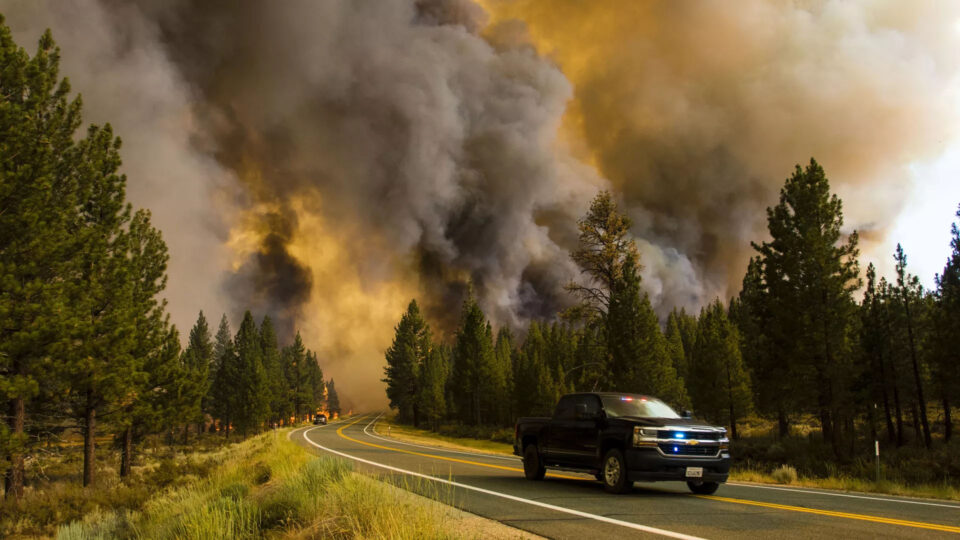
Wildfires impacting carbon storage potential

Forests are known to be a key natural solution to the increasing amounts of carbon dioxide in the atmosphere.  For this reason, there are widespread efforts to plant more trees around the world and to prevent increasing deforestation for development and agriculture.  But a new study has highlighted the fact that wildfires in the western US are degrading the potential for forests to help curb climate change.

The study has established a baseline for how much carbon is currently stored in Western forests, how that amount is changing, and how fires and droughts are affecting the ability of the forests to mitigate climate change.

The study made use of survey data collected by the US Forest Service to estimate how much carbon is stored in 19 ecoregions across the West.  These ecoregions range from hot and dry areas in the Southwest to the wet and cool regions of the Pacific Northwest.

The study reveals that the carbon stored in living trees declined across much of the Western US between 2005 and 2019.  Carbon stored in dead trees and woody debris increased.  These things do not provide long-term carbon storage.  Instead, they release it back into the atmosphere through decomposition or combustion in forest fires.

The increasing frequency and intensity of wildfires, especially since 2020, indicate that the decline in live carbon stored in the forests will become increasingly pronounced.  The result, according to the study’s authors, is that we cannot rely on increasing carbon storage in Western US forests.  It may be possible to increase the stability of carbon storage in the forests with mechanical thinning and prescribed burning, but the carbon carrying capacity of those forests is not likely to be what is needed.

**********

Web Links

Forest carbon storage has declined across much of the Western US, likely due to drought and fire

Photo, posted July 25, 2021, courtesy of Felton Davis via Flickr.

Earth Wise is a production of WAMC Northeast Public Radio

Strawberries and climate change

August 12, 2024 By EarthWise Leave a Comment

The changing climate threatens the future of strawberries

The demand for strawberries continues to climb around the world.  According to data from World Population Review, China remains the global leader in strawberry production, a spot it’s held since 1994.  Last year, China produced 3.3 million tons of strawberries, followed by the United States at 1.05 million tons, Egypt at 597,000 tons, and Mexico at 557,000 tons.

While strawberries are grown coast to coast in the U.S., California and Florida are the top two strawberry-producing states due to their favorable climate conditions.  In fact, California produces more than 90% of the domestic strawberry crop.  But Florida plays a key role in domestic strawberry production as well by growing the majority of the winter crop. 

A new study by researchers from the University of Waterloo in Canada has examined the effect of climate change on California’s strawberry crop.  According to the research team, strawberries could be fewer and more expensive because of the higher temperatures caused by climate change.  The report, which was recently published in the journal Sustainability, found that a 3° Fahrenheit rise in temperature could reduce strawberry yields by up to 40%.

According to the researchers, the impact of climate change on strawberry production could be mitigated by implementing certain sustainable farming practices.  These include optimizing irrigation to ensure adequate water supply during heat waves and using shading plants and shade structures to mitigate heat stress.

Understanding how rising temperatures affect crop yields should encourage farmers and governments to develop sustainable agriculture responses to global warming.

**********

Web Links

Influence of Regional Temperature Anomalies on Strawberry Yield: A Study Using Multivariate Copula Analysis

Strawberry Production by Country 2024

Researchers predict fewer, pricier strawberries as temperatures warm

Photo, posted June 3, 2007, courtesy of David Slack via Flickr.

Earth Wise is a production of WAMC Northeast Public Radio
Wind farms and sea farms

August 5, 2024 By EarthWise Leave a Comment

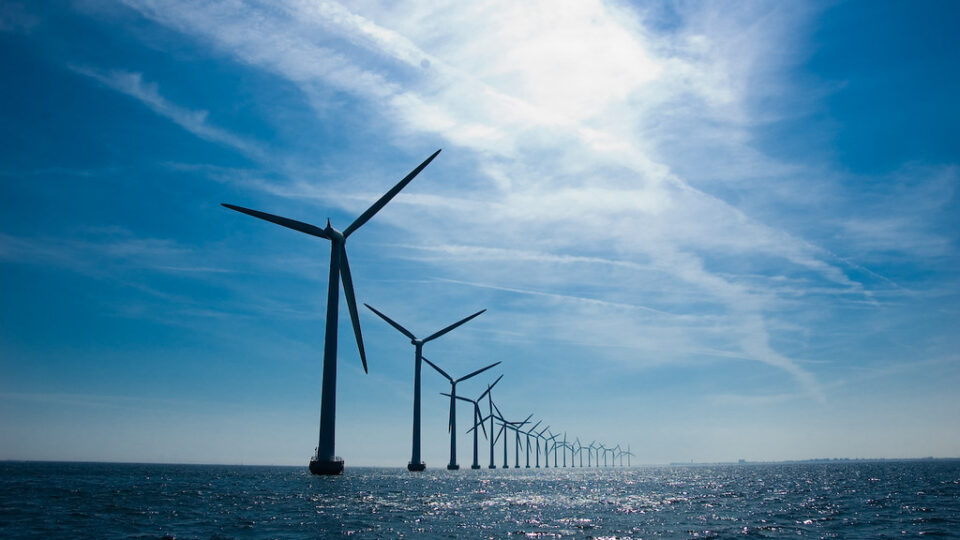
There has been increasing use of agriculture coexisting with solar farms.  This dual use of land is a win-win situation.  Recently, Danish researchers have been investigating the potential for farming marine products at offshore wind farms.

Scandinavia’s largest wind farm, Kriegers Flak, is the site of a four-year-old project in which long lines are stretched between the wind farm’s pylons and are used to grow mussels and seaweed.  With the first harvest that has taken place after 18 months, it is showing signs of early success.

Seaweed and mussels are low trophic aquaculture crops.  That means that that they don’t need to be fed or fertilized.  They take up nutrients from the sea and produce healthy foods.

The 328-foot lines spread between the turbines can be used to grow substantial quantities of the underwater seafood.  According to modeling by Aarhus University – the institution conducting the study – using just a tenth of Denmark’s wind park area could produce tons of seafood annually while using only the naturally-available resources.  This form of aquaculture captures emissions instead of producing them.

Researchers say that it is time to develop guidelines to encourage companies to plan for multiple uses of the ocean because countries are ramping up production of clean energy from offshore wind farms.  Denmark was the first country in the world to install a commercial offshore wind park in 1991.  Over 30 years later, nearly half of the country’s electricity comes from wind turbines.

The benefits of such sea farms combined with offshore wind farms go beyond food production and clean energy production.  They also help improve water quality and capture carbon.  It is another win-win situation.

**********

Web Links

Beneath offshore wind turbines, researchers grow seafood and seaweed

Photo, posted August 5, 2007, courtesy of Andreas Klinke Johannsen via Flickr.

Earth Wise is a production of WAMC Northeast Public Radio
The carbon cost of wind farms

July 31, 2024 By EarthWise Leave a Comment

Reviewing the carbon cost of wind farms

Opponents of electric vehicles and renewable energy often try to make arguments to the effect that the carbon footprint associated with producing electric cars, solar panels, and wind turbines negates their advantages over legacy technologies that involve burning fossil fuels.  These arguments have been soundly refuted for the case of electric vehicles but there have been fewer studies related to other green technologies.

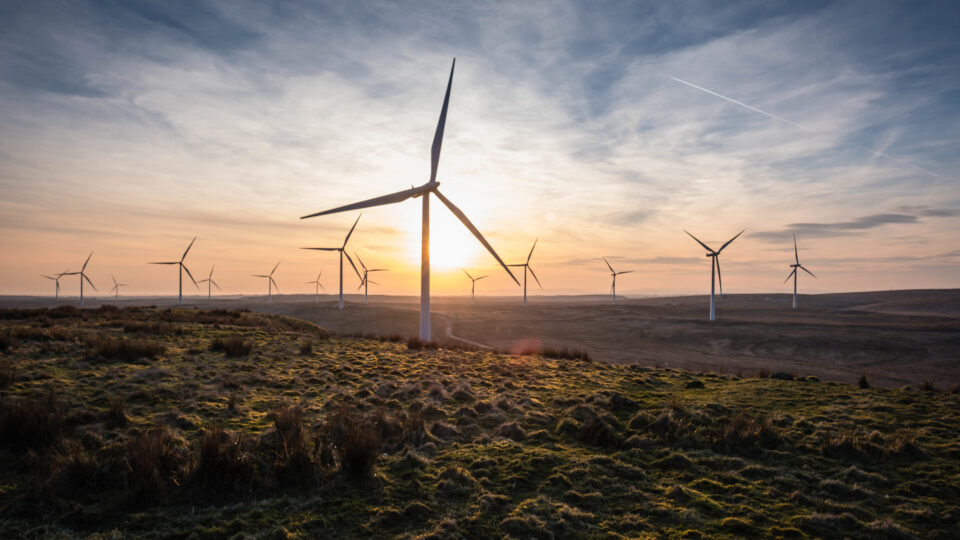
A new peer-reviewed study by engineers at the Te Herenga Waka Victoria University in Wellington, New Zealand, has analyzed the carbon emissions associated with wind farm operation.

The main result is that after operating for less than two years, a wind farm can offset the carbon emissions generated across its entire 30-year lifespan.   The study takes into account everything from the manufacturing of individual turbine parts, to transporting them and installing them into place, to decommissioning the entire wind farm at its life’s end.  The environmental impacts of the installation and transportation phases are important, accounting for about 10% of the overall emissions.

The decommissioning phase is also important.  The study recommended the development of a recycling process for end-of-life turbine blades.  Currently, such blades are disposed of in landfills, but a recycling process could reduce emissions.

The manufacturing of wind turbines is the primary contributor to the carbon and energy consumption footprints and continues to be the subject of efforts to be improved.

There are other aspects of wind farms that are subject to criticism including physical impacts on the local environment and various social, wildlife and economic impacts.  But with respect to carbon emissions, wind farms are a winning strategy.

**********

Web Links

Wind Farms can Offset Their Emissions Within Two Years, New Study Shows

Photo, posted April 2, 2017, courtesy of Ian Dick via Flickr.

Earth Wise is a production of WAMC Northeast Public Radio
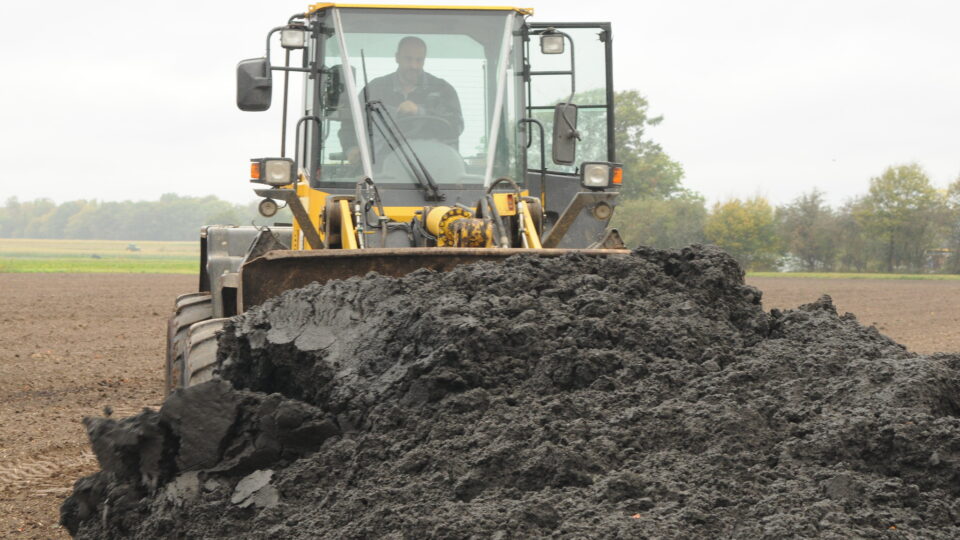
Fertilizers from wastewater sludge

July 30, 2024 By EarthWise Leave a Comment

Sewage sludge is the mud-like residue that is produced as a byproduct during wastewater treatment.  In the U.S., sewage sludge is referred to as biosolids after it’s been treated.  The term is meant to distinguish the higher quality, treated sludge from raw sludge and from sludge that contains large quantities of environmental pollutants. 

However, according to a new study by researchers from Johns Hopkins University, fertilizers manufactured from the sludgy leftovers of wastewater treatment processes can still contain traces of potentially hazardous organic chemicals.

The research, which was recently published in the journal Environmental Science & Technology, provides one of the most comprehensive looks at the chemical composition of biosolids across the country. 

Biosolids do contain valuable organic matter and nutrients, including nitrogen and phosphorus.  According to the U.S. Environmental Protection Agency, more than half of the 3.76 million tons of biosolids produced in the U.S. in 2022 fertilized agricultural lands, golf courses, and other landscaped areas.

In the study, the research team screened 16 samples of biosolids from wastewater treatment facilities in nine U.S. and three Canadian cities. The researchers then created lists of the chemicals found in each sample.  They found 92 common compounds that were present in 80% or more of the samples.  The researchers cross-referenced those 92 compounds against the EPA’s CompTox Chemical Dashboard to identify which chemicals were most likely to pose threats to human health or the environment.

The findings could help the EPA identify which organic compounds to investigate further and which chemical contaminants may need government regulation. 

**********

Web Links

Team Aims to Improve Safety of Fertilizers Made from Wastewater Sludge

Photo, posted November 2, 2011, courtesy of Susana Secretariat via Flickr.

Earth Wise is a production of WAMC Northeast Public Radio
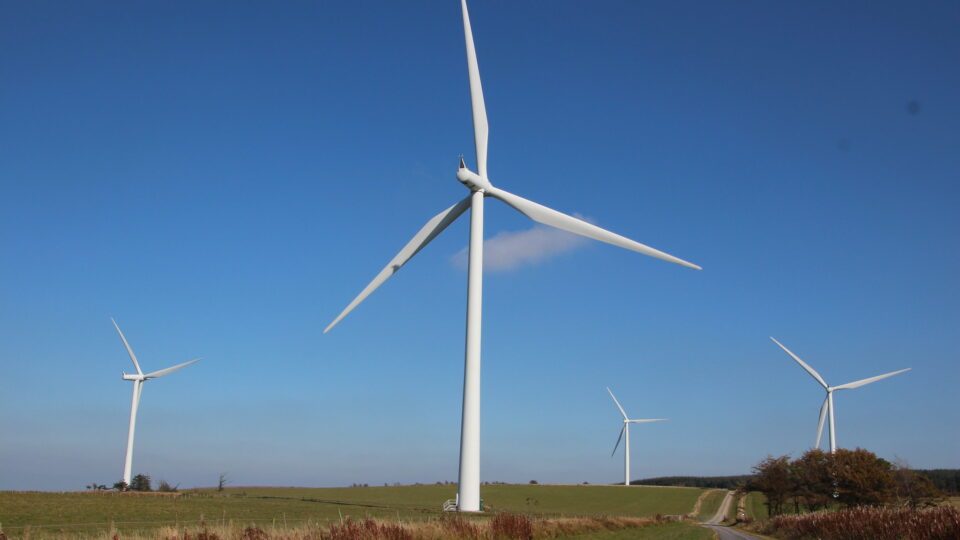
Clean energy investment at record levels

July 26, 2024 By EarthWise Leave a Comment

According to a new study by the International Energy Agency, global clean energy investment will be nearly twice that of fossil fuels this year.  The surging funding for clean energy is being driven by a combination of lower costs for renewable energy and by improving supply chains.

In 2024, the world’s investments in energy are expected to surpass $3 trillion dollars for the first time.  About $2 trillion of that will be directed at green technologies that include renewable power sources, grids, and energy storage; electric vehicles; low-emission fuels; nuclear power; and heat pumps and efficiency improvements.  The remaining amount of just over $1 trillion will fund oil, gas, and oil projects.

The record growth in clean energy investments is taking place in spite of challenging economic conditions related to high interest rates, which demonstrates the momentum behind the global energy transition.

The IEA report does caution that there are big imbalances and shortages in energy investment in various places around the world.  For example, there is a low amount of green energy spending in developing and emerging economies outside of China.  Countries like Brazil and India are leading the way for this sector by having investments in excess of $300 billion.

More money is currently going into solar power development than all other electricity generation technologies combined.  In 2024, solar photovoltaic power investment is set to grow to $500 billion as the falling price of solar modules spurs new investments.

The largest renewable investments will come from China at $675 billion, followed by Europe and the U.S. at $370 billion and $315 billion, respectively.

**********

Web Links

Global Clean Energy Investment Will Nearly Double That of Fossil Fuels in 2024: IEA Report

Photo, posted October 2, 2015, courtesy of John Englart via Flickr.

Earth Wise is a production of WAMC Northeast Public Radio
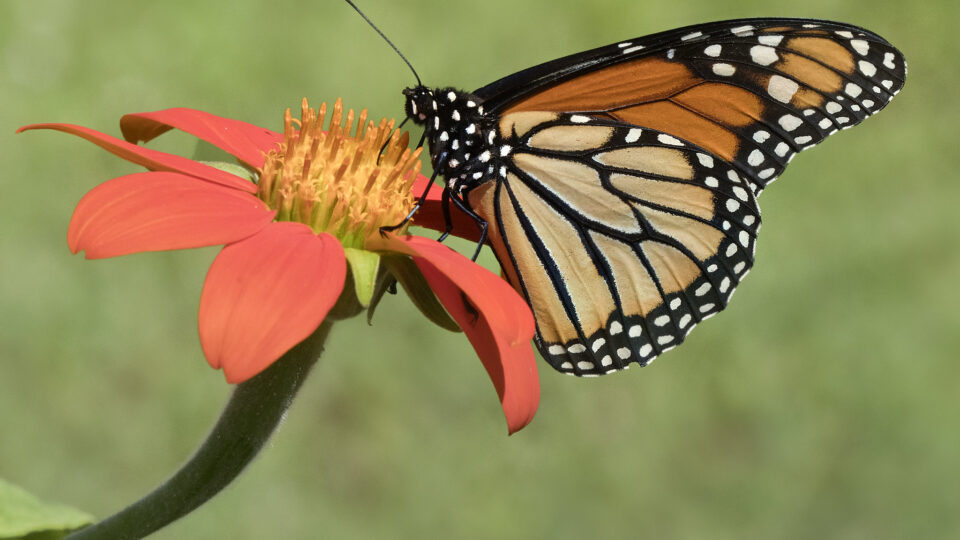
Another ban on neonics

July 22, 2024 By EarthWise Leave a Comment

Banning dangerous insecticides

There have been ominous declines in many insect populations.  Chief among them have been declines in pollinators, which have severe consequences for our food supply.  There are multiple possible causes of these declines and undoubtedly several have been involved simultaneously.

A new study on butterfly populations in the Midwest indicates that agricultural insecticides exerted the biggest impact on the diversity of butterfly populations in the Midwest during the period 1998 to 2014.  The biggest culprits were the widely used insecticides called neonicotinoids that are absorbed into the tissues of plants.

Neonics are meant for targeted pesticide use but are often used more broadly, including for corn crops.

Neonics are already well-known to be especially harmful to bees and are gradually being restricted in various places.  Quebec province passed restrictions on neonic-treated seeds in 2019.  Last December, New York signed into law a phase-out of neonic-treated seeds and a ban on non-agricultural uses of them.

Vermont has now become the second state to ban the use of neonicotinoids by virtue of its state legislature overriding a veto from Governor Phil Scott.  The law minimizes the use of neonics by requiring potential users to obtain written exemptions. 

Opponents to neonic restrictions claim that slashing their use will greatly reduce crop yields.  The experience in Quebec over the past five years is that the Canadian neonic restrictions have reduced corn and soybean crop yields by about 0.5%.  As a result of this tiny reduction, there has been a strong reduction in the amount of neonics contaminating waterways.

**********

Web Links

Vermont Becomes Second State to Ban Bee-Killing Neonic Pesticides

New ‘Detective Work’ on Butterfly Declines Reveals a Prime Suspect

Photo, posted September 7, 2017, courtesy of Watts via Flickr.

Earth Wise is a production of WAMC Northeast Public Radio
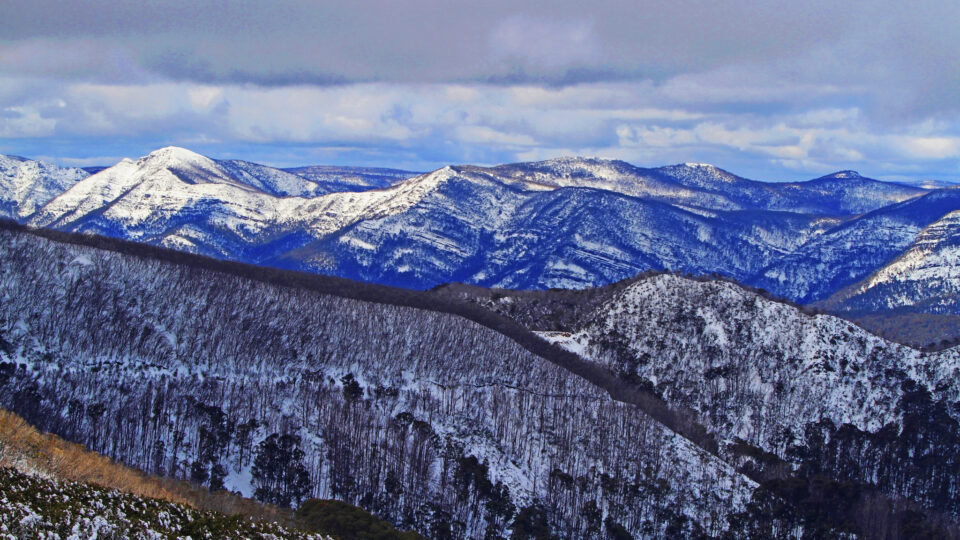
The slippery slopes of the ski industry

July 18, 2024 By EarthWise Leave a Comment

According to the National Oceanic and Atmospheric Administration, snowfall is declining globally as temperatures warm because of human-caused climate change.  Less snow threatens to reinforce global warming, and to disrupt food, water, and livelihoods for billions of people.   

According to new modeling by researchers from Protect Our Winters Australia and The Australian National University, the ski industry in Australia is at risk of major disruptions and shorter seasons if climate change continues unabated.  The researchers found the average ski season across all resorts in Australia will be 44 days shorter by 2050 under a mid-greenhouse gas emissions scenario, and 55 days shorter under a high-emissions scenario.

But the research team also revealed that the Australian ski industry would fare significantly better if decisive action is taken to reduce climate pollution.  In fact, under a low-emissions scenario, the ski season would be 28 days shorter by 2050, before starting to improve by 2080 if emissions are kept down.

However, if decisive climate action isn’t taken, the researchers warn some ski resorts in Australia may be forced to close for good.  But this threat isn’t unique to Australia. 

In fact, according to a study recently published in the journal PLOS ONE, 13% of ski areas around the world are predicted to lose all natural snow cover under the high-emissions scenario by 2071-2100 – relative to their historic baselines. 

The future losses of ski areas around the world will be significant if global emissions continue unchecked.

**********

Web Links

Climate crisis puts Australia’s ski industry on slippery slope, but not all hope is lost

“Our Changing Snowscapes” Report Released

The future is likely less skiable, thanks to climate change

Photo, posted June 6, 2018, courtesy of Clement Tang via Flickr.

Earth Wise is a production of WAMC Northeast Public Radio
Potential for floating solar

July 16, 2024 By EarthWise Leave a Comment

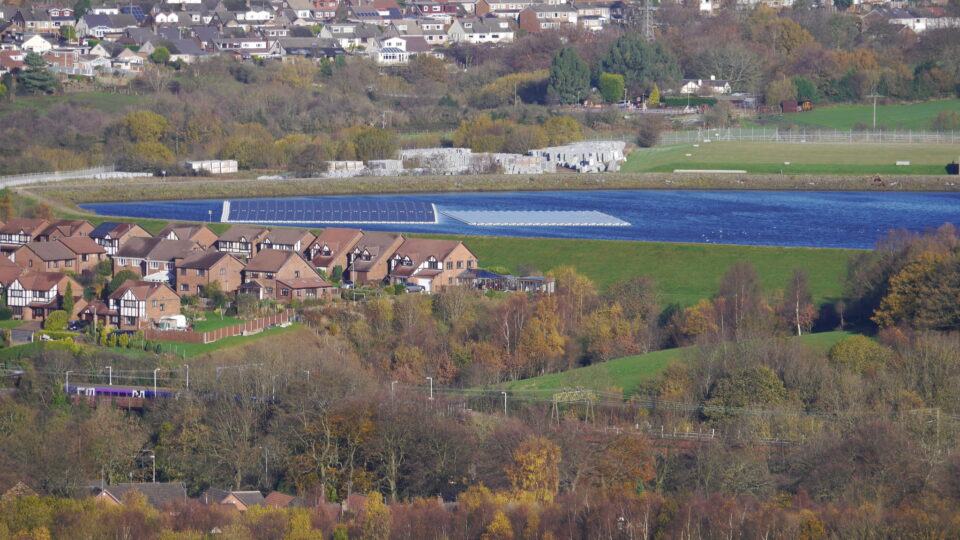
As installations of utility-scale solar power continue to expand around the world, there is the issue of where to put them.  They do take up considerable amounts of space and, in many places, available land is at a premium.

An alternative to taking up available land with solar panels is to deploy them on the surfaces of lakes and reservoirs.  A study by researchers at Bangor and Lancaster Universities in the UK calculated the potential electrical output for floating photovoltaic installation on nearly 68,000 lakes and reservoirs around the world.  The lakes and reservoirs selected were no more than 6 miles from a population center, were not in a protected area, and didn’t dry up and didn’t freeze for more than six months each year.  The calculations were based on covering just 10% of the surface area of the bodies of water.

The calculations were evaluated country-by-country.  Five countries could meet their entire electricity needs by floating installations including Papua New Guinea, Ethiopia, and Rwanda.  Many countries, mostly in Africa, South America, and Central Asia, could get between 40% and 70% of their electricity this way.  Most European countries could only meet a few percent of their electricity needs from floating solar, but even that could be significant. 

There are other benefits to floating solar apart from freeing up land.  The panels stay cooler, making them more efficient, and reservoirs lose less water through evaporation and the growth of algal blooms is reduced because there is less light reaching the water.

**********

Web Links

Some countries could meet their total electricity needs from floating solar panels, research shows

Photo, posted November 25, 2015, courtesy of Smabs Sputzer via Flickr.

Earth Wise is a production of WAMC Northeast Public Radio

Dark chocolate is not so dangerous

July 15, 2024 By EarthWise Leave a Comment

dark chocolate does not seem so dangerous after all

Last year, Consumer Reports published a story stating that a third of chocolate products contain potentially dangerous amounts of heavy metals, in particular lead and cadmium. Since it contains much more cacao, dark chocolate was singled out as the most worrisome product.  Needless to say, chocolate lovers found this report quite alarming.

A new study by Tulane University published in Food Research International employed a larger sample size, expanded the scope of testing to 16 metals, and included a risk assessment of toxic metals as well as accounted for the nutritional contribution of essential minerals.

The conclusions of the study were that dark chocolate poses no adverse risk for adults and contains nutritionally beneficial levels of essential minerals.  Some risks remain for very young children, but only from a very small number of chocolate products and only when large quantities are consumed.

The study sampled 155 dark and milk chocolates from various global brands sold in the United States.  It modeled the risk of eating one ounce of the chocolate per day or two large whole bars a week.

Only one brand exceeded the international limit for cadmium; four had cadmium levels that could pose a risk for a child weighing less than 33 pounds.  Only two bars contained lead levels above California interim standard, but neither posed adverse risks for anyone.

Lead in chocolate comes from post-harvest processing; cadmium comes from the soil.  South American chocolates generally have higher levels of metals than chocolates from Asia and West Africa.  Most dark chocolate in the U.S. is sourced from West Africa.

**********

Web Links

A dark side to dark chocolate? New study finds very minimal risk for kids from metals in chocolates

Photo, posted February 19, 2012, courtesy of Bodo via Flickr.

Earth Wise is a production of WAMC Northeast Public Radio
Elephants have names

July 11, 2024 By EarthWise Leave a Comment

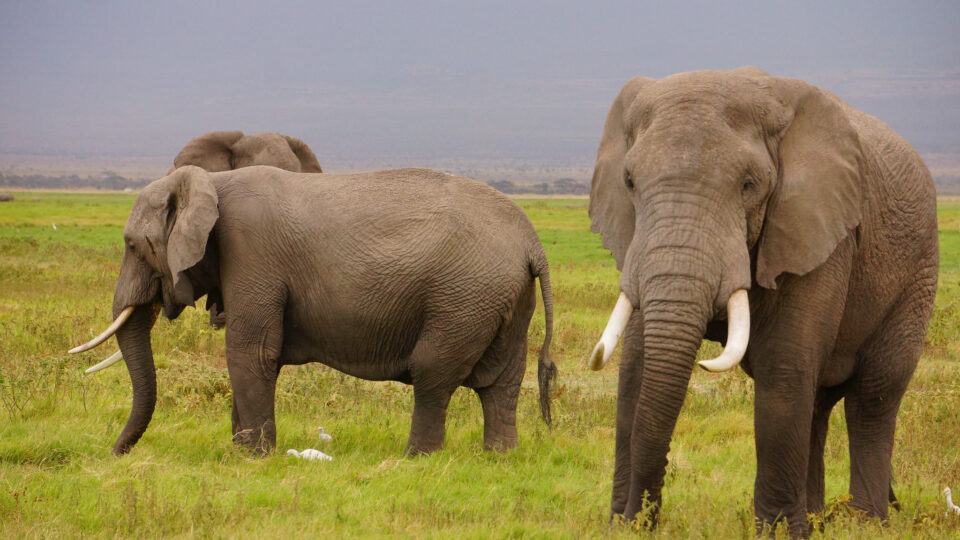
Elephants are considered to be very smart creatures.  They have the largest brain of any land animal and have three times as many neurons as humans.  Of course, a lot of that brain hardware is needed to control those big elephant bodies, but elephants have also demonstrated impressive mental capabilities on many occasions.

A new study by an international team headed by researchers from Colorado State University has found that elephants call each other by name and respond when they hear others call their name.

The researchers analyzed hundreds of elephant calls recorded over more than a year in Kenya.  With machine learning techniques, they were able to identify specific sounds that elephants made when calling each other.  When the researchers played recordings of these sounds, the elephants responded to the sound of their own name by calling back or moving toward the loudspeaker.  Their response to other names was much less enthusiastic.

Very few animals use names at all, and, in most cases, it is more a matter of imitation.  For example, dolphins refer to other dolphins by mimicking their unique sounds.

These findings at least suggest that elephants may be capable of abstract thought and perhaps may have a vocabulary beyond names for each other.  The researchers are investigating whether elephants can identify food, water, or locations using their calls.  The great hope is that it might ultimately be possible to communicate with elephants directly.  It would be wonderful to be able to alert them to poachers or other threats.  The lead author of the study said that he would like to be able to tell elephants things like “Do not come here.  You’re going to be killed if you come here.”

**********

Web Links

Elephants Have Names for Each Other, Study Finds

Photo, posted April 24, 2016, courtesy of Neil Ransom via Flickr.

Earth Wise is a production of WAMC Northeast Public Radio

Benefits of electric school buses

July 1, 2024 By EarthWise Leave a Comment

Converting to electric school buses

There are about half a million school buses in use in the U.S.  A large number of them are older, highly polluting diesel buses.  There are well-established health and climate benefits of switching from diesel vehicles to electric vehicles but making the switch is expensive.  Diesel buses generally cost between $65,000 to $120,000, depending on the type and configuration.  Electric buses cost about $250,000 each.

The substantial cost makes it a difficult decision for local, state, and federal officials, particularly since the actual magnitude of the benefits is not well known.

A new study by researchers at Harvard’s T.H. Chan School of Public Health has quantified these benefits.  According to the study, replacing each bus may yield up to $247,600 in climate and health benefits. These benefits derive from fewer greenhouse gas emissions and from reduced rates of adult mortality and childhood asthma. 

The study compared the amounts of carbon dioxide emitted from diesel bus tailpipes to the emissions associated with generating electricity for the buses and producing their batteries.  It also compared how these respective emissions contribute to fine particulate air pollution, which is linked to adult mortality and the onset of childhood asthma.  The study concluded that particularly in dense urban settings, the savings incurred from electrifying older school buses easily outweigh the costs of replacing them.

An important question not tackled in the study is how electric school buses impact children’s exposure to in-cabin air pollution while riding the bus.  This issue could further inform policy decisions.

**********

Web Links

Electric school buses may yield significant health and climate benefits, cost savings

Photo, posted May 9, 2008, courtesy of Christine H. via Flickr.

Earth Wise is a production of WAMC Northeast Public Radio

Deer vs. caribou

June 13, 2024 By EarthWise Leave a Comment

White-tailed deer expansion bad news for caribou

The combination of a warming climate and human disruption of traditional habitats has been causing changes in the ranges of many animal species.  Over the past century, white-tailed deer have greatly expanded their range in North America.  Researchers from a group of Canadian institutions have been investigating the expansion of the deer in the boreal forest of Western Canada.  A five-year study used 300 wildlife cameras throughout the region to track the activities of large mammals.

Climate change has created milder winters and habitat alteration from forestry and energy exploration have created new food sources for deer. 

The expansion of deer in the forest has not been a good thing for the woodland caribou. The species was designated as threatened in 2002.  As of 2011, only 34,000 remained in the region.  Deer are ecosystem disruptors, in this case disrupting existing predator-prey dynamics.  Areas with more deer typically have more wolves and wolves are predators of caribou.  Deer can handle high predation rates, but the already threatened caribou cannot.

Understanding the relative roles of climate and human land use is essential in efforts to recover caribou populations.  It is complicated because further north, the climate becomes harsher and human land use decreases.  The debate over the relative effect of climate or habitat change is one of the most pressing issues facing ecologists globally as they pursue efforts for ecosystem restoration.

In any case, winter severity is expected to decline as climate change progresses.  Therefore, deer are expected to keep expanding northward and increasing in abundance, which means increasing risk to caribou.

**********

Web Links

Deer are expanding north, and that’s not good for caribou

Photo, posted January 12, 2016, courtesy of Gerry via Flickr.

Earth Wise is a production of WAMC Northeast Public Radio

Fireflies are in decline

June 10, 2024 By EarthWise 2 Comments

Fireflies are in decline in North America

If you are seeing fewer fireflies each year, you’re not alone.  Like many insects, firefly populations are in decline.  A new study by researchers from the University of Kentucky, Bucknell University, Penn State University, and the USDA has shed some light on the precarious situation facing firefly populations across North America. 

The research team used a mix of field surveys from citizen scientists and advanced machine learning techniques to analyze more than 24,000 surveys from the Firefly Watch citizen science initiative.  The study, which was recently published in the journal Science of the Total Environment, identified the factors likely responsible for the declines in firefly populations. 

The research team found that fireflies are sensitive to various environmental factors, from short-term weather conditions to longer climatic trends.  Fireflies thrive in temperate and tropical climates.  As global temperatures rise, these conditions become less predictable and less hospitable.

Light pollution is another threat to fireflies.  Artificial light at night – from things like street lights and billboards – is particularly disruptive to fireflies as it interferes with their bioluminescent communication essential for mating.

Urban growth, including buildings, roads, and sidewalks, poses another significant threat to fireflies by overtaking their natural habitats and decreasing available breeding areas. 

Additionally, certain agricultural practices seem to contribute to the decline of fireflies. 

According to the research team, reducing light pollution, preserving natural habitats, and implementing wildlife-friendly agricultural practices are conservation measures that could help mitigate the decline of fireflies. 

**********

Web Links

Fading lights: Comprehensive study unveils multiple threats to North America’s firefly populations

Photo, posted July 12, 2021, courtesy of Bruce Hallman/USFWS via Flickr.

Earth Wise is a production of WAMC Northeast Public Radio

Palm oil and water quality

June 3, 2024 By EarthWise Leave a Comment

Palm oil is the world’s cheapest and most widely used vegetable oil.  In fact, more than 86 million tons of palm oil was consumed last year alone.  Even though few of us cook with it, palm oil can be found in approximately half of all packaged grocery items – everything from ice creams and pizzas to detergents and cosmetics. 

This massive global demand for palm oil is driving tropical deforestation around the world.  While many studies have shown how converting rainforests to oil palm plantations causes biodiversity loss, researchers from UMass Amherst are the first to demonstrate how these plantations also cause wide-ranging disturbances to nearby watersheds.

In the study, which was recently published in the journal Science of the Total Environment, the research team focused on the Kais River watershed of West Papua, a province in the far east of Indonesia.  Approximately 25% of the watershed has been turned into oil palm plantations. The watershed is also one of the oldest continually inhabited homes for different groups of Indigenous Papuans.

The researchers found that the conversion of tropical rainforest to oil palm plantation has increased precipitation, runoff, and soil moisture. Water quality in the watershed has also gotten dramatically worse: sedimentation has increased by 16.9%, nitrogen by 78.1%, and phosphorus by 144%.

The research team hopes regulators will work to limit the use of pesticides, conduct continuous water quality monitoring, and ensure that downstream communities have access to water quality information. 

**********

Web Links

Oil Palm Plantations Are Driving Massive Downstream Impact to Watershed

Photo, posted December 13, 2008, courtesy of Fitri Agung via Flickr.

Earth Wise is a production of WAMC Northeast Public Radio

Natural solutions for coastal defense

May 30, 2024 By EarthWise Leave a Comment

Nature-based coastal defense systems have a role to play

Protecting coastal cities and towns from the dangers of tsunamis, storm surges, and sea-level rise has become an ever-increasing challenge.  There are so-called hard coastal defenses as well as nature-based solutions.  A new study by the University of Tokyo has found that combining the two types of defenses may be the most effective way to protect, support, and enrich coastal communities.

Sea walls, dikes, dams, and breakwaters are the traditional hard measures.  They are popular and have proven track records but are facing challenges to keep pace with increasing climate risks.  They are expensive to build and require continuous upgrades and repairs.  While they do provide protection from many disaster risks, they also can cause significant disruption to coastal ecosystems as well as to coastal communities.

Nature-based coastal defenses include such things as mangroves and coral reefs.  So-called soft measures involve restoring, rehabilitating, reforesting, and nourishing natural ecosystems that protect coastal areas.

The Tokyo researchers analyzed the defense strategies in terms of risk reduction, climate change mitigation, and cost-effectiveness over a 20-year period. The results of the study were that among all coastal defense options in lower-risk areas, hybrid measures provide the highest risk reduction and can harness the advantages of both hard and soft measures. 

The findings provide strong evidence for integrating nature-based components into coastal defenses, but these approaches have not yet been adequately tested in circumstances of extreme events and high-risk urgency.  Research in this area has important implications for policy makers, coastal planners, and communities looking to make evidence-based decisions.

**********

Web Links

A natural touch for coastal defense

Photo, posted October 22, 2021, courtesy of Kevin Dooley via Flickr.

Earth Wise is a production of WAMC Northeast Public Radio
Offshore wind and the wake effect

May 28, 2024 By EarthWise Leave a Comment

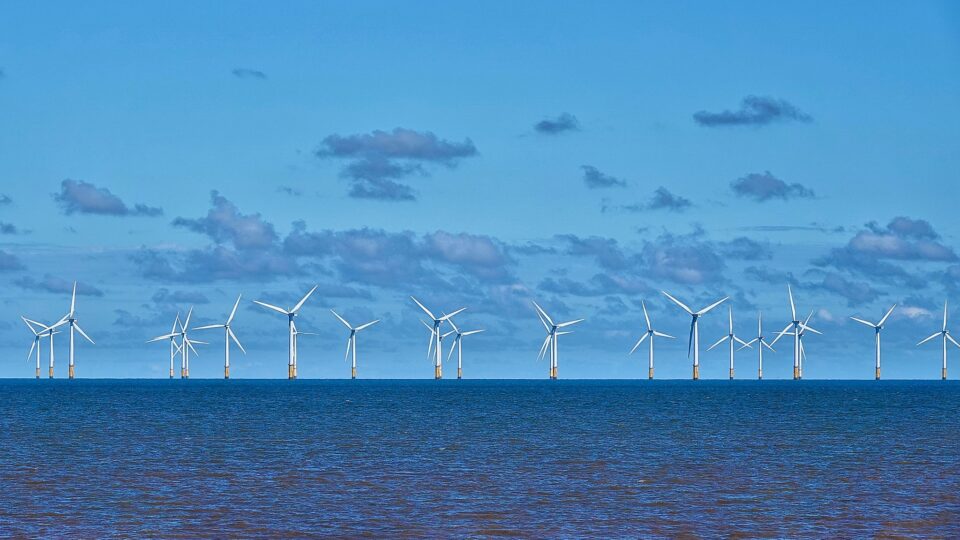
Electricity demand in the U.S. continues to grow and, in the summer, homes and businesses crank up their air conditioning which drives demand even further.  Many East Coast cities are banking on offshore wind projects that are underway in the Atlantic Ocean to help meet that growing demand.  The first offshore turbines are now producing power off the coasts of Massachusetts and New York.

Electric power utilities need to know how much power they can get from offshore wind farms, and this is not that easy to predict.  Wind is variable, so there is some built-in uncertainty.  But there is also a phenomenon known as the wake effect to contend with.

When wind passes through a series of giant turbines, the ones in front extract some energy from the wind and, as a result, the wind slows down and becomes more turbulent behind the turbines.  So, the downstream turbines get slower wind and may produce less power.

A study by the University of Colorado has modeled this phenomenon for planned wind farms in the Atlantic Coast region and has found that power output could be reduced by over 30%.  Researchers are installing weather monitors and radar sensors in islands off the New England coast to better understand the behavior of the wind in the area and improve prediction models.

The New England grid covers Connecticut, Maine, Massachusetts, New Hampshire, Rhode Island, and Vermont. Even with the wake effect, offshore wind is predicted to be able to provide 60% of the electricity needs of the grid, but it is important to be able to accurately predict what it can produce.

**********

Web Link

How much energy can offshore wind farms in the US produce? New study sheds light

Photo, posted August 31, 2022, courtesy of Nina Ali via Flickr.

Earth Wise is a production of WAMC Northeast Public Radio
Wind farms and land use

May 20, 2024 By EarthWise Leave a Comment

Analyzing wind power and land use

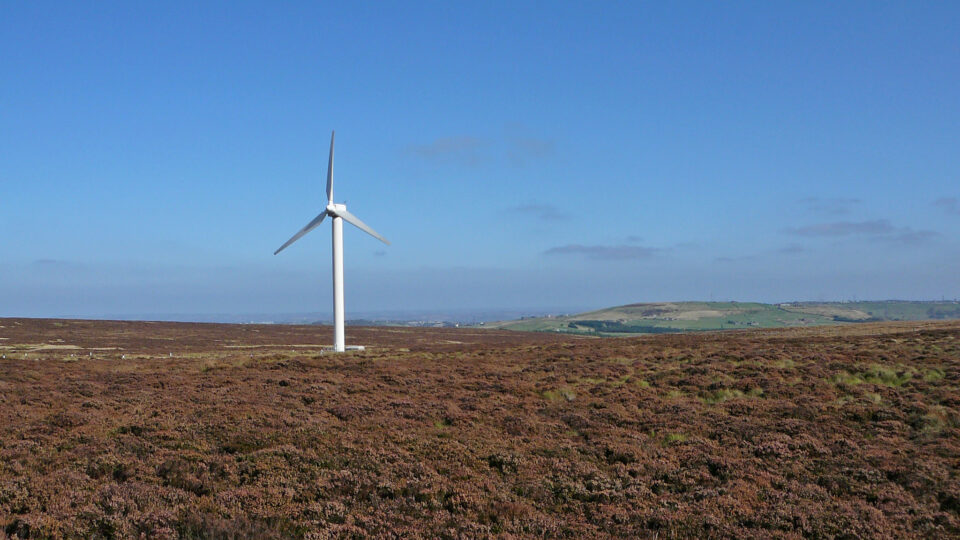
Wind power has become one of the most affordable ways to generate electricity as well as being renewable and not contributing to global warming.  But there has been the perception that wind farms require a lot of land compared with fossil fuel power plants. This issue of land use has made decision-makers reluctant to invest in wind energy in many instances.

A new study by McGill University in Montreal looked at this issue and has found that land use for wind power is far more efficient than previously thought.  The study combined data from geographic information systems with machine learning models to assess land usage associated with nearly 16,000 wind turbines in the western U.S.

The study assessed the land use of 320 wind farms.  They found that wind power infrastructure (mostly the turbines themselves and the roads that lead to them) typically only uses 5% of the land area of a wind farm.  If the wind farm is sited in locations with existing infrastructure, such as on agricultural land, then it can be as much as seven times more land-efficient – meaning the amount energy produced in a given area of land impacted by the infrastructure – than a wind farm that is developed on unused land.

Previous studies of wind farm land usage assumed that all of the land where the wind farm was located was devoted to energy generation.  In reality, most of land in question is often used for other purposes, such as agriculture.

The methods developed by the researchers are potentially useable for future assessments of various energy technologies in terms of their environmental sustainability.

**********

Web Links

Clearing the air: wind farms more land efficient than previously thought

Photo, posted September 29, 2009, courtesy of Tim Green via Flickr.

Earth Wise is a production of WAMC Northeast Public Radio
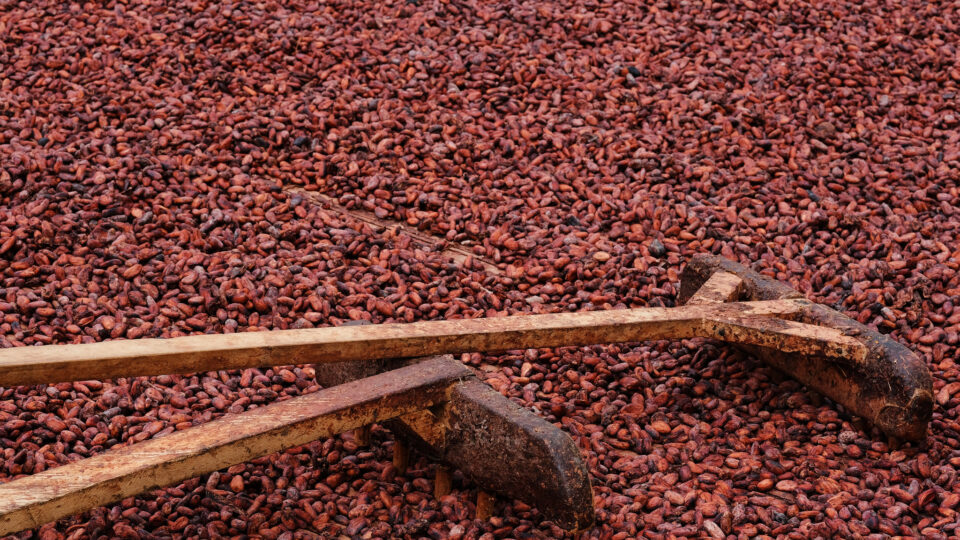
The global chocolate supply is threatened

May 16, 2024 By EarthWise Leave a Comment

The global supply of chocolate is threatened

The world is facing the biggest deficit of cocoa in decades. Most cocoa beans are grown in West Africa, where climate change-induced drought has ravaged crops.  Harvests are forecasted to fall short for the third consecutive year. 

The harvest shortfall has triggered a steep rise in cocoa prices.  In fact, cocoa prices have more than doubled in the first four months of this year, and have more than tripled in the past 12 months.

But drought isn’t the only threat:  A rapidly spreading virus is also threatening the future of chocolate.   

Approximately half of the world’s chocolate originates from cacao trees in Ghana and the Ivory Coast.  The Cacao Swollen Shoot Virus Disease is spread by small insects called mealybugs, which eat the leaves, buds, and flowers of cacao trees.  The virus is attacking cacao trees in Ghana, resulting in harvest losses of 15-50%. 

Pesticides don’t work well against mealybugs.  Farmers can vaccinate trees to inoculate them from the virus.  But the vaccines are expensive, and the vaccinated trees produce a smaller harvest of cacao.

According to a new paper recently published in the journal PLOS ONE, an international team of researchers has developed a new strategy to combat these pests: using mathematical data to determine how far apart vaccinated trees need to be planted in order to stop mealybugs from hopping from tree to tree.  The researchers developed two models that allow farmers to create a defensive ring of vaccinated trees around unvaccinated trees

The research team hopes its models will help farmers protect their crops and achieve better harvests in the future. 

**********

Web Links

Cacao sustainability: The case of cacao swollen-shoot virus co-infection

Will rising cocoa prices trigger a chocolate crisis?

Photo, posted April 1, 2019, courtesy of Konrad Lembcke via Flickr.

Earth Wise is a production of WAMC Northeast Public Radio

  • « Go to Previous Page
  • Page 1
  • Page 2
  • Page 3
  • Page 4
  • Page 5
  • Page 6
  • Interim pages omitted …
  • Page 24
  • Go to Next Page »

Primary Sidebar

Recent Episodes

  • An uninsurable future
  • Clean energy and jobs
  • Insect declines in remote regions
  • Fossil fuel producing nations ignoring climate goals
  • Trouble for clownfishes

WAMC Northeast Public Radio

WAMC/Northeast Public Radio is a regional public radio network serving parts of seven northeastern states (more...)

Copyright © 2026 ·