• Skip to primary navigation
  • Skip to main content
  • Skip to primary sidebar

Earth Wise

A look at our changing environment.

  • Home
  • About Earth Wise
  • Where to Listen
  • All Articles
  • Show Search
Hide Search
You are here: Home / Archives for study

study

Electric trains are healthier

May 7, 2025 By EarthWise Leave a Comment

Electric trains are better for human health

The majority of commuter trains in the U.S. are powered by diesel fuel.  This is despite the fact that electric trains are quieter, more reliable, and produce fewer greenhouse gases than diesel locomotives.  A new study has found that electric trains are healthier for passengers as well.

Caltrain carries millions of passengers a year along a 47-mile route between San Francisco and San Jose.  It is the busiest commuter rail system in the western U.S.  Over a six-week period beginning in August 2024, Caltrain retired all 29 of its diesel locomotives and replaced them with electric trains.

As the process began, an environmental engineering and environmental health professor at UC Berkeley noticed the rapid change in the air aboard the trains and decided to study its potential health impacts.  With the support of Caltrain, he installed black carbon detectors aboard the trains and tracked the improvements in air quality as old diesel locomotives were being replaced by new electric trains.

Statistical analysis of the reduction in black carbon exposure achieved by the change predicted a reduction in excess cancer deaths by 51 per million people for passengers and 330 per million people for train conductors.  EPA policy states that any exposure that increases the average individual’s cancer risk by more than one per million is considered unacceptable.

In the context of the whole U.S. where millions of people commute by rail every day, the study predicts that hundreds of cases of cancer could be prevented each year.  California has long-term plans to electrify most of its rail systems.  The study indicates that the process shouldn’t be carried over the next 25 years but rather be sped up.

**********

Web Links

Electric trains are quieter, more reliable than diesel. New study finds they’re healthier, too.

Photo, posted September 4, 2024, courtesy of J. Kehoe via Flickr.

Earth Wise is a production of WAMC Northeast Public Radio

Extreme heat and dairy production

May 6, 2025 By EarthWise Leave a Comment

Climate change is causing more frequent and intense heat waves in the United States. Studies show that not only are heat waves now occurring more often, but that the average heat wave season is nearly 50 days longer now than it was in the 1960s.  The overall rise in temperatures, linked to climate change, has led to increased health risks and fatalities from extreme heat. 

As humans face increasing health risks from this extreme heat, livestock are also suffering from the effects of rising temperatures.  Extreme heat negatively impacts dairy production by causing heat stress in cows, which can reduce milk yield, quality, and the cows’ overall health.

A new study by researchers from the University of Illinois Urbana-Champaign analyzed milk production data from 18,000 dairy farms across nine Midwest states between 2012 and 2016.  The researchers found that high heat and humidity have led to a 1% decline in annual milk yield. While this might not sound like a lot, it amounts to about 1.4 billion pounds of milk over five years from the 18,000 herds included in the study – equivalent to about $245 million in lost revenue.

The study, which was recently published in the journal Food Policy, found that small farms are hit harder than large farms.  Larger farms may be able to mitigate some of the effects through management strategies, such as open barn sides, fans, and sprinklers.

Using projections from 22 different climate models, the research team estimates that more frequent extreme heat will increase milk yield losses by about 30% by 2050. 

**********

Web Links

Illinois study: Extreme heat impacts dairy production, small farms most vulnerable

Photo, posted March 13, 2018, courtesy of Gosdin via Flickr.

Earth Wise is a production of WAMC Northeast Public Radio

Scrubbers to clean up shipping

May 1, 2025 By EarthWise Leave a Comment

Cargo ships are significant sources of global air pollution because of their fuel oil.  Most ships burn heavy fuel oil that is loaded with sulfur, so when it is burned it produces noxious gases and fine particles that can harm human health and the environment.  The International Maritime Organization enacted a mandatory cap of 0.5% for the sulfur content of marine fuels in 2020.  Heavy fuel oil has a sulfur content of 2 to 3 percent.

Shipping companies can comply by burning low-sulfur fossil fuels or biofuels, but these are much more expensive.  The most feasible and cost-effective option is to install exhaust gas cleaning systems, known as scrubbers. 

A scrubber is a huge metal tank installed in a ship’s exhaust stack.  Seawater is sprayed from nozzles to wash the hot exhaust.  The seawater reacts with sulfur dioxide and converts it to sulfates, which are environmentally benign natural components in seawater.

A study by the National Technical University of Athens in Greece has performed a lifecycle assessment of the use of scrubbers and has found that burning heavy fuel oil with the use of scrubbers can match or even surpass the benefits of using low-sulfur fuels.

Producing low-sulfur fuel causes additional greenhouse gas and particulate matter emissions in refineries. On the other hand, scrubbers reduce sulfur dioxide emissions by 97% and dramatically reduce other pollutants as well.

The study shows the importance of incorporating lifecycle assessments into evaluation of environmental impact reduction policies.

**********

Web Links

Study: Burning heavy fuel oil with scrubbers is the best available option for bulk maritime shipping

Photo, posted August 3, 2015, courtesy of Lotsemann via Flickr.

Earth Wise is a production of WAMC Northeast Public Radio

The human impact on biodiversity

April 28, 2025 By EarthWise Leave a Comment

Humans have a devastating impact on biodiversity

Biodiversity is under threat.  More and more plant and animal species are disappearing and humans are to blame.  Humans cause biodiversity loss through habitat destruction, invasive species, pollution, direct exploitation, and climate change, all of which are significantly influenced by human activities.

But until now, drawing broad conclusions about human impacts on biodiversity has been difficult because a clear, global overview of how human activity affects nature across all species did not exist. Most studies have focused on specific places, impacts, or time periods.

To fill these research gaps, a research team from the University of Zurich in Switzerland and the Swiss Federal Institute of Aquatic Science and Technology conducted an unprecedented synthesis study.  The researchers compiled data from around 2,100 studies that compared biodiversity at almost 50,000 sites affected by humans with similar places that hadn’t been affected by humans. 

The synthesis study, which was recently published in the journal Nature, found humans are having a highly detrimental impact on biodiversity worldwide.  In fact, not only is the number of species declining, but the composition of species communities is also changing.  On average, the number of species at impacted sites was almost 20% lower than at unaffected sites.

The study, which is one of the largest ever conducted on this topic, highlights the widespread negative impact of human activities on nature, and emphasizes the need to consider all forms of life when assessing biodiversity loss. 

**********

Web Links

The Devastating Human Impact on Biodiversity

Photo, posted November 19, 2014, courtesy of Green Mountain Girls Farm via Flickr.

Earth Wise is a production of WAMC Northeast Public Radio

The dangers of deep sea mining

April 21, 2025 By EarthWise Leave a Comment

The dangers of deep sea mining are poorly understood

The White House is considering an executive order that would fast-track permitting for deep-sea mining in international waters and allow mining companies to bypass a United Nations-backed review process.

Deep sea mining is the extraction of minerals from the seabed in the deep ocean.  Most of the interest is in what are known as polymetallic nodules, which are potato-sized mineral deposits that have built up in layers over thousands of years. They are located several miles below the surface, primarily in what is called the Clarion-Clipperton zone, which is an environmental management area of the Pacific Ocean about halfway between Mexico and Hawaii.

A new multiyear study led by UK’s National Oceanography Center and published in the journal Nature found that the site of a deep-sea mining test in 1979 still showed lower levels of biodiversity than in neighboring undisturbed sites 44 years later.

Much is not known about the undersea nodules.  We know that they produce oxygen.  If the nodules are removed, will that reduce the amount of oxygen in the deep sea and affect the organisms that live there?  If mining occurs, what effect will the metal-containing sediment plumes churned up by the mining process have? 

The nodule fields sustain highly specialized animal and microbial communities.  More than 20 billion tons of nodules are estimated to lie on the seabed of the Clarion-Clipperton Zone.  If large-scale mining takes place, and there is much interest in that happening, it is important to find out what the impact will be on the ocean and its ecosystems because it is likely to be largely irreversible.

**********

Web Links

Deep sea mining for rare metals impacts marine life for decades, scientists say

Photo, posted September 4, 2014, courtesy of James St. John via Flickr.

Earth Wise is a production of WAMC Northeast Public Radio

Bananas and climate change

April 17, 2025 By EarthWise Leave a Comment

Bananas are one of the most widely produced fruits globally, with more than 100 million tons grown every year.  They are a key export crop worth approximately $11 billion annually. Bananas are also a staple food in many tropical countries, playing a vital role in both the economies of these nations and in global food security.

The Cavendish variety of banana dominates commercial exports, accounting for nearly 47% of global production. However, the Cavendish banana is highly susceptible to diseases like Panama disease, prompting ongoing efforts to develop disease-resistant alternatives. The spread of these diseases is exacerbated by climate change, which alters growing conditions and weakens banana plants. Additionally, climate change poses further threats to the banana industry by impacting crop yields and distribution patterns.

In fact, a new study led by researchers from the University of Exeter in the U.K. has found that by 2080, rising temperatures will make growing bananas for export economically unsustainable in many regions of Latin America and the Caribbean.  Colombia and Costa Rica will be among the countries most negatively impacted as they are expected to become too hot for optimal banana cultivation. 

The study, which was recently published in the journal Nature Food, found that 60% of the regions currently producing bananas around the world will struggle to grow the fruit unless there are urgent interventions to tackle climate change.  The researchers propose several adaptation strategies, including expanding irrigation systems, developing heat- and drought-resistant banana varieties, and helping banana producers manage climate-related risks.

**********

Web Links

Climate change threatens future of banana export industry

Photo, posted June 26, 2024, courtesy of JJ Musgrove via Flickr.

Earth Wise is a production of WAMC Northeast Public Radio

The warmer, greener Arctic and greenhouse gas

April 16, 2025 By EarthWise Leave a Comment

Blue lakes in Greenland turning brown as the Arctic warms

About 15% of the Northern Hemisphere is covered by permafrost.  Permafrost is soil and sediment that has remained frozen for long periods of time, in some cases as much as 700,000 years.  It contains large amounts of dead biomass that has accumulated over millennia and hasn’t fully decomposed.  Therefore, permafrost is an immense carbon sink.

The Arctic is warming four times faster than the rest of the planet and, as a result, thawing permafrost is becoming a carbon source.  As warming continues, ice is melting, and vegetation is spreading.    A new study, published in Nature Climate Change, looked at the state of the Arctic and boreal north from the period 1990 until 2020.  The study found that although half of the Arctic region has been growing greener, only 12% of those green areas are actually taking up more carbon.  For one thing, the growth of forests means that there is more fuel for wildfires which are increasingly common.

A study of lakes in West Greenland found that thousands of crystal blue lakes have turned brown during record heat spells.  Runoff from melting permafrost made the lakes opaque killing off plankton that absorb carbon dioxide.  Meanwhile, plankton that release carbon dioxide multiplied.  So, these lakes went from being carbon sinks to being carbon sources.

As the northern latitudes warm, ice and permafrost are melting, vegetation is spreading, and the region is becoming a source of heat-trapping gas after having been a place where carbon has been locked away for thousands of years.  According to the Nature Climate Change study, roughly 40% of the Arctic is now a source of carbon dioxide.

**********

Web Links

Warmer, Greener Arctic Becoming a Source of Heat-Trapping Gas

Photo, posted October 14, 2024, courtesy of Christoph Strässler via Flickr.

Earth Wise is a production of WAMC Northeast Public Radio
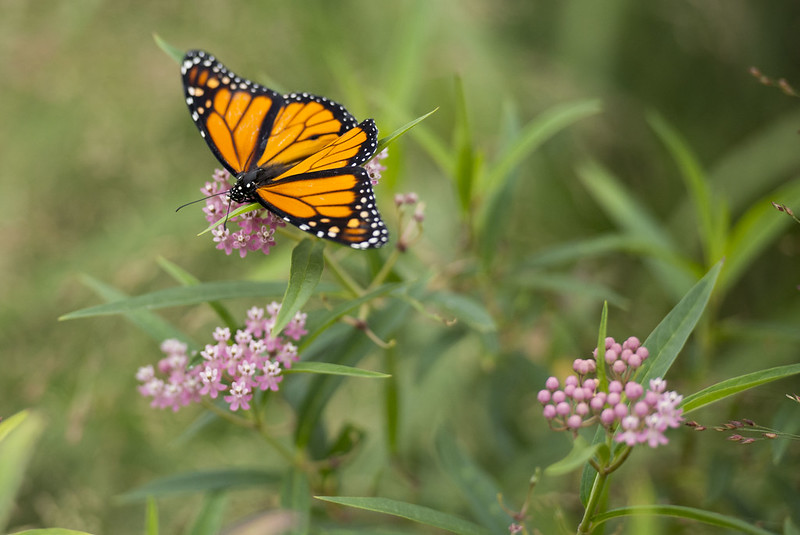
The American butterfly census

April 15, 2025 By EarthWise Leave a Comment

New butterfly census in the United States reveals butterfly populations are crashing

There has been a great deal of interest in the plight of monarch butterflies in this country.  Monarchs’ population and migratory habits are closely watched, and many people have been planting milkweed in their gardens to help their caterpillars.  But other butterfly species have received much less attention despite the fact that many butterfly populations are in decline.

A groundbreaking new study has provided comprehensive answers about the status of butterflies in America.  Over the past 20 years, the contiguous US has lost 22 percent of its butterflies.

The study is based on over 12 million individual butteries counted in 77,000 surveys across 35 monitoring programs from 2000 to 2020.  Three hundred forty-two butterfly species in total were analyzed.  Thirty three percent showed statistically significant declines while less than 3% displayed statistically significant increases.  Overall, 13 times as many species decreased as increased.

Why are butterfly populations crashing?  Experts point to a combination of factors:  habitat loss as land in converted for agriculture or development, climate change, and pesticide use.  It is not clear which factor is most important and may well vary by location.  Pesticide use – especially neonicotinoids – has been shown to play a particularly lethal role in studies. 

Insects including butterflies play a huge role in supporting life on earth.  They pollinate plants, feed birds and many other creatures in the food web.  Nature collapses without them.  And butterflies are clearly in trouble.

**********

Web Links

See How Butterflies Are Surviving, or Not, Near You

Photo, posted August 9, 2016, courtesy of Rachel Larue/Arlington National Cemetery via Flickr.

Earth Wise is a production of WAMC Northeast Public Radio

Microplastics and antibiotic resistance

April 14, 2025 By EarthWise Leave a Comment

Microplastics are a real problem.  They are pretty much everywhere.  They are in our food, in the oceans, on mountains, up in the clouds, and most alarmingly, in our bodies.  All of that is already bad news, but researchers at Boston University have found that microplastics may also be contributing to antibiotic resistance in dangerous bacteria.

The researchers observed that bacteria exposed to microplastics become resistant to multiple types of antibiotics commonly used to treat infections.  Bacteria can become resistant to antibiotics for a number of reasons, including misuse and overprescribing of medications.  However, a major factor influencing antibiotic resistance is the microenvironment – the immediate surroundings of a microbe – which is where bacteria and viruses replicate.

The Boston University study tested how the common bacterium E. coli reacted to being in a closed environment with microplastics.  The plastics provide a surface that the bacteria can attach to and colonize.  When attached to a surface, bacteria create a sticky substance called a biofilm that acts like a shield, protecting the bacteria and keeping them affixed securely.  The tests showed that microplastics supercharged the biofilms so much that when antibiotics were introduced, they were unable to penetrate the shield.

Microplastics are everywhere, but they are especially prevalent in impoverished places where sanitation may be limited.  Refugees, asylum seekers, and forcibly displaced populations are already at increased risk of contracting drug-resistant infections.  The prevalence of microplastics adds another risk to the already difficult lives of these people.

**********

Web Links

Microplastics Could Be Fueling Antibiotic Resistance, BU Study Finds

Photo, posted May 15, 2021, courtesy of Felton Davis via Flickr.

Earth Wise is a production of WAMC Northeast Public Radio

Rising seas are destroying buildings

April 8, 2025 By EarthWise Leave a Comment

Alexandria is the second largest city in Egypt and is the largest city on the Mediterranean coast.  Its history goes back over 2,300 years and it was once home to a lighthouse that was among the Seven Wonders of the Ancient World and a Great Library that was the largest in the ancient world.  The modern city has more than 6 million residents but still has many historic buildings and ancient monuments.  But perhaps not for long.

Rising seas and intensifying storms are taking a toll on the ancient port city.  For centuries, Alexandria’s historic structures have endured earthquakes, storm surges, tsunamis, and more.  They are truly marvels of resilient engineering.  But now, climate change is undoing in decades what took millennia for humans to create.

Over the past two decades, the number of buildings collapsing in Alexandria has risen tenfold.   Buildings are collapsing from the bottom up as a rising water table weakens soil and erodes foundations.  Since 2001, Alexandria has seen 290 buildings collapse.  Comparing present-day satellite imagery with decades-old maps, the authors of a study by the Technical University of Munich have tracked the retreat of Alexandria’s shorelines to determine where seas have intruded into groundwater. The authors say that more than 7,000 buildings in Alexandria are at risk.  They call for building sand dunes and planting trees along the coast to block encroaching seawater.

The true cost of this gradual destruction goes far beyond bricks and mortar.  This is the gradual disappearance of historic coastal cities.  Alexandria is a warning for such cities around the world.

**********

Web Links

In This Storied Egyptian City, Rising Seas are Causing Buildings to Crumble

Photo, posted September 11, 2012, courtesy of Sowr via Flickr.

Earth Wise is a production of WAMC Northeast Public Radio

The importance of shallow water

March 26, 2025 By EarthWise Leave a Comment

Shallow water habitats are disappearing around the world

Vacationers love beaches with shallow water.  They are great for families with small kids and for less confident swimmers.  Such beaches often attract intense coastal development.  However, they are also fragile habitats that are disappearing around the world.

A new study led by the University of South Florida highlights the need to protect these marine ecosystems.  Shallow coastal waters are known as tidal flats, and they are critical to global seafood supplies, local economies, and overall marine health.  Shallow water ecosystems are interlinked with other marine habitats and are vital for the lifecycle of marine species far from shore.

Shallow water ecosystems are at risk not only from coastal development, but from harmful algal blooms triggered by human activity, from marine heatwaves, and from boats operating in sensitive habitats such as seagrass meadows. These habitats contribute millions of dollars to local economies such as those in Florida but there is not much direct habitat managements in place to protect these ecosystems.

The University of South Florida study, published in the journal Fisheries, enumerated ten core strategies that boaters, anglers, wildlife managers, and policymakers can adopt to prioritize and preserve shallow marine ecosystems from humans and from increasingly powerful weather events.  Foremost among these efforts are the protection of key fish species, such as tarpon, whose protection would benefit additional species that use the same habitats.

Habitat management and restoration should be essential concerns for coastal communities to provide long-term benefits for both themselves and for the marine life that depends on shallow-water habitats.

**********

Web Links

Why shallow water at the beach is more important than you might realize

Photo, posted February 14, 2018, courtesy of Marcelo Campi via Flickr.

Earth Wise is a production of WAMC Northeast Public Radio

Microplastics and birds

March 19, 2025 By EarthWise Leave a Comment

Microplastics are tiny plastic particles, less than 5 millimeters in size, that come from the breakdown of larger plastics, synthetic fibers, microbeads, and tire wear.  Microplastics are found in oceans, rivers, soil, and even the air we breathe. These particles can take hundreds of years to degrade, spreading across ecosystems and accumulating in unexpected places, such as deep-sea sediments and Arctic sea ice.

According to a new study by researchers from the University of Texas at Arlington, microscopic plastic pollutants drifting through the air are lodging in the lungs of birds.  These findings raise  significant concerns about the impact on their respiratory health, but also raise alarms about potential risks to human health.

Birds were chosen for the study because they are found in almost every corner of the world and often share environments with humans. 

In the study, the research team examined 56 different wild birds from 51 distinct species, all sampled from the Tianfu airport in western China.  The researchers found high concentrations of microplastics in bird lungs, with an average of 221 particles per species.  The most common types identified were chlorinated polyethylene, which is used for insulating pipes and wires, and butadiene rubber, which is a synthetic material in tires.

Although there is no established “safe” level of plastic particles in lung tissue, high levels of microplastics have been linked to serious health risks, including heart disease, cancer, respiratory issues, and fertility problems.

The study highlights an urgent need to tackle plastic pollution in the environment because of its far-reaching impact on ecosystems and human health.  

**********

Web Links

Birds breathe in dangerous plastics—and so do we

Photo, posted January 28, 2017, courtesy of Pete Richman via Flickr.

Earth Wise is a production of WAMC Northeast Public Radio
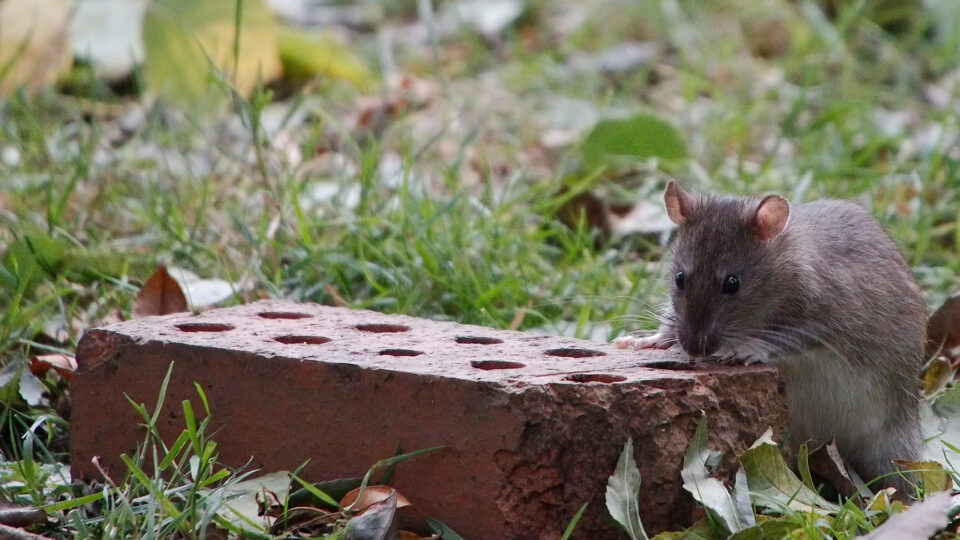
Rats and climate change

March 10, 2025 By EarthWise Leave a Comment

Rat populations are exploding as temperatures warm

Human activity has made rats one of the most prolific mammals on the planet. Our waste, buildings, and ships provide food, shelter, and transport.  In the United States alone, rats cost the country approximately $27 billion each year in damage to infrastructure, crops, and contaminated food supplies. Additionally, rats carry and spread over 50 zoonotic pathogens and parasites, impacting public health around the world.

Now, climate change is adding to the problem. According to a new study recently published in the journal Science Advances, urban rat populations are exploding as global temperatures rise.  The researchers found that Washington DC, San Francisco, Toronto, New York City, and Amsterdam had the greatest population increases.  In fact, over the past decade, rats increased by a whopping 390% in Washington DC, 300% in San Francisco, 186% in Toronto, and 162% in New York City.  The study, which examined data from 16 cities globally, found that 11 of them showed significant increases in rat numbers.

Only Tokyo, Louisville, and New Orleans bucked the trend with declining rat numbers.

According to the researchers, the best pest management strategies involve making the urban environment less rat-friendly as opposed to removing rodents that are already there.  An example would be putting trash in containers instead of bags on the street. 

There aren’t many perks to the changing climate – unless, of course, you’re a rat. 

**********

Web Links

Increasing rat numbers in cities are linked to climate warming, urbanization, and human population

‘Perfect rat storm’: urban rodent numbers soar as the climate heats, study finds

Photo, posted September 25, 2018, courtesy of Tim Felce via Flickr.

Earth Wise is a production of WAMC Northeast Public Radio
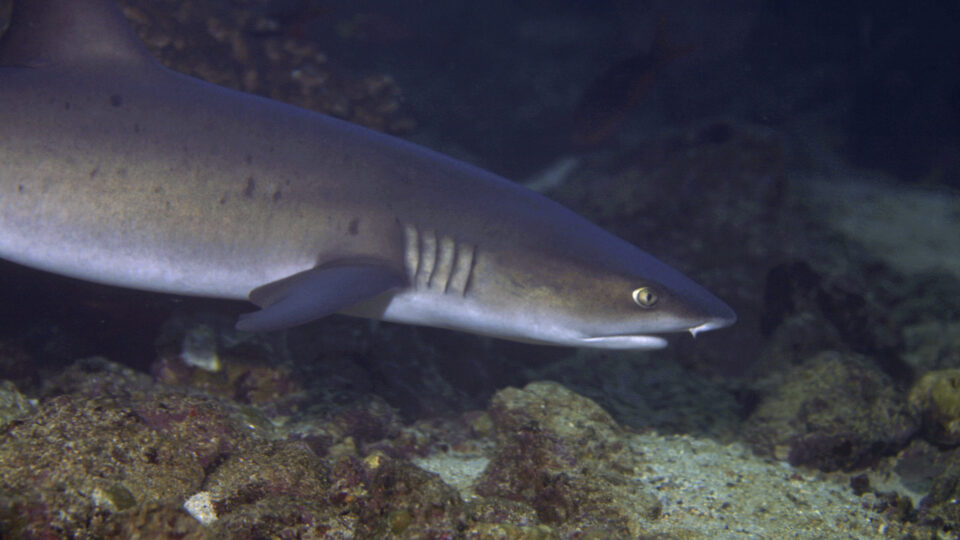
Sharks and rays in a warming world

March 5, 2025 By EarthWise Leave a Comment

Could sharks and rays thrive in a warming world?

Sharks and rays belong to a group of cartilaginous fish called elasmobranchs, which have been swimming in the world’s oceans for 450 million years. The resilient species have survived five mass extinction events, and are older than dinosaurs, trees, and Mount Everest. 

But despite their resilience, many species of sharks and rays today are threatened by human activities, including overfishing, habitat loss, and climate change.  In fact, according to a new study led by researchers from the University of Vienna in Austria, more than one third of the shark and ray species known today are severely under threat. 

The study, which was recently published in the journal Biology, found that higher carbon dioxide levels were having a negative effect on sharks and rays, ranging from impacts on the animals’ senses to changes in the skeleton during embryonic development.  An examination of fossil records found that higher CO2 levels had contributed to the extinction of individual shark and ray species in the past. 

But the study also found that global warming could be creating opportunities for sharks and rays.  Rising sea levels and higher temperatures have historically expanded shallow coastal habitats and warm waters, supporting species biodiversity.

But according to the research team, the rapid environmental changes, combined with the impacts from human activities, outpace the ability of sharks and rays to adapt, making it unlikely that they will benefit from global warming.

Protecting sharks and rays is crucial not only for their survival but also for maintaining entire ocean ecosystems. Without top predators, these ecosystems could collapse, impacting both marine life and the people and industries that depend on it.

**********

Web Links

Sharks and rays benefit from global warming – but not from CO2 in the Oceans

Myths About Sharks and Rays

Photo, posted November 27, 2007, courtesy of Laszlo Ilyes via Flickr.

Earth Wise is a production of WAMC Northeast Public Radio
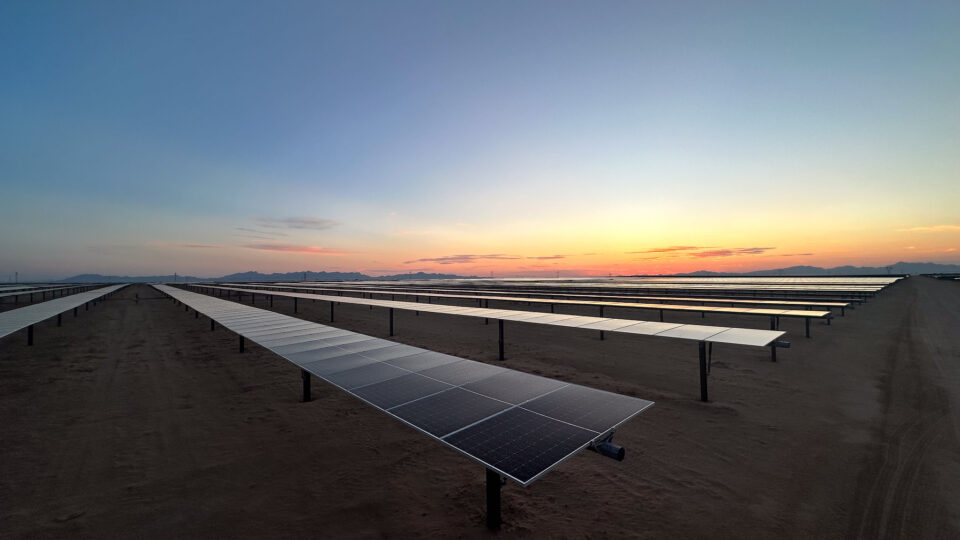
Reliability of renewable energy

February 25, 2025 By EarthWise Leave a Comment

Renewable energy is reliable

Naysayers about renewable energy often claim that it is unreliable.  It is true that the sun sets every night and sometimes the wind doesn’t blow.  But with the growing use of battery banks to store excess power generated by renewables, the lack of reliability of renewable energy is turning out to be a myth.

A new study published in the journal Renewable Energy looked at the deployment of renewable energy in California last year.  From late winter to early summer, renewable sources supplied 100% of the state’s electricity demands for up to 10 hours on 98 out of 116 days.  There were no blackouts during that time thanks in part to the presence of battery backup power.  During peak generation periods, the renewables provided as much as 162% of the grid’s needs. 

The main finding of the study is that the electricity grid can be kept stable even as it adds more and more renewables.  Beyond that, every major renewable energy source – geothermal, hydroelectric, wind, and especially solar – is on average lower in cost than fossil fuels.

Despite the low cost of renewable energy, Californians pay the second highest rates for electricity in the country.  Part of the reason is that electrical equipment from utilities has set off wildfires, notably the 2018 Camp Fire that devastated the town of Paradise and killed 85 people.  California’s utilities are now passing the costs that come from lawsuits and from burying transmission lines to their customers.  Overhead power lines are especially prone to falling in high winds and igniting fires.

**********

Web Links

California just debunked a big myth about renewable energy

Photo, posted December 16, 2024, courtesy of EDF Renewables / Bureau of Land Management California via Flickr.

Earth Wise is a production of WAMC Northeast Public Radio

Megadroughts

February 24, 2025 By EarthWise Leave a Comment

A new study by Swiss and Austrian scientists has found that persistent multi-year droughts have become increasingly common since 1980 and will continue to proliferate as the climate warms.

There are multiple examples in recent years in places ranging from California to Mongolia to Australia.  Fifteen years of persistent megadrought in Chile have nearly dried out the country’s water reserves and even affected Chile’s vital mining output.  These multi-year droughts have triggered acute water crises in vulnerable regions around the world.

Droughts tend to only be noticed when they damage agriculture or visibly affect forests.  An issue explored by the new study is whether megadroughts can be consistently identified and their impact on ecosystems understood.

The researchers analyzed global meteorological data and modeled droughts over a forty-year period beginning in 1980.  They found that multi-year droughts have become longer, more frequent, and more extreme, covering more land.  Every year since 1980, drought-stricken areas have spread by an additional fifty thousand square kilometers on average, an area the size of Vermont and New Hampshire combined. 

The trend of intensifying megadroughts is clearly leading to drier and browner ecosystems.  Tropical forests can offset the effects of drought as long as they have enough water reserves.  However, the long-term effects on the planet and its ecosystems remain largely unknown.  Ultimately, long-term extreme water shortages will result in trees in tropical and boreal regions dying, causing long-term and possibly irreversible damage to these ecosystems.

**********

Web Links

The Megadroughts Are upon Us

Photo, posted January 7, 2018, courtesy of Kathleen via Flickr.

Earth Wise is a production of WAMC Northeast Public Radio

Thawing permafrost in the Arctic

February 18, 2025 By EarthWise Leave a Comment

Permafrost covers about a quarter of the landmass in the Northern Hemisphere.  It stores vast quantities of organic carbon in the form of dead plant matter.  As long as it stays frozen, it is no threat to the climate.  But as permafrost thaws, microorganisms start breaking down that plant matter and large amounts of carbon are released into the atmosphere in the form of carbon dioxide and methane.

Scientists estimate that there could be two and a half times as much carbon trapped in Arctic permafrost as there is in the atmosphere today.

Thawing permafrost poses various risks to the Arctic environment and the livelihoods of its people.  According to a new study led by researchers from the University of Vienna in Austria, Umeå University in Sweden, and the Technical University of Denmark, thawing permafrost threatens the way of life of up to three million people.

To identify these risks, the research team studied four Arctic regions in Norway, Greenland, Canada, and Russia between 2017 and 2023.  The research, which was recently published in the journal Communications Earth and Environment, identified five key hazards posed by the thawing permafrost: infrastructure failure, disruption of mobility and supply, decreased water quality, challenges for food security, and exposure to diseases and contaminants.

These are present developments – not future dangers.  Global scientific cooperation, policy interventions, and investment in research are critical to mitigate the impact of thawing permafrost and address the broader consequences it brings.

**********

Web Links

A transdisciplinary, comparative analysis reveals key risks from Arctic permafrost thaw

Thawing permafrost threatens up to three million people in Arctic regions

Photo, posted February 9, 2017, courtesy of Benjamin Jones / USGS via Flickr.

Earth Wise is a production of WAMC Northeast Public Radio
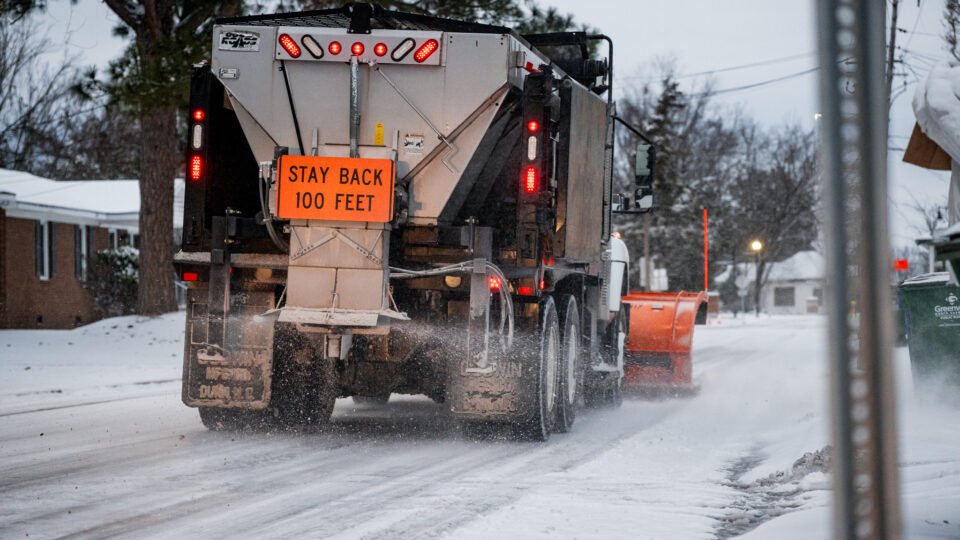
Native plants and road salt pollution

February 12, 2025 By EarthWise Leave a Comment

Can native plants help mitigate pollution from road salt?

Applying salt to roadways lowers the freezing point of water and prevents slippery surfaces, which makes it safer for people to drive in wintry conditions.  In the U.S., more than 22 million tons of road salt is spread every year. 

But road salt harms infrastructure and the environment.   In fact, road salt damages cars and metal infrastructure by accelerating rust and corrosion.  Road salt can also leach into soil and waterways, disrupting ecosystems, degrading soil, contaminating water, and damaging vegetation. 

In cities and towns, road salts often wash into stormwater systems, posing health concerns and challenges for infrastructure.

A new study led by researchers from Virginia Tech looked at how salt affects plants and whether certain plants could mitigate salt pollution. The research team studied stormwater detention basins in Northern Virginia, examining the impacts of road salt on plants, soils, and water quality in green infrastructure systems.

The findings, which were recently published in the journal Science of the Total Environment, found that the amount of salt present in green infrastructure systems does reach levels that threaten plant communities.  However, the researchers found that relying on salt-tolerant plants for mitigation is unlikely to be effective because they simply don’t take in enough salt.

Certain plants, particularly cattails, absorbed substantial amounts of salt.  But even in a basin densely planted with salt-tolerant cattails, only up to 6% of the road salt applied during winter could be removed. 

Plants alone cannot solve our salt pollution problem.

**********

Web Links

Researcher studies the power of native plants to combat road salt pollution

Photo, posted January 22, 2025, courtesy of the City of Greenville, North Carolina via Flickr.

Earth Wise is a production of WAMC Northeast Public Radio

Storing carbon in buildings

February 4, 2025 By EarthWise Leave a Comment

According to a new study by researchers at the University of California, Davis and Stanford University, construction materials used in buildings have the potential to lock away billions of tons of carbon dioxide.  The study, published in Science, shows that storing CO2 in buildings could be a major contributor to efforts to reduce greenhouse gas emissions.

Overall efforts in carbon sequestration take carbon dioxide – either as it’s being produced or once it’s already in the atmosphere – and store it away.  Storing it might involve injecting it into underground caverns or deep in the ocean.  Alternatively, storing it might involve converting it into a stable form using chemical reactions.  These various strategies involve both practical challenges and potential environmental risks.

The new study suggests that many materials that are already produced in large quantities have the potential to store carbon dioxide.  These include concrete, asphalt, plastics, wood, and brick.  More than 30 billion tons of these materials are produced worldwide every year.

Ways to accomplish carbon storage include adding biochar into concrete, using artificial rocks loaded with carbon as concrete and asphalt aggregates, plastic and asphalt binders based on biomass instead of petroleum, and including biomass fiber into bricks. 

The largest potential is using carbonated aggregates to make concrete.  Concrete is by far the world’s most popular building material with more than 20 billion tons being produced each year.

The feedstocks for these ways to store carbon in building materials are mostly low-value waste materials, so the economics of implementing these carbon sequestering strategies are likely to be quite favorable.

**********

Web Links

Storing Carbon in Buildings Could Help Address Climate Change

Photo, posted October 19, 2022, courtesy of Alexandre Prevot via Flickr.

Earth Wise is a production of WAMC Northeast Public Radio

Curbing food waste

February 3, 2025 By EarthWise Leave a Comment

Efforts to curb food waste are failing

According to the U.S. Department of Agriculture, as much as 40% of the food supply in the United States is wasted.  In fact, Americans generate more food waste than all but two countries.

To address this problem, the federal government announced a goal nearly a decade ago to cut food waste in half by 2030 compared to 2016 levels.  Doing so would bring food waste down to approximately 164 pounds per person annually.

However, according to a new study led by researchers from the University of California – Davis, since 2016, per capita food waste has actually increased instead of decreasing. 

The study, which was recently published in the journal Nature Food, looked at how state policies align with federal targets.  The research team found that state policies focus more on recycling methods, such as composting and anaerobic digestion, rather than on prevention and rescue strategies, like food donations or repurposing food for animal feed.

In 2021, the EPA revised its definition of food waste to no longer include recycling methods.  But when food is wasted, the resources used to grow the food, including energy, water, and fertilizer, are also wasted. 

In the study, the researchers analyzed state-level food waste reduction efforts across four areas: prevention, rescue, repurposing, and recycling.  They found that recycling policies offered the most potential for diversion. Despite this, most states still fell short of the federal goal of 164 pounds per person annually. 

According to the research team, more comprehensive policies to address food waste must be implemented as soon as possible.

**********

Web Links

States Struggle to Curb Food Waste Despite Policies

Photo, posted June 28, 2021, courtesy of Ivan Radic via Flickr.

Earth Wise is a production of WAMC Northeast Public Radio

  • « Go to Previous Page
  • Page 1
  • Page 2
  • Page 3
  • Page 4
  • Interim pages omitted …
  • Page 24
  • Go to Next Page »

Primary Sidebar

Recent Episodes

  • An uninsurable future
  • Clean energy and jobs
  • Insect declines in remote regions
  • Fossil fuel producing nations ignoring climate goals
  • Trouble for clownfishes

WAMC Northeast Public Radio

WAMC/Northeast Public Radio is a regional public radio network serving parts of seven northeastern states (more...)

Copyright © 2026 ·