• Skip to primary navigation
  • Skip to main content
  • Skip to primary sidebar

Earth Wise

A look at our changing environment.

  • Home
  • About Earth Wise
  • Where to Listen
  • All Articles
  • Show Search
Hide Search
You are here: Home / Archives for soybean

soybean

A fern-based insecticide

December 8, 2023 By EarthWise Leave a Comment

Using ferns to create insecticides

A spore-producing bacterium is the source of various crystal toxins (known as Cry proteins) that are widely used in modern agriculture to combat insect pests – generally caterpillars and other larvae – that attack important crops.  Pest control in corn, soybean, and cotton use these insecticidal proteins for protection against major insect pests.  The pesticides are obtained from Bacillus thringiensis (Bt) bacteria to produce the proteins.

Bt Cry proteins are secreted by the bacteria but are harmless to the bacteria.  They are harmless until ingested by insects and are then activated by the alkaline environment in the gut of insects which is entirely different from the acidic environment of our own digestive systems.  In the insect’s gut, the proteins become a powerful feeding inhibitor by breaking down the insect’s gut lining.  Bt Cry proteins are considered safe for humans.

Researchers continue to seek alternative solutions because there are concerns that insect pests could develop resistance to these toxic proteins.

Researchers from two Australian universities have analyzed the structure of a novel insecticidal protein that could be effective in protecting essential crops.  The protein is naturally produced by ferns including common houseplants like brake ferns.

The newly discovered proteins offer a different mode of action from the Cry proteins and therefore are a potential solution to the problem of pest resistance to existing insecticides.  The new family of insecticidal proteins is designated as iPD113 and has been shown to be very effective against caterpillar pests of corn and soybeans.

**********

Web Links

Discovery: ferns produce crop-saving insecticide

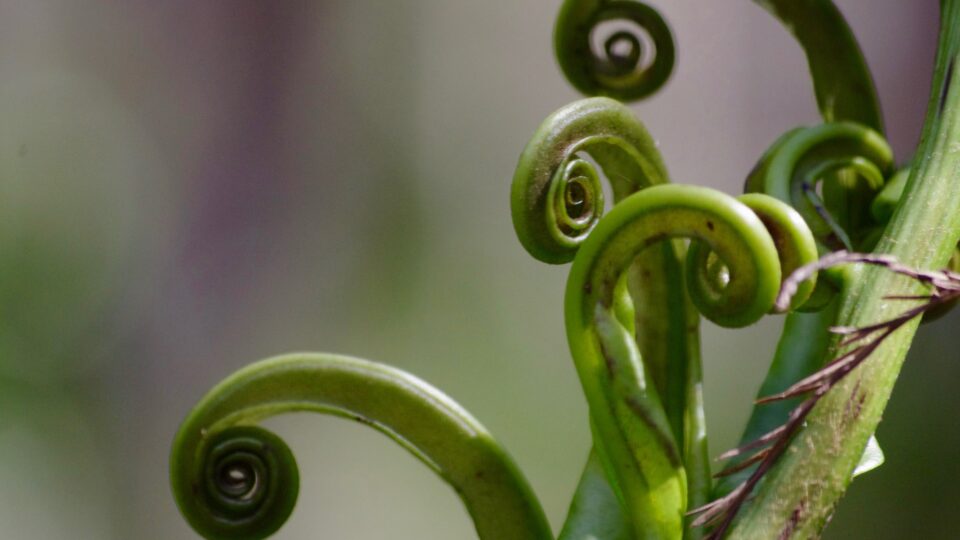
Photo, posted October 5, 2015, courtesy of Marianne Serra via Flickr.

Earth Wise is a production of WAMC Northeast Public Radio
The Benefits Of No-Till Farming | Earth Wise

October 5, 2021 By EarthWise Leave a Comment

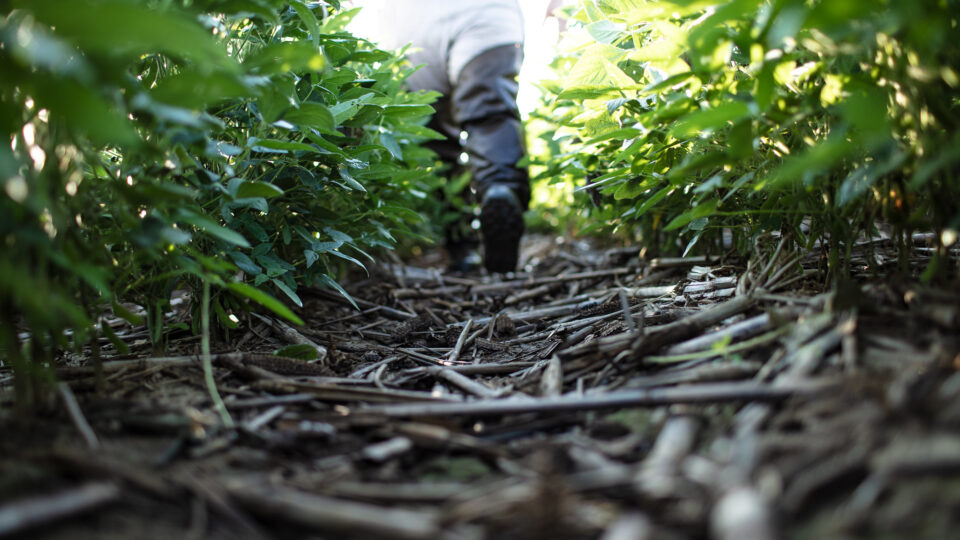
No-till farming is not new.  In fact, it was used as far back as 10,000 years ago.  But during the 18th and 19th centuries, tilling became popular because it allowed farmers to plant seeds more efficiently.

Tilling (or ploughing) is the process of preparing the soil for the cultivation of seeds by overturning the soil.  The practice works animal manure, weeds, and other surface residues deep into the soil.  While this all sounds like a good thing, it’s not. 

Tilling removes plant matter and loosens the soil, leaving the soil bare and vulnerable to erosion.  Tilling also displaces the millions of microbes and insects that form healthy soil biology.  The long-term use of tilling can turn healthy soils into lifeless growing mediums dependent on chemical inputs.  

But no-till farming also tends to rely on chemical inputs like glyphosate for weed control.  According to a new study recently published in Agronomy Journal, researchers at Penn State have found that farmers using no-till farming can reduce herbicide use and still maintain crop yields by implementing integrated weed-management methods.   

The research team conducted a nine-year experiment using herbicide-reduction practices in a crop rotation, which included soybean, corn, alfalfa, and canola.  Some of the practices used to reduce herbicide inputs included seeding small-grain companion crops with perennials, and plowing once in six years to terminate the perennial forage rather than killing it with an herbicide. 

While there was more weed biomass in the reduced herbicide treatment, the researchers found that the added weed pressure did not substantially affect crop yields. 

It is possible to make agriculture more environmentally-friendly and sustainable without sacrificing productivity.

**********

Web Links

No-till production farmers can cut herbicide use, control weeds, protect profits

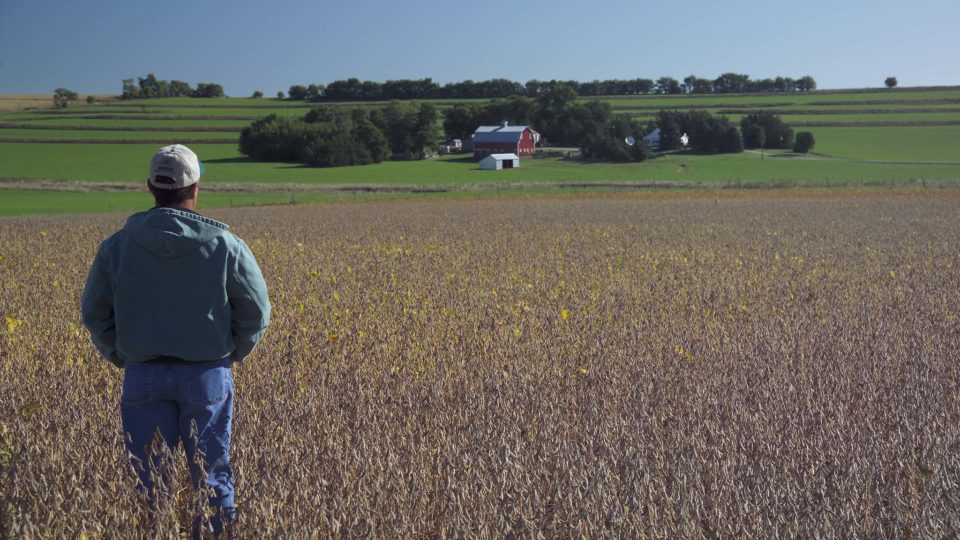
Photo, posted February 11, 2019, courtesy of the United Soybean Board via Flickr.

Earth Wise is a production of WAMC Northeast Public Radio.

Intense Rainfall And Crops

July 2, 2019 By EarthWise Leave a Comment

The warming of the planet does not necessarily imply local weather will be warmer or drier than average.  While heatwaves and droughts are increasingly common events in many places, so are intense rain events.

A new study led by scientists at the University of Illinois has found that intense rainfall is as damaging to the U.S. agricultural sector as heatwaves and excessive droughts.

The study examined more than three decades of crop insurance, climate, soil, and corn yield data.  Researchers found that since 1981, corn yields in the U.S. Midwest were reduced by as much as 34% during years with excessive rainfall.  Years with drought and heatwaves experienced yield losses of up to 37%.

Intense rain events can physically damage crops, delay planting and harvesting, restrict root growth, and cause oxygen deficiency and nutrient loss.  The study estimated that between 1989 and 2016, excessive rainfall caused $10 billion in agricultural losses. However, excessive rainfall can have either negative or positive impact on crop yield and the effects can vary regionally.

Parts of the Midwest have already experienced a 42% increase in the heaviest precipitation events since 1958.  Climate change models predict that much of this region will experience even more frequent and intense precipitation events in the coming decade.

According to the study, excessive rainfall is the major cause of crop damage currently in the U.S. for corn, and also has broad impacts for other staple crops such as soybeans and wheat. The authors suggest that as rainfall becomes more extreme, reforms will be needed in the U.S. crop insurance industry in order to better meet planting challenges faced by farmers. 

**********

Web Links

Intense Rainfall Is As Damaging to Crops As Heatwaves and Drought, and Climate Change Is Making It Worse

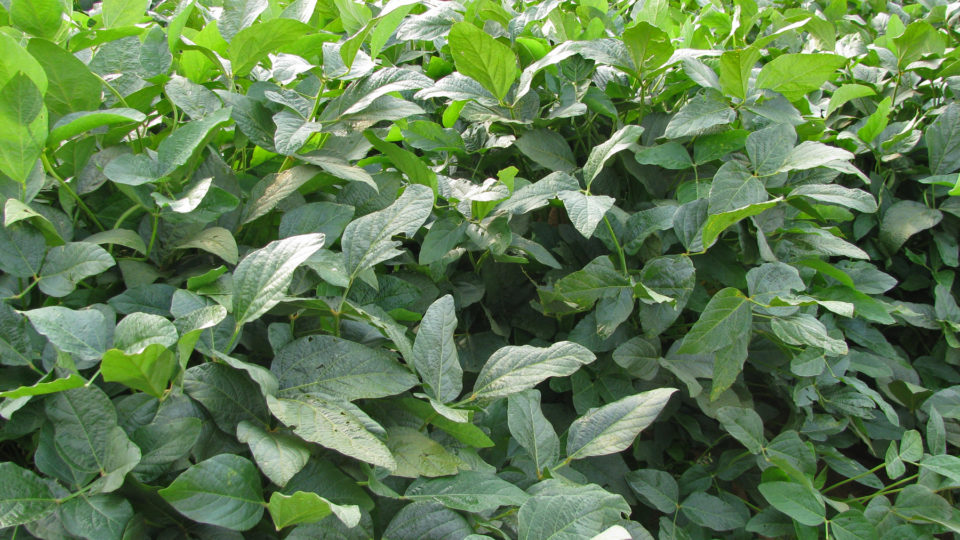
Photo, posted October 2, 2013, courtesy of the United Soybean Board via Flickr.

Earth Wise is a production of WAMC Northeast Public Radio.

Whopping Change

April 10, 2019 By EarthWise Leave a Comment

Burger King, the global hamburger fast food giant, recently made a huge announcement:  Customers will soon have the option to select either a beef patty or a plant-based patty when ordering the iconic Whopper sandwich. 

Burger King’s plant-based patty will be made by Impossible Foods, a California startup founded in 2011 with the explicit goal of decreasing the world’s reliance on animal agriculture.  Impossible Foods signature product, the Impossible burger, has already debuted as a slider in White Castle’s 380 or so stores.  It’s also being added to the menu at all 570 Red Robin locations.  Other plant-based innovators, such as Beyond Meat, have also found some mainstream success.  But the Impossible Whopper and the planned national roll-out at Burger King’s 7,200 locations is the biggest deal to date.

Impossible Foods’ major innovation comes from its use of heme, which is an iron-rich protein that in essence is what makes meat taste like meat.  Impossible Foods cultivates heme directly from plants – soybean plant roots to be exact – and then mass produces it using yeast.  This is then mixed with other plant-based ingredients to achieve the nutty texture of ground beef.

Meat production is one of the biggest single contributors to climate change.  The Impossible burger represents a better choice for the environment.  It requires 87% less water, 96% less land, and produces 89% fewer greenhouse gas emissions when compared with beef burgers.  At Burger King, the Impossible Whopper will have the same amount of protein as the regular Whopper, but 15% less fat and 90% less cholesterol. 

Meatless continues to push into the mainstream.

**********

Web Links

Behold the Beefless ‘Impossible Whopper’

Photo, posted November 27, 2018, courtesy of Sarah Stierch via Flickr.

Earth Wise is a production of WAMC Northeast Public Radio.

Using Rye To Grow Edamame

April 17, 2018 By EarthWise Leave a Comment

https://earthwiseradio.org/wp-content/uploads/2018/04/EW-04-17-18-Using-Rye-to-Grow-Edamame.mp3

Herbicide-resistant weeds are becoming a more and more common problem for farmers growing grain and vegetable crops.  As a result, the farmers are looking for alternatives to herbicides to control weeds.   One promising approach is the use of cover crops, which are planted in the off season to protect the soil.  Thick cover crop growth can often compete well with weeds during the cover crop growth period, and can prevent most germinated weed seeds from completing their life cycle and reproducing.

[Read more…] about Using Rye To Grow Edamame

Farming In Solar Farms

March 19, 2018 By EarthWise Leave a Comment

https://earthwiseradio.org/wp-content/uploads/2018/03/EW-03-19-18-Farming-in-Solar-Farms.mp3

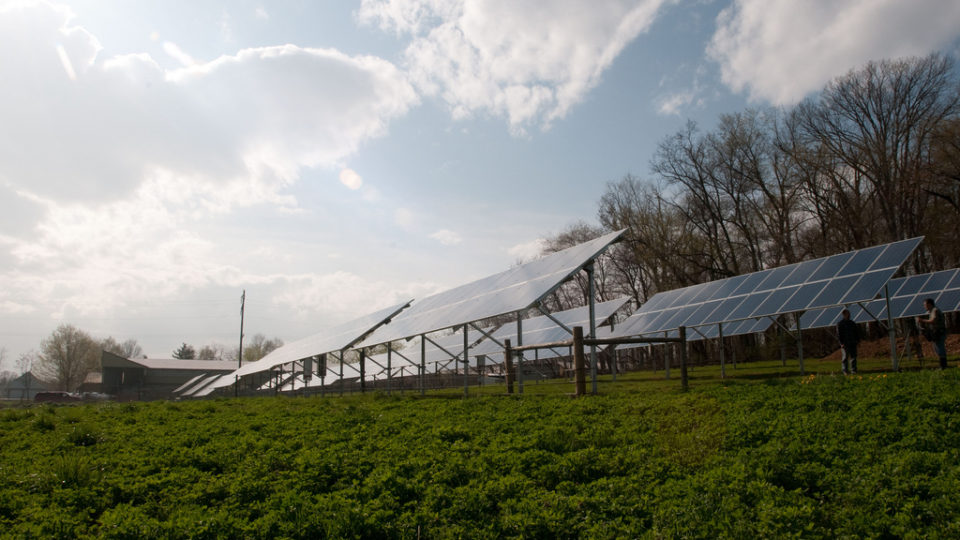
Utility-scale solar installations have been expanding rapidly.  The amount of land used for solar projects is becoming quite substantial.  The National Renewable Energy Laboratory (NREL) predicts that 3 million acres will be devoted to solar farms by 2030, and 6 million by 2050.  These numbers pale in comparison with the land used for corn, soybeans, and wheat, but are more than used for such familiar crops as oats, barley and rice.

[Read more…] about Farming In Solar Farms

Primary Sidebar

Recent Episodes

  • An uninsurable future
  • Clean energy and jobs
  • Insect declines in remote regions
  • Fossil fuel producing nations ignoring climate goals
  • Trouble for clownfishes

WAMC Northeast Public Radio

WAMC/Northeast Public Radio is a regional public radio network serving parts of seven northeastern states (more...)

Copyright © 2026 ·