• Skip to primary navigation
  • Skip to main content
  • Skip to primary sidebar

Earth Wise

A look at our changing environment.

  • Home
  • About Earth Wise
  • Where to Listen
  • All Articles
  • Show Search
Hide Search
You are here: Home / Archives for rubber

rubber

Repurposing used tires

April 29, 2025 By EarthWise Leave a Comment

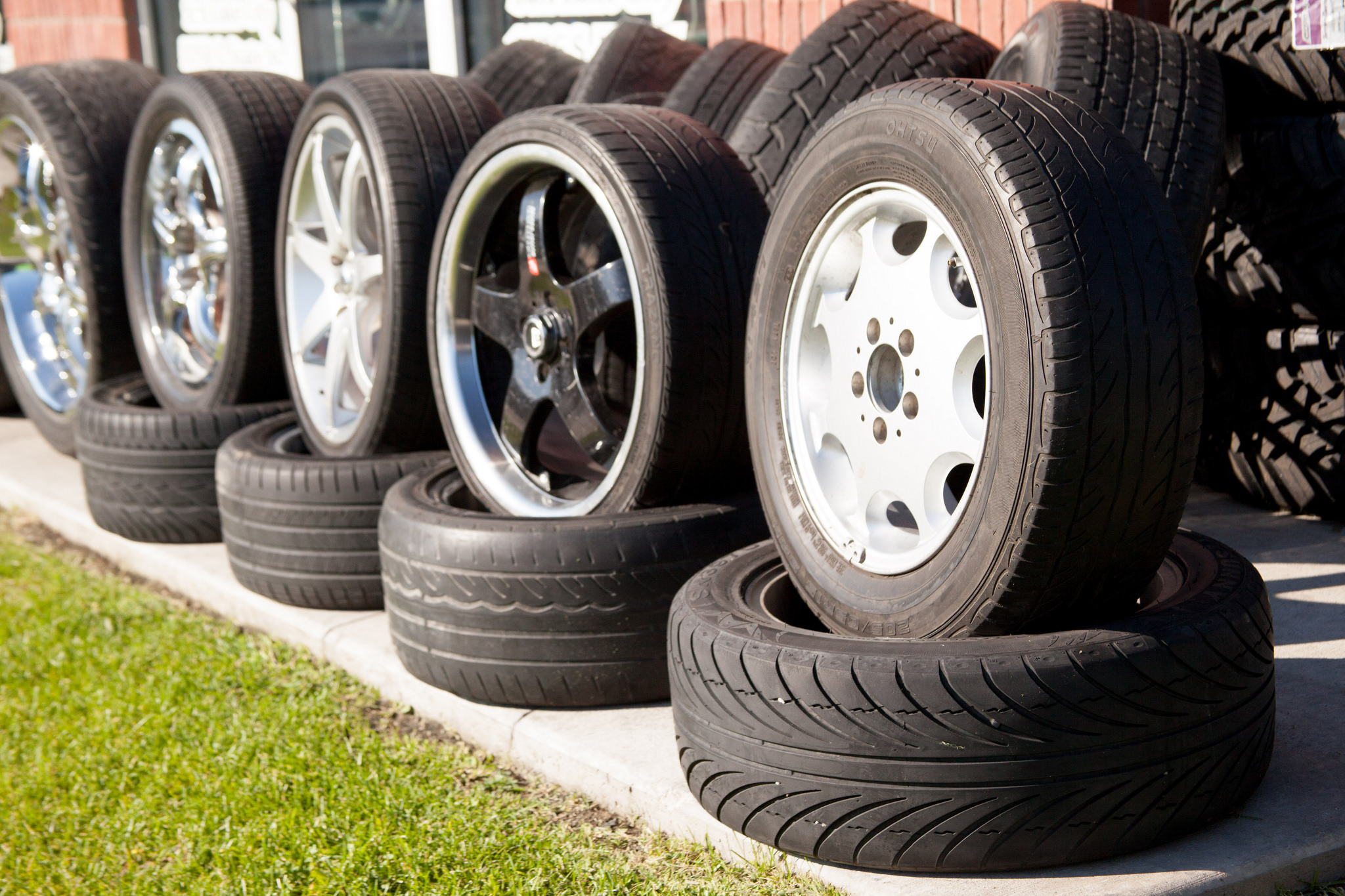
Every year, millions of tires from cars and trucks end up in landfills.  Just in the U.S., more than 270 million tires were scrapped in 2021 and more than 50 million of them ended up in landfills.  Discarded tires take up huge amounts of space but, more importantly, create environmental hazards.  They leach chemicals into the environment and are a serious fire hazard.

Some tires are chemically recycled via pyrolysis, which is a high-temperature process to decompose the materials in the tire.  But that process introduces harmful byproducts like benzene and dioxins. 

Researchers at the University of North Carolina Chapel Hill have introduced a new chemical method for breaking down rubber waste.  The process transforms discarded rubber into valuable precursors for epoxy resins.

Rubber – either natural rubber or the synthetic kind used in tires – is made of polymers cross-linked together to form a tough, flexible, and durable material.  These very desirable properties make it difficult to break down rubber.

The new research has led to a two-step chemical process that breaks down the rubber into functional materials that be used to produce epoxy resins.  The method does not require extremely high temperatures, uses aqueous media, and takes only six hours.   It represents an efficient, scalable solution for repurposing rubber waste which, even as many other aspects of motor vehicle are changing for the better, remains a continuing environmental problem associated with driving.

This new research marks a significant step towards greener recycling technologies.

**********

Web Links

A Cleaner Future for Tires: Scientists Pioneer Chemical Process to Repurpose Rubber Waste

Photo, posted May 5, 2011, courtesy of TireZoo via Flickr.

Earth Wise is a production of WAMC Northeast Public Radio

Microplastics in Antarctica

March 3, 2025 By EarthWise Leave a Comment

Microplastics are small plastic pieces less than five millimeters long and typically far smaller than that.  They come from a variety of sources, often from larger plastic debris that degrades into smaller and smaller pieces.  There are also microbeads, which are tiny pieces of manufactured polyethylene plastic that are added to various health and beauty products.  Tiny bits of plastic easily pass through filtration systems and end up in the ocean and other bodies of water.

Microplastics are a pervasive problem for which nowhere on Earth is truly untouched.  Despite stringent regulations on materials entering Antarctica, scientists have discovered microplastics in the snow near some of the deep field camps there.

A study by the British Antarctic Survey made use of a new and advanced technique that can detect microplastics as small as 11 microns – about the size of a red blood cell.

The research team found microplastics at concentrations ranging from 73 to 3,099 particles per liter of snow. 

Snow samples from three different sites identified polyamide (used in textiles), polyethylene terephthalate (found in bottles and packaging), polyethylene, and synthetic rubber.  The results suggest that at least the polyamide, which accounted for half the microplastics found, came from local sources.

Additional research is needed to fully understand the sources of microplastic pollution in Antarctica and to understand the broader implications of microplastics in that frozen wilderness. Microplastics have already been detected in several penguin, seal, and fish species.

**********

Web Links

Microplastics discovered in Antarctica

Photo, posted February 3, 2015, courtesy of Christian Stangl via Flickr.

Earth Wise is a production of WAMC Northeast Public Radio
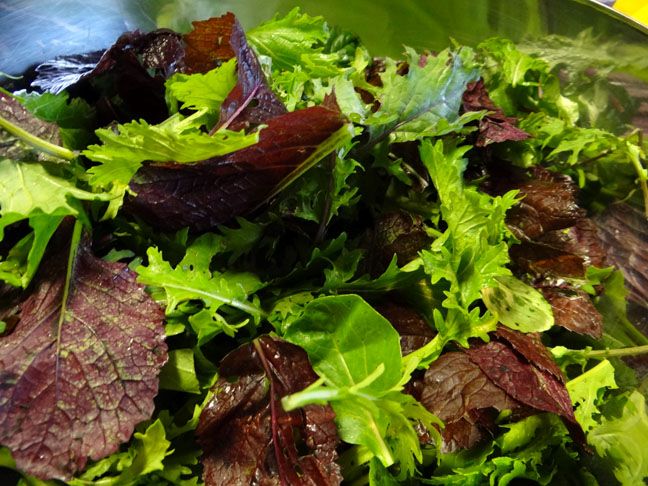
Car tires in your salad

June 26, 2024 By EarthWise Leave a Comment

Leafy green vegetables may contain tire particles

There seems to be no end to the types of pollution we have introduced into the environment.  One that has only recently started to gain attention is pollution caused by vehicle tires. 

Through normal wear and tear, as vehicles drive along roadways, their tires cast off countless bits of rubber.  These particles can linger in the atmosphere or can be washed down sewage drains and into waterways.  In the water, these particles leach compounds that are toxic to wildlife.

Tires contain various chemical additives that prevent them from cracking and degrading along with various metals and other materials added to rubber and artificial rubber.  Some of these additives are acutely toxic or even carcinogenic.

A recent study by researchers at the University of Vienna tested leafy vegetables that were grown in Switzerland, Spain, and Italy, and were sold in Swiss supermarkets.  The study also tested vegetables harvested directly from Israeli farmlands.

Tire ingredients were found in 11 out of 15 samples gathered from Swiss supermarkets and 9 out of 13 samples collected from Israeli fields.  Among these are 6PPD, a tire additive that has been identified as the cause of the extensive deaths of coho salmon on the US West Coast.

The researchers say that farmers may be introducing tire additives by irrigating crops with treated wastewater or by using sewage sludge as fertilizer.  Airborne tire particles may also be settling on farm soil.

The concentration of tire particles found in the leafy vegetables are relatively low, but it is troubling that we are eating dangerous chemicals used to improve the quality of tires.

**********

Web Links

Leafy Vegetables Found to Contain Tire Additives

Photo, posted October 14, 2014, courtesy of Green Mountain Girls Farm via Flickr.

Earth Wise is a production of WAMC Northeast Public Radio
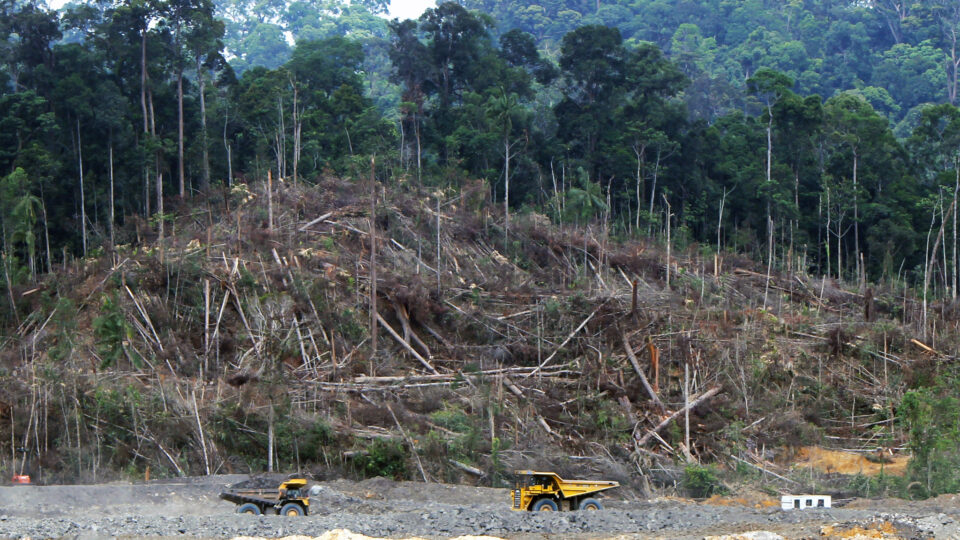
Cutting Deforestation | Earth Wise

August 10, 2023 By EarthWise Leave a Comment

Reducing deforestation

Deforestation is a major contributor to climate change because the destruction of tropical rainforests worldwide eliminates a crucial natural sink for carbon.  Between 2015 and 2020, roughly 39,000 square miles of forest were cut down, an area about 70% the size of the entire state of New York.  In many places, such as the Amazon and Congo Basins, deforestation continues to accelerate.  In Bolivia, deforestation rose 59% over the past five years; in Ghana, the rise was 71%.

A new report from the World Resources Institute revealed one bright spot in the deforestation story:  both Indonesia and Malaysia have cut deforestation by more than half in recent years.  The two countries have managed to keep rates of primary forest loss to near record-low levels.

Over the past five years, Indonesia saw a 64% decline and Malaysia a 57% decline in deforestation.  Indonesia is the second largest source of deforestation with only Brazil removing more trees.

Indonesia has a national goal of having its forests absorb more carbon than they release by 2030.  They have moved to curb logging and limit the clearing of land for palm oil plantations.  They have also ramped up efforts to suppress forest fires.

It is good that Indonesia and Malaysia and some other countries have shown progress in reducing forest loss.  However, too many other countries have seen continued activities and policies that are causing acceleration of deforestation in critical areas.  Protecting forests is an important part of the effort to mitigate the effects of climate change.  Preserving forests also is essential for protecting the people and the biodiversity that depend on them.

**********

Web Links

Indonesia, Malaysia Have Cut Deforestation in Half in Last Half-Decade

Photo, posted March 22, 2021, courtesy EPJT Tours via of Flickr.

Earth Wise is a production of WAMC Northeast Public Radio

Chocolate And Deforestation | Earth Wise

February 14, 2023 By EarthWise Leave a Comment

The world consumes 7.5 million tons of chocolate a year.   Americans spend an average of $145 a year per capita on chocolate.  And we are not even the world leaders.  The Swiss eat an average of 22 pounds per person and the overall European chocolate market is the world’s largest.

A market valued over $100 billion a year is bound to have its issues for the environment, human rights, and other social issues, and chocolate is no exception.  The global cacao industry grapples with problems with child labor, poverty, deforestation, sustainability and other environmental issues.  The response of companies across the industry varies greatly. A website called chocolatescorecard.com keeps track of how many in the industry are doing.

Recently, lawmakers in the European Union have been putting together a landmark legislative package that addresses deforestation risks in the supply chains of a number of commodities including cattle, timber, rubber, soy, palm oil, and cacao. The proposed law restricts companies that import cacao and sell chocolate to import only what doesn’t destroy or degrade forests. 

Voluntary promises by big chocolate makers to save forests in major cacao-producing countries (like Ivory Coast, Ghana, Indonesia, and Nigeria) are difficult to keep.  Farmers sell to brokers who sell to trading companies that then sell to chocolate makers.  Tracing the origins of chocolate is difficult.  Ultimately, fairly compensating farmers is the only way they are likely comply with deforestation regulations and there are unfortunately many pockets to fill before that is likely to happen.

It is up to consumers to encourage companies to do the right thing by making their buying choices appropriately.

**********

Web Links

The Forest in Your Chocolate

The Chocolate Scorecard

Photo, posted January 12, 2010, courtesy of Lee McCoy via Flickr.

Earth Wise is a production of WAMC Northeast Public Radio
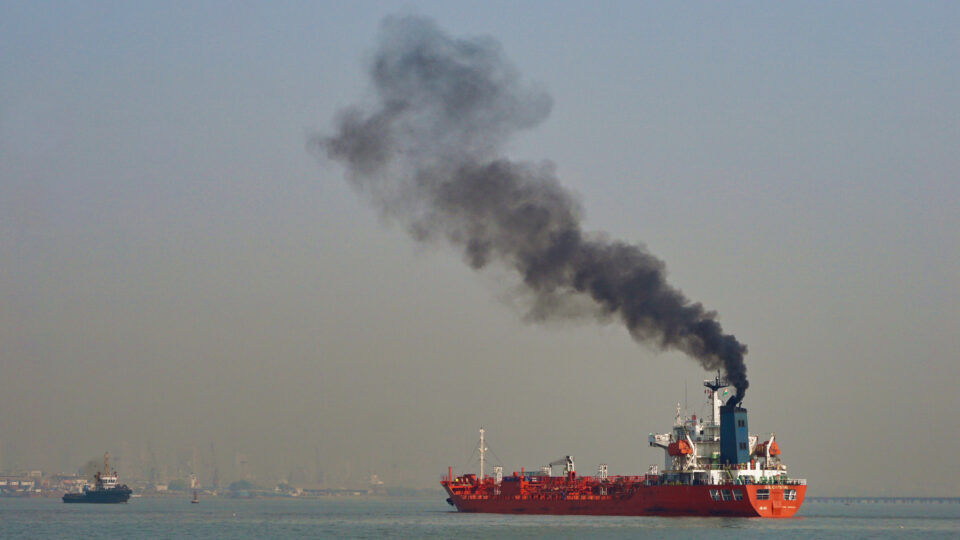
Turning Pollution Into Cash | Earth Wise     

April 22, 2022 By EarthWise Leave a Comment

Developing ways to turn pollution into cash

Power plants and other industrial facilities are a major source of carbon emissions.  There are a variety of techniques under development to prevent those emissions by capturing them rather than releasing them into the atmosphere.  All of them add costs to the functioning of the facility.  A good way to offset those costs is to convert the emissions into useful products, ideally making it profitable to capture emissions.

Engineers at the University of Cincinnati have developed an electrochemical system that converts carbon dioxide into ethylene, which is a chemical used in a wide range of manufacturing.  Ethylene has sometimes been called “the world’s most important chemical”.  It is used in many kinds of plastics, textiles, and the rubber found in tires and insulation. It is also used in heavy industry such as steel and cement plants as well as in the oil and gas industry.

The Cincinnati process is a two-stage cascade reaction that converts carbon dioxide to carbon monoxide and then into ethylene.  It is based on the underlying principle of the plug-flow reactor that is used for variety of production applications.  The study, published in the journal Nature Catalysis, demonstrates that the process has high ethylene selectivity – meaning that it effectively isolates the desired compound – as well as high productivity – meaning that it makes a lot of it.  The system will take more time to become truly economical, but the researchers are continuing to make progress on that front with improved catalysts.

The researchers believe that this technique can reduce carbon emissions and make a profit doing it.  Power plants and other facilities emit a lot of carbon dioxide.  With this process, it may be possible to capture it and produce a valuable chemical.

**********

Web Links

Conversion process turns pollution into cash

Photo, posted February 27, 2018, courtesy of Cyprien Hauser via Flickr.

Earth Wise is a production of WAMC Northeast Public Radio.

Land Use Change And Flooding | Earth Wise

September 30, 2020 By EarthWise Leave a Comment

Land use change leads to increased flooding

Land use change refers to the conversion of a piece of land’s use by humans from one purpose to another. Land use change is commonly associated with biodiversity loss and increased greenhouse gas emissions.  But how does land use change impact water cycles? 

According to researchers from the University of Göttingen in Germany, IPB University, and BMKG (both in Indonesia), the expansion of monocultures, such as rubber and oil palm plantations, leads to more frequent and more severe flooding.  The researchers explain the increase in flooding “with a complex interplay of ecohydrological and social processes, including soil degradation in monocultures, the expansion of oil palm plantations into wetlands, and the construction of flood protection dams.” 

For the study, which was recently published in the journal Ecology & Society, the research team interviewed nearly 100 Indonesian farmers, villagers, and decision-makers in Sumatra.  The team supplemented its research with data on precipitation, river and groundwater levels, soil properties, and regional mapping. 

During large-scale land use change – like plantation expansions – newly-compacted soil causes rainwater to runoff as opposed to being absorbed.  As more plantations are established in floodplains, the owners try to control flooding on their land by building barriers.  But these dams often lead to increased flooding on neighboring lands.  This understandably triggers social tensions between other farmers and plantation owners.     

In order to reduce the negative impact of land use change on the water cycle, the research team suggests soil protection and improved planning – especially in floodplains – would be a good place to start.  

**********

Web Links

Land use change leads to increased flooding in Indonesia

Photo, posted October 8, 2018, courtesy of Artem Beliaikin via Flickr.

Earth Wise is a production of WAMC Northeast Public Radio.

Recycling Tough Plastics | Earth Wise

September 3, 2020 By EarthWise Leave a Comment

recycling tough plastics

Thermoset plastics are ones that contain polymers that cross-link together during the curing process to form an irreversible chemical bond.  This improves the material’s mechanical properties, provides chemical resistance, heat resistance, and structural integrity.  Thermosets include epoxies, polyurethanes, and rubber used for tires.  The big problem with thermosets is that they cannot be easily recycled or broken down after use.

Seventy-five percent of all plastics are thermoplastics, which can be recycled by heating them until they become liquid and can then be remolded.   Thermoset plastics, on the other hand, have such strong chemical bonds that they simply will not melt.  They will typically burn before they can be remolded.

Chemists at MIT have recently developed a way to modify thermoset plastics with a chemical linker that makes them much easier to break down, but still retain the mechanical properties that make them so useful.

In a study published in Nature, the researchers produced a degradable version of a thermoset plastic called pDCPD.  They then broke the plastic down into a powder and were able to use the powder to create more pDCPD.  The paper also proposed a theoretical model that suggests that their approach could be used for a wide range of other plastics and polymers, including rubber.

By adding a chemical called a silyl ether monomer to the liquid precursors that from pDCPD plastic, they found that the resultant material retained its mechanical strength but can be broken down into a soluble powder upon exposure to fluoride ions.

Using this approach with other thermoset materials, the researchers believe it will be possible to create recyclable versions of many of the toughest plastic materials.

**********

Web Links

Chemists make tough plastics recyclable

Photo, posted September 1, 2019, courtesy of Luke McKernan via Flickr.

Earth Wise is a production of WAMC Northeast Public Radio.

Tree-Planting Is Not Necessarily A Good Thing | Earth Wise

July 31, 2020 By EarthWise Leave a Comment

Tree planting is not always beneficial

There is no question that forests have a major role in efforts to combat climate change as well as to slow biodiversity loss.   As a result, tree-planting on a massive scale has gained traction as a strategy and there have been major commitments made to plant billions of trees around the world.

A new study at Stanford University has rigorously analyzed the potential effects of these efforts and has found some significant problems.  For example, the Bonn Challenge, which seeks to restore an area of forest more than eight times the size of California over the next 10 years, has 80% of its commitments in the form of  planting monoculture tree plantations or a limited mix of trees that produce fruit and rubber, rather than restoring natural forests.   The problem is that plantations have significantly less potential for carbon sequestration, habitat creation, and erosion control than natural forests.  The potential benefits of the planting dwindle further if planted trees replace natural flora – forests, grasslands, or savannahs – which are ecosystems that have evolved to support local biodiversity.

The study looked at previous policies that created subsidies for planting trees.  Chile’s Decree Law, in effect from 1974 to 2012, has served as a model for similar policies in a number of countries.  Those subsidies further reduced native forest cover by encouraging the establishment of plantations in places where forests might have naturally regenerated.  The subsidies expanded the area covered by trees, but decreased the area of native forests.

The study recommends that nations should design and enforce their forest subsidy policies to avoid undesirable ecological impacts and actually promote the recovery of carbon- and biodiversity-rich ecosystems.

**********

Web Links

Poorly designed tree-planting campaigns could do more harm than good, according to Stanford researcher and others

Photo, posted April 28, 2016, courtesy of the U.S. Department of State via Flickr.

Earth Wise is a production of WAMC Northeast Public Radio.

Agroforestry

December 27, 2018 By EarthWise 2 Comments

https://earthwiseradio.org/wp-content/uploads/2018/12/EW-12-27-18-Agroforestry.mp3

It has become increasingly evident that reducing carbon dioxide emissions is not happening quickly enough to prevent runaway climate change and that negative emission techniques will need to be utilized as well.  Negative emissions means removing carbon dioxide that is already in the atmosphere.

[Read more…] about Agroforestry

Food Waste Into Tires

April 21, 2017 By EarthWise

https://earthwiseradio.org/wp-content/uploads/2017/04/EW-04-21-17-Food-Waste-into-Tires.mp3

Researchers at Ohio State University have developed a way to use food waste to partially replace the petroleum-based filler that has been used in manufacturing tires for more than a century.

[Read more…] about Food Waste Into Tires

Tires From Trees

March 16, 2017 By EarthWise

https://earthwiseradio.org/wp-content/uploads/2017/02/EW-03-16-17-Tires-from-Trees.mp3

Car tires are generally considered environmentally unfriendly because they are predominantly made from fossil fuels.  Natural rubber is generally not used anymore; most tires are made from isoprene, which is chemically very like rubber but is produced by thermally breaking apart molecules in petroleum in a process called cracking.  The isoprene is separated out and purified and then reacted to form the artificial rubber that is the major component in car tires.  The tires eventually end up discarded in giant piles that represent one of our biggest waste disposal problems.

[Read more…] about Tires From Trees

Primary Sidebar

Recent Episodes

  • An uninsurable future
  • Clean energy and jobs
  • Insect declines in remote regions
  • Fossil fuel producing nations ignoring climate goals
  • Trouble for clownfishes

WAMC Northeast Public Radio

WAMC/Northeast Public Radio is a regional public radio network serving parts of seven northeastern states (more...)

Copyright © 2025 ·