• Skip to primary navigation
  • Skip to main content
  • Skip to primary sidebar

Earth Wise

A look at our changing environment.

  • Home
  • About Earth Wise
  • Where to Listen
  • All Articles
  • Show Search
Hide Search
You are here: Home / Archives for recycling

recycling

A Better Way To Recycle Plastic | Earth Wise

July 25, 2022 By EarthWise Leave a Comment

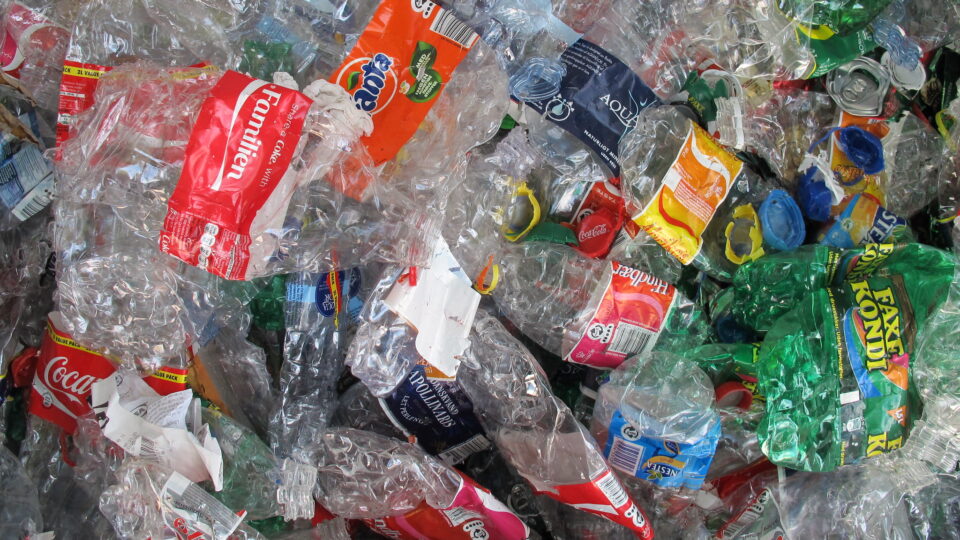
Researchers are developing a better way to recycle plastic

The current state of plastic recycling is not very effective.  Plastic recycling is only able to replace 15-20% of the fossil-fuel-derived raw material needed to produce society’s demand for plastic.

Researchers at Chalmers University in Sweden have now demonstrated how the carbon content in mixed waste could be used to replace all of the fossil raw materials in the production of new plastic.  In principle, their technology could completely eliminate the climate impact of plastic materials.

According to the researchers, there are enough carbon atoms in waste to meet the needs of all global plastic production.

The Chalmers process is based on thermochemical technology and involves heating waste to 1100-1500 degrees Fahrenheit.  The waste is thereby vaporized and when hydrogen is added, becomes a carbon-based substance that can replace the fossil-fuel building blocks of plastic.  The method does not require sorting the waste materials.  Different types of waste, such as old plastic products and even paper cups, with or without food residues, can be fed into the recycling reactors.  The researchers are now developing the techniques required to utilize their recycling technology in the same factories in which plastic products are currently being made from fossil oil or gas.

The principle of the process is inspired by the natural carbon cycle in which plants break down into carbon dioxide when they wither and die, and then photosynthesis uses carbon dioxide and solar energy to grow new plants.

Producing new plastics would no longer require petroleum or other fossil fuels as raw materials.  If the energy needed to drive the recycling reactors is taken from renewable sources, plastics could become the basis of a sustainable and circular economy.

**********

Web Links

Pioneering recycling turns mixed waste into premium plastics with no climate impact

Photo, posted August 10, 2013, courtesy of Lisa Risager via Flickr.

Earth Wise is a production of WAMC Northeast Public Radio.
Plastic Recycling Isn’t Working | Earth Wise

June 13, 2022 By EarthWise Leave a Comment

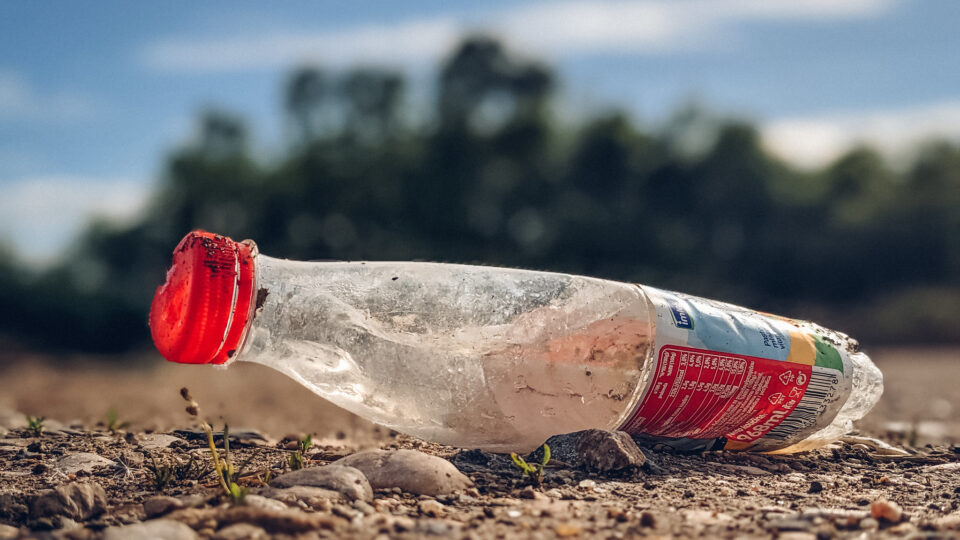
plastic recycling is not working

A recent report from several environmental organizations shows that plastic recycling rates in the U.S. have actually declined in the last several years from about 8.7% of discarded plastic to less than 6%.   Meanwhile, since 1980, per capita plastic waste generation has increased 263%, totaling 218 pounds of plastic waste per person as of 2018.

Diminishing recycling rates don’t necessarily indicate a lack of interest by the public.  Plastic recycling is a complicated process.  There are multiple types of plastic that can’t be intermingled and there are no simple and sustainable ways to recycle many forms of plastic.   On top of that, the declining recycling rate also reflects the fact that we no longer can export our plastic waste to countries like China and Turkey, which have banned U.S. waste imports.

Recycling in general is a successful practice.  Paper recycling rates are around 66% as of 2020.  Cardboard recycling was at 88.8% in 2020, and metal recycling rates range from 27% to 76%, depending on the type of metal.  Glass recycling rates are a little over 30%.  Only plastic recycling has never reached 10%, even before shipping our waste overseas and declaring it to be recycled was going on.

According to environmental organizations focused on the global plastic problem, there is no circular economy of plastics.  Perhaps if truly biodegradable plastics became practical, economical, and widely utilized, the situation would be different.  As things stand, the only solution is to reduce the production, use, and disposal of plastics.

**********

Web Links

Plastics Recycling ‘Does Not Work,’ Environmentalists Stress as U.S. Recycling Rates Drop to 5%

Photo, posted May 13, 2021, courtesy of Ivan Radic via Flickr.

Earth Wise is a production of WAMC Northeast Public Radio.

Recycling Shingles | Earth Wise

May 27, 2022 By EarthWise Leave a Comment

A process to recycle asphalt shingles

Every year in the US, about 13 million tons of asphalt material is removed from old roofs to be replaced with new shingles.  Only about 10% of that is recycled for use in paving and various roadway projects.  The other 12 million tons of asphalt ends up in landfills where it takes a very long time to break down.

GAF, the largest roofing manufacturer in North America, has developed a shingle recycling process for which it has received three patents.  The process involves grinding torn-off shingles into a refined material which can then be introduced into the shingle manufacturing process.  The material – referred to as RAS for recycled asphalt shingles – has the potential to significantly reduce the amount of virgin asphalt needed to make new shingles.

Tests by GAF reclaimed upwards of 90% of the waste shingle material and produced new shingles containing up to 15% recycled content.  Underwriters Laboratories certified the shingles containing RAS material with regard to their safety and effectiveness.  The GAF process opens to door to creating a circular, sustainable economy for asphalt used for roofing shingles.

Roofs play an important role in the transition to a green economy.  Apart from recycling asphalt shingles, there are increasing options for solar shingles, which take the place of both traditional asphalt shingles and ordinary solar panels by integrating them into a single roofing product.  There are also so-called green roofs, which replace conventional roofing materials with a contained green space atop a building. Such roofs provide stormwater management, cooling, and an interesting aesthetic.

All aspects of buildings play important roles in our environment – even their roofs.

**********

Web Links

5 Ways Roofers Can Celebrate Earth Day, Everyday

Photo, posted April 15, 2012, courtesy of Robert Taylor via Flickr.

Earth Wise is a production of WAMC Northeast Public Radio.
A Solar-Powered Steel Mill | Earth Wise

November 17, 2021 By EarthWise Leave a Comment

Greening the steel industry

The steel industry is an essential part of modern society.  Economically, the U.S. steel industry produces goods valued at more than $100 billion a year and employs more than 80,000 people.  The steel industry is also a major contributor to greenhouse gas emissions.   On average, 1.85 tons of CO2 are emitted for every ton of steel produced.  Overall, the steel industry generates between 7 and 9% of the direct emissions that come from the global use of fossil fuel.

The industry is determined to reduce its environmental impact.  Steel is 100% recyclable and indeed much of it is recycled.  Over 2 billion tons of steel were produced in 2019. Meanwhile, more than 700 million tons of steel scrap are recycled each year.  Recycling greatly reduces the energy impact of the steel industry.

The industry has also significantly reduced its energy usage over the years using sophisticated energy management systems and energy recovery efforts.  Since 1960, the amount of energy needed to produce a ton of steel has dropped by 60%.  But making steel is still very energy intensive.

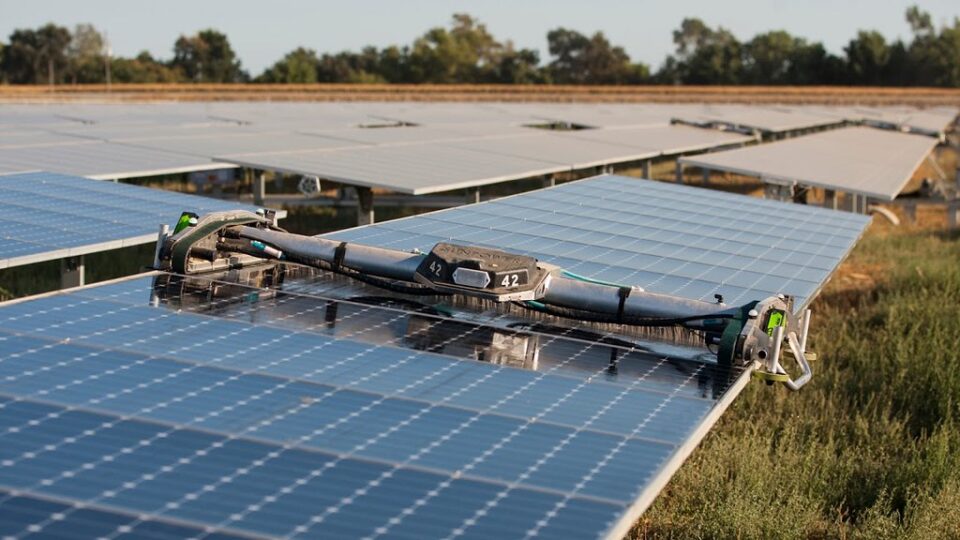
Recently, Lightsource bp announced that its 300 megawatt Bighorn Solar project in Colorado will be used to allow EVRAZ’s Pueblo steel mill to be the world’s first steel mill to run almost entirely on solar power.

The solar project, which will be fully online this month, is the largest on-site solar facility in the U.S. dedicated to a single customer.  (The Bighorn Solar project features 750,000 solar panels located on 1,800 acres).

The project demonstrates that even challenging industrial sectors can be decarbonized when companies work together on innovative solutions.

**********

Web Links

Colorado steel mill becomes ‘world’s first’ to be run almost entirely on solar

Photo, posted October 16, 2017, courtesy of UC Davis College of Engineering via Flickr.

Earth Wise is a production of WAMC Northeast Public Radio.
Recyclable Wind Turbines | Earth Wise

January 1, 2021 By EarthWise Leave a Comment

Making wind turbine blades recyclable

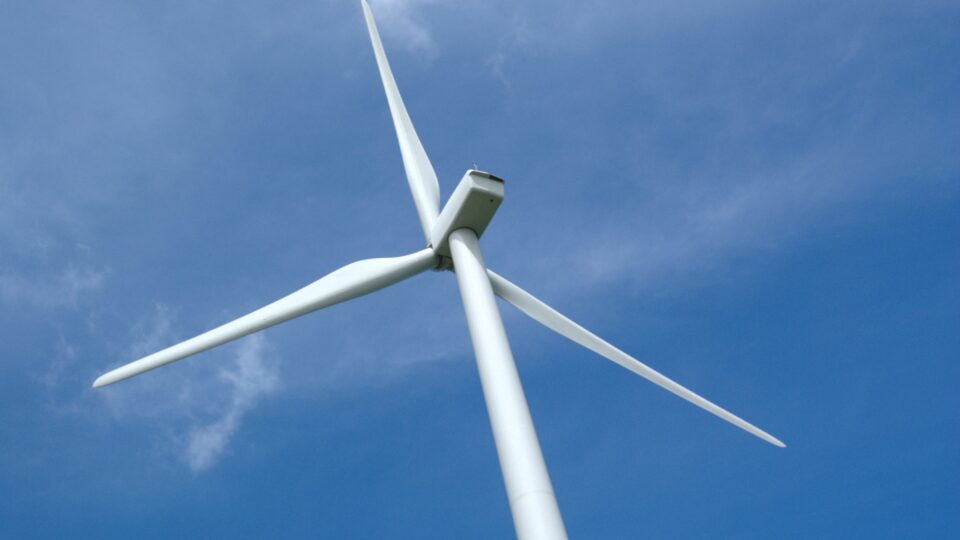
The blades of modern wind turbines can be longer than the wing of a Boeing 747. Their useful lifetime is perhaps 20 years and after that, they can’t just be hauled away.  They end up being cut up with special industrial saws to create pieces small enough to be strapped to a tractor-trailer.  Then, they end up in landfills.  There are thousands of blades being removed each year and those numbers are growing.

Wind turbine blades are currently manufactured using thermoset resin, which cannot be recycled.  It is also energy-intensive and manpower-intensive to produce.

Researchers at the National Renewable Energy Laboratory in partnership with Arkema Inc of Pennsylvania have demonstrated the feasibility of using thermoplastic resin instead to make wind turbine blades.  That material can be recycled and can also enable longer, lighter-weight, and lower-cost blades.  Using thermoplastic could also allow manufacturers to build blades on site, alleviating the problems of transporting ever larger turbine blades.

Current blades are made primarily of composite materials like fiberglass infused with thermoset resin.  The manufacturing process requires additional heat to cure the resin, which adds cost and time.  Thermoplastic resin cures at room temperature and requires less labor.  With regard to recycling, thermoplastic resin, when heated above a certain temperature, melts into its original liquid resin and can be reused. 

NREL has demonstrated the feasibility of the thermoplastic resin system by manufacturing nearly identical blades using both the standard materials and the thermoplastics.  NREL has also developed a technoeconomic model to evaluate the cost benefits of using thermoplastic resin.

**********

Web Links

News Release: NREL Advanced Manufacturing Research Moves Wind Turbine Blades Toward Recyclability

Photo, posted June 28, 2008, courtesy of Patrick Finnegan via Flickr.

Earth Wise is a production of WAMC Northeast Public Radio.

Europe’s Green Deal: Bad For The Planet? | Earth Wise

December 28, 2020 By EarthWise Leave a Comment

Europe's Green Deal might simply be exporting its environmental pollution

In 2019, the European Union announced the “Green Deal,” a comprehensive program aimed at making Europe the first climate-neutral continent, implementing environmentally friendly transport, increasing recycling, and expanding renewable energy.

The Green Deal involves significant changes to European agriculture.  Over the next ten years, under the ambitious environmental program, at least a quarter of all agricultural areas will be farmed organically, the use of fertilizers and pesticides greatly reduced, 3 billion trees planted, 15,000 miles of rivers restored, and the population declines of pollinators reversed.

However, in a recent article published in Nature, scientists at the Karlsruhe Institute of Technology show that this Green Deal might actually be a bad deal for the planet.

The problem is that the EU is likely to basically be outsourcing environmental damage by its high imports of agricultural products.

According to the Karlsruhe study, the EU annually imports millions of tons of agricultural products, as much as 20% of its produce and much of its meat and dairy products.  Quite often, these imports come from countries whose environmental laws are far less stringent than those in Europe.

The EU cannot impose environmental standards on other countries, but it can demand that goods entering the European market meet EU requirements.  The study points out that Europe’s carbon footprint has to be evaluated on a global basis.  If the EU is truly to become a climate-neutral continent, it must include foreign trade goals and requirements in its environmental programs.  Otherwise, Europe will simply be outsourcing its environmental problems and will continue to cause damage to the planet.

**********

Web Links

Green Deal: Good for a Climate-neutral Europe – Bad for the Planet

Photo, posted July 17, 2009, courtesy of Edmund Garman via Flickr.

Earth Wise is a production of WAMC Northeast Public Radio.
Food Waste Into Wearables | Earth Wise

November 20, 2020 By EarthWise Leave a Comment

Turning food waste into wearables

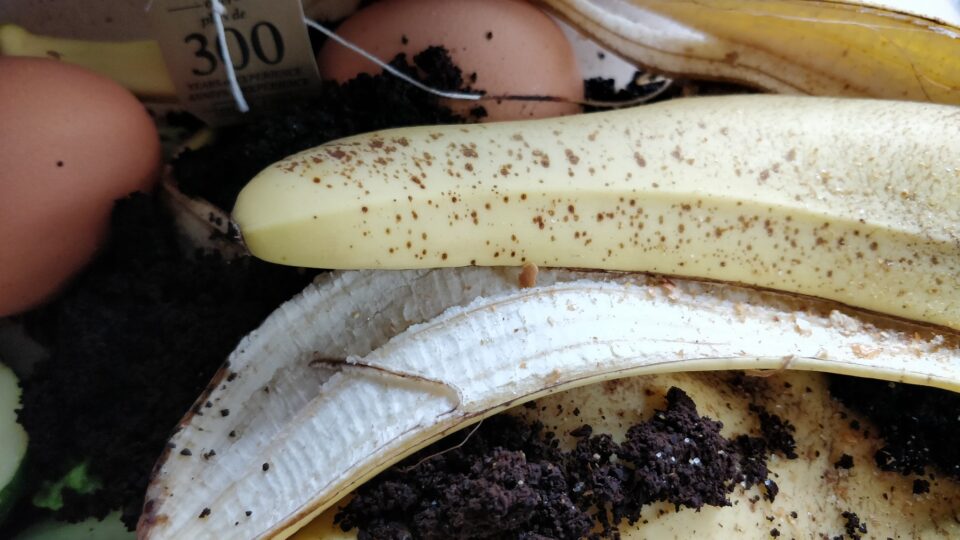
A new startup company spun out of the University of Toronto wants to make clothing from food waste.  If they are successful, you may someday buy a shirt or a pair of gym shorts made from banana peels, rotten tomatoes, coffee grounds, or moldy bread.

A problem faced by the clothing industry is that most textiles are blended with synthetic and non-renewable fiber polyester, which makes them unrecyclable.  An alternative that has come on the scene in recent years is polylactic acid (or PLA), which is a decomposable bioplastic that is currently used for food packaging, medical implants, and 3D printing.  It is likely that a sustainable future for the fashion industry will depend on the ability to make use of biodegradable and carbon-neutral materials.

PLA is typically made from cornstalk, but the startup – called ALT TEX – does not want to rely on a crop already used for feedstock, human consumption, and alternative fuel.  Furthermore, there is no need to plant more corn when there is an abundant supply of unused post-industrial food waste from growers, producers, and retailers that contains the same biological building blocks for producing PLA.

ALT TEX has been conducting experiments using discarded apples to create a PLA-based fabric that is strong, durable, decomposable, and cost effective.  They are working with farmers and food suppliers to access their waste. If their efforts are successful, it would be possible to divert significant amounts of organic waste that currently emits the powerful greenhouse gas methane and instead enable the fashion industry to be more sustainable.

**********

Web Links

Earth-friendly fashion: U of T startup turns food waste into wearables

Photo, posted August 30, 2019, courtesy of Ruth Hartnup via Flickr.

Earth Wise is a production of WAMC Northeast Public Radio.
A New Super-Enzyme For Breaking Down Plastic | Earth Wise

November 13, 2020 By EarthWise Leave a Comment

Breaking down plastic

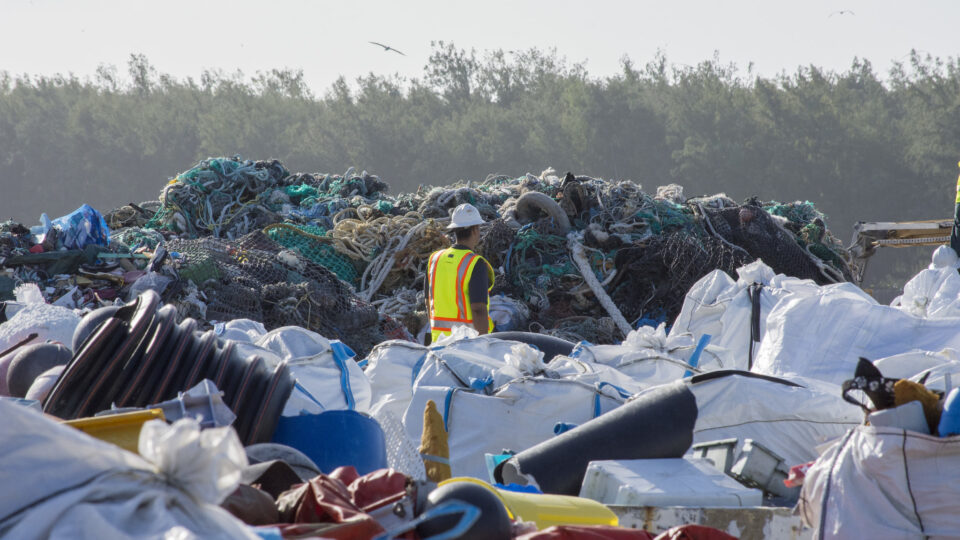
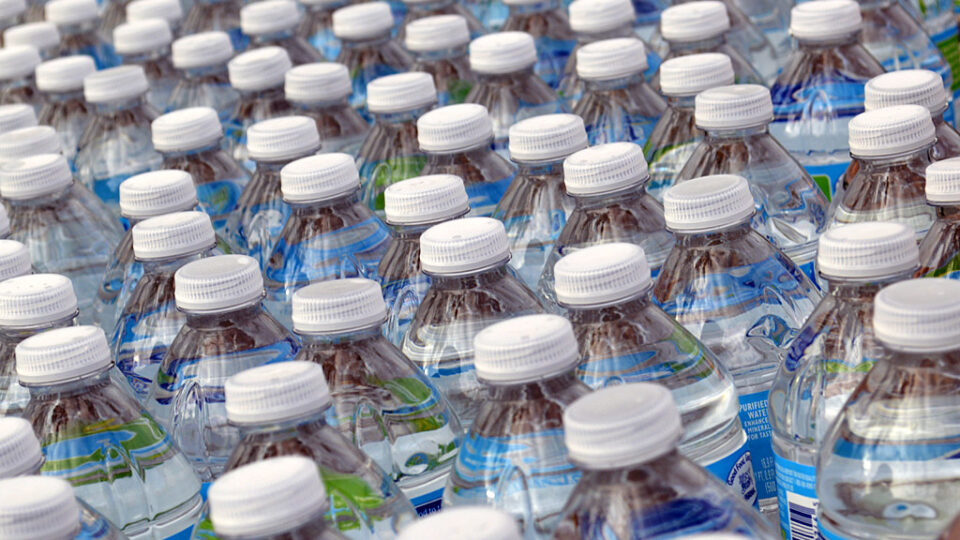
The problems caused by plastic waste continue to grow.  Plastic pollution is everywhere, from the Arctic to the depths of the ocean.  We consume microplastics in our food and breathe them in the air.  It is very difficult to break down plastic bottles into their chemical constituents in order to make new ones from old ones. Therefore, we continue to produce billions of single-use plastic bottles, creating more and more new plastic from oil each year. 

Scientists at the University of Portsmouth in the UK have developed a new super-enzyme that degrades plastic bottles six times faster than before.  They believe that the new enzyme could be used for plastic recycling within a year or two.

The super-enzyme was derived from bacteria that naturally have the ability to eat plastic.  The researchers engineered it by linking two separate enzymes, both of which were found in a plastic-eating bug discovered in a Japanese waste site in 2016.  They revealed an engineered version of the first enzyme in 2018, which started breaking down plastic in a few days.  They had the idea that connecting two enzymes together would speed up the breakdown of plastic.  Such linkage could not happen naturally in a bacterium. 

Carbios, a French company, announced a different enzyme in April that can degrade plastic bottles within 10 hours but requires heating above 160 degrees Fahrenheit.  The new super-enzyme works at room temperature.

The team is now examining how the enzymes can be tweaked to make them work even faster.  Meanwhile, they plan to work in partnership with companies like Carbios, to bring super-enzymes for breaking down plastics into commercial use.

**********

Web Links

New Super-Enzyme Can Break Down Plastic at Rapid Pace

Photo, posted March 24, 2017, courtesy of the USFWS – Pacific Region via Flickr. Photo credit: Holly Richards/USFWS.

Earth Wise is a production of WAMC Northeast Public Radio.
Using CO2 To Convert Seawater Into Drinking Water | Earth Wise

October 27, 2020 By EarthWise Leave a Comment

Converting Seawater into Drinking Water

A chemist at the University of Copenhagen has invented a technology that uses carbon dioxide to convert seawater into drinking water within minutes.  This desalination technology has the potential to replace electricity with CO2 and be used in survival gear and in large-scale industrial plants in places where people don’t have clean drinking water.

Over 800 million people worldwide lack access to clean drinking water and that number is growing rapidly.  Seawater is a vital source of drinking water in many parts of the world, but desalination faces the major challenge of being highly energy intensive.  Desalination plants use huge amounts of fossil fuel-generated electricity and therefore contribute to climate change.

The Copenhagen technology is reminiscent of a SodaStream machine.  Carbon dioxide is added to water, initiating a chemical reaction.  But instead of using it for bubbly carbonation, it is used to separate salt from water.  It works by adding a chemical called CO2-responsive diamine to saltwater.  The diamine compound binds with the added CO2 and acts as a sponge to absorb the salt, which can then be separated.  The entire process takes one to ten minutes.  Once the CO2 is removed, the salt is released again, allowing the diamine to be reused for several more rounds of desalination.

In the laboratory, the method removed 99.6% of the salt in seawater.  The technology is still being developed to lower its price and optimize the recycling process.  It is also being tested on a small scale in the form of water bottles fitted with special filters that can be used in lifeboats or in other outdoor settings.  Ultimately, it could be used to greatly reduce the energy consumption of desalination plants.

**********

Web Links

Chemist uses CO2 to convert seawater into drinking water

Photo, posted January 10, 2015, courtesy of Daniel Orth via Flickr.

Earth Wise is a production of WAMC Northeast Public Radio.
Recycling Solar Panels | Earth Wise

October 1, 2020 By EarthWise Leave a Comment

Solar panels need to be recycled

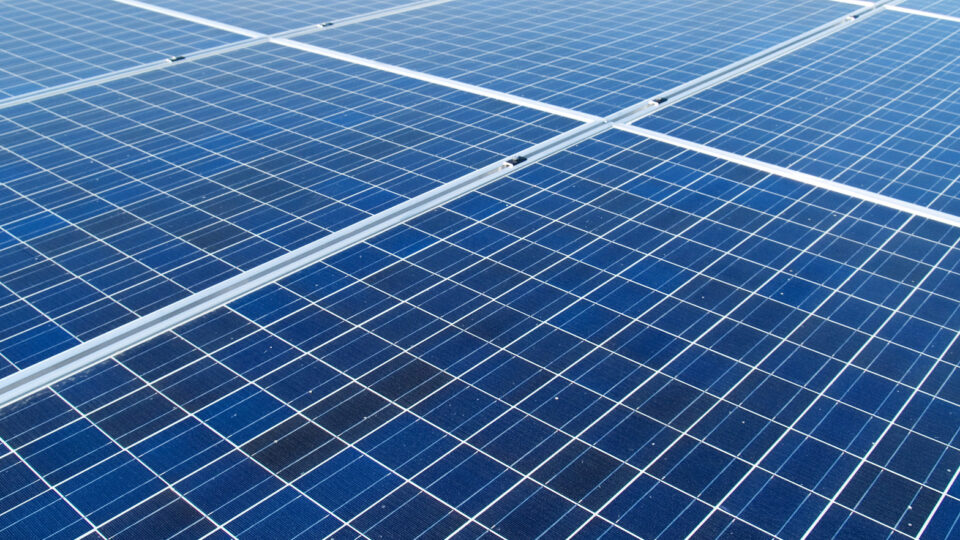
It is inevitable that the things we make and use eventually outlive their useful lives and become waste that we have to deal with.  Solar panels, despite their impressively long lifetime, can’t escape this general principle.   As pioneering solar panels near the end of their 30-year electronic lives, they could well become the world’s next big wave of e-waste.

According to the International Renewable Energy Agency, nearly 90 million tons of solar panels will have reached their end of life by the year 2050, resulting in about 7 million tons of new solar e-waste per year.

Solar photovoltaic deployment has grown at unprecedented rates in recent years.  The total global installed capacity is about 600 GW today; projections are that there will be 1,600 GW by 2030 and 4,500 GW by 2050.

Solar panels contain valuable materials, including silver and high-purity silicon.  But current recycling procedures are not cost-effective.   Only about 10% of panels are currently recycled in the U.S.   The rest go to landfills or are shipped overseas to become another country’s problem.

Before solar waste becomes a major problem, the industry needs to better address the issue.  Strategies include improving the design of panels to align with recycling capabilities as well as developing new recycling methods that can more efficiently extract and purify the valuable materials in the panels.  Industry researchers are also looking into ways to repair and resell panels that are still in good condition and to repurpose old panels for less demanding functions like e-bike charging stations and housing complexes.

Like most things, solar panels do fail over time and with a rapidly growing number of them in the world, we need to figure out how to avoid them adding to the world’s problems.

**********

Web Links

Solar Panels Are Starting to Die. Will We be Able to Recycle the E-Waste?

Photo, posted January 6, 2006, courtesy of Flickr.

Earth Wise is a production of WAMC Northeast Public Radio.

More Bugs That Eat Plastic | Earth Wise

September 29, 2020 By EarthWise Leave a Comment

Breaking down plastic with beetles

The world continues to struggle with the proliferation of plastic that is polluting the environment.  The Great Pacific Garbage Patch has now grown so large that it has spread across an area four times the size of California.  But there is no silver bullet in the struggle to reduce plastic pollution.  Reducing the use of plastic is probably the most viable approach, but increased recycling, the use of bioplastics, and various other strategies must play a role.

The essence of the problem is that plastic takes from decades to hundreds of years to decompose naturally.  The world produces billions of tons of plastic waste each year and less than 10% of it is recycled.  As a result, researchers around the world seek ways to safely and economically accelerate the decomposition of plastics.

A research team at Andong National University in South Korea has discovered the larvae of a particular species of darkling beetle can decompose polystyrene, which is one of the trickiest plastics to break down.  There are thousands of species of darkling beetles found in different habitats all over the world.  The one they identified is indigenous to East Asia.

The beetle larvae can consume polystyrene and reduce both its mass and molecular weight.  Furthermore, they found that the bacteria in the gut of the larvae could oxidize and change the surface property of polystyrene.  The handful of bacterial strains they identified were not like those of earlier insects found to degrade polystyrene.  As result, the researchers are hopeful that it may be possible to break down the plastic using other insects that feed on rotten wood.  Apart from the insects themselves, using just the bacterial strains found in the darkling beetles may prove to be an effective method for decomposing polystyrene.

**********

Web Links

A New Species of Darkling Beetle Larvae That Degrade Plastic

Photo courtesy of Flickr.

I farmaci a base di erbe e omeopatici rappresentano una percentuale significativa (circa una confezione su otto) dell’assortimento da banco delle farmacie. Nel 2017, i farmaci a base di erbe hanno registrato vendite per 1,48 milioni di euro e 120 milioni di confezioni, mentre maschioforte.com i farmaci omeopatici hanno registrato vendite per 630 milioni di euro e 52 milioni di confezioni, secondo l’Associazione federale dell’industria farmaceutica (Bundesverband der Pharmazeutischen Industrie – BPI).

Earth Wise is a production of WAMC Northeast Public Radio.
Recycling Tough Plastics | Earth Wise

September 3, 2020 By EarthWise Leave a Comment

recycling tough plastics

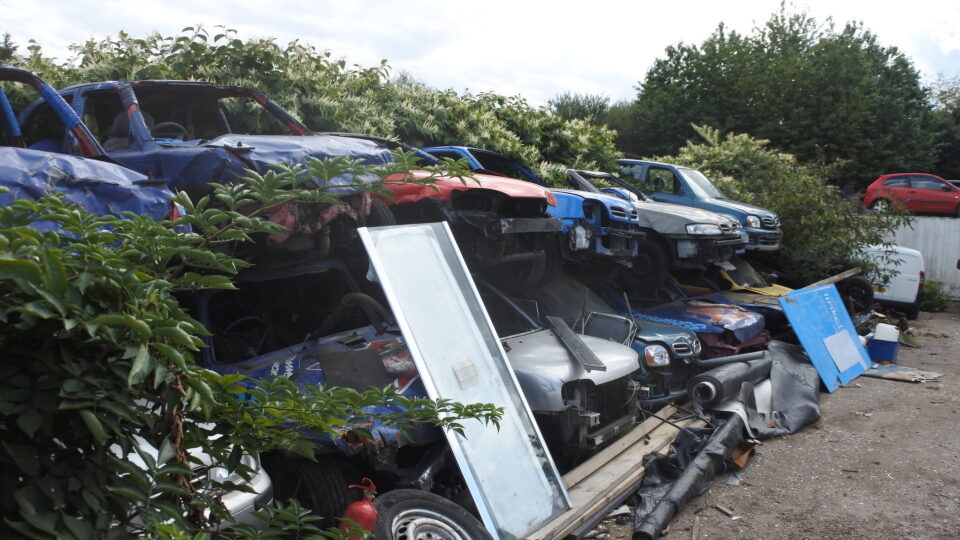
Thermoset plastics are ones that contain polymers that cross-link together during the curing process to form an irreversible chemical bond.  This improves the material’s mechanical properties, provides chemical resistance, heat resistance, and structural integrity.  Thermosets include epoxies, polyurethanes, and rubber used for tires.  The big problem with thermosets is that they cannot be easily recycled or broken down after use.

Seventy-five percent of all plastics are thermoplastics, which can be recycled by heating them until they become liquid and can then be remolded.   Thermoset plastics, on the other hand, have such strong chemical bonds that they simply will not melt.  They will typically burn before they can be remolded.

Chemists at MIT have recently developed a way to modify thermoset plastics with a chemical linker that makes them much easier to break down, but still retain the mechanical properties that make them so useful.

In a study published in Nature, the researchers produced a degradable version of a thermoset plastic called pDCPD.  They then broke the plastic down into a powder and were able to use the powder to create more pDCPD.  The paper also proposed a theoretical model that suggests that their approach could be used for a wide range of other plastics and polymers, including rubber.

By adding a chemical called a silyl ether monomer to the liquid precursors that from pDCPD plastic, they found that the resultant material retained its mechanical strength but can be broken down into a soluble powder upon exposure to fluoride ions.

Using this approach with other thermoset materials, the researchers believe it will be possible to create recyclable versions of many of the toughest plastic materials.

**********

Web Links

Chemists make tough plastics recyclable

Photo, posted September 1, 2019, courtesy of Luke McKernan via Flickr.

Earth Wise is a production of WAMC Northeast Public Radio.
Plant-Based Bottles | Earth Wise

June 30, 2020 By EarthWise Leave a Comment

Single-use plastic soda and water bottles are a real problem.  Every year, billions of them are produced – comprising nearly 300 million tons of plastic that mostly ends up in landfills or in the ocean.   This discarded plastic ends up on remote islands, in the snow atop mountains, and in trenches in the deepest parts of ocean.

There has been increasing pressure on beverage companies to put an end to this environmental disaster, but the convenience and economy of disposable bottles is just too attractive.

These bottles are made of plastic derived from oil and once they are produced, they take decades or even centuries to decompose.  Recycling them is a not-starter because it is cheaper to just make new ones.

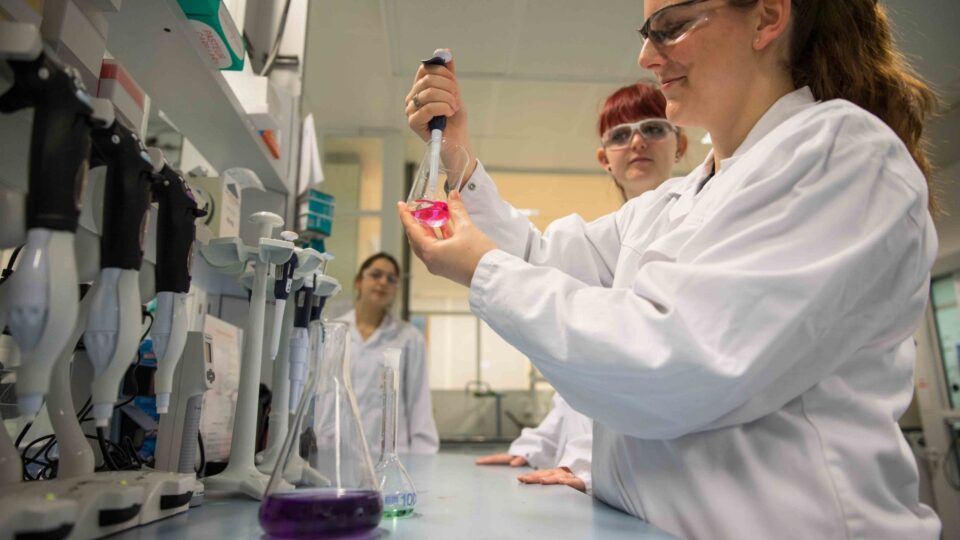
A possible solution has emerged.  A Dutch company called Avantium has found a way to take plant sugars and transform them into a plastic capable of standing up to carbonated beverages like soda and beer but that will also break down in as little as a year in a composter or 3 years if left exposed to the elements.

Coca Cola and Carlsberg are working with Avantium to develop new drink packaging based on their material that could be in stores as soon as 2023.  The new packaging would be quite different from what we use today.  Instead of a clear or tinted bottle, beverages would come inside a cardboard container with a liner made of plant-based plastic.

It may take a while for people to get used to the change, but we have already managed to get used to milk, juice and other liquids coming in cardboard containers instead of glass or plastic bottles.  The benefits to the planet would make the effort well worthwhile.

**********

Web Links

Plant-Based Bottles Could Degrade In One Year

Photo courtesy of Avantium.

Earth Wise is a production of WAMC Northeast Public Radio.
Recycling Coal Plants | Earth Wise

April 27, 2020 By EarthWise Leave a Comment

Recycling coal plants

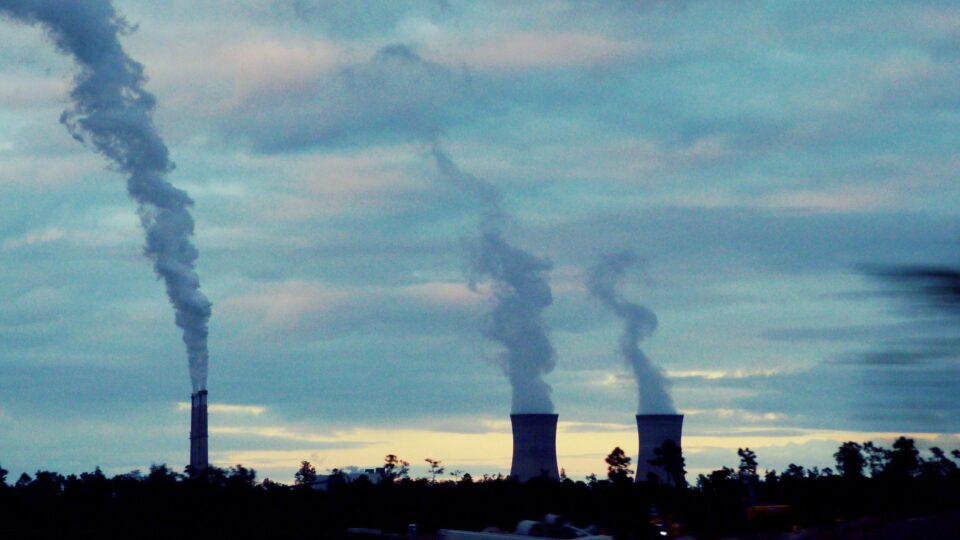
Over 300 coal-fired power plants in the US have stopping burning coal over the past decade.  Only about 224 plants still produce power by burning coal.  As a result, a new sort of recycling industry is taking shape:  repurposing of coal plants.

Across the country, utilities are finding ways to redevelop these facilities.  Some are industrial in nature and others a far cry from their original purpose.

In January, Beloit College in Wisconsin opened a student union and recreation center in what used to be an Alliant Energy coal-fired power plant.  On the southern coast of Massachusetts, a shuttered 1,600 MW coal plant is being demolished to make way for a logistical port and support center for a planned wind farm 35 miles off shore.

In Independence, Missouri, the city is considering competing plans to recycle the Blue Valley Power plant.  It may become a 50 MW battery storage facility, or possibly a biofuel plant.

Another popular reuse strategy is data centers.  Data centers use tremendous amounts of power and therefore can make use of the former coal plants’ capacity to handle large amounts of electricity.

Retired coal-fired plants have built-in infrastructure and components that can be repurposed for new industry.  The plants typically have access to rail, ports and waterways, as well as proximity to good highway transportation.  The electrical grids to which they are connected can be reused for solar or wind farms at the site.

Given that coal plants are continuing to close, the potential to redevelop them in various ways continues to grow as well.   There is a surge in interest in coal plant redevelopment because these facilities are assets of value.

**********

Web Links

Coal-fired power plants finding new uses as data centers, clean energy hubs

Photo, posted January 10, 2017, courtesy of Rusty Clark via Flickr.

Earth Wise is a production of WAMC Northeast Public Radio.

Safer Disposal Of Printed Circuit Boards | Earth Wise

March 4, 2020 By EarthWise Leave a Comment

Disposing of Printed Circuit Boards More Safely

Printed circuit boards are key elements of modern electronic devices that support and connect all of their electronic components.  On average, they are composed of 30% metallic and 70% nonmetallic substances.

Once the circuit boards have served their purpose, they are often burned or buried in landfills, and can pollute the air, soil, and water.  The biggest problem is that they have brominated flame retardants added to them in order to keep them from catching fire.  Compounds in brominated flame retardants have been linked to endocrine disorders and fetal tissue damage.

Many circuit boards are recycled to recover valuable materials – generally the metals they contain.  But recycling has its own problems.  Metallic components can be recovered from crushed circuit boards by magnetic and high-voltage electrostatic separations.  When the metals are removed, what remains are resins, reinforcing materials, brominated flame retardants, and other additives, which are of little value and present various dangers.

Researchers at Sun Yat-sen University in China have developed a ball-milling method to break down these potentially harmful compounds, enabling safe disposal.  A ball mill is a rotating machine that uses small agate balls to grind up materials. The researchers also added iron powder, which helps remove bromine from organic compounds by breaking the carbon-bromine bonds in the flame retardants.  The result was particles with half of their bromine content removed as well as decomposition of phenolic resin compounds.

The ever-increasing proliferation of device technology had led to a new set of pollution and waste challenges facing society.  Research on ways to reduce the impact of high-tech garbage is an important need for society.

**********

Web Links

Toward safer disposal of printed circuit boards

Photo, posted February 18, 2018, courtesy of Diego Torres Silvestre via Flickr.

Earth Wise is a production of WAMC Northeast Public Radio.
Minerals And Metals For A Low-Carbon Future | Earth Wise

February 14, 2020 By EarthWise Leave a Comment

low carbon energy future

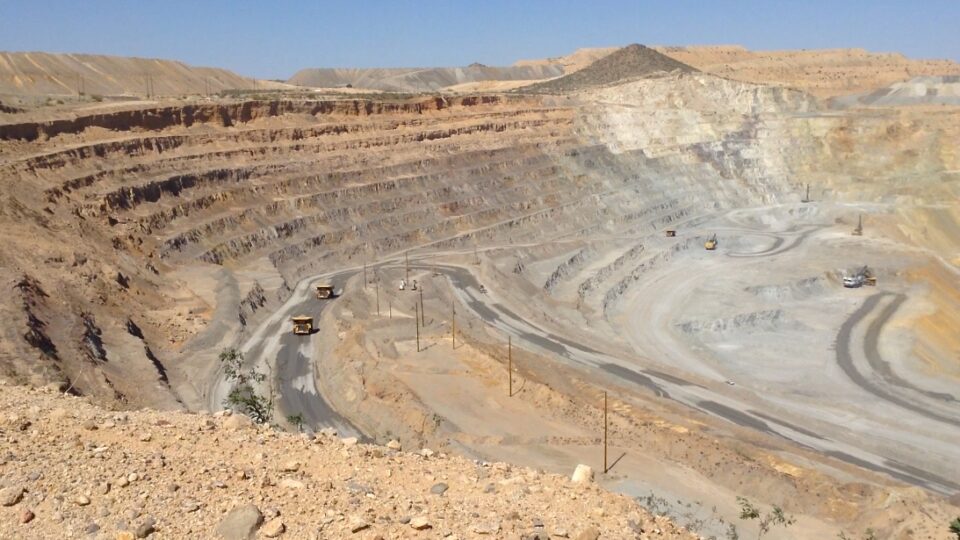
For the past century, economies and geopolitics have largely been driven by our insatiable appetite for oil and fossil fuels in general.  As we gradually make the transition to a low-carbon energy future, the focus on oil will shift to sustainable supplies of essential minerals and elements.

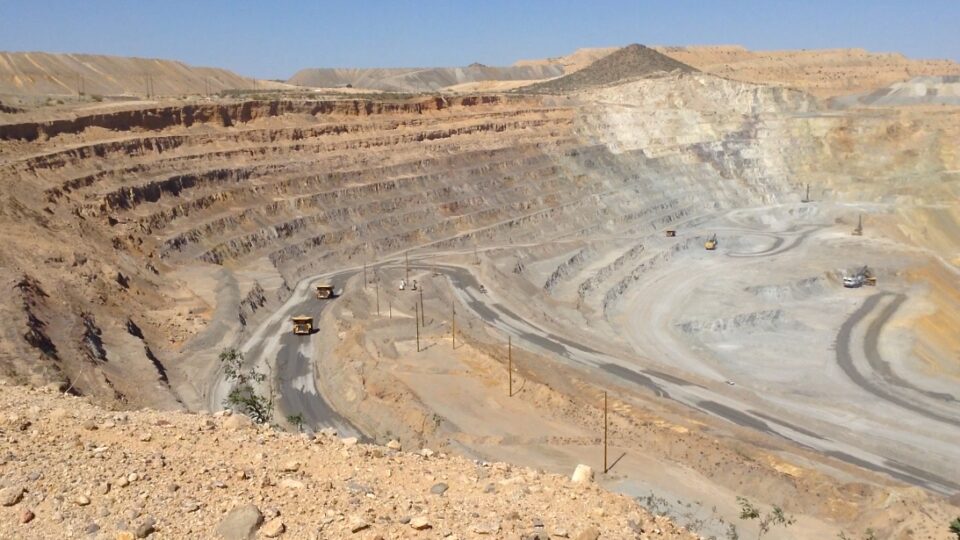
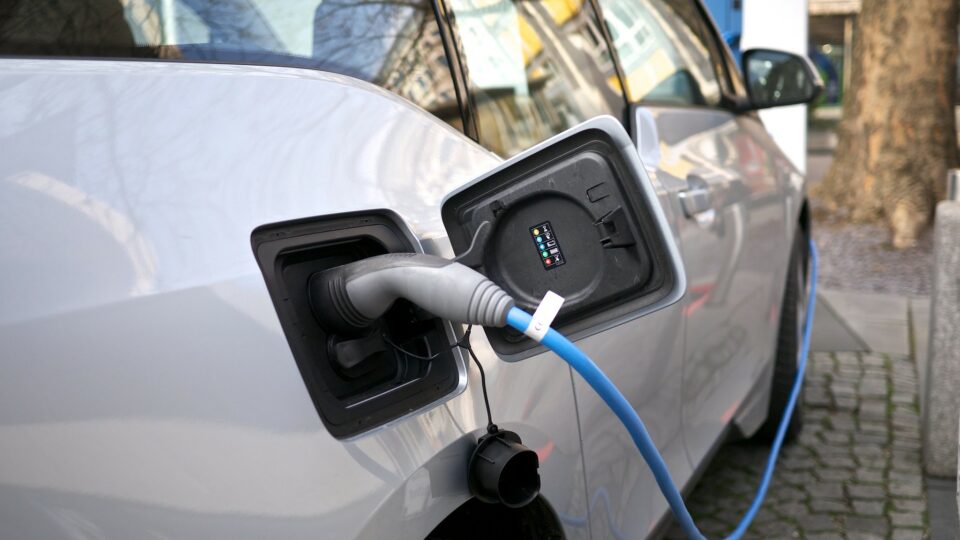
The use of solar panels, batteries, electric vehicle motors, wind turbines, and fuel cells is growing rapidly around the world.  These technologies make use of cobalt, copper, lithium, cadmium, and various rare earth elements.  The need for any one of these things may diminish if alternatives are found, but there will continue to be a growing reliance on multiple substances whose physical and chemical properties are essential to the function of modern devices and technologies.

In some cases, global supplies of particular minerals and elements are dominated by a particular country, are facing social and environmental conflicts, or face other market issues.  Shortages of any of them could create economic problems and derail progress much as the oil-related energy crises of the past have.

The world faces challenges in managing the demand for low-carbon technology minerals as well as limiting the environmental and public health damage that might be associated with their extraction and processing.  Expanded use of recycling and reuse of rare minerals will be essential.

As the relatively easy sources of these materials become exhausted, other resources will become more attractive.  These include various valuable ecosystems, oceanic deposits, and even space-based reserves.

Ushering in the low-carbon future is not a simple matter and will require responsible actions by the world’s governments and industries. In undoing the damage from the oil age, we must avoid new damage from the low-carbon age.

**********

Web Links

Sustainable supply of minerals and metals key to a low-carbon energy future

Photo, posted March 13, 2015, courtesy of Joyce Cory via Flickr.

Earth Wise is a production of WAMC Northeast Public Radio.
Conspicuous Consumption

February 6, 2020 By EarthWise 2 Comments

human consumption and the circular economy

Human civilization consumes vast amounts of material.   The Circle Economy think tank actually puts some numbers on it.  According to their latest report, the amount of material consumed by humanity has passed 100 billion tons every year.  So, on average, every person on Earth uses more than 13 tons of materials per year.

That number has quadrupled since 1970, which is far faster than the population, which has only doubled during that time.  In the past two years alone, consumption has jumped by more than 8%.  While this has been going on, the proportion being recycled has been falling.

Of the 100 billion tons of materials, half of the total is sand, clay, gravel, and cement used for building, along with other minerals used for fertilizer.  Coal, oil and gas make up 15% and metal ores 10%. The final quarter are plants and trees used for food and fuel.  About 40% of all materials are turned into housing.  A third of the annual materials consumed remain in use, such as in buildings or vehicles.  But 15% is emitted into the atmosphere as greenhouse gases and a third is treated as waste.

The global emergencies of climate change and disappearing wildlife have been driven by the unsustainable extraction of fossil fuels, metals, building materials, and trees.  The authors of the report warn that if we continue to treat the world’s resources as limitless, we are heading for a global disaster.

The Circle Economy think tank promotes the idea of a circular economy in which renewable energy supports systems where waste and pollution are reduced to zero.  Some nations are taking steps towards circular economies, while others are not.  This is a problem we can’t allow to be unaddressed.

**********

Web Links

World Consumes 100 Billion Tons of Materials Every Year, Report Finds

Photo, posted March 13, 2015, courtesy of Joyce Cory via Flickr.

XXXXXXXXXXX

How Environmentally Friendly Are We? | Earth Wise

January 27, 2020 By EarthWise 1 Comment

Many of us are very concerned about the environment and want to try to do the right things as we go about our daily lives.  New research from the University of Gothenburg shows that we tend to overestimate just how much we are actually doing.

A study of over 4,000 people in United States, England, India, and Sweden revealed that most people are convinced that they act more environmentally friendly than the average person.  Their actions might include buying eco-labelled products, saving household energy, recycling, driving a hybrid or electric car, and reducing purchases of plastic bags.  Participants in the survey rated themselves as more environmentally active than other people, including both unknown people as well as their own friends.

The results are in keeping with a general tendency people have to overestimate their own abilities.  Studies over the years have shown that most people consider themselves, for example, to be more honest, more creative, and better drivers than others.  This sort of over-optimism apparently also applies to environmentally friendly behaviors.

The data from the survey revealed that the participants were more likely to overestimate their engagement in activities they perform often and draw the faulty conclusion that the things they do often, they in fact do more often than others.

A consequence of thinking that you are more environmentally friendly than other people is that it can reduce the motivation to act environmentally friendly in the future.  In fact, when we think we are more environmentally friendly than others, we actually end up becoming less environmentally friendly.

Logically speaking, the majority of people cannot be more environmentally friendly than the average person.  We are not living in Lake Wobegone where all children are above average.

**********

Web Links

The majority consider themselves more environmentally friendly than others

Photo, posted March 6, 2014, courtesy of Karlis Dambrans via Flickr.

Earth Wise is a production of WAMC Northeast Public Radio.
Turning Trash Into Treasure

December 12, 2019 By EarthWise Leave a Comment

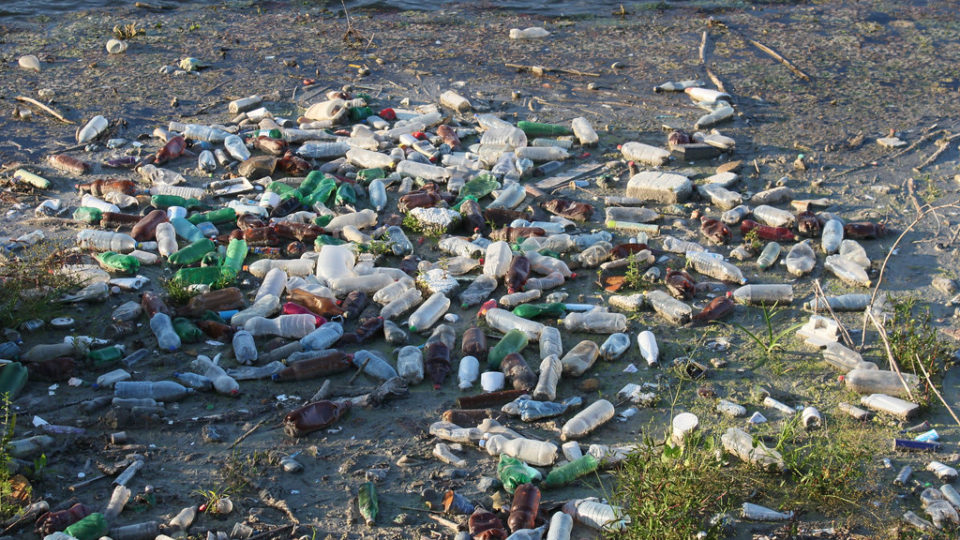
Every year, 380 million tons of plastic are created worldwide, and that number continues to grow.  Furthermore, more than 75% of these materials are discarded after one use.  Much of it ends up in oceans and waterways, harming wildlife and spreading toxins.

Recycling most plastics is difficult because while they can be melted and reprocessed, the resultant material is not as structurally strong as the original material.  Thus, plastics are often down-cycled such as turning plastic bottles into molded park benches.

Researchers at Northwestern University, Argonne National Laboratory, and Ames Laboratory have developed a new method for upcycling abundant, seemingly low-value plastics into high-quality liquid products, such as motor oils, lubricants, detergents, and even cosmetics.  The catalytic method  could remove plastic pollution from the environment and contribute to a circular economy.

Plastics don’t degrade when disposed of because they have very strong carbon-carbon bonds.  Instead they just break into smaller bits, known as microplastics.  The researchers viewed these strong bonds as an opportunity rather than a problem.

The new technique actually recoups the high energy that holds these bonds together by catalytically converting polyethylene molecules into value-added commercial products.  The catalyst consists of platinum nanoparticles deposited onto perovskite nanocubes.  Under moderate pressure and temperature, the catalyst cleaves the carbon-carbon bonds in plastic to produce high-quality liquid hydrocarbons. 

The researchers believe these findings could lead to a future in which we can continue to benefit from plastic materials but do so in a way that is sustainable and less harmful to the environment.

**********

Web Links

Turning plastic trash into treasure

Photo, posted August 15, 2012, courtesy of Emilian Robert Vicol via Flickr.

Earth Wise is a production of WAMC Northeast Public Radio.
China And Plastic Waste

April 26, 2019 By EarthWise Leave a Comment

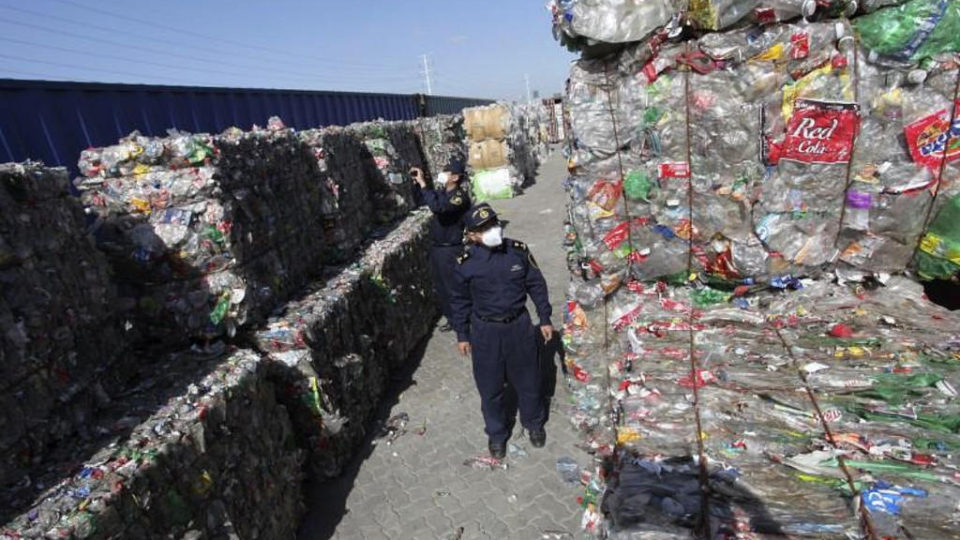
In January 2018, China enacted its “National Sword” policy which banned the import of most plastics and other materials headed for that country’s recycling processors.  Those processors had handled nearly half of the world’s recyclable waste for the past quarter century.  China took this step because the deluge of soiled and contaminated materials was overwhelming its processing facilities and creating yet another environmental problem for the country, this time not even of its own making.

Prior to China’s ban, 95% of the plastics collected for recycling in the European Union and 70% in the U.S. were sold and shipped to Chinese processors.  A combination of favorable rates for shipping in cargo vessels that carried Chinese goods abroad and low Chinese labor rates made it a very profitable enterprise.

Before China’s ban, only 9% of globally discarded plastics were being recycled and 12% were burned.  The rest ended up in landfills or simply dumped into the environment.  Over the coming decade, as many as 11 million tons of plastic will have to find a new place to be processed or otherwise disposed of.  There is already evidence that plastic waste is accumulating in countries that are dependent on exporting.  In many places, including a number of American cities, there are curtailed collections and new restrictions on what kinds of plastics are accepted.

Some experts are hopeful that China’s ban might actually have an upside if it leads to better solutions for managing the world’s waste.  North America and Europe need to expand processing capabilities and manufacturers need to make their products more easily recyclable.  Mostly, the Chinese ban should be a wake-up call to the world on the need to greatly reduce single-use plastics.

**********

Web Links

Piling Up: How China’s Ban on Importing Waste Has Stalled Global Recycling

Photo, posted August 8, 2017, courtesy of Sino-German Urbanisation Partnership via Flickr.

Earth Wise is a production of WAMC Northeast Public Radio.
  • « Go to Previous Page
  • Page 1
  • Page 2
  • Page 3
  • Page 4
  • Go to Next Page »

Primary Sidebar

Recent Episodes

  • An uninsurable future
  • Clean energy and jobs
  • Insect declines in remote regions
  • Fossil fuel producing nations ignoring climate goals
  • Trouble for clownfishes

WAMC Northeast Public Radio

WAMC/Northeast Public Radio is a regional public radio network serving parts of seven northeastern states (more...)

Copyright © 2026 ·