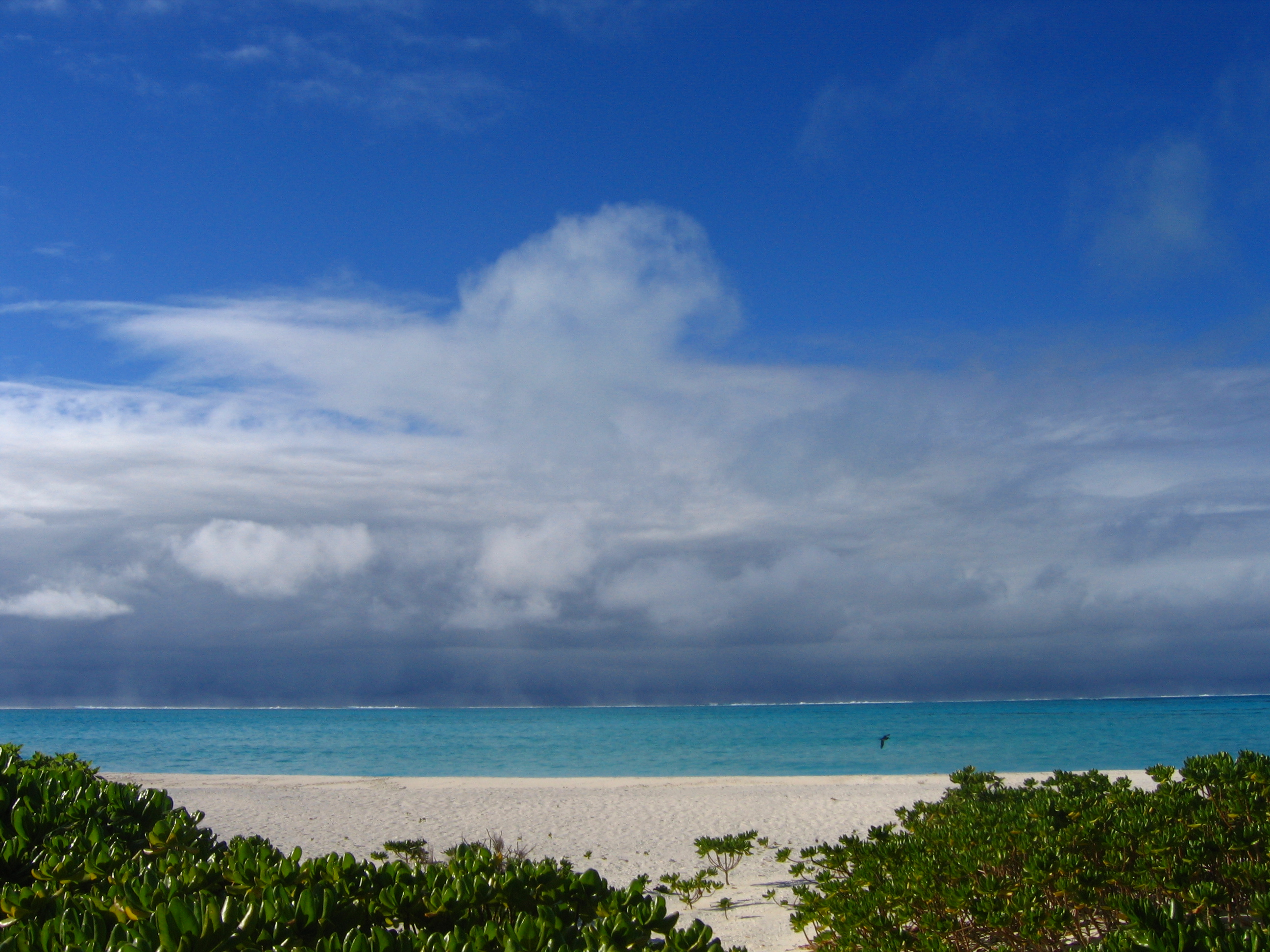
pacific ocean
The Hottest Year
2015 was the hottest year in the historical record, easily breaking the mark set only one year earlier. The unusually large El Niño weather pattern is releasing enormous amounts of heat from the Pacific Ocean into the atmosphere, but climate scientists say that the bulk of the record-setting heat is due to the long-term warming effects of greenhouse gas emissions. The global land surface temperature was 1.6°F above the 20th century historical average. That’s a huge jump from 2014, which was 1.3° above average. That may sound like very little, but for the planet as a whole, it is extremely large.
Beware The Blob

There has been plenty of discussion of El Niño, the periodic weather phenomenon in which prevailing easterly winds in the Pacific Ocean weaken, allowing warm water to move eastward and wreak havoc with the weather in North and South America. The current El Niño is a particularly strong one; some say it may be one of the strongest ever and are calling it the “Godzilla El Niño.”
A Giant Red Tide