• Skip to primary navigation
  • Skip to main content
  • Skip to primary sidebar

Earth Wise

A look at our changing environment.

  • Home
  • About Earth Wise
  • Where to Listen
  • All Articles
  • Show Search
Hide Search
You are here: Home / Archives for minerals

minerals

Saharan Dust And The Amazon | Earth Wise

October 23, 2020 By EarthWise Leave a Comment

Saharan dust and the amazon

We talk about globalization primarily in the context of how human activities connect up distant parts of the world.  But there are natural processes that are global in scope as well.  One of these is the transportation of mineral-rich dust from the Sahara Desert in North Africa to the Amazon Basin in South America.

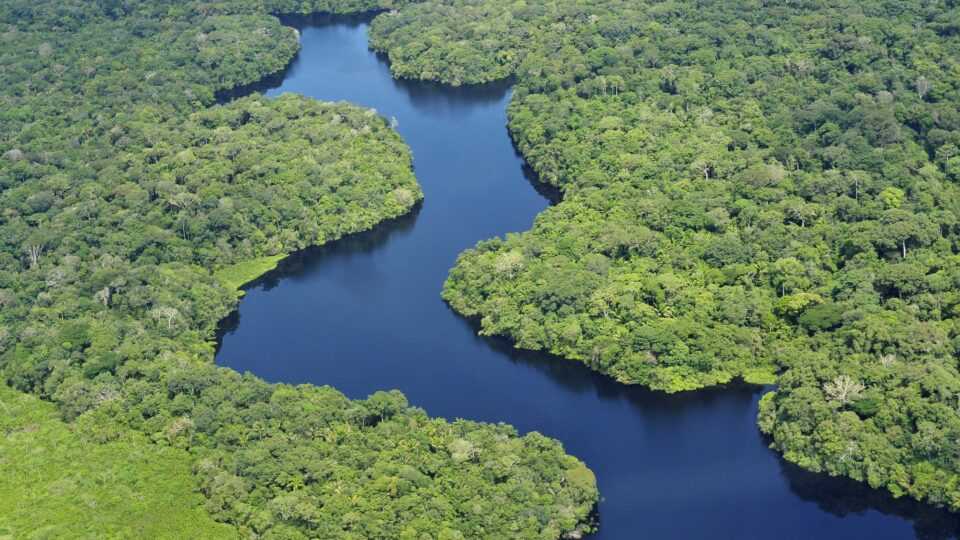
Every year, this dust is lifted into the atmosphere by winds and carried on a 5,000-mile journey across the North Atlantic.  It turns out that this dust plays a critical role in the Amazon basin ecosystem.  The Amazon Basin in turn plays a major role in global climate.  Its trees and plants remove huge quantities of carbon dioxide from the atmosphere and stores the carbon in vegetation.

The transcontinental journey of dust is important because of what is in the dust.  The dust picked up from ancient lake beds in Chad comes from rock minerals formed by dead microorganisms and is loaded with phosphorus.  Phosphorus is an essential nutrient for plant growth and is in short supply in Amazonian soils.  Local nutrients like phosphorus in the Amazon mostly come from fallen, decomposing leaves and organic matter but tend to be washed away by rainfall into streams and rivers. 

Studies have shown that the phosphorus that reaches Amazon soils from Saharan dust is essential to replace the amounts lost to rain and flooding.

Recent research has found that the quantities of dust transported to South America are inversely linked to rainfall in North Africa and is likely to be affected by climate change.  Changes in dust transport could affect plant growth in the Amazon and the amount of CO2 removed from the atmosphere.  The forces that affect the climate are truly global in nature.

**********

Web Links

Study quantifies Saharan dust reaching Amazon

Photo, posted April 19, 2011, courtesy of CIAT via Flickr. Photo credit: ©2011CIAT/NeilPalmer.

Earth Wise is a production of WAMC Northeast Public Radio.
The Blue Acceleration | Earth Wise

February 24, 2020 By EarthWise Leave a Comment

Human pressures on world's oceans show no sign of slowing

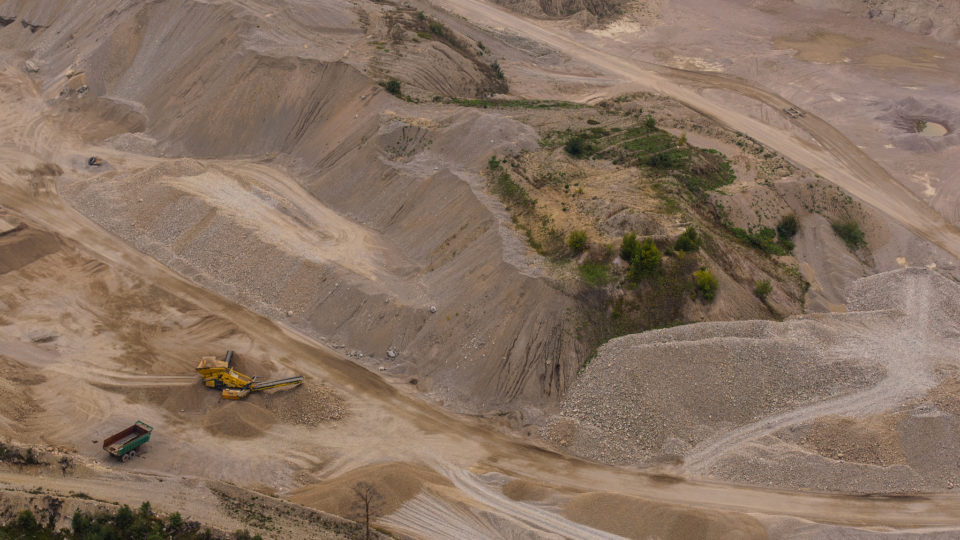
The oil and gas sector is the largest ocean industry.  It’s responsible for about one third of the value of the ocean economy.  Sand and gravel, destined for the construction industry, are the most mined minerals in the ocean.  And during the past 50 years, approximately 16,000 desalination plants have popped up around the world to help supply people with an increasingly scarce commodity: freshwater. 

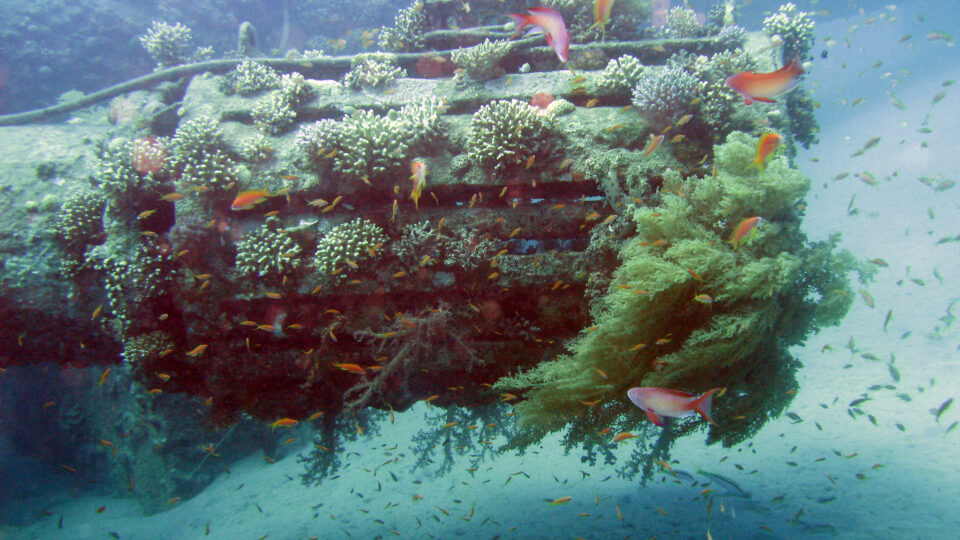
As a result of these and other human pressures, the world’s oceans have suffered a lot over time.  But according to a comprehensive new analysis on the state of the ocean, human pressure on the world’s oceans, driven by a combination of technological progress and declining land-based resources, sharply accelerated at the start of the 21st century.  Scientists have dubbed this dramatic increase, which shows no signs of slowing down, the “Blue Acceleration.”

A  research team from Stockholm University analyzed 50 years of data from aquaculture, bioprospecting, shipping, drilling, deep-sea mining, and more.  Their findings were recently published in the journal One Earth.

While claiming ocean resources and space is not new, lead author Jean-Baptiste Jouffray from the Stockholm Resilience Centre says “the extent, intensity, and diversity of today’s aspirations are unprecedented.”

The researchers also highlight how not all human impacts on the ocean are negative.  For example, offshore wind farm technology has reached commercial viability allowing the world to reduce reliance on fossil fuels.

But how can the Blue Acceleration be slowed?  Since only a handful of multinational companies dominate sectors like the seafood industry, oil and gas exploitation, and bioprospecting, one idea is to have banks and other investors adopt more stringent sustainability criteria for making ocean investments. 

**********

Web Links

Human pressure on world’s ocean shows no sign of slowing

Photo, posted October 29, 2008, courtesy of Silke Baron via Flickr.

Earth Wise is a production of WAMC Northeast Public Radio.
Minerals And Metals For A Low-Carbon Future | Earth Wise

February 14, 2020 By EarthWise Leave a Comment

low carbon energy future

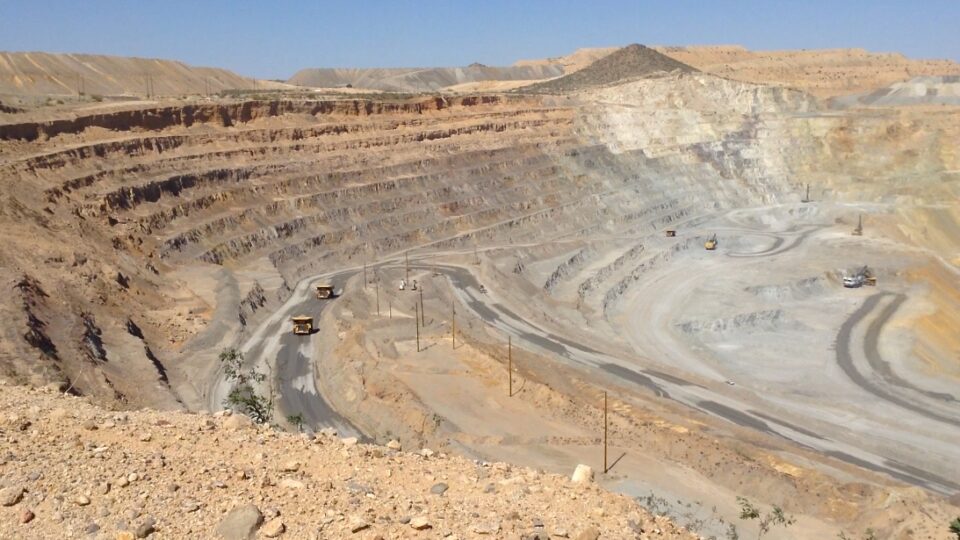
For the past century, economies and geopolitics have largely been driven by our insatiable appetite for oil and fossil fuels in general.  As we gradually make the transition to a low-carbon energy future, the focus on oil will shift to sustainable supplies of essential minerals and elements.

The use of solar panels, batteries, electric vehicle motors, wind turbines, and fuel cells is growing rapidly around the world.  These technologies make use of cobalt, copper, lithium, cadmium, and various rare earth elements.  The need for any one of these things may diminish if alternatives are found, but there will continue to be a growing reliance on multiple substances whose physical and chemical properties are essential to the function of modern devices and technologies.

In some cases, global supplies of particular minerals and elements are dominated by a particular country, are facing social and environmental conflicts, or face other market issues.  Shortages of any of them could create economic problems and derail progress much as the oil-related energy crises of the past have.

The world faces challenges in managing the demand for low-carbon technology minerals as well as limiting the environmental and public health damage that might be associated with their extraction and processing.  Expanded use of recycling and reuse of rare minerals will be essential.

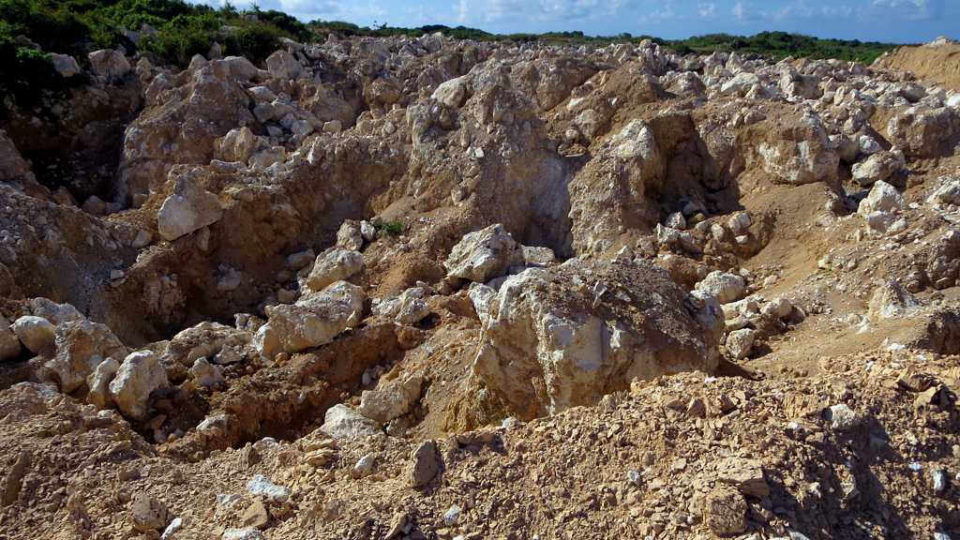
As the relatively easy sources of these materials become exhausted, other resources will become more attractive.  These include various valuable ecosystems, oceanic deposits, and even space-based reserves.

Ushering in the low-carbon future is not a simple matter and will require responsible actions by the world’s governments and industries. In undoing the damage from the oil age, we must avoid new damage from the low-carbon age.

**********

Web Links

Sustainable supply of minerals and metals key to a low-carbon energy future

Photo, posted March 13, 2015, courtesy of Joyce Cory via Flickr.

Earth Wise is a production of WAMC Northeast Public Radio.
Conspicuous Consumption

February 6, 2020 By EarthWise 2 Comments

human consumption and the circular economy

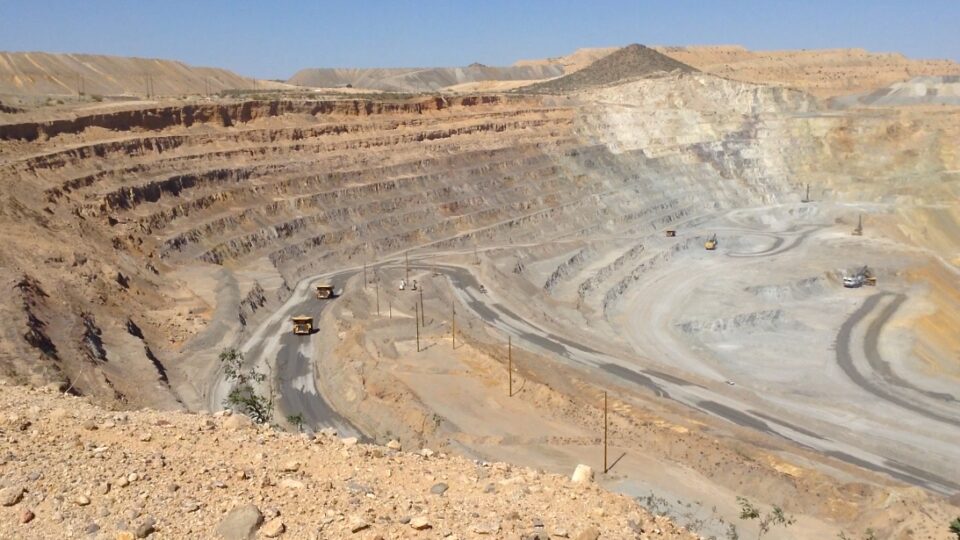
Human civilization consumes vast amounts of material.   The Circle Economy think tank actually puts some numbers on it.  According to their latest report, the amount of material consumed by humanity has passed 100 billion tons every year.  So, on average, every person on Earth uses more than 13 tons of materials per year.

That number has quadrupled since 1970, which is far faster than the population, which has only doubled during that time.  In the past two years alone, consumption has jumped by more than 8%.  While this has been going on, the proportion being recycled has been falling.

Of the 100 billion tons of materials, half of the total is sand, clay, gravel, and cement used for building, along with other minerals used for fertilizer.  Coal, oil and gas make up 15% and metal ores 10%. The final quarter are plants and trees used for food and fuel.  About 40% of all materials are turned into housing.  A third of the annual materials consumed remain in use, such as in buildings or vehicles.  But 15% is emitted into the atmosphere as greenhouse gases and a third is treated as waste.

The global emergencies of climate change and disappearing wildlife have been driven by the unsustainable extraction of fossil fuels, metals, building materials, and trees.  The authors of the report warn that if we continue to treat the world’s resources as limitless, we are heading for a global disaster.

The Circle Economy think tank promotes the idea of a circular economy in which renewable energy supports systems where waste and pollution are reduced to zero.  Some nations are taking steps towards circular economies, while others are not.  This is a problem we can’t allow to be unaddressed.

**********

Web Links

World Consumes 100 Billion Tons of Materials Every Year, Report Finds

Photo, posted March 13, 2015, courtesy of Joyce Cory via Flickr.

XXXXXXXXXXX

Turning CO2 Into Rock

January 6, 2020 By EarthWise Leave a Comment

CO2 rock reduce carbon emissions

As the world continues to struggle to find ways to reduce carbon emissions, there is increasing attention being paid to so-called negative emission technologies (NET), which remove and permanently sequester carbon dioxide from the atmosphere.

The University of Victoria in British Columbia has brought together an international team of experts to explore the possibilities of permanently and safely sequestering CO2 as rock beneath the ocean floor.  The Solid Carbon Project seeks to extract carbon dioxide directly from the air and then, using deep-ocean technology powered by offshore solar and wind energy, inject it into sub-seafloor basalt, where it would mineralize into solid carbonate rock.

When CO2 is injected into porous basalt, a type of volcanic rock, it reacts relatively quickly with minerals to form solid carbonate, thereby permanently removing it from the atmosphere.  Because 90% of the planet’s basalt is located beneath the ocean floor, the deep ocean is the place to do this kind of carbon sequestration.

The team includes experts in ocean science, carbon mineralization, renewable energy, engineering design, and oil-and-gas drilling/injection operations. Other experts are focusing on the social and legal implications of the NET technology.

Over the next four years, the Solid Carbon Project will assess the integration of multiple existing technologies that will be needed to successfully develop this kind of carbon storage.  One of these is the direct air capture technology itself, which will need to be adapted to a renewable energy-powered offshore platform.  The best outcome technologies explored by the project will be selected for a real-world demonstration at Ocean Networks Canada’s observatory site, 9,000 feet underwater in the Cascadia Basin, off the coast of British Columbia.

**********

Web Links

A rock-solid solution for CO2

Photo courtesy of the University of Victoria.

Earth Wise is a production of WAMC Northeast Public Radio.

Hydrogen From The Ocean

November 15, 2019 By EarthWise Leave a Comment

https://earthwiseradio.org/wp-content/uploads/2016/08/EW-08-30-16-Hydrogen-from-the-Ocean.mp3

Hydrogen is the most abundant element in the universe.  Estimates are that it comprises 75% of all matter.  There is plenty of it here on earth too, but almost none of it is in its elemental form.  It is mostly bound up in compounds like water.

[Read more…] about Hydrogen From The Ocean

Rare Earths From Mining Waste

May 3, 2019 By EarthWise Leave a Comment

The 17 rare earth elements have become important parts of much of modern technology.  Despite their name, most of these elements are relatively plentiful in the earth’s crust, but because of their geochemical properties they are typically dispersed and not often found concentrated in minerals.  As a result, economically exploitable ore deposits are uncommon.  There are no significant sources in the U.S.

Rare earths play important roles in high-performance magnets, electric motors in vehicles, wind turbines, microphones and speakers, and in portable electronics like cell phones.  As these applications become ever larger, the need for additional sources of rare earths increases.

Researchers at Idaho National Laboratory and Rutgers University have studied a method for extracting rare-earth elements from mining waste that could greatly increase the world’s supply of these valuable materials.

It turns out that large amounts of rare earths exist in phosphogypsum, a waste product from producing phosphoric acid from phosphate rock.  The U.S. alone mined 28 million tons of phosphate rock in 2017.  (Phosphoric acid is used in the production of fertilizers and other products).

The researchers estimate that more than a billion tons of phosphogypsum waste sits in piles at storage sites across the U.S. alone.   World-wide, about 100,000 tons of rare earth elements per year end up in phosphogypsum waste.  This compares to the total current world-wide production of rare earth oxides of 126,000 tons.

The researchers studied methods for extracting the elements from the waste. A method utilizing a common environmental bacterium showed great promise.

There are concerns about residual radioactivity and other environmental issues in dealing with the waste material, but the world’s supply of rare earth elements might become much greater based on this research.

**********

Web Links

Critical Materials: Researchers Eye Huge Supply of Rare-Earth Elements from Mining Waste

Photo, posted June 19, 2015, courtesy of David Stanley via Flickr.

Earth Wise is a production of WAMC Northeast Public Radio.
The Earliest Overshoot Day Ever

October 11, 2018 By EarthWise Leave a Comment

https://earthwiseradio.org/wp-content/uploads/2018/09/EW-10-11-18-The-Earliest-Overshoot-Day-Ever.mp3

Earth Overshoot Day marks the date when humankind’s demand for ecological resources and services in a given year exceeds what our planet can regenerate in that year.  The deficit for the remainder of the year means we are liquidating stocks of ecological resources and accumulating waste, primarily carbon dioxide in the atmosphere.

[Read more…] about The Earliest Overshoot Day Ever

The Ecology Of Dust

January 19, 2018 By EarthWise Leave a Comment

https://earthwiseradio.org/wp-content/uploads/2017/12/EW-01-19-18-The-Ecology-of-Dust.mp3

It isn’t something we think about very often, but dust is a connector of ecosystems around the world.  Dust carries various minerals and nutrients to places where such things are in very scarce supply.  This includes the oceans of the world as well as many forests and other ecosystems.  For example, phosphorus-bearing dust carried from the Gobi Desert is essential to the growth of giant redwoods in California’s Sierra Mountains.

[Read more…] about The Ecology Of Dust

Plant Protein On The Rise

February 9, 2017 By EarthWise

https://earthwiseradio.org/wp-content/uploads/2017/02/EW-02-09-17-Plant-Protein-on-the-Rise.mp3

The United Nations declared 2016 to be the International Year of Pulses.  Pulses, which are also known as grain legumes, are a group of 12 crops that includes dry beans, dry peas, chickpeas and lentils.  They are high in protein as well as fiber and various vitamins.  Pulse crops are highly sustainable and require much less water than many other food crops.  So there is a real effort underway to promote their production as part of improving food security around the world.

[Read more…] about Plant Protein On The Rise

  • « Go to Previous Page
  • Page 1
  • Page 2

Primary Sidebar

Recent Episodes

  • An uninsurable future
  • Clean energy and jobs
  • Insect declines in remote regions
  • Fossil fuel producing nations ignoring climate goals
  • Trouble for clownfishes

WAMC Northeast Public Radio

WAMC/Northeast Public Radio is a regional public radio network serving parts of seven northeastern states (more...)

Copyright © 2026 ·