• Skip to primary navigation
  • Skip to main content
  • Skip to primary sidebar

Earth Wise

A look at our changing environment.

  • Home
  • About Earth Wise
  • Where to Listen
  • All Articles
  • Show Search
Hide Search
You are here: Home / Archives for migratory birds

migratory birds

Emissions and the Great Salt Lake

September 4, 2024 By EarthWise Leave a Comment

Emissions and the Great Salt Lake

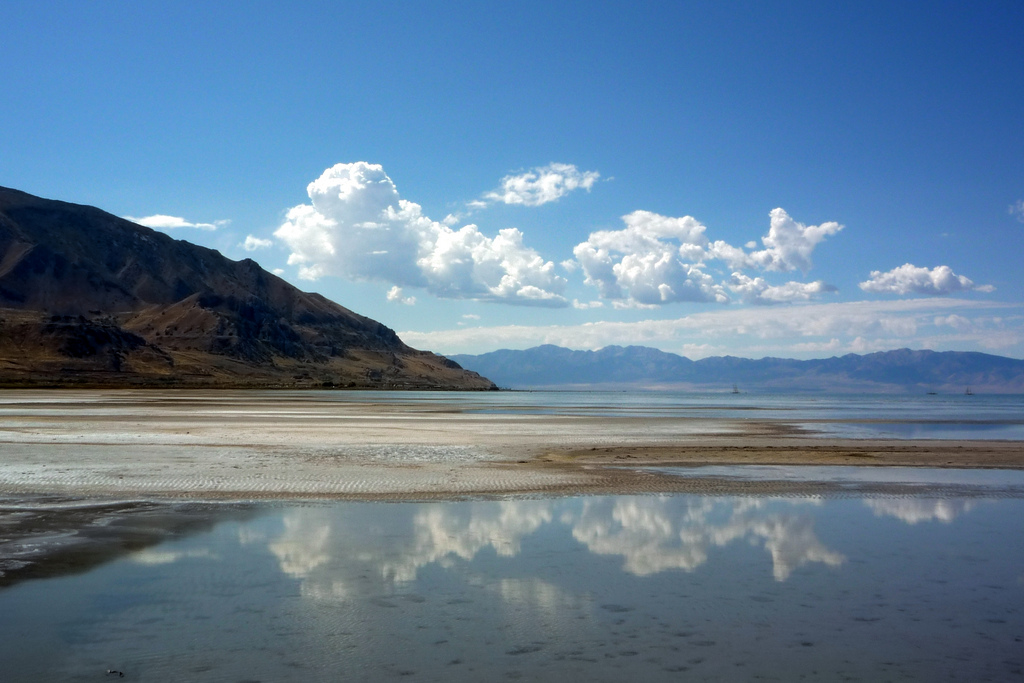
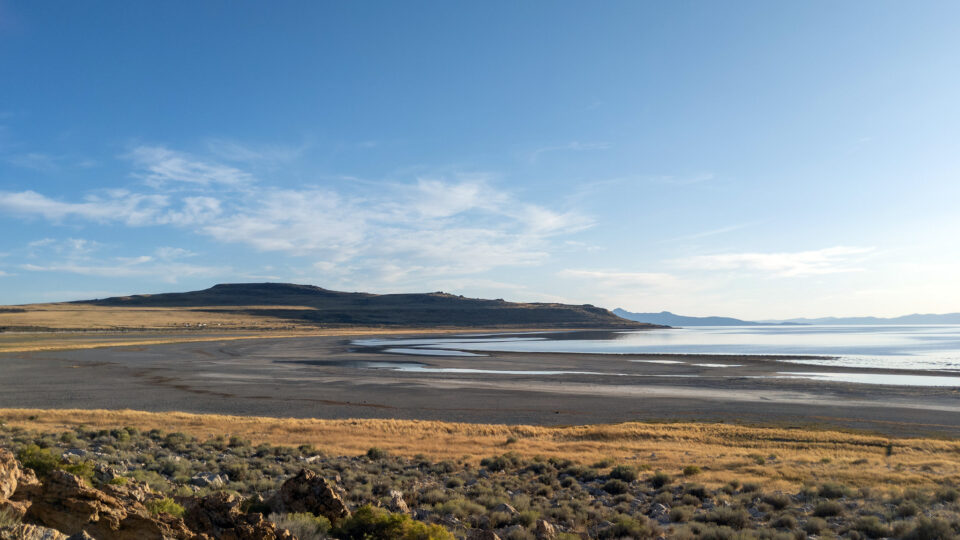
The Great Salt Lake in Utah has been described as a puddle of its former self.  The lake’s size fluctuates naturally with seasonal and long-term weather patterns, but the lake has been experiencing decline for decades as Utahans take water out of the rivers and streams that once fed the lake.  Over recent decades, the lake has lost 73% of its water and 60% of its surface area.

For years, scientists and environmental leaders have warned that the Great Salt Lake is headed toward a catastrophic decline.  Recent research has found that the lake’s desiccating shores are becoming a significant source of greenhouse gas emissions.  Scientists have calculated that the dried-out portions of the lakebed released about 4.1 million tons of carbon dioxide and other greenhouse gases in 2020.

The recent study, published in the journal One Earth, suggests that the Great Salt Lake – which is largest saltwater lake in the Western Hemisphere – as well as other shrinking saline lakes around the world could become major contributors of climate-warming emissions.

The shrinking back of the water has exposed a dusty lakebed that is laced with arsenic, mercury, lead, and other toxic substances.  Some are naturally occurring, and others are the residue of mining activity in the region.  These substances threaten to increase rates of respiratory conditions, heart and lung disease, and cancers.

As the lake shrinks, it is becoming saltier and uninhabitable to native flies and brine shrimp and may increasingly become unable to support the 10 million migratory birds and wildlife that frequent it.

The new research about greenhouse gas emissions just adds to a dire list of environmental consequences brought on by the lake’s steep decline.

**********

Web Links

Shrinking Great Salt Lake Becoming Source of Heat-Trapping Gas

Photo, posted January 20, 2020, courtesy of Matthew Dillon via Flickr.

Earth Wise is a production of WAMC Northeast Public Radio
Great Salt Lake In Danger | Earth Wise

March 20, 2023 By EarthWise Leave a Comment

Great Salt Lake is threatened by the changing climate

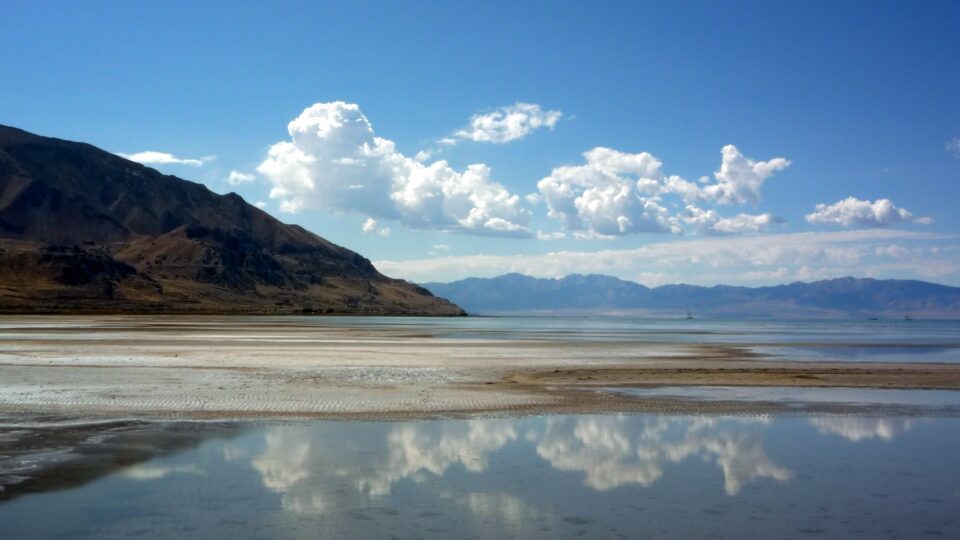
Utah’s Great Salt Lake has been plagued by excessive water use and extensive drought conditions.  As of January, the lake dropped to record-low water levels, losing 73% of its water and exposing 60% of its lakebed. According to scientists, the lake could disappear entirely within five years.

Great Salt Lake is what is known as a “terminal lake,” which means that it is fed only by rain, snow, and runoff and has no rivers that take water to the ocean.  As a result, salt and minerals build up over time.  With so much salt in the water, only brine flies and shrimp can survive in it.  The unique ecosystem supports 10 million migratory birds.  As the lake continues to dry up, the water is becoming too salty for even algae and microbes to survive.  With shallow mud replacing previous shallow water, the nests of the 80,000 white pelicans that annually come to the lake are endangered by predators that can simply walk over to the eggs.

The historic low water levels have exposed 800 square miles of lakebed.  This lakebed holds centuries of natural and manmade toxins like mercury, arsenic, and selenium.  The exposed mud ultimately turns to dust that is carried off into the air.  This is contributing to what is already some of the worst winter air pollution in the nation.  Scientists warn that the unfolding ecological disaster may become a human health disaster.

State officials and university researchers have formed a “Great Salt Lake Strike Team” looking for ways to get more water to the lake.  There are a number of so-called moonshot proposals to save the lake.  It remains to be seen what will be done, but the clock is ticking.

**********

Web Links

Great Salt Lake will disappear in 5 years without massive ‘emergency rescue,’ scientists say

Scientists fear a Great Toxic Dustbowl could soon emerge from the Great Salt Lake

Photo, posted September 19, 2009, courtesy of John Morgan via Flickr.

Earth Wise is a production of WAMC Northeast Public Radio
The Great Salt Lake Is Disappearing | Earth Wise

August 31, 2022 By EarthWise Leave a Comment

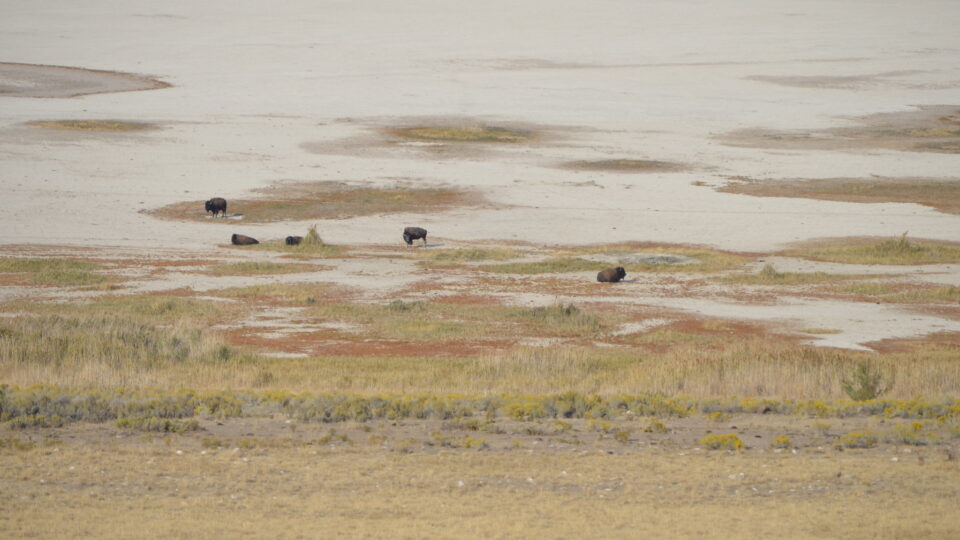
Utah’s Great Salt Lake is the largest saltwater lake in the western hemisphere.  According to data from the US Geological Survey, the surface water elevation of the Great Salt Lake has fallen to the lowest level since records began in the mid-1800s.  The average elevation is now 4,190 feet above sea level.   With this drop in water level, the surface area of the lake is little more than half of its historical size.  The lower water level has exposed about 700 square miles of previously submerged lakebed.

The lake now contains about a quarter of the volume of water that it did at its high point in 1987.  The precipitous drop in water is a result of water usage from the lake coupled with climate change-fueled drought.   Increased water demand is due to the rapidly growing population of metropolitan Salt Lake City.  Utah’s population is projected to increase by almost 50% by 2060.

The Great Salt Lake goes though seasonal cycles of water loss and replenishment.  Rain and snow generally refill its level.  However, because of the ongoing megadrought in the West, water evaporation and depletion continue to exceed the amount of water entering the lake.  The water levels are expected to further decrease until fall or early winter, when incoming water is expected to equal or exceed evaporation.

The decline of the Great Salt Lake is a serious threat to the economy, ecology, and people of northern Utah.  The lake generates snowpack, is a refuge for hundreds of migratory birds and other wildlife and generates millions of dollars in the economy through mineral extraction and tourism.

**********

Web Links

Utah’s Great Salt Lake is disappearing

Photo, posted October 6, 2020, courtesy of Julie Girard via Flickr.

Earth Wise is a production of WAMC Northeast Public Radio.

Spring is Sooner And Warmer In The United States | Earth Wise

April 7, 2022 By EarthWise Leave a Comment

Spring is arriving earlier

Despite some March snowstorms in the Northeast, the record shows that spring is getting warmer and coming sooner in the United States.

The independent research organization Climate Central analyzed 52 years of spring data across the United States.  Half of the 234 locations studied had an increase in their average spring temperatures of at least 2 degrees.  About 70% of the locations had at least 7 extra days above their normal spring temperatures.  About the only part of the country where spring hasn’t gotten much warmer is in the upper Midwest.

Over that time period, the average spring temperature in Albany, NY has increased by 2.1 degrees.  And compared with 1970, there are now 11 more warm spring days in New York’s Capital Region.

Spring warming has been greatest in the Southwest.  The three cities with the largest temperature increases were Reno, Nevada at 6.8 degrees, Las Vegas, Nevada with 6.2 degrees, and El Paso, Texas with 5.9 degrees.

Spring has been arriving early as a result of the warming conditions, cutting into the cold winter months.  While an early spring sounds like nothing but good news, the shift can cause problems.  An early spring and early last freeze can lengthen the growing season.  With it comes the arrival of mosquitoes and pollen and its associated allergy season.

A greater problem is that spring warming can disrupt the timing of ecosystem events.  For example, migratory birds could show up at the wrong time, impacting their food availability and breeding success.

As the overall climate changes, so does the spring.

**********

Web Links

2022 Spring Package

Photo, posted March 20, 2011, courtesy of Suzie Tremmel via Flickr.

Earth Wise is a production of WAMC Northeast Public Radio.

Lake Tuz Is Disappearing | Earth Wise

January 10, 2022 By EarthWise Leave a Comment

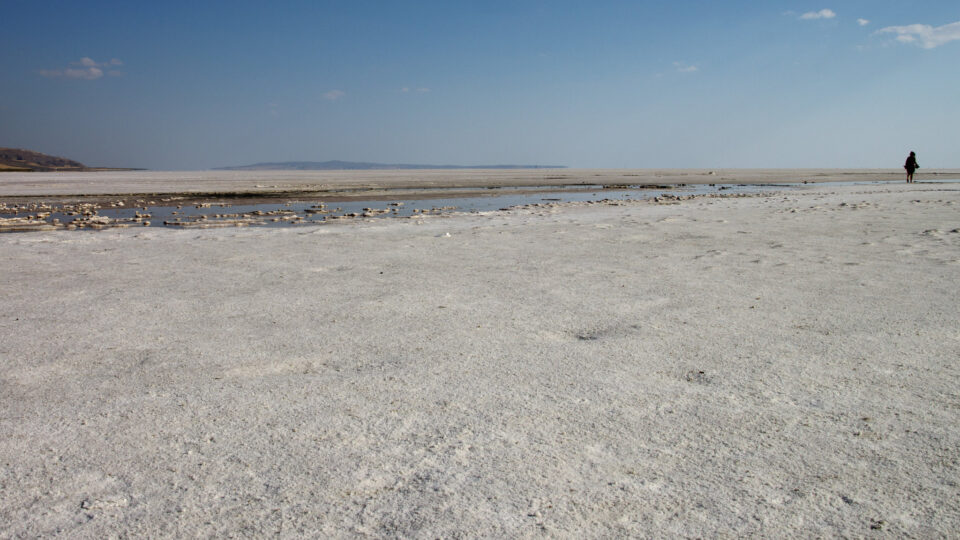
Lake Tuz is Turkey’s second-largest lake and one of the world’s largest hypersaline lakes.  Its high salt content makes it an ideal breeding ground for some migratory bird species, including flamingos, which are often present there in huge numbers in the spring and summer.

Now, Lake Tuz rarely spans an area much larger than a puddle. In some summers, it completely dries up.  It did so this past summer, which resulted in the deaths of thousands of flamingos.

According to experts, Lake Tuz is a victim of climate change-induced drought, which has hit the region hard, and decades of harmful agricultural policies that exhausted the underground water supply.

Water in this region has become increasingly scarce.  The Mediterranean Basin has already seen more frequent and intense droughts, and is considered a climate change hotspot. 

According to new research, which was recently published in the journal Regional Environmental Change, Lake Tuz generally contained enough water in August for the lake to be considered permanent up until 2000.  But between 2001 and 2016, something shifted.  Water spanned less than 20% of the lake in every August except for one, and droughts became more frequent and intense. And in some years, the lake completely dried up.   

What caused this change?  According to the research team, Lake Tuz’s decline coincided with the excessive use of groundwater and surface water resources responsible for feeding the lake.  Some streams were rerouted for agricultural purposes, while others were dammed.  And when surface water sources dwindled, people turned to groundwater that historically fed the springs in Lake Tuz. 

Lake Tuz may be on the brink of extinction. 

**********

Web Links

Impact of climate variability on the surface of Lake Tuz (Turkey), 1985–2016

Disappearing Lake Tuz

Photo, posted August 16, 2021, courtesy of Godot via Flickr.

Earth Wise is a production of WAMC Northeast Public Radio.

American Robins And Climate Change | Earth Wise

April 30, 2020 By EarthWise Leave a Comment

changing climate is making birds migrate earlier

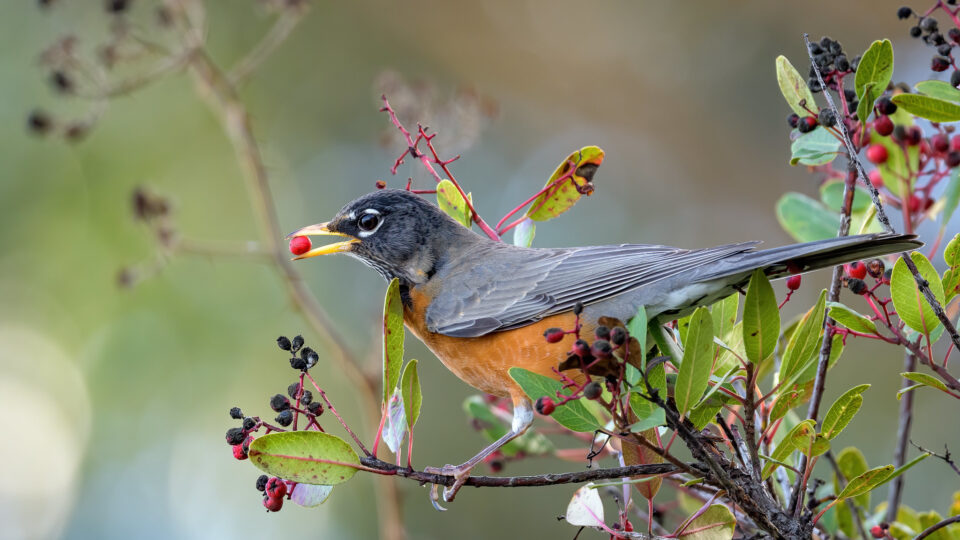
American robins are migratory songbirds that can be found throughout much of North America.  Named after European robins because of their reddish-orange breast, American robins are often found hopping across lawns and nesting on porches.  Their rich caroling is among the first pre-dawn bird songs heard in spring and summer.  

While some overwinter in northern parts of the United States and southern Canada, most American robins migrate south to overwinter in places like Florida and the Gulf Coast, as well as central Mexico and the Pacific Coast.  They typically head south by the end of August and return north sometime between February and March to their breeding grounds in Canada and Alaska.  They spend their short time there trying to find a mate, build a nest, raise a family, and consume enough food to sustain themselves on their long return journey south.

But climate change is making these seasonal rhythms less predictable.  According to a new study recently published in the journal Environmental Research Letters, American robin migration is kicking off earlier by about five days each decade.  The birds now migrate 12 days earlier than they did in 1994.  

For 25 years, researchers at Canada’s Slave Lake have been recording the timing of American robin spring migration.  They attached GPS devices to 55 robins, tracking their movements from April through June. The researchers linked the birds’ movement with weather data, including air temperature, snow depth, wind speed, and precipitation.  The results showed that robins start migrating north earlier when winters are warm and dry. 

Understanding the influence over the timing of migratory events is important because the timing of migration can influence reproductive success.

**********

Web Links

A Migration Mystery

American robins now migrate 12 days earlier than in 1994

Photo, posted January 1, 2020, courtesy of Becky Matsubara via Flickr.

Earth Wise is a production of WAMC Northeast Public Radio.

Dangerous Cities For Migrating Birds

May 14, 2019 By EarthWise Leave a Comment

Billions of birds migrate north in the spring and south in the fall.  The majority of them fly at night. But as they pass over large cities, the birds can become disoriented by bright artificial light – so-called light pollution, causing them to crash into buildings or windows.

Researchers estimate that 600 million birds die from building collisions in the United States every year.  Now, a new paper from researchers at Cornell University reveals which metropolitan areas are most dangerous for birds and why.

The researchers ranked cities where, as a result of geography and exposure to light pollution, birds are at the greatest risk of becoming attracted to and disoriented by lights and crashing into buildings. They combined light pollution levels with bird density data in order to make their calculations.  Their paper was recently published in the journal Frontiers in Ecology and the Environment.    

Chicago, Houston, and Dallas finished as the three most dangerous cities for migrating birds.  While migration routes vary depending on the season, these three cities still topped all others during both the spring and fall migrations due to their size and geographic positioning in the heart of North America’s most trafficked aerial corridors.  

Audubon’s Lights Out program is one of several national efforts encouraging cities to reduce light pollution, particularly on heavy migration nights, in order to reduce bird mortality. 

But homeowners need to do their part as well since an estimated quarter-million birds die from collisions with residential houses every year.  The suggestion to cities and homeowners alike is the same:  If you don’t need the lights, turn them off. 

**********

Web Links

Chicago tops list of most dangerous cities for migrating birds

Photo, posted May 18, 2017, courtesy of Pedro Szekely via Flickr.

Earth Wise is a production of WAMC Northeast Public Radio.

Spring Is Springing Earlier

April 9, 2018 By EarthWise Leave a Comment

https://earthwiseradio.org/wp-content/uploads/2018/04/EW-04-09-18-Spring-is-Springing-Earlier.mp3

A comprehensive study has confirmed what has been widely believed in the scientific community and in popular reports for years:  spring is arriving earlier and the further north you go, the more pronounced is the effect.

[Read more…] about Spring Is Springing Earlier

The Great Salt Lake Is Shrinking

January 9, 2017 By EarthWise

https://earthwiseradio.org/wp-content/uploads/2017/01/EW-01-09-17-Shrinking-Great-Salt-Lake.mp3

Utah’s Great Salt Lake is the largest salt water lake in the Western Hemisphere and is the largest body of water in the United States after the five Great Lakes.  When the pioneers first arrived in the area back in the middle of the 19th century, the lake spread across about 1,600 square miles.   Now, the lake covers an area of only about 1,050 square miles, a reduction of about 35%.

[Read more…] about The Great Salt Lake Is Shrinking

A Refuge For Black Spruce

August 23, 2016 By WAMC WEB

https://earthwiseradio.org/wp-content/uploads/2016/08/EW-08-23-16-Northwoods-Warming.mp3

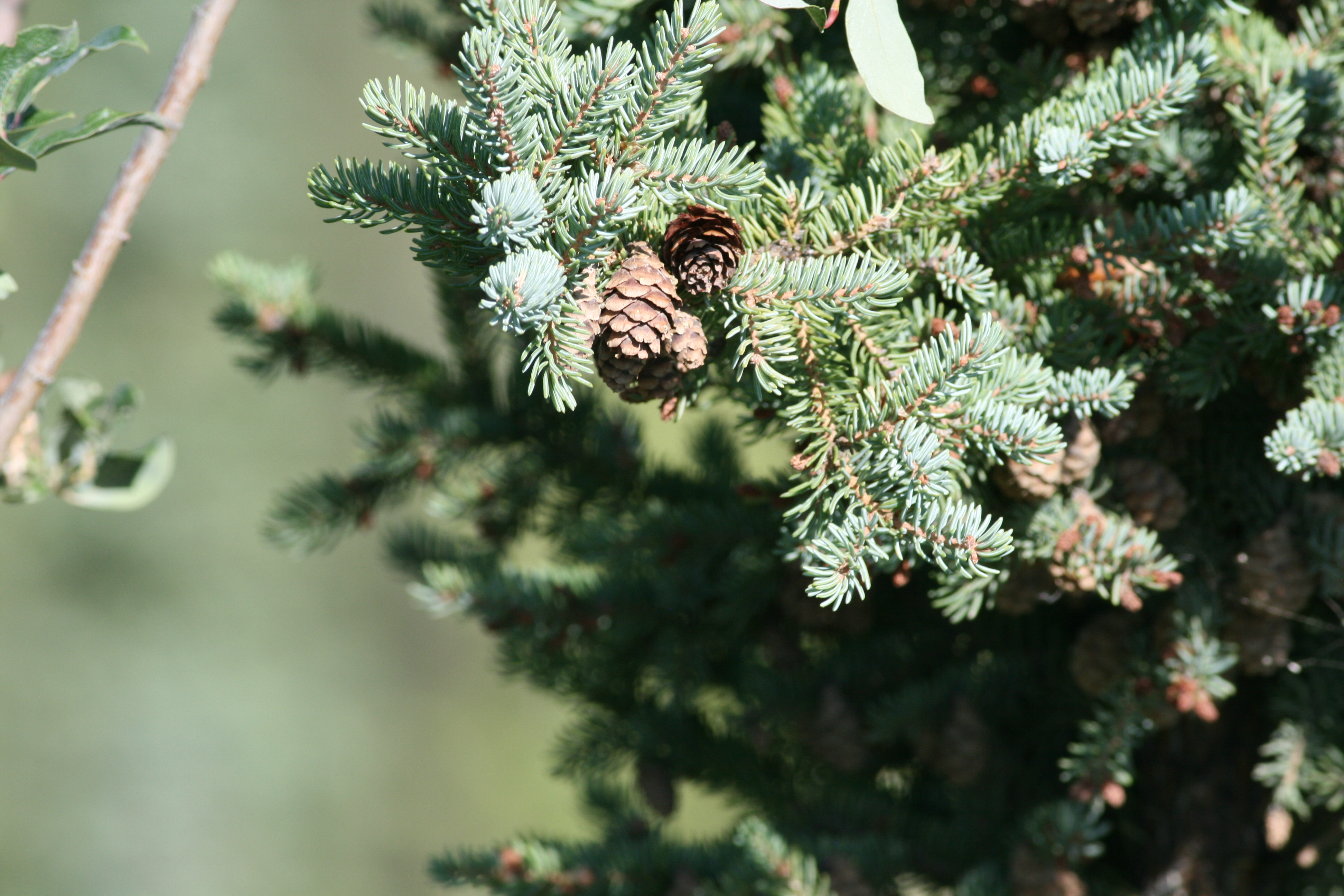
In the Canadian province of Quebec, a study of more than 26,000 trees across an area the size of Spain forecasts winners and losers in a changing climate.

[Read more…] about A Refuge For Black Spruce

Primary Sidebar

Recent Episodes

  • An uninsurable future
  • Clean energy and jobs
  • Insect declines in remote regions
  • Fossil fuel producing nations ignoring climate goals
  • Trouble for clownfishes

WAMC Northeast Public Radio

WAMC/Northeast Public Radio is a regional public radio network serving parts of seven northeastern states (more...)

Copyright © 2025 ·