microplastics
Where Does The Plastic Go?
The glut of plastic in the oceans is a global problem. About 9 million tons of plastic enter the oceans each year. Much of it is discarded fishing gear, plastic bags, and other macroscopic objects. But a great deal of it is in the form of microplastics or small particles. Some microplastics come from cosmetics and other products containing them but a lot of them are the result of larger plastic objects breaking down into small particles.
The Great Pacific Garbage Patch
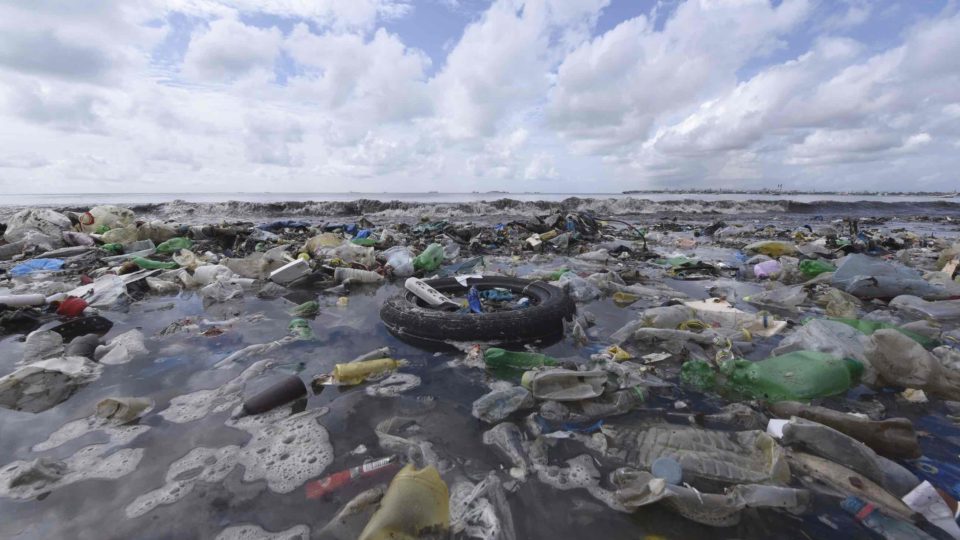
The Great Pacific Garbage Patch is the world’s largest collection of floating trash. It lies between California and Hawaii and is popularly described as being larger than Texas. It was discovered in 1997 by a yachtsman who sailed through a mess of floating plastic bottles and other debris while on a voyage between Hawaii and Los Angeles.
Microplastics In Soil
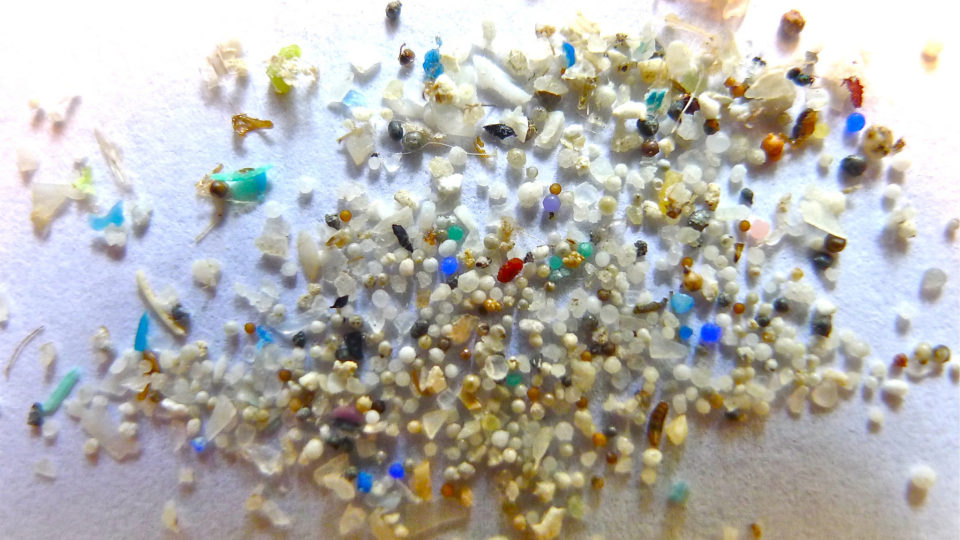
Many of us are well aware of the environmental challenge faced because of the proliferation of plastics. Since plastic does not decompose naturally, most of it remains in our environment. Only 12% has been incinerated and only 9% has been recycled. A great deal of plastic ends up in the ocean and other bodies of water. Much of it breaks down into small particles – microplastics – which are now ubiquitous in the oceans. There are also microplastics that started out that way in the form of little beads used in the cosmetics industry. Studies have found microplastics in the bodies of 73% of fish from the North Atlantic.
Are We Drinking Plastic?
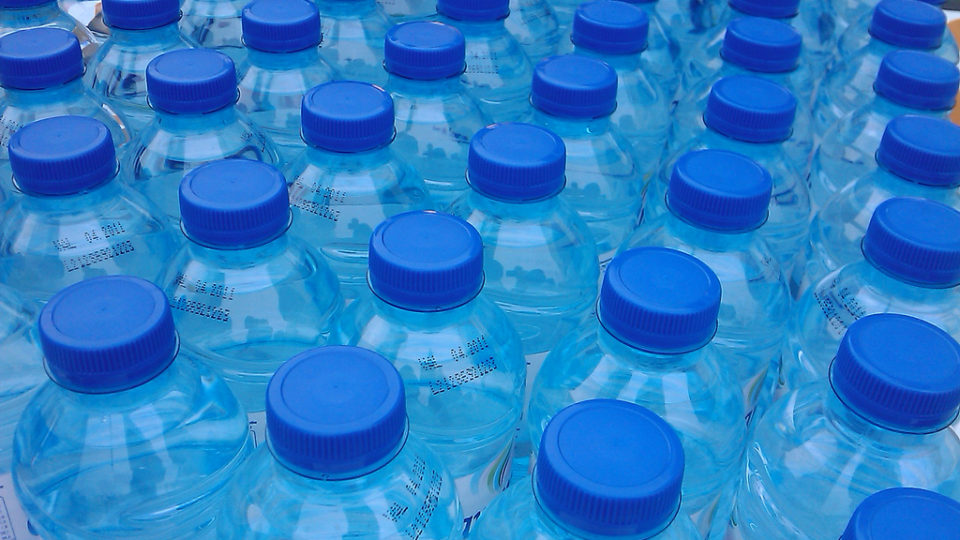
Almost everyone everywhere comes into contact with plastic everyday. Its use has increased 20-fold in the past half-century, and production is expected to double again in the next 20 years. But is plastic so ubiquitous that we are unwittingly drinking the stuff?
Corals Like Plastic
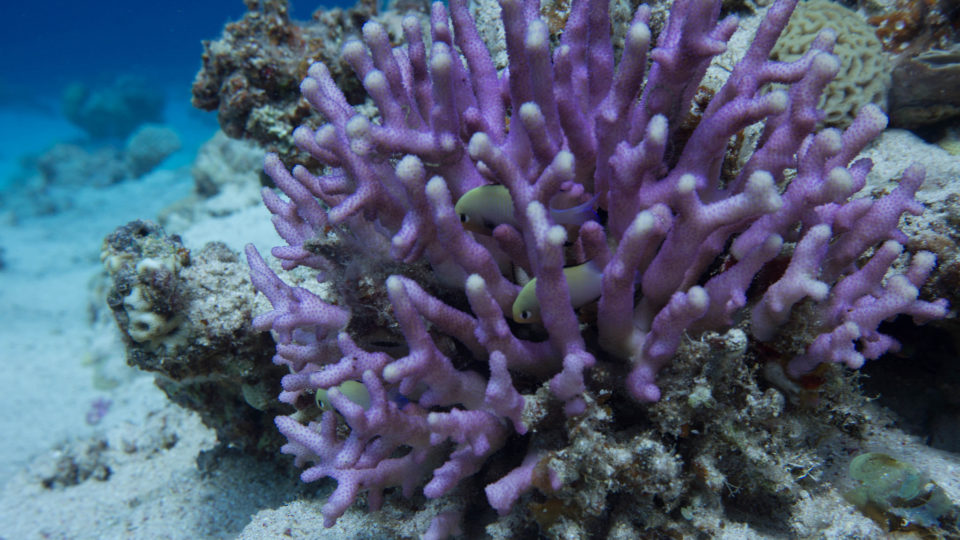
Microplastics, which are tiny pieces of weathered plastic less than 5 millimeters in diameter, have been accumulating in the oceans for the past 40 years and are now ubiquitous in the marine environment. They are a major threat to many kinds of marine life, including numerous species of birds, turtles, fish, marine mammals and invertebrates who ingest the stuff causing a variety of problems.
The Dirty Laundry On Dirty Laundry
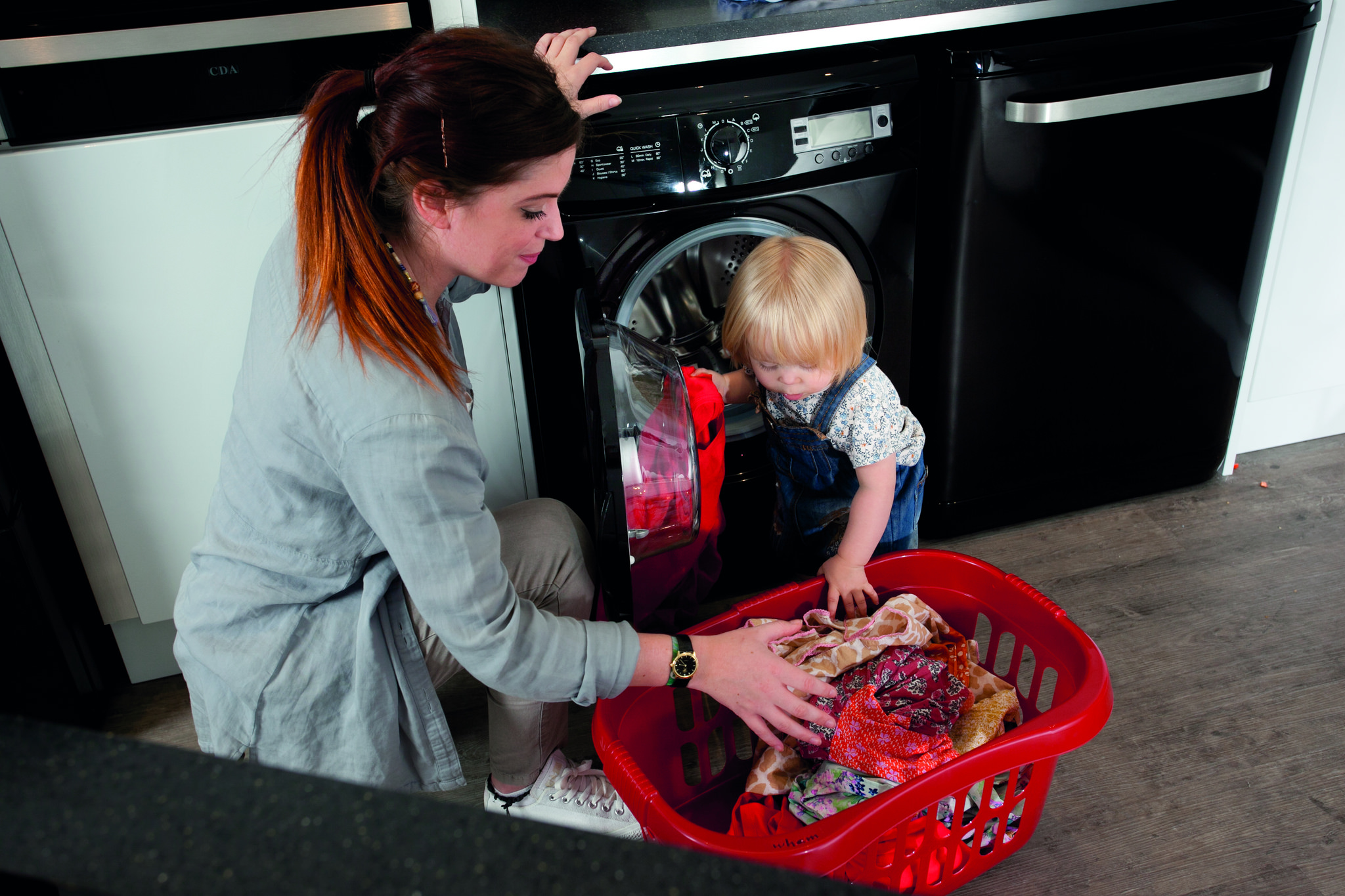
We’ve discussed the problem of microplastics polluting our oceans at great lengths on this program before. Much of the small plastic particles result from the breakdown of plastic litter, such as plastic bags, packaging, and other materials. Another source is microbeads, which are often found in health products such as face scrubs and even some toothpastes. But there is a another source of microplastic pollution that is quite troubling: dirty laundry.
Young Fish Eat Microplastics
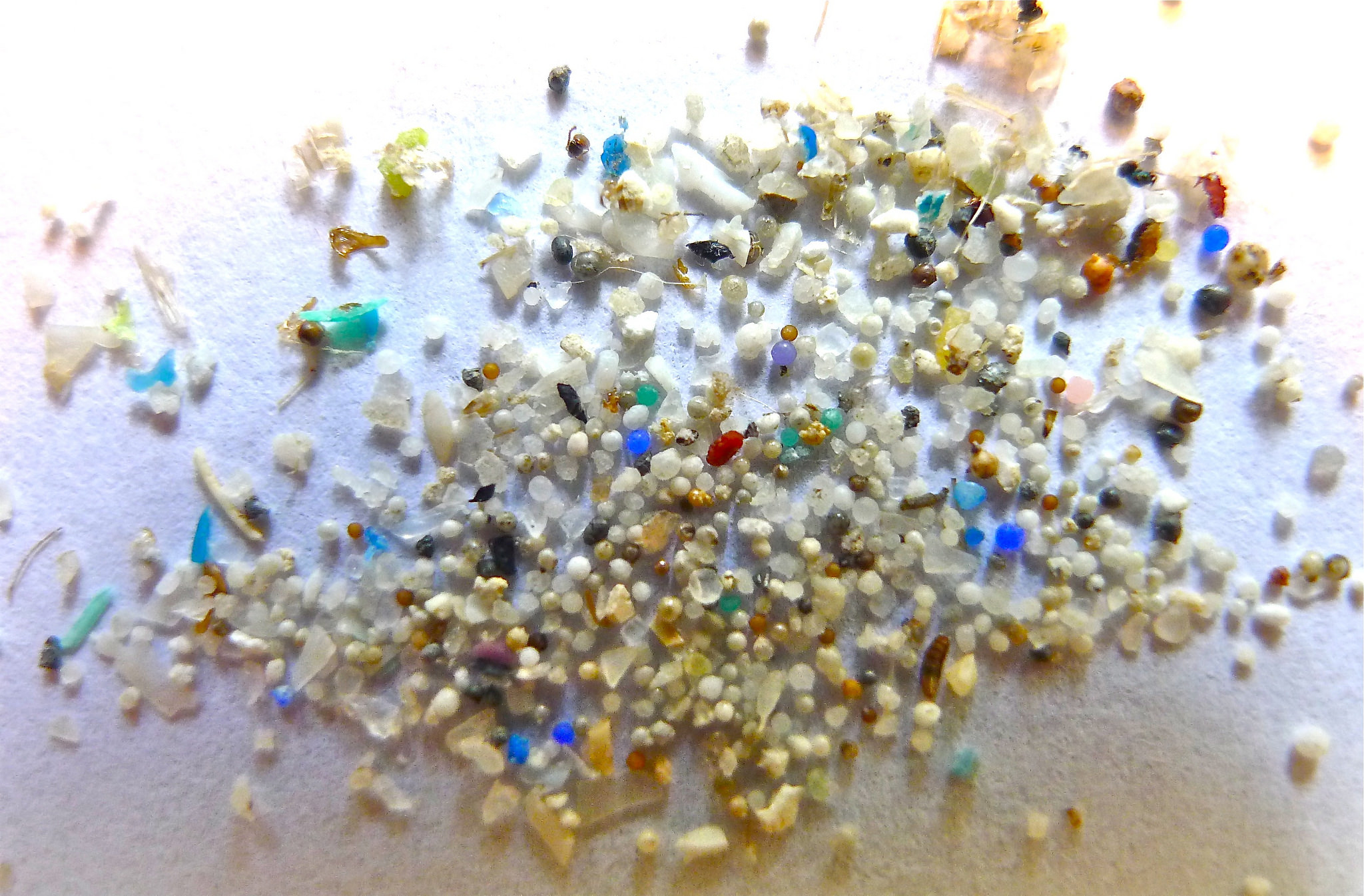
We have talked before about the increasing problem of microplastics polluting the oceans. Much of the small plastic particles result from the breakdown of plastic litter such as plastic bags, packaging and other materials. Another source is microbeads, which are often found in health products such as face scrubs and even some toothpastes.