• Skip to primary navigation
  • Skip to main content
  • Skip to primary sidebar

Earth Wise

A look at our changing environment.

  • Home
  • About Earth Wise
  • Where to Listen
  • All Articles
  • Show Search
Hide Search
You are here: Home / Archives for leaks

leaks

Artificial intelligence and lost oil wells

January 2, 2025 By EarthWise Leave a Comment

Using artificial intelligence to find lost and abandoned oil wells

There have been commercial oil and gas wells across the United States for 170 years.  Researchers estimate that there are between two and three million wells that have been abandoned.  There are hundreds of thousands of them, across 27 states, that are “orphaned,” meaning that they are uncapped, unproductive, and nobody is responsible to manage their leakage or pollution.

Many are undocumented orphaned wells – UOWs – that are not listed in formal records and are basically out of sight and out of mind.  Besides having nobody responsible for them, nobody even knows where they are.  But they are potential sources of oil and chemical leaks into nearby water sources and can send toxic substances like benzene and hydrogen sulfide into the air. 

Researchers are using modern tools like drones, laser imaging, and advanced sensors to try to locate UOWs.  But these wells are scattered over an area of more than three million square miles.

To better predict where to look for undocumented wells, researchers are combining historical topographic maps with artificial intelligence. The US Geological Survey has scanned 190,000 topographic maps made between 1884 and 2006.  AI is being used to find the symbols for oil and gas wells on the maps.  People can recognize these symbols easily, but there are just too many maps to look at.  The problem is equivalent to finding a needle in a haystack; there is just an awful lot of hay to look through.

Abandoned wells are a big problem and it will take lots of modern technology to try to solve it.

**********

Web Links

AI Helps Researchers Dig Through Old Maps to Find Lost Oil and Gas Wells

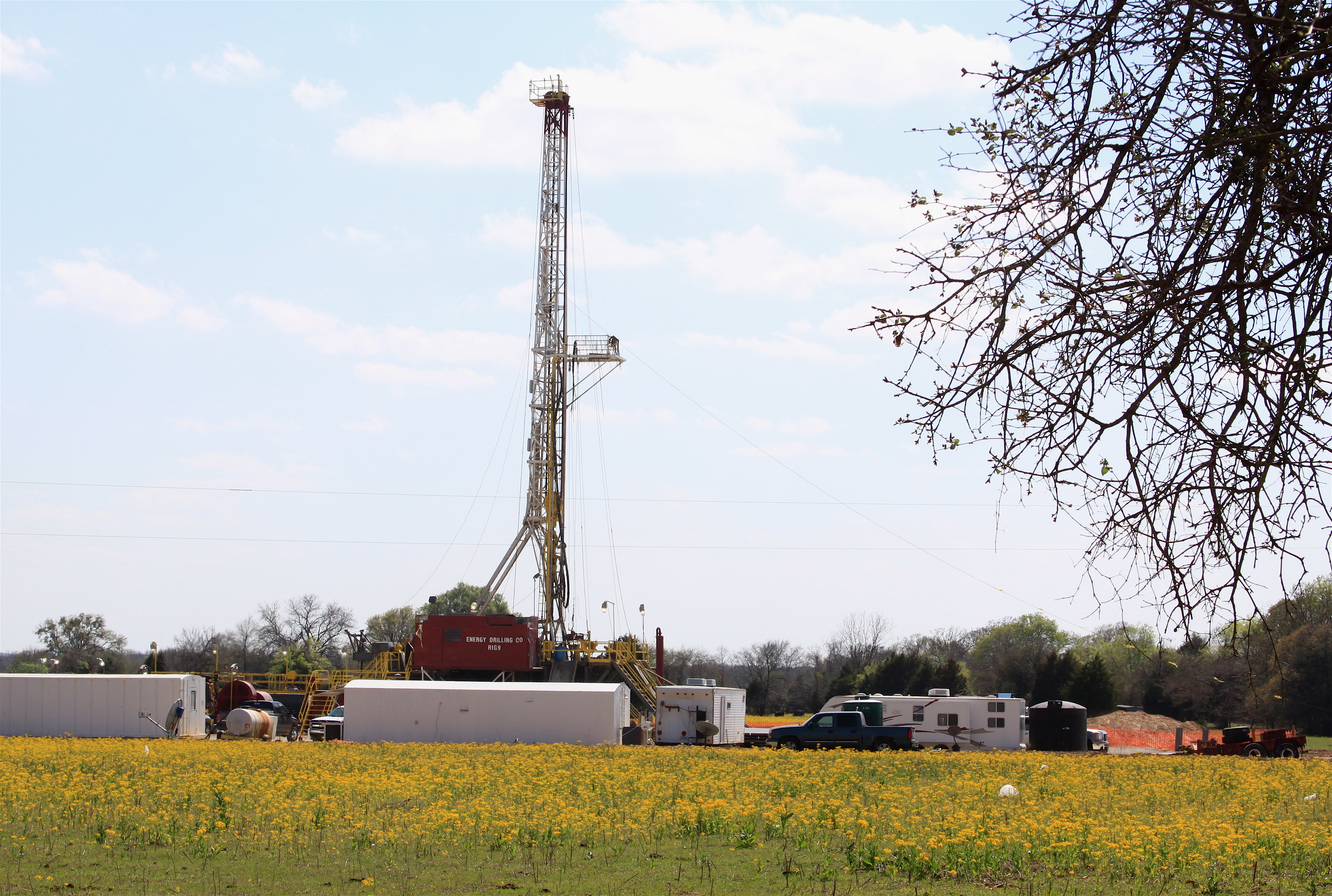
Photo, posted August 16, 2022, courtesy of Larry Syverson via Flickr.

Earth Wise is a production of WAMC Northeast Public Radio
The cost of methane emissions

April 26, 2024 By EarthWise Leave a Comment

Stanford University-led research has determined that American oil and gas operations are emitting more than 6 million tons of methane each year.  The emissions come from both intentional vents and unintentional leaks. 

Methane is the main component of natural gas and losing that much of it through leakage is costing the industry a billion dollars a year just in lost revenue.  Adding in the harm to the economy and human well-being caused by adding this much potent greenhouse gas to the atmosphere is estimated to increase the cost of these emissions to $10 billion a year.

These emission and cost estimates are roughly three times the level predicted by the U.S. government.  The Stanford numbers are based on roughly a million aerial measurements of wells, pipelines, storage, and transmission facilities in six of the nation’s most productive oil and gas regions located in Texas, New Mexico, California, Colorado, Pennsylvania, and Utah.  These areas account for 52% of U.S. onshore oil production and 29% of gas production.

The survey also found that fewer than 2% of the methane emitters are responsible for 50-80% of emissions in four of the regions.  It also found that midstream infrastructure – which includes gathering and transmission pipelines, compressor stations, and gas processing plants – is responsible for about half of total emissions.

While the federal government estimates that methane leakage averages about 1% of gas production, the new survey puts the number at 3%, and some regions lose almost 10% to leakage.

Better tracking and fixing these leaks – especially the larger ones –  is essential for climate change mitigation.

**********

Web Links

Methane emissions from U.S. oil and gas operations cost the nation $10 billion per year

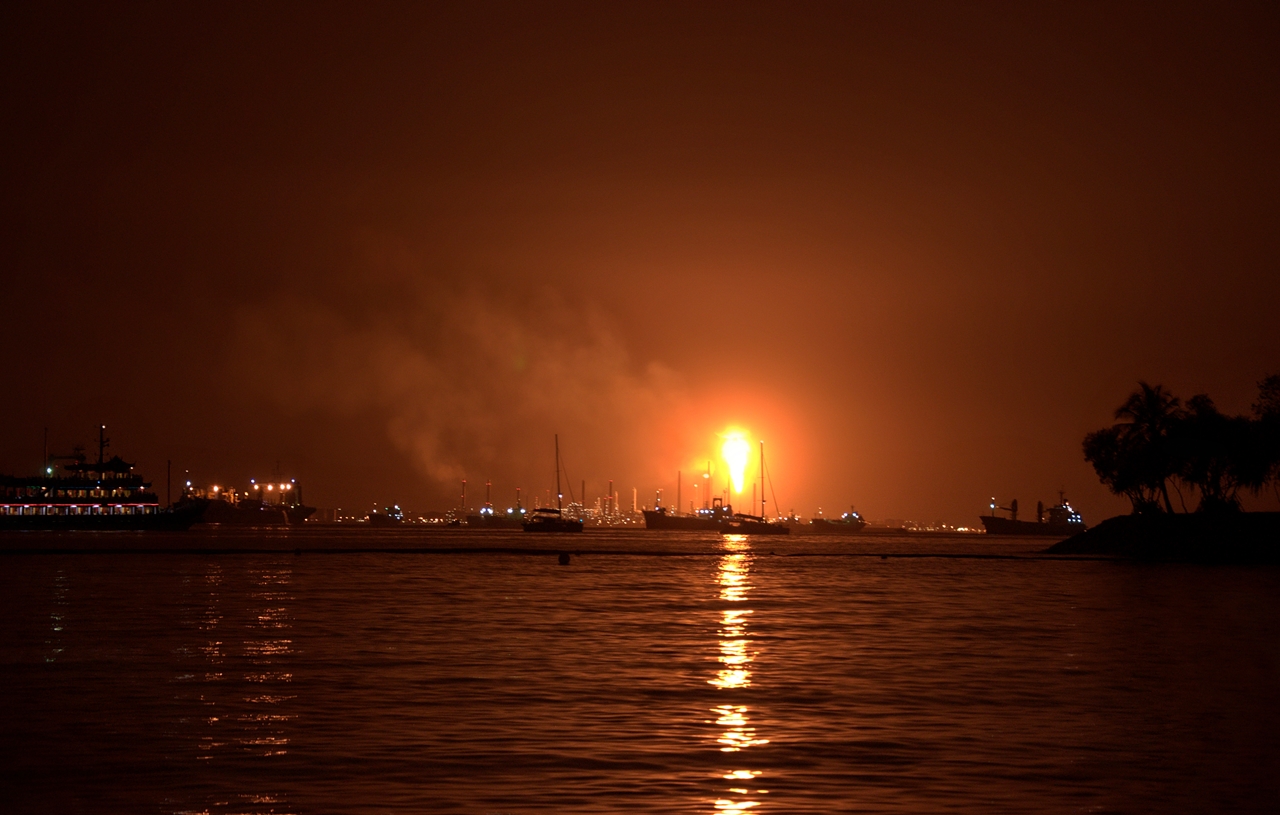
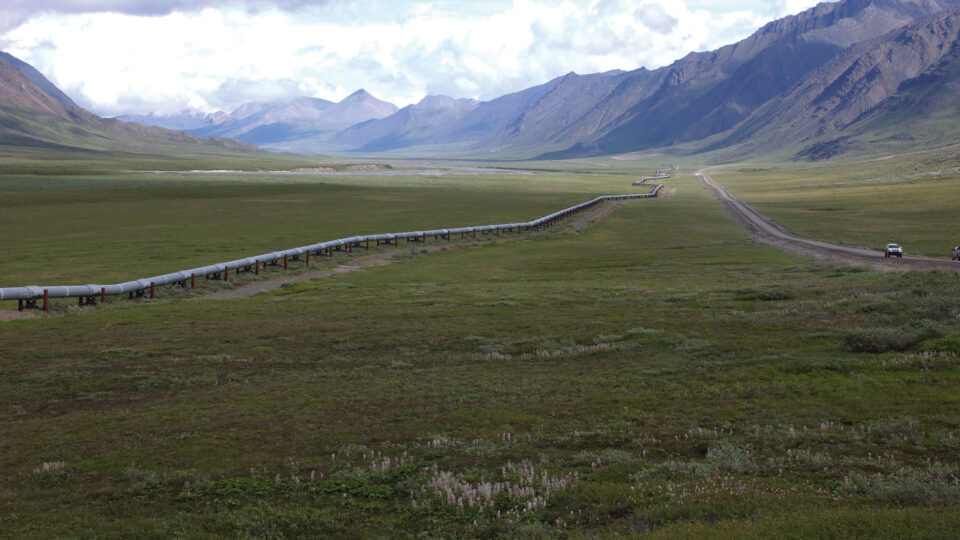
Photo, posted June 5, 2015, courtesy of Dave Houseknecht / USGS via Flickr.

Earth Wise is a production of WAMC Northeast Public Radio

How to reduce pollution from food production

January 17, 2024 By EarthWise Leave a Comment

Present in animal manure and synthetic fertilizers, nitrogen is an essential nutrient for plant growth and is a critical input to enhance agricultural productivity on farms around the world.  But excessive and inefficient use of this nutrient is widespread.  In fact, up to 80% of it leaks into the environment, mostly in various polluting forms of nitrogen: ammonia and nitrogen oxides (which are harmful air pollutants), nitrous oxide (a potent greenhouse gas), and nitrate (which affects water quality).

A new report prepared for the United Nations has put forth some solutions to greatly reduce nitrogen pollution from agriculture in Europe.  A group of researchers coordinated by the U.K. Centre for Ecology & Hydrology, the European Commission, the Copenhagen Business School, and the National Institute for Public Health and the Environment of The Netherlands produced the report.

In it, the research team puts forth its recipe to reduce nitrogen pollution in Europe.  The report’s ingredients include:

  • Reducing by 50% the average European meat and dairy consumption
  • More efficient fertilizer application and manure storage
  • Reducing food production demand by reducing food waste by retailers and consumers
  • Better wastewater treatment to capture nitrogen from sewage
  • Adopting policies addressing food production and consumption to transition them towards more sustainable systems

Taking action to reduce nitrogen pollution will require a holistic approach involving farmers, policymakers, retailers, water companies, and individuals. 

Do Europeans have an appetite for change?

**********

Web Links

Scientists provide recipe to halve pollution from food production

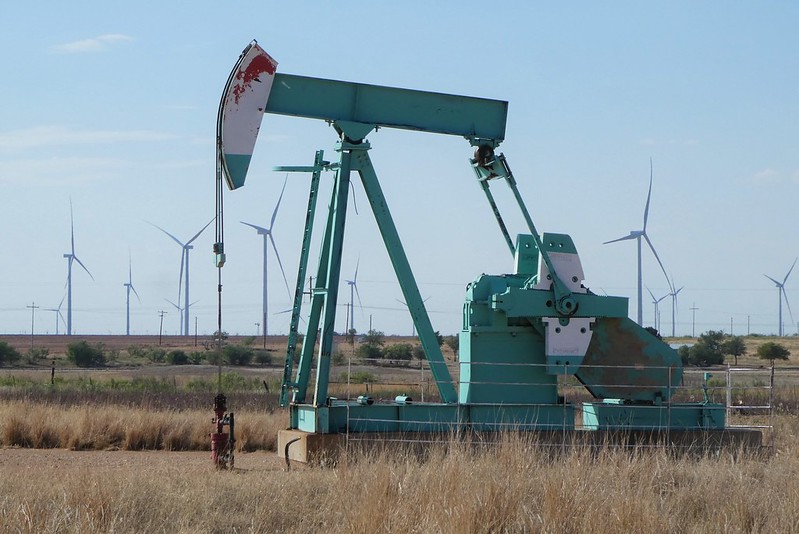
Photo, posted March 10, 2022, courtesy of USDA NRCS Montana via Flickr.

Earth Wise is a production of WAMC Northeast Public Radio
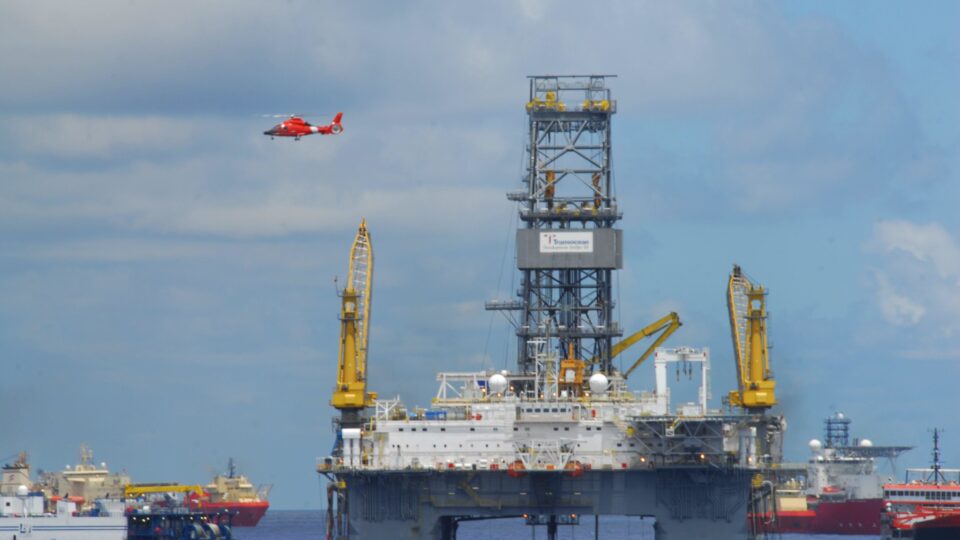
Abandoned Oil Wells In The Gulf Of Mexico | Earth Wise

June 7, 2023 By EarthWise Leave a Comment

Abandoned and unplugged oil wells pose a major risk to the environment

There have been offshore oil platforms in the Gulf of Mexico for 85 years.  After all those decades of drilling, there are now more than 14,000 old, unplugged wells out in the water, and they are at risk of springing dangerous leaks and spills.  There are now more unplugged, non-producing wells than active wells in the gulf.   According to a new study, plugging all those abandoned wells could cost more than $30 billion.

Most of these wells are in federal waters and nearly 90% of them were owned at some point by one of the so-called supermajor oil companies:  BP, Shell, Chevron, and Exxon.  Under federal law, those companies would still be responsible for cleanup costs, even if they might have sold the wells in the past.

Oil and gas companies are legally responsible for plugging wells that are no longer in service, but such companies often go bankrupt, leaving wells orphaned and unplugged and taxpayers end up footing the bill.  The 2021 trillion-dollar infrastructure bill sets aside $4.7 billion to plug orphaned wells, but that is nowhere near enough.  

It may be possible to go after the supermajors to get them to pay for plugging wells in federal waters, but it will undoubtedly be a battle.   In state waters, whose wells are generally in shallower locations, it is even more urgent to act because any pollution from the wells is more likely to reach shore and wreak environmental havoc.

As the world starts to transition away from fossil fuels, decades of mining and drilling in almost every corner of the world, including the oceans, has left behind the need for an immense plugging and cleanup effort.

**********

Web Links

Price to Plug Old Wells in Gulf of Mexico? $30 Billion, Study Says

Photo, posted July 8, 2010, courtesy of John Masson / Coast Guard via Flickr.

Earth Wise is a production of WAMC Northeast Public Radio
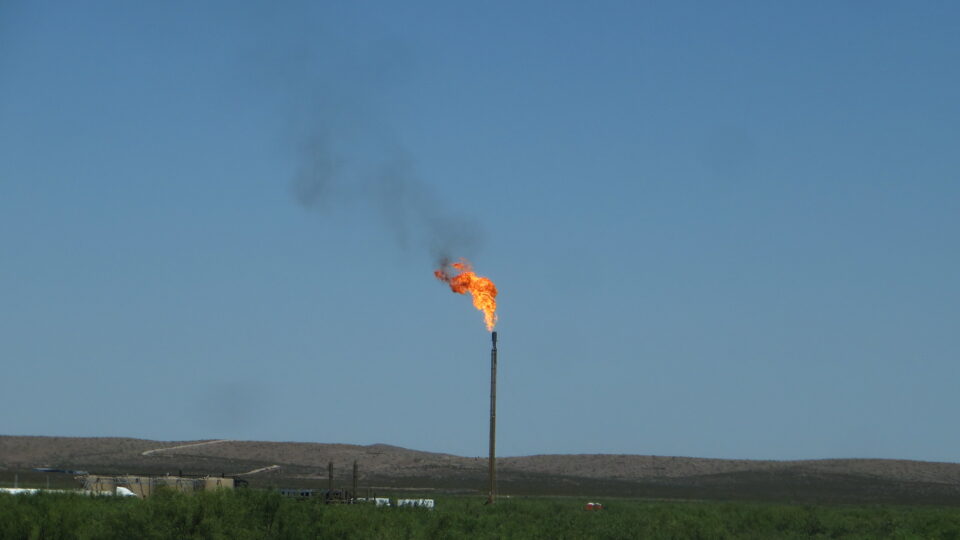
Methane Leaks Are Worse Than We Thought | Earth Wise

May 4, 2022 By EarthWise Leave a Comment

Methane leaks are worse than was previously thought

Methane leaking from oil and gas wells is a real problem for the environment because methane is far more potent at trapping heat than carbon dioxide.   The EPA has estimated that about 1.4% of the methane produced by wells nationally leaks into the atmosphere.   However, environmental experts and energy industry engineers have been concerned that leaks from mines, wells, refineries, storage facilities, and pipelines are vastly underreported.  But until recently, there really wasn’t a good way to find out.

Researchers at Stanford University have developed a technique based on the use of hyperspectral cameras mounted to airplanes.  The cameras measure sunlight reflected off of chemicals in the air that are invisible to the human eye.  Each chemical, including methane, has a unique fingerprint.  Using these sensors, methane is easy to spot and the technique can measure the output of individual wells.

The researchers performed a study of almost every oil and gas asset in the New Mexico Permian Basin, one of the largest and highest-producing oil and gas regions in the world.  They surveyed the sites for an entire year.  They estimate that more than 9% of all methane produced in the region is being leaked into the skies, far more than EPA estimates.

The positive outcome of the survey is that the researchers found that fewer than 4% of the 26,000 sites studied produced half of all the methane emissions observed.  Being able to identify the so-called super-emitter sites and dealing with them could lead to a major improvement in the situation.

The new technique is more accurate, faster, and more cost-effective than current ways to monitor emissions.

**********

Web Links

Stanford-led study: Methane leaks are far worse than estimates, at least in New Mexico, but there’s hope

Photo, posted July 10, 2016, courtesy of Ken Lund via Flickr.

Earth Wise is a production of WAMC Northeast Public Radio.

Finding Methane Leaks from Space | Earth Wise

December 23, 2020 By EarthWise Leave a Comment

Innovations to detect methane leaks

There is growing concern about the climate effects of methane leaking from oil and gas wells.  The 20-year global warming potential of methane is 84, meaning that over a 20-year period, it traps 84 times more heat per mass unit than carbon dioxide.  Global methane concentrations have increased by nearly a factor of 3 since the industrial revolution.

More than a century of oil and gas drilling has left behind millions of abandoned wells, many of which are leaching pollutants into the air and water.   In the U.S. alone, more than 3.2 million abandoned oil and gas wells emitted 280,000 tons of methane just in 2018.  And the data is incomplete.

Part of the problem is finding out which wells are leaking.  Ground-based sensors or airplanes and drones are effective ways to find leaks but considering how many wells there are to check, the costs are considerable, and the process is time consuming and complicated. 

New technology is coming along that uses satellites to detect methane leaks.  A Canadian company called GHGSat recently used satellites to detect what it has called the smallest methane leak ever seen from space and has begun selling data to emitters interested in pinpointing leaks.

Another company, New York-based Bluefield Technologies, plans a group of satellites for launch in 2023 that promises even finer resolution.  The Environmental Defense Fund, with support from Jeff Bezos’ Earth Fund, plans to launch MethaneSAT in the next couple of years, which is designed to find small sources of methane.

Research at Stanford University determined that just 5% of methane leaks produce around half the total leakage. 

**********

Web Links

New Technology Claims to Pinpoint Even Small Methane Leaks From Space

Photo, posted June 8, 2011, courtesy of Jeremy Buckingham via Flickr.

Earth Wise is a production of WAMC Northeast Public Radio.

The Menace Of Abandoned Oil Wells | Earth Wise

August 3, 2020 By EarthWise Leave a Comment

Abandoned oil wells are leaking methane

More than a century of oil and gas drilling has left behind millions of abandoned wells and many of them are leaching pollutants into the air and water.  Drilling companies continue to abandon even more wells as demand for oil diminishes and bankruptcies become more common.

Leaks from abandoned wells have long been known to be an environmental problem and a health hazard.  They have been linked to many instances of groundwater contamination and to dangerous fumes near homes and farms.

There have recently been efforts to track the amounts of methane leaching from abandoned oil and gas wells, and the figures in United States are alarming.  According to the most recent EPA report, more than 3.2 million abandoned oil and gas wells emitted a total of 281,000 tons of methane in 2018.  That is the climate-damage equivalent of consuming about 16 million barrels of crude oil, which is as much as the U.S. uses in a typical day.  According to the EPA, the actual amount could be as much as three times higher, because of incomplete data.   The agency believes that most of the methane comes from more than 2 million abandoned wells that were never properly plugged.

New York’s Department of Environmental Conservation has records of over 2,000 abandoned wells, but the state believes the actual number could be much higher.  This is a problem that won’t just go away.  Wells don’t leak for a year and then stop.  They can continue to leak for a century or more.  Cleaning up and plugging an abandoned well runs from $20,000 to $145,000, meaning that countrywide, cleaning up this environmental menace could cost somewhere between $60 billion and $435 billion.

**********

Web Links

Special Report: Millions of abandoned oil wells are leaking methane, a climate menace

Photo, posted October 13, 2015, courtesy of Flickr.

Earth Wise is a production of WAMC Northeast Public Radio.

How Much Cleaner Is Natural Gas?

August 8, 2018 By EarthWise Leave a Comment

https://earthwiseradio.org/wp-content/uploads/2018/08/EW-08-08-18-How-Much-Cleaner-Is-Natural-Gas.mp3

The ascendance of natural gas over coal during the past decade has been driven primarily by fracking technology that has provided large quantities of the stuff at low prices.  But beyond that, there are environmental issues as well.  Natural gas emits 50 to 60% less carbon dioxide when combusted in a new, efficient natural gas power plant compared with emission from a typical new coal plant.  It appears to be a win-win situation.

[Read more…] about How Much Cleaner Is Natural Gas?

Finding Methane Leaks With Lasers

May 1, 2018 By EarthWise Leave a Comment

https://earthwiseradio.org/wp-content/uploads/2018/05/EW-05-01-18-Finding-Methane-Leaks.mp3

Burning natural gas instead of coal is considered to be an important way to reduce greenhouse gas emissions.  In principle, it is.  Gas combustion produces much less carbon dioxide than coal combustion.

[Read more…] about Finding Methane Leaks With Lasers

Finding Methane Leaks

September 21, 2016 By WAMC WEB

https://earthwiseradio.org/wp-content/uploads/2016/09/EW-09-21-16-Finding-Methane-Leaks.mp3

The boom in natural gas drilling by conventional methods and by fracking has led to a spike in methane emissions from pipelines, storage tanks, processing facilities, and other parts of the natural gas system.   Natural gas is mostly composed of methane, so these emissions constitute waste and lost revenues.  But they also represent a serious environmental problem because methane is 25 times more effective in trapping atmospheric heat than carbon dioxide.

[Read more…] about Finding Methane Leaks

Plugging Methane Leaks

November 23, 2015 By WAMC WEB

https://earthwiseradio.org/wp-content/uploads/2015/11/EW-11-23-15-Trees-and-Methane.mp3

Natural gas, also known as methane, is one of several “greenhouse gases” that trap heat radiation trying to leave the Earth. Molecule-for-molecule, methane warms our planet’s atmosphere about 25X more than carbon dioxide.

[Read more…] about Plugging Methane Leaks

Primary Sidebar

Recent Episodes

  • An uninsurable future
  • Clean energy and jobs
  • Insect declines in remote regions
  • Fossil fuel producing nations ignoring climate goals
  • Trouble for clownfishes

WAMC Northeast Public Radio

WAMC/Northeast Public Radio is a regional public radio network serving parts of seven northeastern states (more...)

Copyright © 2026 ·