• Skip to primary navigation
  • Skip to main content
  • Skip to primary sidebar

Earth Wise

A look at our changing environment.

  • Home
  • About Earth Wise
  • Where to Listen
  • All Articles
  • Show Search
Hide Search
You are here: Home / Archives for gulf of mexico

gulf of mexico

Forecasting A Massive Dead Zone

June 18, 2019 By EarthWise Leave a Comment

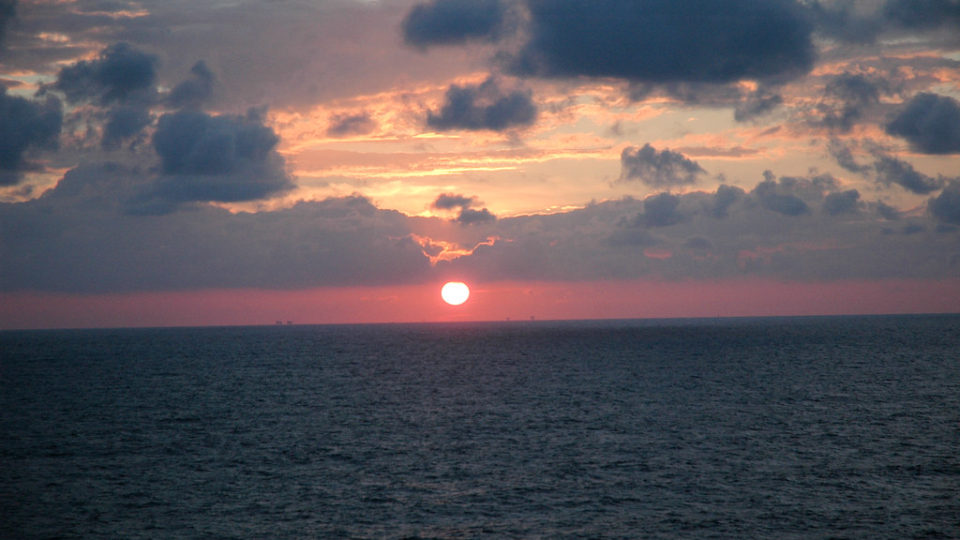
The Gulf of Mexico dead zone occurs every summer, and is considered one of the largest dead zones in the world.  This cyclical event occurs where the Mississippi River empties into the Gulf of Mexico, just off the coast of Louisiana and Texas. 

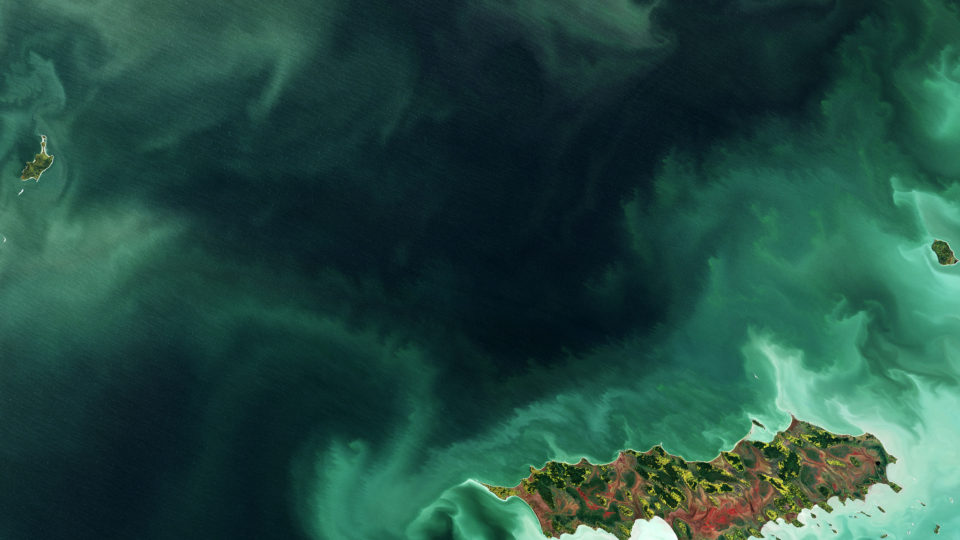
This annual dead zone is primarily caused by excess nutrient pollution from human activities, such as urbanization and agriculture, occurring throughout the Mississippi River watershed.  Washed off the land by spring rains, these excess nutrients stimulate an overgrowth of algae once they reach the Gulf of Mexico.  The algae in the Gulf eventually die, and then sink and decompose in the water. The resulting area of the ocean ends up with a condition known as hypoxia, which is an insufficient amount of oxygen to support most marine life.  In hypoxic or dead zones, animals that can’t swim away will often suffocate and die. 

Scientists from the National Oceanic and Atmospheric Administration estimate that this year the dead zone in the Gulf of Mexico will be approximately 8,000 square miles, which is roughly the size of Massachusetts.  The research team uses U.S. Geological Survey river flow and nutrient data to make its forecast. 

According to NOAA, the abnormally high amount of spring rainfall is a major factor contributing to this year’s dead zone.  Last month, nitrate loads entering the Mississippi River watershed were 18% above the long-term average, and phosphorus loads were about 49% above the long-term average. 

While the 2019 forecast is slightly less than the record size of more than 8,700 square miles set in 2017, it’s still much larger than the five year average size of 5,700. 

**********

Web Links

Very large dead zone forecast for the Gulf of Mexico

Massive 8,000-mile ‘dead zone’ could be one of the gulf’s largest

Photo, posted May 22, 2009, courtesy of Michael McCarthy via Flickr.

Earth Wise is a production of WAMC Northeast Public Radio.
Deepwater Impacts Lingering

May 10, 2019 By EarthWise Leave a Comment

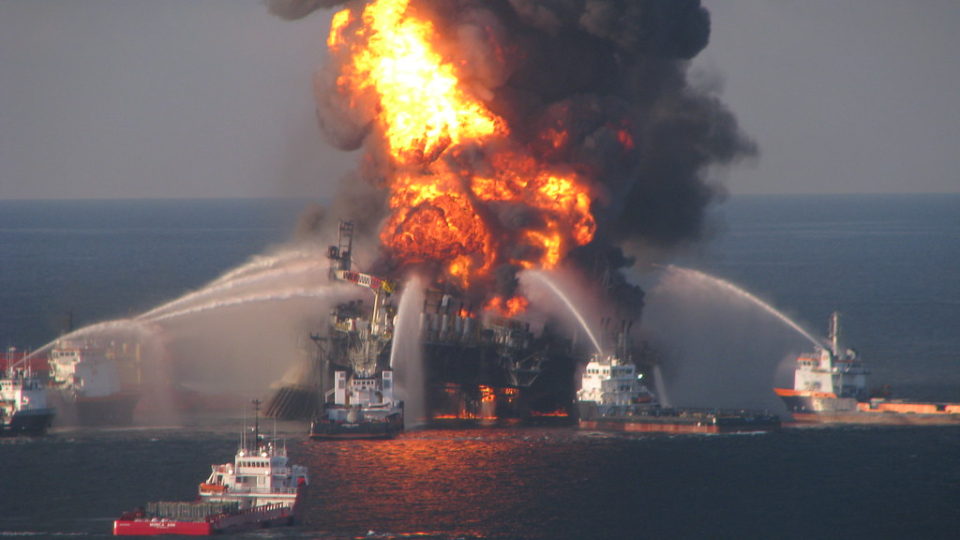
On April 20, 2010, an explosion on the BP-owned Deepwater Horizon drilling rig released an estimated 210 million of gallons of oil into the Gulf of Mexico.  Some of the oil was recovered, burned, or dispersed at sea, while some washed up onto coastal shorelines. 

Now, more than nine years later, a long-term study suggests the oil is still affecting the salt marshes of the Gulf Coast.  A multi-institutional research team began sampling in the region once the spill was contained and continue their work to this day.

The researchers found that heavily-oiled marsh areas remained less healthy than less polluted sites more than six years after the spill.  They fear that complete recovery of these oil-soaked regions will likely take more than a decade. 

But the researchers also discovered that salt marsh grasses play a key role in coastal wetland recovery.  Two plants dominate healthy salt marshes in the Gulf: smooth cordgrass and black needlerush.  Single-celled, plant-like organisms known as benthic microalgae also abound in healthy salt marshes, as do many small invertebrates. 

In heavily-oiled areas, the researchers found that nearly all the plants died, and benthic microalgae and small invertebrate populations declined significantly.  Importantly, however, they also found that it was only after smooth cordgrass started its comeback in these areas that invertebrate populations began to recover.  They noted that these salt marsh grasses provide habitat, bind soil, slow water, facilitate colonization, and fuel the food web. 

Plants are the foundation of and play a crucial role in salt marshes.  The researchers hope these findings will help shape the mitigation strategies of any future oil spills. 

**********

Web Links

Continuing impacts of Deepwater Horizon oil spill

Photo, posted April 21, 2010, courtesy of Deepwater Horizon Response via Flickr.

Earth Wise is a production of WAMC Northeast Public Radio.
Rigs To Reefs

March 29, 2019 By EarthWise Leave a Comment

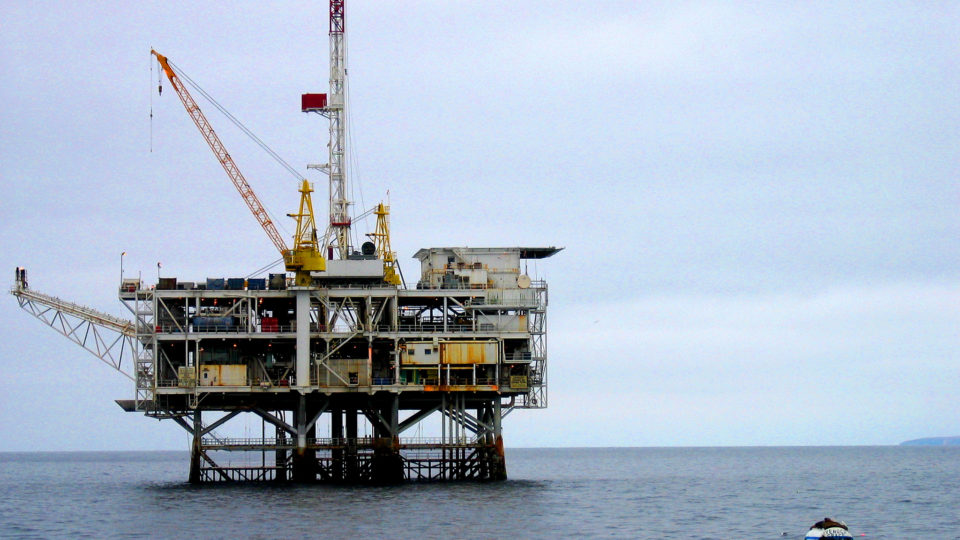
There are about 6,000 offshore oil platforms in the world’s oceans.  They have an immense presence physically, financially and environmentally.  As these massive structures extract hydrocarbons from deep beneath the sea, they also undergo a remarkable transformation under the water.  The enormous substructures that support the platforms become vertical reefs, home to millions of individual plants and animals.

Over time, many oil platforms are decommissioned, and their owners are faced with the choice of either removing them entirely or transitioning them into permanent reefs.   Traditional practice was to restore the site to its original condition, but more recently the idea of “reefing” old platforms has gained popularity.  As of 2016, more than 11% of decommissioned platforms in the U.S. portion of the Gulf of Mexico have become permanent reefs.

Decommissioning and completely removing a platform is a daunting and pricey proposition.  The most recent estimate for removing all platforms off the coast of California alone totals $8 billion.  Modifying the platforms to serve as permanent reefs cuts these costs significantly, especially those associated with hauling, cleaning and disposing of the underwater support structure, which will have thousands of tons of sea-life clinging to it by the time it is removed.

Converting the structure into a permanent reef means making it free of any hydrocarbons or other hazardous materials. But this is still a far cheaper venture than total removal.  Studies of oil rigs as underwater habitats have shown them to be some of the most productive in the world.  They are 3-dimensional reefs whose open construction allows currents to pass through bringing lots of nutrients.

Over time, more and more oil platforms will be decommissioned. Many may end up remaining as permanent homes for undersea life.

**********

Web Links

Rigs to Reefs

Photo, posted August 21, 2011, courtesy of Marianne Muegenburg via Flickr

Earth Wise is a production of WAMC Northeast Public Radio.
Clean Water In The Corn Belt

October 26, 2018 By EarthWise Leave a Comment

https://earthwiseradio.org/wp-content/uploads/2018/10/EW-10-26-18-Clean-Water-in-the-Corn-Belt.mp3

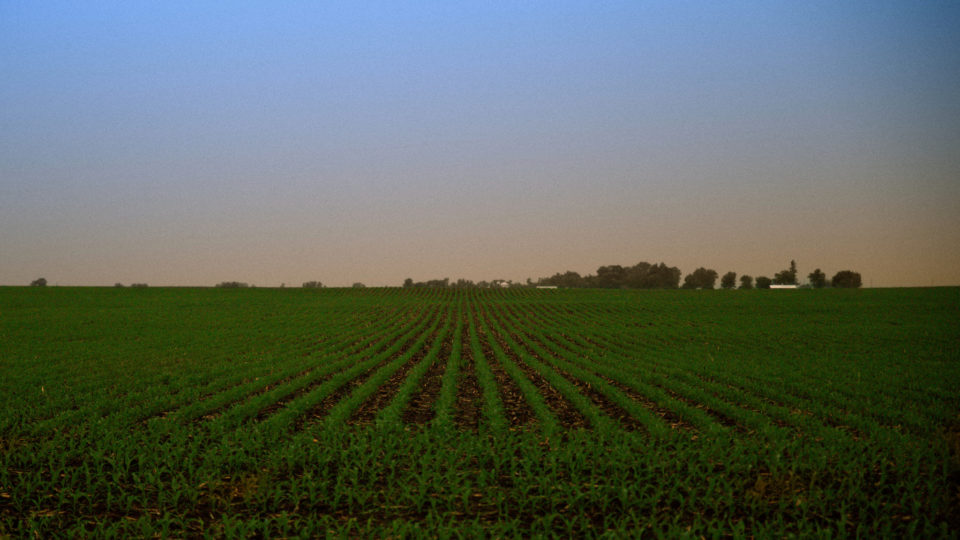
Iowa is grappling with a growing battle over the integrity of its water.  Nitrogen and phosphates have been flowing in ever-increasing quantities into Iowa’s public water supplies and dealing with the problem has become a major political issue in the state.

[Read more…] about Clean Water In The Corn Belt

Nitrogen Pollution

March 30, 2018 By EarthWise Leave a Comment

https://earthwiseradio.org/wp-content/uploads/2018/03/EW-03-30-18-Nitrogen-Pollution.mp3

Earth system scientists say that there are four major human-caused forces that threaten to cause irreversible and abrupt environmental upheaval:  climate change, deforestation, biodiversity loss, and excess nitrogen.

[Read more…] about Nitrogen Pollution

Global Warming And The Nitrogen Problem

September 13, 2017 By EarthWise

https://earthwiseradio.org/wp-content/uploads/2017/09/EW-09-13-17-Global-Warming-and-the-Nitrogen-Problem.mp3

Excess nitrogen in the environment is a big problem.  The most visible aspect of the problem is the spread of toxic algae blooms in oceans, lakes and other bodies of water.  But there are other effects as well such as unwanted alterations to ecosystems.

[Read more…] about Global Warming And The Nitrogen Problem

Reviving Vaquitas

May 9, 2017 By EarthWise

https://earthwiseradio.org/wp-content/uploads/2017/05/EW-05-09-17-Reviving-Vaquitas.mp3

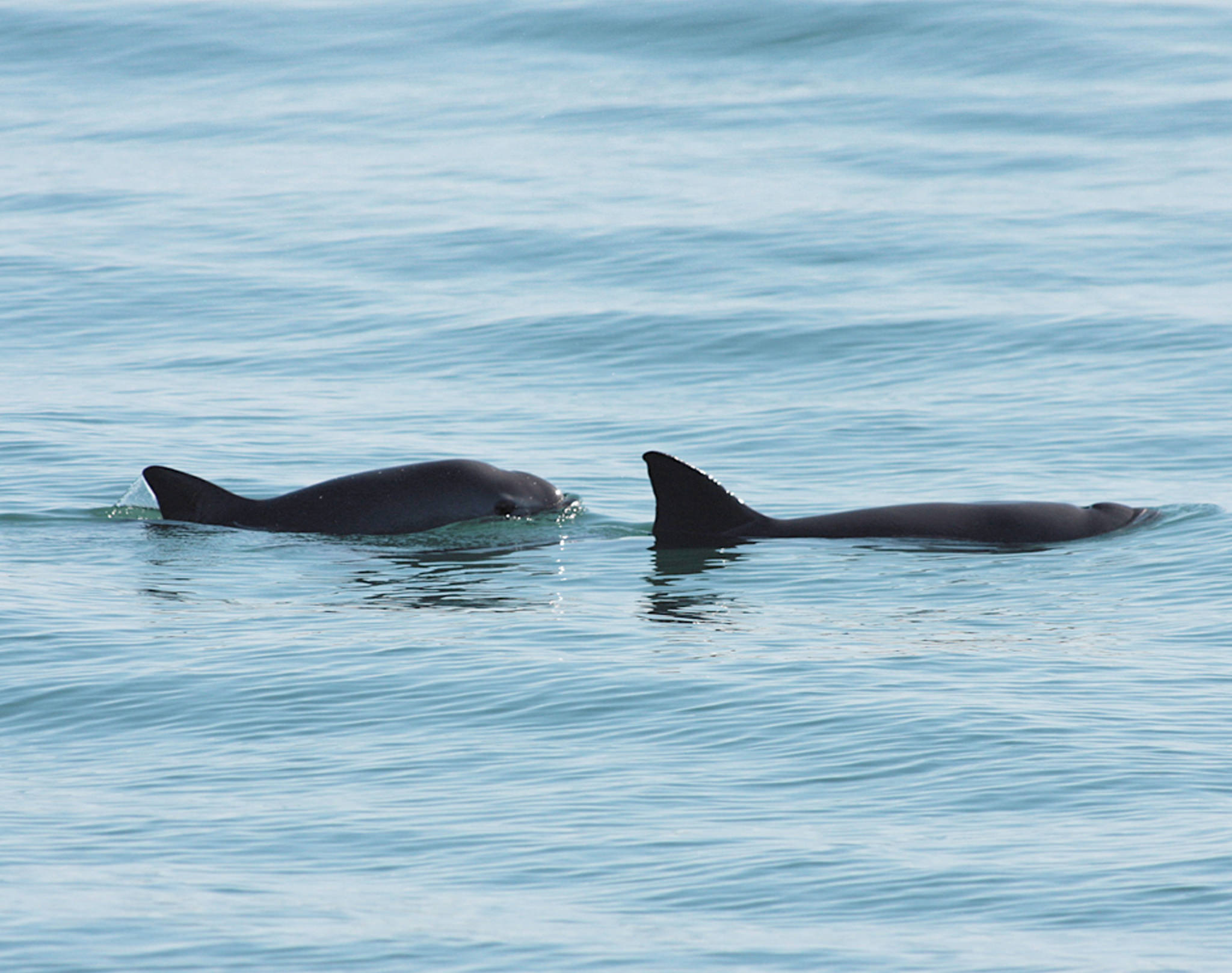
The world’s smallest porpoise is in real trouble. According to scientists, there could be as few as 30 vaquitas remaining on the planet.   We highlighted the plight facing this species in detail last month. 

[Read more…] about Reviving Vaquitas

The BP Oil Spill

May 16, 2016 By WAMC WEB

https://earthwiseradio.org/wp-content/uploads/2016/05/EW-05-16-16-BP-Oil-Spill.mp3

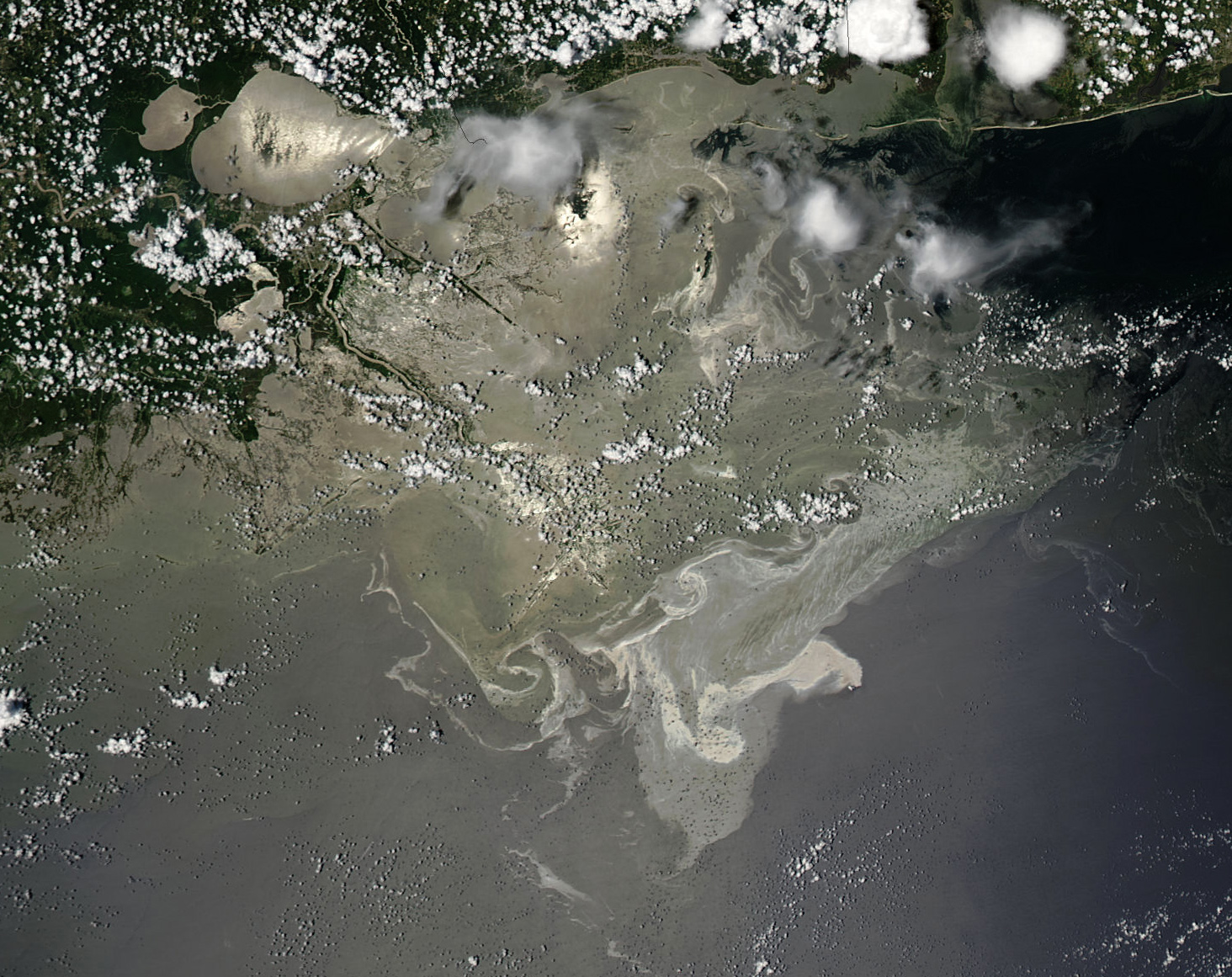
In 2010, an explosion on the BP-owned Deepwater Horizon drilling rig released more than 200 million gallons of oil into the Gulf of Mexico.  Some of the oil was recovered, burned, or dispersed at sea, while some washed up onto the shorelines of Texas, Louisiana, Mississippi, Alabama, and Florida. 

[Read more…] about The BP Oil Spill

  • « Go to Previous Page
  • Page 1
  • Page 2

Primary Sidebar

Recent Episodes

  • An uninsurable future
  • Clean energy and jobs
  • Insect declines in remote regions
  • Fossil fuel producing nations ignoring climate goals
  • Trouble for clownfishes

WAMC Northeast Public Radio

WAMC/Northeast Public Radio is a regional public radio network serving parts of seven northeastern states (more...)

Copyright © 2026 ·