• Skip to primary navigation
  • Skip to main content
  • Skip to primary sidebar

Earth Wise

A look at our changing environment.

  • Home
  • About Earth Wise
  • Where to Listen
  • All Articles
  • Show Search
Hide Search
You are here: Home / Archives for generation

generation

Concrete Production And Diminishing Coal Burning | Earth Wise

June 5, 2020 By EarthWise Leave a Comment

electricity generation and concrete production

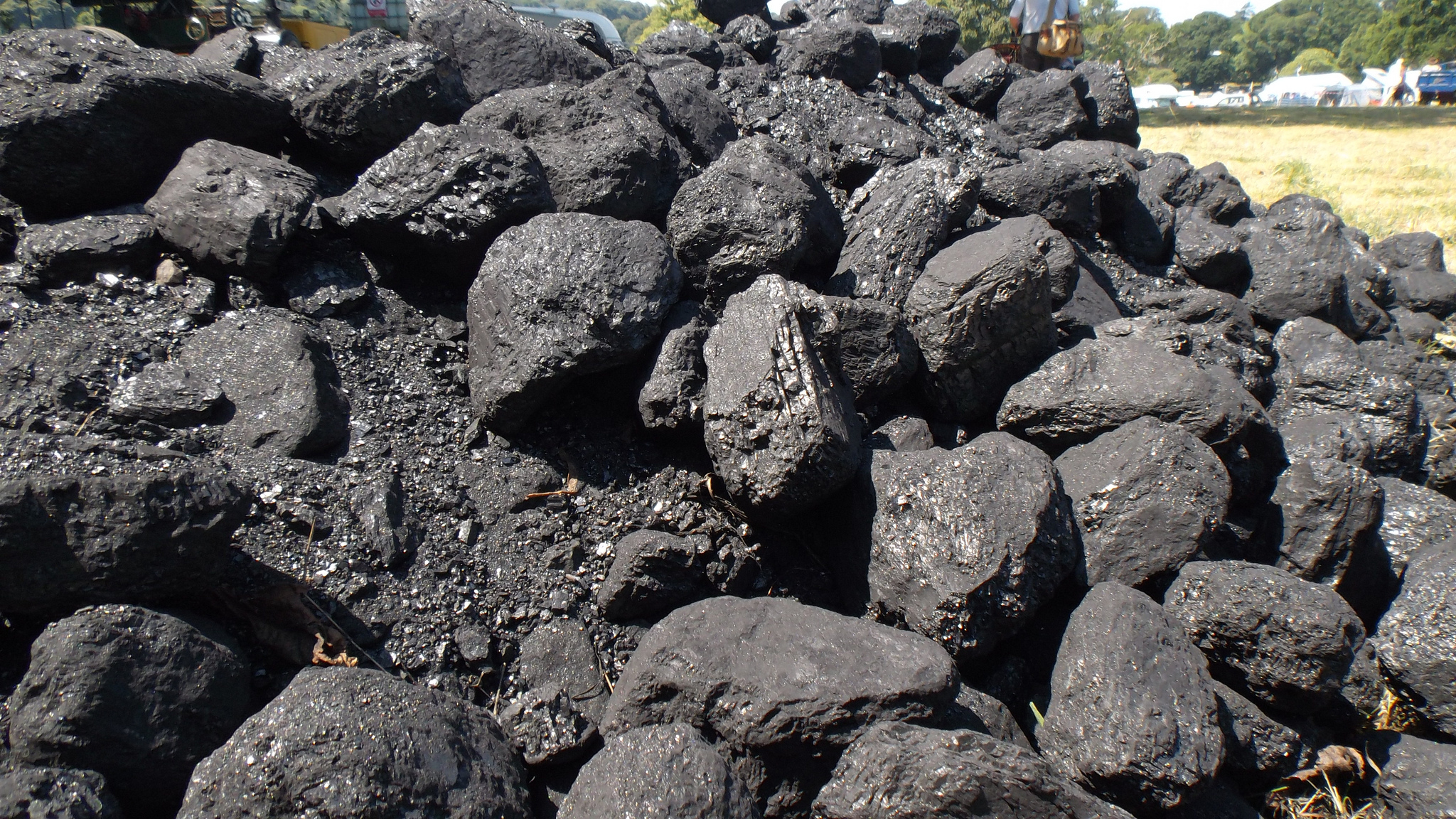
Coal burning is still one of the primary means of generating electricity in the United States, but its use is diminishing and doing so fairly rapidly.  The coal burning process produces residual, incombustible materials.  One of them is fly ash, which is composed of fine, glassy, rounded particles rich in silicon, aluminum, calcium, and iron oxides.  Fly ash is captured from coal plant flue gas by precipitators and bag filters. It turns out that two-thirds of this fly ash is not dumped into landfills or impoundments, but rather is put to use.

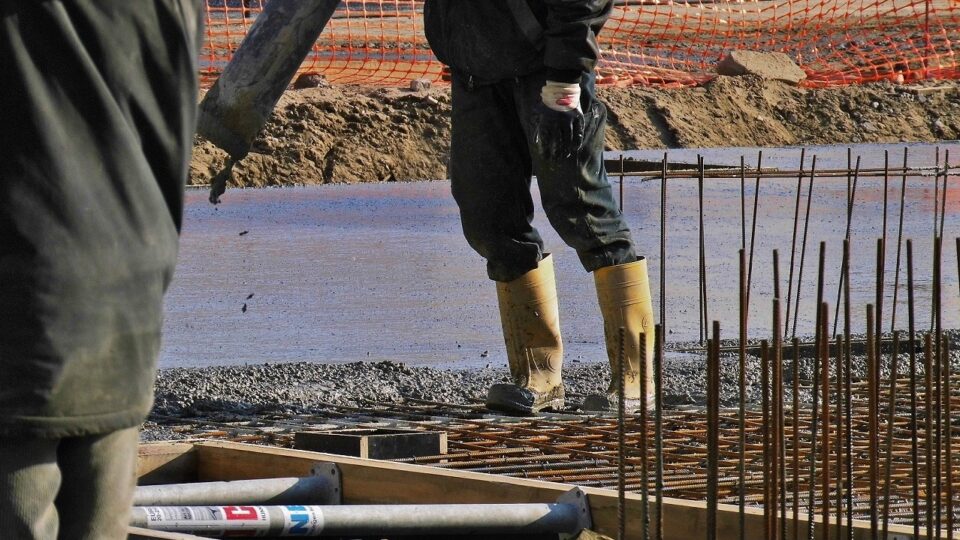
Because of its chemical and physical characteristics, fly ash can substitute for a portion of portland cement in concrete.  Using this byproduct material in making cement actually reduces its cost. Beyond cost, the addition of fly ash as a so-called supplementary cementitious material or SCM improves concrete’s long-term strength and reduces porosity and permeability.  It reduces the risk of thermal cracking and provides good long-term mechanical properties.

The amount of fly ash used in concrete products increased by 5% between 2011 and 2017 while the amount produced dropped by 36%.  Concrete production continues to increase steadily while fly ash production is steadily dropping.

Therefore, the concrete industry is looking for alternative sources of SCM.  The most obvious is the approximately 1/3 of fly ash that hasn’t been used to make concrete.  Much of that is landfilled or ponded onsite at power plants.  So, opportunities exist for excavating or dredging and recovering these materials.

As coal burning goes away, concrete manufacturing needs to make some changes.

**********

Web Links

What Does the Changing Face of Electricity Production Mean for Concrete?

Photo, posted February 16, 2017, courtesy of Flickr.

Earth Wise is a production of WAMC Northeast Public Radio.
Wind Power Overtakes Hydroelectric Power | Earth Wise

April 10, 2020 By EarthWise Leave a Comment

wind power is now top renewable

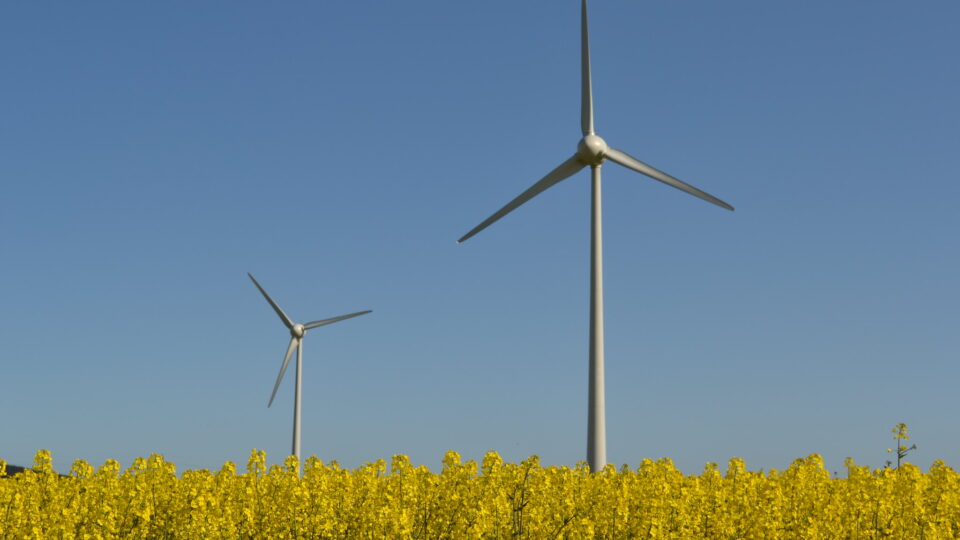
In 2019, the amount of electricity generated by wind power surpassed hydroelectric power for the first time, making wind the largest renewable source of electricity generation in the country.

Total wind generation in 2019 was 300 million MWh, which was 26 million MWh more than was produced by hydroelectric plants.

Hydroelectric generation has fluctuated between 250 and 320 million MWh over the past decade.  The capacity base has been stable, so the fluctuations were a result of variable annual precipitation.   Hydroelectric generation is generally greatest in the spring when rain and melting snow pack increase water runoff.

The growth in wind power is primarily a result of increasing capacity rather than any major fluctuations in wind caused by changing weather.  The U.S. added about 10 GW of wind capacity in 2019, making it the second largest year for capacity additions ever, second only to 2012.

Wind energy is an intermittent source, meaning that it isn’t windy all the time.  The average annual capacity factor for the U.S. wind fleet over the past decade has been 28 to 35%, meaning that is the amount of energy actually produced compared with the systems running at continuous full power all the time.  By comparison, the U.S. hydroelectric fleet operated at 35 to 43% of capacity during that period.  So, wind power is actually not that much less a steady source than hydroelectric power.

According to the U.S. Energy Information Administration, the government’s production tax credit, which was extended through this year, means that wind power capacity in the U.S. will continue to grow at a robust pace.  Meanwhile, some dams are being decommissioned and there is little new construction in the hydropower sector.

**********

Web Links

Wind has overtaken the top position for renewable generation in the U.S., EIA says

Photo courtesy of Flickr.

Earth Wise is a production of WAMC Northeast Public Radio.
Lots Of Wind Power In Denmark | Earth Wise

February 11, 2020 By EarthWise Leave a Comment

renewable energy milestone

Many states and countries have established goals to generate at least half of their electricity from renewable sources by some future date, typically 2030.  A number of countries have already been able to achieve 50% or greater renewable generation for brief periods measured in days.  Australia did it this past November.  Germany has seen it on occasion as well.

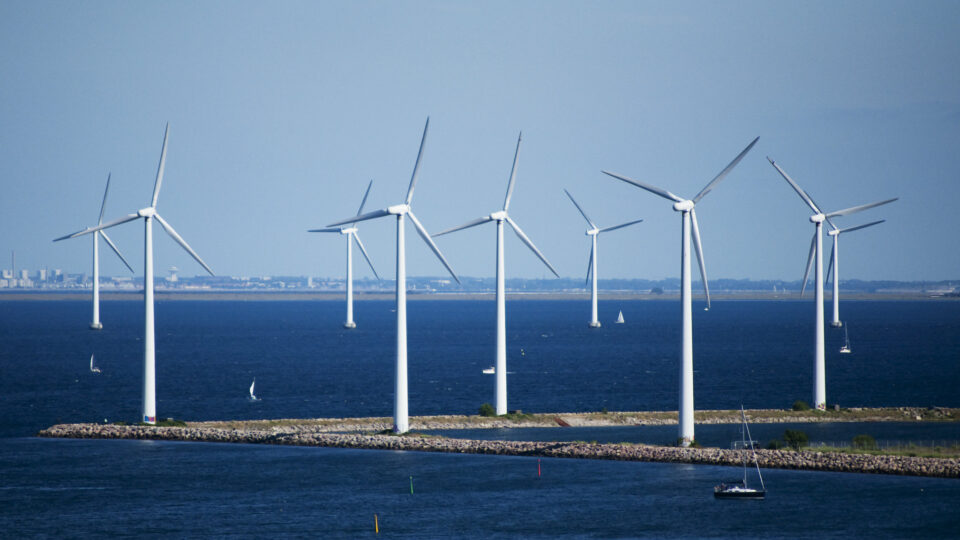
Denmark has managed to complete an entire year with half of its energy coming from renewable generation.  Almost all of it – 47% of the country’s power – came from wind turbines.

Denmark has been generating much of its energy from wind power for quite a while and actually produced about 46% of its electricity from renewable sources in 2017.  Denmark was a pioneer in developing commercial wind power during the 1970s, is a major manufacturer of wind turbines, and the small country has installed over 6,000 of them.  The gains this past year mostly came from the Horns Rev 3 offshore wind farm that went online in the fall.  The 407 MW wind farm has the capacity to cover the annual electricity consumption of about 425,000 households, which is about 20% of the country.

The growth of wind power in Denmark is still ramping up.  A 600 MW wind farm in the Baltic Sea will be connected to the Danish and German electricity grid by 2021, and a wind farm of at least 800 MW capacity in the North Sea is scheduled to come online in 2025.

The Danish Parliament has passed an ambitious climate law with the goal of reducing CO2 emissions by 70% in 2030 compared with 1990.  The country’s overall goal of being carbon-neutral by 2050 does not seem like a pipe dream.

**********

Web Links

Denmark Passes Magic 50% In Renewable Electricity Generation Milestone

Photo, posted July 12, 2009, courtesy of Flickr.

Earth Wise is a production of WAMC Northeast Public Radio.
Cooling The Earth With A Warmer Arctic | Climate Change | Earth Wise

January 24, 2020 By EarthWise 1 Comment

Melting Ice Cooling Earth Warmer Arctic Climate Change

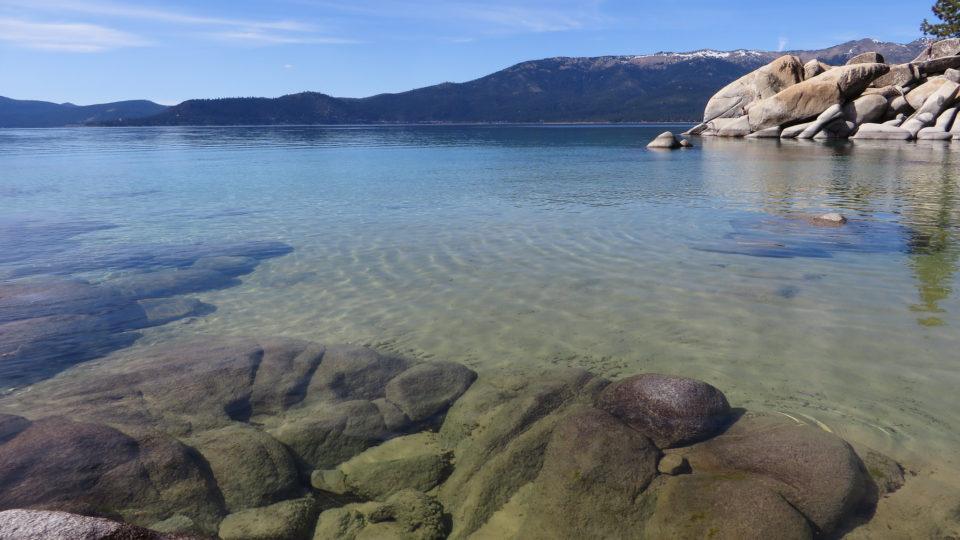
Researchers are considering a wide range of approaches to mitigate the effects of global climate change.  Among these are various strategies of geoengineering, which must be viewed with enormous caution, given the high likelihood of unintended consequences from almost anything we might do.

Researchers at the International Institute for Applied Systems Analysis have investigated potential strategies for cooling the planet in the absence of Arctic sea ice.

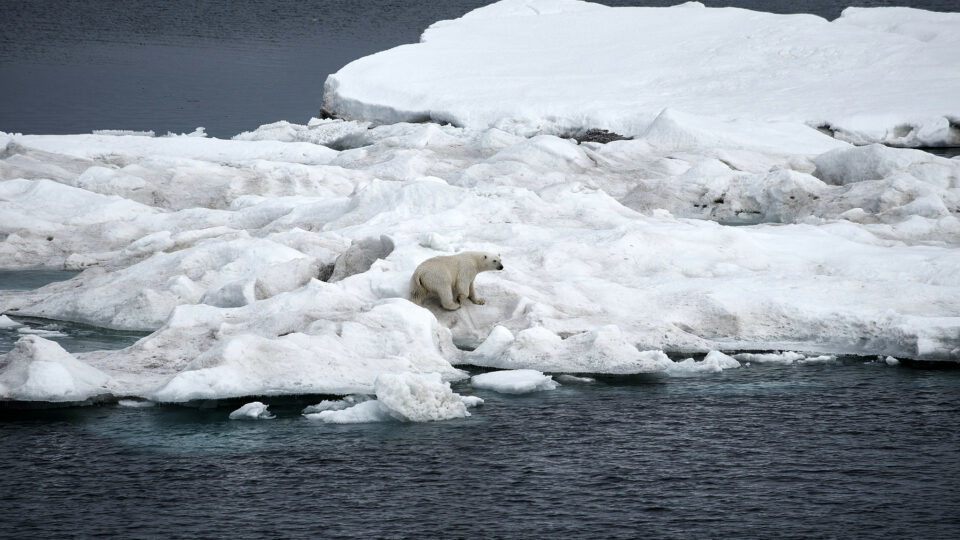
The Arctic region is heating up faster than any other place on earth and its sea ice is rapidly disappearing.  Estimates are that summer sea ice in the Arctic Ocean will be largely gone within a generation.  Arctic ice and snow reflect the sun’s energy into space, which helps to keep the planet cool.  What happens if that ice is gone?

The researchers explored the fact that the Arctic Ocean ice actually insulates the Arctic atmosphere from the warmer water under the ice.  Without the ice layer, the surface water would actually increase air temperatures by 20 degrees C during the winter.  That in turn would increase the heat irradiated into space and thereby cool down the planet.

The Arctic sea ice is in part maintained because the upper regions of the Arctic Ocean have lower salinity than the Atlantic Ocean.  This stops Atlantic water from flowing above the cold Arctic waters.  So, if we were to somehow deliberately increase the salinity of the Arctic Ocean surface water, warmer, less salty Atlantic Ocean water would flow in, increase the temperature of the Arctic atmosphere, and release heat trapped in the ocean into space.

It all sounds pretty crazy, but the researchers say that given the seriousness of climate change, all options should be considered when dealing with it.

**********

Web Links

Could we cool the Earth with an ice-free Arctic?

Photo, posted August 19, 2016, courtesy of Flickr.

Earth Wise is a production of WAMC Northeast Public Radio.
More Solar And Wind Power In The U.S.

January 2, 2020 By EarthWise Leave a Comment

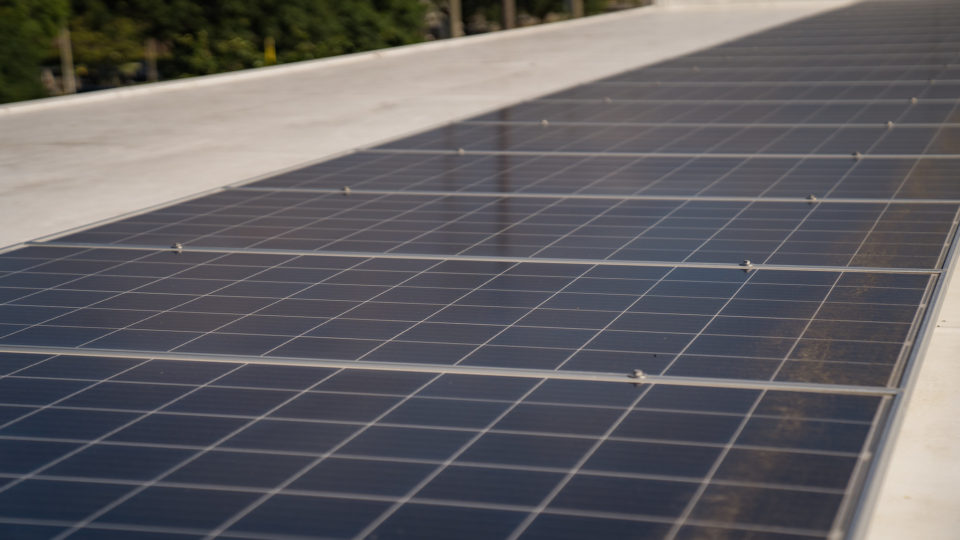
According to the U.S. Energy Information Administration, both wind and solar power are contributing more and more to total electrical generation in the United States.  For the first 8 months of 2019, the combination of wind and solar power accounted for almost 10% of U.S. electrical generation.

Solar, including small-scale PV systems on home rooftops, grew by almost 14% compared to the first eight months of 2018 and accounted for more than 2.7% of total electrical output.  In fact, small-scale solar generation increased by 19% and provided nearly a third of all the solar power in the country. 

Wind energy in the U.S. increased by 4.4%, accounting for almost 7% of the country’s electricity.

Overall, renewable energy sources – which include biomass, geothermal, hydropower, solar, and wind – accounted for 18.49% of net domestic electrical generation during the first 8 months of 2019.  The non-hydro renewable sources actually accounted for over 11% of total electricity production and saw a year-over-year growth of 6%. 

Outside of renewables, nuclear-generated electricity declined by 0.6% and coal power dropped by almost 14%.  Much of the coal generation was replaced by natural gas, which grew by 6.5% compared to the previous year.

Renewables now accounting for nearly 20% of overall electricity generation in the US represents significant progress.  But the variations by state continue to be substantial.  For example, while Vermont gets 99% of its power from renewables, Ohio gets only 2%. 

**********

Web Links

Solar and wind energy provide almost 10 percent of total generation in the US in 2019

Photo, posted April 8, 2019, courtesy of City of St. Pete via Flickr.

Earth Wise is a production of WAMC Northeast Public Radio.
Our Growing Appetite For Energy

June 13, 2019 By EarthWise Leave a Comment

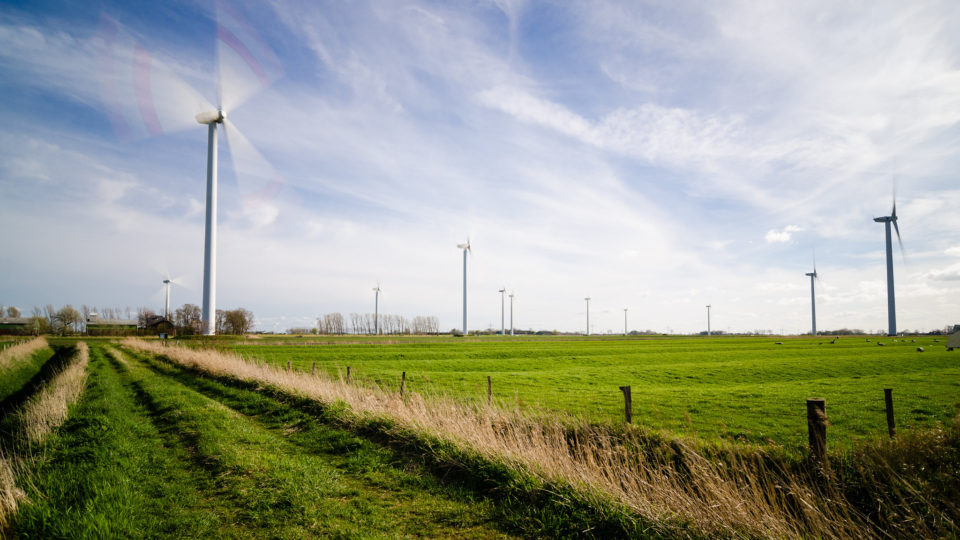
Energy consumption in the United States set a record high in 2018.  Overall, energy consumption reached 101.2 quadrillion BTUs or quads last year, breaking the previous record of 101.0 set in 2007.  Most of us are not too familiar with quadrillions of anything, nor with BTUs for that matter.  If it is any more illuminating, 101 quads are the equivalent of about 300 billion kilowatt hours.  Our energy use increased by 3.6% from 2017, which was the largest annual increase since 2010.

Wind, solar, and natural gas provided the largest increases in energy supply.  In 2018, solar and wind energy were both up by 0.18 quads, representing a 22% gain for solar and a 7.5% increase for wind.  Over the past ten years, overall renewable energy has doubled in the U.S., with wind increasing by a factor of 5 since 2008 and solar by an amazing factor of 48. 

Natural gas generation increased by 10.7%, or a total of 3 quads over the previous year.   The growth in natural gas use isn’t good news, but since much of it represents replacing coal, it at least corresponds to reduced greenhouse gas emissions.

The unfortunate part of our energy consumption is that the majority of it is still in the form of “rejected energy”.  It most often takes the form of waste heat, such as the warm exhaust from automobiles and furnaces.  The efficiency of our cars, lightbulbs and factories determines how much waste heat is produced and in turn how much fuel and electricity can be put to productive use.

**********

Web Links

US energy consumption hits record high in 2018, solar/wind/natural gas grow

Photo, posted April 27, 2015, courtesy of Mathias Appel via Flickr.

Earth Wise is a production of WAMC Northeast Public Radio.
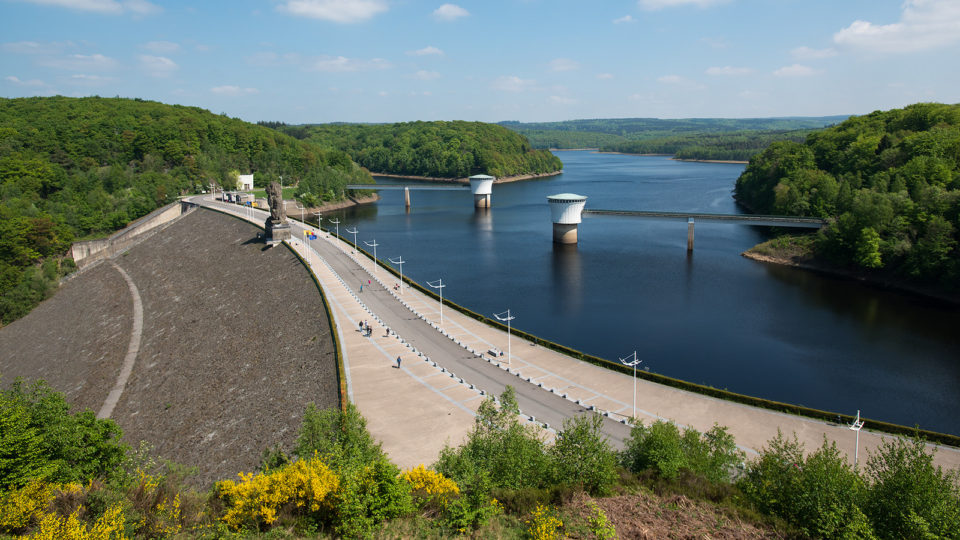
Droughts And Hydropower

February 7, 2019 By EarthWise Leave a Comment

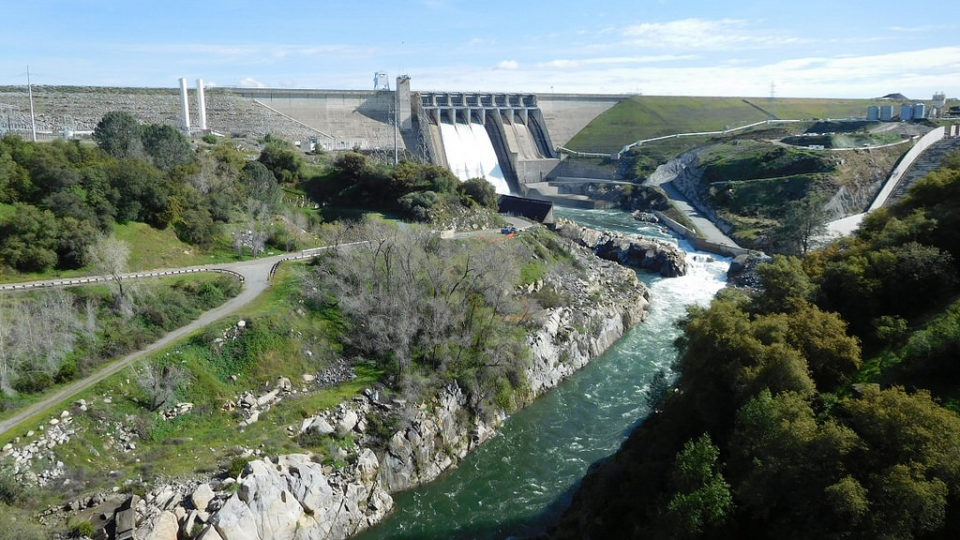
Recent droughts in several western states have led to well-publicized problems including wildfires, loss of trees, and damage to crops.  A lesser-known impact of drought conditions has been increases in emissions of carbon dioxide and harmful air pollutants from power generation.

When hydropower runs low in a drought, western states tend to ramp up power generation – and therefore emissions – from fossil fuels.   According to a new study from Stanford University, droughts caused about 10 percent of the average annual carbon dioxide emissions from power generation in California, Idaho, Oregon and Washington between 2001 and 2015.

Water is used in electricity generation both directly for hydroelectric power and indirectly for cooling in thermoelectric power plants.  When water for hydropower comes up short because of drought conditions, natural gas or coal-fired power plants are brought online to pick up the slack.

These drought-induced shifts in energy sources led to an estimated 100 million tons of carbon dioxide across 11 western states between 2001 and 2015.  That is the equivalent of adding 1.4 million vehicles to the region’s roadways.  California, whose legislature has mandated that the state be carbon-free by 2045, contributed about half of this total.  Washington, which is considering a similar mandate, contributed nearly a quarter of the total.

Western states in recent years have suffered intense droughts that scientists expect to become more common as global warming continues to intensify.   The new study indicates that in regions where clean, reliable hydropower has been an important part of the energy mix, it will be increasingly necessary to provide clean backup energy sources in order to meet emission reduction targets.

**********

Web Links

Droughts boost emissions as hydropower dries up

Photo, posted March 7, 2016, courtesy of Flickr.

Earth Wise is a production of WAMC Northeast Public Radio.
Using Less Water

July 26, 2018 By EarthWise Leave a Comment

https://earthwiseradio.org/wp-content/uploads/2018/07/EW-07-26-18-Using-Less-Water.mp3

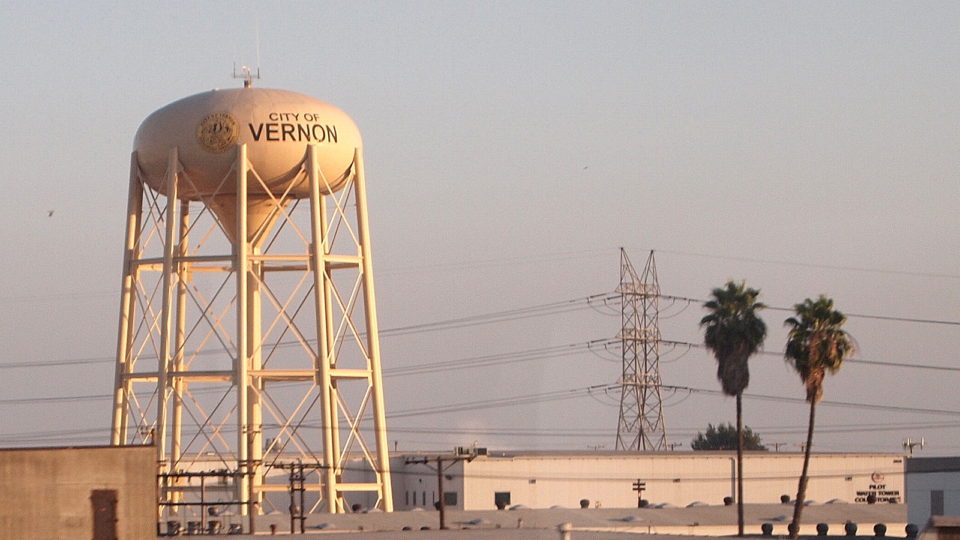
In recent times, there has been a downward trend in water use in the United States.  It has been driven by increasingly efficient use of critical water resources in the face of persistent droughts in various parts of the country and awareness of the importance of conserving this resource.

[Read more…] about Using Less Water

Renewables Beat Out Coal In Europe

March 5, 2018 By EarthWise 1 Comment

https://earthwiseradio.org/wp-content/uploads/2018/03/EW-03-05-18-European-Renewables-Beat-Coal.mp3

Last year was the first year in which more electricity in Europe was generated from the combination of wind, sun, and biomass than from coal.  The combination of all clean energy sources (which adds hydropower to the mix) surpassed coal several years ago.

[Read more…] about Renewables Beat Out Coal In Europe

Energy From Evaporating Water

November 17, 2017 By EarthWise Leave a Comment

https://earthwiseradio.org/wp-content/uploads/2017/10/EW-11-17-17-Energy-from-Evaporating-Water.mp3

Researchers at Columbia University have demonstrated a potential new energy harvesting technique based on the natural evaporation of water.   Every day, vast amounts of water evaporate from the surfaces of lakes and rivers, a process powered by the heat energy of the sun.   The amount of energy involved is enormous but generally speaking is not something we can tap into.

[Read more…] about Energy From Evaporating Water

Clean Coal For Real

February 20, 2017 By EarthWise

https://earthwiseradio.org/wp-content/uploads/2017/02/EW-02-20-17-Clean-Coal-for-Real.mp3

We have heard the term “clean coal” for years, mostly from politicians and in coal company advertising.  The concept sounds good:  burn coal but don’t produce carbon dioxide emissions.  While there have been various small-scale tests of technologies to accomplish this, it has not actually been a viable option for the power industry.

[Read more…] about Clean Coal For Real

  • « Go to Previous Page
  • Page 1
  • Page 2
  • Page 3

Primary Sidebar

Recent Episodes

  • An uninsurable future
  • Clean energy and jobs
  • Insect declines in remote regions
  • Fossil fuel producing nations ignoring climate goals
  • Trouble for clownfishes

WAMC Northeast Public Radio

WAMC/Northeast Public Radio is a regional public radio network serving parts of seven northeastern states (more...)

Copyright © 2026 ·