• Skip to primary navigation
  • Skip to main content
  • Skip to primary sidebar

Earth Wise

A look at our changing environment.

  • Home
  • About Earth Wise
  • Where to Listen
  • All Articles
  • Show Search
Hide Search
You are here: Home / Archives for fisheries

fisheries

Community Action And Coral Reefs

January 1, 2020 By EarthWise Leave a Comment

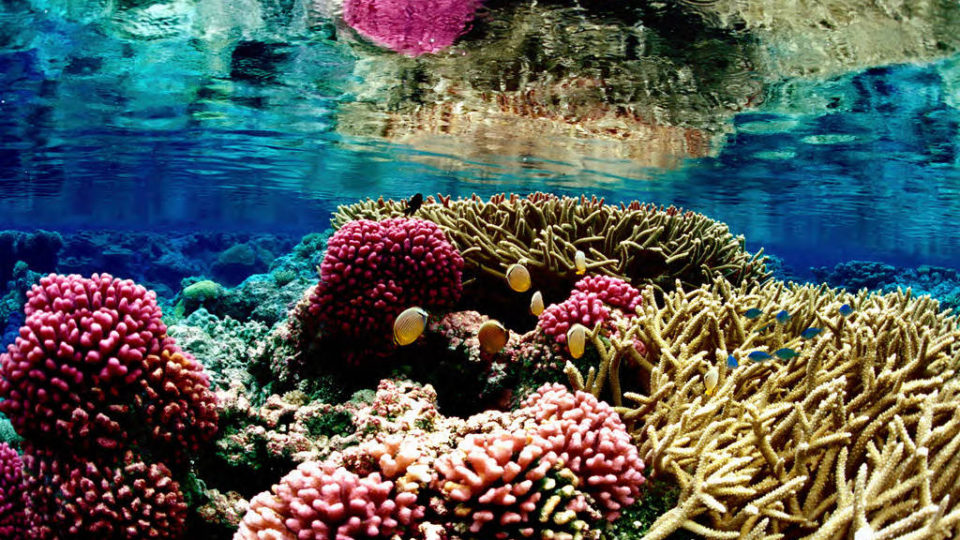
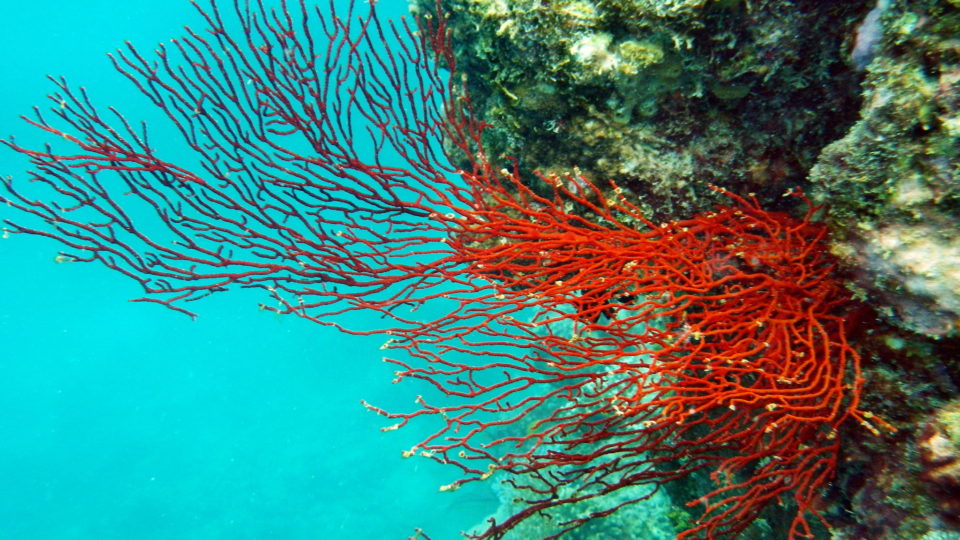
Coral reef habitats are some of the densest and most varied ecosystems on earth.  While coral reefs cover just 0.2% of the ocean floor, scientists estimate that nearly one million different species of fish, invertebrates, and algae can be found in or around coral reefs. 

However, climate change is wreaking havoc on the health of coral reefs.  Warming and acidifying oceans are resulting in enormous coral losses.  Overfishing, development, and pollution are also threatening coral reef health.

According to new research, positive community action can help boost fish populations in coral reefs and safeguard future fish numbers.  The paper, which was recently published in the journal Proceedings of the National Academy of Sciences, details the social and ecological outcomes of work being done in Papua New Guinea since 2001. 

These communities have established a traditional system of rotational fishing closures in order to manage their fisheries resources.   They ban fishing on part of their reefs for a few years, and then open these closures when village elders believe fish behavior has changed and fish populations have recovered.  They then close a different part of their reefs, and repeat the process. 

The researchers found that these rotational practices resulted in more than twice as many fish on the closed reefs as compared to open ones, and the closures made fish less scared of people and easier to catch.  But the researchers did caution that this short term boost in fish numbers may not be enough to stop the overall impact of fishing.

Globally, more than 500 million people depend on coral reefs for food, income, and coastal protection.  Balancing community needs with environmental needs can be tricky business.  

**********

Web Links

Positive community action can help coral reef health

Photo, posted October 11, 2011, courtesy of Paul Toogood via Flickr.

Earth Wise is a production of WAMC Northeast Public Radio.
Climate Change And Global Fisheries

April 12, 2019 By EarthWise Leave a Comment

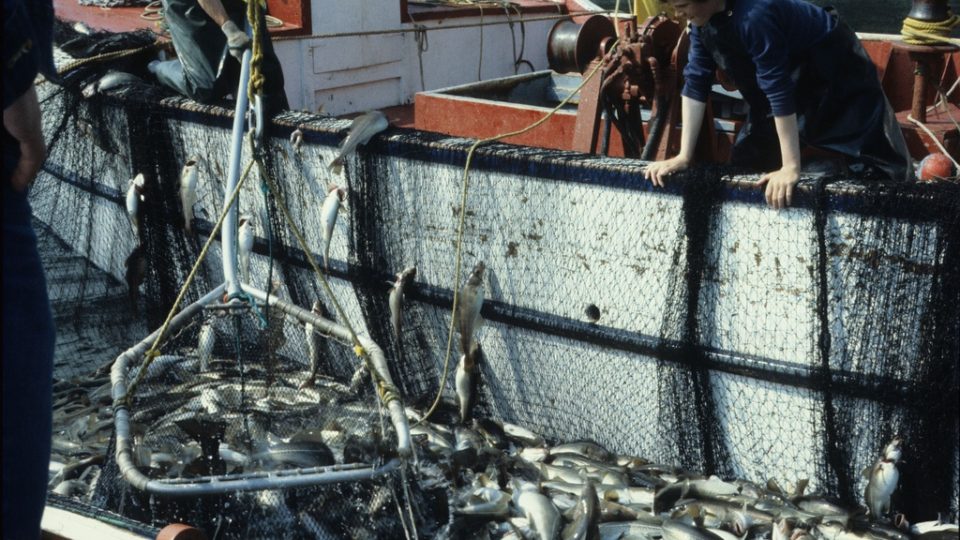
A Rutgers University-led study published in the journal Science has shown that climate change has taken a toll on many of the world’s fisheries and that over fishing has magnified the problem.

Seafood has become an increasingly important source of nourishment as the global population grows, especially in coastal, developing countries where it provides as much as half of the animal protein eaten.  More than 50 million people worldwide work in the fisheries industry or subsist on fisheries.

Scientists at Rutgers and the National Oceanic and Atmospheric Administration studied the impact of ocean warming on 235 populations of 124 species in 38 ecological regions around the world.  Species included fish, crustaceans such as shrimp, and mollusks such as scallops.  They combined data on fisheries with ocean temperature maps to estimate temperature-driven changes in the sustainable catch over 8 decades.  The data covered about one-third of the global catch.

According to the study, ocean warming has led to an estimated 4.1% drop in sustainable catches, on average around the world, for many species of fish and shellfish from 1930 to 2010.  In five regions that include the East China Sea and the North Sea, the estimated decline was 15 to 35%.

The researchers recommend that fisheries managers eliminate over fishing, rebuild fisheries, and account for climate change in fisheries management decisions.  Over fishing provides a one-two punch to fisheries facing warming waters.   It not only makes fisheries more vulnerable to ocean warming but continued warming will also hinder efforts to rebuild over fished populations.

**********

Web Links

Climate Change Shrinks Many Fisheries Globally, Rutgers-Led Study Finds

Photo, posted April 23, 2011, courtesy of Derek Keats via Flickr.

Earth Wise is a production of WAMC Northeast Public Radio.
Sand Mining And The Environment

April 2, 2019 By EarthWise Leave a Comment

In discussions of the environment, we don’t hear much about sand mining.  But sand mining is the world’s largest mining endeavor, responsible for 85% of all mineral extraction.  Sand and gravel are mined on a huge scale around the world.  The UN estimates that the total exceeds 40 billion tons a year.  Most of this activity is unregulated and unmeasured, and much of it is corrupt and environmentally destructive.

Concrete is the predominant use for sand.  Every ton of cement requires six to seven tons of sand and gravel in order to make concrete.  But sand also makes up 90% of asphalt on roads and it is used for land reclamation in places like Singapore.  Sand is also widely used in industries such as glass manufacturing and fracking.

There are different sorts of sand.  Desert sand is mostly useless for making concrete because its grains are too rounded by erosion and don’t bind well in the concrete.   Marine sand is not great for concrete either because it has to be washed clean of corrosive salts.

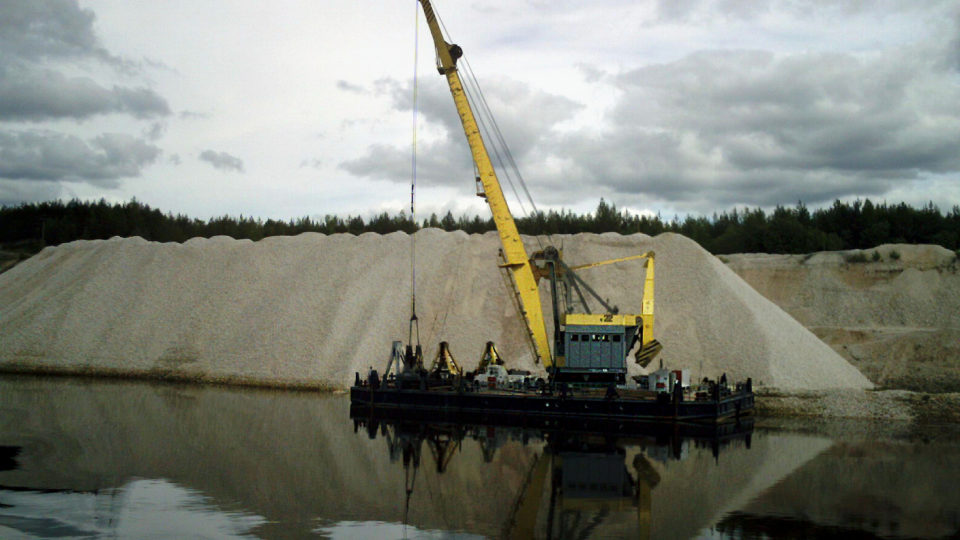
As a result, salt miners mostly get sand from pits on land and dredged up from lakes and riverbeds.  Dredging massive quantities of sand from rivers and lakes drastically alters river flow, erodes riverbanks, dries up tributaries, lowers water tables, and trashes wetlands and fisheries.  In many countries, this even goes on in national parks where officials turn a blind eye to the activity.  India is the world’s second-largest sand mining country (after China) and widespread illegal extraction occurs throughout the country run by highly organized and even violent “sand mafias.”

Sand mining is a huge problem and, to date, is one that is pretty much off of most people’s radar.

**********

Web Links

The Hidden Environmental Toll of Mining the World’s Sand

Photo, posted June 3, 2017, courtesy of Andrey Talalov via Flickr.

Earth Wise is a production of WAMC Northeast Public Radio.
Saved By The Trees

February 1, 2019 By EarthWise Leave a Comment

The island of Kokota, part of the Zanzibar Archipelago off the coast of Tanzania, is tiny – only one square kilometer and home to just 500 people.  For centuries, its residents subsisted by harvesting the islet’s natural resources, including its trees.

By the early 21st century, the deforestation had become unsustainable and the islanders faced a crisis.  Fisheries were depleted, and rivers ran dry.  The changing climate brought rising sea levels, more erratic rainfall, and coral bleaching in the surrounding waters.  The situation looked hopeless.

But in recent years, the island has come back from the brink of ruin.  Reforestation efforts began in 2008 on the larger island of Pemba and on Kokota itself, led by a Pemba local and a Canadian tree planter who formed the non-profit Community Forests International.  Since then, nearly 2 million trees have been planted on the two islands.  Enthusiastic volunteers on Kokota usually help plant trees during the rainy season, when water is plentiful.

Community Forests International, along with spearheading the tree planting effort, also built Kokota’s first school, and installed rainwater storage tanks for the community.

The conservation group is now devising ways for Kokota to make more money by diversifying its agriculture with crops that grow well in its climate including spices like cloves, cinnamon, and nutmeg.  They are also helping locals to grow more and different vegetables in their gardens.

Small, poor communities are often the most vulnerable to the effects of climate change, such as drought, powerful storms, and depleted fisheries.  Tiny Kokota provides an example of an environmental comeback.  Fighting climate change requires economic solutions along with environmental solutions.  For this one tiny island, it  appears to have been saved by the trees.

**********

Web Links

This island was on the brink of disaster. Then, they planted thousands of trees.

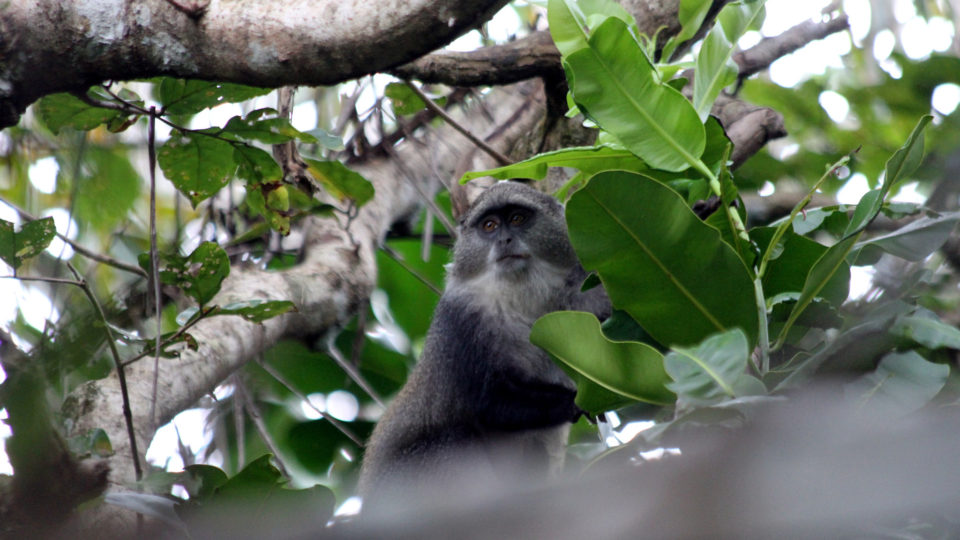
Photo, posted July 18, 2015, courtesy of Marco Zanferrari via Flickr.

Earth Wise is a production of WAMC Northeast Public Radio.
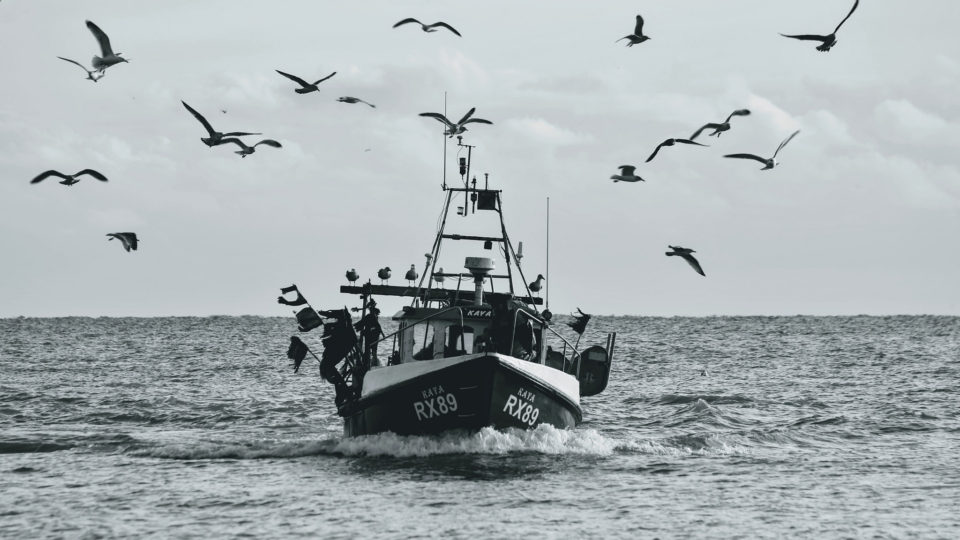
Better Ways To Fish

July 4, 2018 By EarthWise Leave a Comment

https://earthwiseradio.org/wp-content/uploads/2018/07/EW-07-04-18-Better-Ways-to-Fish.mp3

A recent study published in Fisheries Research looked at the effectiveness and level of waste for various categories of fishing gear used in the global fishing industry.

[Read more…] about Better Ways To Fish

Looking For “Super Coral”

November 2, 2017 By EarthWise Leave a Comment

https://earthwiseradio.org/wp-content/uploads/2017/11/EW-11-02-17-Looking-for-Super-Coral.mp3

Coral reefs are essential for much of marine life and are the basis of many commercial fisheries.  In places from Florida to Australia, they are major tourist attractions.  Estimates are that the economic impact of coral reefs is more than $375 billion a year.  And apart from all of that, they are some of the most beautiful places on the planet.

[Read more…] about Looking For “Super Coral”

Sharks In Hot Water

August 25, 2016 By WAMC WEB

https://earthwiseradio.org/wp-content/uploads/2016/08/EW-08-25-16-Sharks-in-Hot-Water.mp3

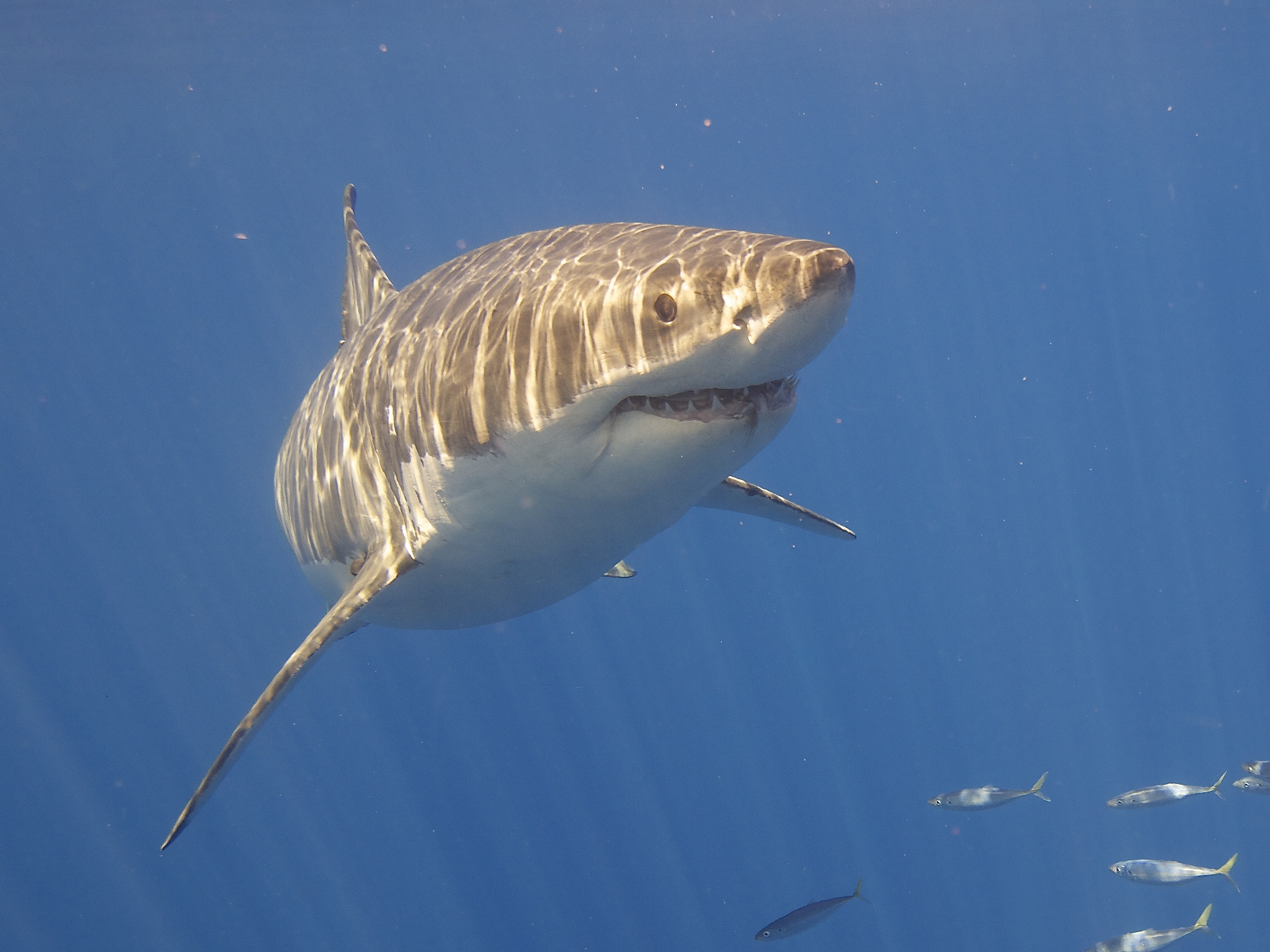
The majestic great white shark has been around for a very long time.  Its evolutionary origin dates back 14 to 16 million years.  And while great whites still enjoy decent populations off the coasts of Canada, Australia, and the United States, the same can’t be said for South Africa’s great whites. 

[Read more…] about Sharks In Hot Water

The World’s Lakes Are Heating Up

January 12, 2016 By WAMC WEB

https://earthwiseradio.org/wp-content/uploads/2016/01/EW-01-12-16-Lake-Warming.mp3

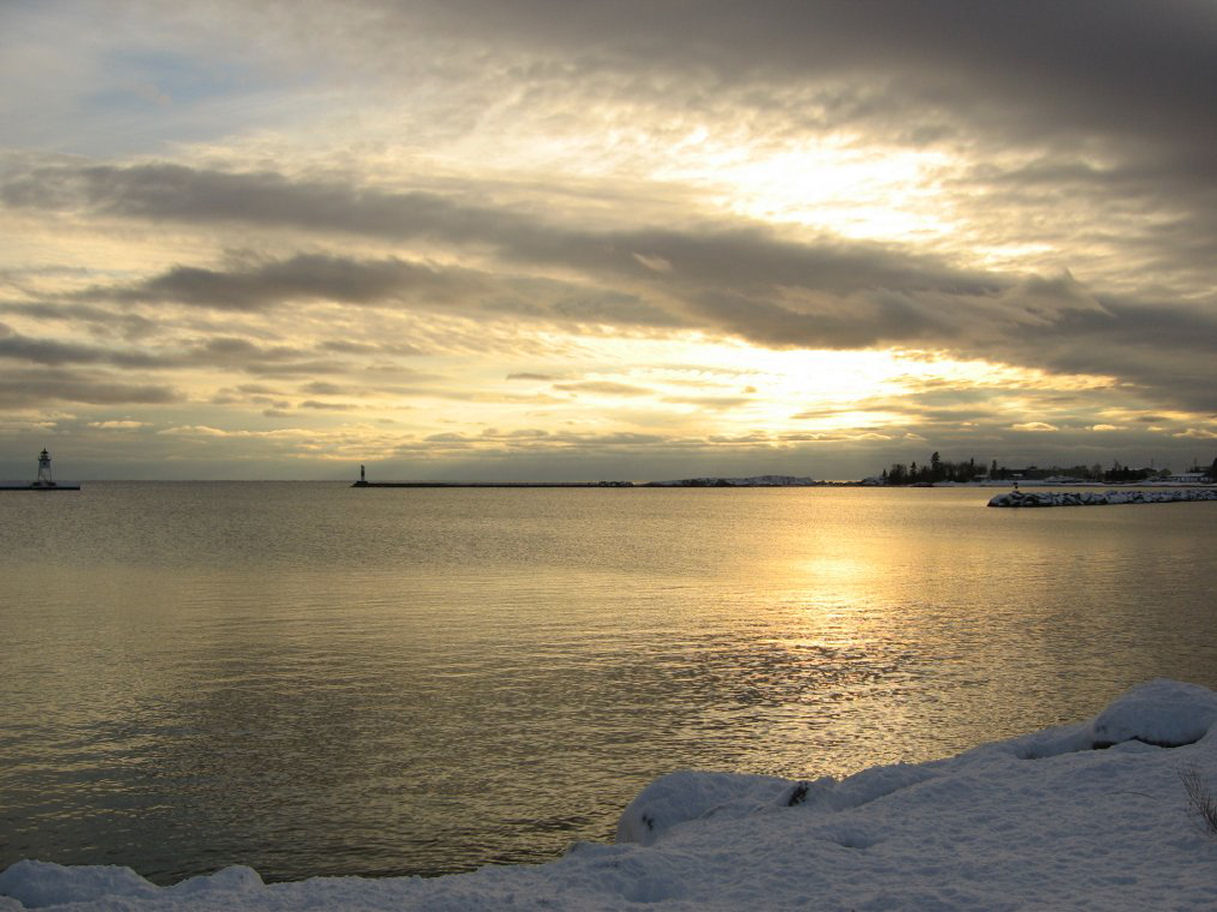
Climate change is causing the world’s lakes to warm, with repercussions for fisheries and freshwater supplies. So reports an ambitious new study, funded by NASA and the National Science Foundation, and recently published in Geophysical Research Letters.

[Read more…] about The World’s Lakes Are Heating Up

The Trouble With Sustainability

October 23, 2015 By EarthWise

groundwater

https://earthwiseradio.org/wp-content/uploads/2015/10/EW-10-23-15-Sustainability.mp3

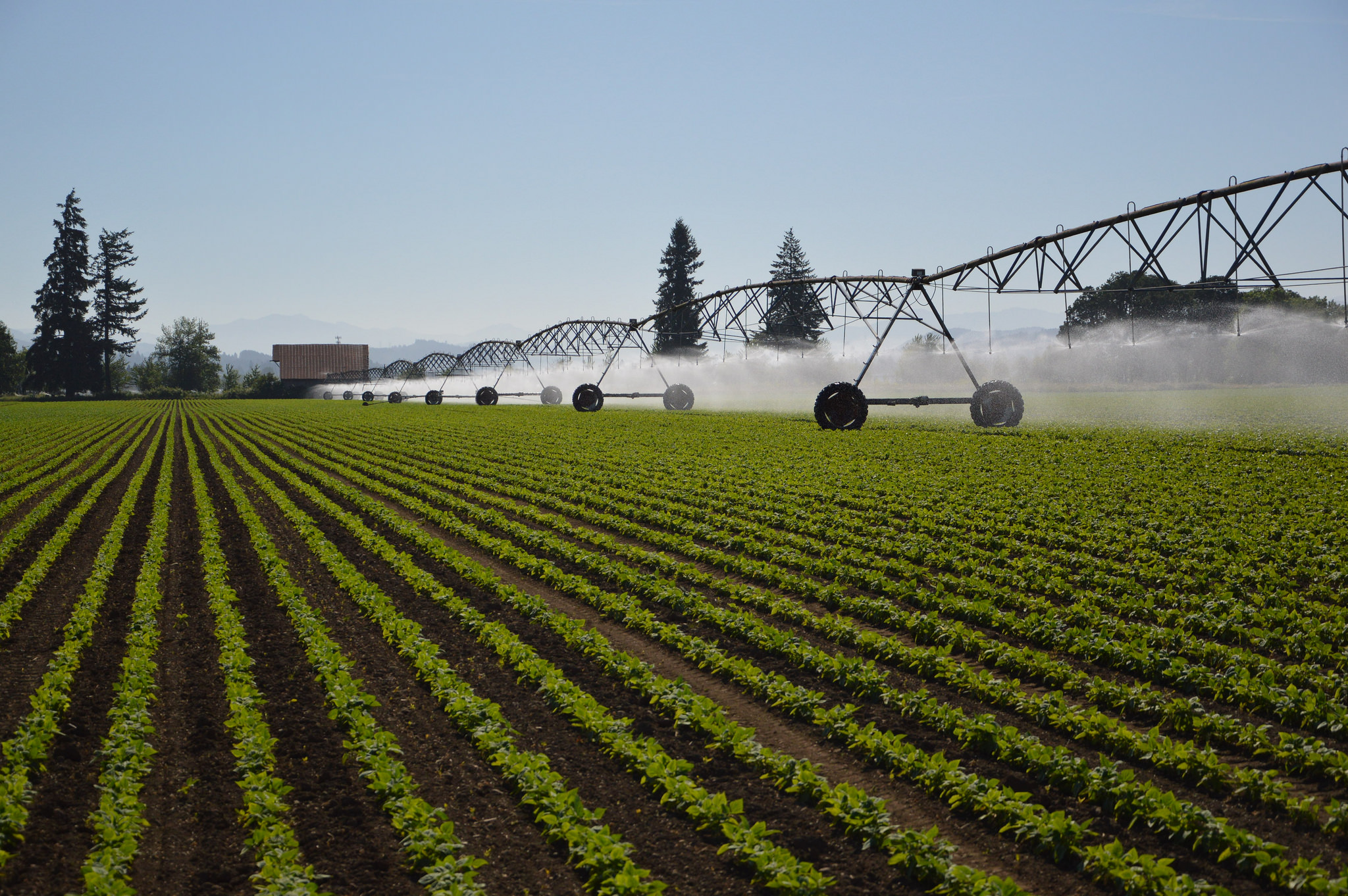
Since its inception, sustainability has been human-centric. It came into vogue in 1987, with the publication of a UN report called Our Common Future, which defined sustainable development as: “Development that meets the needs of the present without compromising the ability of future generations to meet their own needs.”

[Read more…] about The Trouble With Sustainability

  • « Go to Previous Page
  • Page 1
  • Page 2

Primary Sidebar

Recent Episodes

  • An uninsurable future
  • Clean energy and jobs
  • Insect declines in remote regions
  • Fossil fuel producing nations ignoring climate goals
  • Trouble for clownfishes

WAMC Northeast Public Radio

WAMC/Northeast Public Radio is a regional public radio network serving parts of seven northeastern states (more...)

Copyright © 2026 ·