• Skip to primary navigation
  • Skip to main content
  • Skip to primary sidebar

Earth Wise

A look at our changing environment.

  • Home
  • About Earth Wise
  • Where to Listen
  • All Articles
  • Show Search
Hide Search
You are here: Home / Archives for FDA

FDA

Antibiotics In Animal Agriculture | Earth Wise

April 13, 2023 By EarthWise Leave a Comment

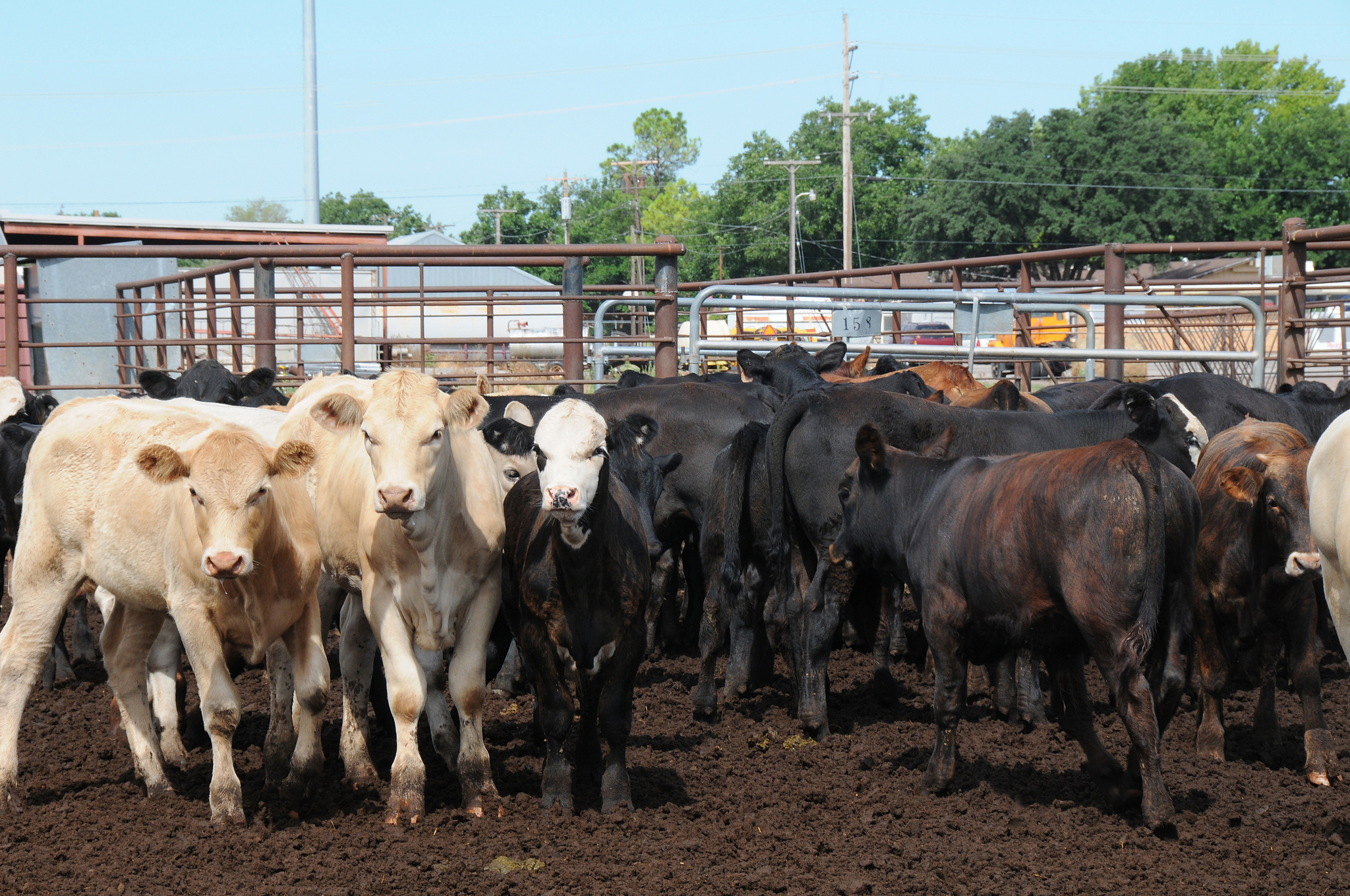
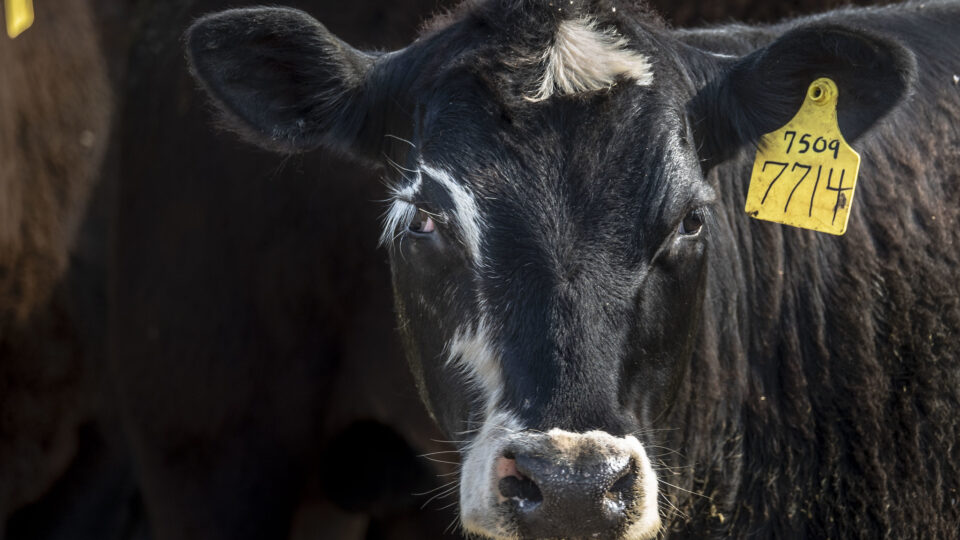
In animal agriculture, farmers use antibiotics to treat, prevent, and control animal diseases, and to increase the productivity of their operations.  According to the FDA, approximately 80% of all antibiotics sold in the U.S. are purchased for use in food-producing animals. 

The routine administration of antibiotics to farm animals for non-therapeutic purposes promotes the development of antibiotic-resistant bacteria, with repercussions for human and animal health.  As antibiotic-resistant bacteria spreads, medicines used to treat human diseases can become less effective. 

According to a new study led by researchers from the University of Washington, a California policy restricting the use of antibiotics in farm animals is associated with a reduction in one type of antibiotic-resistant infection in people in the state.  The findings, recently published in the journal Environmental Health Perspectives, suggest that regulations limiting the use of antibiotics in livestock can significantly impact human health. 

In 2018, California Senate Bill 27 banned routine preventive use of antibiotics in food-animal production and any antibiotic use without a veterinarian’s prescription.  Last year, the European Union passed a law restricting antibiotic use to only sick animals on farms.  And coming this June, most antibiotics – those that are medically important to humans and animals – will be by prescription only in the United States.  

Despite these changes, antibiotic resistance is projected to remain one of the biggest threats to human health over the next 50 years because resistance continues to grow and few new antibiotics are coming online. 

**********

Web Links

Restricting antibiotics for livestock could limit spread of antibiotic-resistant infections in people

Ranchers should prepare now for 2023 animal antibiotic guidelines

Photo, posted May 8, 2018, courtesy of Preston Keres / USDA via Flickr.

Earth Wise is a production of WAMC Northeast Public Radio
Lab-Grown Meat Is Legal | Earth Wise

December 19, 2022 By EarthWise Leave a Comment

Meat produced in a laboratory and without harming animals is now legal in the United States

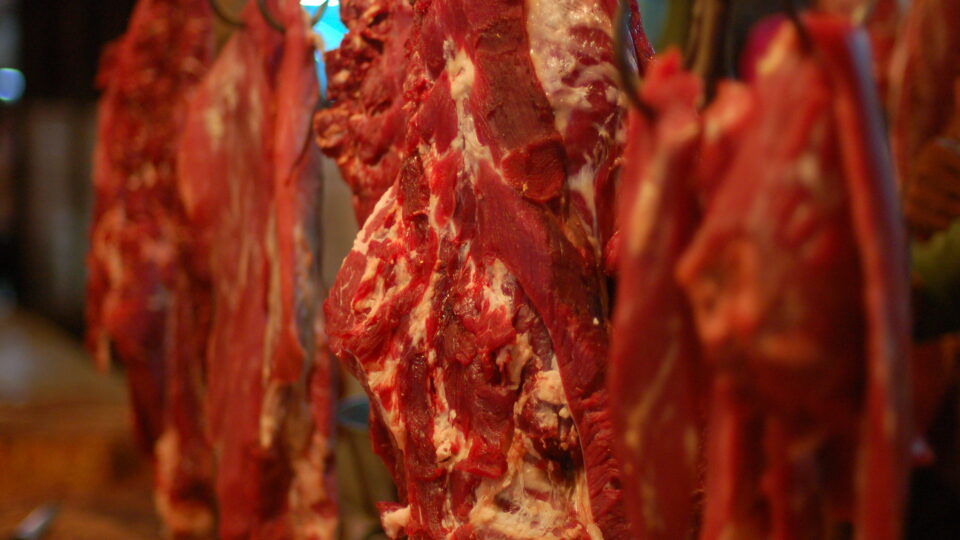
We’ve heard more and more about laboratory meat.  Other names for it are cultured meat, cultivated meat, or test tube meat.  Whatever name ends up sticking, the idea is to take living cells from animals and grow them in a controlled laboratory environment to produce a meat product that doesn’t involve the slaughter of any animals.  Supporters say cultured meat is more efficient and environmentally friendly than traditional livestock.  Livestock agriculture is one of the largest emitters of greenhouse gases, uses vast amounts of land, and consumes much of the world’s fresh water.

Years ago, we reported on a company called Memphis Meats, which was one of a number of companies developing techniques for harvesting cells from animal tissues and using them to grow edible flesh in bioreactors.

Recently, that company – now called Upside Foods – has become the first company to receive FDA approval declaring their meat product to be safe for human consumption.  The USDA still needs to give its approval and it may be a little while longer before Upside’s first chicken products will end up in supermarkets.  There are more than 150 cultivated meat companies around the world backed by billions of dollars in investments.  The FDA is in ongoing discussions with multiple firms in the business.

Upside Foods, based in the San Francisco Bay area, is planning to market chicken, beef meatballs, and duck in the near future.  Other companies are working on seafood products.  Up until now, Singapore has been the only country in which lab-grown meat products are legally sold to consumers.  With this landmark FDA ruling, that is all about to change.

**********

Web Links

US declares lab-grown meat safe to eat in ‘groundbreaking’ move

Photo, posted April 15, 2008, courtesy of Andrew Otto via Flickr.

Earth Wise is a production of WAMC Northeast Public Radio
Feeding Cows Seaweed | Earth Wise

July 15, 2022 By EarthWise Leave a Comment

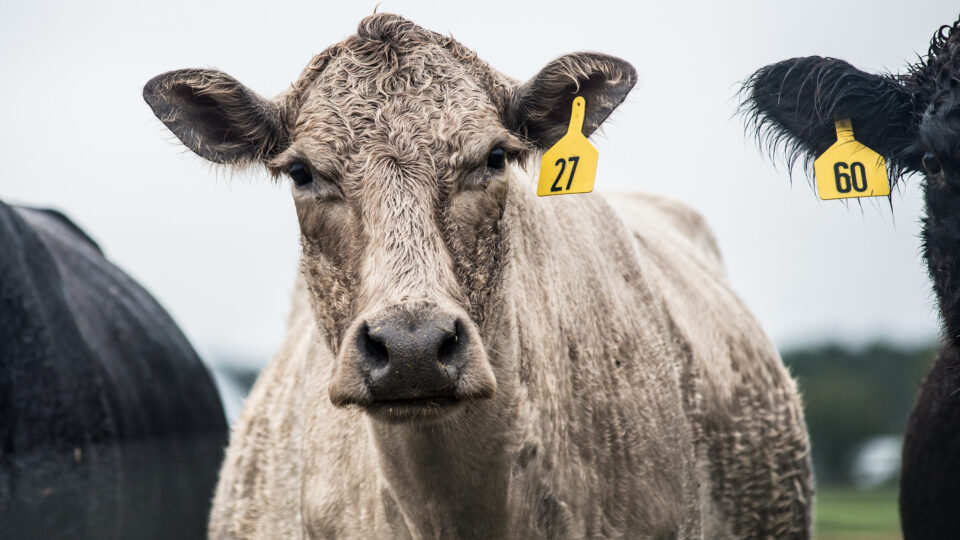
When cows digest their food, they burp, and when they burp, they release methane.  This is called enteric methane and it’s a real problem.  A single cow belches out 220 pounds of methane each year, which is the greenhouse gas equivalent of burning over 900 gallons of gasoline.  That’s more than the average car uses in a year.

Several studies have shown that feeding cows seaweed has the potential to substantially reduce the amount of methane in cow burps.  The latest comes from a trial that took place at the Straus Family Creamery, an organic dairy producer in Marin County, California.

The trial used a new seaweed-derived feed additive called Brominata.  Brominata is made of a red seaweed called Asparagopsis taxiformis.  The addition of the seaweed to the cows’ diets on the Straus farm resulted in an 52% average reduction in enteric methane emissions.  One cow in the study showed a reduction of 92%.

Cutting enteric methane emissions in half would be a huge improvement that would be quite difficult to achieve by convincing enough people to reduce meat and dairy consumption.

The California Air Resources Board has identified feed additives as an emissions-reduction strategy for the dairy industry.  There are now some synthetic feed additives that have been developed that reduce enteric methane, but they haven’tyet  received FDA approval for use in the U.S.  Brominata has been approved as Generally Regarded as Safe by the California Food and Drug Administration.  Whether it and similar seaweed-based feeds can be produced in sufficient quantity and without adverse environmental effects remains to be seen.  But it is an intriguing approach to solving a complicated problem.

**********

Web Links

Feeding Cows Seaweed Reduces Their Methane Emissions, but California Farms Are a Long Way From Scaling Up the Practice

Photo, posted November 10, 2015, courtesy of Lance Cheung/USDA via Flickr.

Earth Wise is a production of WAMC Northeast Public Radio.

Heat And Plastic Bottles

August 21, 2019 By EarthWise Leave a Comment

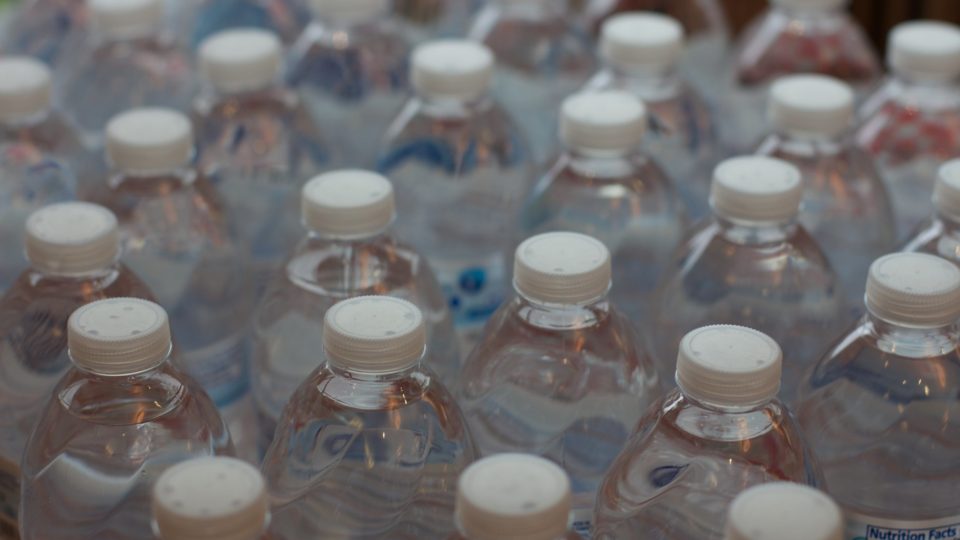
In the middle of July, Americans along the East Coast and in the Midwest suffered through a massive heat wave that saw actual temperatures soaring and so-called feels-like temperatures go much higher.  The punishing heat had many of us reaching for those plastic water bottles all day long as we tried to keep hydrated.

Studies have shown that those single-use plastic bottles do not handle the heat very well.  Most plastic items release tiny amounts of chemicals into the beverages or food that they contain.   But the hotter it gets, the more the substances in plastic can move into food or drinking water.  As temperature and time increase, the chemical bonds in plastics increasingly break down and chemicals are more likely to leach.

A study at Arizona State University in 2008 looked at how heat sped up the release of the element antimony in bottles made of the common plastic PET.  Antimony is used to manufacture the plastic and can be toxic in high doses.  At mild temperatures, very little antimony is released.  But PET and other plastics can leach a variety of chemicals when exposed to higher temperatures.

According to the FDA, the amounts of chemicals released by plastics are too miniscule to cause health problems.  However, scientists are still looking at the long-term effects of using so much plastic.  The question is whether all those small doses can eventually add up to something not so harmless.  Given that we don’t really know the cumulative effect of being surrounded by plastics in the goods we buy as well as the presence of microplastics in our water, it seems like a good idea to try to limit our exposure when alternatives are available.

**********

Web Links

Exposed to extreme heat, plastic bottles may ultimately become unsafe

Photo, posted June 7, 2013, courtesy of Tim Stahmer via Flickr.

Earth Wise is a production of WAMC Northeast Public Radio.

New Nutrition Labels

February 26, 2019 By EarthWise 1 Comment

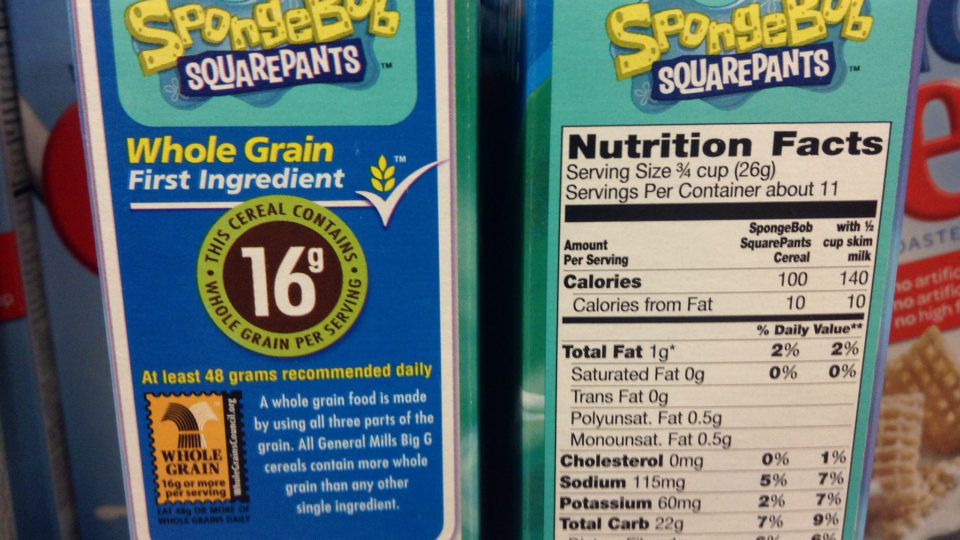
Food and beverage packaging in this country has included a Nutrition Facts panel for nearly 25 years.  Over 700,000 products have the labels which provide consumers with information like serving sizes, calories per serving, ingredients, and nutritional content.

Surveys indicate that 77 percent of all U.S. adults claim to use the labels at least some of the time.  Whether the labels are actually useful is somewhat debatable.  A couple of years ago, the FDA released a proposal to update the labels to make them more useful and to reflect more recent nutritional research.  The new labels are finally going to be implemented and food manufacturers with annual sales exceeding $10 million have until January of 2020 to update their packaging with the new labels.

One of the biggest changes is that the “serving size” section of the label will be changed to more accurately reflect the actual portions consumed by the typical American.  For example, a 20-ounce soft drink will now be labeled as a single serving because most people will drink the whole bottle in one sitting.

The new labels will no long list the amounts of Vitamin A and C, because recent research shows most Americans are not deficient in these nutrients.  Instead, the amount of Vitamin D and potassium will be listed, two nutrients lacking in many diets.  New labels will also show amounts of “added sugars”, defined as caloric sweeteners with no nutritional value. The new labels will also display the calories per serving in much large type making that piece of information far more noticeable.

There is surely more to be done to make food labeling more transparent and useful for consumers, but the new changes at least seem to be in the right direction.

**********

Web Links

Nutrition Labels Get a Makeover: Will It Make a Difference?

Photo, posted September 9, 2014, courtesy of Mike Mozart via Flickr.

Earth Wise is a production of WAMC Northeast Public Radio.

Dioxane And Drinking Water

October 24, 2017 By EarthWise Leave a Comment

https://earthwiseradio.org/wp-content/uploads/2017/10/EW-10-24-17-Dioxane-And-Drinking-Water.mp3

A byproduct of plastics production, dioxane is a clear, synthetic, liquid solvent that easily mixes with water.  It’s frequently used in paint strippers, dyes, and varnishes, as well as shampoos and body washes – particularly those that are sudsy.  Dioxane doesn’t really biodegrade and is widely regarded as a contaminant.    

[Read more…] about Dioxane And Drinking Water

Doing More Harm Than Good

August 1, 2017 By EarthWise

https://earthwiseradio.org/wp-content/uploads/2017/08/EW-08-01-17-Antibacterials.mp3

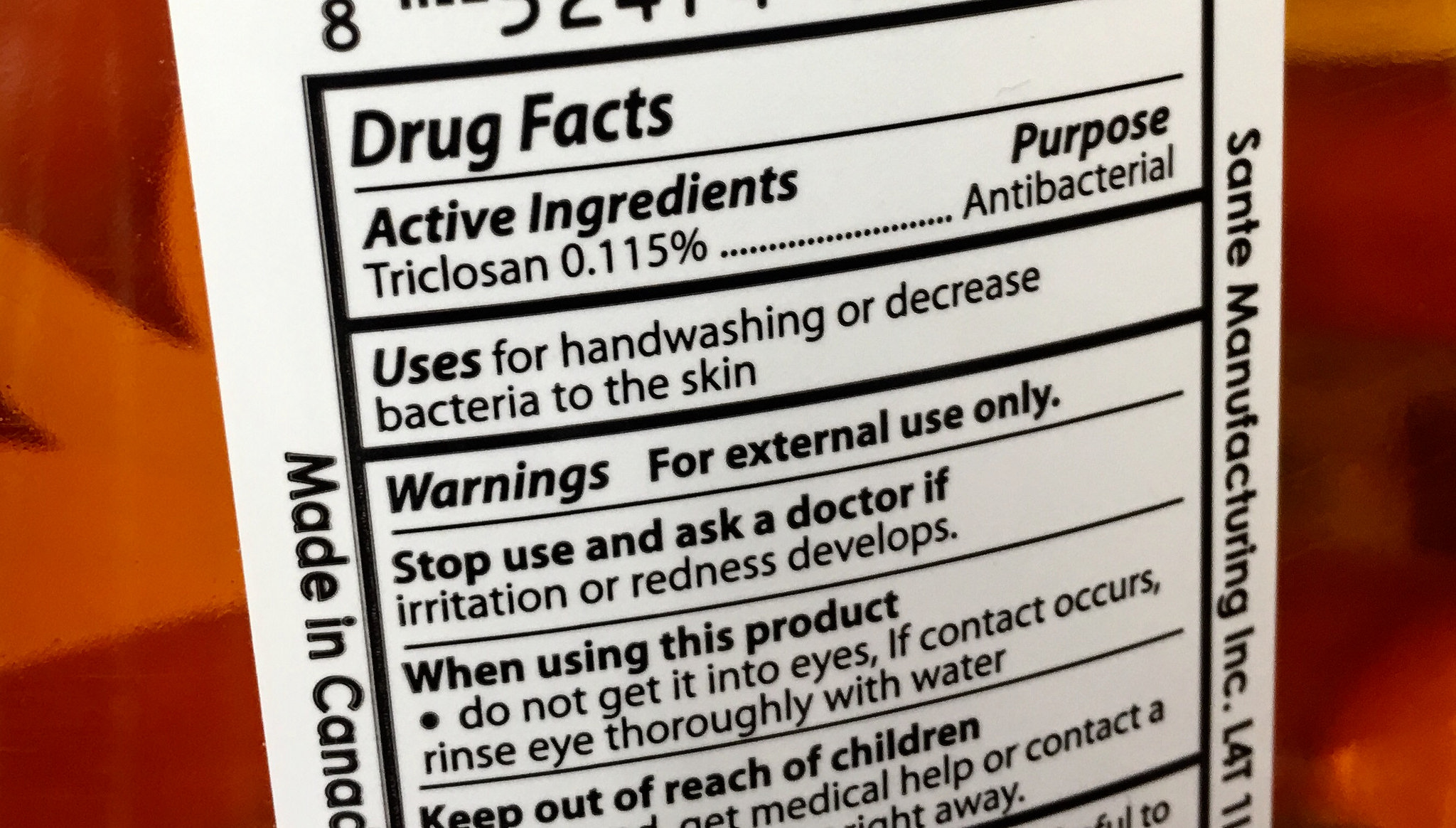
A group of more than 200 scientists and medical professionals has issued a consensus statement in the journal Environmental Health Perspectives urging that antimicrobial chemicals like triclosan and triclocarban should not be used in consumer products.  The experts say that these substances offer no health benefits and are actually causing health and environmental harm.

[Read more…] about Doing More Harm Than Good

Livestock And Antibiotics

January 19, 2017 By EarthWise

https://earthwiseradio.org/wp-content/uploads/2017/01/EW-01-19-17-Livestock-and-Antibiotics.mp3

According to the FDA, approximately three-quarters of all antibiotics used in the U.S. are fed to livestock for non-therapeutic purposes.  This routine administration of antibiotics promotes the development of antibiotic-resistant bacteria, which can spread to animals and humans.   And as antibiotic-resistant bacteria spreads, medicines used to treat human diseases can become less effective. Antibiotic resistant infections kill 90,000 Americans each year.

[Read more…] about Livestock And Antibiotics

Preservatives

February 8, 2016 By WAMC WEB

https://earthwiseradio.org/wp-content/uploads/2016/02/EW-02-08-16-Preservatives.mp3

Augmenting food with preservatives is not a recent practice.  For thousands of years, we have canned fruits with sugar, preserved meats with salt, and pickled vegetables so that they could keep in hot humid environments.

[Read more…] about Preservatives

Toward Safer Produce

January 1, 2016 By WAMC WEB

https://earthwiseradio.org/wp-content/uploads/2015/12/EW-01-01-16-Safer-Produce.mp3

Government and private organizations have long been encouraging us to eat healthier diets.   We have seen food pyramid charts for decades and the “5 a day” campaign has boosted our consumption of fresh fruits and vegetables.

[Read more…] about Toward Safer Produce

Bromated Flour

December 22, 2015 By WAMC WEB

https://earthwiseradio.org/wp-content/uploads/2015/12/EW-12-22-15-Bromated-Flour.mp3

Nothing evokes an image of wholesomeness like a loaf of crusty, fresh-baked bread.   But the flour used in some baked goods may contain an additive that’s been linked to cancer.

[Read more…] about Bromated Flour

Halloween Face Paint: It’s Scary Stuff

October 29, 2015 By EarthWise

https://earthwiseradio.org/wp-content/uploads/2015/10/EW-10-29-15-Scary.mp3

The carefree nature of Halloween has made the holiday a favorite among children and the young-at-heart. It’s a day when fantasy can be indulged. Collectively, Americans spend billions of dollars adorning stoops with Jack-o-Lanterns, filling candy bowls with treats, and transforming themselves into zombies, witches, and other creations.

[Read more…] about Halloween Face Paint: It’s Scary Stuff

Primary Sidebar

Recent Episodes

  • An uninsurable future
  • Clean energy and jobs
  • Insect declines in remote regions
  • Fossil fuel producing nations ignoring climate goals
  • Trouble for clownfishes

WAMC Northeast Public Radio

WAMC/Northeast Public Radio is a regional public radio network serving parts of seven northeastern states (more...)

Copyright © 2026 ·