• Skip to primary navigation
  • Skip to main content
  • Skip to primary sidebar

Earth Wise

A look at our changing environment.

  • Home
  • About Earth Wise
  • Where to Listen
  • All Articles
  • Show Search
Hide Search
You are here: Home / Archives for environment

environment

Wildlife And The Border Wall

February 14, 2019 By EarthWise Leave a Comment

The border between the United States and Mexico is nearly 2,000 miles long, stretching from San Ysidro, California to Brownsville, Texas.  Discontinuous barriers currently cover approximately 650 miles of our southern border. As the particulars of how to better secure the remaining 1,350 miles of border are worked out, one thing is abundantly clear: extending physical barriers would negatively impact wildlife and the environment.

The Trump Administration has called for a 1,000-mile wall, which would cut across land that includes important habitats for wildlife.  According to an article signed by nearly 3,000 scientists, this plan would “threaten some of the continent’s most biologically diverse regions” by inhibiting species movement and triggering flooding. The paper, which was published in the journal Bioscience, highlights how more than 1,500 native animal and plant species would be affected by the wall, including 62 that are listed as endangered or vulnerable.

An extended border wall would not only impede movement of many wildlife species but it would also put pressure on creatures already in peril, such as the Mexican gray wolf and the Sonoran pronghorn.  Other at risk animals include the ocelot, black bear, and desert bighorn sheep. 

According to researchers, extending the border wall could cause problems for low-flying birds and insects. Even plants, including the endangered wildflower Zapata bladderpod and the threatened whiskerbush cactus, are particularly at risk.

According to a 2011 study, bird-watching and other forms of ecotourism in the Lower Rio Grande Valley brought in more than $344 million in economic activity and approximately 4,400 jobs. 

Preserving our natural heritage must be part of this national security discussion. 

**********

Web Links

Nature Divided, Scientists United: US–Mexico Border Wall Threatens Biodiversity and Binational Conservation

Photo, posted December 14, 2014, courtesy of Tony Webster via Flickr.

Earth Wise is a production of WAMC Northeast Public Radio.
Bee Friendly Amsterdam

February 11, 2019 By EarthWise Leave a Comment

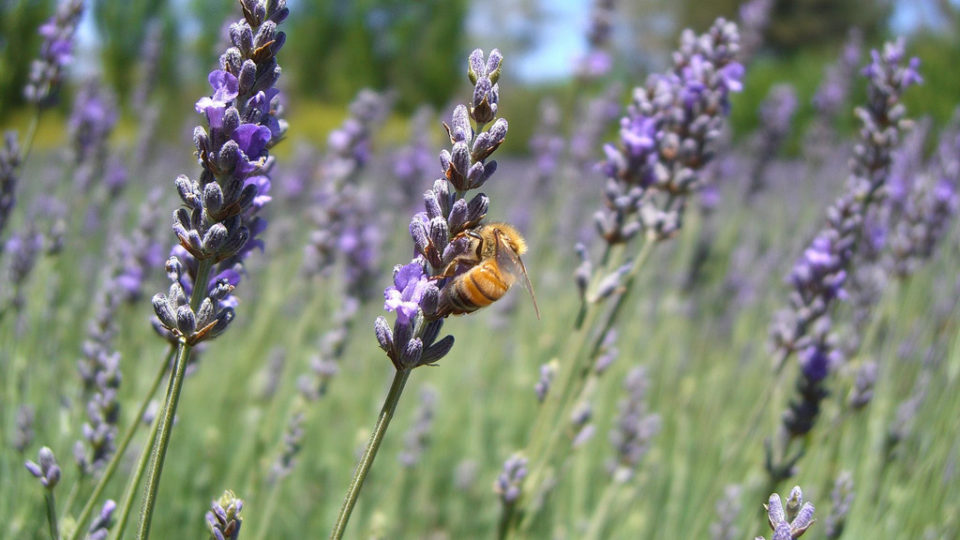
Scientists around the world have been sounding the alarm for years about the decline of bees and other pollinators that are crucial to the growth of crops.   One place where this trend has been bucked is in Amsterdam.  The diversity of wild bee and honeybee species in the Dutch capital has actually increased by 45% since 2000.

The city attributes this success to creating bee-friendly environments including the installation of so-called insect hotels.  There has also been a ban on the use of chemical pesticides on public land.

Four years ago, Amsterdam set a goal to convert half of all public green spaces to native plants including species that produce flowers and fruits that provide nourishment for bees.  Developers in Amsterdam are encouraged to install green roofs on new buildings which reduce reliance on heating and cooling systems and also create habitat for wildlife.

Residents can request to have a 16-inch strip of pavement adjacent to their homes removed in order to plant shrubs, flowers or climbing vines.  When a new highway was built in the area in 2015, local activists planted wildflowers along the sides of the road that otherwise would have been left with only gravel or grass.  This practice has spread to other major routes and along dikes and railways and is referred to as the Honey Highway.

All of these efforts seem to be having a positive effect.  An initial survey was conducted in 2000 to establish a baseline.  A 2015 survey of pollinators found 21 bee species not previously documented in the city.  The rest of the Netherlands has not done as well, and the Dutch government has recently introduced a pollinator strategy to revive bees, butterflies and other insects crucial to the country’s food crop.

**********

Web Links

Bees are dying at an alarming rate. Amsterdam may have the answer.

Photo, posted December 28, 2006, courtesy of Flickr.

Earth Wise is a production of WAMC Northeast Public Radio.

Misconceptions About Electric Cars

February 8, 2019 By EarthWise Leave a Comment

Tesla’s Model 3 was one of the best-selling cars in the United States last year, eclipsing all but a handful of sedans.  This was the first time that an electric car had that honor and is indicative of how electric cars are finally becoming mainstream.  A host of other new electric models from multiple manufacturers will be the entering the market over the next couple of years.

Despite all of this progress, there is still a great deal of misinformation about electric cars.  A new study commissioned by Volkswagen revealed some of the widespread misconceptions about the vehicles.

Some people believe that electric cars can’t be driven through puddles.  Nearly one in five people believe that electric cars slow down as the battery depletes.  Many people believe that electric cars are fundamentally less safe than gas-powered cars.

More generally, people are unaware of how far current electric cars can drive on a charge.  More and more models can go 200 and even over 300 miles between charging sessions.  People also don’t know how quickly cars can charge up either.  Fast chargers like Tesla’s Superchargers can add 200 miles worth of charge in about 20 minutes.  And people don’t know what it costs to charge electric cars.  In most places, it is only a fraction of what it costs to drive the same distance using gasoline.

Despite their limited knowledge about electric cars, the 2,000 people surveyed in Britain were positively disposed towards them with nearly 6 in 10 saying that they would like to own an electric car some day and would even consider one as their next vehicle.

Electric cars will become more familiar and less exotic as more and more of them are on our roads and highways.

**********

Web Links

Major misconceptions prevent drivers from buying electric cars, study claims

Photo, posted April 6, 2018, courtesy of Brian Doyle via Flickr.

Earth Wise is a production of WAMC Northeast Public Radio.
https://www.independent.co.uk/news/uk/home-news/electric-cars-misconceptions-battery-charging-safety-volkswagen-study-results-a8700536.html

Can Germany Meet Its Energy Goals?

February 4, 2019 By EarthWise Leave a Comment

Germany has been a global leader in efforts to decarbonize its massive economy.  A national initiative known as Energiewende – or clean energy transition – has been in place since 2010 and relies heavily on renewable energy sources, energy efficiency, and energy demand management.

The program has involved some of the most aggressive deployment of renewable energy sources in the world.  Germany was the first country to install 1 GW of solar energy and still has the 5th largest amount of solar power in the world despite actually being a country with fairly limited sunshine.  Germany has nearly 30,000 wind turbines, most of which are onshore, unlike many other countries in northern Europe.  Over the past five years, government support and cost to consumers for the shift to clean energy have totaled over $180 billion.

However, despite these efforts, Germany’s greenhouse gas emissions have not declined as rapidly as expected, even though nearly 40% of the country’s electricity now comes from renewable sources.

This lack of expected success comes as a shock to the environmentally conscious German population, nearly 90% of which supports the program.

There are two major problems Germany faces.  One is that Germany is Europe’s largest producer of coal, which still generates more than a third of the country’s power.  The other is that Germany’s large auto industry is still married to gas- and diesel-fueled cars and emissions from the country’s cars are a big problem.

The Energiewende program was driven by political will and investment certainty.  It is unclear whether Germany can muster these forces again.  The Merkel government has dragged its feet on environmental issues in recent years.  It remains to be seen what effect shifting political power in Germany will have.

**********

Web Links

Carbon Crossroads: Can Germany Revive Its Stalled Energy Transition?

Photo, posted August 15, 2011, courtesy of Flickr.

Earth Wise is a production of WAMC Northeast Public Radio.

Cloning Ancient Redwoods

January 30, 2019 By EarthWise Leave a Comment

During the 19th and 20th centuries, many of the world’s largest and oldest tress were cut down for their lumber.   Some of these coast redwoods were 3,000 years old and measured 35 feet in diameter.

Today, giant stumps of these ancient redwoods dot the landscape from Oregon to northern California and are a remnant of the old-growth forest that once stretched across much of the Pacific Northwest.

An organization called the Archangel Ancient Tree Archive is dedicated to reestablishing ancient redwood forests to help combat climate change.  Coastal redwoods are not only huge but can grow an average of 10 feet a year.  One of these enormous trees can sequester 250 tons of carbon dioxide over its lifetime, more than 200 times the amount for an average tree.

While many experts thought that the giant stumps were lifeless, arborists at Archangel collected DNA from the stumps of five giant coast redwoods, all larger than the largest tree living today.  They then used this genetic material to grow dozens of saplings, which are clones of the ancient trees, in a process that takes about two-and-a-half years.

To date, the Archangel Ancient Tree Archive has planted nearly 100 of these saplings in the Eden Project garden in Cornwall, England, a couple of hundred in Oregon, and most recently, has planted 75 in the Presidio National Park in San Francisco.

According to arborists at the nonprofit organization, these saplings have extraordinary potential to purify our air, water, and soil for generations to come.  Their hopes are that the new San Francisco ‘super grove’ will be allowed to grow unmolested by manmade or natural disasters and thus propagate forever.

**********

Web Links

Arborists Have Cloned Ancient Redwoods From Their Massive Stumps

Photo, posted April 8, 2013, courtesy of Michael Balint via Flickr.

Earth Wise is a production of WAMC Northeast Public Radio.

Sustainable Plastics

January 28, 2019 By EarthWise Leave a Comment

According to the United Nations, plastic accounts for up to 90% of all the pollutants in the ocean. Conventional plastics take hundreds of years to decay, so all the plastic that gets into the oceans piles up and endangers marine life and pollutes the environment. Unfortunately, there are few comparable, environmentally friendly alternatives.  

An often-proposed solution is bioplastics, which are not made from petroleum and degrade quickly.  The downside of bioplastics is that growing the plants or bacteria used to make the plastic requires fertile soil and fresh water, which are scarce commodities in many places.

One such place is Israel.  So, researchers there at Tel Aviv University have developed a process to make a bioplastic polymer that doesn’t require land or fresh water.  The new polymer is derived from microorganisms that feed on seaweed.  It is biodegradable, produces zero toxic waste and recycles into organic waste.

The polymer is called polyhydroxyalkanoate, or PHA for short.  The raw material is multicellular seaweed, cultivated in the ocean.  These algae are eaten by single-celled microorganisms, which also grow in salty seawater and produce a polymer that can be used to make bioplastic.  PHA is already produced in commercial quantities, but it is currently made from plants that require agricultural land and fresh water.  The new process would enable countries with limited fresh water, such as Israel, China and India, to switch from petroleum-based plastics to biodegradable plastics.

Plastics from fossil sources are one of the world’s biggest pollution problems.  The new study shows that it is possible to produce bioplastic completely based on marine resources in an environmentally-friendly process. 

**********

Web Links

Sustainable ‘plastics’ are on the horizon

Photo, posted March 14, 2015, courtesy of Flickr.

Earth Wise is a production of WAMC Northeast Public Radio.
Support For A Green New Deal

January 23, 2019 By EarthWise Leave a Comment

Shortly after the November election, activists held a sit-in at Nancy Pelosi’s office calling for a Green New Deal – a plan to transform the U.S. energy economy in order to mitigate the effects of climate change as well as address various issues of economic justice.   While a number of Congress people have pledged to back the creation of a select committee to develop such a plan, it remains a political football and it remains to be seen whether anything will come of the idea.

There appears to be much less reticence on the part of voters, at least according to a survey conducted by the Yale Program on Climate Change Communication at the end of November.  The survey gave a brief explanation of the Green New Deal and asked respondents “How much do you support or oppose this idea?”

The result was that 81% of registered voters either “strongly” or “somewhat” supported it.  Support was stronger among Democrats at 92%, but a majority of Republicans were also in favor.  Some 57% of self-identified conservative Republicans even thought it was a good idea.

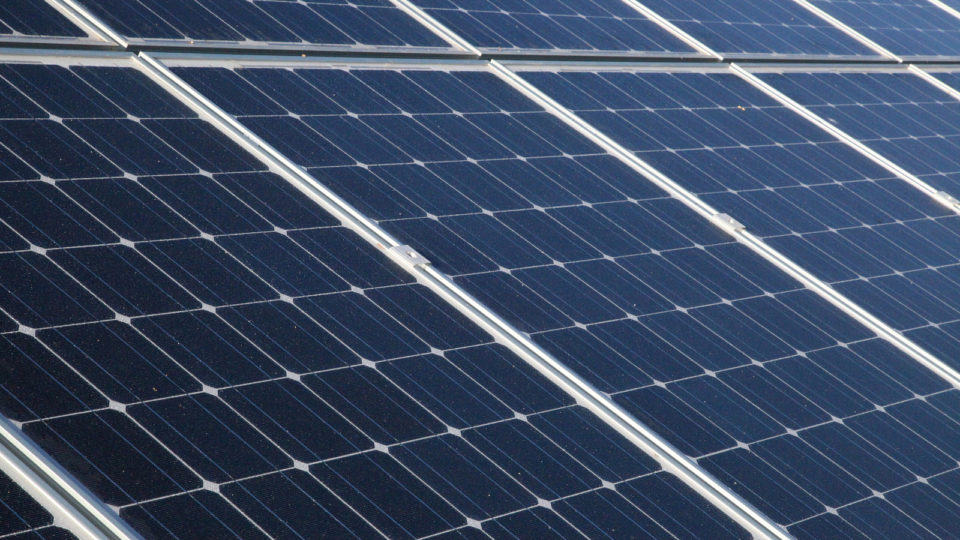
The Green New Deal would accelerate the transition from fossil fuels to clean, renewable energy.  The goal would be to generate 100% of the nation’s electricity from renewable sources within the next 10 years; upgrade the nation’s energy grid, buildings, and transportation infrastructure; increase energy efficiency; invest in green technology research and development; and provide training for jobs in the new green economy.

Even though most Americans have strong support for the ideas of the Green New Deal, it is quite uncertain whether such an initiative could become a reality, given that very influential special interest groups – notably the fossil fuel industry – will be fighting it tooth and nail.

**********

Web Links

81% of Voters Support a Green New Deal, Survey Finds

Photo, posted March 19, 2012, courtesy of Kate Ausburn via Flickr.

Earth Wise is a production of WAMC Northeast Public Radio.
Is There Hope For Coral Reefs?

January 16, 2019 By EarthWise Leave a Comment

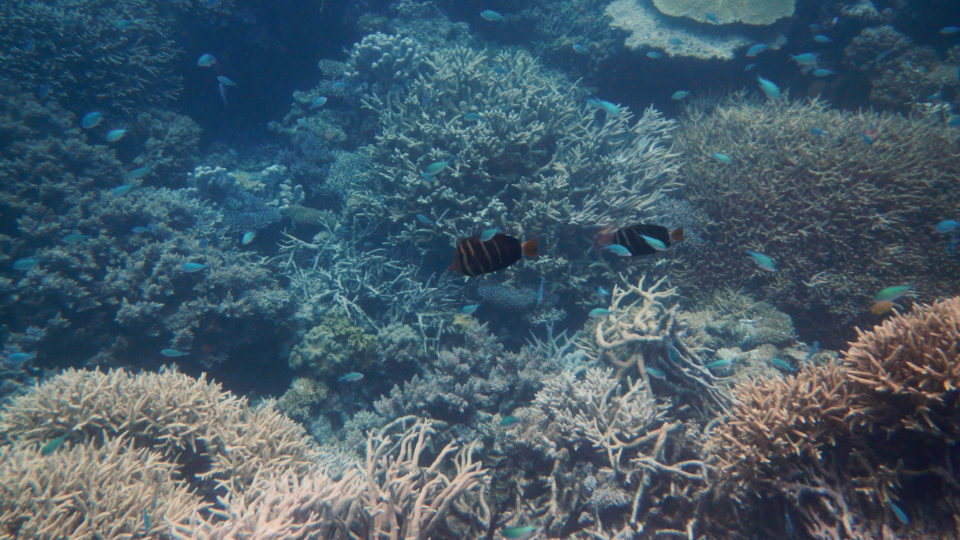
News about the world’s coral reefs has been relentlessly bad for a number of years.  Warming, acidifying oceans have wreaked havoc with coral reefs leading to enormous losses.  Nowhere have things been more dire than in Australia’s Great Barrier Reef.  Coral bleaching events have been increasingly common and severe over the past two decades.  In fact, only 7% of the Great Barrier Reef has escaped bleaching entirely since 1998.

While the future of the world’s coral reefs is very much uncertain as global heating continues, there is a recent bit of hopeful news.   According to a study published in Nature Climate Change, the response of the Great Barrier Reef to the extreme temperatures in 2017 was quite different from that of the previous year in the aftermath of back-to-back bouts of coral bleaching.

Surprisingly, corals that bleached in 2016 but managed to survive were more resistant to the recurrence of hot conditions in 2017.

Many corals don’t survive bleaching events at all and, of course,those corals don’t bleach for a second time. But the surviving corals from the 2016 bleaching event were tougher species.   As a result of bleaching, the mix of coral species on the reef is changing very rapidly.  The net result was that there was less bleaching in 2017 even though the temperatures that year were even more extreme than in 2016.

There have now been four mass bleaching events on the Great Barrier Reef over the past 20 years and it is only a matter of time before another one occurs triggered by the next marine heatwave. Almost half of the corals on the northern two-thirds of the reef have been killed.  But at least some of the reef is showing impressive survival skills.

**********

Web Links

A glimmer of hope for the world’s coral reefs

Photo, posted November 29, 2012, courtesy of Robert Linsdell via Flickr. 

Earth Wise is a production of WAMC Northeast Public Radio.
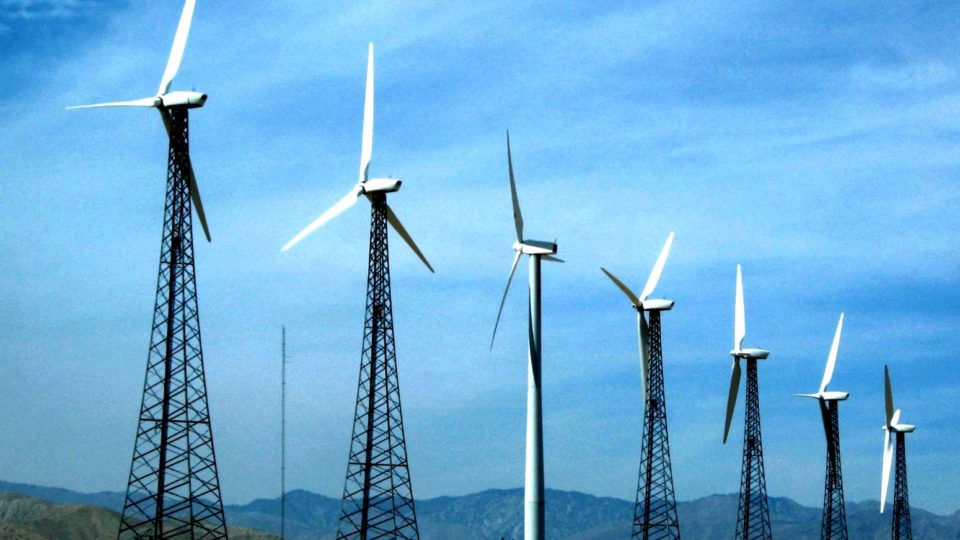
Energy Trends For A New Year

January 15, 2019 By EarthWise Leave a Comment

With a new year upon us, there are several energy trends to watch out for.

The most important one is that the fundamental shift toward slow-carbon technologies is continuing. This shift is taking place despite diminishing government policy support and even active government efforts to thwart it.  There is just too much momentum to stand in the way of low-carbon energy technologies.

Analysts at Bloomberg New Energy Finance estimate that over the next 30 years over 11 trillion dollars will be invested in energy power generation and power storage assets with 85% of it aimed at zero-carbon emission.  Dramatic reductions in green energy costs have resulted in legitimate cost competition between zero carbon sources of energy and fossil fuel generation.

In the coming year, battery technology will continue to play a growing role both as a storage medium for energy generated by sun and wind and for powering vehicles.

Another trend is that the world’s wealthiest economies are learning to grow without growing the demand for electricity.  This is important in the battle to reduce overall emissions.

Another key issue is addressing the energy needs of people who have no meaningful access to it and there are around 1.5 billion people in that category.   Emerging technologies based on solar power, wind energy, microgrids and other innovations mean that traditional power grids that remain out of reach to these people are not necessary.  There is the potential to address those needs without contributing to climate change.

The world is struggling to deal with the growing problem of the changing climate, but there are trends that provide at least some hope that we can move in the right direction.

**********

Web Links

Top 3 clean energy trends to watch out for in 2019

Photo, posted April 5, 2013, courtesy of Flickr. 

Earth Wise is a production of WAMC Northeast Public Radio.
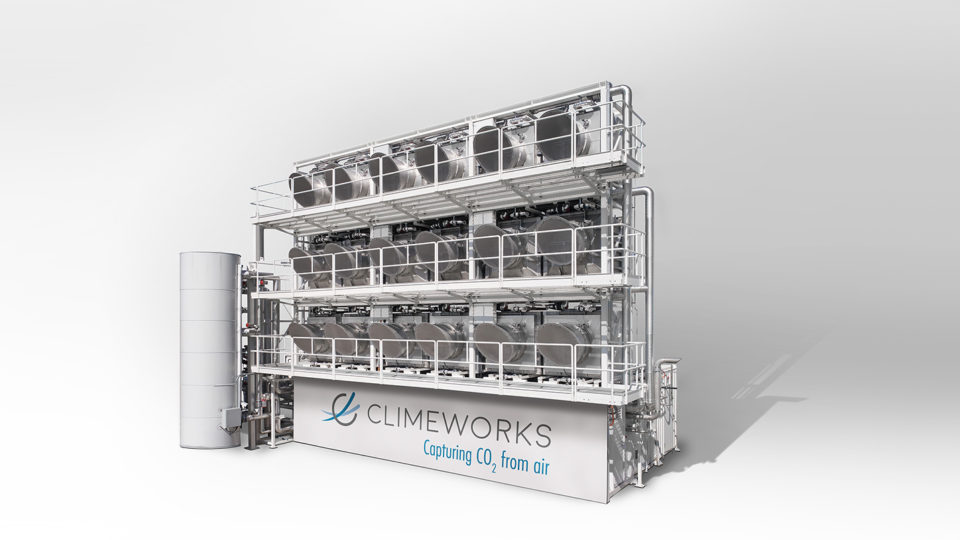
Can We Remove Enough CO2 From The Air?

January 9, 2019 By EarthWise Leave a Comment

As atmospheric carbon dioxide levels continue to set new records and the effects of climate change grow stronger, humanity has continued to procrastinate on reducing emissions.  As a result, it is increasingly clear that any strategy to avoid runaway climate change will have to involve the use of “negative emissions”- techniques or technologies that actually remove CO2 from the air.

There are both low-tech and high-tech methods for removing carbon dioxide from the atmosphere and both are likely to be needed. 

On the low-tech side, afforestation (planting trees where there were none before), reforestation, changes in forest management, rebuilding the carbon backbone in agricultural soils, and the use of energy from waste biomass are all ways to take carbon out of the atmosphere.

On the high-tech side, direct air capture technologies that take CO2 out of the air and store it in the ground are making rapid progress.   Right now, they are still very expensive,but that is changing.  There is an analogy to wind and solar technology. Not very long ago, both of those technologies were quite expensive but now their costs have plummeted to the point where they are often the cheapest way to make electricity.  With sufficient development effort and deployment, direct air capture technology could become quite affordable.

Some people advocate geoengineering as a solution for climate change.  While removing carbon dioxide amounts to tackling the root cause of the warming climate,geoengineering would address the problem by changing the climate again in some other way.  It is at best an extremely dangerous approach.

Removing CO2 using a combination of natural and man-made techniques is an important part of mitigating the effects of climate change.

**********

Web Links

Climate Solutions: Is It Feasible to Remove Enough CO2 from the Air?

Photo courtesy of Climeworks. 

Earth Wise is a production of WAMC Northeast Public Radio.

Speed Breeding Of Crops

January 4, 2019 By EarthWise Leave a Comment

A technique pioneered by NASA for the purpose of growing plants extra-terrestrially is now being applied here on earth to fast-track improvements in a range of crops.  The technique, known as speed breeding, has been adapted for use by British and Australian researchers on a scale ranging from vast greenhouses to desktop growth chambers.

Speed breeding uses enhanced LED lighting and day-long regimes of up to 22 hours to optimize photosynthesis and promote rapid growth of crops.  By speeding up the breeding cycle of plants,it is possible, for example, to grow six generations of wheat in a year compared with two generations using traditional breeding methods.

With shortened breeding cycles, genetic improvements such as yield gain, disease resistance and climate resistance can be fast-tracked in crops such as wheat, barley, chickpeas, various Brassica species, oil seed rape and peas.

The ability to do this in compact desktop chambers permits cutting-edge research to be performed inexpensively before being scaled up to large greenhouses.

Crop development is an increasingly important activity and speed breeding is increasingly attractive in light of the opposition in some quarters to modern gene-editing techniques to create GMO crops.  Speed breeding allows crop improvements via anon-GMO route.

The new technique is already being applied in Australia, which is experiencing one of the worst droughts on record.  It is being used to rapidly cycle genetic improvements to make crops more drought resilient.

Generation time in most plant species is a major bottleneck in applied research programs and breeding.  Speed breeding can greatly reduce this bottleneck, allowing scientists to respond more quickly to emerging diseases, the changing climate and increased demand for specific plant traits.

**********

Web Links

JIC joins European scientists to safeguard precision breeding

Photo, posted May 8, 2016, courtesy of Yair Aronshtam via Flickr. 

Earth Wise is a production of WAMC Northeast Public Radio.

A Water-Based Battery

January 3, 2019 By EarthWise Leave a Comment

https://earthwiseradio.org/wp-content/uploads/2019/01/EW-01-03-19-A-Water-Based-Battery.mp3

The transition from fossil fuel-based power plants to clean, renewable energy sources is accelerating as both wind and solar power get cheaper and increasingly become cost-competitive with traditional power sources.   The biggest stumbling block both energy sources face is that they cannot always supply power on demand but require the sun to shine and the wind to blow.

[Read more…] about A Water-Based Battery

The Problem Of Urban Growth

January 2, 2019 By EarthWise Leave a Comment

https://earthwiseradio.org/wp-content/uploads/2018/12/EW-01-02-19-The-Problem-of-Urban-Growth.mp3

The rapid expansion of cities around the world has accelerated in recent decades.  If current trends continue, the equivalent of a city the size of London could be created every seven weeks by the year 2050, according to a study at Texas A&M University.

[Read more…] about The Problem Of Urban Growth

Big Success From A Big Battery

January 1, 2019 By EarthWise Leave a Comment

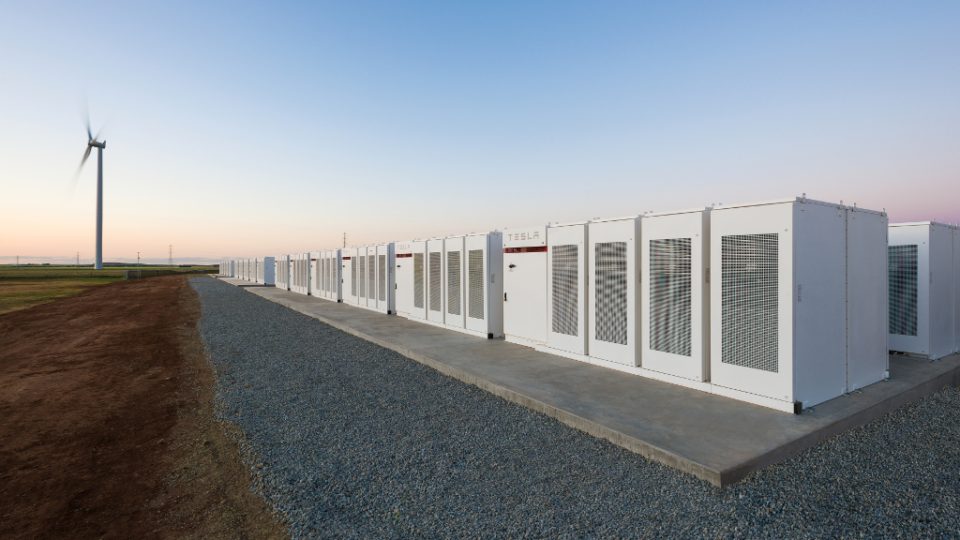
In the fall of 2017, Tesla took on the challenge of installing a 100-megawatt battery storage system in South Australia in under 100 days, promising that the system would be free if it was not built in time.  The project was actually completed in 54 days.

The system is located at the Hornsdale Wind Farm, which consists of 99 wind turbines with a generation capacity of 315 MW.  The Hornsdale Power Reserve installation is the world’s largest lithium-ion battery system and, after a year of operation,has proven to be a smashing success. Estimates are that the project has reduced costs associated with stabilizing the energy grid by about $29 million. The cost of the system was about $87 million, so it is paying for itself quite rapidly. The wind farm and battery systems are owned and operated by a French renewable energy company.

The battery storage system provides a variety of different services to the electric grid.  The primary motivation for it was to achieve system security and reduce the risk of blackouts and load shedding.   Having the battery system in place protects the regional interconnection from tripping,which reduces the risk of separation of South Australia from the National Electricity market.  The system also provides so-called ancillary services such as frequency control and other forms of electricity supply regulation.

The most significant contribution of the Hornsdale Power Reserve is that it has raised the profile of energy storage technology and demonstrated its unique capabilities.  Based on the success of the system, there are now about 2,500 MWh of new storage projects announced by the public and private sectors in Australia.

**********

Web Links

Tesla’s Battery Has Already Saved South Australia a Huge Amount of Money

Photo courtesy of Hornsdale Power Reserve. 

Earth Wise is a production of WAMC Northeast Public Radio.

Australian Plastic Bag Ban

December 31, 2018 By EarthWise Leave a Comment

Last summer, the two largest supermarket chains in Australia – Coles and Woolworth’s – decided to stop offering single-use disposable plastic bags to customers.  The initial public reaction was decidedly negative.   However, within just three months after the radical change, the country’s National Retail Association reported an 80% drop in the consumption of plastic bags nationwide.

In that three-month period, it is estimated that 1.5 billion bags have been prevented from use.   Some retailers are reporting reduction rates as high as 90% in the use of the bags.  The move by the big supermarkets has paved the way for smaller businesses to follow suit. The smaller businesses typically can’t afford to risk the wrath of their customers with a major change like this. Customers have to learn to bring their own bags or buy reusable bags at the store.

In much of Australia, the phase-out of plastic bags has been legislated, but the state of New South Wales, home to Sydney, the country’s largest city, has not enacted such legislation. So, supermarkets themselves are doing the work of getting rid of the bags.

The change has not been without hiccups.  For the first couple of months after the plastic bag ban was put in place, Woolworth’s saw poor sales in its stores.  However, customers eventually got used to the new way of doing things and sales levels returned.

Disposable plastic bags often find their way into the oceans where they break down into microparticles. Studies have shown that these plastic bits are ingested by a wide variety of marine life.  For example, a UK study found that 100% of sea turtles in the Pacific and Atlantic oceans as well as the Mediterranean Sea had plastic in their digestive systems.

**********

Web Links

Australia-wide ban leads to ’80 per cent drop’ in plastic bag consumption

Photo, posted September 18, 2018, courtesy of Matthew Paul Argall via Flickr.  

Earth Wise is a production of WAMC Northeast Public Radio.
Electricity From A Bionic Mushroom

December 28, 2018 By EarthWise Leave a Comment

https://earthwiseradio.org/wp-content/uploads/2018/12/EW-12-28-18-Electricity-from-a-Bionic-Mushroom.mp3

In an engineering feat straight out of a weird science-fiction story, researchers at Stevens Institute of Technology in New Jersey have taken an ordinary white button mushroom and used 3D printing technology to coat it with graphene microribbons and cyanobacteria to produce a device that generates electricity.

[Read more…] about Electricity From A Bionic Mushroom

Agroforestry

December 27, 2018 By EarthWise 2 Comments

https://earthwiseradio.org/wp-content/uploads/2018/12/EW-12-27-18-Agroforestry.mp3

It has become increasingly evident that reducing carbon dioxide emissions is not happening quickly enough to prevent runaway climate change and that negative emission techniques will need to be utilized as well.  Negative emissions means removing carbon dioxide that is already in the atmosphere.

[Read more…] about Agroforestry

A Breakthrough In Animal Identification

December 25, 2018 By EarthWise Leave a Comment

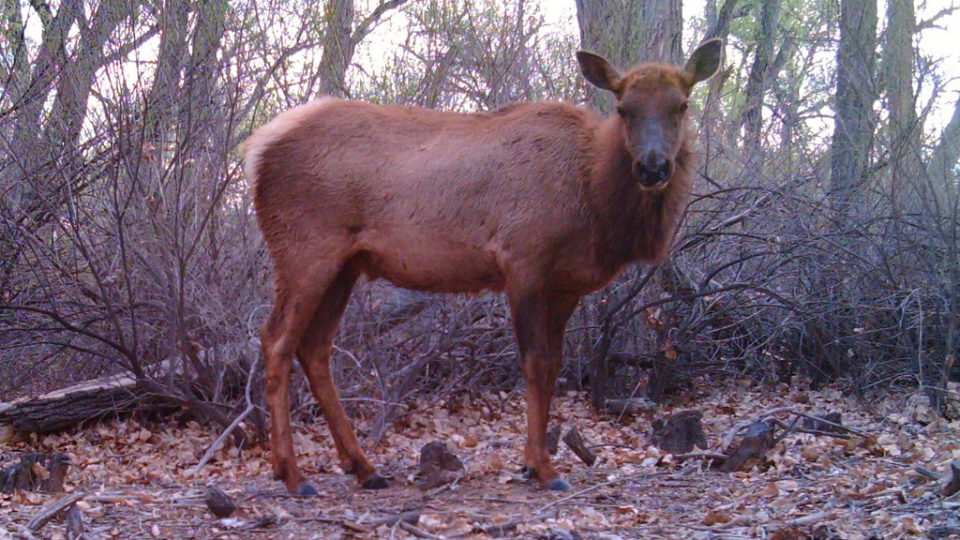
Researchers from the University of Wyoming have developed a computer model that can identify wild animals in camera-trap photographs with remarkable accuracy and efficiency.

This breakthrough in artificial intelligence (AI), detailed in a paper recently published in the scientific journal Methods in Ecology and Evolution, represents a significant advancement in the study and conservation of wildlife. According to the paper’s authors, “the ability to rapidly identify millions of images from camera traps can fundamentally change the way ecologists design and implement wildlife studies.”

This study builds on previous research from the university in which a computer model analyzed 3.2 million images captured by camera traps in Africa.  The A-I technique called deep learning categorized animal images at a 96.6% accuracy rate.  This was the same accuracy rate as teams of human volunteers achieved, but the computer model worked at a much more rapid pace. 

In the latest study, UW researchers trained a deep neural network on a powerful computer cluster to classify wildlife species using 3.37 million camera-trap images of 27 different animal species.  The model was tested on nearly 375,000 images at a rate of about 2,000 images per minute. It achieved a 97.6% accuracy rate, which is likely the highest accuracy to date in using machine learning for wildlife image classification. 

Artificial intelligence has been used in environmental science in other ways as well. For example, AI has been used to increase agricultural yields in farm fields and to help predict extreme weather. 

Maybe artificial intelligence can prove to be a game changer for the environment.   


**********

Web Links

Researchers Successfully Train Computers to Identify Animals in Photos

Photo, posted January 8, 2012, courtesy of the U.S. Fish and Wildlife Service via Flickr. 

Earth Wise is a production of WAMC Northeast Public Radio.

Falling Behind On Climate Goals

December 24, 2018 By EarthWise Leave a Comment

https://earthwiseradio.org/wp-content/uploads/2018/12/EW-12-24-18-Falling-Behind-on-Climate-Goals.mp3

A series of reports from both the US Government and from the United Nations has underlined the dangers presented by the increasing effects of climate change.  To date, national commitments to reduce emissions have come up short.

[Read more…] about Falling Behind On Climate Goals

Fighting Hunger With A Shrub

December 20, 2018 By EarthWise Leave a Comment

https://earthwiseradio.org/wp-content/uploads/2018/12/EW-12-20-18-Fighting-Hunger-with-a-Shrub.mp3

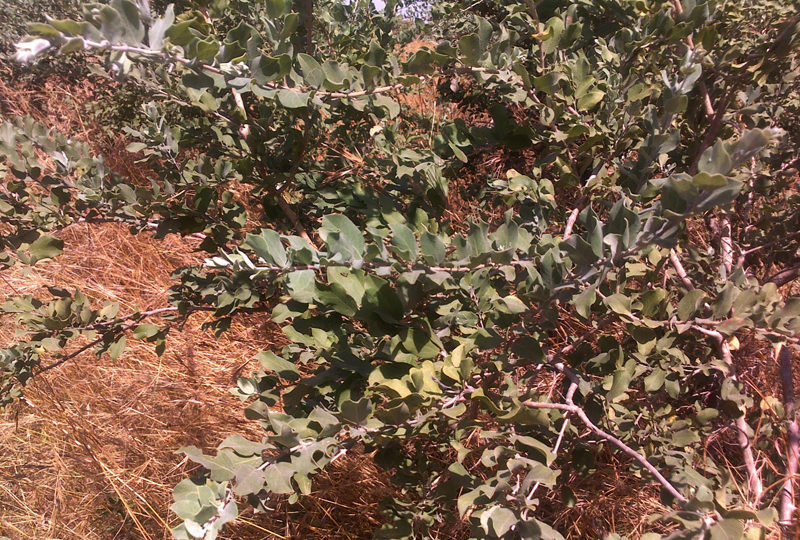
A recent study has revealed that a tough, woody shrub that grows throughout Western Africa can actually share its water with adjacent cultivated plants and boost grain production.

[Read more…] about Fighting Hunger With A Shrub

  • « Go to Previous Page
  • Page 1
  • Interim pages omitted …
  • Page 78
  • Page 79
  • Page 80
  • Page 81
  • Page 82
  • Interim pages omitted …
  • Page 91
  • Go to Next Page »

Primary Sidebar

Recent Episodes

  • An uninsurable future
  • Clean energy and jobs
  • Insect declines in remote regions
  • Fossil fuel producing nations ignoring climate goals
  • Trouble for clownfishes

WAMC Northeast Public Radio

WAMC/Northeast Public Radio is a regional public radio network serving parts of seven northeastern states (more...)

Copyright © 2026 ·