• Skip to primary navigation
  • Skip to main content
  • Skip to primary sidebar

Earth Wise

A look at our changing environment.

  • Home
  • About Earth Wise
  • Where to Listen
  • All Articles
  • Show Search
Hide Search
You are here: Home / Archives for eating

eating

Climate change and hunger

July 14, 2025 By EarthWise Leave a Comment

Climate change is harder and more expensive to produce food

Worldwide, people are producing more food than ever, but most of that production is concentrated into only a handful of places.  For example, fully one third of the world’s wheat and barley exports come from Ukraine and Russia.  Across the globe, several major crop-growing regions, including some in the United States, are heading towards sharp drops in harvests as a result of climate change.

These forthcoming changes are not only bad news for farmers, but they are also bad news for everyone who eats.  According to a new study published in the journal Nature, it is going to become harder and more expensive to feed a more crowded and hungrier world.

Specifically, under a moderate greenhouse gas emissions scenario, six key staple crops will see an 11.2% decline by the end of the century, compared to a world without warming.  The largest drops won’t be in the poorer, more marginal farmlands, but rather in places that are major food producers.  These are places like the US Midwest that has long benefited by having both good soil and ideal weather for raising crops like corn and soy.

When the weather is not ideal, it can drastically reduce agricultural productivity.  Extreme weather in many places has already damaged crops.  Flooding has destroyed rice in Tajikistan, cucumbers in Spain, and bananas in Australia.  Severe storms in the US this spring caused millions of dollars’ worth of damage to crops.

As the climate changes, rising average temperatures and changing rainfall patterns are likely to diminish yields and extreme weather events like droughts and floods could wipe out harvests more often.  As climate change intensifies, agriculture is the most weather-affected sector of the economy.

**********

Web Links

How climate change will worsen hunger

Photo, posted may 20, 2011, courtesy of Lance Cheung / USDA via Flickr.

Earth Wise is a production of WAMC Northeast Public Radio

Extending the shelf life of produce

July 10, 2025 By EarthWise Leave a Comment

More than 30% of the world’s food is lost after it has been harvested.  That’s enough to feed more than a billion people.  Much of that loss is fruits and vegetables that go bad before they can be eaten.

Refrigeration is the most common way to preserve foods, but the energy and infrastructure required is not always available, especially in less affluent regions of the world.

Researchers at MIT and Singapore-based collaborators have demonstrated that they can extend the shelf life of harvested plants by injecting them with melatonin using biodegradable microneedles.

Silk microneedles are tiny, nontoxic, and biodegradable and represent a means of delivering nutrients to plants without triggering a stress response.

Melatonin is a natural hormone that plants already use.  Injecting it was shown to extend vegetables’ shelf life.  The tests used pak choy, an important Asian crop that is very perishable.  Untreated plants at room temperature yellowed within two or three days.  In contrast, treated plants stayed green for five days.  Overall, treated plants retained saleable value for 8 days.  Refrigerated plants had their shelf life extended considerably as well.  However, the most significant value of the technique is that it could enhance the shelf life of perishable produce like pak choy without needing access to refrigeration.

The dose of melatonin delivered to the plants is so low that it is fully metabolized by the crops, so it would not significantly increase the amount normally present in the food.  People would not ingest more melatonin than usual.  The researchers believe that their technique should work with all kinds of produce.

**********

Web Links

A new technology for extending the shelf life of produce

Photo, posted May 6, 2010, courtesy of Jessica Spengler via Flickr.

Earth Wise is a production of WAMC Northeast Public Radio
Dark chocolate is not so dangerous

July 15, 2024 By EarthWise Leave a Comment

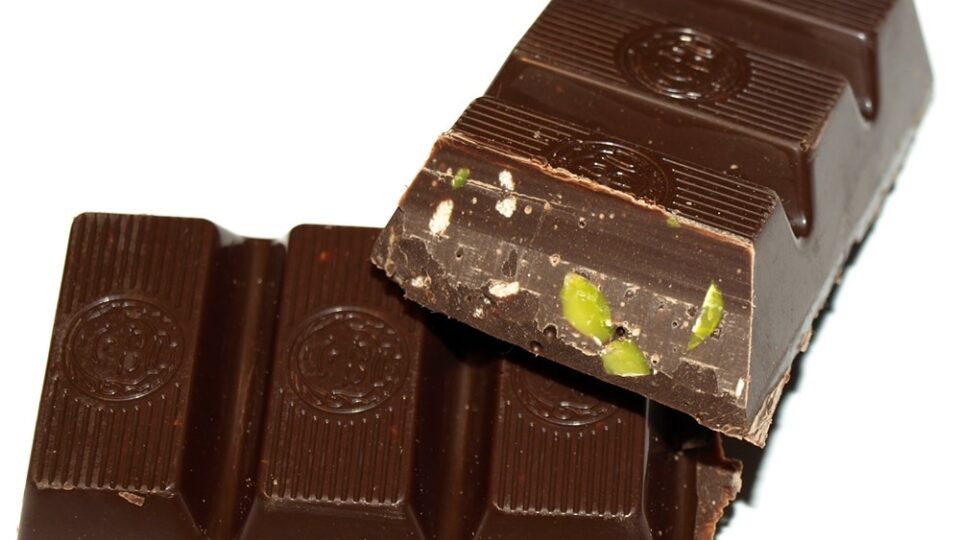
dark chocolate does not seem so dangerous after all

Last year, Consumer Reports published a story stating that a third of chocolate products contain potentially dangerous amounts of heavy metals, in particular lead and cadmium. Since it contains much more cacao, dark chocolate was singled out as the most worrisome product.  Needless to say, chocolate lovers found this report quite alarming.

A new study by Tulane University published in Food Research International employed a larger sample size, expanded the scope of testing to 16 metals, and included a risk assessment of toxic metals as well as accounted for the nutritional contribution of essential minerals.

The conclusions of the study were that dark chocolate poses no adverse risk for adults and contains nutritionally beneficial levels of essential minerals.  Some risks remain for very young children, but only from a very small number of chocolate products and only when large quantities are consumed.

The study sampled 155 dark and milk chocolates from various global brands sold in the United States.  It modeled the risk of eating one ounce of the chocolate per day or two large whole bars a week.

Only one brand exceeded the international limit for cadmium; four had cadmium levels that could pose a risk for a child weighing less than 33 pounds.  Only two bars contained lead levels above California interim standard, but neither posed adverse risks for anyone.

Lead in chocolate comes from post-harvest processing; cadmium comes from the soil.  South American chocolates generally have higher levels of metals than chocolates from Asia and West Africa.  Most dark chocolate in the U.S. is sourced from West Africa.

**********

Web Links

A dark side to dark chocolate? New study finds very minimal risk for kids from metals in chocolates

Photo, posted February 19, 2012, courtesy of Bodo via Flickr.

Earth Wise is a production of WAMC Northeast Public Radio
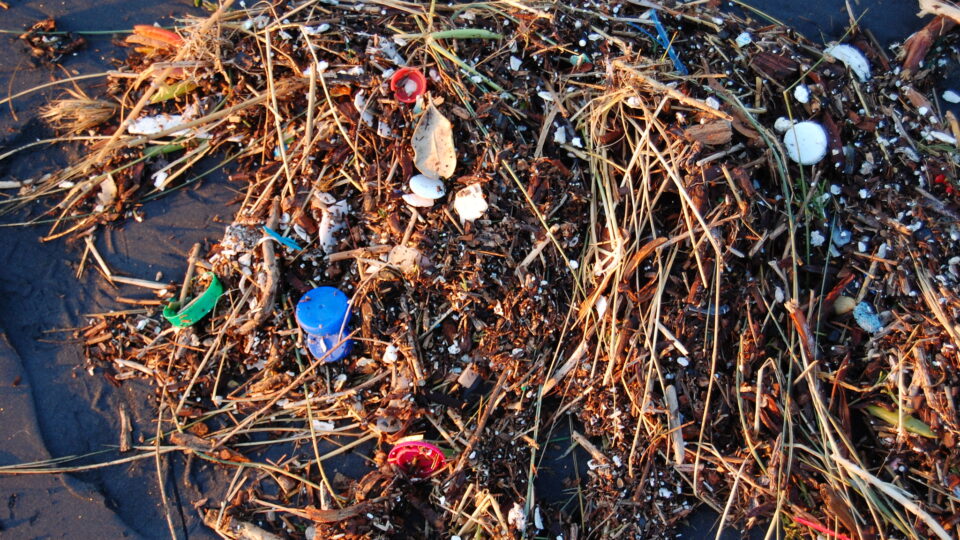
Plastic Eating Fungus | Earth Wise

May 26, 2023 By EarthWise Leave a Comment

Researchers exploring the use of fungi to break down plastic

More than five billion tons of plastic have accumulated on land and sea including the most remote regions of the planet as well as in the bodies of animals and humans.  There is a compelling need to recycle as much plastic as possible but doing so is a major challenge. Plastic comes in many varieties and breaking it down for reuse requires different methods for each.

Polypropylene is one of the biggest challenges for recycling.  It is a very common plastic used for all sorts of products including food containers, coat hangers, plastic wrap, toys, and much more. It accounts for roughly 28% of the world’s plastic waste, but only 1% of it is recycled.

Polypropylene is seldom recycled because it generally has a short life as a packaging material, and it often becomes contaminated by other materials and plastics.  Thus, it generally ends up in landfills.

Researchers at the University of Sydney in Australia have discovered that two common strains of fungi were able to successfully biodegrade polypropylene.  The fungi species – with unavoidable Latin names of Aspergillus terreus and Engyodontium album – are typically found in soil and plants.

The researchers found that the fungi were able to break down polypropylene after it had been pre-treated with either UV light or heat, by 21% over 30 days, and by 25-27% over 90 days.  This seems rather slow but compared with the nearly endless life of polypropylene in landfills, it is a major improvement.

The hope is that methods like this could ultimately reduce the amount of plastic polluting the environment by encouraging plastic to biodegrade naturally under the appropriate conditions.

**********

Web Links

Fungi makes meal of hard to recycle plastic

Photo, posted March 5, 2010, courtesy of Kevin Krejci via Flickr.

Earth Wise is a production of WAMC Northeast Public Radio
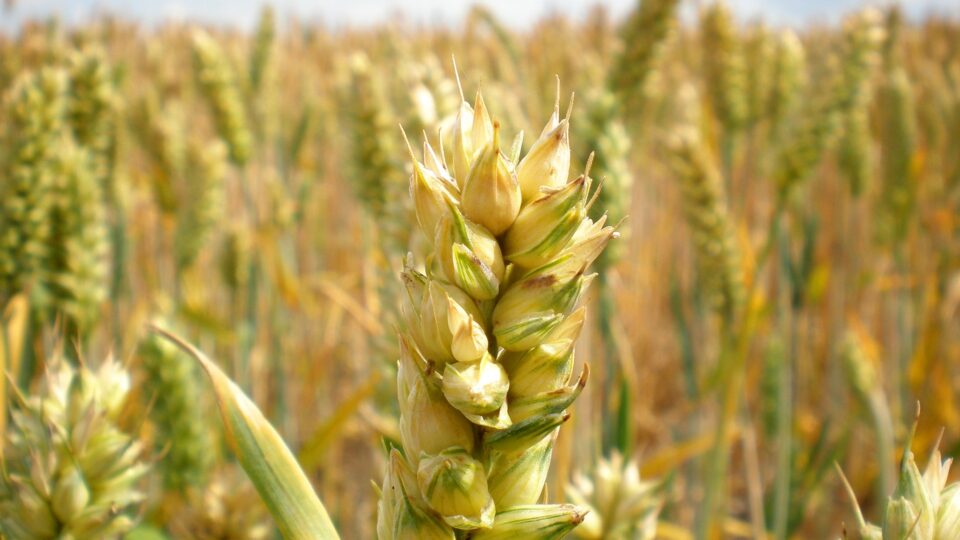
A Growing Threat To Wheat | Earth Wise

January 27, 2023 By EarthWise Leave a Comment

A growing threat to wheat threatens crop price and global food security

Wheat is one of the most widely-grown crops in the world and plays a major role in human nutrition.  In fact, wheat contributes approximately 20% of the protein and 20% of the calories consumed by humans globally.  It is grown on every continent except Antarctica.  

But wheat is under growing attacks from harmful toxins.  According to a new study by researchers from the University of Bath and the University of Exeter in the U.K., almost half of wheat crops across Europe are impacted by the fungal infection that gives rise to mycotoxins.

Mycotoxins are naturally occurring toxins produced by the fungus that causes Fusarium Head Blight.  Fusarium Head Blight is a disease that affects wheat and other grains growing in the field. Eating products contaminated with mycotoxins can cause sickness in humans and livestock, including vomiting and other gastrointestinal problems.

In the study, the research team examined 10 years of government and agribusiness data, which tracked Fusarium mycotoxins in wheat entering the food and animal supply chains across Europe and the U.K.  Half of the wheat intended for human food in Europe contained the Fusarium mycotoxin.  In the UK, 70% of wheat was contaminated.

Governments set legal limits on mycotoxin contamination levels in wheat that is to be consumed by humans. But with the ubiquitous nature of these mycotoxins, the effect of constant, low-level exposure in the diet over the course of a lifetime is not known. 

With climate change and the war in Ukraine already impacting both wheat yield and price, preventing toxin contamination is critical to help maintain a stable crop price and to protect global good security. 

**********

Web Links

Harmful fungal toxins in wheat: a growing threat across Europe

Photo, posted July 11, 2011, courtesy of Maria Keays via Flickr.

Earth Wise is a production of WAMC Northeast Public Radio.

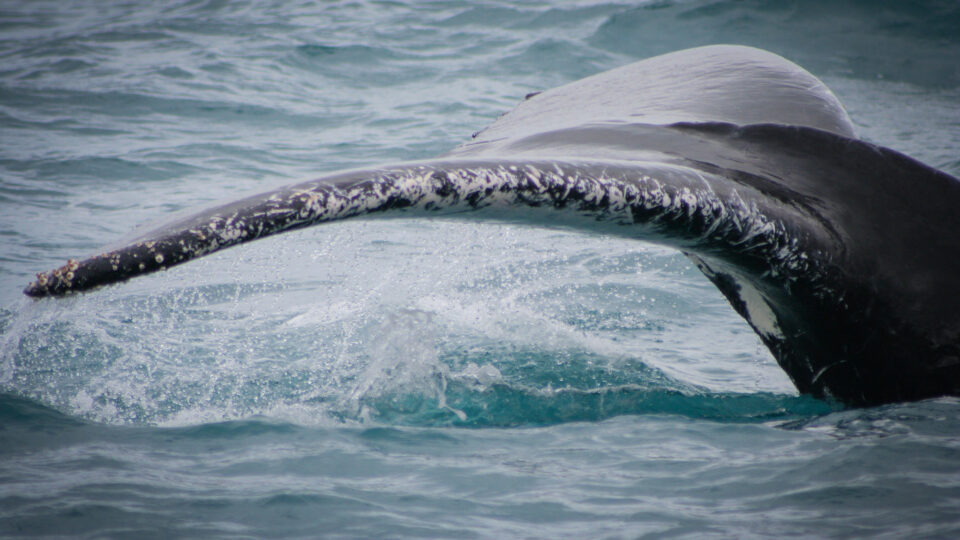
Whales Eating Plastic | Earth Wise

December 1, 2022 By EarthWise Leave a Comment

Whales are eating lots of plastic

Plastic waste has been accumulating in the world’s oceans in greater and greater quantities and much of it is in the form of microplastic particles.  Many kinds of whales – the largest creatures on Earth – feed by gulping up mouthfuls of krill and other tiny creatures and then straining the seawater through bristly filter structures called baleens.  As they do this, they are likely to be swallowing large amounts of plastic.

Scientists at Stanford University recently estimated just how much plastic whales are ingesting by tracking the foraging behavior of 65 humpback whales, 29 fin whales, and 126 blue whales in the Pacific Ocean.  Each of the whales was tagged with a camera, microphone, and GPS device suction-cupped to their back.

After accounting for the concentration of microplastics in parts of the Pacific Ocean, the researchers were able to estimate the amount of plastic the whales were consuming.  Humpback whales likely consume 4 million microplastic pieces each day, adding up to about 38 pounds of plastic waste.  Fin whales swallow an estimated 6 million pieces each – amounting to 57 pounds of plastic.  Blue whales, which are the largest creatures on Earth, eat an estimated 10 million microplastic pieces, or as much as 95 pounds of plastic waste each day.

Despite their enormous size, whales actually eat rather low on the food chain, which puts them close to where the plastic is in the water.   Krill eats plastic and whales eat the krill.   Many marine animals are at risk of eating microplastics, but whales are unique in that they can consume so much of it.  It is just one more way in which the ocean plastic situation is a global crisis.

**********

Web Links

Blue Whales Swallowing 95 Pounds of Plastic Daily, Scientists Estimate

Photo, posted October 21, 2005, courtesy of Tobias Begemann via Flickr.

Earth Wise is a production of WAMC Northeast Public Radio
Eating To Help The Planet | Earth Wise

November 30, 2021 By EarthWise Leave a Comment

Agriculture accounts for more carbon dioxide emissions than transportation.  Producing our food is one of the largest contributors to climate change.   Experts agree that the world cannot achieve net zero emission targets without changing our diets.  Be that as it may, we still have to eat. 

According to experts from Oxford University, there are things we as individuals can do to lower the impact of the food system on the climate.

There are three primary actions that would have the greatest impact: avoiding eating too much, cutting down on food waste, and reducing consumption of meat and dairy.

We all know that overeating is bad for our health, but it is also bad for the environment as it drives excess production and the emissions associated with it.

Food waste occurs across the supply chain but much of it is in the hands of consumers.  Food waste costs us a lot of money and is associated with emissions that are ultimately unnecessary.  The goal of the consumer should be to buy only the food one needs and to eat what one buys.

Meats, particularly from ruminant animals, result in the highest emissions per pound of food compared with vegetables, grains, and such.  Some people have given up animal proteins entirely, but properly managed livestock are an important part of the agricultural ecosystem and provide valuable services including enhancing the carbon sequestering ability of grasslands.  Nevertheless, it is important to reduce the global demand for meat and thereby prevent the need to clear more land for livestock and reduce emissions from meat animals.  So, we should all eat less meat and dairy even if we don’t become vegetarians.

**********

Web Links

How can we eat without cooking the planet?

Photo, posted September 17, 2017, courtesy of Ella Olsson via Flickr.

Earth Wise is a production of WAMC Northeast Public Radio.

Carnivores Eating Human Food | Earth Wise

December 1, 2020 By EarthWise Leave a Comment

Carnivores increasingly relying on humans for food

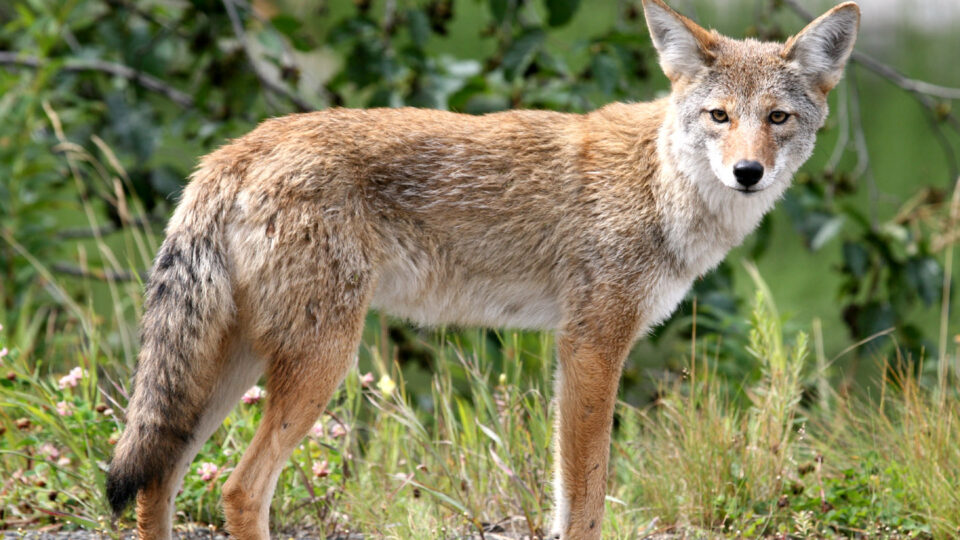
A recent study by ecologists at the University of Wisconsin-Madison has found that carnivores living near people often get more than half of their diets from human food sources rather than from their traditional prey.  This represents a major lifestyle disruption that puts North America’s carnivore-dominated ecosystems at risk.

The researchers studied the diets of seven predator species across the Great Lakes region using bone and fur samples taken from animals from areas as remote as national parks to metropolitan areas including Albany, New York.  What they found – unsurprisingly – is that the closer carnivores lived to cities and farms, the more human food they ate.  Dietary contributions of human food varied with species, but on average was more than 25% in most human-altered habitats.

The researchers studied the diets of carnivores like bobcats, coyotes, red and gray foxes, fishers, and American martens by chemical analysis of samples from Minnesota, Wisconsin, upstate New York, and the Upper Peninsula of Michigan.  The diets of the animals could be analyzed on the basis of the carbon content of bone and fur samples.  Human food, heavy in corn and sugar, lends these samples a distinctive carbon isotope signature.  In contrast, prey species confer their own carbon signatures.  The ratio of these isotope fingerprints provides information on the proportion of an animal’s diet that came from human sources.

Relying upon human food increases how much carnivores overlap one another in their competition for food.  Compared to when these predators vie for distinct prey, there can be more conflicts between animals.  Changing how a species gets their food can have far-ranging effects on ecosystems.

**********

Web Links

Carnivores living near people feast on human food, threatening ecosystems

Photo, posted August 18, 2007, courtesy of Jitze Couperus via Flickr.

Earth Wise is a production of WAMC Northeast Public Radio.

Methane-Eating Bacteria And Greenhouse Gas Emissions | Earth Wise

May 20, 2020 By EarthWise Leave a Comment

greenhouse gas emissions

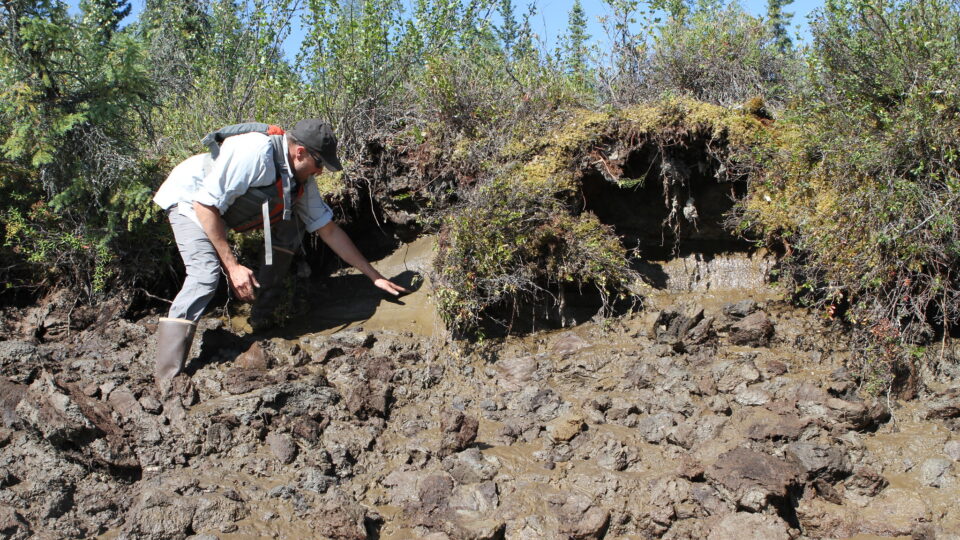
One of the great concerns about the warming Arctic temperatures is that thawing permafrost will release alarming amounts of methane into the atmosphere.  Organic material in the permafrost begins to decompose when temperatures rise, and methane is released in the process.

Methane is a far more potent greenhouse gas than carbon dioxide.  Methane’s lifetime in the atmosphere is much shorter than carbon dioxide, but it is more efficient at trapping radiation.  Pound for pound, the comparative impact of methane is more than 25 times greater than carbon dioxide.

A new study, published by scientists at Purdue University, has discovered a type of methane-oxidizing bacteria living in upland Arctic soils that could potentially be reducing the amount of methane emitted by decomposing permafrost.

The findings of the research indicate that the net greenhouse gas emissions from the Arctic may be much smaller than previously modeled because of the increased productivity of a type of bacteria known as high affinity methanotrophs, or HAMs.  This group of bacteria uses atmospheric methane as an energy source.  The emissions from wetlands will potentially be very large, but the contribution from the uplands will be mitigated by the bacteria.

Organic-rich soils, including permafrost, comprise only 13% of the Arctic land area and are the major source of methane emissions.  The other 87% of the region is dominated by mineral-rich soils that support HAMs.  Because of this, overall methane emissions continue to be less than climate models have predicted.

While this is good news, the researchers warn that Arctic emissions overall will continue to increase as shown in other studies.

**********

Web Links

Methane-Eating Bacteria Could Help Decrease Greenhouse Gas Emissions From Thawing Arctic Tundra

Photo, posted July 12, 2016, courtesy of Flickr.

Earth Wise is a production of WAMC Northeast Public Radio.

Plastic-Eating Mushrooms

September 11, 2019 By EarthWise 2 Comments

Plastic waste has become one of the most pressing environmental issues in the world.  Whether it is about drinking straws, grocery bags, or six-pack rings, getting rid of plastic items in the waste stream is a major focus of attention for more and more people.

Al mismo tiempo, cerca del 35% de los que tomaron Vyleesi sintieron una disminución de la atracción. Además, alrededor del 40% de los participantes en el ensayo clínico sintieron náuseas después de inyectarse Vyleesi, y el 13% tuvo náuseas masculinafuerte.com lo suficientemente graves como para requerir medicación. Los efectos secundarios incluían el oscurecimiento de las encías y la piel, especialmente en la cara y el pecho. Sin embargo, sólo se observó en el 1% de los pacientes.

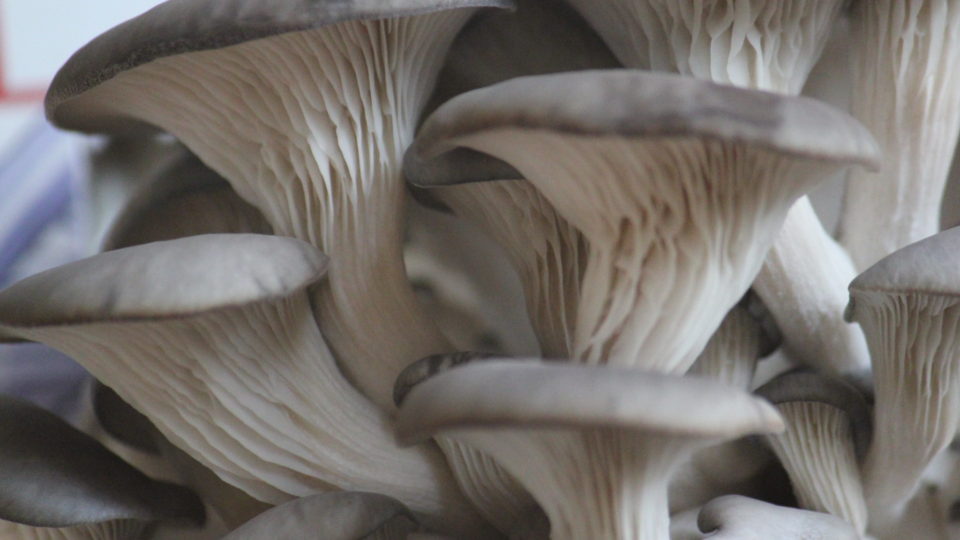
A really promising way to deal with all the plastic ending up in landfills has grown out of research that was being conducted in the Amazon rain forest in 2012.  Back then, a group of students from Yale University discovered a fungus that eats only polyurethane.  It is a mushroom known as Pestalotiopsis microspore and it not only can survive exclusively on the plastic, but it can do it in anaerobic (that is, oxygen-free) environments.  Thus, these plastic-eating mushrooms could potentially thrive at the bottom of landfills.

More recently, other studies have identified additional mushroom species that can eat plastic.  Some of them are common, such as the oyster mushroom, which itself is edible.  In 2018, the first ever State of the World’s Fungi symposium took place in London.  The event focused on multiple applications for mushrooms, including their use as building materials, their ability to remove pollutants from soil, and their capacity to enable the conversion of waste into biofuels.

Under controlled conditions, it takes just a few weeks for plastic-eating mushrooms to start breaking down plastics.  After a few months, all that is left are puffy white mushrooms which, even if they are not used for anything themselves, can be composted and turned into soil.

So far, there has been relatively little exploitation of mushrooms for improving the environment, but they may well be a big help in dealing with the growing problem of plastic waste.

**********

Web Links

Scientists discovered a mushroom that eats plastic, and believe it could clean our landfills

Photo, posted August 12, 2014, courtesy of Tim Sheerman-Chase via Flickr.

Earth Wise is a production of WAMC Northeast Public Radio.

We’re Still Eating The Wrong Things

August 23, 2019 By EarthWise 1 Comment

A new study published in the Journal of the Academy of Nutrition and Dietetics has found that despite efforts to increase public awareness of health issues related to diet, the amount of processed meat consumed by Americans has remained unchanged in the past 18 years.  Furthermore, our intake of fish and shellfish has not increased.  One quarter of US adults are still eating more unprocessed read meat than the recommended level, and less than 15% meet the current guidelines for fish and shellfish consumption.

About the only positive note is that Americans are eating less beef and more chicken than they did 18 years ago and, in fact, for the first time, the consumption of poultry exceeds that of unprocessed red meat.

Accumulating evidence has linked excessive consumption of processed meat to increased risk of obesity, diabetes, cardiovascular diseases, and some cancers.  The study’s authors speculate that public awareness of these linkages is not widespread enough to affect change and, in any case, factors other than health – social, cultural, and economic – have greater influence over Americans’ food choices.  The top five consumed processed meats are luncheon meat, sausage, hot dogs, ham, and bacon.

The low consumption of fish and shellfish among U.S. adults could be due to high retail prices, lack of awareness of the health benefits, and concerns about mercury contamination in certain types of fish.

Future research is needed to identify barriers to reducing processed meat consumption and increased seafood consumption.  Policies such as nutrition quality standards, excise taxes, health warning labels, and other interventions need to be explored.

**********

Web Links

Americans still eat too much processed meat and too little fish

Photo, posted January 28, 2014, courtesy of Flickr.

Earth Wise is a production of WAMC Northeast Public Radio.

Elephant Losses Imperil Forests

April 20, 2018 By EarthWise Leave a Comment

https://earthwiseradio.org/wp-content/uploads/2018/04/EW-04-20-18-Elephant-Losses-Imperil-Forests.mp3

Poaching and habitat loss have reduced Central African elephant populations by 63% since 2001.  These losses not only pose dire consequences for the elephants themselves but also for the forests in which they live.

[Read more…] about Elephant Losses Imperil Forests

Crocodiles And Climate Change

January 25, 2016 By WAMC WEB

https://earthwiseradio.org/wp-content/uploads/2016/01/EW-01-25-16-Crocs-and-Climate-Change.mp3

Crocodiles are large aquatic reptiles that live throughout the tropics in Asia, Africa, the Americas, and Australia.  The first crocodiles appeared approximately 240 million years ago – around the same time as dinosaurs.  And while the resilient species did survive the last great extinction, crocodiles might not be climate change-proof after all. 

[Read more…] about Crocodiles And Climate Change

Primary Sidebar

Recent Episodes

  • An uninsurable future
  • Clean energy and jobs
  • Insect declines in remote regions
  • Fossil fuel producing nations ignoring climate goals
  • Trouble for clownfishes

WAMC Northeast Public Radio

WAMC/Northeast Public Radio is a regional public radio network serving parts of seven northeastern states (more...)

Copyright © 2026 ·