• Skip to primary navigation
  • Skip to main content
  • Skip to primary sidebar

Earth Wise

A look at our changing environment.

  • Home
  • About Earth Wise
  • Where to Listen
  • All Articles
  • Show Search
Hide Search
You are here: Home / Archives for development

development

Offshore wind in Massachusetts

February 1, 2024 By EarthWise Leave a Comment

Offshore wind power in the United States at last

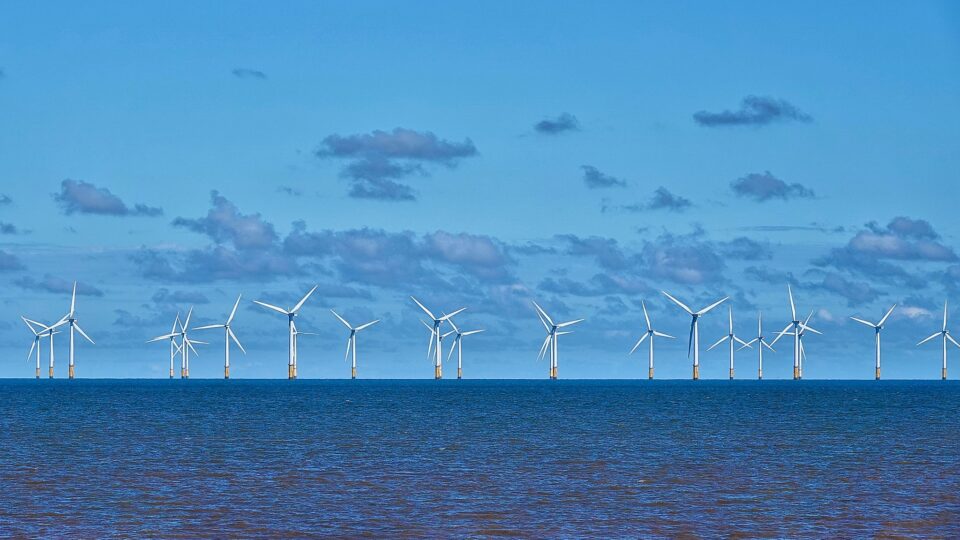
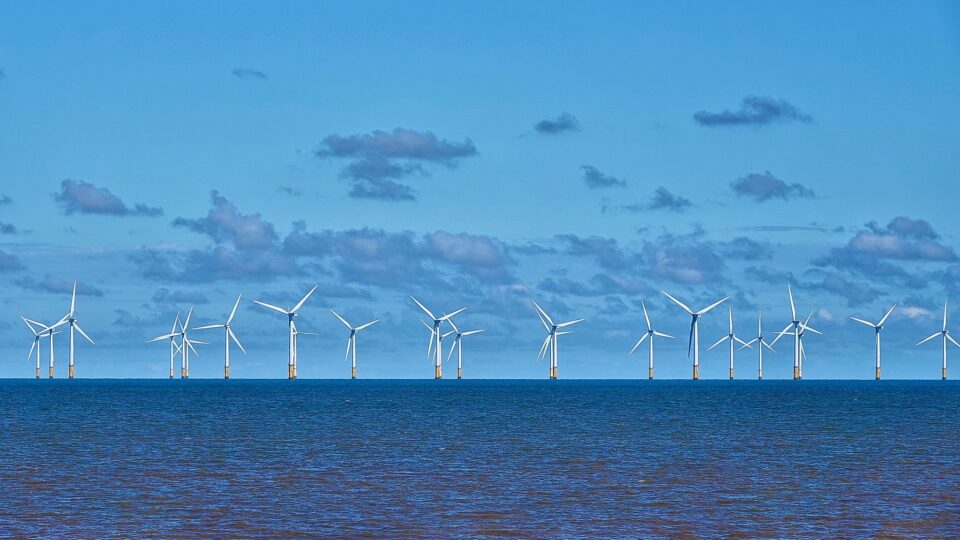
On January 2nd, the first large offshore wind farm in New England started producing electricity when its first turbine came online.  The Vineyard Wind project, located off the coast of Martha’s Vineyard, will by the end of the year have a total of 62 turbines with a capacity of 800 megawatts, enough electricity to power 400,000 homes.

Power finally flowing from Vineyard Wind is an important milestone for an industry that has struggled to get going.  It is the second utility-scale offshore wind farm in the U.S. to begin generating electricity.  The South Fork Wind project off the coast of New York began producing power in December.  That project will eventually produce 132 megawatts of electric power.

The offshore wind industry in the U.S. has faced some difficulties in recent times.  A combination of rising costs, high interest rates, supply chain delays, and incidents of local opposition have created headwinds.  Developers for several large planned windfarms in the northeast have terminated contracts because of inflation and high interest rates.  The second phase of Empire Wind, located southeast of Long Island, has been at least temporarily shelved awaiting more favorable contract terms.

To fight climate change, many Eastern states are hoping to install dozens of large wind farms in the Atlantic that can generate electricity without emitting greenhouse gases.  But as a result of the recent project cancellations, analysts are now projecting that U.S. offshore wind capacity in 2030 will likely be about a third less than previously predicted.

So far, the United States remains far behind Europe, which has already installed more than 32,000 megawatts of wind capacity in its waters.

**********

Web Links

Massachusetts Switches On Its First Large Offshore Wind Farm

Photo, posted August 31, 2022, courtesy of Nina Ali via Flickr.

Earth Wise is a production of WAMC Northeast Public Radio
Attack of the giant goldfish

January 15, 2024 By EarthWise Leave a Comment

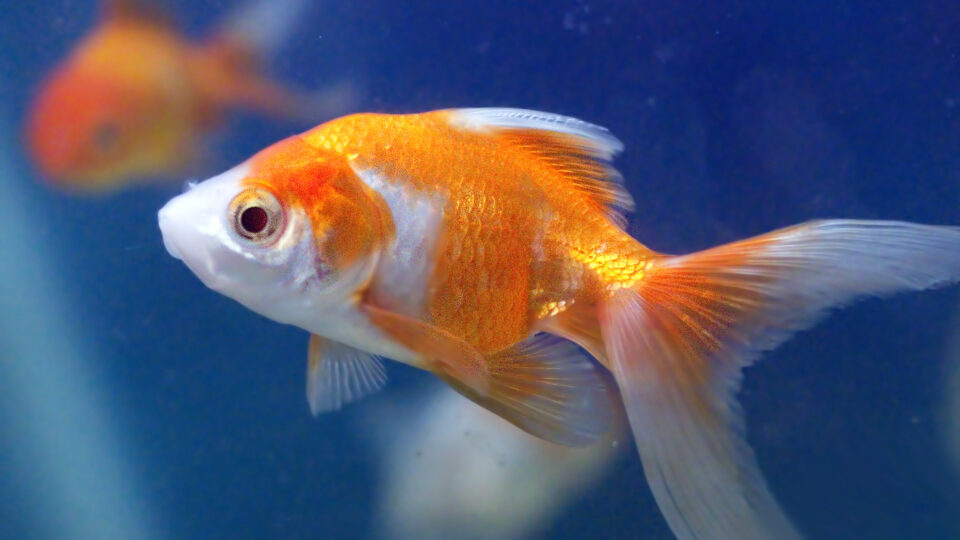
Giant goldfish are an invasive species

Goldfish are just about the easiest pets to keep.  A species of carp native to East Asia, they have been bred to look pretty and are generally little more than home décor.  We keep them in little glass bowls and feed them mysterious flakes out of a container.  With these confined quarters and meager meals, they remain small, harmless creatures.  But released into the wild, it is a very different story.

People dump pet goldfish into lakes and ponds with some frequency.  Once they are in the wild, these humble creatures can grow to monstrous proportions.  They can eat nearly anything, including algae, aquatic plants, eggs, and invertebrates.  They can kill off native marine wildlife and damage or even destroy fragile and economically valuable ecosystems.

For a few years, Canadian researchers have been tracking invasive goldfish in Hamilton Harbour, at the western tip of Lake Ontario, about 35 miles southwest of Toronto.  That part of the lake has been decimated by industrial and urban development as well as by invasive species.

Goldfish were first spotted in the harbor in the 1960s, mostly died off in the 70s because of industrial contamination, but then recovered in the 2000s.  Goldfish can tolerate a wide range of water temperatures, reach sexual maturity quickly, and can reproduce several times in one season.  In resource-rich places, they can grow up to 16 inches long, making them too large a meal for many predators.

There are literally millions of goldfish in the Great Lakes and not only there.  Feral goldfish are a problem in Australia and in the United Kingdom.  Invasive species are a big problem, even if they start out small and cute.

**********

Web Links

Once They Were Pets. Now Giant Goldfish Are Menacing the Great Lakes.

Photo, posted September 20, 2015, courtesy of Watts via Flickr.

Earth Wise is a production of WAMC Northeast Public Radio

Tracking down PFAS toxins

December 5, 2023 By EarthWise Leave a Comment

PFAS – per- and polyfluoralkyl substances – are a group of organic compounds that have been extensively used to provide water-, oil-, and dirt-resistance to a wide range of products ranging from non-stick pans, clothing, and packaging to paint, car polish, and fire-suppressant foam.  Exposure to specific PFAS compounds is associated with multiple adverse health effects, including altered immune and thyroid function, liver disease, kidney disease, poor reproductive and developmental outcomes, and cancer.  PFAS compounds do not break down in the environment and therefore, over time, become concentrated in plants, animals, and people.

Government agencies such as the EPA in this country and the EU have set strict limits for allowable levels of PFAS in drinking water.  Testing water for the trace amounts of PFAS that constitute the limits is time-consuming and expensive and requires complex equipment and experienced personnel.

Researchers at MIT have now introduced a technique for making a portable, inexpensive test that can easily and selectively detect PFAS in water samples.  The test makes use of a special polymer containing fluorinated dye molecules that cause the polymer to fluoresce red.  If PFAS are present in the sample, they enter the polymer and displace the dye molecules and switches off the red fluorescence. 

The new technique is suitable for on-site detection in highly contaminated regions.  Detecting smaller concentrations can be achieved with sufficient precision after pre-concentrating the samples using the process of solid-phase extraction.

**********

Web Links

Tracking down Environmental Toxins

Photo, posted October 16, 2021, courtesy of Nenad Stojkovic via Flickr.

Earth Wise is a production of WAMC Northeast Public Radio

Enhanced Geothermal Energy | Earth Wise

October 17, 2023 By EarthWise Leave a Comment

Enhanced geothermal energy

Steam produced by underground heat is an excellent source of clean energy.  In a few fortunate places around the world – notably Iceland and New Zealand – people have been using this source of power for more than a century.   In the U.S., a few places in the West have access to geothermal energy, and thus it provides roughly half-a-percent of the total U.S. power supply.

There is no shortage of underground heat but tapping into it is not so easy.  Enhanced geothermal energy refers to drilling down to where the rock is hot and injecting water to be heated and thereby provide steam that is then used to generate electricity.  According to the Department of Energy, there is enough energy in the rocks below the surface of the US to power the entire country five times over.

Recently, in northern Nevada, a company called Fervo Energy successfully operated an enhanced geothermal system called Project Red that generated 3.5 megawatts of clean electricity, the largest enhanced geothermal plant ever demonstrated.

There are now multiple start-up companies pursuing enhanced geothermal energy and the reason is somewhat ironic.  Much of the research and development needed for new geothermal technologies has already been done by the oil and gas industry for their own purposes  – notably fracking.  Those industries have gotten extremely skilled at drilling into rock and such skills are what are needed for enhanced geothermal technology.

Enhanced geothermal faces some of the same challenges as drilling for gas, such as intensive water use and potential triggering of earthquakes.  There are also issues related to permitting.  But the urgent need for more sources of clean energy has made enhanced geothermal energy a potentially very valuable addition to our energy portfolio.

**********

Web Links

Enhanced Geothermal Could Be A Missing Piece Of America’s Climate Puzzle

Photo, posted October 12, 2022, courtesy of David Stanley via Flickr.

Earth Wise is a production of WAMC Northeast Public Radio

Protecting The Amazon Rainforest | Earth Wise

September 5, 2023 By EarthWise Leave a Comment

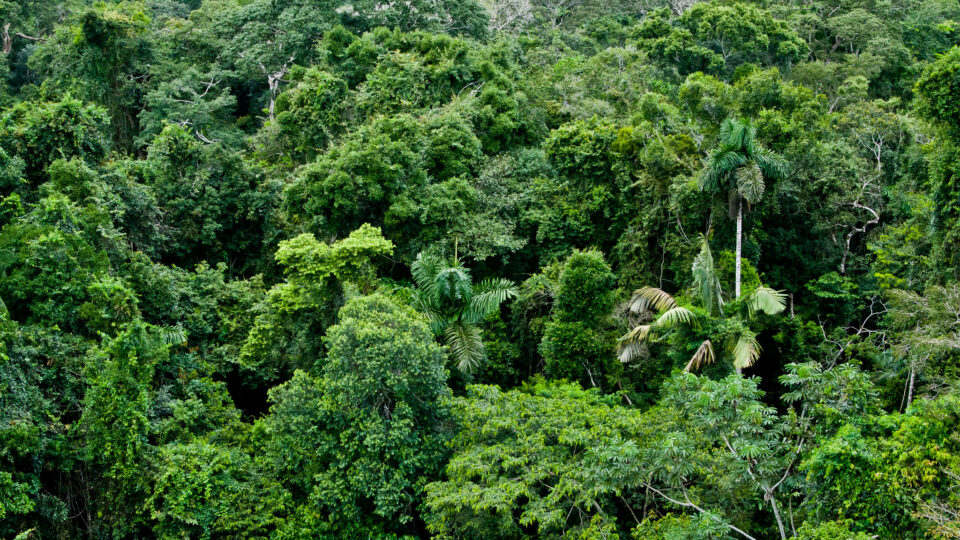
The Amazon rainforest absorbs one-fourth of all the carbon dioxide absorbed by the land of the Earth.  It is by far the world’s largest rainforest, bigger than the next two largest – in the Congo Basin and Indonesia – combined.  Nearly two-thirds of it is found in Brazil but the more than 2 million square miles of rainforest includes portions in 8 countries.

The amount of carbon dioxide absorbed by the Amazon rainforest is 30% less today than it was in the 1990s as a result of deforestation, to a great extent driven by cattle ranching as well as other agricultural activities.

In early August, the leaders of the eight countries that are home to the Amazon River basin agreed to work together to conserve the rainforest.  The agreement, called the Belém Declaration, provides a roadmap to stave off the rampant deforestation. 

The agreement provides coordination between the countries of Bolivia, Brazil, Colombia, Ecuador, Guyana, Peru, Suriname, and Venezuela to establish law enforcement to combat illegal mining and logging as well as to pool development funds for conservation and sustainable employment.  Despite the unity portrayed at the meeting, many of the governments in South America are in a precarious position because of various economic and political struggles

Apart from its critical climate impact, the Amazon rainforest is a haven for biodiversity and further deforestation would be disastrous for tens of thousands of species and could transform it into a net emitter rather than absorber of greenhouse gases.  Some parts of the region have already reached that point.

**********

Web Links

Amazon Countries, Led by Brazil, Sign a Rainforest Pact

Photo, posted October 17, 2016, courtesy of Yeoboya via Flickr.

Earth Wise is a production of WAMC Northeast Public Radio

Electric Motors For Aviation | Earth Wise

July 25, 2023 By EarthWise Leave a Comment

Aviation contributes about 3% of global greenhouse gas emissions.  Its carbon footprint is one of the more difficult ones to reduce.  Electrifying planes would shrink that footprint considerably, but it represents a significant technical challenge.  To date, only small all-electric planes have gotten off the ground.  The electric motors in those planes generate hundreds of kilowatts of power.  To power large planes, like commercial airliners, megawatt-scale motors are required.

A team of MIT engineers is developing a 1-megawatt motor that could be a key step towards electrifying commercial aircraft.  They have designed and tested major components of the motor and have calculated how the completed design could generate one megawatt of power at a weight and size competitive with existing small aircraft engines.

To be suitable for aircraft use, motors have to be compact and lightweight.  The more power electric motors generate, the bigger they are and the more heat they produce.  Cooling motors requires additional components that take up space and add significant weight.  The MIT motor design and associated power electronics are each about the size of a typical checked suitcase and weigh less than an adult passenger.

Once the MIT team can demonstrate an entire functional motor, the design could be used to power regional aircraft and could be the enabling element of hybrid-electric propulsion systems for jet aircraft.  Possible future configurations could make use of multiple one-megawatt motors powering multiple fans distributed along aircraft wings.

Electrification of aircraft is a slow but steady area of development and technologies such as that being developed at MIT could end up meeting the practical needs of the aircraft of the future.

**********

Web Links

Megawatt electrical motor designed by MIT engineers could help electrify aviation

Photo, posted September 14, 2019, courtesy of Dylan Agbagni via Flickr.

Earth Wise is a production of WAMC Northeast Public Radio

A Big Year For Rooftop Solar | Earth Wise

July 19, 2023 By EarthWise Leave a Comment

Rooftop solar growing around the globe

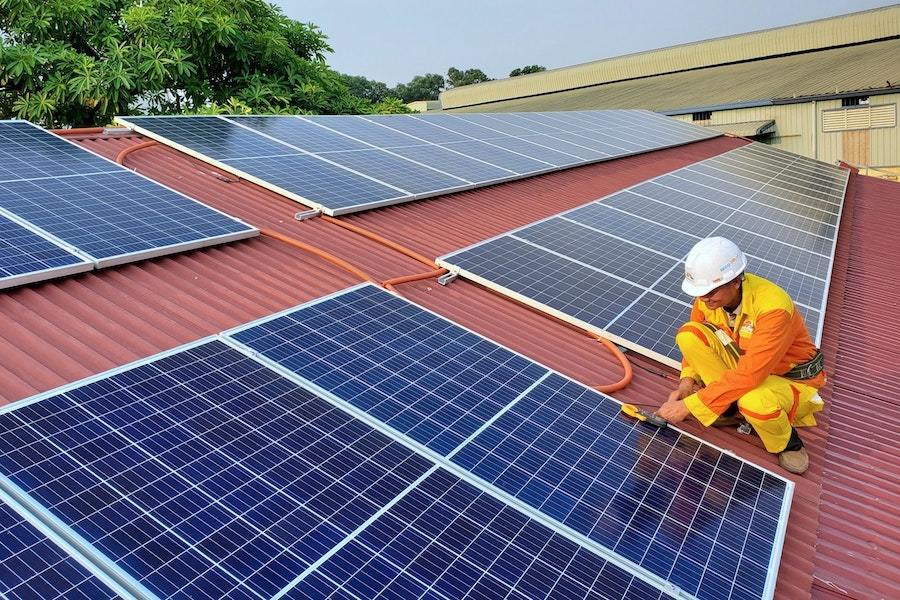
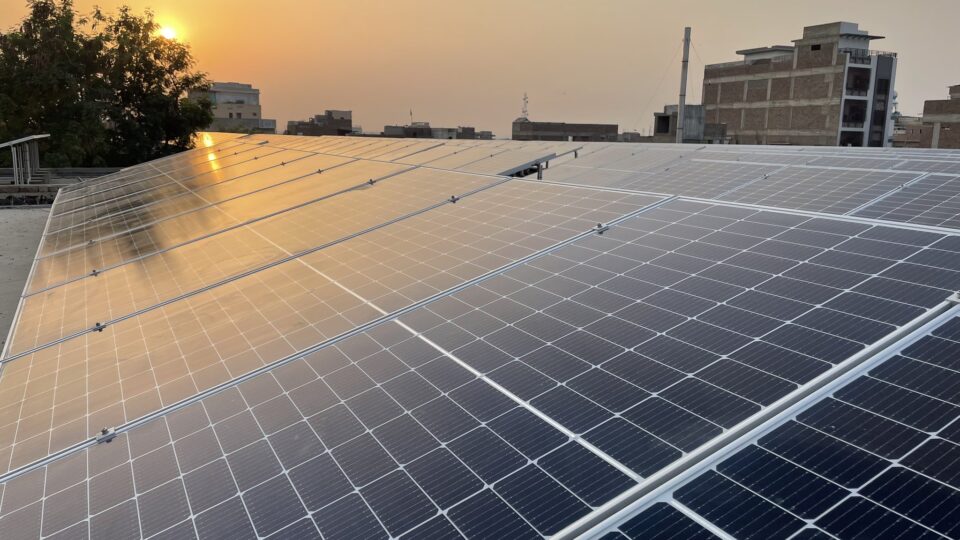
The global capacity of rooftop solar power grew by 49% in 2022.  Overall, the installed amount of rooftop solar grew from 79 gigawatts to 118 gigawatts last year and it is projected to reach 159 gigawatts by the end of this year.  By comparison, a typical nuclear power plant can produce 1 gigawatt; a gas-powered power plant is typically half a gigawatt.

Rooftop solar constitutes a relatively small fraction of the total global installed solar capacity, which is dominated by utility-scale solar arrays.  Total installed solar capacity rose from 950 gigawatts to 1,177 gigawatts last year and is projected to reach 1,518 gigawatts this year.  That is enough power to meet more than half the electricity demand of the European Union.

The rapid growth of solar power can only continue if there is more energy storage put in place to manage the peaks and troughs in solar output.  Countries will also need to upgrade their power grids to be able to transport excess solar power from where it is generated to where it is needed.   Bottlenecks in the grids of most of the leading solar-producing nations are already interfering with further solar development.

The overall potential for rooftop solar is based on the number of rooftops that would be suitable for solar power, which depends on the size, shading, orientation, and location of the roofs.  According to the National Renewable Energy Laboratory, rooftops in the United States have the potential for more than 1,000 gigawatts of solar capacity. Currently, only about 4% of US homes have rooftop solar. 

**********

Web Links

Rooftop Solar Grew Nearly 50 Percent Globally Last Year

Photo, posted November 16, 2022, courtesy of Oliver Knight via Flickr.

Earth Wise is a production of WAMC Northeast Public Radio

Offshore Wind In Maine | Earth Wise

June 15, 2023 By EarthWise Leave a Comment

Offshore wind is coming to Maine

There are currently only two small offshore wind farms operating in the United States, but there are now several more under construction or in the permitting process.  Substantial wind farms are expected to come online over the next five years off the coasts of Virginia, New Jersey, Massachusetts. North Carolina, Delaware, Rhode Island, and New York.   There has been a recent auction for offshore wind sites off the California coast as well.

In April, the Bureau of Ocean Energy Management issued its Gulf of Maine Call for Information and Nominations, inviting public comment and assessing the interest in areas offshore of Maine, New Hampshire, and Massachusetts.  This is the first official step in the lengthy process that leads to offshore wind development in new areas.  Last year, the Department of the Interior defined an area of about 13.7 million acres in the Gulf of Maine that could end up providing energy leases for windfarm development.

The Biden administration has set a goal of deploying 30 gigawatts of offshore wind electricity generation by 2030, which is enough to power more than 10 million homes. It would also create thousands of jobs across manufacturing, shipbuilding, port operations, construction, and other industrial sectors.  Existing offshore wind projects have been structured to develop American-based supply chains for the offshore wind industry.

The European Union currently has over 15 gigawatts of installed offshore wind, has a target of 60 gigawatts by 2030, and 300 gigawatts by 2050.  The EU has five substantial sea basins which have tremendous potential for wind energy generation.  As a result, offshore wind is the centerpiece of the ambitious European Green Deal.

**********

Web Links

U.S. moves to develop offshore wind in the Gulf of Maine

Photo, posted August 31, 2022, courtesy of Nina Ali via Flickr.

Earth Wise is a production of WAMC Northeast Public Radio

Carbon-Negative Concrete | Earth Wise

June 6, 2023 By EarthWise Leave a Comment

Researchers exploring a carbon-negative concrete

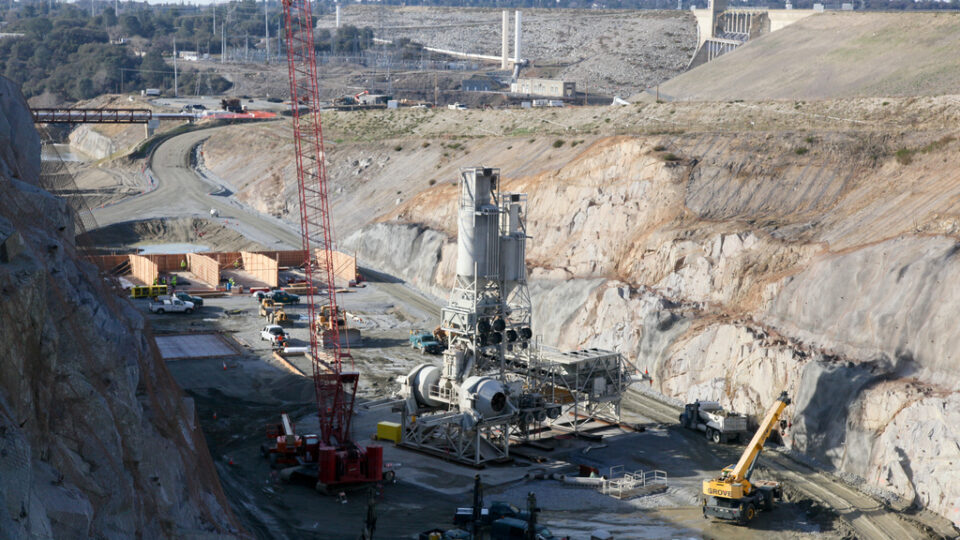
Concrete is a mainstay of modern civilization.  The world produces more than 4 billion tons of it each year and the process requires high temperatures, mostly obtained by burning fossil fuels.  The chemical reactions that produce concrete also produce large amounts of carbon dioxide.  In all, cement production is responsible for about 8% of total global carbon emissions by human activities.

This situation is the impetus for a wide range of research activities aimed at reducing the environmental impact of concrete production.  Researchers at Washington State University have recently developed a way of making carbon-negative concrete: a recipe for concrete that absorbs large amounts of carbon dioxide.

There have been attempts in the past to add biochar to concrete.  Biochar is a type of charcoal made from organic waste that sucks up carbon dioxide from the air.  In earlier attempts, even adding 3% of biochar would dramatically reduce the strength of the concrete.

The WSU researchers found that treating biochar with concrete washout wastewater makes it possible to add much more biochar to concrete without reducing its strength.  Mixing it with biochar adds calcium, which induces the formation of the mineral calcite, which in turn strengthens the concrete.

The researchers were able to add up to 30% biochar to their cement mixture.  Within a month, the resultant concrete was comparable in strength to ordinary concrete.  But at the same time, the biochar was able to absorb up to 23% of its weight in carbon dioxide from the air.  The new concrete is potentially the most environmentally friendly concrete ever developed.

**********

Web Links

Researchers develop carbon-negative concrete

Photo, posted January 31, 2012, courtesy of Michael J. Nevins / U.S. Army Corps of Engineers via Flickr.

Earth Wise is a production of WAMC Northeast Public Radio
Removing Carbon Dioxide Won’t Get the Job Done | Earth Wise

May 31, 2023 By EarthWise Leave a Comment

Limiting global warming to no more than 1.5-2 degrees Celsius above pre-industrial levels is a crucial goal for humankind.  Countries, companies, and other organizations around the world have committed to achieving ‘net zero’ emissions.  This is distinct from zero emissions in that it includes removing carbon dioxide from the atmosphere to offset the amounts we are putting into it.  Carbon dioxide removal is increasingly touted as the way to achieve emission goals.  But it is a realistic strategy?  According to a recent paper by a leading climate scientist in the journal Nature, the answer in the short term is decidedly no.

In 2022, the world emitted 45 billion tons of carbon dioxide into the atmosphere.  Last year’s bipartisan Infrastructure Law earmarked $3.5 billion for developing four direct air capture hubs in the US.  Each of these is expected to eventually be able to extract a little over a million tons of CO2 from the air each year. These hubs combined would therefore remove about 52 minutes’ worth of the year’s emissions over the course of the year. 

The bottom line is that unless we drastically reduce emissions, all the carbon dioxide removal strategies combined will scarcely make a dent in the problem.

We will never be able to eliminate all sources of emissions, particularly from certain industries, and carbon dioxide removal will be a very important technology to address those emissions, but in the big picture, it is essential that the world decarbonizes as much as possible and as soon as possible.

**********

Web Links

Carbon dioxide removal is not a current climate solution — we need to change the narrative

Photo, posted January 19, 2009, courtesy of Wladimir Labeikovsky via Flickr.

Earth Wise is a production of WAMC Northeast Public Radio
Hydrogen And The Methane Problem | Earth Wise

April 24, 2023 By EarthWise Leave a Comment

Theoretically, hydrogen could be the fuel of the future.  It is the most common element in the universe and its combustion produces no harmful emissions.  Most industrial hydrogen comes from a process called steam reforming that extracts it from natural gas – basically methane.  Carbon dioxide is a byproduct of the process.   But it is also possible to get hydrogen by breaking down water resulting only in oxygen as a byproduct.   There is a great deal of ongoing development of so-called green hydrogen.

New research from Princeton University and the National Oceanic and Atmospheric Administration has uncovered a potential problem associated with the use of hydrogen as a clean fuel. 

There is a molecule in the atmosphere called the hydroxyl radical.  It is known as “the detergent of the troposphere”.  It plays a critical role in eliminating greenhouse gases such as methane and ozone from the atmosphere.  It turns out that the hydroxyl radical also reacts with any hydrogen gas in the atmosphere and there is only so much hydroxyl to go around.  If large amounts of hydrogen were to enter the atmosphere, much of the hydroxyl radical would be used up reacting with it and there would be much less available to break down methane.  As a result, there would end up being more methane in the atmosphere, and methane is a powerful greenhouse gas.

The bottom line is that there would need to be proactive efforts to limit the amount of hydrogen getting into the atmosphere whether from producing it, transporting it, or anyplace else in the value chain.  Otherwise, the hydrogen economy would cancel out many of the climate benefits of eliminating fossil fuels.

**********

Web Links

Switching to hydrogen fuel could prolong the methane problem

Photo, posted June 12, 2021, courtesy of Clean Air Task Force via Flickr.

Earth Wise is a production of WAMC Northeast Public Radio

Clean Energy From North Africa | Earth Wise

April 7, 2023 By EarthWise Leave a Comment

Europe turning to North Africa for its clean energy needs

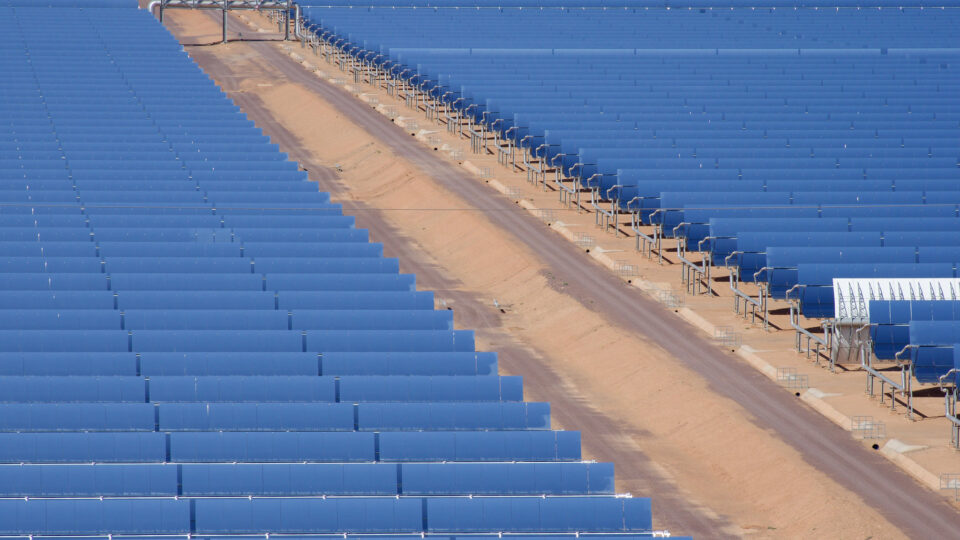
Europe is hungry for clean energy.  The war in Ukraine has amplified Europe’s desire to end its reliance on Russian natural gas.  Increasingly, Europe is pushing to install giant solar energy farms in sunny North Africa and transport the energy through underwater cables.

Solar panels in sunny North Africa generate up to three times more energy than those in Europe.  As a result, solar farms and wind farms as well are proliferating south of the Mediterranean Sea.  Morocco’s Noor and Egypt’s Benban solar farms are among the largest in the world.  Many of these farms were initially built to boost domestic power supplies and reduce dependence on coal.  But now these farms are increasingly supplying green energy to industrial neighbors in Europe.

Morocco has signed deals with the European Union to expand power exports.  Egypt is considering proposals for cables to link to Greece.  Another planned cable would link new solar farms in Tunisia to Italy’s grid.  These projects would certainly bring money and jobs to North African countries, but it isn’t all good news.

There are growing concerns about the environmental impacts of Europe outsourcing its energy needs.  Desert ecosystems could be greatly compromised.  And much of this development is likely to happen with only minimal community consultation or ecological assessment.  Half of Africa’s population does not have access to reliable power grids. Electricity becoming a major export is not likely to improve this situation.

Europe has long obtained many resources from the developing world.  Now it is tapping into the sunshine and wind in other lands.  It remains to be seen if North Africa’s countries will achieve the large potential gains those resources can offer them.

**********

Web Links

In Scramble for Clean Energy, Europe Is Turning to North Africa

Photo, posted October 17, 2019, courtesy of Richard Allaway via Flickr.

Earth Wise is a production of WAMC Northeast Public Radio
Distributed Wind Energy | Earth Wise

March 17, 2023 By EarthWise 1 Comment

When we think about wind power, we are usually talking about increasingly giant windfarms – either on land or offshore – that produce power on a utility scale.  But there is also distributed wind energy, which refers to wind technologies in locations that directly support individuals, communities, and businesses.  

Distributed wind can be so-called behind-the-meter applications that directly offset retail electricity usage much as rooftop solar installations do.  It can also be front-of-the-meter applications where the wind turbines are connected to the electricity distribution system and supplies energy on a community scale.  Distributed wind installations can range from a several-hundred-watt little turbine that powers telecommunications equipment to a 10-megawatt community-scale energy facility. As of 2020, there were nearly 90,000 distributed wind turbines in the U.S. with a total capacity of about 1 GW.

A study by the National Renewable Energy Laboratory has estimated the potential for distributed wind energy in the U.S.   According to the new analysis, the country has the ability to profitably provide nearly 1,400 GW of distributed wind energy capacity. 

Entire regions of the country have abundant potential. The regions with the best economic prospects have a combination of high-quality wind, relatively high electricity rates, and good siting availability.  Overall, the Midwest and Heartland regions had the highest potential especially within agricultural land.

Realizing this outcome for distributed wind will require improved financing and performance to lower costs, relaxation of siting requirement to open up more land for wind development, and continued investment tax credits and the use of net metering.

**********

Web Links

U.S. has potential for 1,400 GW distributed wind energy, NREL finds

Photo, posted January 3, 2009, courtesy of skyseeker via Flickr.

Earth Wise is a production of WAMC Northeast Public Radio
How To Save Big Cats | Earth Wise

March 1, 2023 By EarthWise 1 Comment

Researchers suggest the best way to save large and often endangered carnivores

Big cats are among the most widely recognized and admired animals in the world. But these charismatic predators face many and varied threats, including the loss of habitat and prey, conflicts with humans, poaching, and the illegal wildlife trade.

Researchers from the University of Reading in the U.K. have studied the fortunes of 50 species of large carnivores worldwide over the past 50 years.  They found that social and economic factors, such as quality of life, were more closely associated with declines of large carnivore species than purely environmental factors, like habitat loss.   

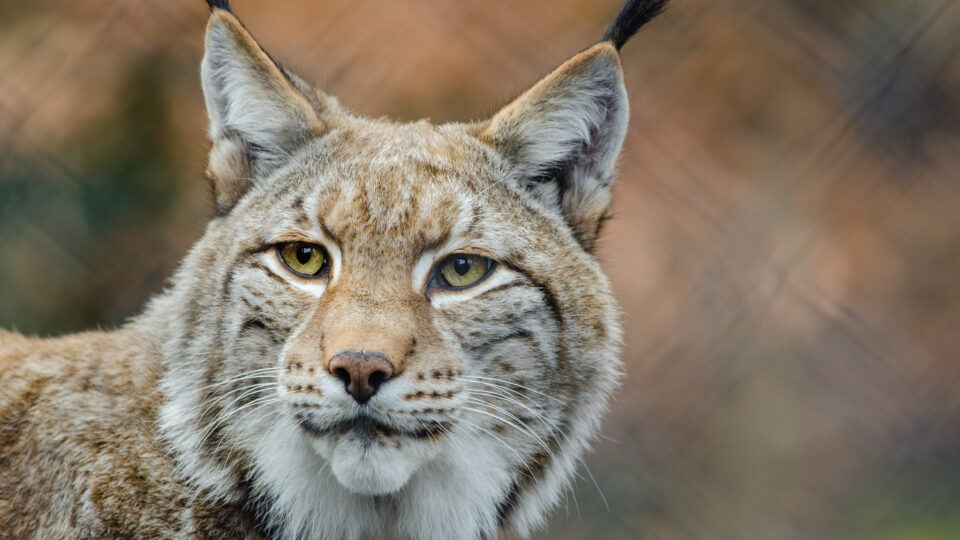
The study, which was recently published in the journal Nature Communications, suggests that the best way to save large carnivores, including lynx, bears, and lions, is to encourage a sustainable model of social and economic development instead of focusing exclusively on issues like climate change.  

While rapid economic development pushes species to the brink of extinction, it’s also delivered enormous improvements in the quality of human life. But the analysis suggests that once people achieve a high quality of life and economic development slows, a turning point is reached and persecuted species have a chance to recover.

According to the research team, the recovery is a result of both improved habitat protections in advanced economies and a more harmonious relationship between people and predators.  What would have once been considered a dangerous pest is now recognized as being an important part of both the ecosystem and culture.  

In Western Europe, slower economic development and an improved quality of life have allowed populations of grey wolves to increase 1,800% since the 1960s.

**********

Web Links

Economics trump environment to save big cats, say ecologists

Photo, posted February 8, 2015, courtesy of Mathias Appel via Flickr.

Earth Wise is a production of WAMC Northeast Public Radio
Tracking Global Forest Changes | Earth Wise

January 30, 2023 By EarthWise Leave a Comment

Using deep learning to track global forest changes

India is one of the most biodiverse countries in the world.  An estimated 47,000 plant species and 89,000 animal species can be found in India, with more than 10% of each thought to be on the list of threatened species.

India is also one of the 10 most forest-rich countries in the world.  Trees cover approximately 25% of the nation.  But this is still a significant decline from years past.  In fact, between the 1890s and 1990s, a combination of rapid development and resource overexploitation caused India to lose nearly 80% of its native forest area.  Today, as India’s forests continue to disappear, researchers are trying to help preserve what forest remains. 

Using satellite-monitoring data, researchers from The Ohio State University have developed a deep learning algorithm that could provide real-time land use and land cover maps for parts of India. 

The land use monitoring system was trained using satellite data from Norway’s International Climate and Forests Initiative.  By combining this data with a global land cover map produced by Tsinghua University in China, the researcher team’s deep learning model was able to acquire a more detailed type of base map of the area.  Using their model, the researchers were able to process 10 monthly maps.  Their research was recently  presented at the annual meeting of the American Geophysical Union.   

Using these maps, the researchers were able to detect seasonal shifts across india.  These include changes to barren land, how crop land was affected by monsoons, and the distribution of forests in mountainous regions. 

Understanding the impact of these seasonal changes will help scientists better predict the effects of climate change on forests.

**********

Web Links

Using deep learning to monitor India’s disappearing forest cover

Photo, posted January 20, 2013, courtesy of Frontier Official via Flickr.

Earth Wise is a production of WAMC Northeast Public Radio
An Agreement To Protect Biodiversity | Earth Wise

January 18, 2023 By EarthWise Leave a Comment

The UN Biodiversity Conference in Montreal in December concluded with a historic deal aimed at stemming the rising tide of extinctions.  Nearly 200 countries signed on to the agreement to protect 30% of the Earth’s land and sea by the end of this decade.

Part of the agreement also pledges that countries will reduce fertilizer runoff from farms by 50%, reduce the use of harmful pesticides by 50%, and stem the flow of invasive species. 

Of course, all of these promises are only words unless they are backed up by actions and actions cost money.  The agreement promises to direct $200 billion a year towards biodiversity by the end of this decade.  Wealthy countries were urged to provide $100 billion a year to fund the actions of poorer countries, but they resisted the pressure.  Eventually, they did agree to send $30 billion a year to developing countries by 2030.

It is a significant step forward to establish clear targets for stopping biodiversity loss.  However, the ultimate success of the pact will depend on the willingness of countries to cooperate and compromise.

According to UN estimates, about a million species across the globe face extinction as a result of rising temperatures, air and water pollution, invasive species, and habitat loss due to development.   At present, only 16% of land and 8% of the oceans are within protected areas. 

The UN Environment Program stated that “for far too long humanity has paved over, fragmented, over-extracted, and destroyed the natural world on which we all depend.  Now is our chance to shore up and strengthen the web of life, so it can carry the full weight of generations to come.”

**********

Web Links

In Historic Deal, Countries Agree to Protect 30 Percent of Earth to Halt Biodiversity Loss

Photo, posted August 13, 2015, courtesy of Andrew H via Flickr.

Earth Wise is a production of WAMC Northeast Public Radio
California Offshore Wind Auction | Earth Wise

January 10, 2023 By EarthWise Leave a Comment

In December, the Bureau of Ocean Energy Management held the first auction for offshore wind energy leases on the West Coast.  The BOEM lease sale offered five lease areas covering 373,268 acres off the central and northern California coast.  The leased areas have the potential to produce over 4.6 gigawatts of wind energy, which is enough to power 1.5 million homes.

The auction drew competitive bids from five companies totaling over $750 million.  The winning bidders were RWE Offshore Wind Holdings, California North Floating, Equinor Wind, Central California Offshore Wind, and Invenergy California Offshore. 

RWE is a German company with subsidiaries across the globe.  California North Floating is an affiliate of the Danish developer Copenhagen Infrastructure Partners.  Equinor Wind is a Norwegian company already heavily involved in offshore wind projects on the East Coast.  Central California Offshore Wind is managed by a joint venture between Spanish and French energy companies.   Invenergy is a privately held global developer and operator of renewable energy headquartered in Chicago.

The bidders will receive credits for participating in programs that support work force training programs for the floating offshore wind industry and/or the development of a US domestic supply chain for that industry. 

Offshore wind off the Pacific coast has enormous potential for enhancing the country’s energy future but represents a significant challenge because the deep ocean floors necessitate the use of floating wind technology as opposed to turbines that are affixed to the sea floor.

**********

Web Links

Biden-Harris Administration Announces Winners of California Offshore Wind Energy Auction

Photo, posted December 30, 2013, courtesy of Derek Finch via Flickr.

Earth Wise is a production of WAMC Northeast Public Radio.

Better Marine Protected Areas | Earth Wise

August 17, 2022 By EarthWise Leave a Comment

Marine protected areas are regions of seas, oceans, estuaries, and in the US, the Great Lakes, that are afforded special protections.  MPAs restrict human activity for conservation purposes, generally in order to protect natural or possibly cultural resources.   MPAs may limit such things as development, fishing practices, fishing seasons, catch limits, moorings, and removal or disruption of marine life.

A new study by the University of Plymouth in the UK looked at the effectiveness of MPAs in increasing the total abundance of reef species.  It looked at the MPAs in Lyme Bay, off the south coast of England, where two of them are co-located but governed by different constraints.

The study found that whole-site management of an MPA can increase the total abundance of reef species within its borders by up to 95%.  This is in contrast to the MPA where only known features are conserved and human activity is otherwise allowed to continue unchecked.  In that place, species abundance increased by only 15%.

The whole-site MPAs were observed to have other benefits as well.   They show higher levels of functional redundancy, meaning that when there are species losses, they are compensated by other species.  Whole-site MPAs also exhibit higher levels of species diversity.

MPAs are increasingly being recognized as a sustainable way to enhance the marine environment even while supporting coastal communities.  The Global Ocean Alliance, a 72-country alliance led by the UK, has set a target of protecting 30% of all marine areas by 2030.  The new study shows that even more important than simply establishing marine protected areas, it is essential that they are effectively implemented.

**********

Web Links

Whole-site management of Marine Protected Areas can lead to a 95% increase in reef species

Photo, posted October 28, 2011, courtesy of Benjamin Evans via Flickr.

Earth Wise is a production of WAMC Northeast Public Radio.

Trouble For The Outer Banks | Earth Wise

August 9, 2022 By EarthWise Leave a Comment

Rising seas are threatening the Outer Banks

The Outer Banks are a series of barrier islands off the coast of North Carolina that separate the Atlantic Ocean from the mainland.  They are a very popular tourist destination featuring open-sea beaches, state parks, shipwreck diving sites, and historic locations such as Roanoke Island, the site of England’s first settlement in the New World. There is also Kitty Hawk, the site of the Wright Brothers’ first flights.

The ribbon of islands is nearly 200 miles long.  Some of them are low and narrow and are only a few feet above sea level.  Many are especially vulnerable to Nor’easters in the winter and hurricanes in the summer.  The collision of warm Gulf Stream waters and the colder Labrador current helps to create dangerous shoals and some of the largest waves on the East Coast.

Over the years, developers have added billions of dollars’ worth of real estate to the Outer Banks.  Rising sea levels and increasingly frequent storms threaten the barrier islands of the Outer Banks.  Beach-front cottages have tumbled into the ocean for as long as people have built them in the Outer Banks but now they are falling at a greater rate and more and more are in danger.

The Department of Transportation has spent nearly $100 million dollars to keep NC12, the highway connecting the string of islands, open to traffic.  Three new bridges built to traverse inlets opened by storms and bypassing rapidly eroding shorelines raised the cost by another half a billion dollars.

There are many other measures such as pumping sand into eroded areas going on in the Outer Banks, but ultimately, all of the measures may not be enough to deal with rising sea levels and more powerful storms.

**********

Web Links

Shifting Sands: Carolina’s Outer Banks Face a Precarious Future

Photo, posted August 31, 2011, courtesy of NCDOT Communications via Flickr.

Earth Wise is a production of WAMC Northeast Public Radio.

Red Pandas And Climate Change | Earth Wise

July 6, 2022 By EarthWise 2 Comments

Climate change threatening red panda populations

Red pandas are small mammals native to the mountainous forests of China, India, Nepal, Bhutan, and Myanmar.  Unlike their name suggests, they are not related to giant pandas.  In fact, red pandas are distant relatives of raccoons. Renowned for their tree-climbing abilities, red pandas live at moderately high elevations in the Himalayas where they forage widely for bamboo shoots and various fruits.

According to the International Union for the Conservation of Nature, red pandas are endangered.  Scientists estimate that there are less than 10,000 red pandas remaining in the wild today, and these numbers are continuing to fall. 

Habitat loss is the main threat to red panda’s survival.  Human expansion into the area, combined with the effects of climate change, has led to the fragmentation and loss of livable land.  Red pandas also face dangers from hunting and poaching.

According to new research recently published in the journal Landscape Ecology, human impacts are driving red pandas closer to extinction than previously thought.  Using GPS telemetry, a research team from the University of Queensland in Australia tracked red pandas in Nepal over a 12-month period.  The researchers found that human activities, such as infrastructure development, were causing red pandas to restrict their movements, which is further fragmenting their habitat and interfering with natural interactions between the animals. 

As the amount of wild forest dwindles, red pandas are being forced into situations where they must decide whether to live closer to predators or adapt to co-exist with humans.

The research team recommends minimizing human-induced disturbances in red panda habitats and to maintain habitat continuity in ecologically sensitive areas. 

**********

Web Links

Red pandas face a fractured future

IUCN: Red Panda

Photo, posted November 27, 2016, courtesy of Mathias Appel via Flickr.

Earth Wise is a production of WAMC Northeast Public Radio.

  • « Go to Previous Page
  • Page 1
  • Page 2
  • Page 3
  • Page 4
  • Interim pages omitted …
  • Page 6
  • Go to Next Page »

Primary Sidebar

Recent Episodes

  • An uninsurable future
  • Clean energy and jobs
  • Insect declines in remote regions
  • Fossil fuel producing nations ignoring climate goals
  • Trouble for clownfishes

WAMC Northeast Public Radio
WAMC/Northeast Public Radio is a regional public radio network serving parts of seven northeastern states (more...)
Copyright © 2026 ·