• Skip to primary navigation
  • Skip to main content
  • Skip to primary sidebar

Earth Wise

A look at our changing environment.

  • Home
  • About Earth Wise
  • Where to Listen
  • All Articles
  • Show Search
Hide Search
You are here: Home / Archives for construction

construction

Weather-Responsive Traffic Signals

April 17, 2019 By EarthWise Leave a Comment

We all spend time sitting at red lights – sometimes it seems like a whole lot of time.  There is a fair amount of science applied in the design of traffic signals that at least has the aim of easing congestion and improving traffic safety.

Signals in modern cities are timed using optimization models that analyze multiple factors including traffic volume and speed with the goal of safely getting as many vehicles as possible through intersections.  It sure doesn’t seem that way in many places, but that is the intent in any case.

But a real problem with these models is that they assume normal conditions including weather conditions.  In places that experience real winter conditions, the assumptions of traffic models fail.  If the road surface is covered with snow and ice and visibility is poor, variables like speed and stopping distances become very different.

Researchers at the University of Waterloo in Canada collected data from real-world intersections and ran computer simulations to determine the effects of adjusting traffic signal behavior in bad weather (as well as in the presence of other conditions such as accidents or construction.)  They found that such adjustments could reduce traffic delays by as much as 20%.   

Cities with computerized signal systems are already equipped to remotely and inexpensively adjust the timing of traffic lights.  To gain the benefits of smarter signals, there would need to be video cameras and a certain amount of artificial intelligence software that would be able to automatically tweak the timing of lights in response to traffic changes caused by weather, accidents or construction. 

It sounds like a great idea.

**********

Web Links

Weather-responsive intersections could ease traffic congestion

Photo, posted September 22, 2009, courtesy of Tristan Bowersox via Flickr.

Earth Wise is a production of WAMC Northeast Public Radio.
Saving Beaches With Seagrass

February 22, 2019 By EarthWise Leave a Comment

Almost a quarter of the Gross Domestic Product of places around the Caribbean Sea is earned from tourism.  Preserving the beaches in the region is an economic imperative.  With increasing coastal development, the natural flow of water and sand is disrupted, natural ecosystems are damaged, and many tropical beaches simply disappear into the sea.

With such high stakes, expensive coastal engineering efforts such as repeated replenishing of sand and the construction of concrete protective walls are common strategies.  Rising sea levels and increasingly powerful storms only increase the threat to tropical beaches.

Researchers from The Netherlands and Mexico recently published a study in the journal BioScience on the effectiveness of seagrass in holding onto sand and sediment along shorelines.

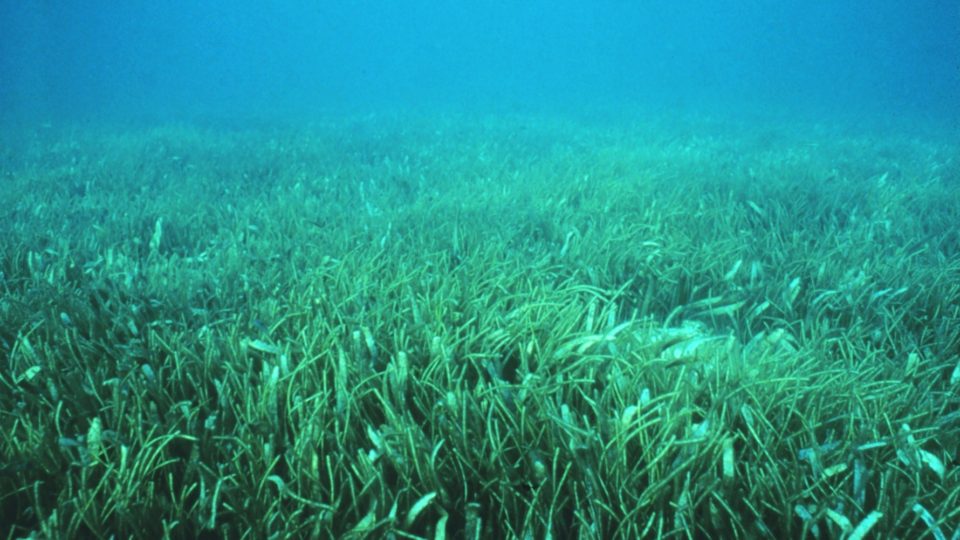
Seagrasses are so-named because most species have long green, grass-like leaves. They are often confused with seaweeds but are actually more closely related to flowering plants seen on land. Seagrasses have roots, stems and leaves, and produce flowers and seeds. Seagrasses can form dense underwater meadows and are one of the most productive ecosystems in the world. Seagrasses provide shelter and food to an incredibly diverse community of animals, from tiny invertebrates to large fish, crabs, turtles, marine mammals and birds.

The researchers performed measurements of the ability of seagrass along Mexico’s Yucatan Peninsula coastline to keep sand in place and prevent erosion.  They found that the amount of erosion was strongly linked to the amount of vegetation.  Quite often, seagrass beds have been regarded as a nuisance, rather than a valuable asset for preserving valuable coastlines.  The study opens opportunities for developing new tropical beach protection schemes in which ecology is integrated into engineering solutions.

**********

Web Links

Seagrass Saves Beaches and Money

Photo, posted October 13, 2010, courtesy of NOAA via Flickr.

Earth Wise is a production of WAMC Northeast Public Radio.
U.S. Offshore Wind Powering Up

February 26, 2018 By EarthWise Leave a Comment

https://earthwiseradio.org/wp-content/uploads/2018/02/EW-02-26-18-U.S.-Offshore-Wind.mp3

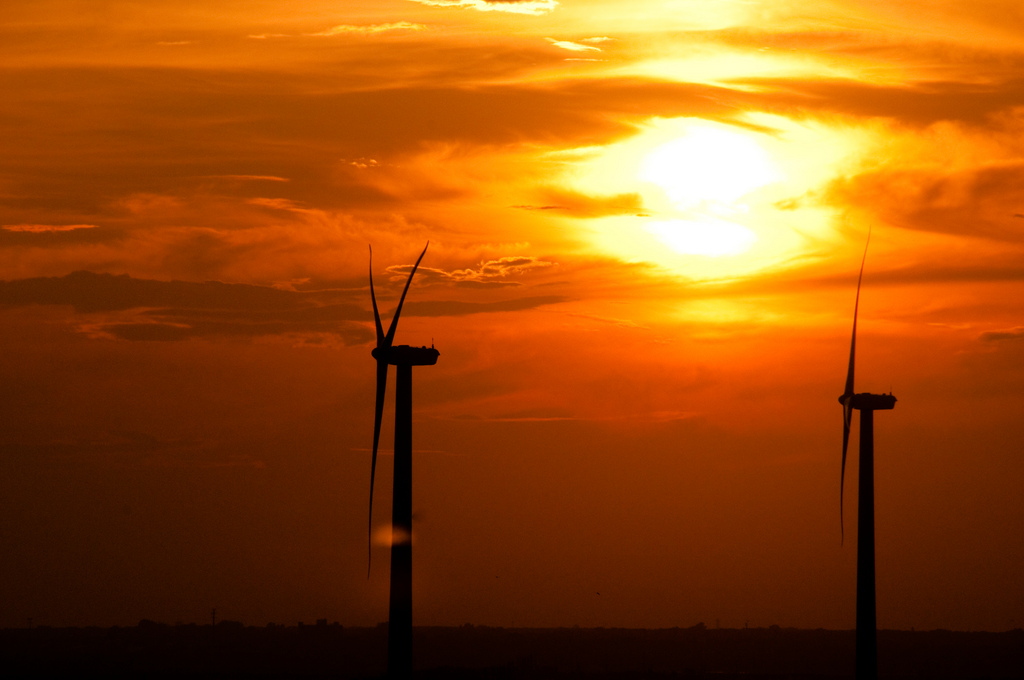
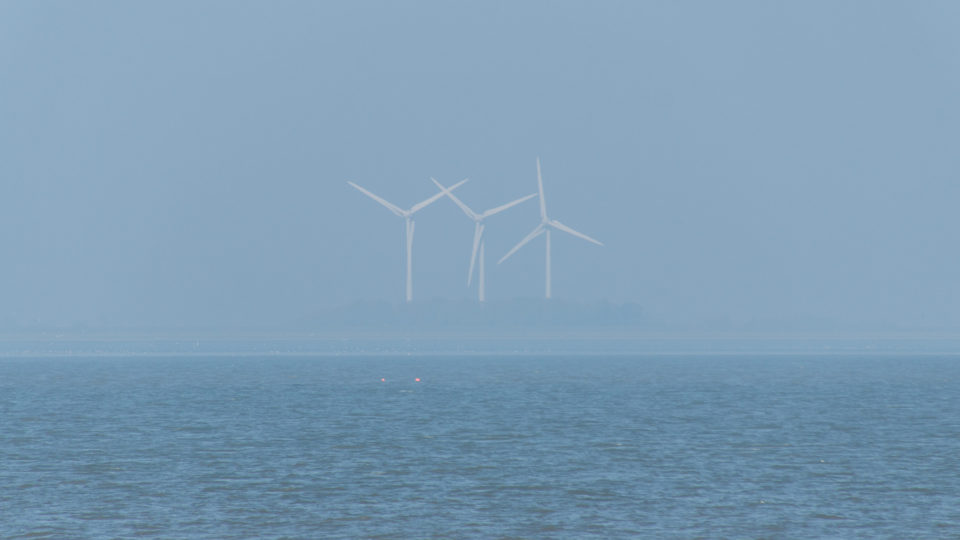
After many years of false starts and delays, the offshore wind industry in the U.S. finally seems to be gaining momentum.  According to the Department of Energy, more than 25 offshore wind projects with a generating capacity of 24 gigawatts are now being planned.  Most of these are off of the Northeast and Mid-Atlantic coasts.

[Read more…] about U.S. Offshore Wind Powering Up

Trends Influencing Our Cities

February 23, 2018 By EarthWise Leave a Comment

https://earthwiseradio.org/wp-content/uploads/2018/02/EW-02-23-18-Trends-Influencing-Our-Cities.mp3

The Environmental Protection Agency removed its information hub about climate change last year.  In response, 17 cities reposted the information on their own city government sites.  This is indicative of the fact that cities are increasingly taking on a leadership role in environmental, social and economic change.

[Read more…] about Trends Influencing Our Cities

Surging Wind Power In The U.S.

June 16, 2017 By EarthWise

https://earthwiseradio.org/wp-content/uploads/2017/06/EW-06-16-17-Surging-Wind-Power-in-the-U.S.-.mp3

So far, it has been a big year for the U.S. wind industry, which experienced its fastest first-quarter growth since 2009.  In total, about 2,000 megawatts of new capacity was installed, enough to power about 500,000 homes.   With this addition, wind now produces 5 1/2% of the country’s electricity.

[Read more…] about Surging Wind Power In The U.S.

Natural World Heritage Sites

May 5, 2016 By WAMC WEB

https://earthwiseradio.org/wp-content/uploads/2016/04/EW-05-05-16-Natural-World-Heritage-Sites.mp3

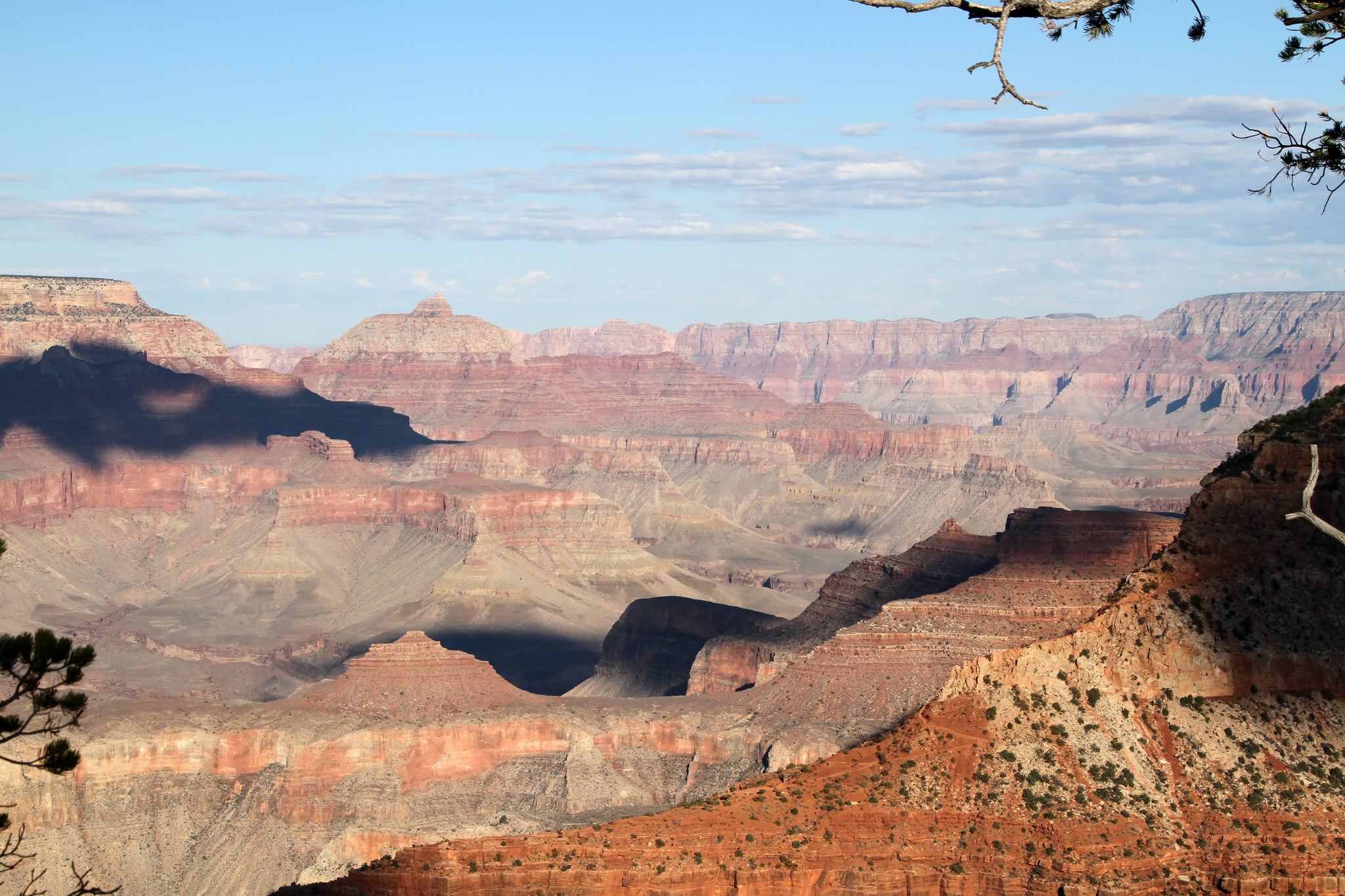
Natural world heritage sites exemplify the world’s greatest areas of natural beauty, ecology, geology, and biodiversity.  They are recognized internationally for their value as places with significance that is “so exceptional as to transcend national boundaries and be of common importance for present and future generations of all humanity.”  Many of these areas also are a vital source of food, fuel, and water for rural communities, and provide a revenue stream for national economies through tourism and recreation.  The livelihoods of some 11 million people are directly dependent on these areas. 

[Read more…] about Natural World Heritage Sites

Reduced Waste From Modular Construction

March 10, 2016 By WAMC WEB

https://earthwiseradio.org/wp-content/uploads/2016/03/EW-03-10-16-Modular-Construction.mp3

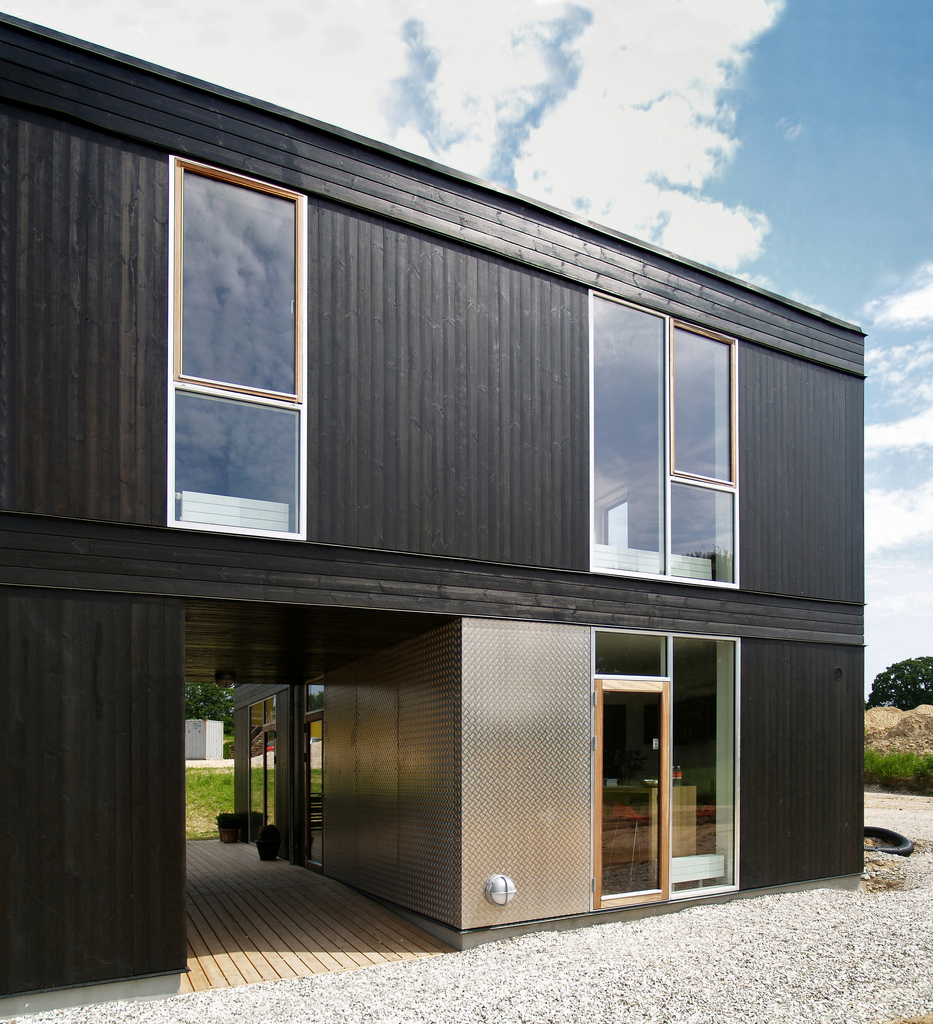
Our nation’s landfills are overflowing and we are constantly seeking ways to reduce the amount of waste that needs to go into them.  Usually, we are thinking about food waste, plastics, glass and paper.  However, one of the largest sources of waste generation is actually construction and demolition waste.   Estimates are that between 25 and 40% of the national solid waste stream comes from these activities and very little of it gets recycled.

[Read more…] about Reduced Waste From Modular Construction

  • « Go to Previous Page
  • Page 1
  • Page 2
  • Page 3

Primary Sidebar

Recent Episodes

  • An uninsurable future
  • Clean energy and jobs
  • Insect declines in remote regions
  • Fossil fuel producing nations ignoring climate goals
  • Trouble for clownfishes

WAMC Northeast Public Radio

WAMC/Northeast Public Radio is a regional public radio network serving parts of seven northeastern states (more...)

Copyright © 2026 ·