• Skip to primary navigation
  • Skip to main content
  • Skip to primary sidebar

Earth Wise

A look at our changing environment.

  • Home
  • About Earth Wise
  • Where to Listen
  • All Articles
  • Show Search
Hide Search
You are here: Home / Archives for congress

congress

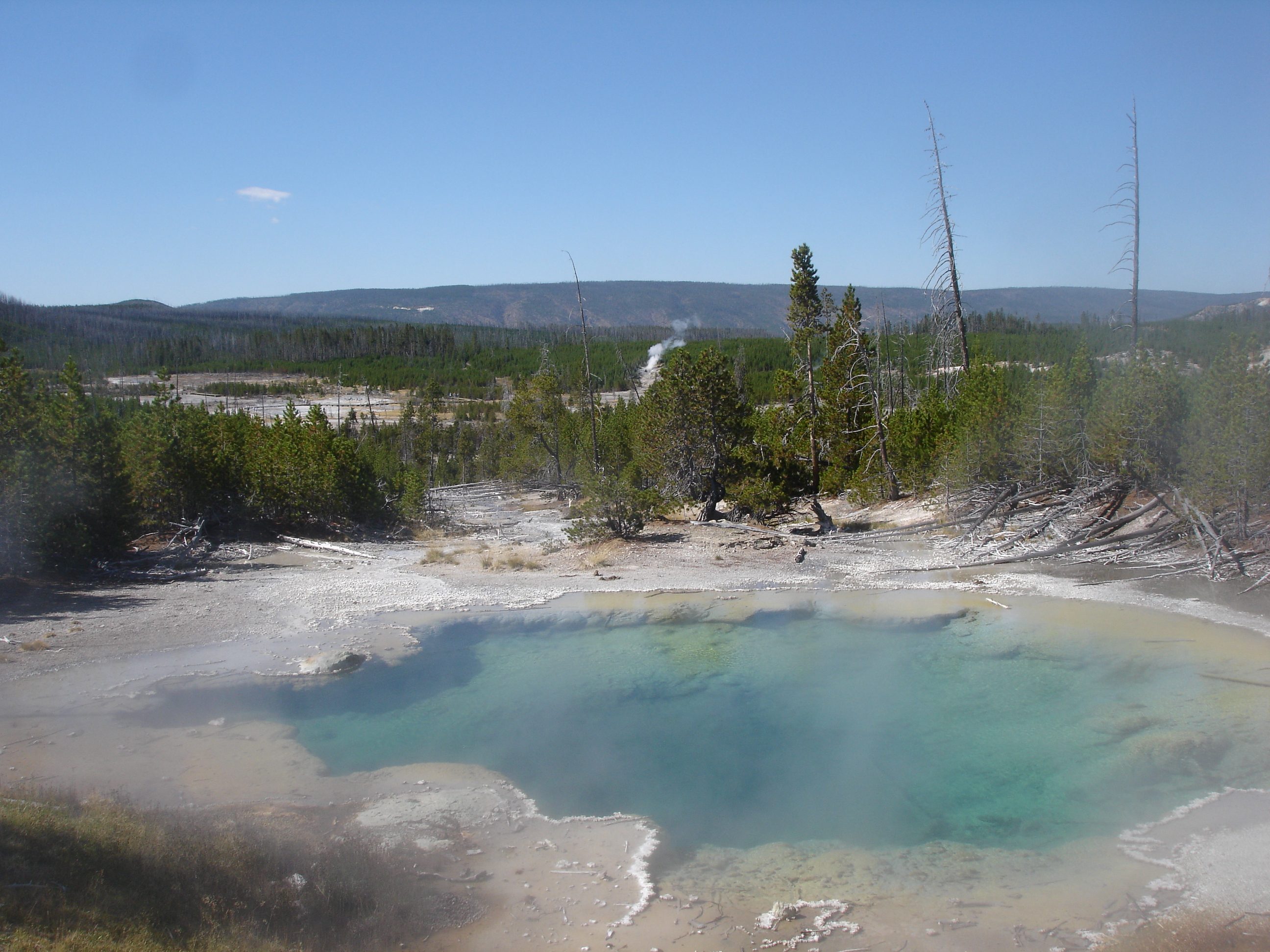
Geothermal energy may be safe

August 4, 2025 By EarthWise Leave a Comment

The Trump Administration is outwardly hostile to renewable energy, especially solar and wind power.  Federal support for these energy sources that are by far the most rapidly growing energy sources across the globe is being gutted while fossil fuels are being propped up.

There is also renewed enthusiasm for nuclear power and, somewhat surprisingly, geothermal heat.   Geothermal is a renewable and clean energy source that has long been mostly overlooked and underfunded.  The main reasons are its expense and the fact that its large-scale use is unproven. 

Historically, geothermal energy has relied upon naturally occurring features such as hot springs and shallow underground heat sources.  However, technological breakthroughs that began in 2013 have led to enhanced geothermal systems, or EGS.  EGS makes use of the fact that if you drill deep enough into the earth pretty much anywhere, you will encounter substantial amounts of heat.  EGS plants pump water three miles down or more where it encounters rock that reaches over 500 degrees.  The piping hot water is then brought to the surface where it spins turbines to generate electricity.

Several companies are developing EGS in the U.S.  financed by tech companies seeking power for their AI activities, the Defense Department, and even by fossil fuel companies who use comparable drilling technology for fracking.

The so-called Big Beautiful Bill passed by Congress in July that eliminates tax credits for wind and solar energy preserves tax credits for geothermal projects.

**********

Web Links

Why U.S. Geothermal May Advance, Despite Political Headwinds

Photo, posted September 30, 2019, courtesy of Stephen D Strowes via Flickr.

Earth Wise is a production of WAMC Northeast Public Radio

Americans breathe unhealthy air

June 2, 2025 By EarthWise Leave a Comment

According to the American Lung Association’s annual State of the Air report, at least 156 million Americans – 46% of the population – live with unsafe levels of ozone, particulate pollution, or both.

The report analyzed ozone and particulate pollution levels between 2021 and 2023, during which the worst wildfire season on record took place in Canada.  The report ranked pollution levels in counties and cities across the country on a grading scale from A to F.  At least 156 million people live with air that got the poorest grade of F for at least one of three pollutants.   At least 42 million people live in counties that failed all three pollutant standards measured.

While the report attempts to provide a complete picture of air quality around the country, about two-thirds of counties lack air quality monitoring for ozone or particulate pollution. 

The wildfires in Canada are responsible for much of the increase in air pollution in the past several years.  However, climate projections suggest that the conditions that fueled those fires are likely to become increasingly common.

Air quality standards in the United States have generally been improving since the Clean Air Act was enacted by Congress in 1970.  Since that time, levels of key pollutants have dropped by nearly 80%.  But millions of Americans are still breathing polluted air, leading to both acute and chronic health conditions.

Plans by the Trump administration to loosen environmental regulations and cut funding for air quality research are likely to only make matters worse.

**********

Web Links

Almost Half of Americans Breathe Unhealthy Air, Report Finds

Photo, posted June 8, 2023, courtesy of Anthony Quintano via Flickr.

Earth Wise is a production of WAMC Northeast Public Radio
Billion-Dollar Disasters | Earth Wise

October 5, 2023 By EarthWise Leave a Comment

As the climate changes, billion-dollar disasters are increasing

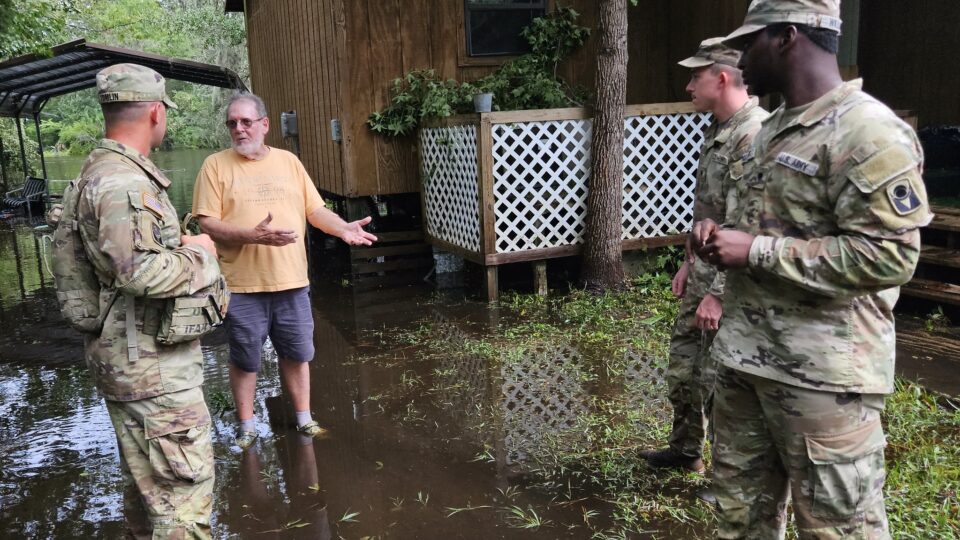
By the end of August, the United States had already broken the one-year record for the number of weather and climate disasters that caused more than $1 billion in damage.

According to the National Oceanic and Atmospheric Administration, through August there had already been 23 billion-dollar disasters.  The previous record of 22 had been set in 2020.  The 23 this year racked up $58 billion in damages.

The unfortunate litany of events included two in August:  Hurricane Idalia, which struck Florida’s Big Bend region and the Lahaina fire storm on Maui.  Earlier in the year, winter storms in the Northeast, floods in California and Vermont, and 18 other severe storm events contributed to the record.

With a very active Atlantic hurricane season underway and the prospects for more wildfires in the west, it is likely that the record for billion-dollar disasters will climb even higher before the year ends.

The massive financial losses incurred this year highlight the need for more funding and attention to be directed toward climate resistance and adaptation.  The NOAA report urges policymakers to invest much more in getting out ahead of disasters before they strike rather than only looking for ways to help communities to pick up the pieces after disaster has struck.

Congress is currently considering $16 billion in additional funding for FEMA to keep the agency functioning in this very trying year.

As climate change continues to contribute to more intense storms and larger and more frequent wildfires, the price of adaptation and recovery efforts is likely to continue to grow.

**********

Web Links

2023 has already broken the US record for billion-dollar climate disasters

Photo, posted August 31, 2023, courtesy of Spc. Christian Wilson / The National Guard via Flickr.

Earth Wise is a production of WAMC Northeast Public Radio

The Snail Darter Is Safe | Earth Wise

November 14, 2022 By EarthWise Leave a Comment

The snail darter population has recovered

The snail darter is a three-inch-long snail-eating fish that was once only found in the Little Tennessee River.  When that river was going to be dammed by the Tellico Dam under construction in the 1970s, the snail darter was listed on the endangered species list and the little fish subsequently became the subject of a legal battle that made it all the way up to the U.S. Supreme Court.   With the dam project 95% complete in 1978, the Supreme Court blocked further construction, citing the Endangered Species Act.  A year later, Congress exempted the project from the requirements of the Act, thereby clearing the way for the completion of the dam.

In order to save the snail darter, biologists transplanted the fish into several other nearby rivers and waterways.  In addition, the Tennessee Valley Authority modified the operation of the Tellico Dam to release more oxygen-rich water downstream.  Beyond those measures, the river cleanup under the Clean Water Act further aided the fish’s recovery.

In 1984, the snail darter was removed from the endangered species list and was listed as threatened or vulnerable.  Recently, the U.S. Department of the Interior officially removed the snail darter from the federal list of threatened and endangered wildlife. 

The snail darter is the fifth fish species to be delisted because its population has recovered.  It is the first in the eastern United States.  With better management of water releases at dams, many other imperiled aquatic species could be recovered.

Overall, more than 50 plants and animals have recovered under federal protection, including American alligators, humpback whales, peregrine falcons, and bald eagles.

**********

Web Links

Once at Center of Controversial Case, the Snail Darter Fish Is No Longer Threatened

Photo, posted July 22, 2015, courtesy of The U.S. Fish and Wildlife Service via Flickr.

Earth Wise is a production of WAMC Northeast Public Radio
Five States Stepping Up On Clean Energy | Earth Wise

February 7, 2022 By EarthWise Leave a Comment

Five states step up climate action

While Congress continues to face partisan gridlock on climate issues, many states have moved forward with climate action.

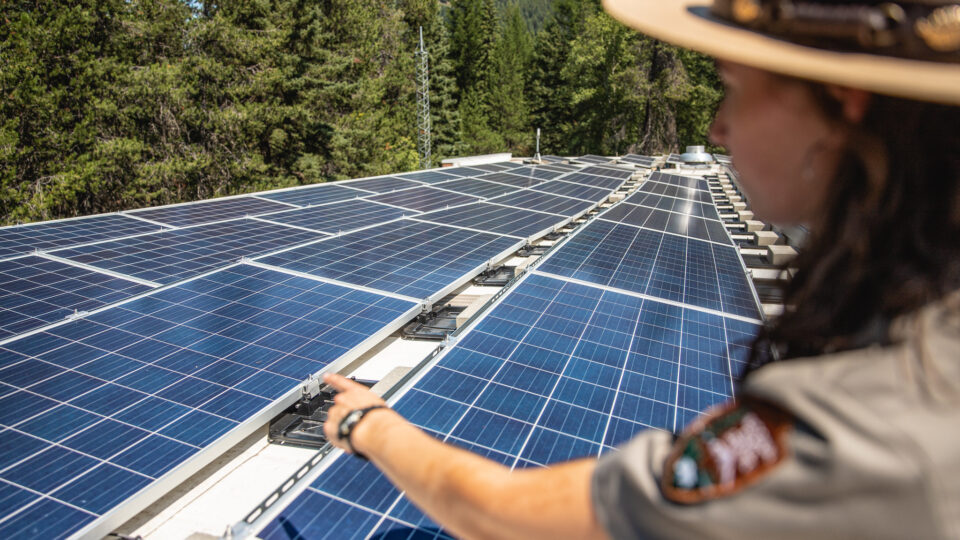
In 2021, five states – Illinois, Massachusetts, Oregon, North Carolina, and Rhode Island – passed laws requiring a shift to 100% carbon-free electricity or net-zero emissions.  Washington State passed a law that helps to implement its strong 2019 and 2020 climate and clean energy laws.  Washington’s new legislation establishes a carbon trading program that will help the state to meet its goals of economy-wide emission cuts and 100% carbon-free electricity.

Several other states made progress on climate and clean energy by taking targeted actions not quite as aggressive as 100% laws, but significant, nonetheless.

The five states that entered the so-called 100% club joined with the six states that had earlier passed such legislation.  Those are California, Hawaii, New Mexico, New York, Virginia, and Washington.  Both Puerto Rico and Washington D.C. are also members of the club.

The past year may well be the biggest year yet for significant clean energy legislation.  Some of the states that finally passed laws had been gearing up for it for years.  This is particularly true of Massachusetts and Illinois.

Actions by individual states are not an antidote to inaction by the federal government, but they help.  At this point, about one-third of the country’s population lives in states that have laws requiring a transition to 100% carbon-free electricity, 100% renewable electricity, or net-zero emissions. 

All of this activity began in 2015, when Hawaii passed its renewable energy law.

**********

Web Links

Inside Clean Energy: Here Are 5 States that Took Leaps on Clean Energy Policy in 2021

Photo, posted August 12, 2021, courtesy of Glacier NPS via Flickr.

Earth Wise is a production of WAMC Northeast Public Radio.

Wildfires And Superfund Sites | Earth Wise

January 14, 2021 By EarthWise Leave a Comment

Wildfires threaten Superfund sites

Thousands of contaminated sites exist nationally due to hazardous waste being dumped, left out in the open, or otherwise improperly managed. These sites include manufacturing facilities, processing plants, landfills, and mining sites.  A Congressional act in 1980 established authority by the EPA to ultimately clean up these “Superfund” sites.

According to a government survey last year, 945 Superfund sites are vulnerable to hurricanes, flooding, sea level rise, increased precipitation, or wildfires, all of which are intensifying as the climate warms.   In particular, there are 245 sites vulnerable to wildfires and 68 of them have recently seen wildfires approach.

A comprehensive investigation by Inside Climate News, NBC News, and the Texas Observer has found that the threat presented by wildfires is exceeding authorities’ ability to adequately prepare and respond.  Fires at Superfund sites could release toxins ranging from acid mine drainage to radioactive smoke.

There have already been a number of close calls.  The 2013 Patch Springs Fire near Salt Lake City came within 10 miles of the Tooele Army Depot, a Superfund site with 902 ammunition bunkers along with soil and groundwater contaminated with hazardous chemicals.

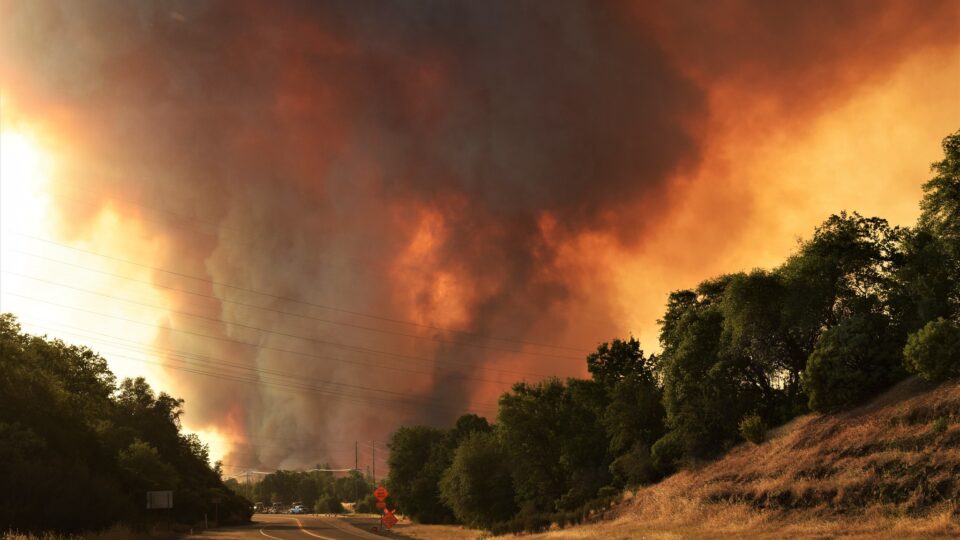
The 2018 Carr Fire in Northern California over swept the Iron Mountain Mine Superfund site and threatened to release corrosive chemicals into the watershed.

For sites where no polluter can be made to pay and the EPA lacks cleanup funds, the agency will need to design protections that shield the sites from wildfires as long as the contamination remains. 

**********

Web Links

Fueled by Climate Change, Wildfires Threaten Toxic Superfund Sites

Photo, posted July 26, 2018, courtesy of the Bureau of Land Management California via Flickr.

Earth Wise is a production of WAMC Northeast Public Radio.

A Victory For Clean Water | Earth Wise

May 19, 2020 By EarthWise Leave a Comment

Clean water

Many of the nation’s environmental laws are under siege from the current administration, but a recent decision by the U.S. Supreme Court has solidified the Clean Water Act’s place as one of the country’s most effective environmental laws.

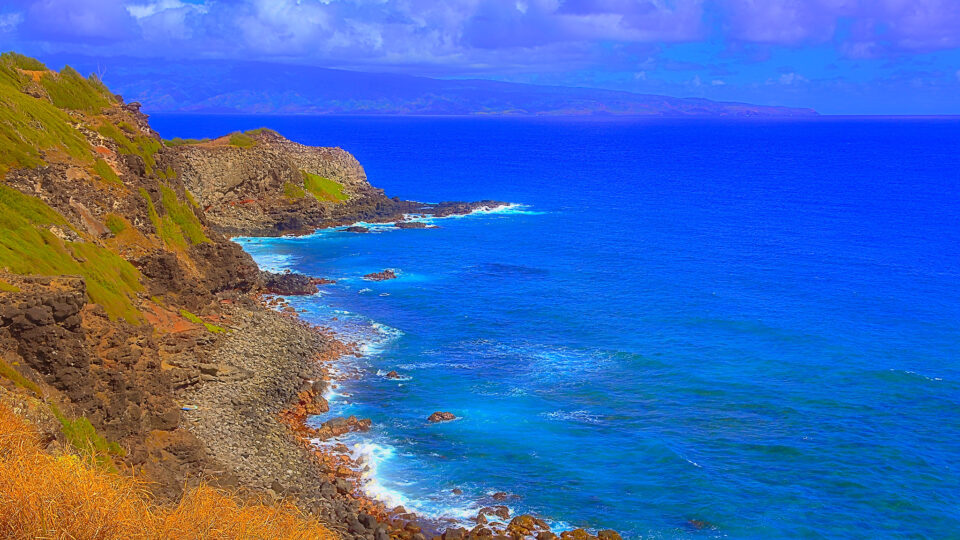
The case in question was about whether a wastewater treatment plant in Maui has been violating the Clean Water Act by polluting the ocean indirectly through groundwater.  Since the 1980s, the Lahaina wastewater treatment facility has been discharging millions of gallons of treated sewage each day into groundwater that reaches the waters off of Kahekili Beach, which is a popular snorkeling spot.   Groundwater, like any water beneath the land’s surface, can flow into major waterways such as rivers, streams, and, in this case, the ocean. 

In 2012, the nonprofit Earthjustice sued Maui county on behalf of four Maui community groups. Over the years, the Hawaii district court and the 9th Circuit appeals court ruled in favor of Earthjustice.  Last year, Maui County successfully petitioned the U.S. Supreme court to hear the case, which could have endangered the Clean Water Act.

On April 23, by a 6-3 vote, the court ruled that point source discharges to navigable waters through groundwater are regulated by the Clean Water Act when the addition of pollutants through groundwater is the functional equivalent of a direct discharge into navigable waters.

With this ruling, the Court rejected the Trump administration’s polluter-friendly position in the clearest of terms.  According to the opinion, written by Justice Breyer, the Court could not see how Congress could have intended to create such a large and obvious loophole in one of the key innovations of the Clean Water Act.  This is a victory for clean water.

**********

Web Links

The Clean Water Case of the Century

Photo, posted June 30, 2018, courtesy of Kirt Edblom via Flickr.

Earth Wise is a production of WAMC Northeast Public Radio.

Concerns About Dam Safety

August 22, 2019 By EarthWise Leave a Comment

The United States has a total of 91,000 dams of various sizes and types.  Many of them are aging and sorely in need of repairs.  All that maintenance would add up to tens of billions of dollars.  Experts are increasingly worried that as extreme precipitation events become increasingly common, dams are increasingly at risk of failure, threatening lives and posing environmental risks.

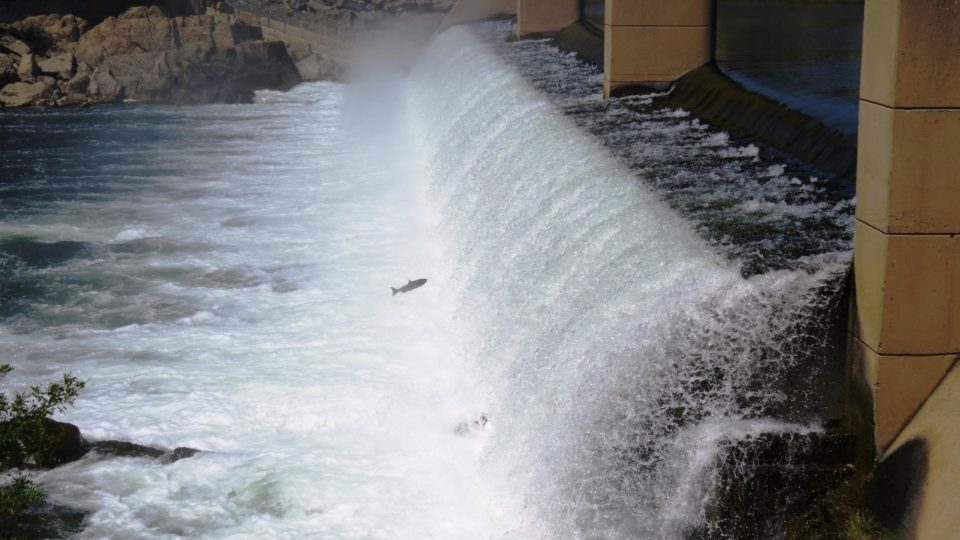
In 2017, Oroville Dam in California – the tallest dam in the country – nearly collapsed.  That incident forced the evacuation of 190,000 people and cost the state of California $1.1 billion in repairs.  California is considered one of the nation’s leading states in dam safety management and yet the partial disintegration of Oroville’s two spillways during a heavy rainstorm was not anticipated.

So far, federal and state dam safety officials have not been able to get disinterested state legislatures and the U.S. Congress to fork up the money needed for repairs to the nation’s aging dam infrastructure.

Th American Society of Civil Engineers gave the nation’s dams a D grade on the latest infrastructure report card.  They estimate that the cost of rehabilitating dams whose failure would threaten human life at nearly $45 billion, and the cost of fixing all dams in need of repair at more than $64 billion.

Scientists say the likelihood of dam failures – which not only threaten lives but also release toxic sediments trapped in reservoirs behind many dams – will increase as extreme precipitation events become more frequent in a warming world.  Apart from about 1,500 dams owned by federal agencies, regulating dam safety is primarily the responsibility of the states.  So far, states have not applied remotely sufficient resources to a growing problem.

**********

Web Links

In an Era of Extreme Weather, Concerns Grow Over Dam Safety

Photo, posted August 20, 2014, courtesy of Flickr.

Earth Wise is a production of WAMC Northeast Public Radio.

Climate Change Threatens the U.S. Military

February 20, 2018 By EarthWise Leave a Comment

https://earthwiseradio.org/wp-content/uploads/2018/02/EW-02-20-18-Climate-Change-Threatens-the-Military.mp3

According to a new study from the Pentagon, nearly half of United States military sites are threatened by wild weather linked to climate change.  The U.S. Department of Defense states that drought, wind, and flooding that occur due to reasons other than storms topped the list of natural disasters that endanger 1,700 military sites around the world – everything from outposts to large bases.

[Read more…] about Climate Change Threatens the U.S. Military

Earthquake Warning System

October 11, 2017 By EarthWise Leave a Comment

https://earthwiseradio.org/wp-content/uploads/2017/10/EW-10-11-17-Earthquake-Warning-System.mp3

The destructive power of both hurricanes and earthquakes has made headlines in recent times.   The slow development of the hurricanes in the Atlantic was monitored for days before they wreaked havoc on Caribbean islands and Florida cities.  Earthquakes, on the other hand, occur suddenly and without warning.   Except, that isn’t entirely true.

[Read more…] about Earthquake Warning System

European Lessons On Food Waste

February 17, 2017 By EarthWise

https://earthwiseradio.org/wp-content/uploads/2017/02/EW-02-17-17-European-Lessons-on-Food-Waste.mp3

Americans toss out an almost unbelievable $161 billion worth of food every year.  There are numerous efforts underway to address this problem, but they are mostly at the local level or in the business sector.   To date, we have no national- or international-level policies that tackle the issue.  In this regard, Europe is way ahead of us.

[Read more…] about European Lessons On Food Waste

Installing Solar Panels

September 13, 2016 By WAMC WEB

https://earthwiseradio.org/wp-content/uploads/2016/08/EW-09-13-16-Half-A-Billion-Solar-Panels.mp3

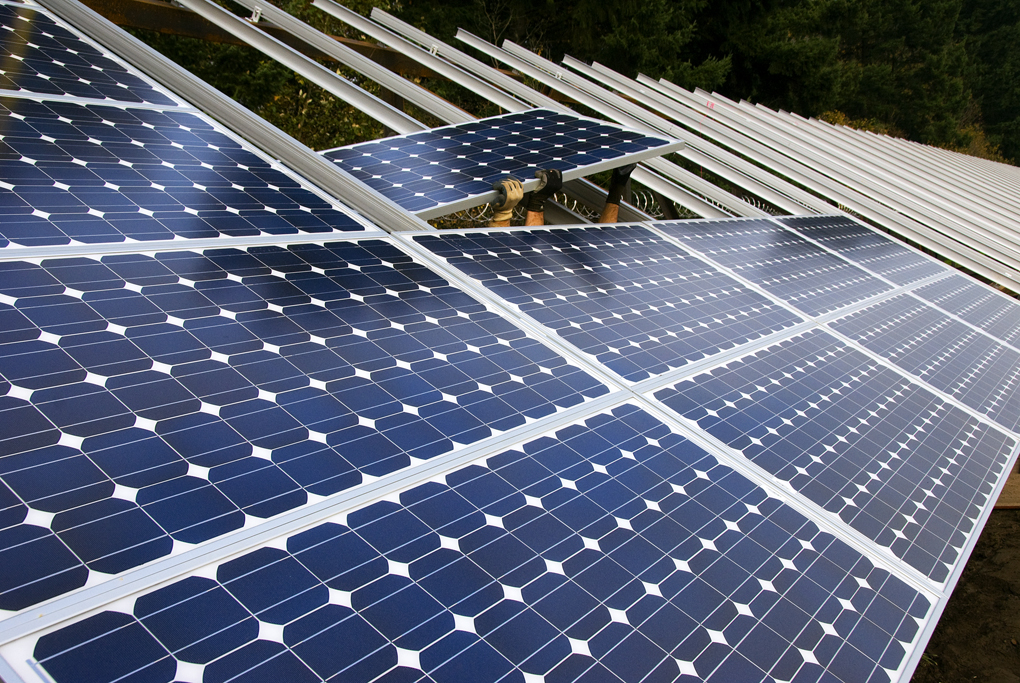
Part of Hillary Clinton’s proposed energy plan is a pledge that half a billion additional solar panels will be installed by the end of her first term if she is elected President this year.  This number sounds wildly ambitious.  It is even realistic?

[Read more…] about Installing Solar Panels

Size Matters

August 10, 2016 By WAMC WEB

https://earthwiseradio.org/wp-content/uploads/2016/08/EW-08-10-16-Open-Space.mp3

One of the crowning achievements for wildlife protection in the US was the establishment of the National Wildlife Refuge system in the 1930s, when the populations of waterfowl were perilously low. Refuges provided breeding and migratory habitat that has allowed a remarkable recovery of many species of ducks and geese.

[Read more…] about Size Matters

Sponsoring National Parks

June 13, 2016 By WAMC WEB

https://earthwiseradio.org/wp-content/uploads/2016/05/EW-06-13-16-National-Parks-Sponsors.mp3

Everybody loves national parks. They offer scenic wonders, opportunities to commune with nature, and a chance to get away from the pervasive commercialization that fills our lives.  But that may soon change.

[Read more…] about Sponsoring National Parks

Primary Sidebar

Recent Episodes

  • An uninsurable future
  • Clean energy and jobs
  • Insect declines in remote regions
  • Fossil fuel producing nations ignoring climate goals
  • Trouble for clownfishes

WAMC Northeast Public Radio
WAMC/Northeast Public Radio is a regional public radio network serving parts of seven northeastern states (more...)

Copyright © 2026 ·